 EN
EN

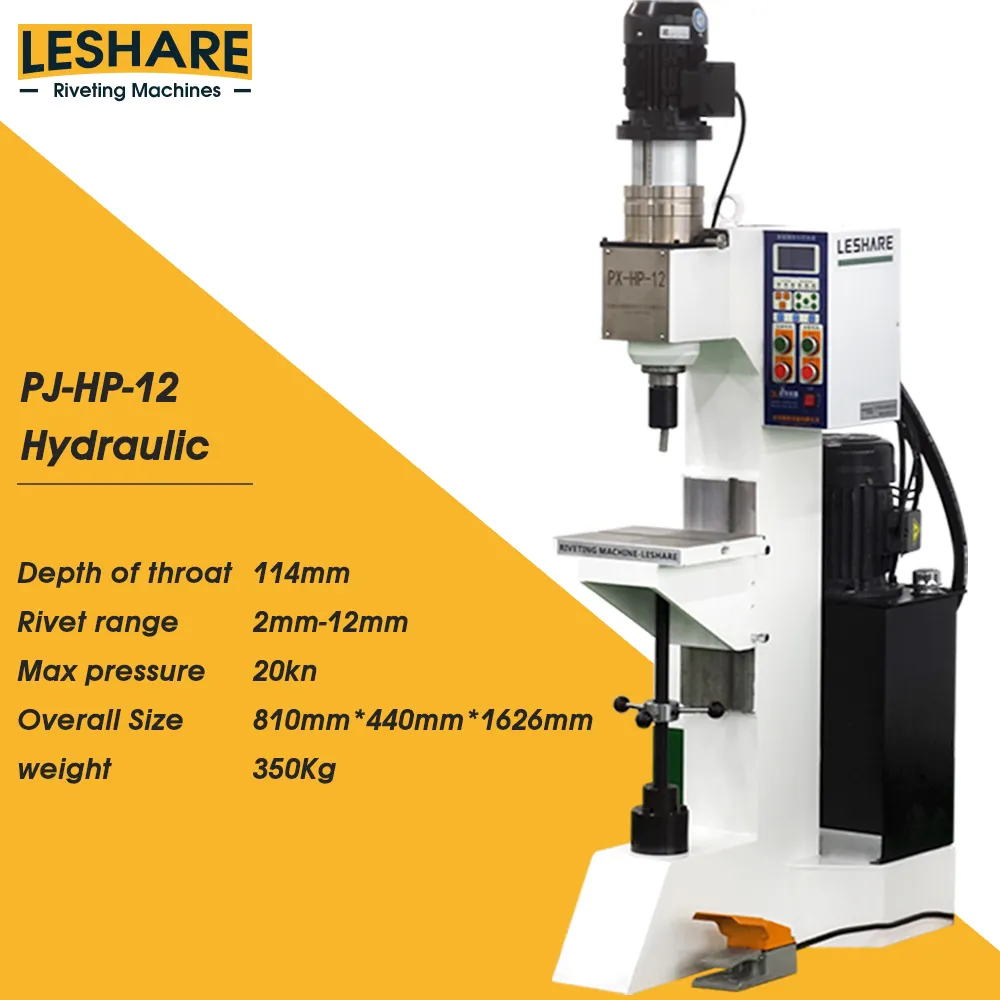
The Evolution of Modern Pneumatic Riveting Systems
The landscape of industrial manufacturing has been transformed by remarkable advances in pneumatic riveting technology over recent years. These innovations are revolutionizing how industries approach fastening solutions, offering unprecedented levels of precision, efficiency, and reliability. As manufacturing demands continue to grow more complex, pneumatic riveting technology adapts and evolves to meet these challenges head-on.
Today's pneumatic riveting systems represent a quantum leap forward from their predecessors, incorporating smart sensors, automated controls, and ergonomic designs that enhance both productivity and operator safety. This technological progression has made pneumatic riveting an indispensable part of modern manufacturing processes, from aerospace applications to automotive assembly lines.
Advanced Features in Contemporary Pneumatic Systems
Smart Monitoring and Control Integration
Modern pneumatic riveting technology now incorporates sophisticated monitoring systems that provide real-time feedback on operation parameters. These smart systems can track pressure levels, cycle counts, and force application with unprecedented accuracy. Manufacturers can now monitor every aspect of the riveting process, ensuring consistent quality and reducing the likelihood of errors.
The integration of IoT capabilities has further enhanced these monitoring capabilities, allowing for remote supervision and data collection. This connectivity enables predictive maintenance schedules and helps identify potential issues before they affect production, significantly reducing downtime and maintenance costs.
Enhanced Ergonomics and Safety Features
Significant strides have been made in improving the ergonomic design of pneumatic riveting tools. Modern systems feature reduced vibration technology, lightweight materials, and balanced weight distribution to minimize operator fatigue. These improvements not only enhance worker comfort but also contribute to increased productivity and reduced workplace injuries.
Safety innovations include automatic shut-off mechanisms, pressure regulation systems, and enhanced grip designs. These features work together to protect operators while maintaining optimal performance levels throughout extended use periods.
Sustainable Manufacturing Solutions
Energy Efficiency Improvements
The latest pneumatic riveting technology incorporates advanced energy-saving features that significantly reduce compressed air consumption. Smart valve systems optimize air usage by delivering precise amounts needed for each operation, eliminating waste and reducing operational costs. These improvements align with growing industry demands for more sustainable manufacturing practices.
New generation pneumatic tools also feature recuperative systems that capture and reuse compressed air, further enhancing their energy efficiency. This innovation not only reduces environmental impact but also delivers substantial cost savings over the long term.
Environmental Impact Reduction
Modern pneumatic riveting systems are designed with environmental consciousness in mind. Manufacturers are incorporating recyclable materials in tool construction and developing maintenance-free systems that require fewer replacement parts. These advancements reduce waste and minimize the environmental footprint of industrial operations.
Additionally, new lubrication systems use biodegradable oils and require less frequent maintenance, further reducing environmental impact while maintaining optimal performance levels.
Industry-Specific Adaptations
Aerospace Applications
The aerospace industry has seen remarkable benefits from advances in pneumatic riveting technology. New systems offer unprecedented precision and consistency, crucial for maintaining the rigorous safety standards required in aircraft manufacturing. Smart tools can now automatically adjust to different material thicknesses and compositions, ensuring perfect riveting results every time.
These specialized systems also incorporate advanced quality control features that document each riveting operation, creating comprehensive records for regulatory compliance and quality assurance purposes.
Automotive Manufacturing Solutions
Automotive manufacturers have embraced innovative pneumatic riveting technology to meet the challenges of modern vehicle assembly. New systems offer faster cycle times and greater versatility, capable of handling multiple rivet types and sizes without tool changes. This flexibility is essential in today's dynamic automotive production environments.
The integration of automated positioning systems and robotic interfaces has further enhanced the capability of pneumatic riveting in automotive applications, enabling precise, repeatable results in high-volume production scenarios.
Future Developments and Trends
Artificial Intelligence Integration
The future of pneumatic riveting technology lies in the integration of artificial intelligence and machine learning capabilities. These systems will be able to learn from past operations, optimize settings automatically, and predict maintenance needs with increasing accuracy. This evolution towards smart manufacturing will further enhance efficiency and reduce operational costs.
AI-driven systems will also enable more sophisticated quality control measures, using pattern recognition to identify potential defects before they occur and suggesting preventive actions.
Advanced Materials Compatibility
As industries increasingly adopt new materials such as composites and advanced alloys, pneumatic riveting technology is evolving to meet these challenges. New tool designs and control systems are being developed to handle these materials effectively while maintaining the high standards of quality and reliability that industries demand.
Research is ongoing into new rivet designs and application methods that will expand the capabilities of pneumatic systems, enabling them to work with an even broader range of materials and applications.
Frequently Asked Questions
How does modern pneumatic riveting technology improve efficiency?
Modern pneumatic riveting technology enhances efficiency through smart monitoring systems, automated controls, and optimized air consumption. These features reduce cycle times, minimize errors, and provide real-time feedback for quality control, resulting in significantly improved productivity and reduced operational costs.
What environmental benefits do new pneumatic riveting systems offer?
New pneumatic riveting systems offer substantial environmental benefits through improved energy efficiency, reduced air consumption, and the use of environmentally friendly materials and lubricants. They also feature recuperative systems that minimize waste and contribute to more sustainable manufacturing practices.
How are smart features changing pneumatic riveting operations?
Smart features in pneumatic riveting technology, including IoT connectivity, real-time monitoring, and predictive maintenance capabilities, are transforming operations by providing enhanced control, improved quality assurance, and reduced downtime. These innovations enable more precise, efficient, and reliable riveting processes across various industries.