 EN
EN
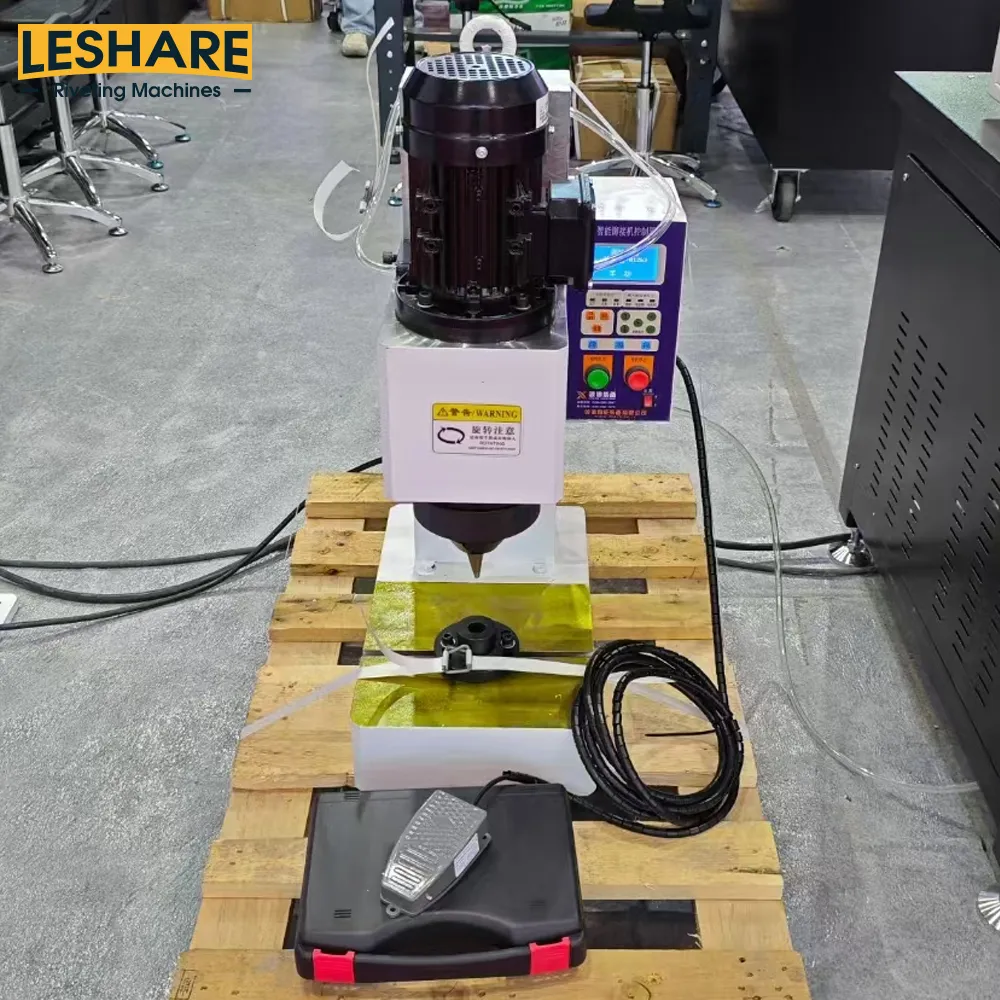
Οι σύγχρονες βιομηχανικές εγκαταστάσεις κατασκευής απαιτούν ακρίβεια, αποδοτικότητα και αδιάλειπτη ενσωμάτωση σε όλες τις διαδικασίες παραγωγής. Μηχανές Ακτινικής Σφυρηλάτησης οι μηχανές ραβδοποίησης ακτινικού τύπου έχουν αναδειχθεί ως απαραίτητος εξοπλισμός για την επίτευξη αξιόπιστων λύσεων στερέωσης σε βιομηχανίες που καλύπτουν φάσμα από την αυτοκινητοβιομηχανία μέχρι την αεροδιαστημική. Αυτές οι εξελιγμένες μηχανές παρέχουν συνεπείς και υψηλής ποιότητας συνδέσεις, προσαρμόζοντας ταυτόχρονα τον εαυτό τους στις πολύπλοκες απαιτήσεις των σύγχρονων συστημάτων κατασκευής. Η κατανόηση του τρόπου με τον οποίο οι μηχανές ραβδοποίησης ακτινικού τύπου ενσωματώνονται στις σύγχρονες ροές εργασίας παραγωγής είναι κρίσιμη για τους κατασκευαστές που επιδιώκουν τη βελτιστοποίηση των εργασιών συναρμολόγησής τους και τη διατήρηση ανταγωνιστικών πλεονεκτημάτων στη σημερινή αγορά.
Δυνατότητες Ενσωμάτωσης της Σύγχρονης Τεχνολογίας Ραβδοειδούς Καδρονιάς
Ψηφιακά Πρωτόκολλα Επικοινωνίας
Οι σύγχρονες ακτινωτές μηχανές καρφώματος ενσωματώνουν προηγμένα ψηφιακά συστήματα επικοινωνίας που διευκολύνουν την αδιάλειπτη σύνδεση με συστήματα εκτέλεσης παραγωγής (MES) και πλατφόρμες σχεδιασμού πόρων επιχείρησης (ERP). Οι μηχανές αυτές χρησιμοποιούν βιομηχανικά πρωτόκολλα επικοινωνίας, όπως το Ethernet/IP, το Profinet και το Modbus, για την ανταλλαγή πραγματικού χρόνου δεδομένων με τα κεντρικά συστήματα ελέγχου. Η ενσωμάτωση αυτή επιτρέπει στους διευθυντές παραγωγής να παρακολουθούν την απόδοση των μηχανών, να καταγράφουν μετρήσεις ποιότητας και να λαμβάνουν άμεσες ειδοποιήσεις για λειτουργικές ανωμαλίες. Αυτή η συνδεσιμότητα μετατρέπει τις ακτινωτές μηχανές καρφώματος από αυτόνομα μηχανήματα σε ευφυή κόμβους εντός του ευρύτερου δικτύου παραγωγής.
Η ψηφιακή ενσωμάτωση επεκτείνεται πέραν της βασικής επικοινωνίας και περιλαμβάνει δυνατότητες προληπτικής συντήρησης. Οι αισθητήρες που ενσωματώνονται στις μηχανές ακτινικής καδρονιάς παρακολουθούν συνεχώς κρίσιμες παραμέτρους, όπως η εφαρμοζόμενη δύναμη, οι χρόνοι κύκλου και τα μοτίβα φθοράς των εξαρτημάτων. Αυτά τα δεδομένα μεταδίδονται απευθείας στα συστήματα διαχείρισης συντήρησης, επιτρέποντας τον προληπτικό προγραμματισμό των διαστημάτων συντήρησης και μειώνοντας την απρόβλεπτη διακοπή λειτουργίας. Οι βιομηχανικές εγκαταστάσεις μπορούν να βελτιστοποιήσουν τις στρατηγικές συντήρησής τους αξιοποιώντας αυτές τις ενδείξεις για να προβλέψουν πότε οι μηχανές ακτινικής καδρονιάς χρειάζονται προσοχή, πριν από την εμφάνιση βλαβών.
Αυτοματοποιημένη Ενσωμάτωση Διαχείρισης Υλικών
Τα σύγχρονα συστήματα παραγωγής βασίζονται σε μεγάλο βαθμό σε αυτοματοποιημένες λύσεις χειρισμού υλικών, ενώ οι ακτινωτές ριβεταδόροι μηχανές έχουν εξελιχθεί ώστε να ενσωματώνονται απρόσκοπτα σε αυτά τα συστήματα. Μηχανικά βραχίονας, συστήματα ταινιών μεταφοράς και αυτόνομα καθοδηγούμενα οχήματα λειτουργούν σε συντονισμό με τις ακτινωτές ριβεταδόρους μηχανές για τη δημιουργία πλήρως αυτοματοποιημένων γραμμών συναρμολόγησης. Οι μηχανές διαθέτουν προγραμματιζόμενα συστήματα θέσης που επιτρέπουν την προσαρμογή σε διάφορες διαμορφώσεις εξαρτημάτων και μπορούν να ρυθμίζουν τις παραμέτρους λειτουργίας τους βάσει των προδιαγραφών των εισερχόμενων τεμαχίων.
Η ενσωμάτωση με τα συστήματα χειρισμού υλικών περιλαμβάνει εξελιγμένα συστήματα όρασης που επαληθεύουν τη θέση και τον προσανατολισμό των εξαρτημάτων πριν από την έναρξη των εργασιών ρίβετσιμα. Αυτά τα συστήματα διασφαλίζουν ότι οι ακτινωτές ριβεταδόροι μηχανές ενεργοποιούνται μόνο όταν τα εξαρτήματα βρίσκονται στη σωστή θέση, προλαμβάνοντας έτσι ζημιές και διατηρώντας τα πρότυπα ποιότητας. Ο βρόχος ανάδρασης μεταξύ των συστημάτων όρασης και των ελεγκτών της μηχανής δημιουργεί ένα περιβάλλον αυτοπαρακολούθησης που ενισχύει τη συνολική αξιοπιστία της παραγωγής.
Συστήματα Ελέγχου Ποιότητας και Διαχείρισης Δεδομένων
Παρακολούθηση ποιότητας σε πραγματικό χρόνο
Η διασφάλιση της ποιότητας στη σύγχρονη παραγωγή απαιτεί συνεχή παρακολούθηση και μηχανισμούς άμεσης ανατροφοδότησης. Οι μηχανές ριβέτωσης ακτινικού τύπου ενσωματώνονται σε συστήματα διαχείρισης ποιότητας μέσω ενσωματωμένων αισθητήρων που μετρούν προφίλ δύναμης, καμπύλες μετατόπισης και άλλες κρίσιμες παραμέτρους κατά τον κάθε κύκλο ριβέτωσης. Τα δεδομένα αυτά συγκρίνονται αμέσως με προκαθορισμένα όρια ποιότητας, επιτρέποντας την άμεση ανίχνευση πιθανών ελαττωμάτων ή παρεκκλίσεων της διαδικασίας.
Η ενσωμάτωση αυτή επιτρέπει την αυτόματη εφαρμογή μεθοδολογιών στατιστικού ελέγχου διαδικασίας κατά τη διάρκεια της παραγωγής. Οι μηχανές ριβέτωσης ακτινικού τύπου μπορούν να προσαρμόζουν τις παραμέτρους τους σε πραγματικό χρόνο βάσει της ανατροφοδότησης για την ποιότητα, διατηρώντας συνεπή απόδοση ακόμη και όταν μεταβάλλονται οι ιδιότητες των υλικών ή οι περιβαλλοντικές συνθήκες. Αυτή η προσαρμοστική ικανότητα μειώνει τα ποσοστά απορριμμάτων και διασφαλίζει ότι τα τελικά προϊόντα προϊόντα πληρούν ή υπερβαίνουν τις προδιαγραφές ποιότητας χωρίς να απαιτείται χειροκίνητη παρέμβαση.
Συστήματα Εντοπισμού και Τεκμηρίωσης
Η εκτενής επαγωγή καταγωγής έχει καταστεί απαραίτητη σε βιομηχανίες όπου η ασφάλεια και η συμμόρφωση προς τη νομοθεσία είναι καθοριστικής σημασίας. Οι μηχανές ριβέτωσης ακτινικού τύπου ενσωματώνονται σε επιχειρησιακά συστήματα επαγωγής καταγωγής για τη δημιουργία λεπτομερών αρχείων κάθε επιχείρησης ριβέτωσης. Αυτά τα αρχεία περιλαμβάνουν την ταυτοποίηση του χειριστή, τους αριθμούς παρτίδας των υλικών, τις παραμέτρους της διαδικασίας και τις μετρήσεις ποιότητας για κάθε δημιουργηθείσα σύνδεση. Η ενσωμάτωση διασφαλίζει ότι ολοκληρωμένα ιστορικά παραγωγής είναι διαθέσιμα για ελέγχους ποιότητας και επιθεωρήσεις από ρυθμιστικές αρχές.
Τα ψηφιακά συστήματα τεκμηρίωσης λειτουργούν σε συνεργασία με μηχανές Ακτινικής Σφυρηλάτησης για την αυτόματη δημιουργία πιστοποιητικών συμμόρφωσης και εκθέσεων ποιότητας. Αυτή η αυτοματοποίηση εξαλείφει τα λάθη που προκύπτουν από την εντελώς χειροκίνητη εισαγωγή δεδομένων και μειώνει το διοικητικό βάρος που επιβάλλεται στο προσωπικό παραγωγής. Οι μονάδες παραγωγής μπορούν να αποδεικνύουν τη συμμόρφωσή τους με τα βιομηχανικά πρότυπα και τις απαιτήσεις των πελατών μέσω εκτενών ψηφιακών αρχείων που διατηρούνται καθ’ όλη τη διάρκεια της διαδικασίας παραγωγής.
Ενσωμάτωση Σχεδιασμού και Προγραμματισμού Παραγωγής
Δυναμικός Προγραμματισμός Παραγωγής
Οι σύγχρονες βιομηχανικές εγκαταστάσεις απαιτούν ευέλικτο προγραμματισμό παραγωγής, ο οποίος μπορεί να προσαρμόζεται στις μεταβαλλόμενες ανάγκες των πελατών και τη διαθεσιμότητα υλικών. Οι μηχανές ακτινικής καδρονιάς ενσωματώνονται σε προηγμένα συστήματα σχεδιασμού και προγραμματισμού μέσω διτονικής ανταλλαγής δεδομένων. Αυτά τα συστήματα λαμβάνουν ενημερώσεις σε πραγματικό χρόνο σχετικά με τη διαθεσιμότητα των μηχανημάτων, τις ταχύτητες επεξεργασίας και την απόδοση σε θέματα ποιότητας, επιτρέποντας τη δυναμική βελτιστοποίηση των προγραμμάτων παραγωγής με βάση τις πραγματικές λειτουργικές συνθήκες.
Η ενσωμάτωση επιτρέπει στους προγραμματιστές παραγωγής να λαμβάνουν ενημερωμένες αποφάσεις για τη σειρά εκτέλεσης εργασιών και την κατανομή πόρων. Όταν οι μηχανές ακτινικής καδρονιάς αναφέρουν την ολοκλήρωση συγκεκριμένων εργασιών ή την εμφάνιση καθυστερήσεων, το σύστημα προγραμματισμού προσαρμόζει αυτόματα τις επόμενες εργασίες για να διατηρήσει τη συνολική ροή παραγωγής. Η ευελιξία αυτή ελαχιστοποιεί τον χρόνο αδράνειας και μεγιστοποιεί την παραγωγικότητα, ενώ διασφαλίζει την επανειλημμένη τήρηση των υποχρεώσεων παράδοσης.
Βελτιστοποίηση Πόρων και Παρακολούθηση της Αποδοτικότητας
Η αποτελεσματική ενσωμάτωση μηχανών ακτινικής καρφώσεως με συστήματα διαχείρισης παραγωγής επιτρέπει την εξαντλητική παρακολούθηση της αξιοποίησης των πόρων και της λειτουργικής απόδοσης. Αυτά τα συστήματα παρακολουθούν βασικούς δείκτες απόδοσης, όπως τη συνολική απόδοση εξοπλισμού (OEE), τους χρόνους κύκλου και τα πρότυπα κατανάλωσης ενέργειας. Τα δεδομένα παρέχουν πολύτιμες διαπιστώσεις για πρωτοβουλίες συνεχούς βελτίωσης και βοηθούν στην αναγνώριση ευκαιριών για βελτιστοποίηση των λειτουργιών.
Τα συστήματα διαχείρισης ενέργειας λειτουργούν σε συνεργασία με τις μηχανές ακτινικής καρφώσεως για τη βελτιστοποίηση της κατανάλωσης ηλεκτρικής ενέργειας σε όλη την παραγωγική εγκατάσταση. Νοημόνα αλγόριθμα χρονοπρογραμματισμού μπορούν να συντονίζουν τις λειτουργίες των μηχανών προκειμένου να ελαχιστοποιηθούν οι κορυφαίες απαιτήσεις ενέργειας και να εκμεταλλευτούν τις χαμηλότερες τιμές ηλεκτρικής ενέργειας κατά τις ώρες εκτός αιχμής. Αυτή η ενσωμάτωση συμβάλλει στην επίτευξη των στόχων βιωσιμότητας, ενώ μειώνει το κόστος λειτουργίας των βιομηχανικών επιχειρήσεων.
Ενσωμάτωση Ασφάλειας και Συμμόρφωσης
Συντονισμός Συστημάτων Ασφαλείας
Η ασφάλεια παραμένει η υψηλότερη προτεραιότητα στις σύγχρονες βιομηχανικές εγκαταστάσεις, και οι μηχανές ακτινικής καδρόνιας ενσωματώνονται πλήρως στα συστήματα ασφαλείας ολόκληρης της εγκατάστασης. Αυτές οι μηχανές διαθέτουν πολλαπλά ασφαλή διασυνδεδεμένα κυκλώματα (safety interlocks) που επικοινωνούν με κεντρικούς ελεγκτές ασφαλείας, προκειμένου να διασφαλίζεται ότι όλα τα προστατευτικά μέτρα είναι ενεργοποιημένα πριν από την έναρξη των λειτουργιών. Οι κουρτίνες φωτός, οι διακόπτες έκτακτης ανάγκης και οι αισθητήρες ανίχνευσης παρουσίας λειτουργούν από κοινού για να δημιουργήσουν πολλαπλά επίπεδα προστασίας για τους χειριστές και τον εξοπλισμό.
Η ενσωμάτωση επεκτείνεται και στα συστήματα παρακολούθησης του περιβάλλοντος, τα οποία παρακολουθούν την ποιότητα του αέρα, τα επίπεδα θορύβου και άλλες συνθήκες εργασίας στην περιοχή των μηχανών ακτινικής καδρόνιας. Όταν οι περιβαλλοντικές παράμετροι υπερβούν τα αποδεκτά όρια, τα ενσωματωμένα συστήματα ασφαλείας μπορούν να προσαρμόσουν αυτόματα τις λειτουργίες της μηχανής ή να ενεργοποιήσουν προστατευτικά μέτρα. Αυτή η προληπτική προσέγγιση στη διαχείριση της ασφάλειας συμβάλλει στη διατήρηση υγιών συνθηκών εργασίας, ενώ εξασφαλίζει την τήρηση των κανονισμών ασφάλειας στον χώρο εργασίας.
Παρακολούθηση της Συμμόρφωσης προς τους Κανονισμούς
Η συμμόρφωση με τις βιομηχανικές ρυθμίσεις και προδιαγραφές απαιτεί συνεχή παρακολούθηση και τεκμηρίωση των διαδικασιών παραγωγής. Οι μηχανές ακτινικής καρφώσεως ενσωματώνονται σε συστήματα διαχείρισης συμμόρφωσης για να συλλέγουν και να οργανώνουν αυτόματα τα δεδομένα που απαιτούνται για τη ρυθμιστική αναφορά. Αυτά τα συστήματα παρακολουθούν τις παραμέτρους της διαδικασίας, τις μετρήσεις ποιότητας και τα περιστατικά ασφαλείας, προκειμένου να διασφαλίζεται ότι όλες οι λειτουργίες παραμένουν εντός των καθορισμένων ορίων.
Η αυτοματοποιημένη αναφορά συμμόρφωσης μειώνει τον κίνδυνο ανθρώπινου λάθους και διασφαλίζει ότι όλη η απαιτούμενη τεκμηρίωση είναι πλήρης και ακριβής. Όταν οι μηχανές ακτινικής καρφώσεως ανιχνεύουν συνθήκες που θα μπορούσαν να οδηγήσουν σε παραβιάσεις της συμμόρφωσης, τα ενσωματωμένα συστήματα μπορούν να ενεργοποιούν αυτόματα διορθωτικά μέτρα ή να ειδοποιούν το κατάλληλο προσωπικό. Αυτή η προληπτική προσέγγιση βοηθά τις βιομηχανικές εγκαταστάσεις να διατηρούν τη ρυθμιστική τους θέση και να αποφεύγουν δαπανηρές κυρώσεις ή διακοπές της παραγωγής.
Μελλοντικές τάσεις και τεχνολογίες ενσωμάτωσης
Τεχνητή Νοημοσύνη και Μηχανικό Μάθημα
Η επόμενη γενιά μηχανημάτων ακτινικής κλεμπάρισματος θα ενσωματώνει δυνατότητες τεχνητής νοημοσύνης και μηχανικής μάθησης για τη βελτίωση της ενσωμάτωσής τους στα συστήματα παραγωγής. Αυτές οι τεχνολογίες θα επιτρέπουν στα μηχανήματα να μαθαίνουν από ιστορικά δεδομένα απόδοσης και να βελτιστοποιούν αυτόματα τις λειτουργίες τους για μέγιστη αποδοτικότητα και ποιότητα. Προβλεπτικοί αλγόριθμοι θα προβλέπουν τις ανάγκες συντήρησης, τα προβλήματα ποιότητας και τα λειτουργικά «στενά σημεία» πριν αυτά επηρεάσουν την παραγωγή.
Η ενσωμάτωση μηχανικής μάθησης θα επιτρέπει στα μηχανήματα ακτινικής κλεμπάρισματος να προσαρμόζονται σε νέα υλικά, διαμορφώσεις εξαρτημάτων και απαιτήσεις διαδικασίας χωρίς εκτεταμένο επαναπρογραμματισμό. Τα συστήματα θα βελτιώνουν συνεχώς τις παραμέτρους λειτουργίας τους με βάση τα ανατροφοδοτικά σήματα από μετρήσεις ποιότητας και αποτελέσματα παραγωγής. Αυτή η εξελικτική ικανότητα θα μειώνει τους χρόνους προετοιμασίας για νέα προϊόντα και θα βελτιώνει τη συνολική ευελιξία της κατασκευής.
Υπολογισμός στο άκρο (Edge Computing) και ενσωμάτωση με τον Νέφος
Οι τεχνολογίες υπολογισμού στο άκρο (edge computing) μεταμορφώνουν τον τρόπο με τον οποίο οι μηχανές ακτινικής καδρονιάς επεξεργάζονται και ανταλλάσσουν δεδομένα εντός των παραγωγικών συστημάτων. Οι δυνατότητες τοπικής επεξεργασίας μειώνουν την καθυστέρηση (latency) και βελτιώνουν τους χρόνους ανταπόκρισης για κρίσιμες λειτουργίες ελέγχου, διατηρώντας παράλληλα τη σύνδεση με πλατφόρμες αναλυτικών δεδομένων βασισμένες στο cloud. Αυτή η υβριδική προσέγγιση προσφέρει τα καλύτερα από τους δύο κόσμους: ανταπόκριση σε πραγματικό χρόνο για άμεσες ανάγκες ελέγχου και ισχυρές αναλυτικές δυνατότητες για μακροπρόθεσμη βελτιστοποίηση.
Η ενσωμάτωση με το cloud επιτρέπει στις μηχανές ακτινικής καδρονιάς να επωφελούνται από κεντρικοποιημένη ανάλυση δεδομένων και σύγκριση επιδόσεων (benchmarking) σε πολλές παραγωγικές εγκαταστάσεις. Οι κατασκευαστές μπορούν να συγκρίνουν μετρικές απόδοσης, να ανταλλάσσουν καλύτερες πρακτικές και να εφαρμόζουν τυποποιημένες διαδικασίες σε όλες τις παγκόσμιες εγκαταστάσεις τους. Η σύνδεση με το cloud υποστηρίζει επίσης δυνατότητες απομακρυσμένης παρακολούθησης και διάγνωσης προβλημάτων, επιτρέποντας εμπειρογνώμονες υποστήριξης ανεξάρτητα από τη γεωγραφική τους τοποθεσία.
Συχνές ερωτήσεις
Ποια πρωτόκολλα επικοινωνίας υποστηρίζουν οι σύγχρονες μηχανές ακτινικής καδρονιάς για ενσωμάτωση;
Οι σύγχρονες ακτινωτές μηχανές ριβέτωσης συνήθως υποστηρίζουν βιομηχανικά πρωτόκολλα επικοινωνίας, όπως το Ethernet/IP, το Profinet, το Modbus TCP/IP και το OPC-UA. Αυτά τα πρωτόκολλα διευκολύνουν την αδιάλειπτη ενσωμάτωση με συστήματα εκτέλεσης παραγωγής, προγραμματιζόμενους λογικούς ελεγκτές (PLC) και πλατφόρμες σχεδιασμού πόρων επιχείρησης (ERP). Τα συγκεκριμένα πρωτόκολλα που υποστηρίζονται μπορεί να διαφέρουν ανάλογα με τον κατασκευαστή και το μοντέλο, ωστόσο οι περισσότερες σύγχρονες μηχανές προσφέρουν πολλαπλές επιλογές για να εξυπηρετήσουν διαφορετικές αρχιτεκτονικές δικτύων εγκαταστάσεων.
Πώς ενσωματώνονται οι ακτινωτές μηχανές ριβέτωσης με τα συστήματα διαχείρισης ποιότητας;
Οι μηχανές ακτινικής κλεμπάρισματος ενσωματώνονται σε συστήματα διαχείρισης ποιότητας μέσω ενσωματωμένων αισθητήρων που παρακολουθούν συνεχώς κρίσιμες παραμέτρους διαδικασίας, όπως προφίλ δύναμης, μετρήσεις μετατόπισης και χρόνους κύκλου. Αυτά τα δεδομένα μεταδίδονται σε πραγματικό χρόνο στα συστήματα ελέγχου ποιότητας, όπου συγκρίνονται με προκαθορισμένες προδιαγραφές και όρια ελέγχου. Η ενσωμάτωση επιτρέπει την αυτόματη απόρριψη εξαρτημάτων εκτός προδιαγραφών και παρέχει εκτενή τεκμηρίωση για ελέγχους ποιότητας και αναφορές συμμόρφωσης.
Μπορούν οι μηχανές ακτινικής κλεμπάρισματος να ενσωματωθούν σε υφιστάμενα συστήματα αυτοματισμού;
Ναι, οι μηχανές ριβεταρίσματος ακτινικού τύπου είναι σχεδιασμένες για να ενσωματωθούν σε υφιστάμενα συστήματα αυτοματισμού, συμπεριλαμβανομένων κυψελών ρομπότ, συστημάτων ταινιών μεταφοράς και αυτοματοποιημένου εξοπλισμού χειρισμού υλικών. Οι μηχανές διαθέτουν τυποποιημένες διεπαφές και προγραμματιζόμενους ελεγκτές οι οποίοι μπορούν να επικοινωνούν με διάφορες πλατφόρμες αυτοματισμού. Η ενσωμάτωση συνήθως περιλαμβάνει τη διαμόρφωση πρωτοκόλλων επικοινωνίας, τον προγραμματισμό συντονισμένων ακολουθιών και την εγκατάσταση ασφαλών διασυνδέσεων (interlocks) για να διασφαλιστεί η ασφαλής και αποτελεσματική λειτουργία εντός του αυτοματοποιημένου συστήματος.
Ποια δεδομένα μπορούν να παρέχουν οι μηχανές ριβεταρίσματος ακτινικού τύπου για την ανάλυση της παραγωγής;
Οι μηχανές ριβέτωσης ακτινικού τύπου μπορούν να παρέχουν εκτενή δεδομένα για την ανάλυση της παραγωγής, συμπεριλαμβανομένων των χρόνων κύκλου, των μετρήσεων ποιότητας, της κατανάλωσης ενέργειας, των ενδείξεων συντήρησης και των μετρικών αποδοτικότητας λειτουργίας. Αυτά τα δεδομένα επιτρέπουν στους κατασκευαστές να υπολογίζουν τη συνολική αποτελεσματικότητα του εξοπλισμού (OEE), να εντοπίζουν ευκαιρίες βελτίωσης των διαδικασιών και να βελτιστοποιούν τους προγραμματισμούς παραγωγής. Οι προηγμένες μηχανές παρέχουν επίσης ενδείξεις προληπτικής συντήρησης και ανάλυση τάσεων, ώστε να υποστηρίζουν προληπτικές στρατηγικές συντήρησης και να ελαχιστοποιούν την απρόβλεπτη διακοπή λειτουργίας.
Περιεχόμενα
- Δυνατότητες Ενσωμάτωσης της Σύγχρονης Τεχνολογίας Ραβδοειδούς Καδρονιάς
- Συστήματα Ελέγχου Ποιότητας και Διαχείρισης Δεδομένων
- Ενσωμάτωση Σχεδιασμού και Προγραμματισμού Παραγωγής
- Ενσωμάτωση Ασφάλειας και Συμμόρφωσης
- Μελλοντικές τάσεις και τεχνολογίες ενσωμάτωσης
-
Συχνές ερωτήσεις
- Ποια πρωτόκολλα επικοινωνίας υποστηρίζουν οι σύγχρονες μηχανές ακτινικής καδρονιάς για ενσωμάτωση;
- Πώς ενσωματώνονται οι ακτινωτές μηχανές ριβέτωσης με τα συστήματα διαχείρισης ποιότητας;
- Μπορούν οι μηχανές ακτινικής κλεμπάρισματος να ενσωματωθούν σε υφιστάμενα συστήματα αυτοματισμού;
- Ποια δεδομένα μπορούν να παρέχουν οι μηχανές ριβεταρίσματος ακτινικού τύπου για την ανάλυση της παραγωγής;