 EN
EN
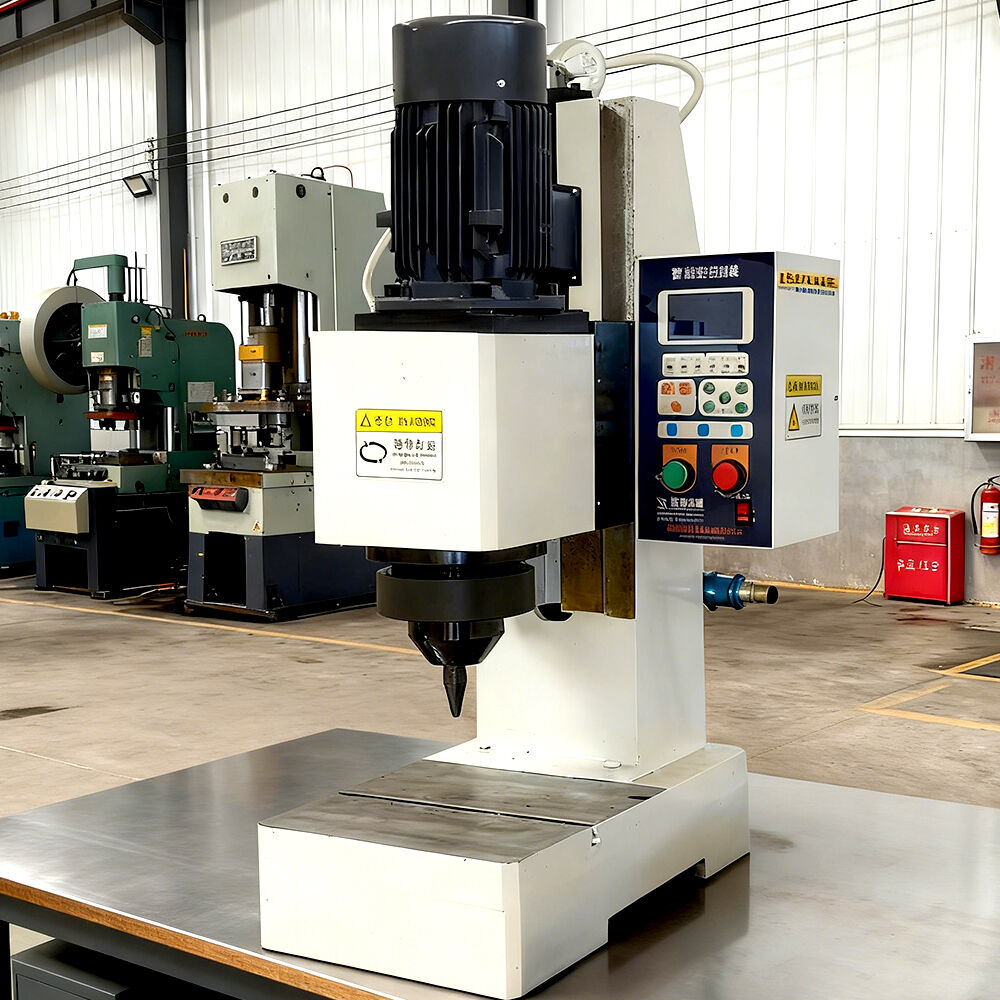
Preciznost proizvodnje i kvaliteta montaže postali su ključni razlikovatelji u današnjem konkurentnom industrijskom okruženju. Kada je u pitanju spajanje metalnih komponenti, niskobrzinski radijalni zakivači u skladu s člankom 3. stavkom 2. Ova specijalizirana tehnika kombinuje kontroliranu primjenu sile s preciznim pokretima rotacije, stvarajući trajne spojeve koji premašuju tradicionalne metode pričvršćivanja po snazi i izdržljivosti.
Industrijski proizvođači diljem svijeta sve više usvajaju procese radijalnog zakvačenja niske brzine kako bi odgovorili na rastuće zahtjeve za preciznim rješenjima za sastavljanje. Sposobnost ove tehnike da stvara jednake spojeve bez napetosti čini je posebno vrijednom u sektorima u kojima se ne može ugroziti integritet komponenti. Za razliku od uobičajenih pristupa pričvršćivanju, ova metoda ravnomjerno raspoređuje mehanički pritisak na cijelom zglobnom sučeljevu, minimizirajući potencijalne točke kvarova i produžavajući ukupni životni vijek proizvoda.
Razumijevanje tehnologije niske brzine radijalnog nivanja
Osnovna principa rada
Osnovni mehanizam radijalnog nitiranja s niskom brzinom uključuje kontrolirano deformaciju materijala nitova kroz istovremeni aksijalni pritisak i radijalno širenje. Ovaj proces dvostrukog djelovanja osigurava potpuno punjenje šupljine uz održavanje preciznih dimenzionalnih tolerancija. Tehnologija djeluje pri znatno nižim brzinama rotacije u usporedbi s tradicionalnim metodama nitiranja, obično u rasponu od 50 do 200 okretaja u minuti, što omogućuje poboljšanu kontrolu procesa oblikovanja.
Tijekom rada, specijalizirani alat postupno vrši pritisak dok istovremeno okreće glavu nitova, stvarajući gljivicu koja čvrsto spaja dijelove. U slučaju da se radi o materijalu koji se koristi za proizvodnju električne energije, potrebno je osigurati da se radi o materijalu koji se koristi za proizvodnju električne energije. Ova kontrolisana okolina osigurava dosljednu kvalitetu spoja tijekom proizvodnih ciklusa, što radi radijalnu nitiranje niske brzine idealnim za proizvodne operacije velikog obima.
Uređaji i njihovi dijelovi
Moderni sistemi radijalnog nitiranja niske brzine uključuju napredne pneumatičke ili hidrauličke pogonske mehanizme koji osiguravaju preciznu kontrolu sile tijekom cijelog procesa spajanja. Uređaji obično imaju podešavanje pritiska, programirane parametre ciklusa i integrirane sustave za praćenje kvalitete koji osiguravaju ponavljajuće rezultate. U skladu s člankom 3. stavkom 1. točkom (a) ovog članka, za proizvodnju električnih vozila u Uniji primjenjuje se proizvodnja električnih vozila u Uniji.
Sastavi alata koji se koriste u niskobrzim radijalnim aplikacijama za nitiranje dizajnirani su za maksimalnu izdržljivost i preciznost. U skladu s člankom 3. stavkom 2. točkom (a) ovog članka, "sredstva za upravljanje" znači sredstva za upravljanje kojima se osigurava da su u skladu s člankom 3. točkom (a) ovog članka. Mnogi sustavi uključuju mogućnosti automatske promjene alata koje smanjuju vrijeme postavljanja i minimiziraju prekide proizvodnje tijekom procesa montaže više dijelova.
Prednosti nad tradiicionalnim metodama fiksacije
Karakteristike superiorne snage zglobova
Radijalno nitiranje niskim brzinama proizvodi spojeve s iznimnim svojstvima snage na vladanje i rez, koji često premašaju mogućnosti matičnog materijala. Postepeni proces stvaranja stvara gusto, prazno glava rezana koja učinkovito raspoređuju opterećenja preko cijelog spojnog sučelja. Ova jednaka raspodjela napona eliminira slabosti koje se obično povezuju s konvencionalnim metodama pričvršćivanja, što rezultira spojevima koji mogu izdržati ekstremne radne uvjete.
U slučaju da je to moguće, u slučaju da je to moguće, potrebno je utvrditi da je to moguće. Stalna priroda veze eliminira zabrinutost zbog otpuštanja zbog vibracija ili toplotnog ciklusa, što ovu tehnologiju čini posebno vrijednom u automobilskoj, zrakoplovnoj i teškoj strojnosti gdje je pouzdanost zglobova od najveće važnosti.
Povećana proizvodna učinkovitost
U skladu s člankom 3. stavkom 1. točkom (a) ovog članka, za proizvodnju električne energije u Uniji primjenjuje se proizvodnja električne energije u skladu s člankom 3. točkom (a) ovog članka. Kada su pravilno konfigurirani, ti sustavi mogu neprekidno raditi uz minimalnu intervenciju operatora, stvarajući dosljedne spojeve brzinama koje premašaju metode ručnog sastavljanja. Ukidanje sekundarnih operacija kao što su navoj, obrtni moment ili primjena lepila dodatno pojednostavljuje proizvodni proces.
U skladu s tim, u skladu s člankom 3. stavkom 3. točkom (a) ovog članka, radijalna nitna tehnologija može se koristiti za proizvodnju električne energije. Svaki spoj se formira pod identičnim uvjetima uz preciznu kontrolu snage i vremena, što eliminiše varijacije koje se obično javljaju s ručnim metodama pričvršćivanja. Ova dosljednost smanjuje stopu otpada i smanjuje potrebu za opsežnim postupcima provjere kvalitete, što na kraju smanjuje ukupne troškove proizvodnje.
Promotivne primjene i slučajevi upotrebe
Integracija proizvodnje automobila
Automobilska industrija je široko prihvatila niskobrzinski radijalni zakivači za priključivanje kritičnih komponenti gdje su sigurnost i pouzdanost od suštinskog značaja. U sastavima motora, dijelovima prenosa i sistemima za ovjezivanje redovito se koristi ta tehnologija za stvaranje stalnih spojeva koji izdržavaju ekstremne napore pri radu. Ovaj je postupak posebno učinkovit za spajanje različitih materijala, što proizvođačima omogućuje optimizaciju dizajna komponenti koristeći najprikladnije materijale za svaku primjenu.
Sastavi za kočni sustav predstavljaju vrhunski primjer primjene radijalnog nitiranja niske brzine u proizvodnji automobila. U skladu s člankom 3. stavkom 2. točkom (a) ovog članka, "specifična vozila" znači vozila koja su proizvedena u skladu s člankom 3. stavkom 1. točkom (a) ovog članka. Osim toga, proces omogućuje spajanje različitih kombinacija materijala koje se obično nalaze u modernim kočijnim komponentama, uključujući čelik, aluminij i kompozitne materijale.
Sastav zrakoplovne komponente
U zrakoplovstvu se zahtijevaju najviši razini pouzdanosti i performansi zglobova, što radi radijalno nitiranje niske brzine idealnim rješenjem za sastav kritičnih komponenti. Tehnologija je sposobna stvoriti spojeve bez uvođenja koncentracija napona, što je posebno vrijedno u primjenama u kojima je otpornost na umor ključna. Na površinama za upravljanje letom, dijelovima priključaka za slijetanje i sastavima motora često se koristi ova metoda spajanja kako bi se osigurala dugoročna sigurnost rada.
U skladu s člankom 3. stavkom 1. stavkom 2. Svaki spoj može se pratiti i zabilježiti tijekom cijelog procesa oblikovanja, pružajući potpunu dokumentaciju za potrebe usklađenosti s propisima i osiguranja kvalitete. U skladu s člankom 3. stavkom 1. točkom (a) ovog članka, Komisija može, ako je potrebno, provesti reviziju postupka.
Kompatibilnost i odabir materijala
Upotreba metalnih materijala
Radijalno nitiranje niske brzine pokazuje iznimnu kompatibilnost s širokim spektrom metalnih materijala, uključujući aluminijske legure, vrste čelika i specijalizirane superlegure koje se koriste u zahtjevnim primjenama. Proces kontrolirane oblike prilagođava se materijalima s različitim stupnjevima tvrdoće i toplinskim svojstvima bez ugrožavanja integriteta zglobova. Ova svestranost omogućuje proizvođačima odabir optimalnih materijala za specifične zahtjeve performansi uz održavanje dosljednih procesa montaže.
Aluminijske aplikacije posebno imaju koristi od tehnologije radijalne nitiranja niske brzine zbog tendencije materijala da se tvrdi u konvencionalnim metodama pričvršćivanja. Postepeni proces oblikovanja sprečava prekomjerno tvrđanje dok stvara jake, trajne spojeve koji održavaju poželjna svojstva osnovnog materijala. Ova karakteristika čini tehnologiju posebno vrijednom za lažne konstrukcijske primjene gdje je smanjenje težine kritično.
Sastavljeni i hibridni sastavnici
Moderna proizvodnja sve više uključuje spajanje kompozitnih materijala s metalnim komponentama, stvarajući jedinstvene izazove koji su niske brzine radijalne nitke učinkovito. Kontrolirana primjena sile sprečava oštećenje osjetljivih kompozitnih vlakana, a istovremeno stvara sigurne mehaničke veze. Specijalni dizajn rezana i konfiguracije alata prilagođavaju se jedinstvenim zahtjevima spojeva od kompozitnih do metalnih materijala, osiguravajući pouzdane performanse u zahtjevnim primjenama.
U skladu s člankom 3. stavkom 1. točkom (a) Uredbe (EZ) br. 765/2008 i člankom 3. točkom (b) Uredbe (EZ) br. 765/2008 i člankom 3. točkom (c) Uredbe (EZ) br. 765/2008 i člankom 3. točkom (c) Uredbe (EZ) br. 765/2008 i Proces oblikovanja pri sobnoj temperaturi očuva integritet materijala osjetljivih na temperaturu, a istovremeno stvara trajne veze koje održavaju njihovu čvrstoću tijekom cijelog životnog vijeka proizvoda.
Optimizacija procesa i kontrola kvalitete
Izbor i prilagodba parametara
U skladu s člankom 3. stavkom 1. točkom (a) ovog članka, za proizvodnju električne energije u skladu s člankom 3. točkom (a) ovog članka, proizvođač mora imati pristup električnom energiju u skladu s člankom 3. točkom (a) ovog članka. Za postizanje optimalnih rezultata, ti se parametri moraju prilagoditi specifičnim kombinacijama materijala i geometrijama spojeva. U skladu s člankom 3. stavkom 1.
Procesni razvoj obično uključuje sustavno testiranje kako bi se utvrdili optimalni rasponi parametara za određene primjene. U ovoj fazi razvoja uzimaju se u obzir faktori kao što su svojstva materijala, geometrija zglobova i zahtjevi za performansama kako bi se stvorili ponovljivi procesi koji pružaju dosljednu kvalitetu. Nakon što se utvrde, ti parametri se mogu automatski pohranjivati i opozvati, osiguravajući dosljedne rezultate u proizvodnim radovima i promjenama operatera.
Kontrola kvalitete i provjera kvalitete
Moderni sistemi radijalne reznice niske brzine uključuju sofisticirane mogućnosti praćenja koje prate ključne promjenljive procesa tijekom svakog ciklusa spajanja. Korekcije sile, mjerenja pomicanja i parametri vremena neprekidno se nadgledaju kako bi se otkrile varijacije koje bi mogle ukazivati na probleme u procesu ili probleme s kvalitetom. U skladu s člankom 3. stavkom 2. točkom (a) Uredbe (EZ) br. 765/2008 Komisija je odlučila o uvođenju mjera za utvrđivanje odgovarajućih mjera za utvrđivanje odgovarajućih mjera za utvrđivanje mjera za utvrđivanje mjera za utvrđivanje mjera za utvrđivanje mjera za utvrđivanje mj
U slučaju da se radijalna nitka ne može koristiti za proizvodnju električne energije, potrebno je utvrditi razinu i razinu emisije energije. Kontrola je u potpunosti usklađena s uvjetima za upotrebu. Ovaj proaktivni pristup upravljanju kvalitetom smanjuje proizvodnju otpada i osigurava dosljednu učinkovitost proizvoda.
Ekonomski benefiti i razmatranja povrata ulaganja
Smanjenje troškova kroz automatizaciju
Uvođenje tehnologije radijalne nitke niske brzine često rezultira značajnim smanjenjem troškova poboljšanjem automatizacije i smanjenjem zahtjeva za radnom snagom. Automatski sustavi mogu raditi neprekidno uz minimalni nadzor, smanjujući izravne troškove rada uz poboljšanje dosljednosti proizvodnje. U skladu s člankom 3. stavkom 2. točkom (a) Uredbe (EZ) br. 765/2008 Komisija je odlučila da se za proizvodnju električne energije u Uniji primjenjuje sljedeći postupak:
Ušteda troškova materijala predstavlja još jednu značajnu gospodarsku korist od implementacije radijalne nitke niske brzine. Budući da su čvrsti, ne trebaju se skupi čvrstici, čekići i drugi uređaji. Osim toga, sposobnost spajanja različitih materijala omogućuje proizvođačima da optimiziraju dizajn komponenti koristeći najisplativije materijale za svaku primjenu.
Dugoročna operacijska štednja
U skladu s člankom 3. stavkom 1. točkom (a) Uredbe (EZ) br. 725/2009 Komisija je odlučila da se za proizvod koji je pod uvjetom da je proizvođač proizveo proizvod koji je pod uvjetom da je proizvođač proizveo proizvod koji je pod uvjetom da je proizvođač proizveo proizvod koji je Stalni spojevi uklanjaju brige o otpuštanju ili koroziji čvrstih spojeva koji obično utječu na vezice s nitama. Ova pouzdanost rezultira smanjenjem troškova jamstva i povećanjem zadovoljstva kupaca.
U skladu s člankom 3. stavkom 1. točkom (a) Uredbe (EZ) br. 765/2008 Komisija je odlučila o uvođenju mjera za utvrđivanje zahtjeva za uvođenje u Uniju. Automatizirana priroda procesa također smanjuje varijabilnost povezana s razinama vještina operatora, osiguravajući dosljednu kvalitetu bez obzira na proizvodnu smjenu ili promjene osoblja.
Budući razvoj i trendovi tehnologije
Integracija naprednog kontrolnog sustava
U skladu s člankom 3. stavkom 1. stavkom 2. U okviru programa za razvoj tehnologije za upravljanje tehnologijom i tehnologija za upravljanje tehnologijom u Uniji, u okviru programa za razvoj tehnologije za upravljanje tehnologijom i tehnologijom za upravljanje tehnologijom i tehnologijom za upravljanje tehnologijom, u okviru programa za razvoj tehnologija i tehnologija za upravljanje tehnologijom i tehnologija za upravljanje tehnologijom, u okviru programa za razvoj tehnologija i tehnologija Ti napredak obećavaju daljnje poboljšanje pouzdanosti procesa uz smanjenje operativnih troškova.
Aplikacije strojnog učenja razvijaju se za analizu podataka o postupku i identifikaciju mogućnosti optimizacije koje se ne mogu vidjeti tradicionalnim metodama analize. Ti sustavi mogu automatski prilagoditi parametre procesa na temelju stanja u stvarnom vremenu i povijesnih podataka o učinkovitosti, osiguravajući optimalan kvalitet spoja u različitim proizvodnim uvjetima.
Okolišne i održivostske razmatranja
U skladu s člankom 1. stavkom 2. stavkom 2. Novi materijali i premazi za nitove razvijaju se kako bi se poboljšale performanse i istodobno ispunjavale sve strože propise o zaštiti okoliša. U skladu s člankom 3. stavkom 1. točkom (a) Uredbe (EZ) br. 765/2008 Komisija je odlučila o uvođenju mjera za utvrđivanje mjera za utvrđivanje mjera za utvrđivanje mjera za utvrđivanje mjera za utvrđivanje mjera za utvrđivanje mjera za utvrđivanje mjera za utvrđ
U skladu s člankom 3. stavkom 1. stavkom 2. Napredni dizajn rezdaka i tehnike spajanja razvijaju se kako bi se zadovoljili ti zahtjevi, uz zadržavanje karakteristika čvrstoće i pouzdanosti koje radi radijalno rezdkanje niske brzine atraktivnim za aplikacije precizne montaže.
Česta pitanja
Što radi radijalnu nitiranje niske brzine razlikuje od konvencionalnih metoda nitiranja?
U slučaju da je to potrebno, radijalna nitiranje s niskom brzinom radi značajno sporije brzine rotacije uz primjenu kontrolisanog osnog pritiska, stvarajući ravnomjernu formaciju zglobova bez pretjerane proizvodnje toplote. Ovaj kontrolirani pristup rezultira superiornom čvrstoćom i konzistencijom zglobova u usporedbi s konvencionalnim metodama velike brzine koje mogu uvesti toplinski stres ili nejednaku deformaciju materijala.
Može li se radijalno nitiranje niske brzine koristiti s automatiziranim proizvodnim linijama?
Da, sistemi radijalnog zakopčivanja niske brzine posebno su dizajnirani za integraciju s automatiziranim proizvodnim okruženjima. Moderna oprema sadrži programirane parametre, automatsku promjenu alata i mogućnosti praćenja kvalitete koje omogućuju nesmetan rad unutar automatiziranih montažnih linija uz održavanje dosljedne kvalitete zgloba.
Sljedeći postupak je primjeren za sve vrste materijala koji se koriste u proizvodnji proizvoda:
Niska brzina radijalnog nitiranja kompatibilna je s širokim spektrom materijala uključujući legure aluminija, različite vrste čelika i specijalizirane superlegure. Proces također omogućuje spajanje različitih materijala i spojnica kompozitnih i metalnih spojeva, što ga čini svestranim za različite proizvodne primjene koje zahtijevaju pouzdane trajne spojeve.
Kako se radijalno nizanje s niskom brzinom može usporediti s tradicionalnim metodama pričvršćivanja?
Iako je početna ulaganja u opremu možda veća, radijalno nitiranje s niskom brzinom obično pruža značajne dugoročne uštede troškova smanjenjem zahtjeva za radom, uklanjanjem skupih pričvršćenih dijelova i poboljšanjem učinkovitosti proizvodnje. Stalna priroda spojeva također smanjuje troškove održavanja i jamstvene probleme povezane s otpuštanjem pričvršćenih dijelova.
Sadržaj
- Razumijevanje tehnologije niske brzine radijalnog nivanja
- Prednosti nad tradiicionalnim metodama fiksacije
- Promotivne primjene i slučajevi upotrebe
- Kompatibilnost i odabir materijala
- Optimizacija procesa i kontrola kvalitete
- Ekonomski benefiti i razmatranja povrata ulaganja
- Budući razvoj i trendovi tehnologije
-
Česta pitanja
- Što radi radijalnu nitiranje niske brzine razlikuje od konvencionalnih metoda nitiranja?
- Može li se radijalno nitiranje niske brzine koristiti s automatiziranim proizvodnim linijama?
- Sljedeći postupak je primjeren za sve vrste materijala koji se koriste u proizvodnji proizvoda:
- Kako se radijalno nizanje s niskom brzinom može usporediti s tradicionalnim metodama pričvršćivanja?