 EN
EN

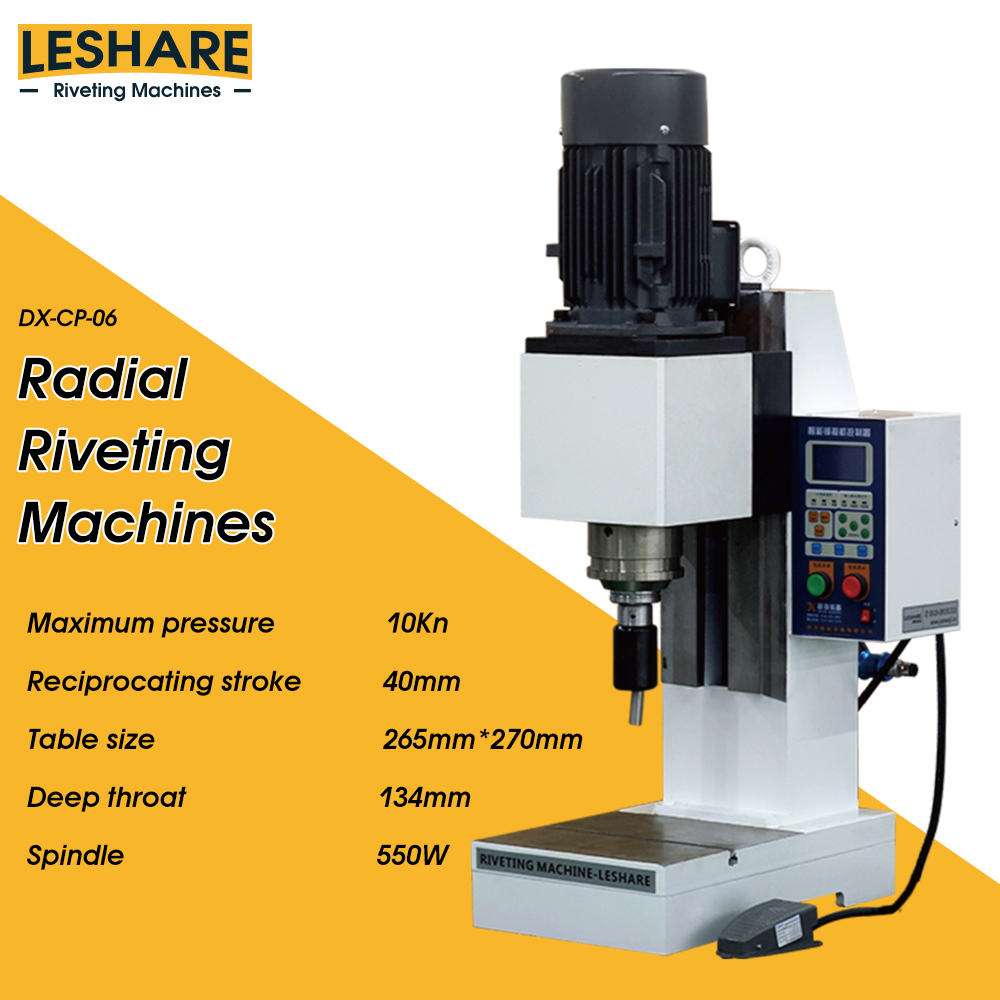
דיוק היצרני ויעילות ההרכבה תלויים במידה רבה בבחירת ציוד החיבור המתאים לקו הייצור שלכם. בעת הערכת מערכות לא מסתובבות מסמרן רדיאלי עם ציר לא מסתובב הכרת הגורמים הקריטיים המשפיעים על הביצועים, האמינות והצלחה תפעולית ארוכת טווח הופכת לחיונית לצוותי רכש ולמנהלי ייצור. מכונות מיוחדות אלו מציעות יתרונות ייחודיים ביישומים שבהם יש להיפטר מסיבוב הציר, מה שהופך אותן ללא נפקחות בהרכבות אלקטרוניות רגישות, מכשירים מדויקים ותהליכי ייצור של רכיבים עדינים.
הבנת טכנולוגיית הציר שאינו מסתובב במסמרות רדיאליות
עקרונות פעולה בסיסיים
מְחַבֵּר הַצִּיר הָרַדִּיאָלִי שֶׁלֹּא סוֹבֵב פּוֹעֵל עַל עִקָּר שׁוֹנֶה בְּיוֹתֵר בִּשְׁוִיָּה לְמַעֲרָכֹת סוֹבוֹת מְסֻדָּרוֹת. בִּשְׁוִיָּה לְהַסּוֹבֵב אֶת הַמְּחַבֵּר בִּשְׁעַת הַצְּרִיבָה, הַמְּחַבְּרִים הָאֵלֶּה מְשַׁמְּשִׁים כֹּחוֹת דְּחוּק רַדִּיאָלִי מוּבָאִים שֶׁמַּרְחִיבִים אֶת חֹמֶר הַמְּחַבֵּר לַחֲצוֹן, בִּשְׁעַת שֶׁהַצִּיר נוֹצָר בְּמַצָּב שְׁלוּט. גִּשָּׁה זוֹ מְבִיאָה לְהִסְתָּרְבוּת מִדְּחִיקוּת סְבִיבָתִית (טוֹרְשִׂיּוֹנָלִית) עַל הַחֳמָרִים הַסְּבִיבִים וּמְנִיעָה נִזְק לְרַכִּיבִים רַגְשָׁנִיִּים שֶׁיִּתָּפְסוּ בְּהֶשְׁפֵּעַת כֹּחוֹת סוֹבוֹת בִּשְׁעַת תְּעוֹרֶכֶת הַמְּחַבֵּר.
הטכנולוגיה משתמשת במעצות ובכלי צורה שתוכננו بدقة ומיישמים לחץ אחיד לאורך היקף הסוגר. עיוות מבוקר זה יוצר חיבורים אחידים ואמינים ללא הוספת מתח מכני לא רצוי או ייצור חום שעלולים לפגוע במעגלים אלקטרוניים סמוכים או באסמבליים עדינים. הבנת ההבדל היסודי הזה עוזרת לצוותי רכש להעריך מדוע מערכות ציר שאינו מסתובב דורשות מחיר פרימיום ביישומים מיוחדים של ייצור.
יישומים ודרישות תעשייה
ייצור אלקטרוניקה מהווה את הקטע השוק הגדול ביותר למערכות מצמדת רדיאלית עם ציר שאינו מסתובב. הרכבת לוחות מעגלים, ייצור מחברים וייצור חיישנים – כולם נהנים מתהליך המצמדת המדויק והחופשי מהרעד שמספקות מכונות אלו. היעדר תנועה סיבובית בעת יצירת הסוגר מונע נזק לרכיבים סמוכים ומשמר את שלמות הנתיבים החשמליים המורכבים הנדרשים במכשירים אלקטרוניים מודרניים.
תעשיית האנרגיה והמכשירים הרפואיים גם כן מסתמכות במידה רבה על טכנולוגיית ציר לא מסתובב ליישומים קריטיים. תחומים אלו דורשים אמינות יוצאת דופן ואיכות חיבור עקבי, מה שהופך את אופי החיבור המורכב בריבוט רדיאלי לא מסתובב למתאים במיוחד ליישומים שבהם כשל הוא דבר בלתי אפשרי. היכולת ליצור חיבורים חזקים וקבועים ללא הוספת מתח מכני או זיהום הופכת מערכות אלו לחיוניות בסביבות ייצור בעלות אמינות גבוהה.
מפרטים טכניים ופרמטרים ביצועיים
יכולות כוח ולחץ
הערכת יכולות הפלט של כוח למחבר ציר רדיאלי שאינו מסתובב דורשת שיקול מחודש של דרישות היישום הספציפיות שלכם. מרבית מערכות המגמה התעשייתית מספקות טווחי כוח בין 2 קילוניוטון ל-15 קילוניוטון, וחלק מהיחידות המיוחדות מסוגלות לספק לחצים גבוהים אף יותר ליישומים כבדים. המפתח הוא להתאים את מאפייני הכוח של המכונה לחומרי הסופגים ולדרישות חוזק המחבר שלכם, תוך שמירה על הבקרה המדויקת שמאפיינת מערכות שאינן מסתובבות.
דיוק בקרת הלחץ הופך לחיוני במיוחד בעת עבודה עם חומרים או רכיבים רגישים שדורשים סובלנות צרה. מערכות מבריגות רדיאליות לציר לא מסתובב מודרניות כוללות מנגנוני משוב מתקדמים שמעקבים ומאפשרים התאמה של הכוחות המופעלים בזמן אמת, מה שמבטיח תוצאות עקביות לאורך כל הסדרות הייצור. רמת הדיוק הזו בקרת התהליך מצדיקה את ההשקעה לייצרנים שלא יכולים לסבול סטיות באיכות המחבר או בדיוק הממדים.
מבחני מהירות وزمن מחזור
דרישות תפוקת הייצור משפיעות ישירות על קריטריוני הבחירה של ציוד מבריגות לציר לא מסתובב. אף על פי שמערכות אלו פועלות בדרך כלל בזמן מחזור איטי יותר בהשוואה לחלופות המסתובבות בעלות מהירות גבוהה, ההחלפה נעשית על חשבון איכות מוערכת של המחבר וירידה בשיעור הפריטים הפגומים. זמני המחזור הטיפוסיים נעים בין 1.5 ל-4 שניות לכל מברג, בהתאם לעובי החומר, לגודל המברג ולדרישות חוזק המחבר.
מהנדסי ייצור חייבים לשלב בין דרישות המהירות לציפיות האיכותיות בעת קביעת מערכות מסמרות רדיאליות לציר שאינו מסתובב. הסרת פעולות בדיקה או תיקון לאחר המסמירה לעתים קרובות פועלת כהחלפה לזמן מחזור ארוך יותר במעט של כל מסמירה, מה שמביא לשיפור יעילות הציוד הכוללת ולצמצום עלות הבעלות הכוללת לאורך תקופת הפעולה של המכונה.
תכונות בקרת איכות ובדיקה
מערכות מוניטורינג בזמן אמת
מערכות מתקדמות למסמירה רדיאלית לציר שאינו מסתובב כוללות טכנולוגיות ניטור מתוחכמות שמעקובות אחר פרמטרי תהליך קריטיים במהלך כל מחזור מסמירה. עקומות כוח, מדידות זז, ונתוני זמן היצורה מספקים תובנות חשובות באיכות המחבר ועוזרים לזהות בעיות פוטנציאליות לפני שהן גורמות לה ensambles פגומים. יכולות הניטור הללו הופכות לחיוניות לשמירת בקרת תהליכים סטטיסטית בסביבות ייצור נפוץ.
תכונות של רישום נתונים ומערכת מעקב מאפשרות תיעוד איכות מקיף שמתאים לסטנדרטים התעשייתיים החמורים. מערכות מודרניות יכולות לאחסן רשומות מפורטות על כל פעולת סגירה, כולל זיהוי האופרטור, מספרי סדרות ופרמטרי התהליך, ויוצרות מסלול ביקורת שתומך במערכות ניהול האיכות ובדרישות ההתאמה التنظימית בתעשייה הרגולציה.
אינטגרציה של בדיקות אוטומטיות
האופי הסטациונרי של פעולות הסגירה בציר שאינו מסתובב פועלת כמסייע לאינטגרציה עם מערכות בדיקה אוטומטיות שיכולות לאמת את איכות המחבר מיד לאחר היווצרו. מערכות חזון, כלים למדידת ממדים וציוד לבדיקות לא מפריעות ניתן לשלב באופן חלק בשורות הייצור, מה שמונע את הצורך בתחנות בדיקה נפרדות ומפחית את דרישות הטיפול שעלולות להכניס סיכונים של זיהום או נזק.
מערכות דחייה אוטומטיות פועלות בשילוב עם מערכות ניטור איכות כדי להסיר חלקים פגומים מקווי היצור ללא התערבות ידנית. יכולת האינטגרציה הזו מהווה יתרון משמעותי בעת רכישת ריתך רדיאלי עם ציר לא מסתובב מערכות ליישומים בעלי נפח גבוה, שבהם דרישה לאיכות עקבייה ומעורבות מינימלית של המפעיל היא תנאי הכרח.
דרישות התקנה והשלמה
נושאי מרחב והinfrastruktur
מערכות מסמרות רדיאליות לצירים שאינם מסתובבים דורשות בדרך כלל שטח רצפה מיועד והתקנות תקועות מיוחדות כדי להשיג ביצועים אופטימליים. מאפיין הדיוק של מכונות אלו דורש יסודות יציבים שמזערים את השפעת הווייברציה וההתפשטות התרמית שיכולות לפגוע בדיוק המסמירה. תכנון המתקנים חייב לקחת בחשבון את דרישות הרווח, את גישת התיקון והאינטגרציה עם תצורות קווי היצור הקיימים בעת קביעת דרישות ההתקנה.
דרישות התשתית כוללות אספקת אוויר דחוס, כוח חשמלי, ומערכת קירור מיוחדת ככל שזאת נדרשת ליישומים עם מחזור עבודה גבוה. צוותי התכנון צריכים לאמת כי תשתית המתקנים הקיימת יכולה לתמוך בדרישות הפעלה של ציוד סגירת ברגים על ציר לא מסתובב, כולל מערכות כוח גיבוי ליישומי ייצור קריטיים, שבהם עצירות בלתי צפויות עלולות לגרום להפסדים פיננסיים משמעותיים או לבעיות בטיחות.
שילוב עם מערכות ייצור קיימות
השלבה מוצלחת של מערכות סגירת ברגים רדיאלית על ציר לא מסתובב דורשת התאמה זהירה עם ציוד עיבוד החומרים הקיים, מערכות בקרת האיכות ותוכנות ניהול הייצור. פרוטוקולי התקשורת, תסדיגי החלפת הנתונים ותאימות מערכות הבקרה חייבים להיערך בשלב רכישת הציוד כדי להבטיח פעילות חלקה בתוך סביבות הייצור הקיימות.
דרישות האימון לעובדי הפעלה ותחזוקה מייצגות נושא שמתעלמים ממנו לעיתים קרובות באינטגרציה של מערכות. המאפיין המיוחד של טכנולוגיית הציר שאינו מסתובב מחייב ידע ומיומנויות ספציפיים שיכולים להיות שונים באופן משמעותי מהתפעול של ציוד סגירה מסורתי. תוכניות אימון מקיפות ותמיכה טכנית מתמשכת הופכות לגורמים קריטיים בעת הערכת ספקים פוטנציאליים והיכולת שלהם לתמוך בהצלחה מבצעית ארוכת טווח.
קריטריונים להערכה ולבחורת הספקים
יכולות תמיכה טכנית ושירות
המאפיין המיוחד של טכנולוגיית הריתוך הרדיאלי בציר שאינו מסתובב הופך את יכולות התמיכה הטכנית של הספק לمعيار הערכה קריטי. היצרנים צריכים להעריך את המומחיות ההנדסית של הספק, זמני התגובה לשירות בשטח, ואת הזמינות של חלקים חלופיים בעת קבלת החלטות על מקורות האספקה. המורכבות של מערכות אלו דורשת ספקים שיכלו לספק תמיכה טכנית מקיפה לאורך מחזור החיים של הציוד.
תוכניות האימון והאיכות של התיעוד משפיעים באופן משמעותי על הצלחת הפעולה עם ציוד לשקע סיבי ללא סיבוב ציר. ספקים שמספקים אימון מקיף למתניעים, תהליכי תחזוקה מפורטים ומדריכי אבחון תקלות מקיפים עוזרים להבטיח ביצוע אופטימלי ולמזער את עצירת הפעילות הלא צפויה שיכולה לפגוע בלוחות הזמנים של הייצור ולהשפיע על התחייבויות המשלוח ללקוחות.
שיקולים פיננסיים וניתוח תשואת ההשקעה (ROI)
השקעות בציוד יסוד במערכות שקע סיבי רדיאלי ללא סיבוב ציר דורשות ניתוח פיננסי זהיר שכולל הן את עלויות ההשכלה הראשונית והן את הוצאות הפעולה ארוכות הטווח. אף שמכונות מיוחדות אלו בדרך כלל יקרות יותר בהשוואה לציוד השקע הסיבי הרגיל, האיכות המשופרת, ירידה בשיעור הפריטים הפגומים והפחתת פעולות המשנה מספקות לעיתים קרובות חישובי תשואה משכנעים עבור יישומים מתאימים.
ניתוח עלות הבעלות הכוללת צריך לכלול את עלויות התיקון, הוצאות חומרים נצרכים, צריכת האנרגיה וההשפעות על הפקודה בעת השוואת אפשרויות שונות של מסמרנים רדיאליים עם ציר לא מסתובב. אורך חיים ארוך יותר של הציוד ודרישות תחזוקה נמוכות יותר במערכות איכותיות מוצדקות לעיתים קרובות מחיר פרמיום, מה שהופך לחיוני להעריך ספקים על בסיס ערך ארוך טווח ולא רק על סמך המחיר הראשוני לקנייה.
שיקולים תפעוליים ותחזוקה
דרישות תחזוקה מונעת
מערכות מסמרנים רדיאליים עם ציר לא מסתובב דורשות הליכי תחזוקה מיוחדים שמתחלקים באופן משמעותי מציוד מסתובב מסורתי. היעדר רכיבים מסתובבים במהירות גבוהה מפחית את קצב הבלאי של חלקים קריטיים רבים, אך המאפיין המדויק של מנגנוני היצירה מחייב תשומת לב מיוחדת ללוחות השמנת, הליכי קליברציה והחלפת רכיבי בלאי בהתאם לנהלים שנקבעו על ידי היצרן.
טכנולוגיות תחזוקה חיזויית יכולות לשפר באופן משמעותי את אמינות הציוד ולפחת את תקלות הפתאום שעלולות לפגוע בלוחות הזמנים של הייצור. מערכות ניטור רטט, הדמיה תרמית ותוכניות ניתוח שמן עוזרות לזהות בעיות מתפתחות לפני שהן מובילות לתיקונים יקרים או לעצירות ממושכות שמשפיעות על פעולות היצרנות ועל התחייבויות האספקה ללקוחות.
פרוטוקולים להכשרה ובטיחות של מפעילים
הפעלה בטוחה של ציוד מסמרת רדיאלית ללא ציר סיבוב דורשת תוכניות הכשרה מקיפות שמתמודדות הן עם הליכי הפעלה רגילים והן עם פרוטוקולי תגובה למצבים חירומיים. הכוחות הגבוהים המעורבים בתהליכי מסמרת רדיאלית יוצרים סיכונים משמעותיים לביטחון שחייבים להدار בקפידה באמצעות הכשרה מתאימה, ציוד בטיחותי ונהלי פעולה שנועדו להגן על העובדים תוך שמירה על יעילות הייצור.
הערכה מתמשכת של הכישורים וסיבוב הדרכה מחודש עוזרים להבטיח שהמפעילים שומרים על הכישורים הדרושים לפעילות בטוחה ויעילה של מכונת הסגירה הרדיאלית עם ציר לא מסתובב. ביקורות בטיחות קבועות ובחינות חוזרות של הליכים עוזרות לזהות שיפורים פוטנציאליים בדרכי הפעולה ולדאוג לתאימות לסטנדרטים מתפתחים לבטיחות במקום העבודה ולדרישות רגולטוריות.
שאלות נפוצות
מה היתרונות העיקריים של מערכות סגירה רדיאלית עם ציר לא מסתובב בהשוואה לציוד מסתובב מסורתי?
מערכות הסגירה הרדיאלית עם ציר לא מסתובב מאפסות מתח פיתול במהלך היווצרות הסגירה, ובכך מונעות נזק לרכיבים רגישים ומשמרות יישור מדויק במONTAJIM אלקטרוניים. הן גם מפחיתות רטט, ממזערות את יצירת החום ומספקות שליטה מעולה בתהליך הסגירה, מה שמוביל לאיכות אחידה יותר של המפרקים ולפחת שיעורי הדחייה ביישומים של ייצור מדויק.
איך אני מגדיר את קיבולת הכוח המתאימה ליישום של מסמרן רדיאלי לציר שאינו מסתובב?
דרישות קיבולת הכוח תלויים בתכונות החומר של המסמר, בדרישות חוזק המחבר ובעובי חלקי העבודה. יש להתייעץ עם מהנדסי יישומים כדי לבצע חישובי חוזק מחבר על סמך החומרים והדרישות העיצוביות הספציפיות שלכם. ברוב היישומים הקיבולת נמצאת בטווח של 5 קילו-ניוטון עד 12 קילו-ניוטון, אך ביישומים מיוחדים עשויה להיות דרישה לכוח גבוה או נמוך יותר בהתאם לדרישות הספציפיות של ההרכבה.
באילו פרקי זמן נדרשת בדרך כלל תחזוקה למערכות מסמרן רדיאלי לציר שאינו מסתובב?
לוחות הזמנים לתיקון משתנים בהתאם לייצרן ולעוצמת השימוש, אך המרווחים הרגילים כוללים בדיקות שמנת יומיות, אימות קליברציה שבועי, בדיקת רכיבי החשיפה לחשיפה חודשית ותחזוקה מקיפה שנתית. היעדר חלקים מסתובבים במהירות גבוהה מוביל לרוב למרווחי תחזוקה ארוכים יותר בהשוואה לציוד סגירה מסורתי, מה שתרם לירידה בעלויות הכוללות של הבעלות.
האם ניתן לשלב מערכות סגירה רדיאלית עם ציר לא מסתובב למערכות קולט-איכות וניהול ייצור קיימות?
מערכות סגירה רדיאלית מודרניות עם ציר לא מסתובב מצוידות ביכולות תקשורת מתקדמות התומכות בשילוב עם רוב מערכות הבקרה התעשייתיות, תוכנות ניהול איכות ופלטפורמות ניטור ייצור. חיבוריות Ethernet, פרוטוקולי תעשייה סטנדרטיים ויכולות יומן נתונים מקיפות מקלות על שילוב חלק וחלק עם תשתיות הייצור הקיימות וاجנדיות בקרת האיכות.
תוכן העניינים
- הבנת טכנולוגיית הציר שאינו מסתובב במסמרות רדיאליות
- מפרטים טכניים ופרמטרים ביצועיים
- תכונות בקרת איכות ובדיקה
- דרישות התקנה והשלמה
- קריטריונים להערכה ולבחורת הספקים
- שיקולים תפעוליים ותחזוקה
-
שאלות נפוצות
- מה היתרונות העיקריים של מערכות סגירה רדיאלית עם ציר לא מסתובב בהשוואה לציוד מסתובב מסורתי?
- איך אני מגדיר את קיבולת הכוח המתאימה ליישום של מסמרן רדיאלי לציר שאינו מסתובב?
- באילו פרקי זמן נדרשת בדרך כלל תחזוקה למערכות מסמרן רדיאלי לציר שאינו מסתובב?
- האם ניתן לשלב מערכות סגירה רדיאלית עם ציר לא מסתובב למערכות קולט-איכות וניהול ייצור קיימות?