 EN
EN

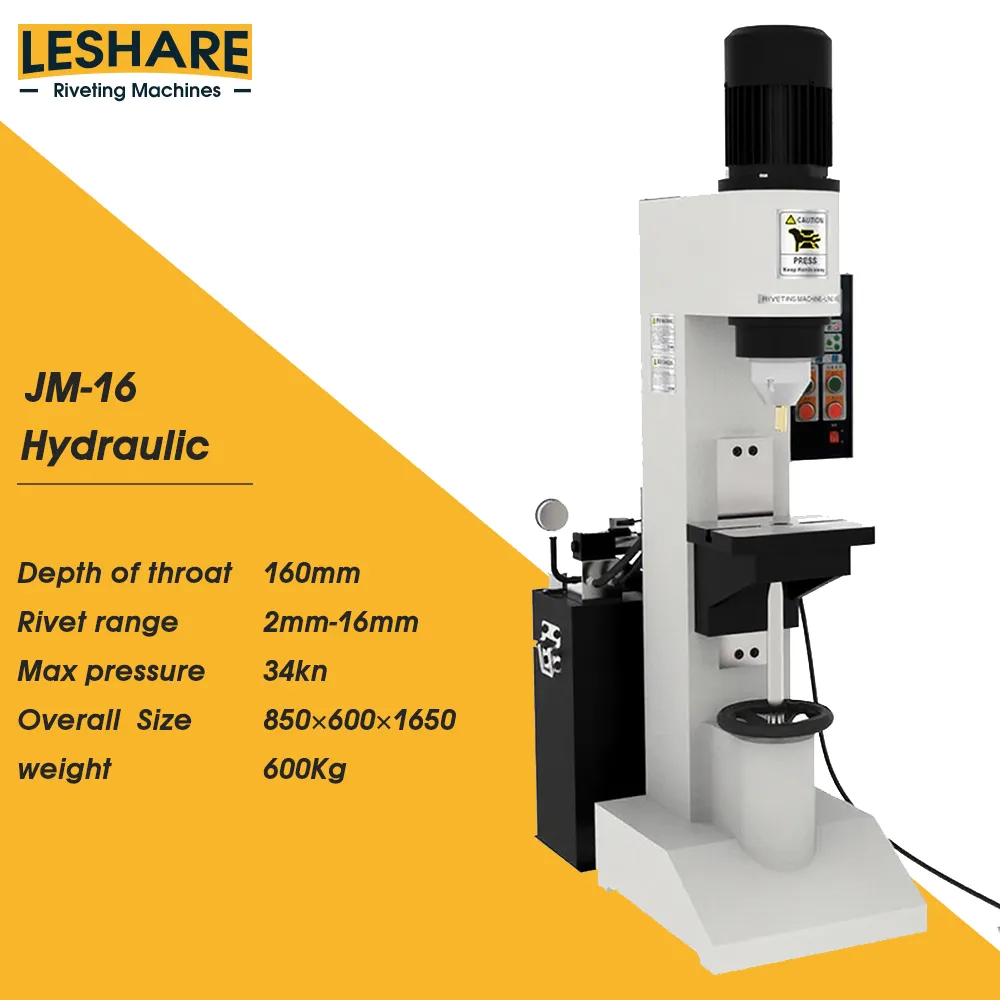
The Evolution of Modern Riveting Technology
Industrial manufacturing has witnessed remarkable advancements in joining technologies, with pneumatic riveting machines emerging as a game-changing innovation in the fastening industry. These powerful tools have revolutionized the way materials are joined, offering unprecedented efficiency and precision compared to their manual counterparts. As industries continue to seek faster, more reliable production methods, understanding the distinct advantages and applications of pneumatic riveting machines becomes crucial for manufacturers and contractors alike.
The transition from traditional manual riveting to pneumatic systems represents a significant leap in manufacturing capability. Modern pneumatic riveting machines harness compressed air power to deliver consistent, high-quality joints while reducing operator fatigue and increasing productivity. This technological evolution has reshaped industries from aerospace to automotive manufacturing, setting new standards for quality and efficiency in riveting operations.
Performance and Efficiency Considerations
Speed and Production Output
When examining the performance metrics, pneumatic riveting machines demonstrate remarkable advantages in terms of operational speed. These systems can typically process multiple rivets per minute, far outpacing manual riveting methods. The consistent air pressure delivery ensures rapid cycling between operations, enabling workers to maintain high productivity levels throughout their shifts.
Production statistics show that pneumatic riveting machines can achieve up to five times the output of manual riveting tools in the same time frame. This increased efficiency translates directly to higher production rates and lower labor costs per unit, making them particularly valuable in high-volume manufacturing environments.
Precision and Consistency
The automated nature of pneumatic riveting machines provides superior consistency in rivet placement and compression. Each operation benefits from precisely controlled air pressure, resulting in uniform joint quality across hundreds or thousands of connections. This level of consistency is practically impossible to achieve with manual tools, where human factors inevitably introduce variations.
Quality control data indicates that pneumatic systems typically demonstrate less than 1% variation in rivet compression force, compared to up to 15% variation with manual tools. This precision is especially critical in industries where joint failure could have serious consequences, such as aerospace or structural engineering applications.
Ergonomic Benefits and Operator Safety
Reduced Physical Strain
One of the most significant advantages of pneumatic riveting machines is their ability to minimize operator fatigue. Manual riveting requires substantial physical effort, often leading to repetitive strain injuries and reduced productivity over time. Pneumatic systems eliminate the need for manual force application, allowing operators to maintain consistent output levels throughout extended work periods.
Ergonomic studies have shown that workers using pneumatic riveting machines experience up to 70% less muscle strain compared to those using manual tools. This reduction in physical stress not only improves worker comfort but also leads to fewer workplace injuries and reduced downtime.
Enhanced Safety Features
Modern pneumatic riveting machines incorporate numerous safety features that protect operators during use. These include trigger locks, pressure regulators, and emergency stop mechanisms that aren't available on manual tools. The controlled application of force also reduces the risk of material splinting or rivet failure that could cause injury.
Safety statistics indicate a significant reduction in hand and wrist injuries when companies transition from manual to pneumatic riveting systems. The automated nature of these machines also minimizes the risk of accidents caused by operator fatigue or inconsistent application of force.
Cost Analysis and Return on Investment
Initial Investment Considerations
While pneumatic riveting machines typically require a higher initial investment than manual tools, the long-term financial benefits often justify the expense. The cost analysis must consider not only the purchase price but also the potential savings in labor, maintenance, and productivity improvements. A comprehensive evaluation should include factors such as expected daily usage, production volume, and specific application requirements.
Industry data suggests that most companies recover their investment in pneumatic riveting machines within 12-18 months through increased productivity and reduced labor costs. This timeframe can be even shorter in high-volume production environments where the efficiency gains are more pronounced.
Long-term Operating Costs
The operating costs of pneumatic riveting machines extend beyond the initial purchase price to include maintenance, energy consumption, and potential repairs. However, these systems often prove more economical in the long run due to their durability and reduced maintenance requirements compared to manual tools.
Maintenance records indicate that pneumatic riveting machines typically require service intervals that are 2-3 times longer than manual tools, resulting in lower maintenance costs and reduced downtime. The primary ongoing expense is compressed air supply, which is generally minimal compared to the productivity benefits gained.
Application Range and Versatility
Material Compatibility
Pneumatic riveting machines demonstrate exceptional versatility across various materials and thicknesses. These systems can effectively join materials ranging from thin sheet metal to robust structural components, maintaining consistent quality regardless of the substrate. The ability to precisely control air pressure allows operators to work with delicate materials without risk of damage.
Modern pneumatic systems can handle multiple rivet sizes and types without requiring significant retooling, offering flexibility that manual tools cannot match. This adaptability makes them particularly valuable in manufacturing environments where different products or materials are processed on the same production line.
Industry-Specific Applications
Different industries have unique riveting requirements, and pneumatic riveting machines can be customized to meet specific needs. In aerospace, these systems provide the precision and documentation capabilities necessary for critical safety components. Automotive manufacturers rely on their speed and consistency for high-volume production, while construction industries benefit from their portable yet powerful operation.
The adaptability of pneumatic riveting machines extends to specialized applications such as blind riveting, where access is limited to one side of the workpiece. This capability makes them invaluable in complex assembly operations where traditional riveting methods would be impractical or impossible.
Frequently Asked Questions
What maintenance is required for pneumatic riveting machines?
Regular maintenance for pneumatic riveting machines includes daily cleaning of the nose piece, weekly lubrication of moving parts, and periodic inspection of air lines and connections. The compressed air system should be equipped with proper filtration and water separation to prevent internal damage. Most manufacturers recommend a complete service check every 100,000 cycles or annually, whichever comes first.
How do environmental conditions affect pneumatic riveting performance?
Environmental factors such as temperature and humidity can impact the performance of pneumatic riveting machines. High humidity may require additional air system drainage and filtration, while extreme temperatures might affect seal performance. However, modern systems are designed to operate reliably across a wide range of conditions, typically from 0°C to 40°C (32°F to 104°F).
Can pneumatic riveting machines be used in mobile applications?
Yes, pneumatic riveting machines can be used in mobile applications provided there is access to a suitable compressed air supply. Portable air compressors or facility air lines can power these tools, making them suitable for construction sites, field repairs, or mobile manufacturing operations. Some models are specifically designed for portable use, featuring lightweight construction and ergonomic handles.