 EN
EN

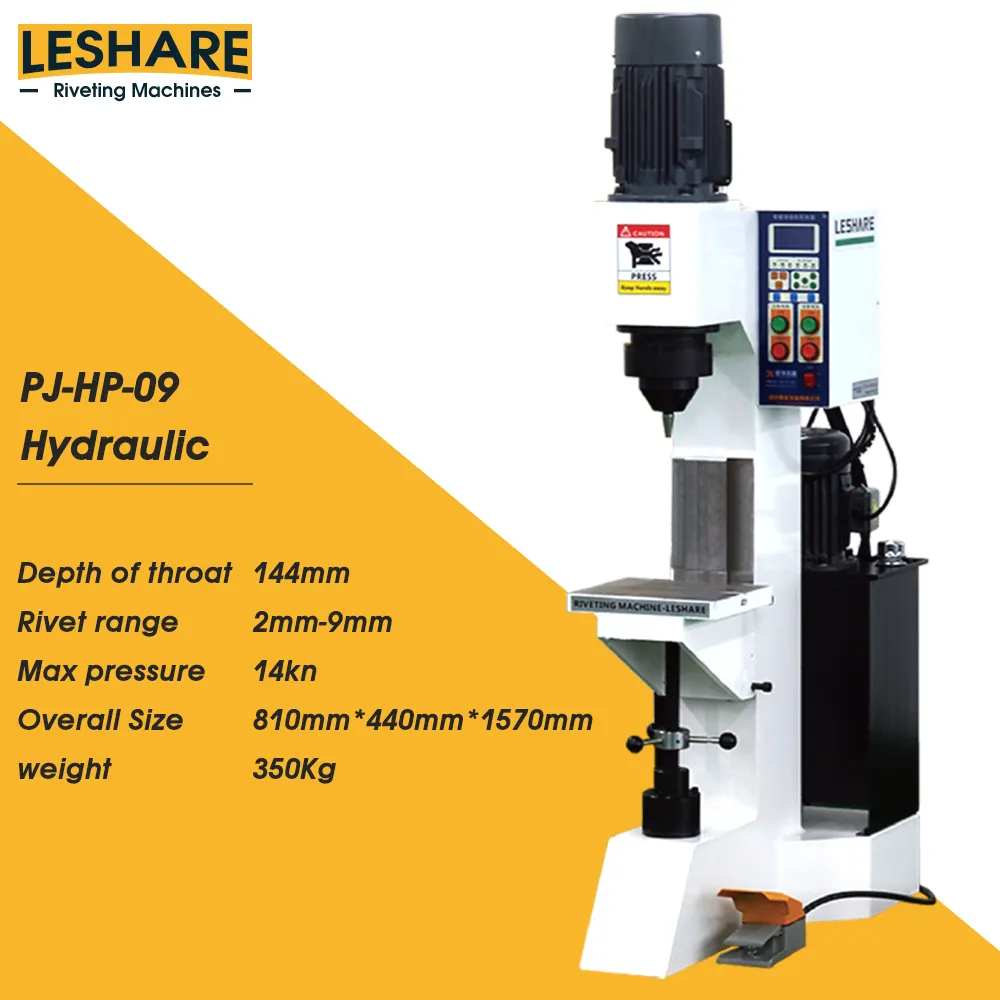
Essential Safety Guidelines for Industrial Riveting Operations
The use of pneumatic riveting machines in industrial settings requires a comprehensive understanding of safety protocols to protect operators and maintain workplace efficiency. These powerful tools, while indispensable for many manufacturing processes, demand careful attention to safety measures. Modern pneumatic riveting machines combine precision with substantial force, making proper safety practices non-negotiable for both novice and experienced operators.
Industrial safety statistics show that proper training and adherence to safety protocols can reduce workplace incidents by up to 70% when working with pneumatic tools. This significant reduction in accidents not only protects valuable workers but also ensures consistent production quality and maintains operational efficiency.
Personal Protective Equipment Requirements
Eye and Face Protection Standards
When operating pneumatic riveting machines, proper eye and face protection is paramount. Safety glasses must meet ANSI Z87.1 standards and include side shields to guard against flying debris and metal fragments. Face shields provide an additional layer of protection, especially during heavy-duty riveting operations where larger pieces of material may become airborne.
Operators should regularly inspect their eye protection for any damage or wear, replacing equipment immediately if any defects are found. It's also crucial to ensure proper fit, as gaps between protective equipment and the face can allow debris to enter.
Hand and Body Protection Measures
The vibration and force generated by pneumatic riveting machines necessitate appropriate hand protection. Impact-resistant gloves with vibration-dampening properties help prevent hand-arm vibration syndrome (HAVS) and protect against potential pinch points. These gloves should fit properly to maintain dexterity while operating the machine.
Body protection includes wearing appropriate work clothing that fits close to the body to prevent entanglement. Steel-toed safety boots protect feet from falling tools or materials, while hearing protection is essential due to the high noise levels generated by pneumatic riveting machines.
Machine Inspection and Maintenance Protocols
Daily Pre-Operation Checks
Before starting work with pneumatic riveting machines, operators must perform thorough pre-operation inspections. This includes checking air hose connections for wear or damage, ensuring proper pressure settings, and verifying that all safety mechanisms are functioning correctly. The machine's trigger mechanism should operate smoothly and return to the 'off' position when released.
Documentation of these daily checks helps maintain accountability and provides a record of equipment condition over time. Any irregularities should be reported immediately to supervisors or maintenance personnel.
Regular Maintenance Requirements
Scheduled maintenance of pneumatic riveting machines is crucial for safe operation. This includes regular cleaning, lubrication of moving parts, and inspection of wear components. Air filters should be cleaned or replaced according to manufacturer specifications to prevent contamination and ensure optimal performance.
Maintenance logs must be maintained and reviewed regularly to track equipment condition and predict potential issues before they become safety hazards. Professional servicing should be scheduled according to manufacturer recommendations or more frequently under heavy use conditions.
Workplace Organization and Setup
Proper Workstation Design
An ergonomically designed workstation is essential when using pneumatic riveting machines. The work surface should be at an appropriate height to prevent awkward postures and repetitive strain injuries. Adequate lighting ensures clear visibility of the work area, while anti-fatigue mats can help reduce operator fatigue during extended periods of standing.
Tool balancers or support systems should be implemented for heavier pneumatic riveting machines to reduce operator strain and improve control during operation. The workspace should be organized to minimize unnecessary reaching or twisting movements.
Environmental Controls
Proper ventilation is crucial in areas where pneumatic riveting machines are operated, particularly when working with coated materials that may produce harmful fumes. Air quality should be monitored regularly, and local exhaust ventilation systems should be maintained to capture and remove airborne particles.
Noise control measures, such as sound barriers or enclosures, help reduce the overall noise exposure in the work area. Regular noise level monitoring ensures compliance with occupational exposure limits and helps identify areas where additional controls may be needed.
Emergency Response and Safety Protocols
Emergency Shutdown Procedures
Operators must be thoroughly trained in emergency shutdown procedures for pneumatic riveting machines. This includes knowing the location and operation of emergency stop controls and main air supply shutoffs. Quick response procedures should be clearly posted and regularly practiced to ensure effective implementation during actual emergencies.
Regular drills and simulations help reinforce these procedures and identify any gaps in emergency response protocols. Documentation of these drills and any resulting improvements helps maintain a culture of safety awareness.
Incident Reporting Systems
A comprehensive incident reporting system is essential for maintaining safety standards with pneumatic riveting machines. All accidents, near-misses, and equipment malfunctions should be promptly reported and thoroughly investigated. This information helps identify patterns and implement preventive measures before serious incidents occur.
Regular safety meetings should include reviews of incident reports and discussions of preventive measures. This ongoing dialogue helps maintain awareness and encourages operator input for safety improvements.
Frequently Asked Questions
How often should pneumatic riveting machines be inspected?
Pneumatic riveting machines should undergo daily pre-operation inspections by operators and comprehensive professional inspections at least quarterly. High-usage environments may require more frequent professional inspections, typically monthly, to ensure optimal safety and performance.
What are the signs that a pneumatic riveting machine needs immediate maintenance?
Key warning signs include unusual noise or vibration, decreased performance, air leaks, irregular operation of the trigger mechanism, visible wear or damage to components, and any changes in normal operating characteristics. These issues should prompt immediate cessation of use and professional inspection.
Can pneumatic riveting machines be modified to improve safety?
Modifications to pneumatic riveting machines should only be made with manufacturer approval and by qualified personnel. Unauthorized modifications can compromise safety features and void warranties. Instead, focus on proper maintenance and use of manufacturer-approved safety accessories.