 EN
EN

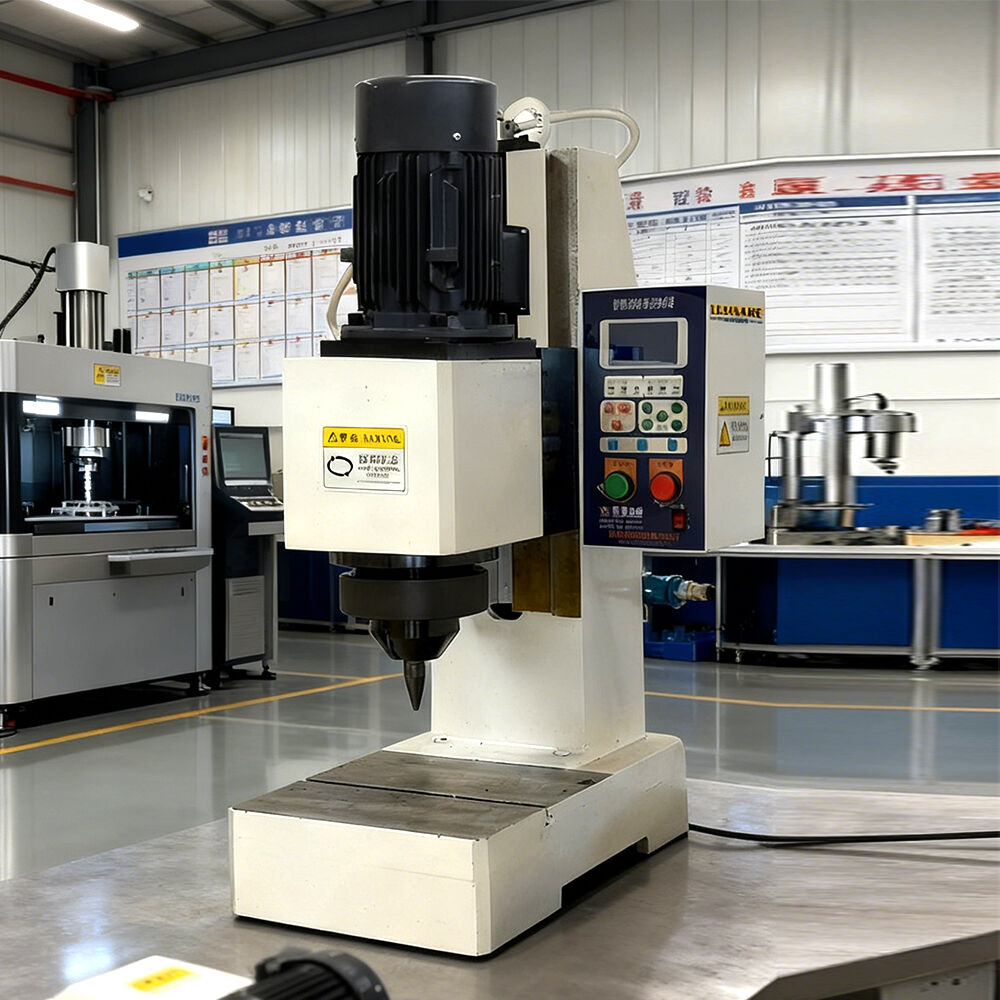
Automatic riveting machines have become indispensable tools across diverse manufacturing sectors, transforming how permanent fastening operations are performed in modern industrial environments. These sophisticated devices deliver consistent, high-quality mechanical joints by automating the riveting process, eliminating human variability while dramatically increasing production throughput. Understanding where and how automatic riveting machines are deployed provides valuable insight into their strategic importance in contemporary manufacturing, particularly for operations requiring reliable, repeatable fastening solutions at scale. Industries ranging from aerospace to consumer electronics rely on these machines to achieve the precision, speed, and quality control that manual riveting simply cannot match.
The applications for automatic riveting machines span virtually every sector where durable assembly is critical, from safety-critical aerospace components to high-volume automotive production lines and specialized industrial equipment manufacturing. What makes these machines particularly valuable is their ability to perform complex fastening operations with minimal operator intervention, ensuring that every rivet is set with optimal force, depth, and alignment. This article explores the primary industrial applications where automatic riveting machines deliver the greatest operational value, examining the specific use cases, technical requirements, and performance advantages that make them the preferred choice for manufacturers seeking to optimize assembly processes while maintaining rigorous quality standards.
Aerospace Manufacturing and Aircraft Assembly
Critical Structural Fastening Applications
The aerospace industry represents one of the most demanding application environments for automatic riveting machines, where safety, precision, and traceability requirements exceed those of virtually any other sector. Aircraft fuselage assembly requires thousands of rivets to be installed with exacting specifications, creating permanent joints that must withstand extreme stress, vibration, and temperature variations throughout the aircraft's operational lifetime. Automatic riveting machines used in aerospace applications typically feature advanced force monitoring systems, position verification capabilities, and comprehensive data logging to ensure every fastener meets stringent aviation standards. These machines handle both aluminum and titanium rivets, accommodating the specialized materials used in modern aircraft construction while maintaining the consistency required for airworthiness certification.
Wing assembly operations particularly benefit from automated riveting technology, where large structural components must be joined with precise spacing and uniform load distribution across extensive joint lines. The repetitive nature of wing skin attachment, spar assembly, and control surface construction makes these ideal applications for automatic riveting machines, which can maintain consistent rivet quality across thousands of fastening operations without the fatigue or variation inherent in manual processes. Advanced aerospace riveting systems often incorporate robotic positioning or gantry-mounted configurations that can access complex geometries and difficult-to-reach areas while maintaining the rigorous quality standards demanded by aviation authorities. The ability to document every rivet installation with time-stamped force curves and position data provides the traceability essential for aerospace quality management systems.
Engine Component and Nacelle Assembly
Aircraft engine housings and nacelle structures require specialized riveting operations that combine high precision with the ability to work with heat-resistant alloys and composite-metal hybrid assemblies. Automatic riveting machines designed for these applications must accommodate the thermal expansion characteristics of engine components while ensuring that fasteners maintain integrity under the extreme operating conditions encountered in propulsion systems. These machines often feature programmable force profiles that can adapt to different material combinations within a single assembly, ensuring optimal rivet formation whether joining titanium components, nickel alloys, or composite panels with metallic inserts. The consistency provided by automated systems proves particularly valuable in engine component assembly, where even minor variations in fastener quality could compromise performance or safety.
Landing gear assembly represents another critical aerospace application where automatic riveting machines deliver significant value through their ability to create high-strength joints in structural components subjected to repeated impact loading and stress cycling. The rivets used in landing gear assemblies must exhibit exceptional shear and tensile strength, requiring precise control over installation parameters to achieve optimal mechanical properties. Automated riveting equipment ensures that each fastener receives the exact force application needed to create proper material flow and head formation without damaging surrounding structures or inducing residual stresses that could compromise fatigue life. This level of process control, combined with the ability to maintain consistent quality across production runs, makes automatic riveting machines essential tools in landing gear manufacturing operations.
Automotive Manufacturing and Vehicle Assembly
Body-in-White Construction and Chassis Assembly
The automotive industry has embraced automatic riveting machines as essential equipment for high-volume vehicle production, particularly in body-in-white assembly where structural integrity and dimensional accuracy directly impact vehicle performance and safety. Modern vehicle designs increasingly incorporate self-piercing rivets and other advanced fastening technologies that require the precise force control and positioning accuracy that only automated systems can reliably deliver at automotive production speeds. These automatic riveting machines integrate seamlessly into mixed-material assembly processes, joining aluminum panels to steel structures or securing composite components to metallic frames with consistent quality across thousands of units per day. The ability to accommodate different material combinations within a single vehicle platform has made automated riveting technology indispensable in contemporary automotive manufacturing.
Chassis assembly operations benefit significantly from the speed and repeatability of automatic riveting machines, particularly in joining suspension components, cross-members, and reinforcement structures that contribute to vehicle handling and crashworthiness. These applications often require riveting equipment capable of working with coated or pre-treated materials without damaging protective finishes, while still achieving the clinch strength necessary for structural performance. Automated systems can be programmed to adjust process parameters based on material thickness variations or coating types, ensuring consistent joint quality despite the material variability common in high-volume automotive production. The integration of automatic riveting machines with robotic handling systems and automated quality verification creates highly efficient assembly cells that minimize cycle time while maximizing process capability.
Interior Component Assembly and Trim Installation
Vehicle interior assembly represents a distinct application area where automatic riveting machines provide both functional and aesthetic benefits, joining trim panels, seat structures, and dashboard components with fasteners that remain hidden or contribute to the overall design appearance. Interior riveting applications typically emphasize surface finish quality and noise reduction characteristics, requiring machines capable of controlled force application that prevents marking or distortion of visible surfaces. These systems often work with specialized rivets designed for minimal vibration transmission or acoustic isolation, contributing to the overall refinement and perceived quality of the vehicle interior. The consistency of automated riveting processes ensures that every vehicle exhibits the same fit, finish, and structural integrity in interior assemblies, directly supporting brand quality standards.
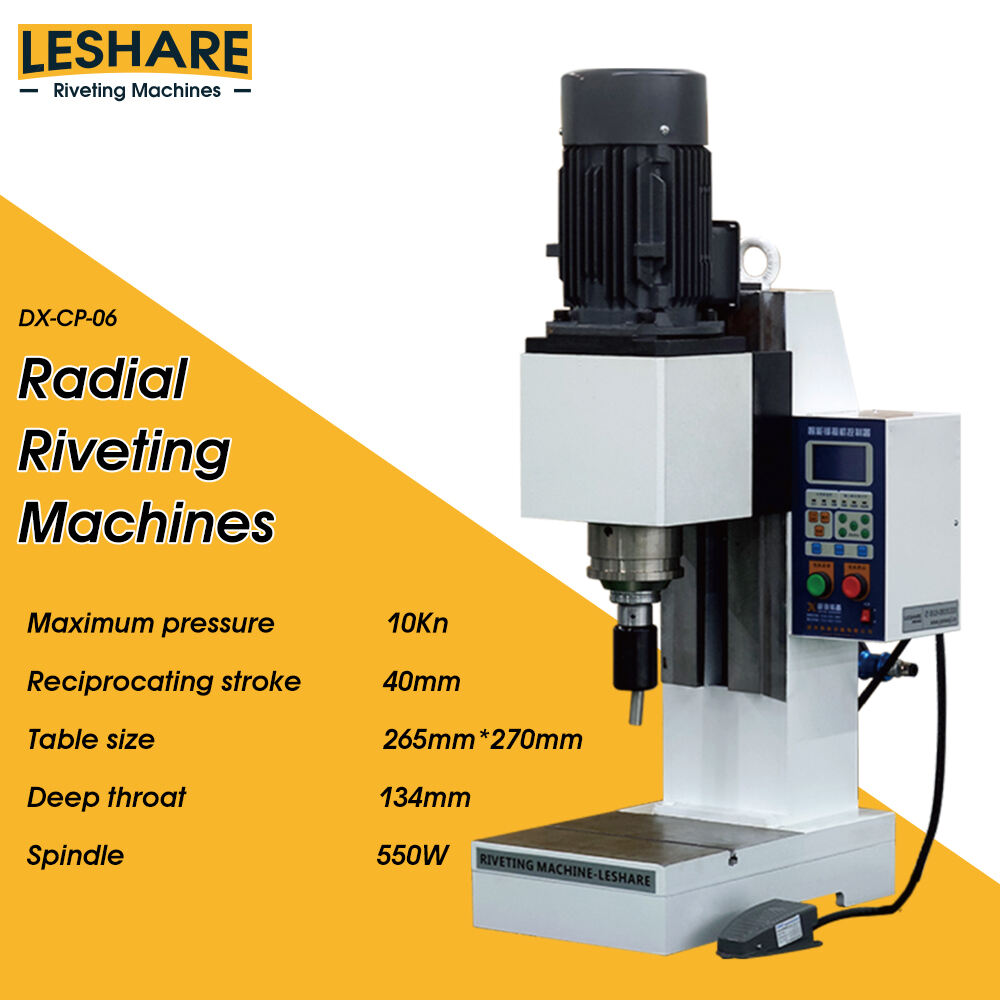
Seat frame manufacturing particularly benefits from automatic riveting machines, where structural requirements must be balanced with weight optimization and production efficiency considerations. Modern automotive seats incorporate complex mechanisms for adjustment, folding, and safety functions, all of which rely on robust mechanical joints that maintain integrity throughout the vehicle's service life. Automated riveting equipment ensures that seat structures meet stringent safety standards while accommodating the design variations across different vehicle models and trim levels. The ability to quickly change tooling and process parameters allows manufacturers to efficiently produce diverse seat configurations using the same automated riveting equipment, maximizing capital utilization while maintaining quality consistency across product lines.
Electronics Manufacturing and Electrical Assembly
Enclosure and Housing Assembly for Industrial Equipment
The electronics manufacturing sector employs automatic riveting machines extensively in the assembly of equipment enclosures, control cabinets, and device housings where reliable electrical grounding and electromagnetic shielding depend on proper fastener installation. These applications require riveting equipment capable of working with thin-gauge sheet metal and aluminum extrusions while avoiding damage to internal electronic components or sensitive circuitry. Automatic riveting machines designed for electronics assembly typically feature precise depth control and force limitation capabilities that prevent over-deformation of housing materials, maintaining critical tolerances for sealing gaskets and ensuring proper alignment of mating surfaces. The consistent quality achieved through automated processes directly supports the ingress protection ratings and EMC compliance requirements common in industrial electronics applications.
Control panel assembly operations benefit from the speed and accuracy of automatic riveting machines, particularly when installing mounting hardware, DIN rail supports, and grounding components that form the structural foundation of electrical enclosures. These machines can accommodate the variety of rivet types used in electrical assembly, from standard solid rivets to specialized grounding rivets that ensure continuous electrical conductivity across joined surfaces. The ability to maintain consistent installation force across all fasteners proves particularly valuable in applications where electrical resistance specifications must be met, as variations in rivet compression directly affect contact resistance and current-carrying capacity. Automated riveting systems integrated into electronics assembly lines ensure that every enclosure meets both mechanical and electrical performance requirements without requiring extensive manual verification.
Heat Sink Attachment and Thermal Management Component Assembly
Thermal management systems in power electronics and high-performance computing applications frequently rely on automatic riveting machines to attach heat sinks, cooling plates, and thermal interface structures with the uniform pressure distribution essential for effective heat transfer. These applications demand riveting equipment capable of achieving specific clamp force ranges that optimize thermal contact while avoiding excessive stress on semiconductor packages or circuit boards. Automatic riveting machines used in thermal assembly applications often incorporate force monitoring systems that verify proper clamp load achievement, ensuring that each joint contributes equally to the overall thermal performance of the assembly. The consistency of automated processes eliminates the hot spots and thermal inefficiencies that can result from uneven manual riveting, directly supporting the reliability of power conversion equipment and high-density electronic systems.
Battery pack assembly for energy storage systems represents an emerging application area where automatic riveting machines provide critical advantages in creating electrical and thermal connections between cells, busbars, and cooling structures. These applications require riveting equipment capable of working within the strict process windows necessary to avoid battery cell damage while achieving the low-resistance electrical joints essential for high-current applications. Automated systems can precisely control the energy input during riveting operations, preventing localized heating that could compromise battery chemistry or activate safety mechanisms. The traceability and quality documentation capabilities of modern automatic riveting machines prove particularly valuable in battery assembly, where regulatory requirements and liability considerations demand comprehensive process verification for every manufactured unit.
Industrial Equipment Manufacturing and Heavy Machinery Assembly
Hydraulic System Component Assembly
Manufacturers of hydraulic cylinders, valves, and power units utilize automatic riveting machines to assemble pressure-containing components where joint integrity directly affects system safety and reliability. These applications often involve riveting operations on thick-walled cylinders, manifold blocks, and mounting brackets that require substantial force capacity and robust tooling configurations. Automatic riveting machines designed for hydraulic component assembly must accommodate the material properties of high-strength steels and specialized alloys while achieving the leak-tight joints necessary for high-pressure fluid containment. The process repeatability provided by automated systems ensures that every hydraulic component exhibits consistent performance characteristics, minimizing the risk of premature failure due to fastener-related defects.
Cylinder rod and piston assembly operations particularly benefit from the precision of automatic riveting machines, where dimensional accuracy and concentricity requirements demand carefully controlled fastening processes. These machines can maintain the tight tolerances necessary for proper seal function and smooth operation throughout the hydraulic cylinder's stroke range, preventing the binding or leakage that can result from misaligned or improperly formed rivets. The force profiling capabilities of advanced automatic riveting machines allow manufacturers to optimize material flow during rivet formation, achieving maximum joint strength while minimizing distortion of precision-machined surfaces. This combination of strength and accuracy makes automated riveting technology essential in hydraulic component manufacturing, where performance and reliability expectations continue to increase.
Agricultural and Construction Equipment Assembly
The agricultural and construction equipment sectors employ automatic riveting machines in assembling implements, attachments, and structural components that must withstand harsh operating environments and heavy mechanical loads. These applications often involve large structural assemblies where numerous rivets must be installed across extensive joint lines, making the speed advantage of automated equipment particularly valuable. Automatic riveting machines used in heavy equipment manufacturing typically feature robust construction and high force capacity to accommodate the large-diameter rivets and thick materials common in agricultural and construction machinery. The consistency of automated processes ensures uniform load distribution across bolted joints and structural connections, contributing to the overall durability and service life of equipment subjected to demanding field conditions.
Implement frame assembly for tillage equipment, planters, and harvesting machinery represents a high-volume application where automatic riveting machines deliver significant productivity advantages while maintaining the structural integrity essential for reliable field performance. These machines can rapidly install the reinforcement rivets, mounting brackets, and wear component attachments that characterize modern agricultural implements, reducing assembly time while improving joint quality consistency. The ability to program different rivet patterns and force profiles allows equipment manufacturers to efficiently accommodate the design variations across implement sizes and configurations using standardized automated riveting equipment. This flexibility, combined with the quality assurance benefits of documented process parameters, makes automatic riveting machines valuable assets in agricultural equipment manufacturing operations.
Consumer Product Manufacturing and Appliance Assembly
Home Appliance Structural Assembly
Manufacturers of washing machines, refrigerators, and cooking appliances rely on automatic riveting machines to assemble cabinet structures, door panels, and internal support frames with the combination of strength and appearance quality that consumers expect. These applications require riveting equipment capable of working with pre-finished surfaces and decorative materials without causing visible damage or compromising aesthetic appeal. Automatic riveting machines used in appliance manufacturing often feature specialized tooling configurations that support the workpiece during fastener installation, preventing deflection or distortion of thin-gauge panels and ensuring proper alignment of doors, drawers, and access panels. The consistency of automated processes directly supports the fit and finish standards that differentiate premium appliance brands in competitive consumer markets.
Drum assembly for washing machines and dryers represents a particularly demanding application where automatic riveting machines must achieve leak-tight joints in rotating components while accommodating the balance requirements critical for quiet operation. These machines install the numerous rivets that secure drum perforations, baffles, and bearing mounts, maintaining the precise weight distribution necessary for low-vibration performance across a wide range of load conditions. The repeatability of automated riveting processes ensures that every drum assembly exhibits consistent dynamic characteristics, minimizing the warranty claims and customer dissatisfaction associated with excessive noise or vibration. This quality consistency, achieved through precise control of rivet installation parameters, makes automatic riveting machines essential equipment in high-volume appliance production environments.
HVAC Equipment and Ductwork Fabrication
The heating, ventilation, and air conditioning industry utilizes automatic riveting machines extensively in fabricating ductwork, air handling units, and equipment enclosures where joint integrity affects both structural performance and energy efficiency. These applications benefit from the speed advantage of automated riveting, particularly in high-volume duct fabrication operations where numerous longitudinal and transverse seams must be secured rapidly without compromising air-tightness specifications. Automatic riveting machines designed for HVAC applications can accommodate the variety of materials used in duct construction, from galvanized steel to aluminum and stainless steel, while maintaining the consistent rivet spacing and compression necessary for proper sealing performance. The elimination of hot work requirements makes riveting an attractive joining method in HVAC manufacturing, where automated equipment can operate safely in environments with combustible insulation materials or finished architectural surfaces.
Air handler chassis assembly operations particularly benefit from automatic riveting machines capable of installing structural fasteners and equipment mounting provisions with the precision necessary for proper unit alignment and vibration isolation. These machines can rapidly secure the reinforcement members, access panels, and motor mounts that characterize commercial air handling equipment, reducing assembly time while ensuring consistent structural performance. The programmability of modern automatic riveting machines allows HVAC manufacturers to accommodate the wide range of unit sizes and configurations typical in commercial equipment production, using the same automated equipment across diverse product lines. This versatility, combined with the quality advantages of documented rivet installation parameters, supports the performance guarantees and energy efficiency certifications increasingly important in commercial HVAC markets.
FAQ
What types of rivets can automatic riveting machines accommodate in industrial applications?
Automatic riveting machines can handle a wide variety of rivet types depending on their design and force capacity, including solid rivets, semi-tubular rivets, self-piercing rivets, and blind rivets. Industrial applications typically use solid rivets for maximum joint strength in structural assemblies, while self-piercing rivets are common in automotive applications joining dissimilar materials. The machine's tooling configuration and force capacity determine which rivet types and sizes can be successfully installed, with specialized equipment available for applications requiring specific rivet geometries or materials such as titanium, stainless steel, or aluminum alloys. Many modern automatic riveting machines feature quick-change tooling systems that allow rapid adaptation to different rivet types within a production environment.
How do automatic riveting machines ensure consistent quality across high-volume production runs?
Automatic riveting machines maintain quality consistency through precise control of installation parameters including applied force, tool displacement, and cycle timing, combined with real-time monitoring systems that verify proper rivet formation. Advanced machines incorporate force-displacement profiling that compares each rivet installation against established process windows, automatically rejecting parts that fall outside acceptable limits. This closed-loop quality control eliminates the variability inherent in manual riveting operations, where operator technique, fatigue, and attention fluctuations can affect fastener quality. Additionally, modern automatic riveting machines provide comprehensive data logging that documents every installation, supporting statistical process control initiatives and enabling rapid identification of process drift or tooling wear before defects occur.
Can automatic riveting machines be integrated into existing manufacturing lines and robotic work cells?
Most modern automatic riveting machines are designed with integration capabilities that facilitate incorporation into automated production lines, robotic cells, and flexible manufacturing systems. These machines typically feature standardized communication protocols such as industrial Ethernet, programmable logic controller interfaces, and digital input-output signals that enable coordination with material handling equipment, quality inspection systems, and production tracking software. Many manufacturers offer automatic riveting machines specifically configured for robotic mounting, with compact form factors, pneumatic or servo-electric actuation, and tool-changing capabilities that support lights-out manufacturing operations. The integration of automatic riveting machines into automated production environments often delivers significant productivity improvements while reducing labor requirements and improving workplace ergonomics by eliminating repetitive manual fastening operations.
What maintenance requirements should manufacturers consider when operating automatic riveting machines?
Automatic riveting machines require regular maintenance focused on tooling inspection, lubrication of moving components, and verification of force calibration to ensure consistent performance and long service life. Critical maintenance activities include periodic replacement of rivet sets and anvils as these wear components directly affect rivet formation quality, along with inspection of guide bushings and alignment features that maintain positional accuracy. Pneumatic systems require regular moisture removal and filter maintenance, while hydraulic machines need periodic fluid changes and seal inspection. Modern automatic riveting machines often incorporate predictive maintenance features that monitor cycle counts, force trends, and operational parameters to schedule maintenance activities before performance degradation occurs, minimizing unplanned downtime and extending equipment life in demanding industrial applications.
Table of Contents
- Aerospace Manufacturing and Aircraft Assembly
- Automotive Manufacturing and Vehicle Assembly
- Electronics Manufacturing and Electrical Assembly
- Industrial Equipment Manufacturing and Heavy Machinery Assembly
- Consumer Product Manufacturing and Appliance Assembly
-
FAQ
- What types of rivets can automatic riveting machines accommodate in industrial applications?
- How do automatic riveting machines ensure consistent quality across high-volume production runs?
- Can automatic riveting machines be integrated into existing manufacturing lines and robotic work cells?
- What maintenance requirements should manufacturers consider when operating automatic riveting machines?