 EN
EN

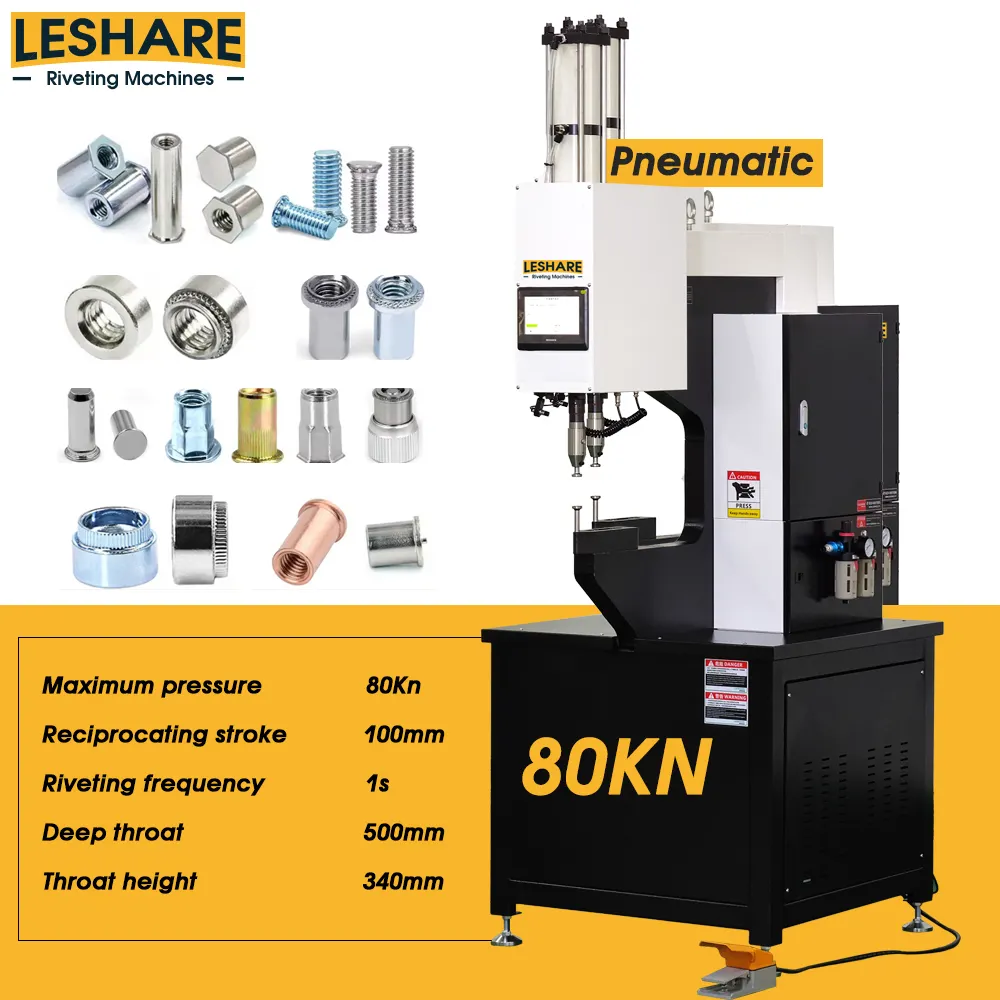
Understanding the Critical Elements of Automated Fastener Installation
In modern manufacturing, the efficiency and precision of assembly processes directly impact production outcomes. At the heart of many assembly operations lies the fastener insertion machine, a sophisticated piece of equipment designed to rapidly and accurately install various types of fasteners. The speed at which these machines operate can significantly influence overall production throughput, making it essential to understand the various factors that affect their performance.
The capabilities of a fastener insertion machine extend far beyond simple screw driving or rivet setting. These advanced systems integrate multiple technologies to ensure consistent, high-quality fastener installation while maintaining optimal operational speeds. Whether in automotive manufacturing, electronics assembly, or general industrial applications, the speed of fastener insertion plays a crucial role in meeting production targets and maintaining competitive advantages.
Mechanical Components and Their Impact on Processing Speed
Drive System Configuration
The drive system of a fastener insertion machine serves as its powerhouse, directly influencing operational speed. Modern machines utilize advanced servo motors and precision gearing systems that enable rapid yet controlled movements. The quality and specifications of these components determine both the maximum speed potential and the consistency of operation.
Sophisticated drive systems incorporate dynamic torque control mechanisms that can adjust on the fly, optimizing the balance between speed and accuracy. This adaptive capability ensures that the fastener insertion machine maintains high throughput without compromising installation quality, even when handling different fastener types or working with varying material densities.
Feed System Design
The efficiency of the fastener feeding mechanism plays a vital role in determining overall operational speed. Advanced feeding systems employ smart sorting and orientation technologies to ensure fasteners are properly aligned and readily available for insertion. Any delays or jams in the feed system can create bottlenecks that significantly impact processing speed.
Modern feed systems incorporate sensors and automated monitoring capabilities that detect and prevent potential issues before they cause disruptions. This proactive approach helps maintain consistent feed rates and reduces downtime, ultimately contributing to higher sustained operational speeds.
Software and Control System Considerations
Processing Algorithms
The sophistication of control algorithms directly influences how quickly a fastener insertion machine can operate while maintaining accuracy. Advanced software systems calculate optimal insertion paths, speeds, and torque profiles in real-time, allowing for maximum efficiency without sacrificing precision. These algorithms take into account various parameters such as material properties, fastener specifications, and environmental conditions.
Machine learning capabilities in modern control systems enable continuous optimization of insertion parameters based on historical performance data. This adaptive approach helps achieve progressively better speed-to-accuracy ratios over time, maximizing the potential of the fastener insertion machine.
Interface Response Time
The responsiveness of the human-machine interface and control system can significantly impact overall operational speed. Quick response times in the control architecture enable faster adjustments and reduced cycle times between operations. Modern systems utilize high-speed processors and optimized communication protocols to minimize latency.
Real-time monitoring and feedback systems provide operators with immediate insights into machine performance, allowing for quick adjustments when needed. This enhanced visibility and control helps maintain optimal operating speeds while ensuring quality standards are met.
Environmental and Material Considerations
Workpiece Characteristics
The physical properties of the materials being fastened significantly influence insertion speeds. Factors such as material hardness, thickness, and surface finish can affect how quickly fasteners can be inserted while maintaining proper installation quality. Advanced fastener insertion machines incorporate material-specific programming to optimize performance for different applications.
Temperature variations and material condition can also impact insertion speeds. Modern machines often include sensors that monitor these parameters and automatically adjust operation speeds to maintain optimal performance across varying conditions.
Workspace Configuration
The layout and accessibility of the workspace directly affect how quickly a fastener insertion machine can operate. Proper positioning of components and efficient movement paths are essential for maximizing operational speed. Smart workspace design includes considerations for material flow, operator access, and maintenance requirements.
Advanced systems utilize simulation tools to optimize workspace configurations before implementation, ensuring the fastest possible operation while maintaining safety and ergonomic standards. This proactive approach to layout design helps achieve maximum efficiency from the fastener insertion machine.
Frequently Asked Questions
How does fastener type affect insertion speed?
Different fastener types require varying insertion techniques and torque profiles, which can significantly impact processing speed. Thread pitch, head style, and material composition all play roles in determining the optimal insertion speed for each specific fastener type. Modern fastener insertion machines can automatically adjust their parameters to accommodate these variations while maintaining maximum possible throughput.
What role does maintenance play in maintaining optimal speed?
Regular maintenance is crucial for ensuring consistent high-speed operation of a fastener insertion machine. Proper lubrication, component inspection, and calibration help prevent slowdowns and failures that could impact processing speed. Predictive maintenance systems can identify potential issues before they affect performance, helping to maintain optimal operational speeds.
Can environmental conditions affect insertion speed?
Environmental factors such as temperature, humidity, and dust levels can impact the performance of a fastener insertion machine. These conditions can affect both the mechanical components and the materials being fastened. Modern machines include environmental monitoring and compensation features to maintain consistent speeds regardless of ambient conditions.