 EN
EN

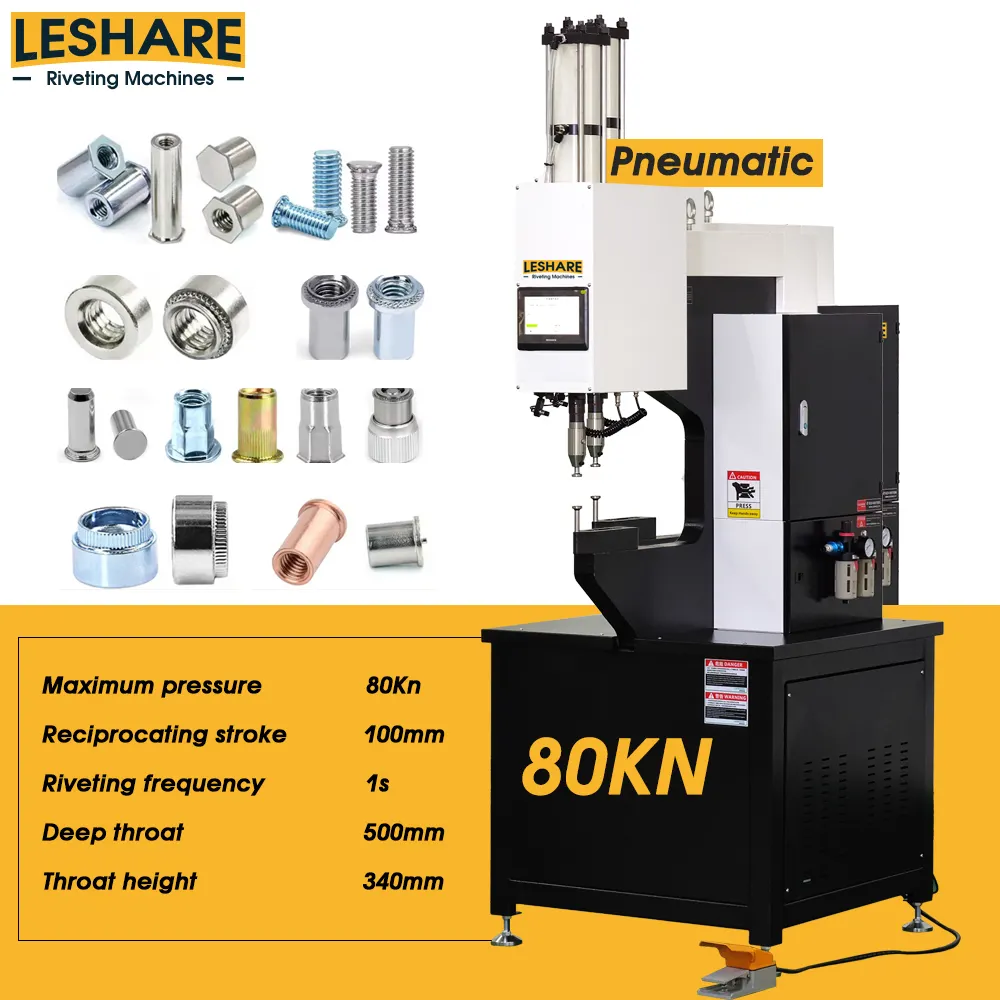
Essential Maintenance Strategies for Industrial Insertion Equipment
The longevity and reliability of insertion machines in manufacturing environments directly impact production efficiency and bottom-line results. Proper insertion machine maintenance isn't just about fixing problems as they arise - it's about implementing comprehensive care routines that prevent issues before they occur. Understanding and executing the right maintenance practices can significantly extend equipment lifespan while ensuring consistent performance quality.
Manufacturing facilities rely heavily on insertion machines for automated assembly processes, component placement, and precision operations. These sophisticated pieces of equipment represent substantial investments, making their proper care and maintenance crucial for protecting both the machinery and the company's financial interests. Let's explore the most effective strategies to maximize insertion machine life and maintain peak operational efficiency.
Preventive Maintenance Fundamentals
Daily Inspection Protocols
Starting each production day with thorough equipment checks sets the foundation for reliable operation. Operators should conduct visual inspections of all major components, looking for signs of wear, loose connections, or potential issues. This includes examining insertion heads, guide rails, and feed mechanisms for proper alignment and functionality. Checking fluid levels, air pressure settings, and lubrication points ensures smooth operation throughout the shift.
Documentation of these daily inspections proves invaluable for tracking machine health over time. Maintaining detailed logs helps identify patterns and potential problems before they escalate into costly repairs. Equipment operators should be trained to recognize early warning signs and report any unusual sounds, vibrations, or performance changes immediately.
Cleaning and Lubrication Standards
Regular cleaning prevents debris accumulation that can interfere with precision components. A systematic cleaning schedule should address all machine areas, with special attention to insertion points, sensors, and moving parts. Using appropriate cleaning agents and methods prevents damage to sensitive components while maintaining optimal operating conditions.
Proper lubrication is equally critical for insertion machine longevity. Different components require specific lubricants applied at recommended intervals. Creating and following a detailed lubrication chart helps ensure no maintenance points are overlooked. This includes both daily lubrication tasks and more comprehensive periodic requirements.
Advanced Maintenance Techniques
Precision Calibration Methods
Regular calibration maintains insertion accuracy and prevents quality issues in finished products. Modern insertion machines require precise alignment of multiple components working in concert. Establishing a calibration schedule based on manufacturer recommendations and production demands helps maintain optimal performance levels.
Advanced diagnostic tools and measuring equipment should be used to verify calibration accuracy. This includes checking insertion force, depth settings, and positioning accuracy. Maintaining detailed calibration records helps track machine performance over time and anticipate when adjustments may be needed.
Component Replacement Strategies
Proactive replacement of wear parts before failure prevents unexpected downtime and maintains consistent production quality. Developing a comprehensive parts replacement schedule based on usage patterns and manufacturer guidelines ensures critical components are refreshed before performance degradation occurs.
Maintaining an inventory of essential spare parts enables quick responses to maintenance needs. This includes both common wear items and critical components with longer lead times. Regular review and updating of spare parts inventory ensures availability when needed while optimizing inventory investment.
Software and Control System Maintenance
System Updates and Backups
Modern insertion machines rely heavily on software and control systems for precise operation. Regular software updates ensure access to the latest features and security patches while maintaining compatibility with connected systems. Establishing procedures for testing updates before implementation prevents potential disruptions to production.
Creating regular backups of machine settings and programming helps protect against data loss and enables quick recovery from system issues. This includes maintaining detailed documentation of custom settings, programs, and optimization parameters specific to different production runs.
Performance Monitoring Systems
Implementing digital monitoring solutions provides real-time insight into machine performance and maintenance needs. Modern sensors and monitoring systems can track key performance indicators, predicting potential issues before they impact production. This data-driven approach enables more efficient maintenance scheduling and resource allocation.
Regular analysis of performance data helps identify trends and optimization opportunities. This information guides decisions about maintenance intervals, component replacement timing, and potential equipment upgrades to enhance productivity.
Training and Documentation Requirements
Operator Training Programs
Well-trained operators form the first line of defense in equipment maintenance. Comprehensive training programs should cover proper machine operation, basic maintenance tasks, and problem identification. Regular refresher courses keep skills current and introduce new maintenance techniques as equipment evolves.
Creating detailed operating procedures and maintenance guides ensures consistency across shifts and operators. These resources should be readily available and regularly updated to reflect current best practices and equipment modifications.
Maintenance Record Management
Accurate maintenance records provide valuable historical data for planning and troubleshooting. Implementing a robust system for tracking maintenance activities, parts replacements, and performance metrics helps optimize maintenance schedules and justify resource allocation.
Digital maintenance management systems can automate record-keeping and schedule tracking while providing easy access to historical data. This information proves invaluable for planning preventive maintenance and evaluating the effectiveness of maintenance practices.
Frequently Asked Questions
How often should insertion machine calibration be performed?
Calibration frequency depends on usage patterns and manufacturer recommendations, but most facilities should perform basic calibration checks weekly and comprehensive calibration monthly. High-precision applications may require more frequent calibration to maintain optimal performance.
What are the most critical daily maintenance tasks for insertion machines?
Key daily tasks include visual inspection of all components, checking lubrication points, verifying proper air pressure settings, cleaning debris from working areas, and documenting any unusual sounds or performance changes observed during operation.
How can predictive maintenance improve insertion machine longevity?
Predictive maintenance uses performance data and monitoring systems to identify potential issues before failure occurs. This approach reduces unexpected downtime, optimizes maintenance scheduling, and extends equipment life by addressing problems in their early stages.
What role does proper training play in equipment maintenance?
Comprehensive operator training ensures proper machine operation, timely identification of potential issues, and consistent execution of maintenance tasks. Well-trained personnel can prevent many common problems and respond effectively when issues arise, significantly extending equipment life.