 EN
EN

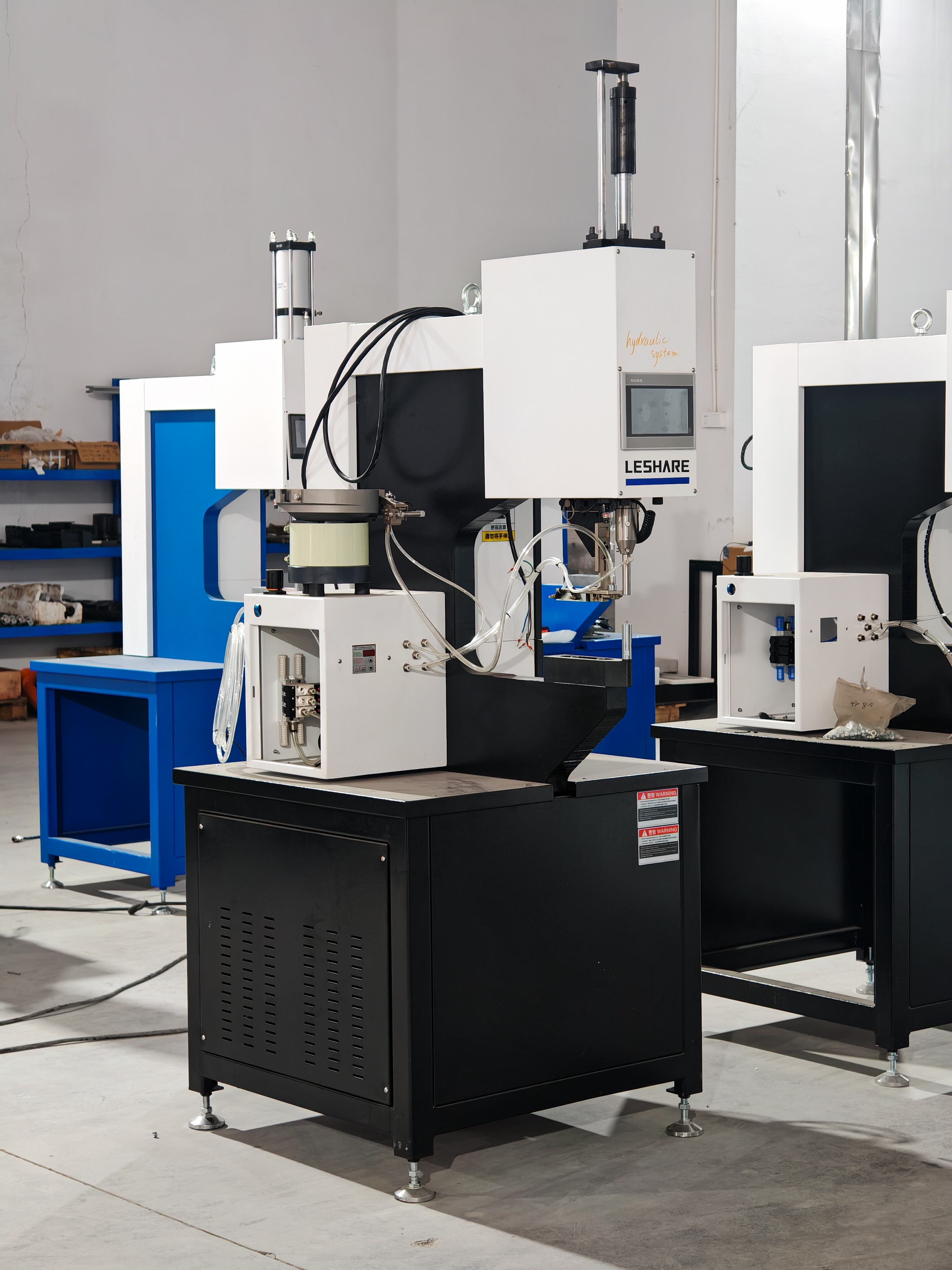
Manufacturing precision has become the cornerstone of modern industrial production, where even the smallest components must be installed with exact accuracy and consistent quality. In today's competitive manufacturing landscape, companies are increasingly turning to automated solutions to maintain high standards while reducing labor costs and production time. A fastener insertion machine represents one of the most critical pieces of equipment for achieving these goals, particularly when dealing with hardware components that require precise placement and consistent torque application across thousands of units.
The evolution of manufacturing technology has fundamentally transformed how companies approach assembly processes, moving from manual labor-intensive operations to sophisticated automated systems. These machines have proven indispensable across multiple industries, from automotive manufacturing to electronics assembly, where consistent fastener placement directly impacts product reliability and customer satisfaction. Understanding the essential role these machines play in modern production helps explain why leading manufacturers consider them non-negotiable investments rather than optional upgrades.
Advanced Technology Integration in Modern Assembly Lines
Precision Control Systems
Modern fastener insertion machines incorporate sophisticated control systems that monitor and adjust insertion parameters in real-time, ensuring each fastener meets exact specifications. These systems utilize advanced sensors and feedback mechanisms to detect variations in material thickness, fastener alignment, and insertion force, automatically compensating for any deviations. The precision achieved through these automated systems far exceeds what human operators can accomplish consistently over extended production periods.
The integration of programmable logic controllers allows operators to store multiple insertion profiles for different product configurations, enabling rapid changeovers between production runs without compromising quality. This flexibility proves particularly valuable in facilities that manufacture diverse product lines or handle custom orders requiring specific fastener specifications. The ability to recall and implement precise settings instantly eliminates setup time and reduces the risk of human error during configuration changes.
Force Monitoring and Quality Assurance
Contemporary machines feature sophisticated force monitoring capabilities that track insertion pressure throughout the entire process, creating detailed data logs for quality control analysis. This continuous monitoring enables immediate detection of anomalies such as stripped threads, improper fastener seating, or material defects that could compromise joint integrity. The system can automatically reject defective assemblies or halt production when parameters fall outside acceptable ranges, preventing defective products from reaching customers.
Statistical process control integration allows manufacturers to analyze insertion data trends over time, identifying potential issues before they become widespread quality problems. This predictive approach to quality management significantly reduces warranty claims and customer complaints while maintaining the high standards expected in competitive markets. The data collected also supports continuous improvement initiatives and helps optimize insertion parameters for new applications.
Operational Efficiency and Production Optimization
Cycle Time Reduction and Throughput Enhancement
Automated fastener insertion dramatically reduces cycle times compared to manual assembly methods, with modern machines capable of completing insertion operations in seconds rather than minutes. This speed improvement translates directly to increased production capacity without requiring additional labor resources or facility expansion. The consistent performance of automated systems eliminates the variability inherent in human-operated processes, resulting in predictable production schedules and reliable delivery commitments.
The elimination of operator fatigue factors ensures consistent performance throughout entire shifts, maintaining the same insertion quality and speed during the first hour of operation as during the last. This reliability proves particularly valuable in high-volume production environments where even small variations in cycle time can significantly impact overall output. Manufacturers report productivity increases of 200-400% when transitioning from manual to automated fastener insertion processes.
Labor Cost Optimization and Resource Allocation
Implementation of automated fastener insertion machine technology allows manufacturers to redeploy skilled workers to higher-value activities such as quality inspection, process improvement, and equipment maintenance. This strategic reallocation of human resources maximizes the return on labor investments while reducing the total cost per assembled unit. The reduced dependency on manual labor also mitigates risks associated with worker availability, training requirements, and turnover rates.
Long-term operational costs decrease significantly as automated systems require minimal ongoing expenses beyond routine maintenance and occasional tooling replacement. The elimination of repetitive motion injuries and workplace safety incidents further reduces insurance costs and liability exposure. These cumulative savings often justify the initial equipment investment within the first year of operation, with subsequent years generating substantial cost advantages over manual assembly methods.
Quality Consistency and Manufacturing Standards
Repeatability and Process Control
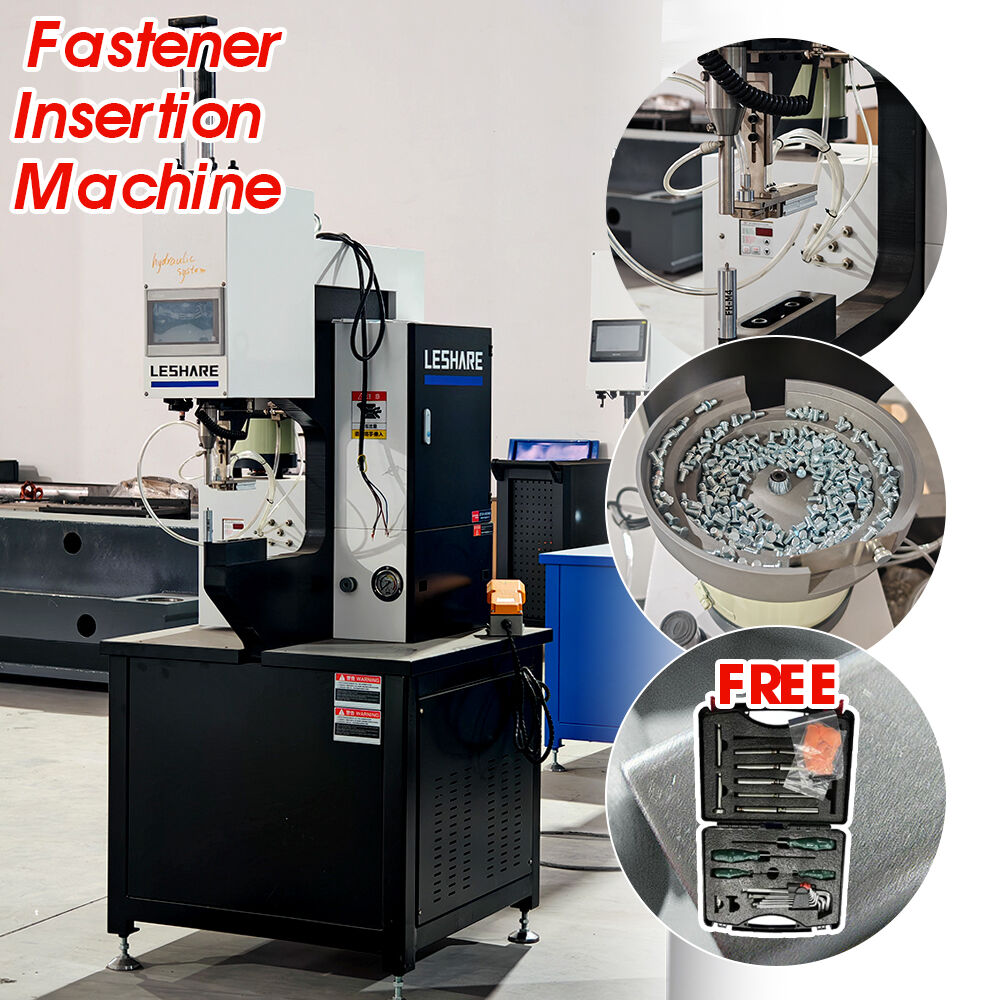
The fundamental advantage of automated fastener insertion lies in its ability to reproduce identical results across thousands of insertion cycles without variation or degradation in quality. This repeatability ensures that every fastener receives the exact insertion force, depth, and alignment specified in engineering drawings, eliminating the variability that inevitably occurs with manual operations. Consistent fastener placement directly correlates to improved product reliability and extended service life in field applications.
Process documentation capabilities built into modern machines provide comprehensive records of insertion parameters for each assembly, supporting traceability requirements and quality audits. This documentation proves invaluable when investigating field failures or responding to customer quality inquiries, as engineers can review exact insertion conditions for specific units. The ability to correlate insertion data with long-term performance metrics enables continuous refinement of insertion parameters and specifications.
Compliance with Industry Standards
Automated fastener insertion systems help manufacturers maintain compliance with increasingly stringent industry standards and certification requirements. The consistent application of specified torque values and insertion forces ensures that assembled products meet design specifications and safety requirements without deviation. This reliability proves particularly critical in regulated industries such as aerospace, medical devices, and automotive manufacturing where fastener integrity directly impacts safety and performance.
Documentation generated by automated systems supports ISO certification processes and customer audits by providing objective evidence of process control and quality management. The elimination of subjective human judgment from the insertion process reduces liability exposure and demonstrates due diligence in quality assurance. Many customers now require automated fastener insertion for critical applications, making these machines essential for maintaining market competitiveness.
Versatility and Application Range
Multi-Material Compatibility
Modern fastener insertion machines accommodate a wide range of material combinations and fastener types, from traditional steel components to advanced composites and lightweight alloys. The ability to adjust insertion parameters for different material properties ensures optimal fastener performance regardless of substrate characteristics. This versatility allows manufacturers to use the same equipment across multiple product lines and applications, maximizing capital utilization and reducing equipment complexity.
Specialized tooling options enable insertion into challenging materials such as reinforced plastics, honeycomb structures, and multi-layer assemblies that would be difficult or impossible to process manually with consistent results. The machines can handle fasteners ranging from miniature electronic components to heavy-duty industrial hardware, adapting insertion force and speed automatically based on programmed parameters. This flexibility makes them suitable for diverse manufacturing environments and application requirements.
Integration with Production Systems
Contemporary fastener insertion machines integrate seamlessly with existing production lines and manufacturing execution systems, enabling coordinated operation with other automated equipment. Communication protocols allow real-time data exchange with upstream and downstream processes, optimizing overall line efficiency and minimizing work-in-process inventory. This integration capability supports lean manufacturing initiatives and just-in-time production strategies.
The machines can be configured for standalone operation or incorporated into complex automated assembly cells with robotic material handling and vision inspection systems. This scalability allows manufacturers to implement automation gradually, starting with critical fastening operations and expanding the system as production volumes and complexity increase. The modular design approach minimizes initial investment while providing clear upgrade paths for future expansion.
Return on Investment and Economic Benefits
Cost Reduction Analysis
The financial benefits of implementing automated fastener insertion extend well beyond simple labor cost savings, encompassing improved quality metrics, reduced rework rates, and enhanced customer satisfaction. Manufacturing organizations typically observe immediate improvements in first-pass yield rates, often increasing from 85-90% with manual assembly to over 99% with automated systems. This quality improvement reduces inspection costs, warranty expenses, and customer service overhead while enhancing brand reputation.
Material waste reduction represents another significant cost advantage, as consistent insertion eliminates fastener damage and substrate deformation that frequently occurs during manual operations. The precise control of insertion parameters prevents over-torquing that can strip threads or crack components, reducing scrap rates and material costs. Additionally, the elimination of rework cycles frees up production capacity for additional revenue-generating activities.
Competitive Advantage Development
Organizations that invest in advanced fastener insertion technology gain substantial competitive advantages through improved delivery reliability, enhanced quality consistency, and reduced production costs. These operational improvements enable more aggressive pricing strategies while maintaining healthy profit margins, particularly important in price-sensitive markets. The ability to guarantee consistent quality and delivery schedules often justifies premium pricing with quality-conscious customers.
The technological sophistication demonstrated by automated fastener insertion capabilities enhances company credibility with potential customers and partners, particularly in industries where manufacturing competence directly influences purchase decisions. This reputation advantage often leads to increased market share and access to more lucrative contracts that require demonstrated quality capabilities. The investment in automation signals commitment to continuous improvement and technological leadership within the industry.
FAQ
How does a fastener insertion machine improve quality compared to manual assembly
Automated fastener insertion machines deliver superior quality through precise control of insertion force, depth, and alignment that remains consistent across thousands of cycles. Unlike manual operations where human variability can cause inconsistent results, these machines apply exact parameters programmed for each specific application. The elimination of operator fatigue, distraction, and skill variation ensures that the first fastener installed each day receives identical treatment to the last one, resulting in uniformly high quality throughout production runs.
What types of fasteners can be installed using automated insertion equipment
Modern fastener insertion machines accommodate an extensive range of hardware types including threaded inserts, press-fit nuts, rivets, clips, and specialized automotive fasteners. The equipment handles materials from miniature electronics components weighing fractions of grams to heavy-duty industrial fasteners requiring significant insertion force. Advanced machines feature interchangeable tooling systems that enable rapid changeover between different fastener types without extensive setup procedures, making them suitable for high-mix manufacturing environments.
How quickly can manufacturers expect to recover their investment in automated fastener insertion technology
Most manufacturers achieve full return on investment within 12-18 months of implementation, driven by labor cost savings, quality improvements, and increased production capacity. The exact payback period depends on production volume, labor rates, and quality requirements, but organizations typically see immediate improvements in throughput and consistency. Additional benefits such as reduced warranty costs, improved customer satisfaction, and enhanced competitiveness continue generating value well beyond the initial payback period.
Can existing production lines be modified to incorporate fastener insertion machines
Fastener insertion machines are designed for integration with existing production systems and can be retrofitted into most manufacturing environments with minimal disruption. The equipment features flexible mounting options and communication interfaces that work with standard industrial control systems. Manufacturers can implement automation incrementally, starting with critical fastening operations and expanding the system as production requirements evolve, making the transition manageable from both operational and financial perspectives.
Table of Contents
- Advanced Technology Integration in Modern Assembly Lines
- Operational Efficiency and Production Optimization
- Quality Consistency and Manufacturing Standards
- Versatility and Application Range
- Return on Investment and Economic Benefits
-
FAQ
- How does a fastener insertion machine improve quality compared to manual assembly
- What types of fasteners can be installed using automated insertion equipment
- How quickly can manufacturers expect to recover their investment in automated fastener insertion technology
- Can existing production lines be modified to incorporate fastener insertion machines