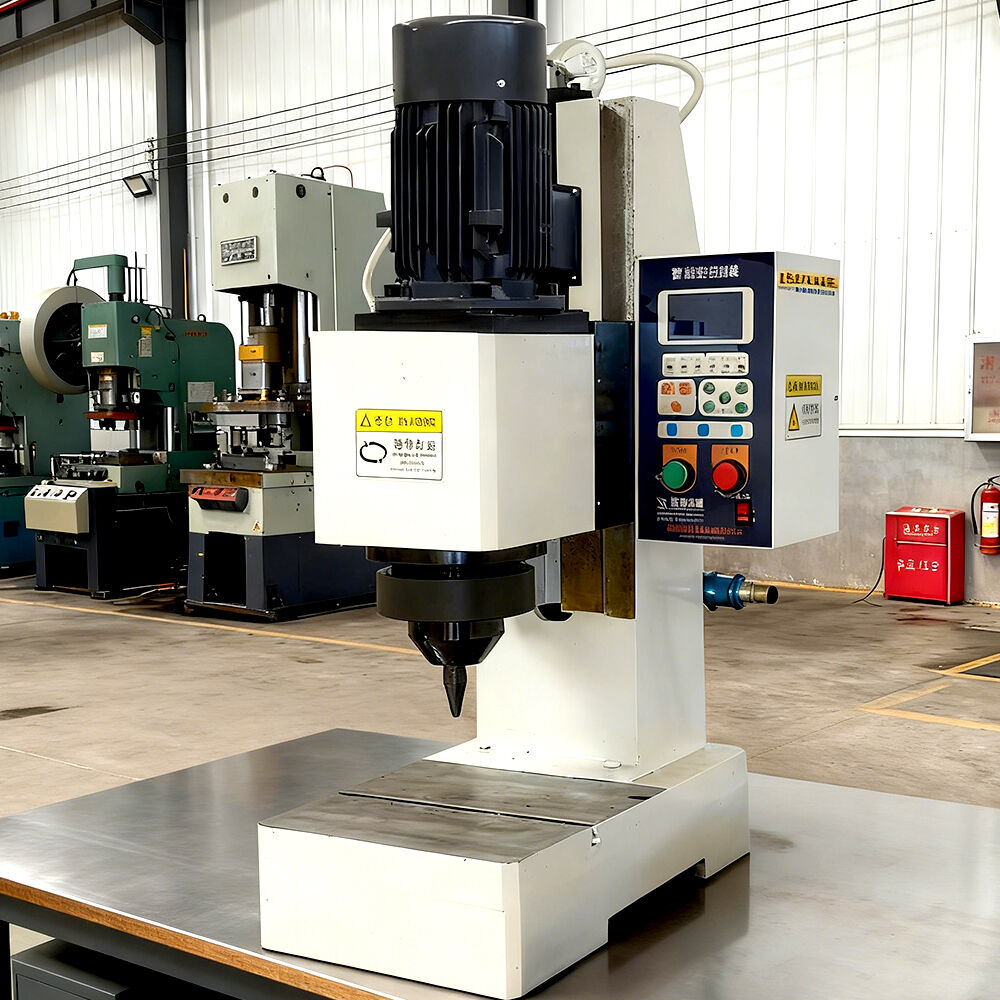
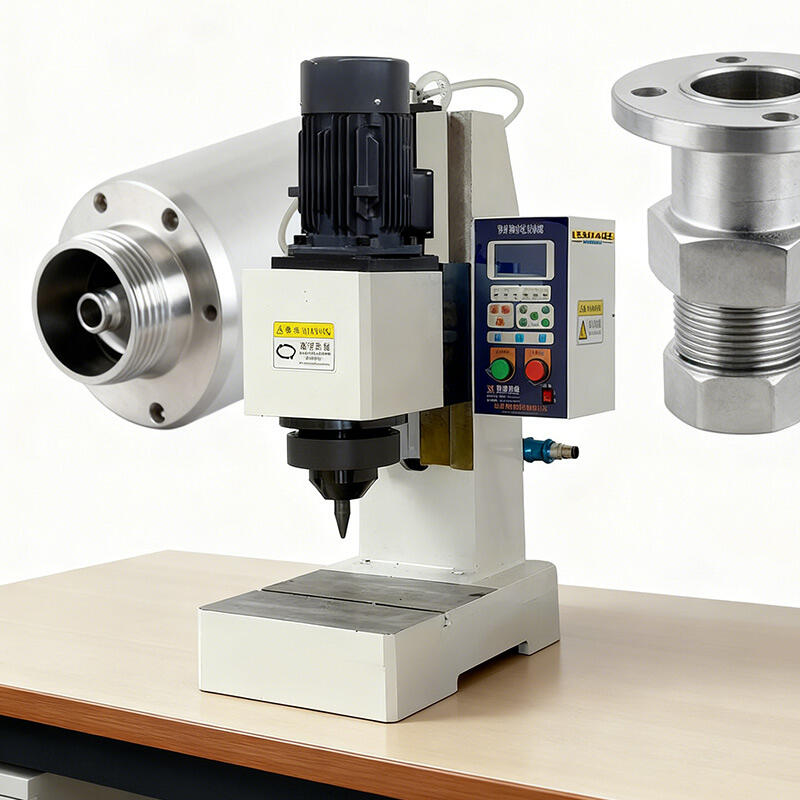
Rivetless Press Riveting Machine: Advanced Metal Joining Technology for Superior Manufacturing Efficiency

Get a Free Quote

Our representative will contact you soon.
Email
Name
Company Name
Message
0/1000

rivetless press riveting machine

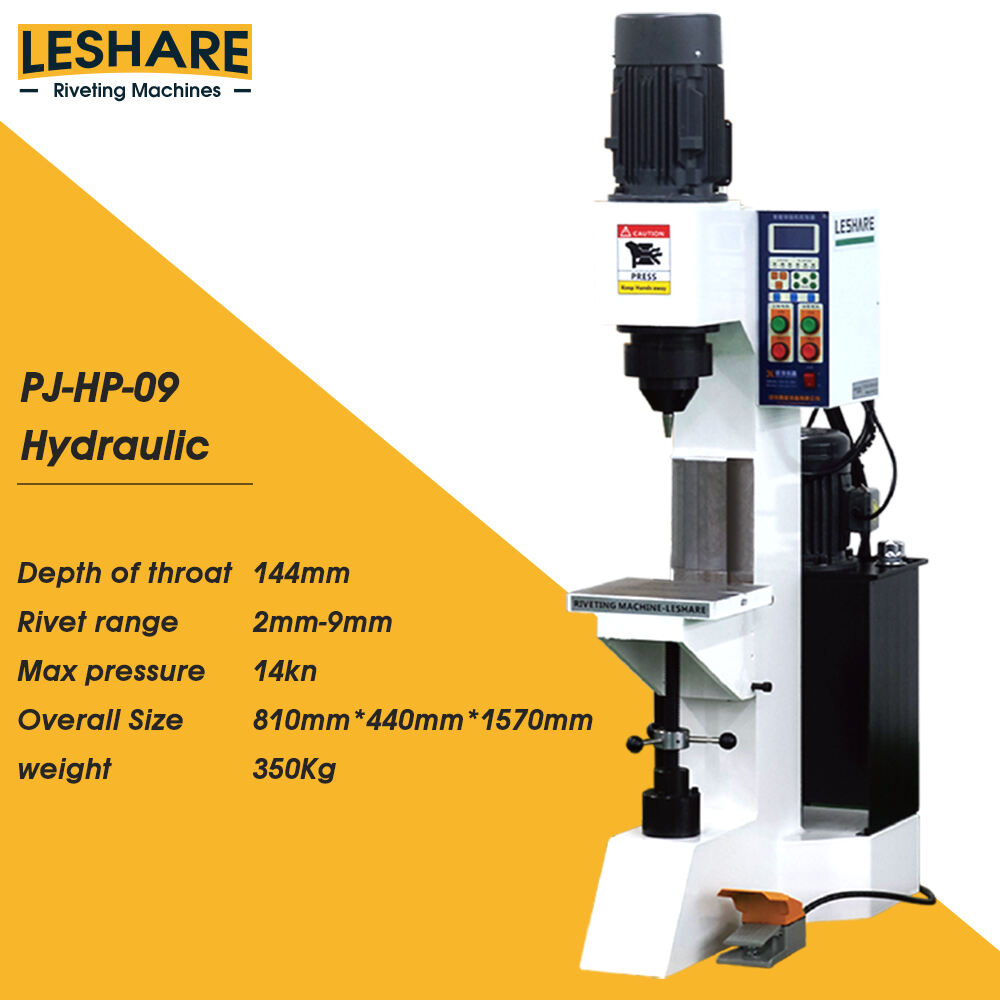
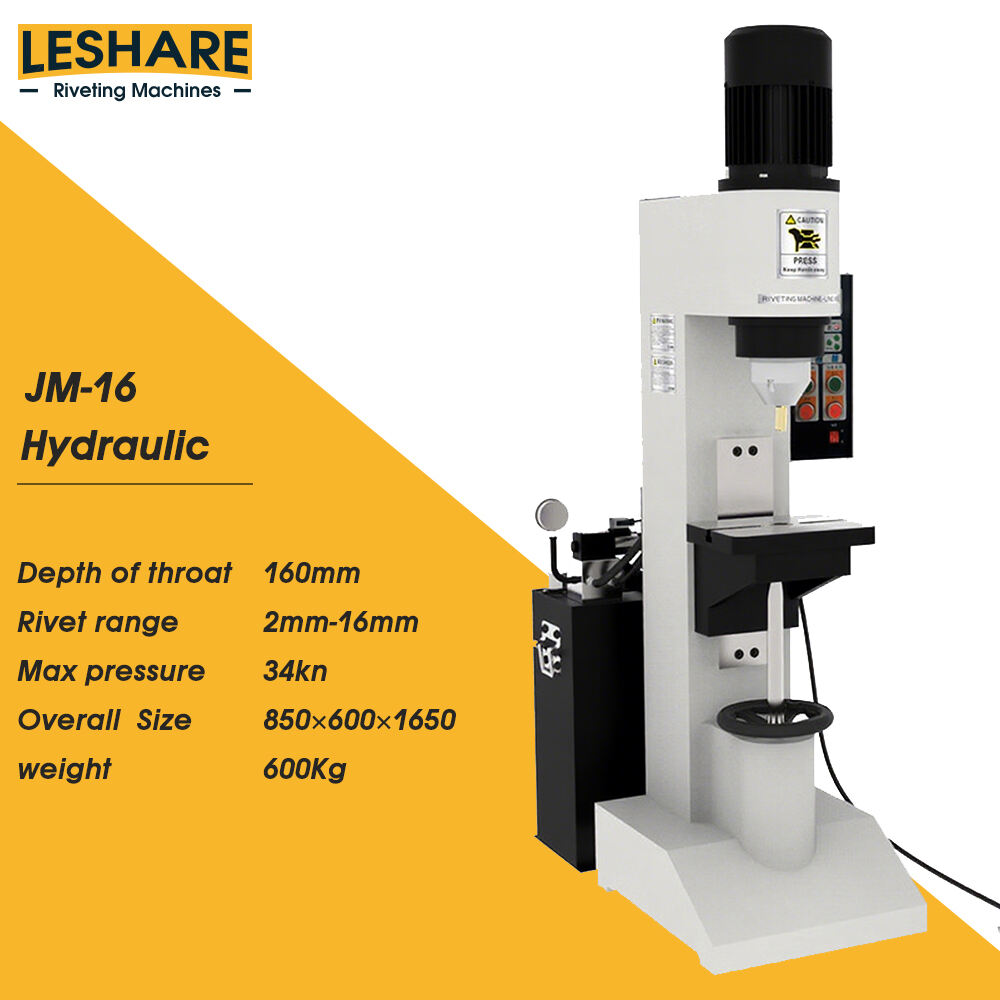
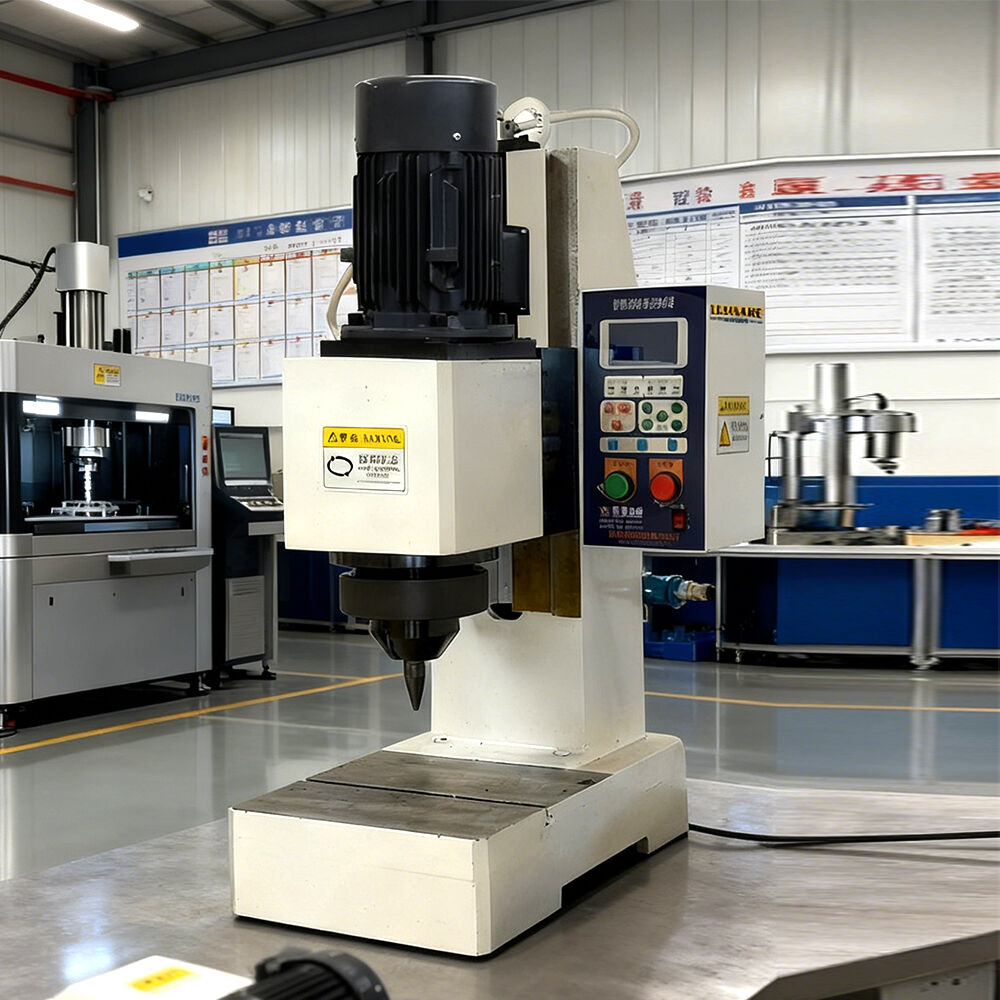
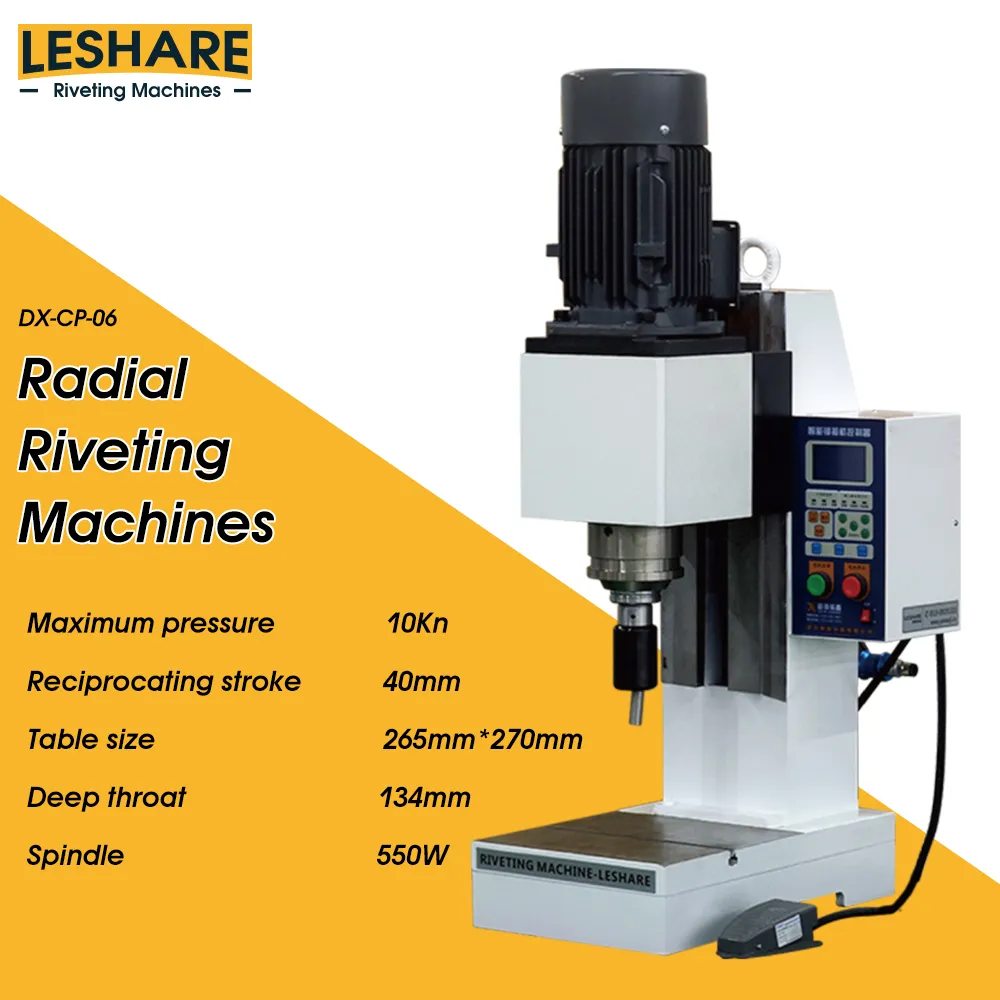
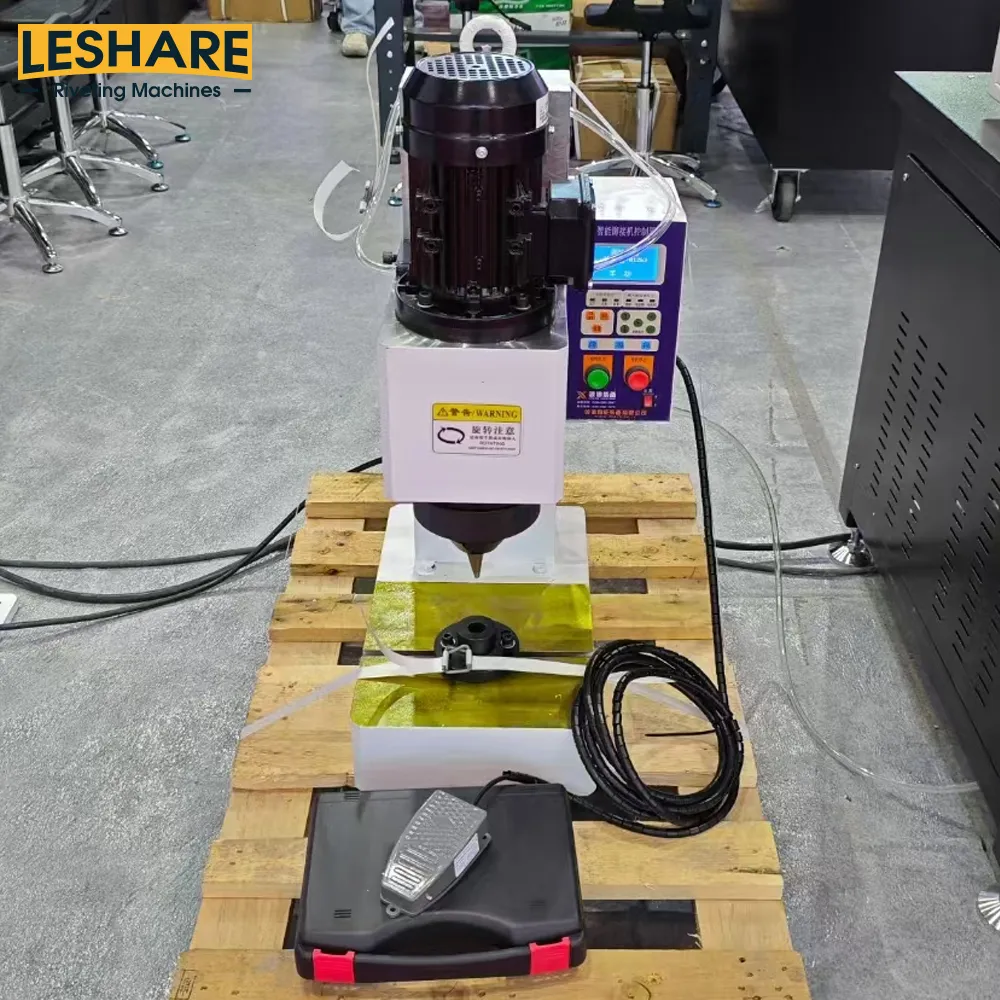
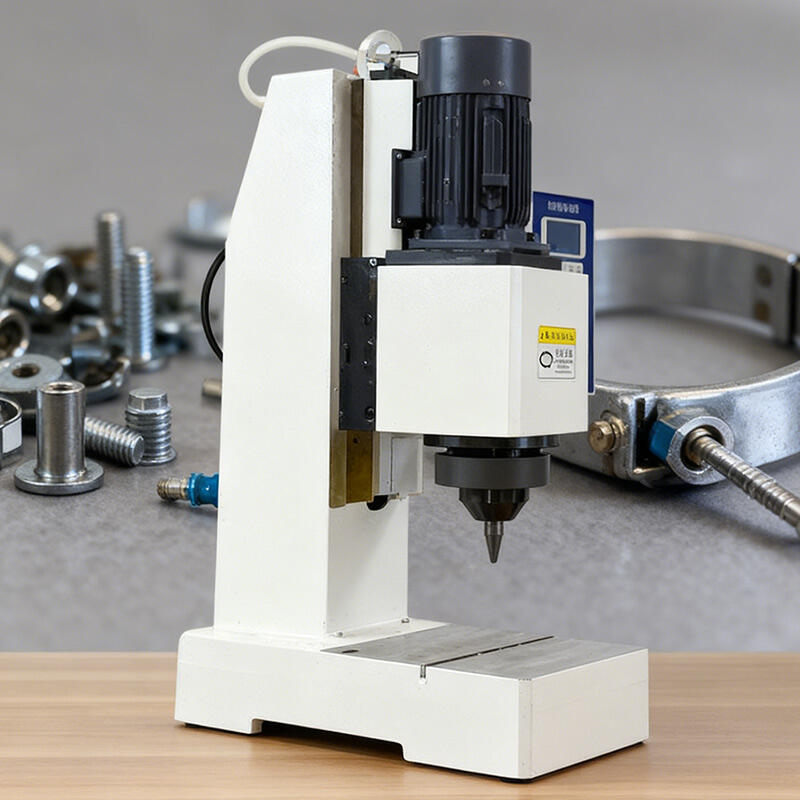
The rivetless press riveting machine represents a revolutionary advancement in metal joining technology, designed to create permanent connections between materials without the need for traditional fasteners. This innovative equipment utilizes advanced pressing mechanisms to deform and interlock material layers, forming secure joints through controlled compression and material flow. The machine operates by applying precise pressure to specially designed connection points, creating mechanical bonds that rival or exceed the strength of conventional riveting methods. Modern rivetless press riveting machines incorporate sophisticated hydraulic or pneumatic systems that deliver consistent force distribution across the joining surface. The technology eliminates the requirement for separate rivets, screws, or other fastening hardware, streamlining the assembly process while reducing material costs. These machines feature programmable control systems that allow operators to customize pressure settings, cycle times, and joining patterns according to specific application requirements. The equipment typically includes safety interlocks, emergency stops, and protective barriers to ensure operator safety during operation. Advanced models integrate digital monitoring systems that track performance metrics, maintenance schedules, and quality parameters in real-time. The rivetless press riveting machine finds extensive applications across automotive manufacturing, aerospace assembly, appliance production, and electronics manufacturing sectors. In automotive applications, these machines join body panels, structural components, and interior elements with exceptional precision and reliability. Aerospace manufacturers utilize this technology for creating lightweight, high-strength connections in aircraft components where weight reduction is critical. The appliance industry benefits from the clean, seamless joints produced by rivetless press riveting machines, particularly in visible areas where aesthetic appeal matters. Electronics manufacturers employ these machines for securing circuit boards, enclosures, and heat sinks with minimal electromagnetic interference. The technology proves especially valuable in applications requiring hermetic seals, corrosion resistance, or vibration dampening properties.

New Product Recommendations

The rivetless press riveting machine delivers substantial cost savings by eliminating the need for consumable fasteners, reducing material expenses by up to forty percent compared to traditional joining methods. Manufacturing facilities experience significant productivity improvements as these machines complete joining operations in seconds rather than minutes, increasing throughput and reducing labor costs. The elimination of separate fasteners streamlines inventory management, reduces storage requirements, and minimizes supply chain complexity for manufacturers. Quality control benefits tremendously from the consistent, repeatable joints produced by rivetless press riveting machines, with statistical process control ensuring uniform connection strength across production runs. The technology creates hermetically sealed joints that prevent moisture infiltration, corrosion, and contamination, extending product lifespan and reducing warranty claims. Environmental advantages include reduced waste generation since no fastener packaging or unused inventory requires disposal, contributing to sustainability goals and green manufacturing initiatives. Maintenance requirements decrease significantly as rivetless press riveting machines have fewer moving parts compared to traditional assembly equipment, reducing downtime and service costs. The seamless joints produced enhance product aesthetics by eliminating visible fastener heads, creating smooth surfaces that improve both appearance and functionality. Energy efficiency improves because the machines require power only during the brief pressing cycle, unlike continuous-operation alternatives that consume energy throughout the production process. Workspace optimization occurs as rivetless press riveting machines require less floor space than traditional riveting setups with separate feed systems and fastener handling equipment. Training requirements simplify because operators learn single-step processes rather than complex multi-step fastening procedures, reducing onboarding time and skill requirements. Quality assurance becomes more reliable through integrated force monitoring that detects incomplete joints immediately, preventing defective products from proceeding down the assembly line. The technology enables design flexibility by allowing engineers to create joint configurations impossible with conventional fasteners, opening new possibilities for product innovation and performance enhancement. Supply chain resilience improves as manufacturers reduce dependence on fastener suppliers, eliminating potential disruptions and price fluctuations that affect production schedules.

Practical Tips

What factors affect radial riveting machines performance and stability?

28

Jan

What factors affect radial riveting machines performance and stability?

Manufacturing precision and operational reliability in industrial assembly processes depend heavily on the performance characteristics of radial riveting machines. These sophisticated pieces of equipment have become indispensable in automotive, aeros...
View More
Why is a nonrotating shaft radial riveter critical in delicate assemblies?

28

Jan

Why is a nonrotating shaft radial riveter critical in delicate assemblies?

In precision manufacturing environments where component integrity and assembly quality determine product success, the choice of joining technology becomes paramount. A nonrotating shaft radial riveter represents a specialized solution engineered spec...
View More
How do radial riveting machines integrate with modern production systems?

26

Feb

How do radial riveting machines integrate with modern production systems?

Modern manufacturing environments demand precision, efficiency, and seamless integration across all production processes. Radial riveting machines have emerged as essential equipment for achieving reliable fastening solutions in industries ranging fr...
View More
How to implement lowspeed radial riveting in automated production lines?

26

Feb

How to implement lowspeed radial riveting in automated production lines?

Manufacturing excellence in modern production environments demands precision joining techniques that deliver consistent results while maintaining operational efficiency. Lowspeed radial riveting has emerged as a cornerstone technology for automated a...
View More

Get a Free Quote

Our representative will contact you soon.
Email
Name
Company Name
Message
0/1000

rivetless press riveting machine

Superior Joint Strength and Durability Performance

Superior Joint Strength and Durability Performance

The rivetless press riveting machine produces joints that consistently exceed the strength characteristics of traditional mechanical fasteners through advanced material deformation technology. This superior performance stems from the machine's ability to create molecular-level bonds between materials, forming connections that distribute stress across larger surface areas compared to point-loading fasteners. The controlled deformation process work-hardens the joint area, increasing local material strength while maintaining flexibility in surrounding regions. Laboratory testing demonstrates that rivetless joints withstand pull-out forces up to sixty percent higher than equivalent riveted connections, providing enhanced structural integrity for critical applications. The technology creates joints resistant to fatigue failure because the seamless connection eliminates stress concentration points that typically occur around fastener holes. Vibration resistance improves dramatically as the solid-state connection prevents loosening that commonly affects threaded fasteners in dynamic environments. Corrosion resistance increases because the joint eliminates galvanic coupling between dissimilar metals and prevents moisture intrusion through fastener passages. The rivetless press riveting machine achieves these strength improvements while reducing joint weight by eliminating fastener mass, contributing to overall product weight reduction goals. Temperature cycling performance excels because the monolithic joint expands and contracts uniformly, preventing differential thermal stresses that can compromise fastened assemblies. The machine's precise pressure control ensures optimal material flow during joint formation, creating consistent mechanical properties across all connection points. Quality validation becomes straightforward through integrated force monitoring that verifies proper joint formation in real-time, eliminating guesswork and reducing inspection requirements. Long-term durability testing shows rivetless joints maintain strength characteristics over extended service periods, outperforming traditional fasteners in harsh operating environments where salt spray, chemical exposure, or extreme temperatures challenge connection integrity.
Advanced Automation and Process Control Capabilities

Advanced Automation and Process Control Capabilities

The rivetless press riveting machine incorporates sophisticated automation systems that transform manufacturing operations through intelligent process control and seamless integration with existing production lines. Modern machines feature programmable logic controllers that manage every aspect of the joining process, from material positioning to final quality verification, ensuring consistent results regardless of operator skill level. The automation system includes servo-controlled positioning mechanisms that achieve micron-level accuracy in joint placement, enabling precise assembly of complex components with tight tolerances. Vision systems integrated into advanced models perform real-time inspection of joint formation, automatically rejecting defective assemblies before they proceed to subsequent manufacturing stages. The machine's human-machine interface provides intuitive touchscreen controls that allow operators to modify parameters quickly, store multiple job configurations, and access diagnostic information for troubleshooting and maintenance planning. Data logging capabilities capture comprehensive process information including cycle times, force curves, and quality metrics that support continuous improvement initiatives and regulatory compliance requirements. Remote monitoring functionality enables plant managers to track machine performance from any location, receiving alerts for maintenance needs or process variations that require attention. The rivetless press riveting machine communicates seamlessly with manufacturing execution systems, providing real-time production data that optimizes scheduling and resource allocation throughout the facility. Predictive maintenance algorithms analyze machine performance patterns to forecast component replacement needs, preventing unexpected downtime and reducing maintenance costs. Safety systems incorporate multiple redundant protection mechanisms including light curtains, pressure-sensitive mats, and emergency stop circuits that exceed international safety standards. The automation package includes automatic tool changing capabilities that accommodate multiple joint configurations without manual intervention, maximizing production flexibility while maintaining consistent quality standards. Integration with robotic handling systems creates fully automated assembly cells that operate continuously with minimal human supervision, dramatically increasing productivity while reducing labor costs and improving workplace safety for manufacturing personnel.
Versatile Material Compatibility and Application Flexibility

Versatile Material Compatibility and Application Flexibility

The rivetless press riveting machine demonstrates exceptional versatility in joining diverse material combinations, accommodating everything from thin aluminum sheets to thick steel plates while maintaining optimal joint quality across all applications. This flexibility stems from the machine's adaptive pressure control system that automatically adjusts force parameters based on material properties, thickness variations, and joint configuration requirements. The technology successfully joins dissimilar materials that prove challenging for traditional fastening methods, including aluminum-to-steel connections that eliminate galvanic corrosion concerns while providing superior structural performance. Composite material joining capabilities enable manufacturers to create hybrid structures that combine metallic strength with lightweight polymer characteristics, opening new design possibilities for aerospace and automotive applications. The machine processes materials ranging from 0.5mm thin films to 25mm thick plates, accommodating diverse manufacturing requirements within a single equipment investment rather than requiring multiple specialized machines. Surface treatment tolerance allows the rivetless press riveting machine to work effectively with painted, plated, or coated materials without compromising joint integrity or requiring surface preparation steps that add cost and complexity to manufacturing processes. Multi-layer joining capabilities enable simultaneous connection of up to six material layers in a single pressing operation, dramatically reducing assembly time and improving structural efficiency compared to sequential fastening approaches. The machine handles both rigid and flexible substrates, including thermoplastic components that would be damaged by heat-generating fastening methods, expanding application possibilities into electronics and medical device manufacturing sectors. Joint geometry flexibility allows engineers to create custom connection profiles that optimize stress distribution for specific loading conditions, enabling performance improvements impossible with standardized fasteners. Temperature-sensitive materials benefit from the cold-joining process that eliminates heat-affected zones and material property degradation common with welding or thermal fastening methods. The rivetless press riveting machine accommodates varying production volumes efficiently, from prototype quantities to high-volume manufacturing runs, providing scalable solutions that grow with business requirements while maintaining consistent quality standards across all production levels.

Get a Free Quote

Our representative will contact you soon.
Email
Name
Company Name
Message
0/1000