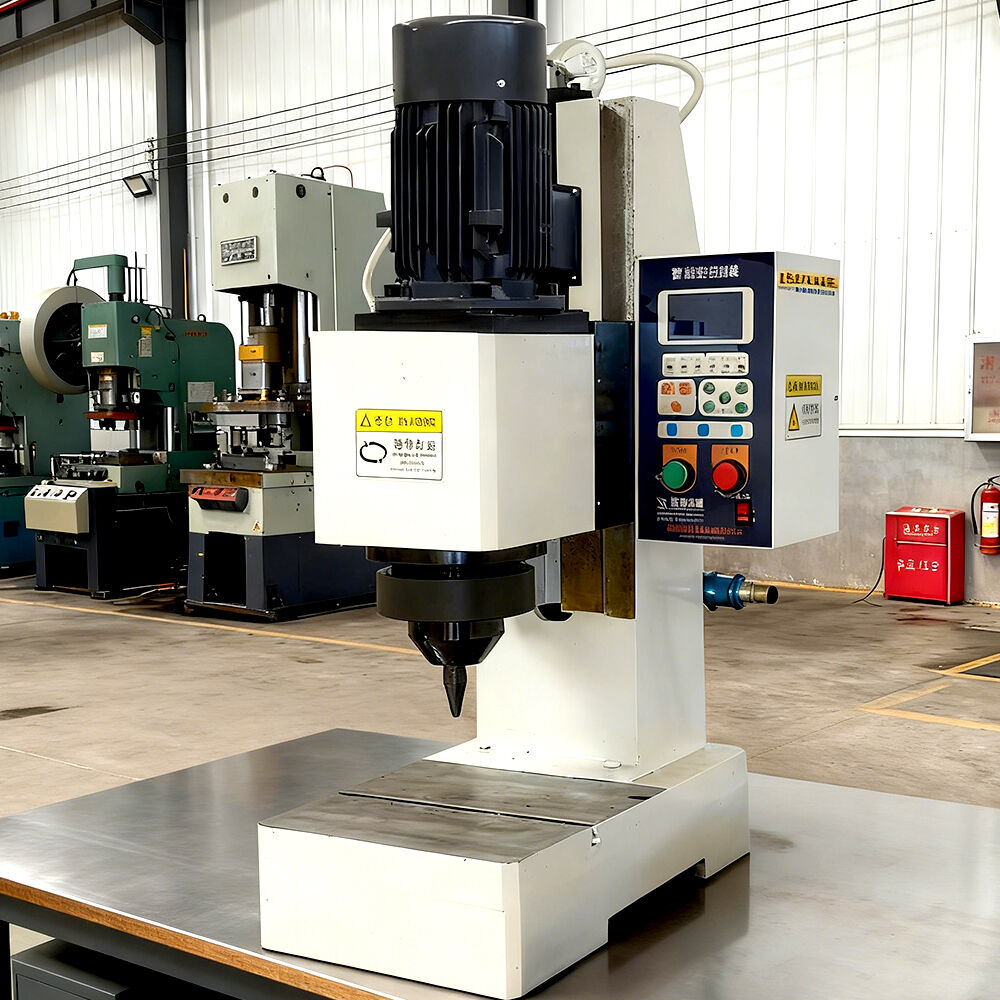
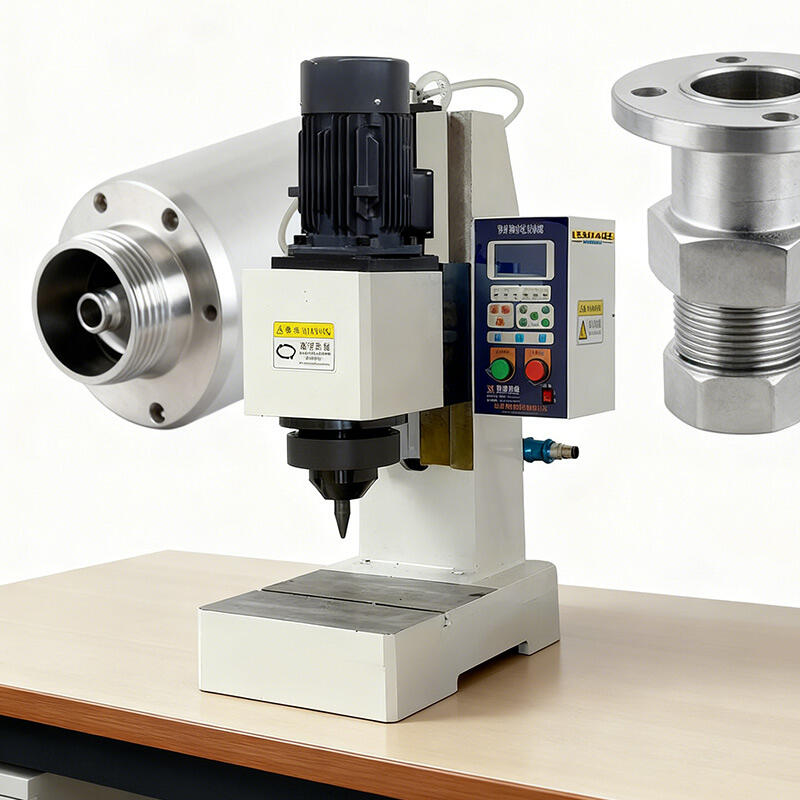
rivetless press riveting machine
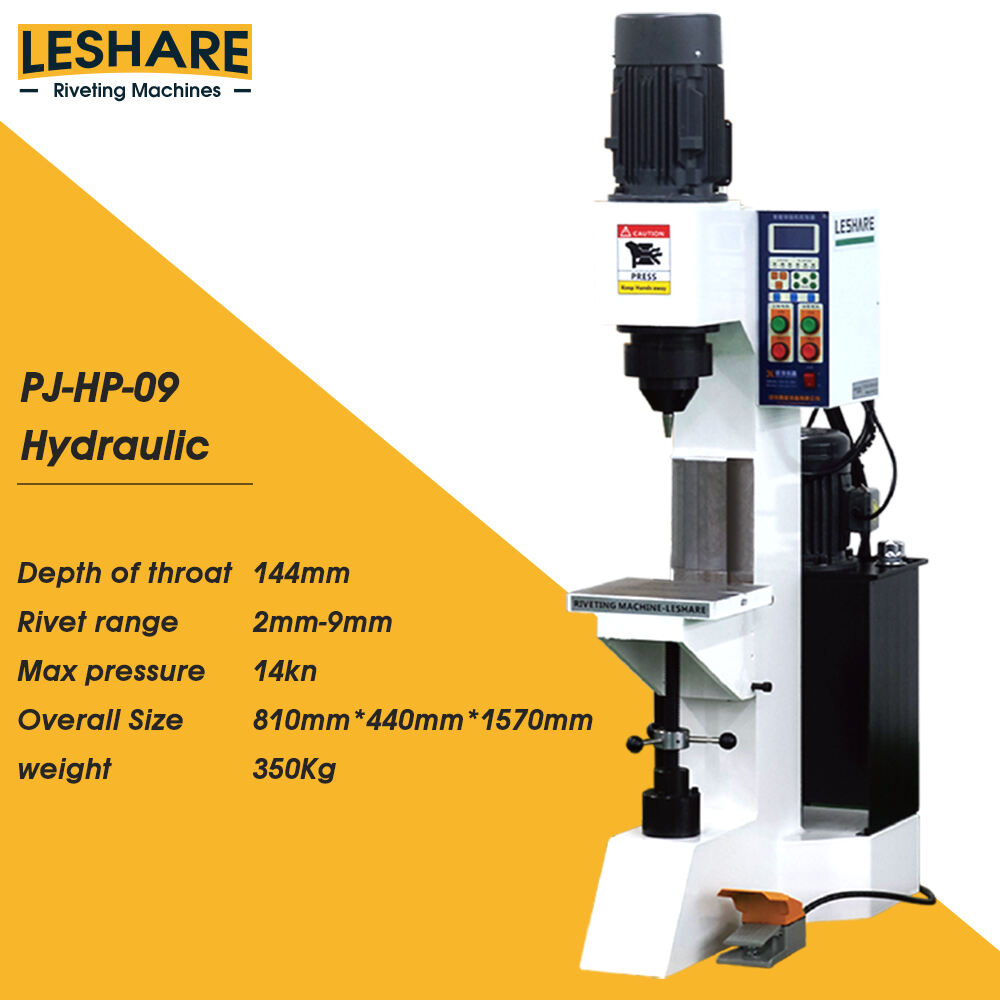
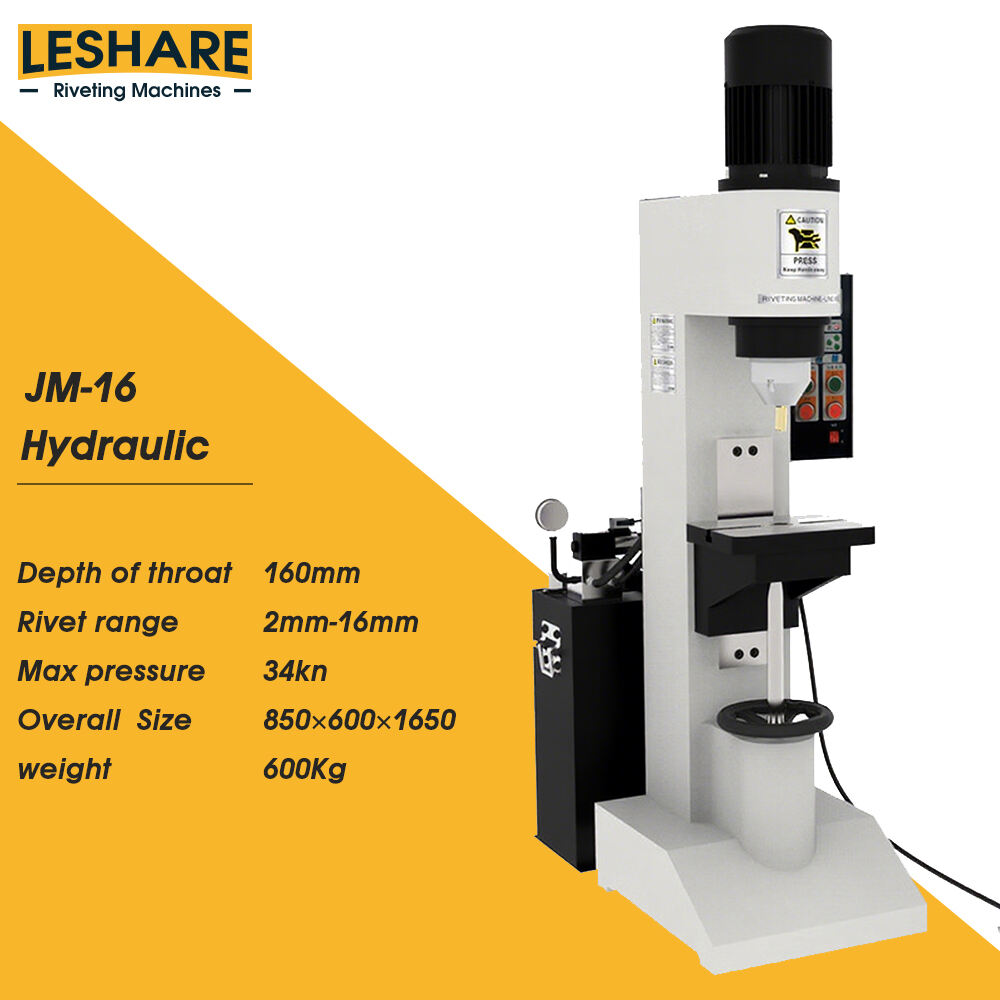
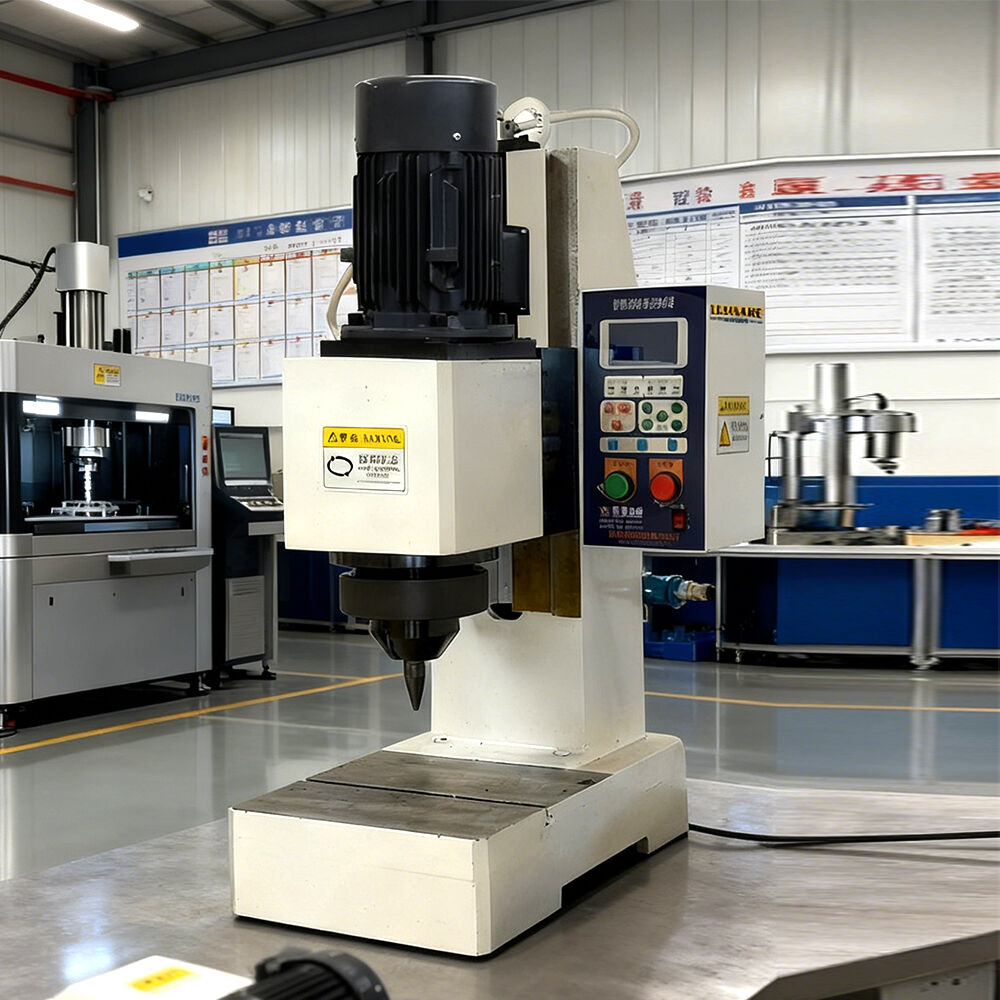
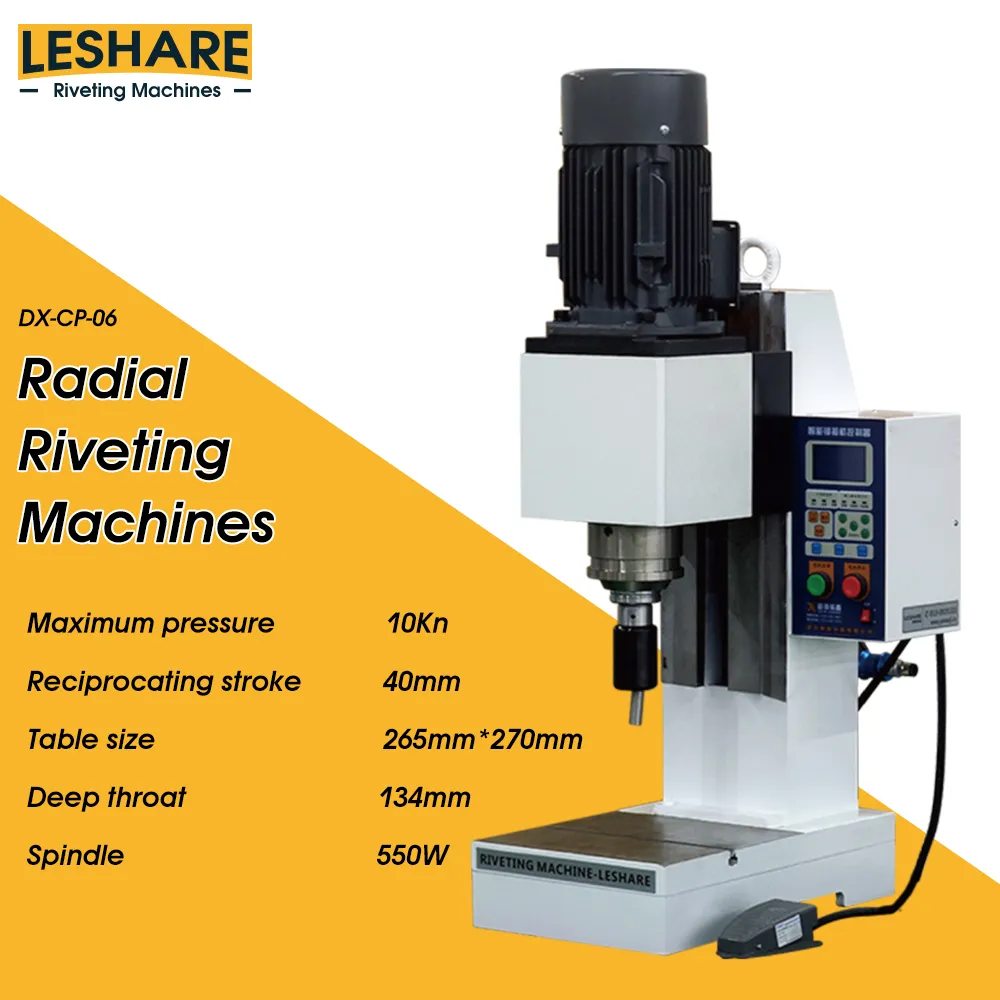
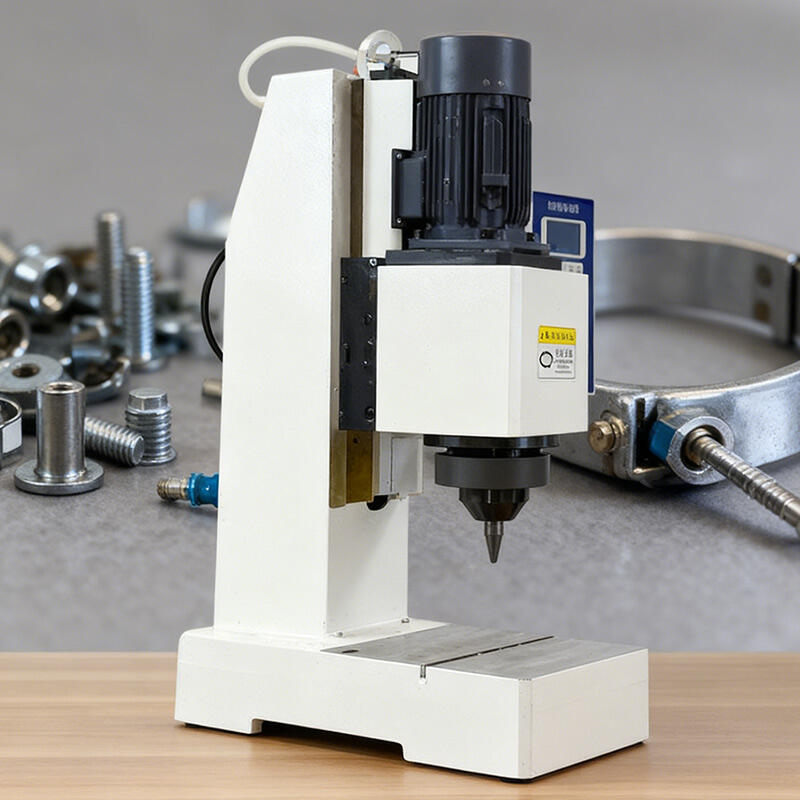
The rivetless press riveting machine represents a revolutionary advancement in metal joining technology, designed to create permanent connections between materials without the need for traditional fasteners. This innovative equipment utilizes advanced pressing mechanisms to deform and interlock material layers, forming secure joints through controlled compression and material flow. The machine operates by applying precise pressure to specially designed connection points, creating mechanical bonds that rival or exceed the strength of conventional riveting methods. Modern rivetless press riveting machines incorporate sophisticated hydraulic or pneumatic systems that deliver consistent force distribution across the joining surface. The technology eliminates the requirement for separate rivets, screws, or other fastening hardware, streamlining the assembly process while reducing material costs. These machines feature programmable control systems that allow operators to customize pressure settings, cycle times, and joining patterns according to specific application requirements. The equipment typically includes safety interlocks, emergency stops, and protective barriers to ensure operator safety during operation. Advanced models integrate digital monitoring systems that track performance metrics, maintenance schedules, and quality parameters in real-time. The rivetless press riveting machine finds extensive applications across automotive manufacturing, aerospace assembly, appliance production, and electronics manufacturing sectors. In automotive applications, these machines join body panels, structural components, and interior elements with exceptional precision and reliability. Aerospace manufacturers utilize this technology for creating lightweight, high-strength connections in aircraft components where weight reduction is critical. The appliance industry benefits from the clean, seamless joints produced by rivetless press riveting machines, particularly in visible areas where aesthetic appeal matters. Electronics manufacturers employ these machines for securing circuit boards, enclosures, and heat sinks with minimal electromagnetic interference. The technology proves especially valuable in applications requiring hermetic seals, corrosion resistance, or vibration dampening properties.
 EN
EN