 EN
EN

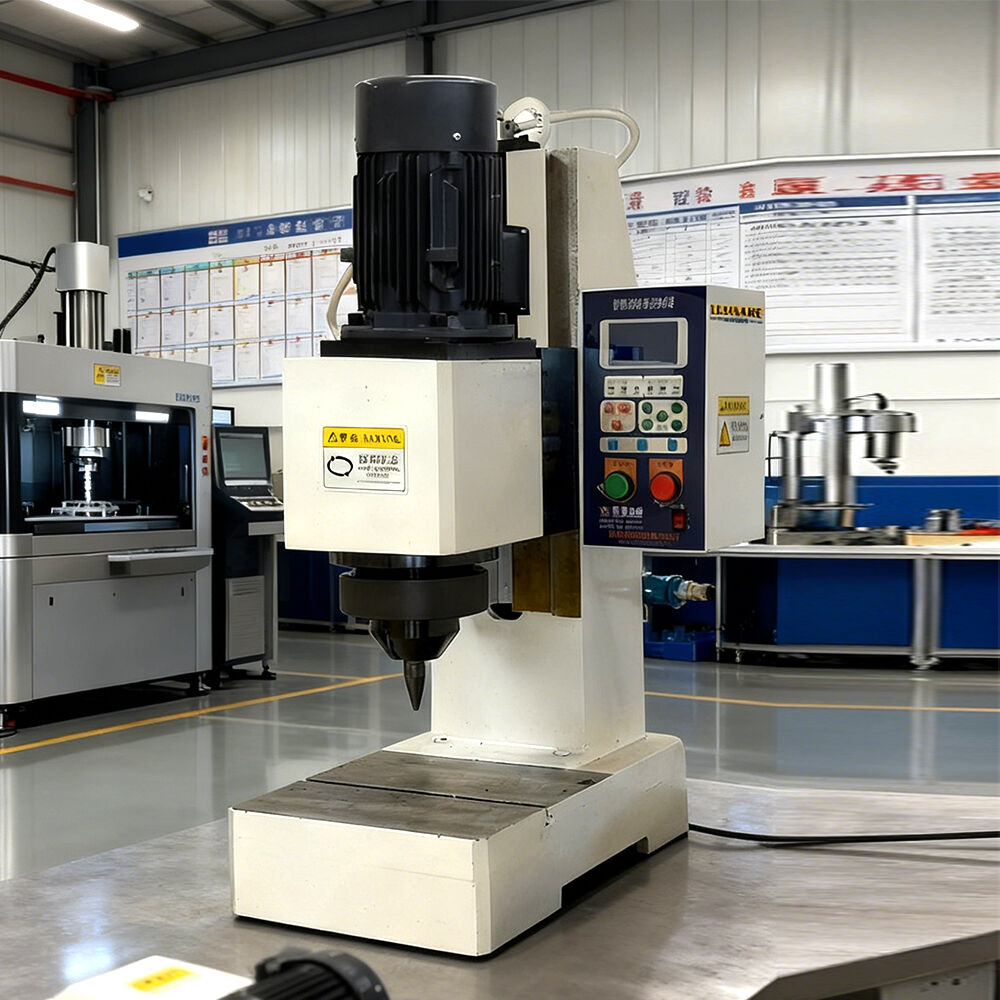
Manufacturing precision and operational reliability in industrial assembly processes depend heavily on the performance characteristics of radial riveting machines. These sophisticated pieces of equipment have become indispensable in automotive, aerospace, electronics, and construction industries where consistent joint quality determines product integrity. Understanding the multiple factors that influence radial riveting machines performance enables manufacturers to optimize their operations, reduce downtime, and achieve superior assembly results. From mechanical components to operational parameters, every aspect of these machines contributes to their overall effectiveness in creating durable, reliable connections between materials.
Mechanical Design Elements Influencing Performance
Frame Construction and Rigidity
The structural foundation of radial riveting machines directly impacts their operational precision and long-term stability. Heavy-duty cast iron or steel frame construction provides the necessary rigidity to withstand repetitive forming forces without deflection. Frame design must accommodate both static loads during operation and dynamic forces generated during the riveting process. Proper reinforcement at critical stress points ensures that radial riveting machines maintain dimensional accuracy throughout extended production cycles. Manufacturing tolerances in frame construction affect overall machine performance, with tighter tolerances generally resulting in more consistent riveting outcomes.
Vibration dampening characteristics built into the frame design significantly influence machine stability during high-speed operations. Advanced frame geometries incorporate strategic mass distribution to minimize resonance frequencies that could interfere with precise rivet formation. The relationship between frame weight and operational stability requires careful balance, as excessive weight increases installation costs while insufficient mass compromises performance. Modern radial riveting machines often feature modular frame designs that allow for configuration adjustments based on specific application requirements.
Spindle Assembly Precision
Spindle construction represents one of the most critical components affecting radial riveting machines performance and accuracy. High-precision bearings, typically angular contact or tapered roller types, support the rotating spindle while maintaining minimal runout during operation. Bearing selection must account for both radial and axial loads generated during the riveting process, with proper preloading ensuring optimal stiffness and positioning accuracy. Lubrication systems for spindle assemblies require careful consideration, as inadequate lubrication leads to premature wear while over-lubrication can attract contaminants.
Spindle speed control mechanisms directly influence rivet quality and formation consistency in radial riveting machines. Variable speed drives allow operators to optimize rotational parameters for different materials and rivet sizes, improving process flexibility. Dynamic balancing of rotating components minimizes vibration and extends bearing life, while also improving surface finish quality on formed rivets. The thermal stability of spindle assemblies affects dimensional accuracy, particularly during extended production runs where heat generation can cause expansion and tolerance shifts.
Hydraulic and Pneumatic System Factors
Pressure Control Systems
Pressure regulation accuracy in radial riveting machines determines the consistency of forming forces applied to each rivet. Proportional pressure control valves enable precise adjustment of working pressures to match material requirements and rivet specifications. System pressure stability throughout the forming cycle ensures uniform rivet heads and consistent joint strength characteristics. Pressure feedback systems monitor actual forming forces and compensate for variations in material properties or rivet dimensions, maintaining quality standards across production batches.
Accumulator systems in hydraulic radial riveting machines provide energy storage capabilities that smooth out pressure fluctuations during operation. Proper accumulator sizing and charging pressure selection affect system response time and pressure stability during forming cycles. Filtration systems protecting hydraulic components from contamination directly impact long-term reliability and performance consistency. Regular monitoring of hydraulic fluid condition and replacement schedules prevents performance degradation and maintains optimal system efficiency.
Flow Rate Management
Hydraulic flow characteristics in radial riveting machines influence cycle times and forming quality throughout production operations. Flow control valves regulate the speed of cylinder movement during approach, forming, and retract phases of the riveting cycle. Proper flow rate selection prevents shock loading of components while maintaining acceptable cycle times for production requirements. Flow rate consistency ensures repeatable forming characteristics and reduces variation in rivet quality between successive operations.
Temperature effects on hydraulic fluid viscosity impact flow characteristics and system performance in radial riveting machines. Thermal management systems maintain optimal operating temperatures to preserve fluid properties and system responsiveness. Pressure drop calculations across hydraulic circuits help identify restrictions that could compromise performance, while proper sizing of hydraulic lines ensures adequate flow delivery to actuating components. System efficiency improvements through optimized flow management reduce energy consumption and operational costs.
Material and Workpiece Considerations
Material Compatibility Factors
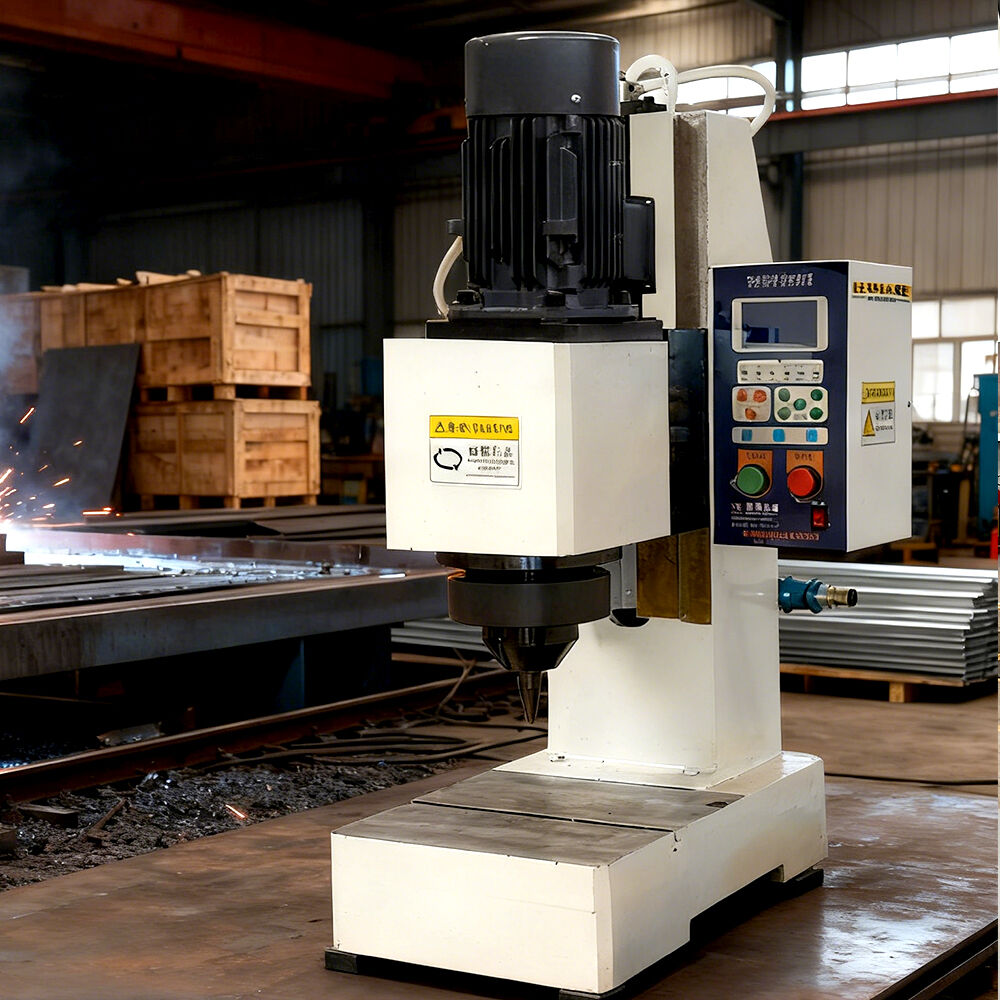
Material properties of both rivets and workpieces significantly affect the performance characteristics of radial riveting machines during forming operations. Different material combinations require specific pressure and speed parameters to achieve optimal joint formation without damaging components. Work hardening characteristics of materials influence the forming force requirements and determine the final mechanical properties of completed joints. Understanding material flow behaviors enables operators to select appropriate parameters that maximize joint strength while minimizing forming forces.
Thermal properties of materials affect heat generation during the riveting process, which can influence both rivet quality and machine performance. Materials with high thermal conductivity may require different cooling strategies compared to those with lower thermal transfer rates. Surface treatments and coatings on materials can affect friction characteristics during forming, potentially requiring parameter adjustments to maintain consistent results. Compatibility testing between radial riveting machines and specific material combinations helps establish optimal processing parameters for different applications.
Workpiece Fixturing and Support
Proper workpiece support and fixturing arrangements are essential for achieving consistent results with radial riveting machines across various applications. Inadequate support can lead to workpiece deflection during forming, resulting in misaligned or poorly formed rivets that compromise joint integrity. Fixture design must accommodate the specific geometry of workpieces while providing rigid support at critical locations near rivet positions. Modular fixturing systems offer flexibility for handling different part configurations while maintaining the precision required for quality riveting operations.
Clamping force distribution affects both workpiece stability and accessibility for radial riveting machines during operation. Excessive clamping forces can deform thin materials, while insufficient clamping allows movement that degrades rivet quality. Quick-change fixture systems improve production efficiency by reducing setup times between different part types or configurations. Proper fixture maintenance ensures continued accuracy and prevents wear-related issues that could affect riveting quality over time.
Environmental and Operational Conditions
Temperature Control Requirements
Operating temperature conditions significantly impact the performance consistency and accuracy of radial riveting machines throughout production cycles. Thermal expansion of machine components can affect dimensional tolerances and positioning accuracy, particularly in precision applications requiring tight tolerances. Temperature variations in the work environment influence hydraulic fluid properties, potentially affecting system response and forming characteristics. Controlled environment conditions help maintain stable performance parameters and reduce quality variations related to temperature fluctuations.
Heat dissipation capabilities of radial riveting machines determine their suitability for continuous operation in demanding production environments. Adequate cooling systems prevent overheating of hydraulic components and maintain optimal operating temperatures during extended production runs. Thermal monitoring systems provide early warning of temperature-related issues that could affect performance or cause component damage. Proper installation locations with adequate ventilation and climate control support optimal machine performance and longevity.
Maintenance and Calibration Practices
Preventive maintenance schedules directly influence the long-term performance and reliability of radial riveting machines in production environments. Regular inspection and replacement of wear components prevents performance degradation and maintains quality standards throughout machine life. Calibration procedures for pressure, position, and timing parameters ensure continued accuracy and repeatability of riveting operations. Documentation of maintenance activities and performance trends helps identify potential issues before they impact production quality or machine availability.
Lubrication programs tailored to specific operating conditions and duty cycles extend component life and maintain optimal performance characteristics. Proper selection of lubricants based on operating temperatures, speeds, and environmental conditions prevents premature wear and system failures. Training programs for operators and maintenance personnel ensure proper machine operation and care, reducing the likelihood of performance issues caused by improper use or maintenance practices. Quality control procedures integrated with maintenance activities help identify performance trends and optimize maintenance intervals.
Control System and Automation Features
Process Monitoring Capabilities
Advanced control systems in modern radial riveting machines provide comprehensive monitoring of critical process parameters throughout riveting operations. Real-time feedback from pressure transducers, position sensors, and force measurement devices enables precise control of forming processes and immediate detection of quality deviations. Data logging capabilities create historical records of process parameters that support quality assurance programs and continuous improvement initiatives. Integration with manufacturing execution systems provides production tracking and quality documentation required for regulated industries.
Adaptive control algorithms in sophisticated radial riveting machines automatically compensate for variations in material properties or environmental conditions during operation. Machine learning capabilities enable systems to optimize parameters based on historical performance data and quality outcomes. Predictive maintenance features analyze operational data to forecast component wear and schedule maintenance activities before failures occur. Remote monitoring capabilities allow supervision of multiple machines and provide access to performance data for analysis and optimization.
Programming and Setup Flexibility
User-friendly programming interfaces in radial riveting machines simplify setup procedures and reduce the time required for changeovers between different part types or rivet specifications. Recipe-based parameter storage enables quick recall of proven settings for specific applications, improving consistency and reducing setup errors. Graphical programming environments allow operators to visualize forming sequences and modify parameters without extensive technical training. Integration with CAD systems enables automatic parameter generation based on part geometry and rivet specifications.
Simulation capabilities built into control systems allow operators to verify programs and optimize parameters without consuming materials or machine time. Parameter validation routines prevent entry of values outside safe operating ranges, protecting both equipment and workpieces from damage. Multi-language support and customizable user interfaces accommodate diverse operator populations and improve usability in global manufacturing environments. Security features protect proprietary programs and prevent unauthorized modifications that could affect quality or safety.
Safety and Ergonomic Factors
Operator Safety Systems
Comprehensive safety systems in radial riveting machines protect operators while maintaining productivity and operational efficiency throughout production cycles. Light curtain systems and pressure-sensitive mats provide area protection around machine operations, automatically stopping cycles when operators enter hazardous zones. Emergency stop systems with redundant circuits ensure immediate machine shutdown in emergency situations, while safety interlocks prevent operation when guards or protective devices are compromised. Risk assessment procedures help identify potential hazards and implement appropriate safeguarding measures for specific applications.
Two-hand control systems require deliberate operator action to initiate riveting cycles, preventing accidental activation while allowing normal production flow. Safety-rated control components meet international safety standards and provide reliable protection throughout machine life. Lockout/tagout procedures and energy isolation systems enable safe maintenance and service activities on radial riveting machines. Regular safety system testing and validation ensure continued effectiveness of protective measures and compliance with workplace safety regulations.
Ergonomic Design Considerations
Ergonomic design features in radial riveting machines reduce operator fatigue and improve long-term productivity in manufacturing environments. Adjustable work height capabilities accommodate operators of different sizes and reduce strain during extended production periods. Control panel positioning and design follow ergonomic principles to minimize reach distances and provide clear visibility of operational status. Noise reduction measures protect hearing health while improving communication in production areas where multiple machines operate simultaneously.
Material handling considerations integrate with radial riveting machines to minimize manual lifting and positioning requirements for operators. Automated part loading and unloading systems reduce physical demands while improving cycle times and consistency. Workspace organization and tool storage solutions support efficient operation while maintaining safe working conditions. Lighting systems provide adequate illumination for inspection activities and safe operation without creating glare or shadows that could affect visibility.
FAQ
How often should radial riveting machines be calibrated for optimal performance
Calibration frequency for radial riveting machines depends on production volume, application requirements, and quality standards. High-volume operations typically require monthly calibration of pressure and position parameters, while lower-volume applications may extend intervals to quarterly schedules. Critical aerospace or medical applications often demand more frequent calibration to meet stringent quality requirements. Environmental factors such as temperature variations and vibration exposure can accelerate calibration drift and require more frequent verification of machine accuracy.
What are the most common causes of inconsistent rivet quality in radial riveting machines
Inconsistent rivet quality typically results from variations in material properties, inadequate workpiece support, or improper parameter settings in radial riveting machines. Pressure fluctuations caused by hydraulic system issues can create variations in forming forces and rivet head geometry. Worn tooling components affect surface finish and dimensional accuracy of formed rivets. Environmental factors such as temperature changes and contamination can influence material flow characteristics and system performance, leading to quality variations between production batches.
How do environmental conditions affect the performance of radial riveting machines
Environmental conditions significantly impact radial riveting machines through temperature effects on hydraulic fluid viscosity, thermal expansion of components, and moisture-related contamination issues. High ambient temperatures can cause hydraulic fluid thinning and reduced system pressure capability, while cold conditions may increase fluid viscosity and slow system response. Humidity can introduce moisture into hydraulic systems, leading to corrosion and performance degradation. Dust and airborne contaminants can affect filtration systems and component wear rates, requiring more frequent maintenance and potentially compromising performance consistency.
What maintenance practices most effectively extend the service life of radial riveting machines
Preventive maintenance programs focusing on hydraulic system cleanliness, regular lubrication schedules, and systematic component inspections most effectively extend radial riveting machines service life. Hydraulic fluid analysis and replacement based on condition rather than time intervals prevents contamination-related damage and maintains system performance. Bearing inspection and replacement programs prevent catastrophic failures and maintain spindle accuracy. Documentation of maintenance activities and performance trends enables optimization of maintenance intervals and early identification of developing issues that could affect machine reliability or performance.
Table of Contents
- Mechanical Design Elements Influencing Performance
- Hydraulic and Pneumatic System Factors
- Material and Workpiece Considerations
- Environmental and Operational Conditions
- Control System and Automation Features
- Safety and Ergonomic Factors
-
FAQ
- How often should radial riveting machines be calibrated for optimal performance
- What are the most common causes of inconsistent rivet quality in radial riveting machines
- How do environmental conditions affect the performance of radial riveting machines
- What maintenance practices most effectively extend the service life of radial riveting machines