 EN
EN

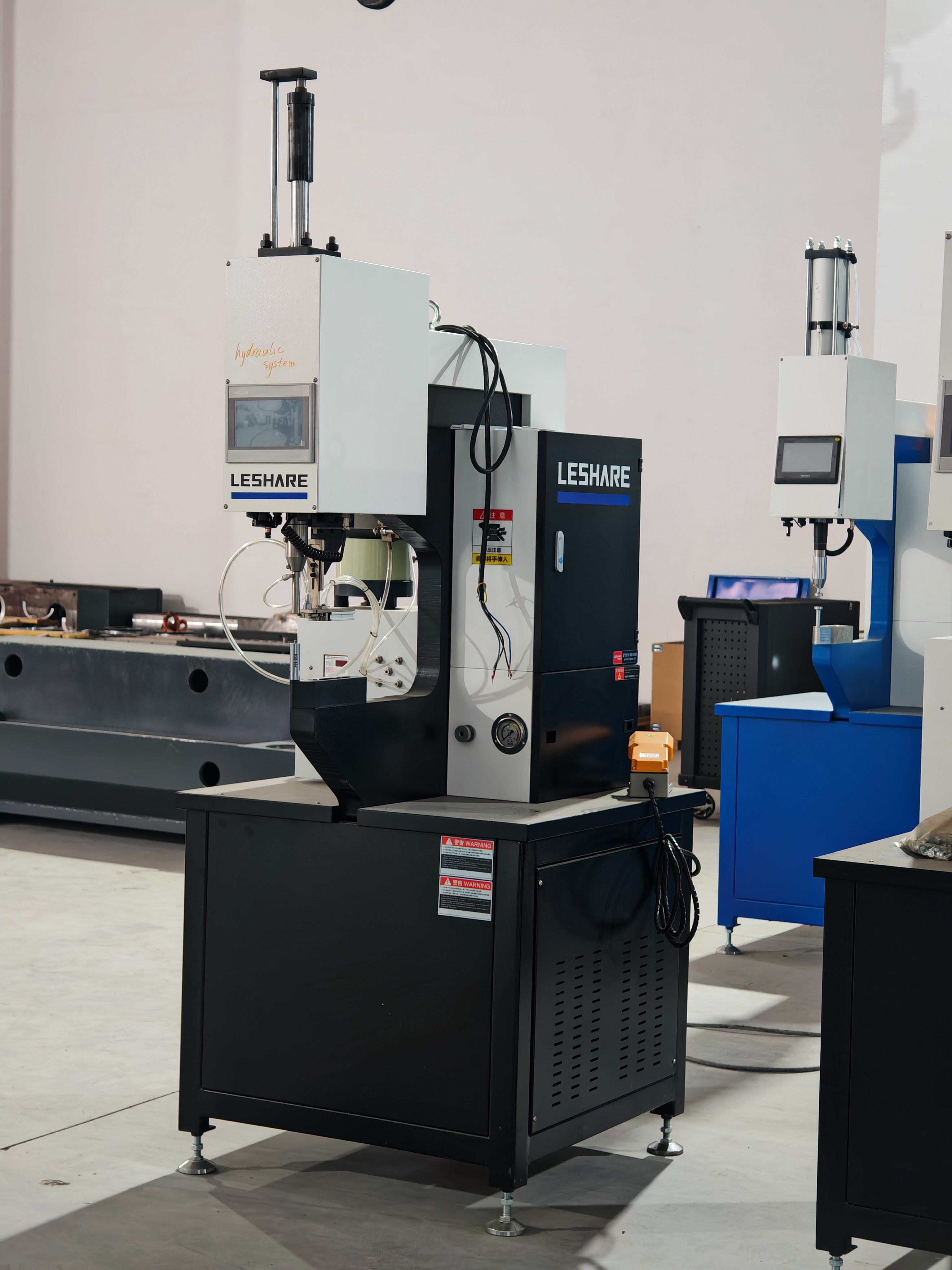
Improving the Structural Integrity of Electronic Enclosures
In modern electronics plants, manufacturers continually pursue efficiency, precision, and long-term durability in every part of the assembly process. When it comes to electronic enclosures, these plants are increasingly choosing fastener insertion machines to maintain consistent fastening quality while reducing manual workload. Many managers ask themselves: How can we increase throughput without sacrificing accuracy? How do we ensure every enclosure meets the same mechanical standards? Why do some assembly lines achieve flawless fastening while others struggle with rework? Fastener insertion machines address these real and practical concerns by offering a repeatable and reliable fastening method that minimizes errors, improves structural performance, and supports scalable mass production. With the growing trend toward compact and more complex electronics, these machines help electronics plants streamline assembly tasks and meet modern production demands.
Enhancing Production Efficiency with Fastener Insertion Machines
Boosting Throughput and Reducing Manual Labor
Electronics plants rely heavily on operational speed, but traditional manual fastening often creates bottlenecks. When operators handle hundreds of fasteners per shift, accuracy naturally varies. By adopting fastener insertion machines, electronics plants eliminate slow, repetitive steps and convert them into consistent automated actions. This shift increases throughput while reducing the pressure on assembly workers. Many factory leaders wonder: Is it possible to speed up fastening without compromising consistency? With fastener insertion machines, the answer becomes clear as each cycle delivers fixed timing, stable pressure, and predictable fastening depth, which collectively support high-volume production demands. The more units a plant produces per day, the more pronounced the efficiency improvement becomes.
Minimizing Rework and Ensuring Consistent Quality
Every electronics plant aims to avoid rework because even small fastening deviations can lead to enclosure gaps, mechanical instability, or assembly misalignment. A fastener insertion machine for enclosures ensures that each fastener—whether a nut, stud, or standoff—is inserted at the correct pressure and angle. Instead of relying on operator judgment, the machine applies uniform force and verified insertion profiles. Why are so many quality defects related to small variations in fastening? Why do certain lots appear perfect while others show inconsistencies? These questions highlight the importance of mechanical precision. By implementing fastener insertion machines, electronics plants strengthen their quality control systems and maintain stable output regardless of operator skill levels.
Strengthening Structural and Functional Performance in Enclosures
Improving Mechanical Reliability of Assembled Units
The structural performance of an electronic enclosure depends heavily on how securely each fastener is installed. Electronics plants understand that improperly installed fasteners cause long-term reliability issues, especially when devices operate in vibration-prone or high-heat environments. Fastener insertion machines apply calibrated pressure to ensure each fastener creates the required mechanical bond with the base material. This precision is not merely about assembly accuracy; it directly contributes to the durability and lifespan of the final product. What happens when an enclosure is exposed to repeated stress? How do manufacturers ensure every fastener meets the same mechanical threshold? The answer lies in controlled insertion cycles, which maintain structural uniformity across large production batches.
Supporting Design Flexibility and Modern Compact Structures
Electronics enclosures often feature slim profiles and complex internal layouts. As devices become smaller and more feature-dense, fastening points must be located precisely. A fastener insertion machine for enclosures supports these advanced designs by enabling accurate fastener placement even within narrow clearance areas. Engineers in electronics plants frequently ask: Can we maintain design innovation without increasing assembly difficulty? How can we insert fasteners precisely in areas where traditional tools cannot reach? These machines give designers more freedom by ensuring that challenging fastener placements are executed consistently, ultimately supporting modern trends such as lightweight enclosures, compact assemblies, and multi-layer internal structures.
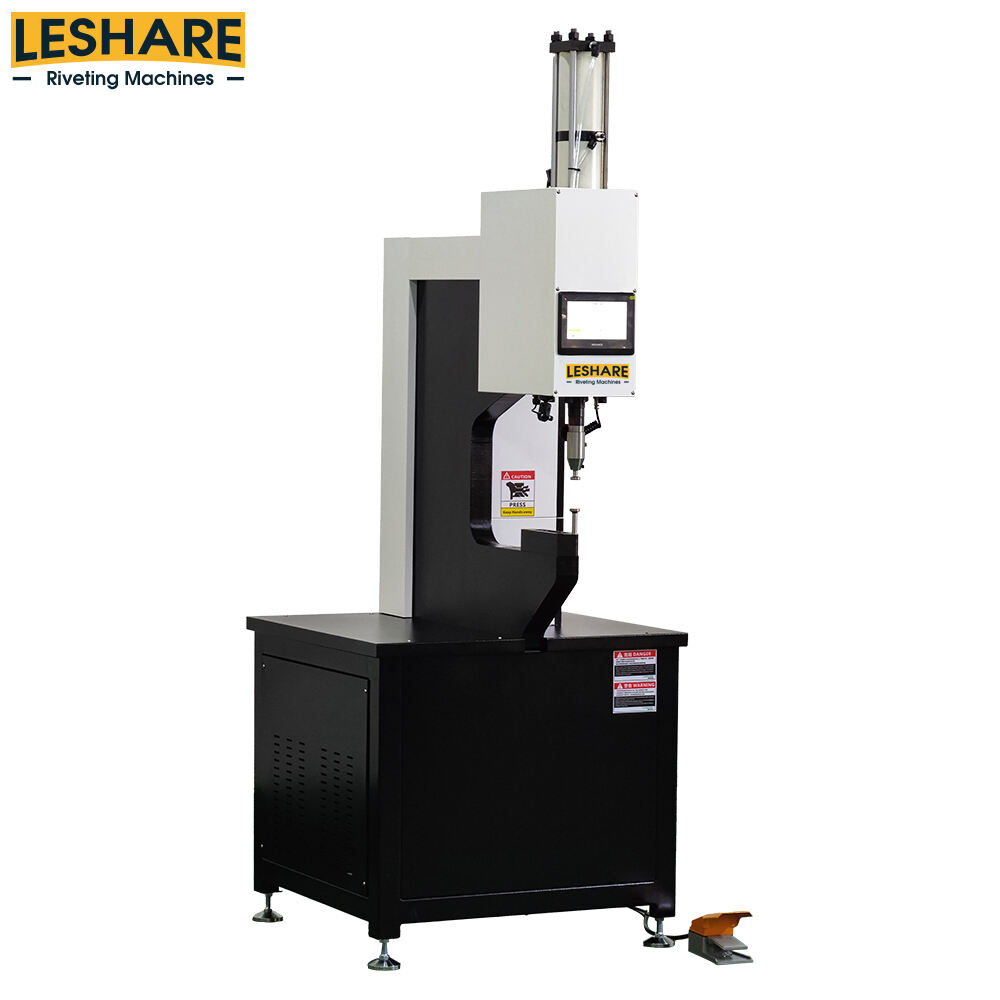
Increasing Operational Safety and Reducing Assembly Risks
Reducing Human Error and Preventing Assembly Fatigue
Manual fastening exposes operators to repetitive strain and a higher risk of mistakes. Electronics plants adopting fastener insertion machines eliminate many ergonomic challenges while reducing operator fatigue. With automated insertion, the chances of misalignment, uneven pressure, or missing fasteners decline sharply. This raises an important question: How can a plant reduce accident risks during high-volume fastening tasks? Automation not only enhances precision but also protects workers from repetitive motions that could lead to injury. A safer workforce contributes to a smoother and more dependable production line.
Improving Workplace Organization and Process Control
When electronics plants integrate fastener insertion machines, they also benefit from more structured workflows. Instead of multiple operators manually handling fasteners, the process becomes centralized and easier to monitor. This optimized layout also reduces clutter and streamlines material flow. Many production managers wonder: How do we maintain organization in fast-paced assembly environments? How can we keep fastening tools, components, and documentation orderly? Fastener insertion machines promote cleaner, more controlled workspaces that align with lean manufacturing principles. A well-organized process supports higher output and easier training for new workers.
Reducing Long-Term Manufacturing Costs in Electronics Plants
Lowering Defect Rates and Material Waste
Every defect in an electronic enclosure contributes to wasted material, labor hours, and inspection time. Fastener insertion machines help electronics plants reduce these losses by delivering consistent fastening performance across all units. The more predictable the fastening process becomes, the fewer errors operators must correct. Why do some plants experience high defect rates even with experienced staff? Why does manual fastening sometimes generate excessive waste? These questions reveal the natural variability of manual work. Automated fastener insertion minimizes such variations and lowers overall production costs.
Extending Equipment Lifespan and Reducing Maintenance Frequency
Fastener insertion machines not only support operational speed but also improve machinery lifespan by maintaining controlled motion and force during each insertion cycle. In electronics plants where equipment operates for extended hours, stable mechanical movement is essential to prevent wear. What happens when manual tools are used excessively or imprecisely? How do plants ensure that their fastening operations remain cost-effective over time? A fastener insertion machine for enclosures reduces tool wear, extends punch and die life, and minimizes downtime caused by frequent maintenance. This contributes to more predictable budgeting and long-term financial stability.
Enabling Scalable and Repeatable Production for Modern Electronics
Supporting High-Volume Mass Production
As electronics plants scale up production, the need for uniform fastening becomes more critical. Fastener insertion machines deliver repeatable cycles that match modern mass-production requirements. Manufacturers often ask: How can we scale output without compromising quality? How can we ensure every enclosure in a batch follows the same fastening standard? Automation ensures that fastening processes remain consistent as production volume increases. Plants benefit from faster cycle times, reduced variation, and higher operational control.
Aligning Manufacturing Processes with Industry Demands
Electronic products must meet rigorous performance standards. To maintain compliance, electronics plants need reliable fastening methods that align with industry-specific structural requirements. A fastener insertion machine for enclosures enhances compliance by providing traceable, measurable, and verifiable fastening parameters. Why do regulatory requirements emphasize mechanical consistency? How can plants prove that their fastening processes meet specified standards? By relying on controlled insertion data and consistent mechanical outputs, manufacturers demonstrate compliance while ensuring high-performance enclosures for their customers.
FAQ
Why electronics plants choose fastener insertion machines
Electronics plants choose fastener insertion machines because they provide stable fastening quality, reduce human error, and support high-volume manufacturing. These machines deliver predictable pressure and precise insertion levels that manual methods cannot consistently achieve. For plants seeking better cycle times, improved reliability, and more scalable processes, fastener insertion machines offer a powerful and dependable solution.
How fastener insertion machines help improve assembly efficiency
Fastener insertion machines improve assembly efficiency by automating repetitive tasks, reducing operator fatigue, and standardizing insertion cycles. With automation, electronics plants can shorten production times while minimizing defects and rework. This improvement in workflow consistency contributes to lower production costs and smoother assembly line operations.
What advantages fastener insertion machines offer for enclosure manufacturing
In enclosure manufacturing, fastener insertion machines ensure accurate placement of studs, nuts, and standoffs. Their precise and controlled insertion force protects delicate materials such as thin-wall metal or coated surfaces. For electronics plants producing compact or complex enclosures, these machines provide greater design flexibility and reduce the difficulty of fastening in tight spaces.
Table of Contents
- Improving the Structural Integrity of Electronic Enclosures
- Enhancing Production Efficiency with Fastener Insertion Machines
- Strengthening Structural and Functional Performance in Enclosures
- Increasing Operational Safety and Reducing Assembly Risks
- Reducing Long-Term Manufacturing Costs in Electronics Plants
- Enabling Scalable and Repeatable Production for Modern Electronics
- FAQ