 EN
EN

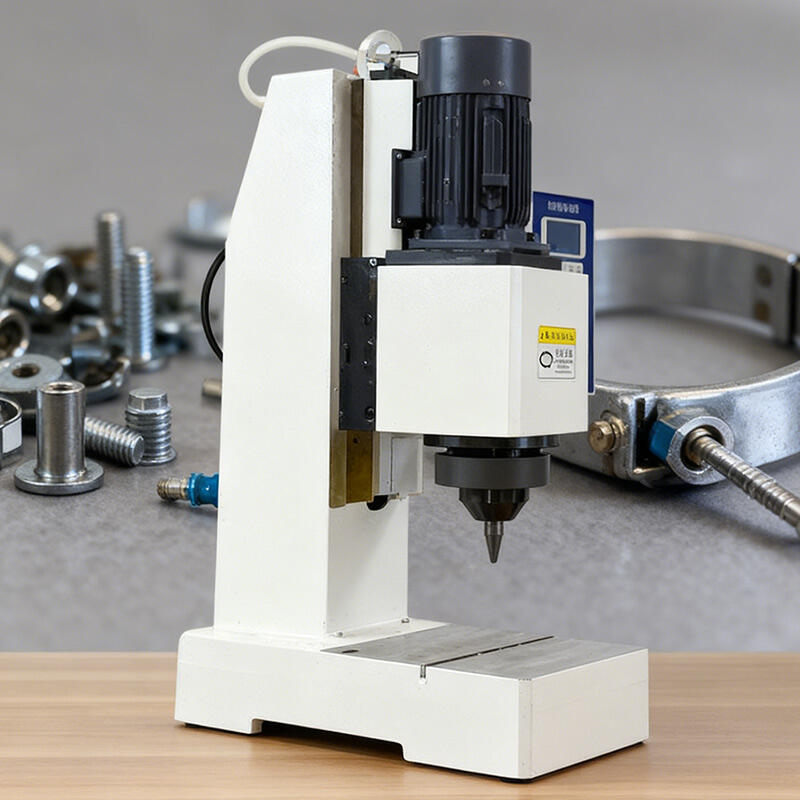
Radial riveting machines have revolutionized the manufacturing landscape by offering superior cold forming capabilities that traditional riveting methods simply cannot match. These sophisticated pieces of equipment utilize a unique radial motion mechanism that applies force in multiple directions simultaneously, creating stronger and more reliable joints in metal components. The preference for radial riveting machines in cold forming applications stems from their ability to deliver consistent, high-quality results while maintaining the structural integrity of base materials throughout the forming process.
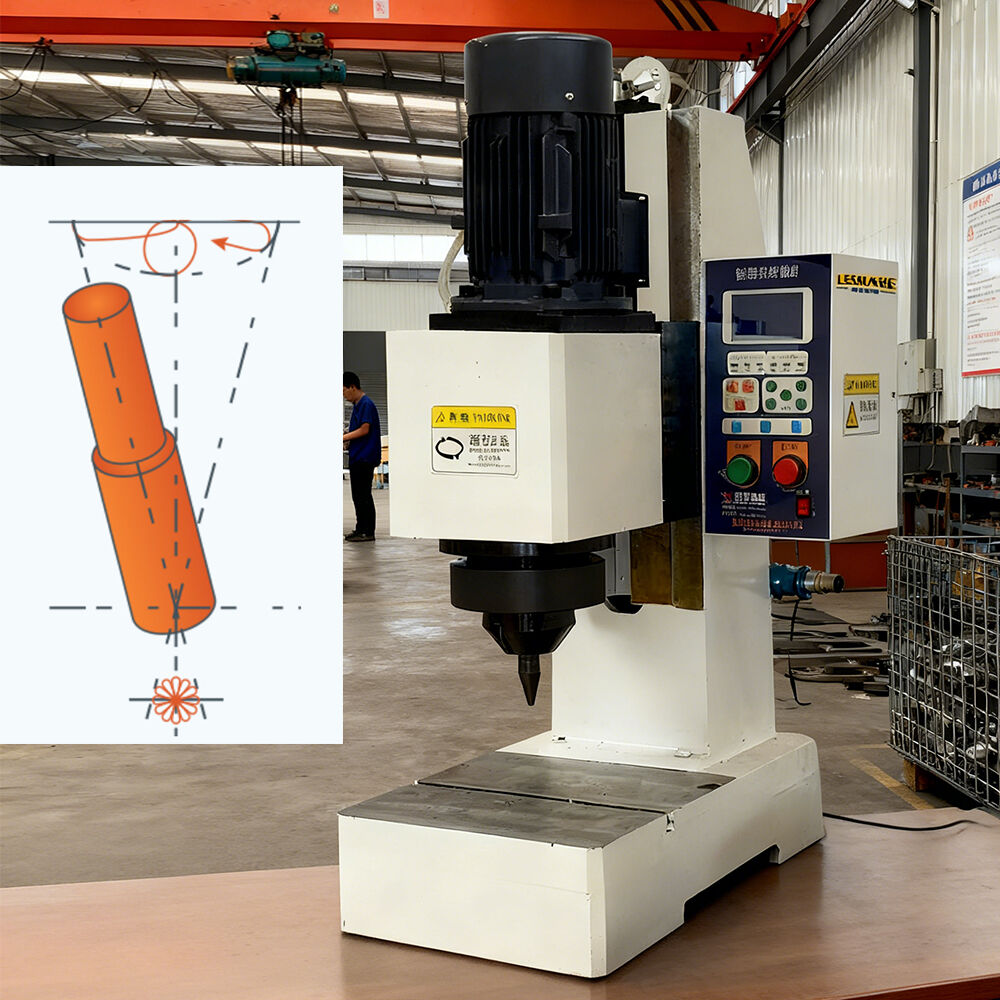
Cold forming processes require equipment that can handle materials without compromising their metallurgical properties through heat application. Radial riveting machines excel in this regard by applying controlled pressure through rotating hammers that work around the rivet circumference. This approach eliminates the need for heating materials, preserving their original strength characteristics and preventing thermal distortion. Industries ranging from aerospace to automotive manufacturing have adopted these machines specifically for their cold forming advantages.
The mechanical efficiency of radial riveting machines makes them indispensable for high-volume production environments where consistency and speed are paramount. Unlike conventional riveting methods that apply force in a single direction, these machines distribute forming forces evenly around the rivet head, resulting in superior joint strength and finish quality. This multi-directional force application is particularly beneficial when working with hard metals or alloys that require precise forming without material degradation.
Advanced Force Distribution Technology
Multi-Directional Pressure Application
The cornerstone of radial riveting machines lies in their ability to apply pressure from multiple angles simultaneously. This technology utilizes several small hammers or forming tools arranged in a circular pattern around the rivet head. Each hammer operates independently yet synchronously, creating a uniform forming pressure that shapes the rivet head with exceptional precision. This approach eliminates the uneven stress patterns commonly associated with single-point forming methods.
The multi-directional pressure system ensures that material flow occurs uniformly during the cold forming process. This uniform distribution prevents the formation of weak points or stress concentrations that could compromise joint integrity. Manufacturing engineers particularly value this capability when working with critical components where failure is not an option. The technology also reduces the likelihood of material cracking or splitting during the forming operation.
Controlled Force Application Systems
Modern radial riveting machines incorporate sophisticated force control mechanisms that allow operators to precisely adjust forming pressures based on material specifications and joint requirements. These systems utilize advanced sensors and feedback loops to maintain consistent force application throughout the riveting cycle. The ability to program specific force profiles ensures repeatable results across large production runs while accommodating variations in material properties.
The controlled force application extends to the timing and sequence of hammer engagement, allowing for optimized forming cycles that maximize efficiency while maintaining quality standards. This level of control is particularly important when working with dissimilar materials or when creating joints with specific mechanical properties. The precision offered by these systems makes radial riveting machines ideal for applications requiring tight tolerances and consistent performance.
Material Preservation Benefits
Cold Working Advantages
Cold forming processes using radial riveting machines preserve the original metallurgical structure of materials, maintaining their inherent strength and fatigue resistance properties. Unlike hot forming methods that can alter grain structure and reduce material performance, cold forming actually strengthens materials through work hardening effects. This preservation of material properties is crucial in applications where components must withstand high stress loads or cyclic loading conditions.
The absence of heat application during the riveting process eliminates concerns about thermal expansion, distortion, or heat-affected zones that could weaken surrounding material areas. This is particularly important when working with heat-sensitive materials or when maintaining precise dimensional tolerances is critical. Aerospace applications, for instance, rely heavily on these advantages to ensure component reliability and performance standards.
Structural Integrity Maintenance
Radial riveting machines maintain structural integrity by applying forming forces in a controlled manner that works with the natural properties of materials rather than against them. The gradual, progressive forming action allows materials to flow naturally into the desired shape without creating internal stresses or micro-fractures. This approach is especially beneficial when working with high-strength alloys or composite materials that are sensitive to forming methods.
The preservation of structural integrity extends beyond the immediate rivet area to include the surrounding base materials. The controlled force application prevents damage to substrate materials, maintaining their original properties and ensuring that the overall assembly retains its designed strength characteristics. This comprehensive approach to structural preservation makes radial riveting machines particularly valuable in critical applications where component failure could have serious consequences.
Production Efficiency Characteristics
High-Speed Operation Capabilities
Production efficiency represents a significant advantage of radial riveting machines in manufacturing environments where throughput and cycle time directly impact profitability. These machines can complete riveting cycles in seconds rather than minutes, dramatically reducing production time compared to traditional methods. The rapid operation capability stems from the simultaneous action of multiple forming elements working together to shape rivets quickly and efficiently.
The high-speed operation does not compromise quality, as the controlled force application ensures consistent results even at accelerated cycle rates. This combination of speed and quality makes radial riveting machines ideal for high-volume production lines where maintaining consistent output is essential. Automotive manufacturers, in particular, benefit from these capabilities when producing components that require thousands of identical rivet joints.
Automated Integration Potential
Modern radial riveting machines are designed with automation integration in mind, featuring programmable controls and interface capabilities that allow seamless integration into automated production lines. This automation potential extends to material handling, positioning, and quality verification systems that can operate with minimal human intervention. The result is a fully integrated manufacturing cell that can operate continuously while maintaining consistent quality standards.
The automated capabilities of radial riveting machines include adaptive control systems that can adjust operating parameters based on real-time feedback from sensors and monitoring equipment. This intelligence allows the machines to compensate for material variations, tool wear, and environmental factors that might otherwise affect joint quality. The automation integration makes these machines particularly attractive for lights-out manufacturing operations and Industry 4.0 implementations.
Quality Control and Consistency
Repeatable Joint Characteristics
Quality control in manufacturing relies heavily on the ability to produce consistent results across large production volumes. Radial riveting machines excel in this area by providing repeatable joint characteristics that meet stringent quality standards. The controlled forming process ensures that each rivet joint exhibits identical mechanical properties, dimensional accuracy, and surface finish quality. This consistency is achieved through precise control of forming parameters and the inherent stability of the radial forming process.
The repeatability extends to joint strength characteristics, with radial riveting machines producing joints that exhibit consistent tensile strength, shear strength, and fatigue resistance properties. This consistency is particularly important in applications where joint performance must meet specific engineering requirements or regulatory standards. Quality assurance processes benefit significantly from this repeatability, as it reduces the need for extensive testing and inspection procedures.
Process Monitoring Integration
Advanced radial riveting machines incorporate sophisticated monitoring systems that track key process parameters throughout the forming cycle. These systems can detect variations in force application, displacement measurements, and timing parameters that might indicate potential quality issues. Real-time monitoring allows operators to identify and correct problems before they result in defective parts, reducing waste and improving overall production efficiency.
The process monitoring capabilities extend to data collection and analysis functions that support continuous improvement initiatives. Historical data from riveting operations can be analyzed to identify trends, optimize parameters, and predict maintenance requirements. This data-driven approach to quality control helps manufacturers maintain consistent performance while minimizing production disruptions and costs.
Application Versatility
Material Compatibility Range
Radial riveting machines demonstrate exceptional versatility in their ability to work with a wide range of materials, from soft aluminum alloys to high-strength steel and exotic superalloys. This material compatibility stems from the adjustable force application systems that can be configured to match the forming requirements of different materials. The ability to process diverse materials makes these machines valuable assets in manufacturing environments that produce varied product lines.
The material versatility extends to the ability to join dissimilar materials, creating hybrid assemblies that combine the beneficial properties of different alloys or material types. This capability is particularly valuable in modern manufacturing where weight reduction and performance optimization often require the use of multiple materials in a single assembly. Radial riveting machines can accommodate these requirements while maintaining joint integrity and performance standards.
Joint Configuration Flexibility
The flexibility of radial riveting machines extends beyond material compatibility to include various joint configurations and rivet types. These machines can accommodate different rivet head styles, shank diameters, and material thicknesses, making them suitable for diverse applications. The ability to adjust forming parameters allows operators to optimize joint characteristics for specific application requirements, whether prioritizing strength, appearance, or environmental resistance.
Joint configuration flexibility also includes the ability to create custom rivet profiles that meet specific design requirements. This capability is particularly valuable in specialized applications where standard rivet configurations may not provide optimal performance. The programmable nature of modern radial riveting machines allows operators to develop and store custom forming profiles for different applications, streamlining setup procedures and ensuring consistent results.
Cost-Effectiveness Analysis
Operating Cost Considerations
The cost-effectiveness of radial riveting machines becomes apparent when analyzing both direct and indirect operating costs compared to alternative joining methods. Direct costs include energy consumption, tooling costs, and maintenance requirements, all of which are typically lower for radial riveting machines due to their efficient operation and robust construction. The cold forming process eliminates energy costs associated with heating materials, while the distributed force application reduces tool wear compared to conventional methods.
Indirect cost savings result from reduced scrap rates, improved quality consistency, and faster production cycles that increase throughput without compromising quality. These factors combine to create a compelling economic case for radial riveting machines in applications where joint quality and production efficiency are important considerations. Long-term cost analysis often shows significant advantages over alternative methods when total cost of ownership is considered.
Return on Investment Factors
Investment in radial riveting machines typically yields positive returns through multiple channels, including increased production capacity, improved product quality, and reduced labor costs. The automation potential of these machines allows manufacturers to reduce labor requirements while increasing output, creating immediate cost savings that contribute to rapid payback periods. Quality improvements also contribute to cost savings by reducing warranty claims, customer returns, and rework costs.
The return on investment calculations must also consider the competitive advantages gained through improved product quality and faster time-to-market capabilities. Manufacturers using radial riveting machines often report improved customer satisfaction and increased market share due to superior product performance and reliability. These intangible benefits, while difficult to quantify precisely, often represent significant long-term value that justifies the initial investment in radial riveting technology.
FAQ
What makes radial riveting machines more effective than traditional riveting methods for cold forming
Radial riveting machines surpass traditional methods through their multi-directional force application system that distributes forming pressures evenly around the rivet circumference. This approach eliminates stress concentrations and weak points commonly associated with single-point forming methods. The controlled, progressive forming action preserves material properties while creating stronger, more consistent joints without requiring heat application that could compromise material integrity.
How do radial riveting machines maintain material properties during cold forming processes
These machines preserve material properties by applying controlled forming forces that work with natural material flow characteristics rather than against them. The cold forming process eliminates thermal effects that could alter grain structure or create heat-affected zones. The gradual, progressive forming action allows materials to flow naturally into desired shapes while actually strengthening them through beneficial work hardening effects, maintaining or improving original strength characteristics.
Can radial riveting machines handle different material types and thicknesses effectively
Yes, radial riveting machines demonstrate exceptional versatility in handling various materials from soft aluminum alloys to high-strength steels and superalloys. Their programmable force control systems allow precise adjustment of forming parameters to match specific material requirements and joint specifications. This adaptability extends to accommodating different material thicknesses, rivet sizes, and even dissimilar material combinations while maintaining consistent joint quality and strength characteristics.
What are the main factors that make radial riveting machines cost-effective for manufacturing operations
Cost-effectiveness stems from multiple factors including reduced energy consumption due to cold forming processes, lower tooling costs from distributed force application, and decreased maintenance requirements. Higher production speeds and consistent quality reduce per-unit costs while minimizing scrap and rework expenses. The automation potential allows reduced labor costs while increasing throughput, creating rapid return on investment through improved productivity and quality outcomes.
Table of Contents
- Advanced Force Distribution Technology
- Material Preservation Benefits
- Production Efficiency Characteristics
- Quality Control and Consistency
- Application Versatility
- Cost-Effectiveness Analysis
-
FAQ
- What makes radial riveting machines more effective than traditional riveting methods for cold forming
- How do radial riveting machines maintain material properties during cold forming processes
- Can radial riveting machines handle different material types and thicknesses effectively
- What are the main factors that make radial riveting machines cost-effective for manufacturing operations