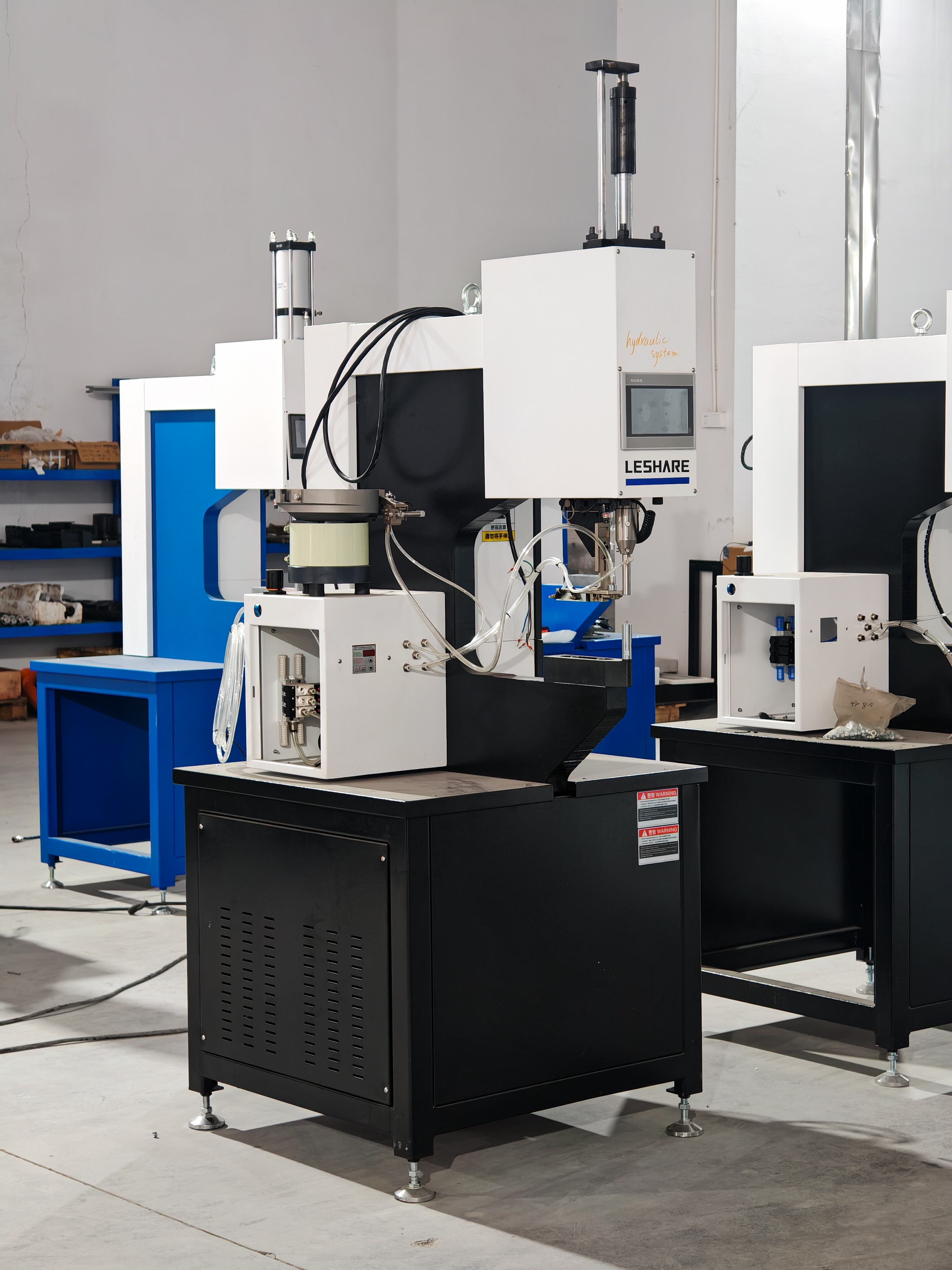
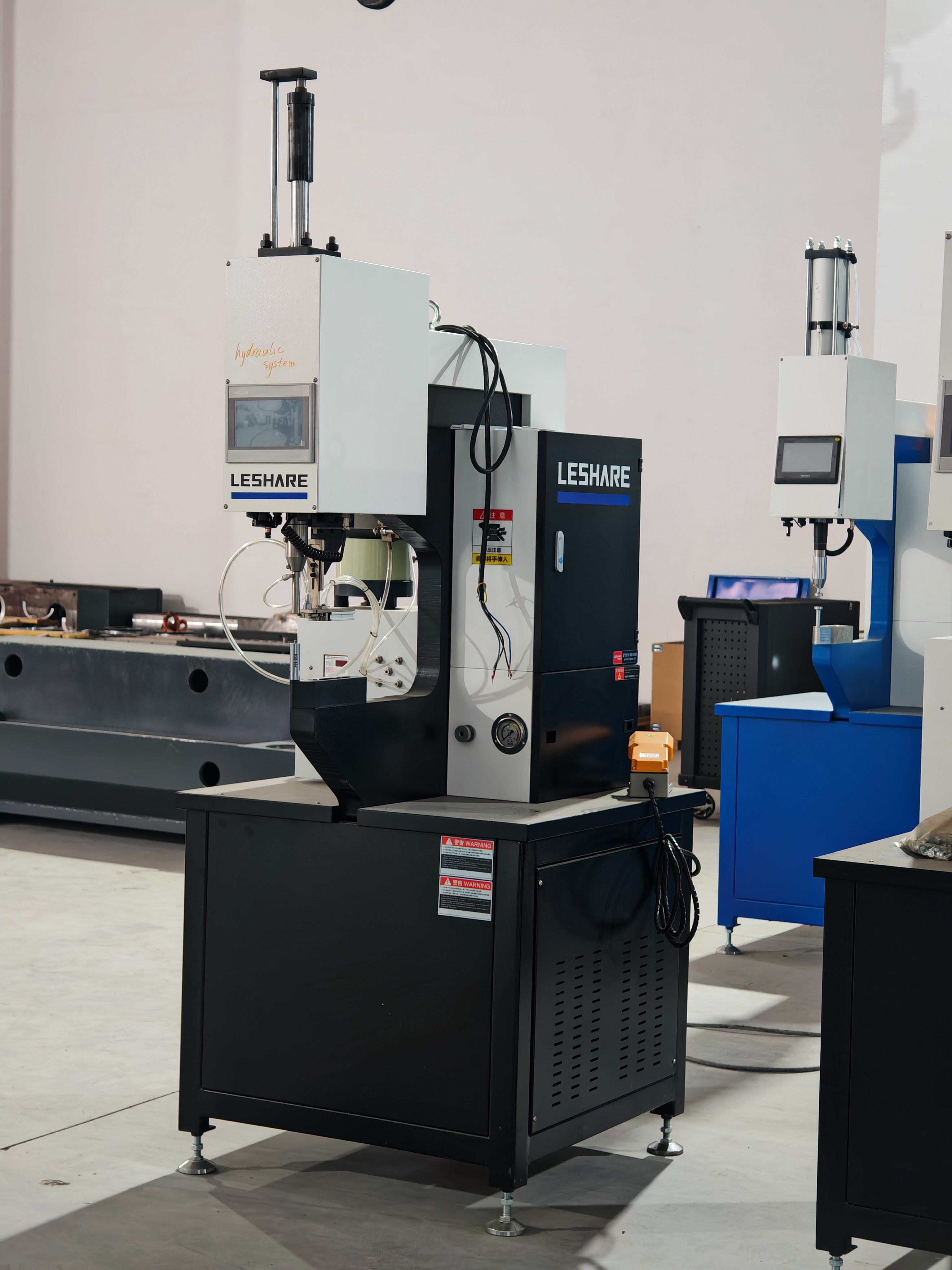
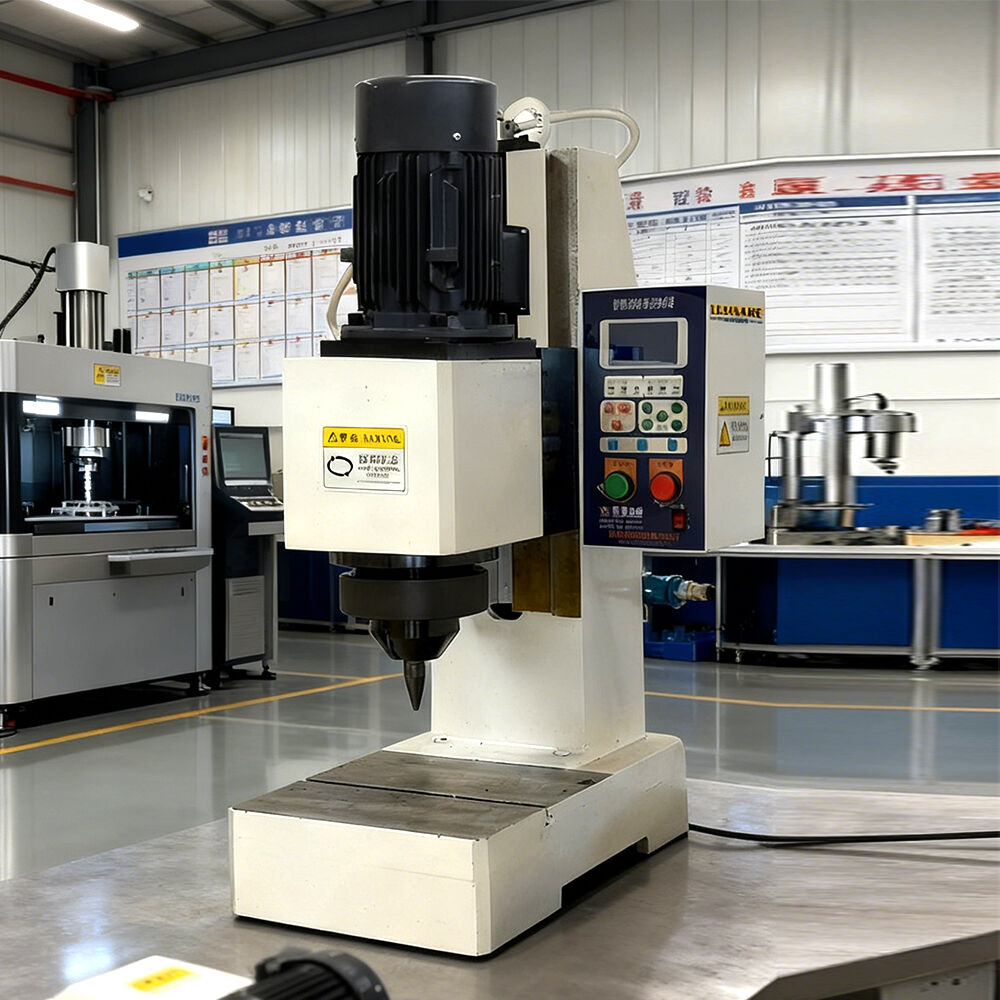
High-Performance Customized Press Riveting Machine - Precision Industrial Fastening Solutions

Get a Free Quote

Our representative will contact you soon.
Email
Name
Company Name
Message
0/1000

customized press riveting machine

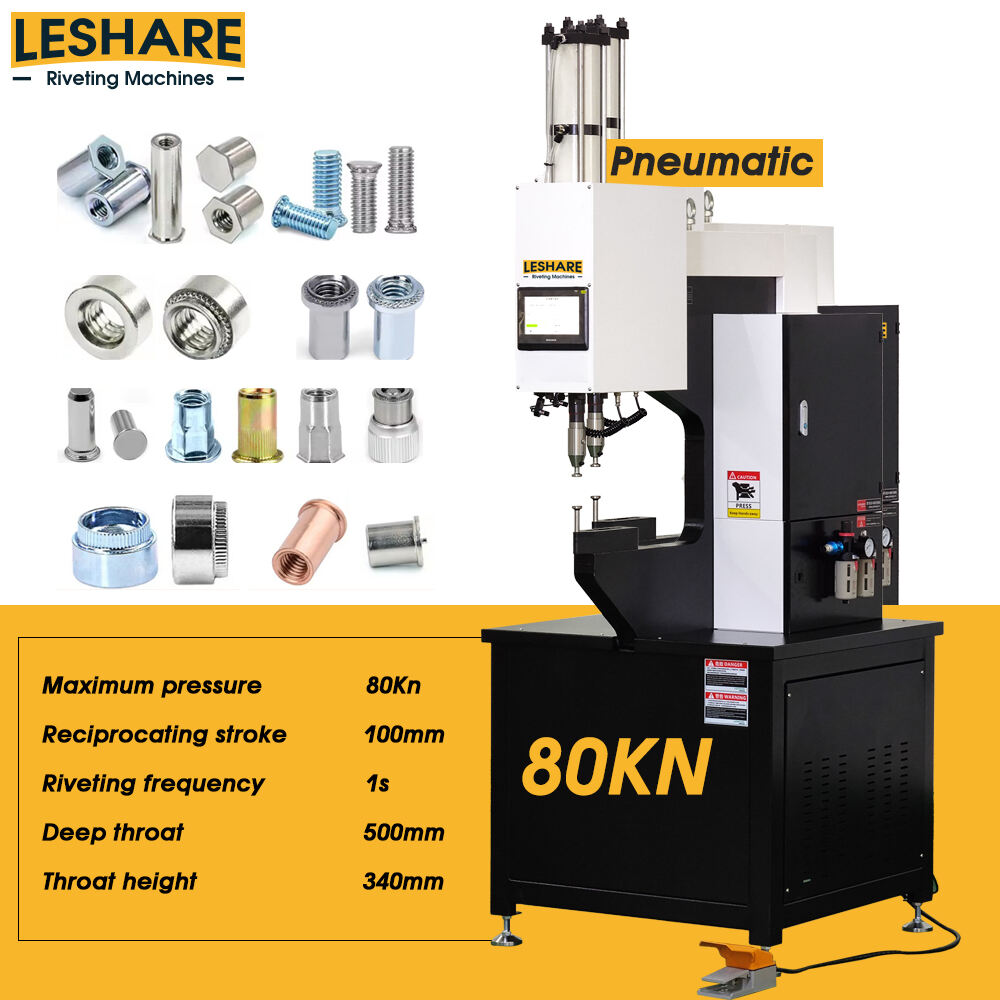
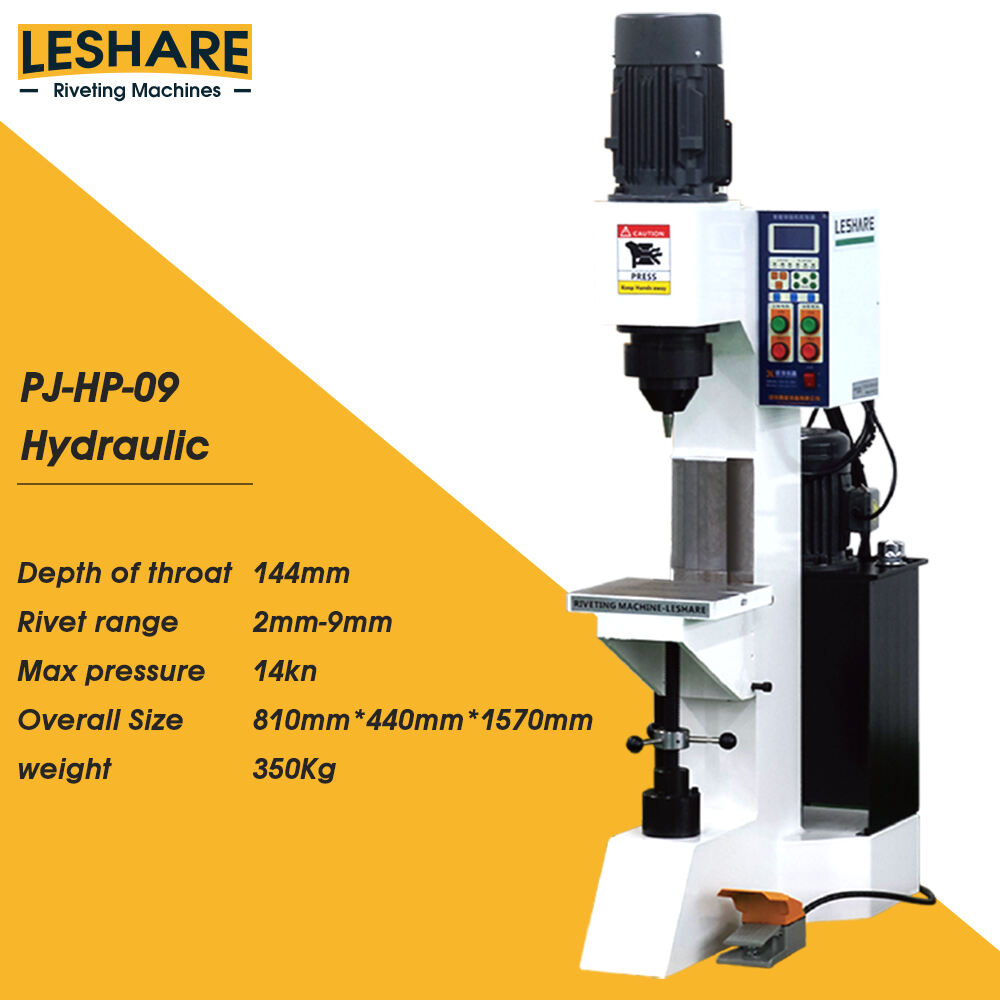
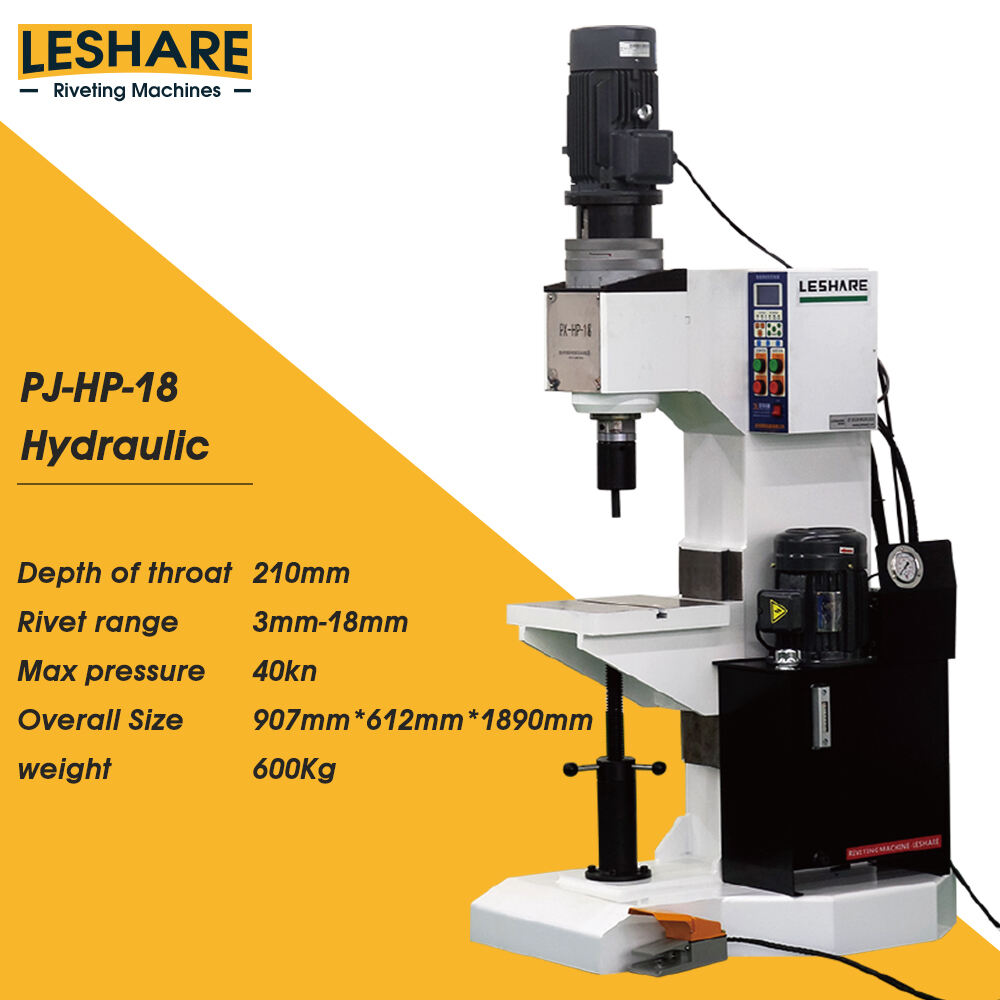
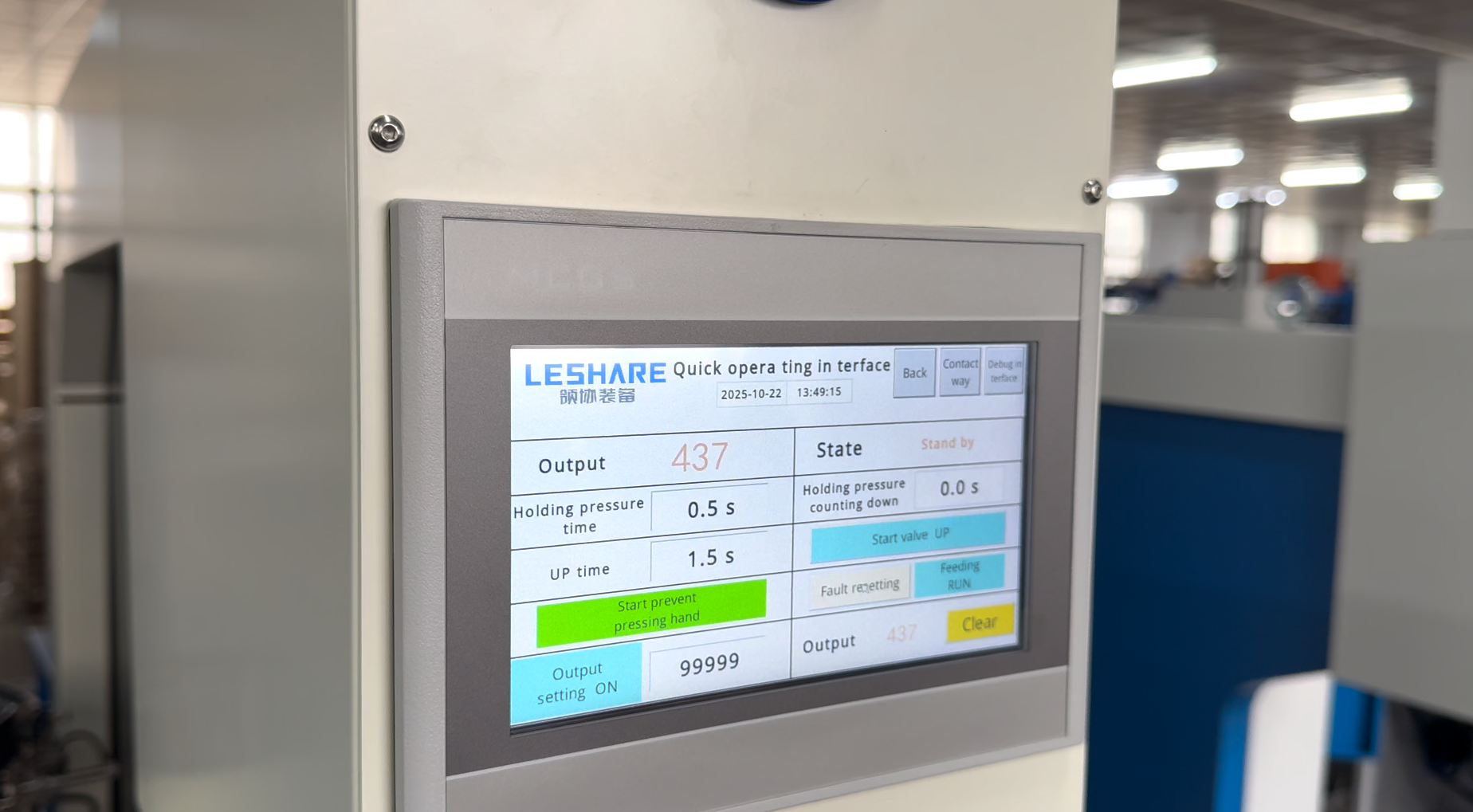
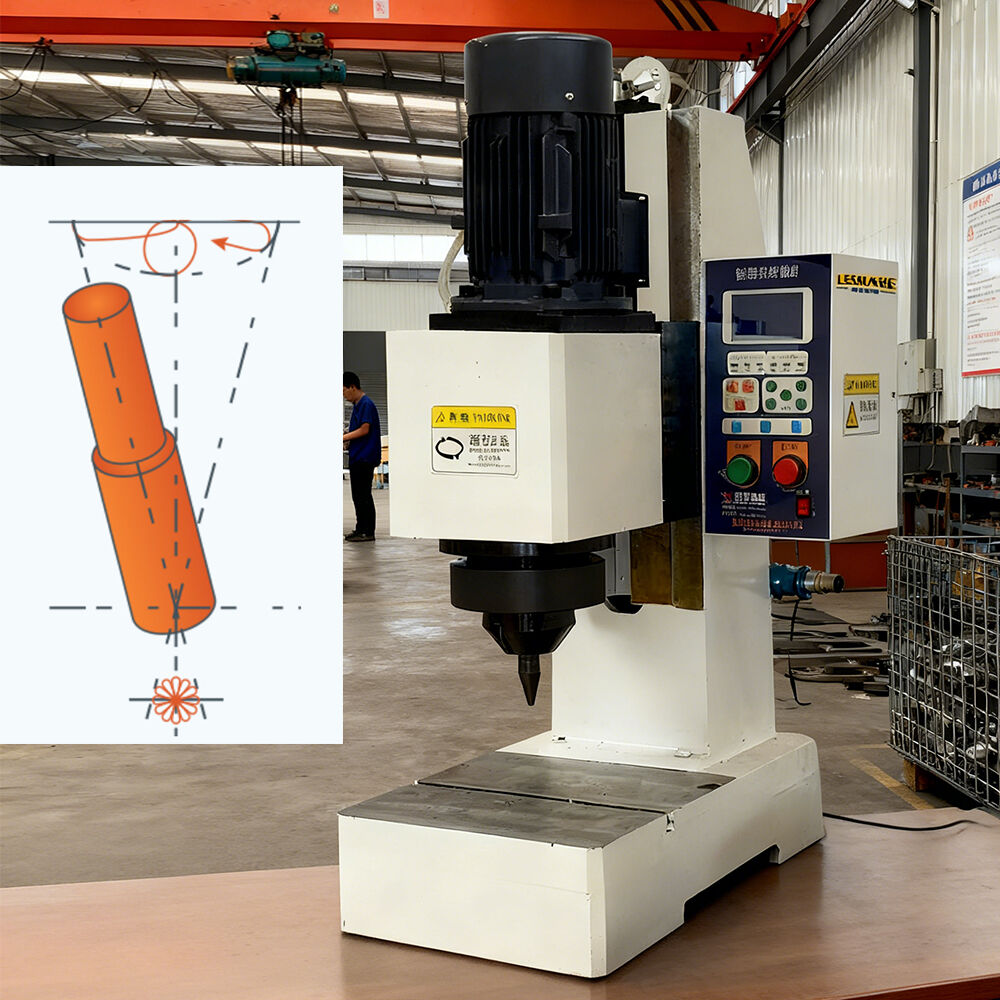
The customized press riveting machine represents a sophisticated engineering solution designed to meet specific manufacturing requirements across diverse industrial applications. This advanced machinery combines precision mechanical engineering with modern automation technology to deliver consistent, high-quality riveting operations. The customized press riveting machine serves as a cornerstone equipment for manufacturers who demand reliable fastening solutions in their production processes. The primary function of this specialized equipment revolves around creating permanent mechanical joints between multiple material layers through controlled pressure application. Unlike standard riveting machines, the customized press riveting machine offers tailored configurations that accommodate unique operational parameters, material specifications, and production volume requirements. The machine operates through a hydraulic or pneumatic pressing mechanism that applies precise force to deform rivets, creating secure mechanical connections. The technological features of the customized press riveting machine include programmable control systems that allow operators to adjust pressure settings, stroke length, and cycle timing according to specific application needs. Advanced sensor integration provides real-time monitoring of operational parameters, ensuring consistent quality output while minimizing material waste. The machine incorporates safety mechanisms such as emergency stops, light curtains, and dual-hand controls to protect operators during operation. Modern customized press riveting machines feature user-friendly interfaces with touchscreen displays that simplify setup procedures and enable quick changeovers between different riveting configurations. The applications for customized press riveting machines span numerous industries including automotive manufacturing, aerospace assembly, electronics production, appliance manufacturing, and construction equipment fabrication. These machines excel in applications requiring high-strength joints, such as automotive body panel assembly, aircraft structural components, and heavy machinery construction. The versatility of the customized press riveting machine makes it suitable for processing various materials including steel, aluminum, stainless steel, and composite materials, accommodating different rivet types and sizes to meet specific engineering requirements.

Popular Products

The customized press riveting machine delivers significant operational benefits that directly impact manufacturing efficiency and product quality. First, this equipment provides exceptional precision control that ensures consistent joint quality across large production runs. The machine maintains exact pressure levels and positioning accuracy, eliminating variations that commonly occur with manual riveting processes. This precision translates into reduced reject rates and improved product reliability, ultimately saving manufacturers substantial costs associated with rework and warranty claims. The automated operation capabilities of the customized press riveting machine dramatically increase production throughput compared to traditional manual methods. Operators can achieve faster cycle times while maintaining superior quality standards, enabling manufacturers to meet demanding production schedules and customer delivery requirements. The machine reduces labor intensity by eliminating the physical strain associated with manual riveting operations, improving workplace ergonomics and reducing the risk of repetitive stress injuries among workers. Energy efficiency represents another compelling advantage of the customized press riveting machine. The equipment incorporates advanced hydraulic systems and servo-controlled motors that optimize power consumption during operation. This energy-conscious design reduces operational costs while supporting corporate sustainability initiatives. The machine also minimizes material waste through precise force application that prevents over-deformation of rivets and surrounding materials. Flexibility stands as a key advantage that sets the customized press riveting machine apart from standard alternatives. The equipment accommodates various rivet types, material thicknesses, and joint configurations without requiring extensive retooling. This adaptability enables manufacturers to handle diverse product lines using a single machine platform, reducing capital equipment investments and floor space requirements. The customized press riveting machine offers superior quality assurance through integrated monitoring systems that track operational parameters and detect potential issues before they affect product quality. Real-time data collection enables process optimization and predictive maintenance scheduling, minimizing unplanned downtime and extending equipment lifespan. The machine provides detailed production reports that support quality management systems and regulatory compliance requirements. Cost-effectiveness emerges as a primary benefit through reduced labor requirements, improved material utilization, and decreased maintenance needs compared to alternative joining methods. The initial investment in a customized press riveting machine typically generates positive returns through operational savings and improved productivity within the first year of operation.

Practical Tips

Why Is a Fastener Insertion Machine Essential for Consistent Hardware Placement?

18

Dec

Why Is a Fastener Insertion Machine Essential for Consistent Hardware Placement?

Manufacturing precision has become the cornerstone of modern industrial production, where even the smallest components must be installed with exact accuracy and consistent quality. In today's competitive manufacturing landscape, companies are increas...
View More
Why Are Electronics Plants Adopting Fastener Insertion Machines for Enclosures?

29

Dec

Why Are Electronics Plants Adopting Fastener Insertion Machines for Enclosures?

Improving the Structural Integrity of Electronic Enclosures In modern electronics plants, manufacturers continually pursue efficiency, precision, and long-term durability in every part of the assembly process. When it comes to electronic enclosures, ...
View More
What factors affect radial riveting machines performance and stability?

28

Jan

What factors affect radial riveting machines performance and stability?

Manufacturing precision and operational reliability in industrial assembly processes depend heavily on the performance characteristics of radial riveting machines. These sophisticated pieces of equipment have become indispensable in automotive, aeros...
View More
What Are the Key Benefits of Using a Fastener Insertion Machine?

18

Mar

What Are the Key Benefits of Using a Fastener Insertion Machine?

Manufacturing efficiency has become a critical factor for businesses seeking competitive advantages in today's industrial landscape. A fastener insertion machine represents a transformative solution that automates the precise placement of threaded in...
View More

Get a Free Quote

Our representative will contact you soon.
Email
Name
Company Name
Message
0/1000

customized press riveting machine

Advanced Precision Control Technology

Advanced Precision Control Technology

The customized press riveting machine incorporates cutting-edge precision control technology that revolutionizes industrial fastening operations through unprecedented accuracy and repeatability. This advanced control system utilizes sophisticated servo-driven actuators combined with high-resolution position feedback sensors to achieve micron-level positioning accuracy during rivet placement and deformation. The technology enables operators to program exact force profiles that gradually increase pressure according to material characteristics and joint requirements, preventing sudden shock loads that could damage delicate components or create inconsistent joint quality. The precision control system continuously monitors multiple parameters including applied force, displacement rate, and material response throughout the riveting cycle. This real-time monitoring capability allows the customized press riveting machine to automatically adjust operational parameters to compensate for material variations or environmental conditions, ensuring consistent results regardless of external factors. The system stores detailed process data for each riveting operation, creating comprehensive quality records that support statistical process control and continuous improvement initiatives. Advanced algorithms analyze historical performance data to identify optimization opportunities and predict potential quality issues before they occur. The precision control technology also enables the customized press riveting machine to handle complex multi-stage riveting operations where different force levels and timing sequences are required for optimal joint formation. This capability proves particularly valuable in aerospace and automotive applications where joint integrity directly impacts safety and performance. The system can execute programmed sequences that include pre-positioning, initial contact detection, controlled deformation phases, and final verification steps, all while maintaining precise control over force application and material flow. Quality assurance benefits extend beyond individual joint formation to encompass entire production batches, as the precision control system tracks cumulative performance metrics and identifies trends that indicate tooling wear or process drift. This proactive approach to quality management helps manufacturers maintain consistent output quality while minimizing inspection requirements and reducing the risk of defective products reaching customers.
Customizable Configuration Options

Customizable Configuration Options

The customized press riveting machine offers extensive configuration flexibility that enables manufacturers to optimize equipment performance for specific production requirements and operational environments. This adaptability begins with modular frame designs that accommodate various throat depths, stroke lengths, and tonnage capacities to match diverse application needs. Manufacturers can specify custom work envelope dimensions to handle everything from small electronic components to large structural assemblies, ensuring optimal accessibility and operator ergonomics for their specific products. The machine configuration options extend to tooling systems where specialized dies, punches, and holding fixtures can be designed to accommodate unique rivet geometries, material combinations, and joint access requirements. Advanced quick-change tooling mechanisms enable rapid setup transitions between different product lines, minimizing changeover downtime and maximizing production flexibility. The customized press riveting machine can incorporate multiple tool stations or automated tool changers for high-volume operations requiring different rivet types within a single production cycle. Feeding systems represent another critical configuration aspect where manufacturers can choose between manual loading, vibratory bowl feeders, tape-fed systems, or fully automated material handling solutions. These options enable seamless integration with existing production lines while accommodating various rivet supply methods and inventory management preferences. The machine control system offers extensive customization through programmable interfaces that allow operators to define specific operational sequences, safety protocols, and quality monitoring parameters. Custom human-machine interfaces can be developed to match operator skill levels and production requirements, featuring simplified controls for basic operations or advanced programming capabilities for complex applications. Integration capabilities enable the customized press riveting machine to communicate with enterprise resource planning systems, quality management databases, and production monitoring networks. This connectivity supports Industry 4.0 initiatives by providing real-time production data, predictive maintenance alerts, and remote diagnostic capabilities. Safety system customization ensures compliance with regional regulations and specific workplace requirements through configurable light curtains, pressure-sensitive mats, emergency stop circuits, and access control systems. Environmental considerations can be addressed through custom enclosures, noise reduction packages, and exhaust systems that maintain optimal working conditions while protecting surrounding operations from process-related disturbances.
Enhanced Production Efficiency

Enhanced Production Efficiency

The customized press riveting machine delivers exceptional production efficiency improvements through intelligent automation features and optimized operational workflows that significantly reduce cycle times while maintaining superior quality standards. The machine achieves remarkable throughput increases by eliminating manual positioning errors, reducing setup complexity, and providing consistent processing speeds that far exceed traditional riveting methods. Automated material handling capabilities enable continuous operation with minimal operator intervention, allowing skilled personnel to focus on quality oversight and process optimization rather than repetitive manual tasks. The efficiency gains become particularly pronounced in high-volume production environments where the customized press riveting machine can operate continuously for extended periods without performance degradation. Advanced scheduling algorithms optimize production sequences to minimize changeover requirements while maximizing equipment utilization rates. The system can automatically adjust processing parameters based on production queue priorities and material availability, ensuring optimal resource allocation throughout manufacturing operations. Energy efficiency contributes significantly to overall production economics through sophisticated power management systems that minimize consumption during idle periods and optimize hydraulic pressure levels based on actual force requirements. The customized press riveting machine incorporates regenerative systems that recover energy from return strokes, reducing overall power consumption by up to thirty percent compared to conventional riveting equipment. Predictive maintenance capabilities enhance efficiency by monitoring equipment condition in real-time and scheduling maintenance activities during planned downtime periods. Advanced diagnostic systems track wear patterns, lubrication conditions, and performance trends to predict potential issues before they impact production schedules. This proactive approach eliminates unexpected breakdowns that could disrupt manufacturing operations and compromise delivery commitments. Quality efficiency improvements result from integrated inspection systems that verify joint integrity immediately after formation, eliminating downstream quality control bottlenecks and reducing the risk of defective products advancing through production processes. The machine can automatically reject non-conforming parts and alert operators to process adjustments needed to maintain specification compliance. Statistical process control integration provides real-time feedback on quality trends, enabling immediate corrective actions that prevent quality excursions from affecting large production batches. Workflow optimization features include automated job scheduling, material requirement planning integration, and production reporting capabilities that streamline administrative tasks while providing comprehensive visibility into manufacturing operations. These efficiency enhancements typically result in productivity improvements of forty to sixty percent compared to manual riveting processes, with corresponding reductions in labor costs and improved delivery performance that enhance customer satisfaction and competitive positioning.

Get a Free Quote

Our representative will contact you soon.
Email
Name
Company Name
Message
0/1000