 EN
EN

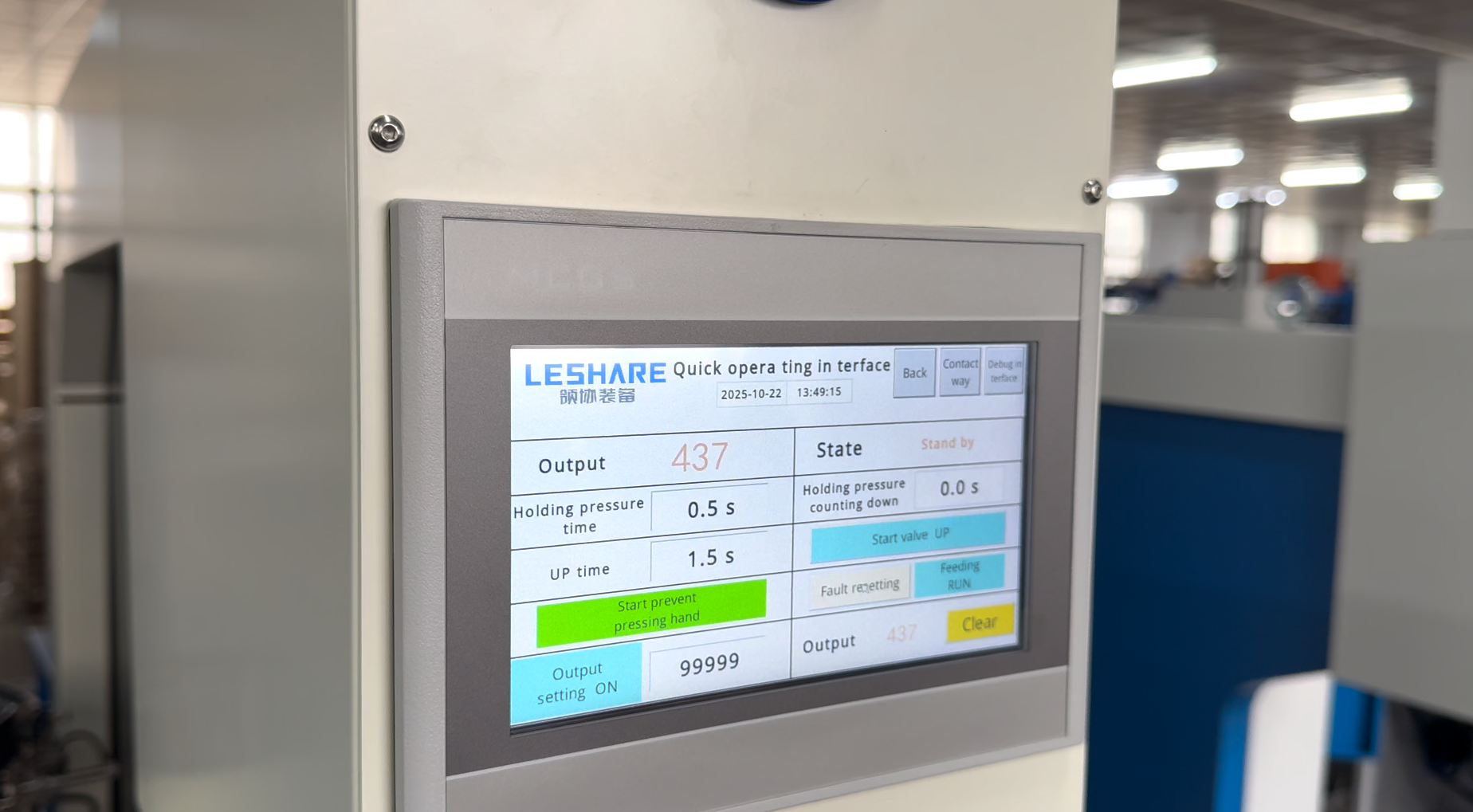
Manufacturing efficiency has become a critical factor for businesses seeking competitive advantages in today's industrial landscape. A fastener insertion machine represents a transformative solution that automates the precise placement of threaded inserts, nuts, and other fastening components into various materials. These sophisticated pneumatic and hydraulic systems have revolutionized assembly processes across automotive, aerospace, electronics, and general manufacturing sectors. The implementation of automated fastener insertion technology delivers substantial improvements in production speed, quality consistency, and operational cost reduction. Understanding the comprehensive benefits of fastener insertion machine technology enables manufacturers to make informed decisions about upgrading their assembly capabilities and achieving sustainable operational excellence.
Enhanced Production Efficiency and Speed
Automated Assembly Process Acceleration
The primary advantage of implementing a fastener insertion machine lies in its ability to dramatically increase production throughput compared to manual assembly methods. These machines can insert fasteners at rates exceeding 1,500 cycles per hour, depending on the specific model and application requirements. The pneumatic systems deliver consistent force application, ensuring each fastener reaches optimal insertion depth without requiring operator judgment or skill variations. This automation eliminates the time-consuming manual positioning, alignment, and insertion steps that traditionally bottleneck production lines.
Modern fastener insertion systems integrate seamlessly with existing manufacturing workflows, reducing setup times between different product runs. The programmable nature of these machines allows operators to store multiple insertion profiles for various fastener types and materials, enabling rapid changeovers without extensive recalibration. This flexibility proves particularly valuable for manufacturers handling diverse product lines or custom orders requiring different fastening specifications.
Reduced Labor Dependencies
Fastener insertion machine technology significantly reduces dependency on skilled manual labor for precise assembly operations. The automated systems perform consistently regardless of operator fatigue, experience levels, or training variations that typically affect manual insertion quality. This reduction in labor dependency translates to lower training costs, reduced workforce turnover impact, and improved production predictability. Manufacturers can reallocate skilled workers to higher-value tasks requiring human expertise while maintaining consistent fastener installation quality.
The ergonomic benefits of automated insertion systems also contribute to workforce efficiency by eliminating repetitive strain injuries associated with manual fastener installation. Workers operate machines from comfortable positions without repetitive hand motions or excessive force application, leading to improved job satisfaction and reduced workplace injury claims.
Superior Quality Control and Consistency
Precise Force Application and Depth Control
Quality consistency represents one of the most significant advantages offered by fastener insertion machine technology. These systems apply precisely controlled pneumatic or hydraulic pressure to ensure uniform insertion depth across all fasteners. The programmable force settings eliminate variations caused by operator strength differences or technique inconsistencies that commonly affect manual installation processes. This precision proves critical in applications where fastener protrusion or insertion depth directly impacts product functionality or appearance.
Advanced fastener insertion systems incorporate feedback sensors that monitor insertion force and depth in real-time, automatically adjusting parameters to maintain optimal results. These monitoring capabilities detect potential issues such as material inconsistencies, worn tooling, or fastener defects before they result in quality problems. The data logging features provide traceability for quality audits and continuous improvement initiatives.
Minimized Material Damage and Waste
Automated fastener insertion technology significantly reduces material damage compared to manual installation methods. The controlled force application prevents over-insertion that can crack thin materials or create stress concentrations around fastener locations. Similarly, the precise positioning capabilities minimize misaligned insertions that waste fasteners and require costly rework procedures. The consistent process parameters ensure optimal thread engagement without cross-threading or incomplete insertion issues.
The reduction in defective assemblies translates directly to decreased material waste and improved overall equipment effectiveness. Manufacturers experience lower scrap rates, reduced rework costs, and improved customer satisfaction through consistent product quality delivery. The elimination of human error factors in fastener installation creates more predictable quality outcomes and reduces warranty claims related to assembly defects.
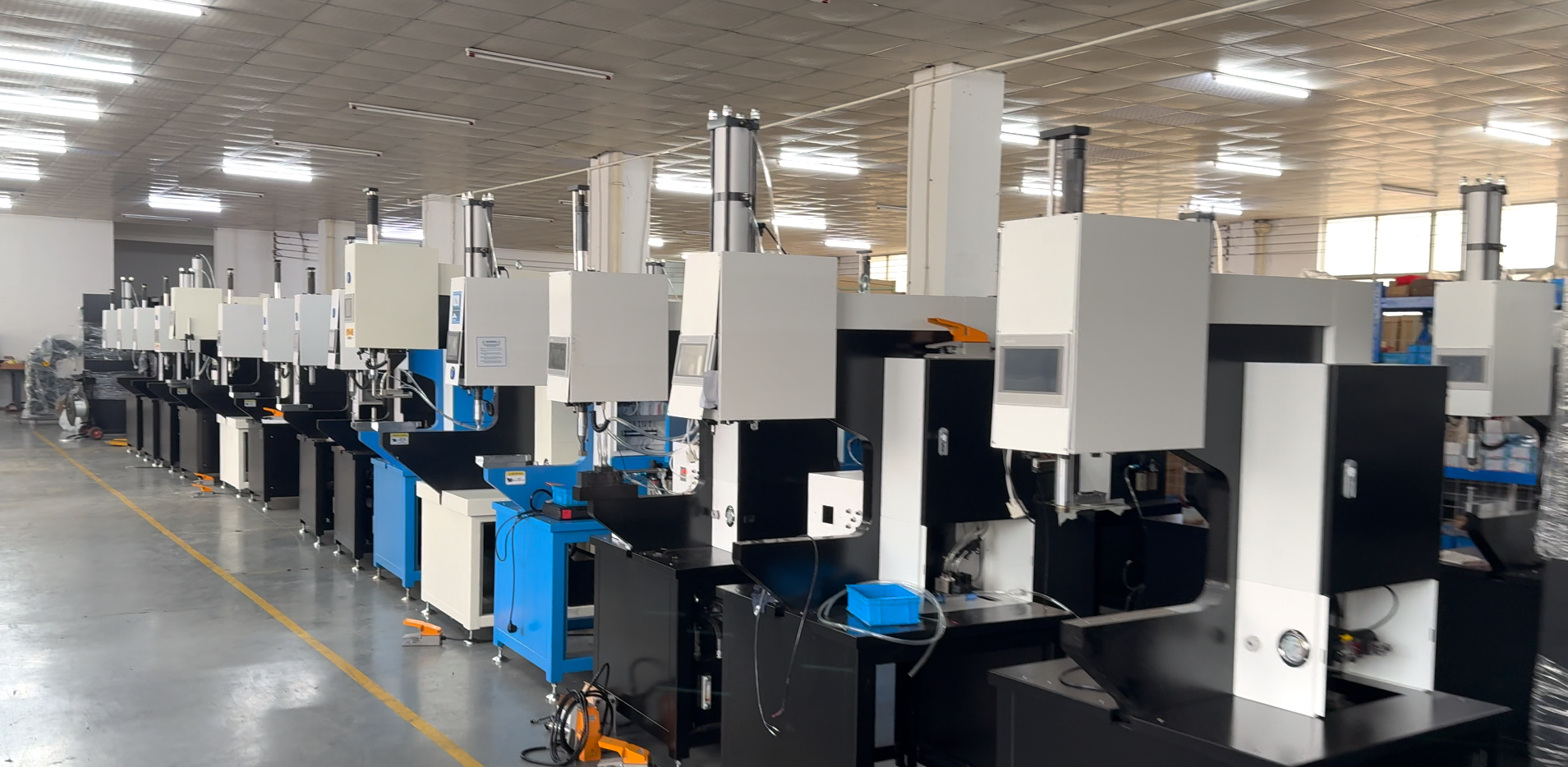
Cost Reduction and Return on Investment
Direct Labor Cost Savings
The implementation of fastener insertion machine technology generates substantial direct labor cost savings through reduced operator requirements and increased productivity per worker hour. While manual fastener installation typically requires dedicated operators for each assembly station, automated systems allow single operators to manage multiple machines simultaneously. This multiplication effect dramatically improves labor efficiency ratios and reduces per-unit production costs.
The consistency of automated systems also eliminates overtime costs associated with rework requirements and quality issues. Manual assembly variations often necessitate additional inspection steps and correction procedures that extend production schedules. Fastener insertion machines maintain consistent quality standards that minimize these additional labor requirements and associated overtime expenses.
Reduced Material and Operational Costs
Operational cost reductions extend beyond labor savings to include material efficiency improvements and reduced tool wear. Fastener insertion machine technology optimizes force application to minimize fastener damage and improve insertion success rates. The precise control systems reduce the quantity of fasteners lost to installation errors or damage during manual handling. These material savings accumulate significantly over high-volume production runs.
The durability and reliability of professional fastener insertion systems minimize maintenance costs compared to repetitive manual tool usage. Pneumatic systems require minimal maintenance when properly configured, and the controlled operation reduces wear on insertion tooling. The extended tool life and reduced replacement frequency contribute to lower operational expenses and improved equipment availability.
Workplace Safety and Ergonomic Benefits
Elimination of Repetitive Stress Injuries
Fastener insertion machine implementation significantly improves workplace safety by eliminating the repetitive motions and force applications associated with manual fastener installation. Traditional assembly methods require workers to perform thousands of insertion cycles daily, leading to cumulative stress injuries in hands, wrists, and shoulders. Automated systems transfer these physical demands to pneumatic or hydraulic mechanisms designed for continuous operation without fatigue.
The ergonomic design of modern fastener insertion systems positions controls and workpieces at optimal heights and angles to reduce operator strain. Workers maintain natural postures while loading materials and monitoring machine operation rather than bending or reaching into uncomfortable positions for fastener installation. This ergonomic improvement reduces workers' compensation claims and improves overall job satisfaction.
Enhanced Safety Through Controlled Operations
Automated fastener insertion technology incorporates multiple safety features that protect operators from injury risks present in manual assembly operations. Safety barriers, light curtains, and two-hand controls prevent accidental contact with moving components during insertion cycles. The controlled force application eliminates risks associated with manual hammer or press operations that can cause injury if tools slip or fasteners bind unexpectedly.
The enclosed nature of fastener insertion machine operations also reduces exposure to flying debris or fastener fragments that occasionally occur during manual installation. Operators work from safe distances while maintaining full visibility and control over the assembly process. These safety improvements contribute to reduced insurance costs and improved employee retention rates.
Versatility and Adaptability Advantages
Multiple Fastener Type Compatibility
Modern fastener insertion machine designs accommodate wide ranges of fastener types, sizes, and materials without requiring extensive reconfiguration. These systems handle threaded inserts, rivet nuts, cage nuts, and various specialty fasteners through interchangeable tooling systems. The versatility enables manufacturers to standardize on single machine platforms for multiple product lines, reducing equipment investment requirements and operator training complexity.
The programmable nature of contemporary fastener insertion systems allows storage of multiple insertion profiles for different applications. Operators can quickly switch between fastener types by selecting appropriate programs rather than manually adjusting force settings, depths, and timing parameters. This flexibility proves particularly valuable for job shops and manufacturers handling diverse customer requirements.
Integration with Manufacturing Systems
Fastener insertion machine technology integrates effectively with broader manufacturing automation systems including conveyor lines, robotic cells, and quality monitoring systems. The digital control interfaces support communication protocols that enable real-time production monitoring and data collection for manufacturing execution systems. This connectivity facilitates comprehensive production tracking and optimization initiatives.
The modular design of professional fastener insertion systems allows expansion and modification as production requirements evolve. Additional stations, automatic feeding systems, and quality verification equipment can be integrated without replacing core machine components. This scalability protects equipment investments while enabling capacity growth and capability enhancement over time.
FAQ
What types of materials can fastener insertion machines work with effectively
Fastener insertion machines successfully work with diverse materials including aluminum, steel, stainless steel, plastics, composites, and wood products. The key factor is matching the insertion force capabilities to material hardness and thickness requirements. Softer materials like aluminum and plastics require lower insertion forces to prevent damage, while harder materials need higher pneumatic pressures. Most professional systems offer adjustable force settings from 10 to 80 kilonewtons to accommodate different material properties. The material thickness typically ranges from 0.5mm thin sheets to 25mm thick panels, depending on fastener specifications and machine capabilities.
How do fastener insertion machines compare to manual installation in terms of speed and accuracy
Fastener insertion machines typically operate 3 to 5 times faster than skilled manual operators while delivering superior consistency and accuracy. Manual installation rates average 300-500 fasteners per hour depending on complexity, while automated systems routinely achieve 1,200-1,800 cycles per hour. The accuracy improvements are even more significant, with machines maintaining insertion depth tolerances within 0.1mm compared to typical manual variations of 0.5mm or greater. The elimination of human fatigue factors ensures consistent performance throughout entire production shifts, while manual operators experience declining accuracy and speed over extended periods.
What maintenance requirements are associated with fastener insertion machine operation
Fastener insertion machine maintenance requirements are generally minimal when compared to manual tooling replacement needs. Daily maintenance includes visual inspection of pneumatic connections, lubrication of moving components, and cleaning of work surfaces. Weekly tasks involve checking air pressure settings, inspecting insertion tooling for wear, and verifying safety system functionality. Monthly maintenance includes deeper inspection of pneumatic cylinders, replacement of air filters, and calibration verification. The controlled operation of automated systems typically extends tooling life 5-10 times longer than manual tools, reducing replacement costs and downtime for tool changes.
Can fastener insertion machines handle different fastener sizes without extensive reconfiguration
Modern fastener insertion machines accommodate multiple fastener sizes through quick-change tooling systems and programmable control parameters. Most systems handle size ranges spanning several millimeters in diameter and length without mechanical adjustments. Changeover between different fastener specifications typically requires only tool holder replacement and program selection, completing the process in under 5 minutes. Advanced systems store insertion profiles for dozens of different fastener types, enabling operators to switch between applications by selecting appropriate programs from digital interfaces. This flexibility makes fastener insertion machines particularly valuable for manufacturers producing multiple product variations or handling custom orders with different fastening requirements.
Table of Contents
- Enhanced Production Efficiency and Speed
- Superior Quality Control and Consistency
- Cost Reduction and Return on Investment
- Workplace Safety and Ergonomic Benefits
- Versatility and Adaptability Advantages
-
FAQ
- What types of materials can fastener insertion machines work with effectively
- How do fastener insertion machines compare to manual installation in terms of speed and accuracy
- What maintenance requirements are associated with fastener insertion machine operation
- Can fastener insertion machines handle different fastener sizes without extensive reconfiguration