 EN
EN

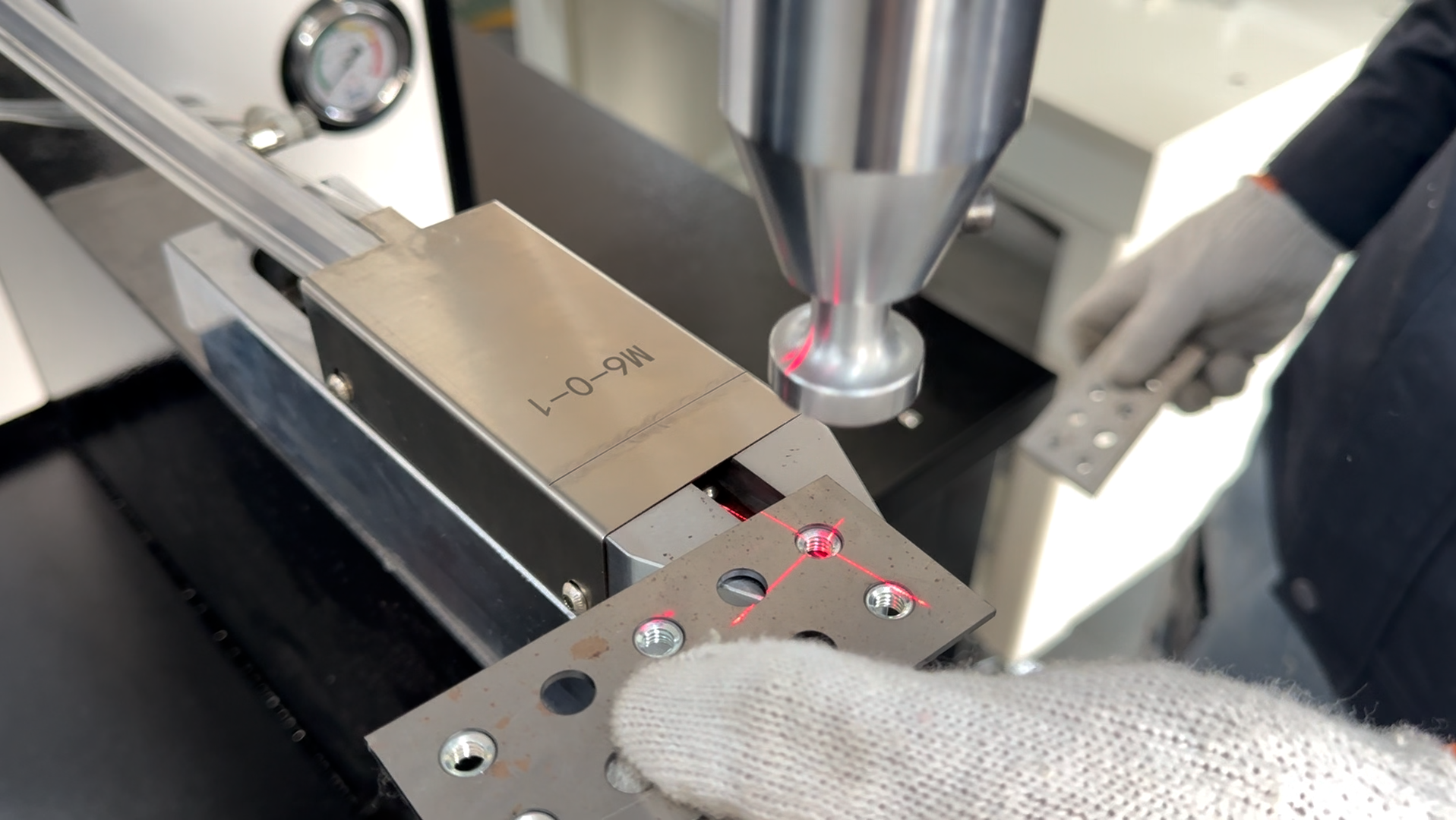
Insertion Machines play a critical role in today’s automated manufacturing environments, enabling precise, efficient, and repeatable installation of a wide range of fasteners. From sheet metal fabrication to automotive assembly lines, these machines are designed to improve production efficiency while maintaining consistent product quality. Manufacturers rely on Insertion Machines not only to reduce labor costs but also to ensure accuracy in fastening operations where manual processes may fall short.
With the rapid evolution of industrial automation, Insertion Machines have become more versatile than ever. They are no longer limited to handling simple threaded components but are now capable of processing rivets, self-clinching fasteners, and even rivetless joining solutions. This flexibility makes them essential equipment for industries that require high-volume production with strict quality standards.
Understanding the types of fasteners that work with Insertion Machines is essential for engineers, purchasing managers, and system integrators. Choosing the right fastener not only impacts assembly efficiency but also determines the durability and reliability of the final product. By exploring the compatibility between different fasteners and Insertion Machines, businesses can optimize their manufacturing processes and achieve better performance outcomes.
Riveted Fasteners in Insertion Machines
Solid and Semi-Tubular Rivets
Solid rivets and semi-tubular rivets are widely used in conjunction with Insertion Machines due to their structural strength and reliability. These fasteners are commonly found in heavy-duty applications where permanent joints are required, such as in automotive frames, metal enclosures, and industrial equipment. Insertion Machines equipped with precise force control systems can deform these rivets consistently, ensuring uniform joint quality across large production batches.
Semi-tubular rivets, in particular, require less force during installation, making them highly suitable for automated systems. Insertion Machines can be configured with automatic feeding systems that align rivets accurately before installation, reducing cycle times and minimizing errors. This level of automation is especially valuable in high-speed production environments where efficiency is critical.
Another advantage of using rivets with Insertion Machines is their ability to handle different material combinations. Whether working with aluminum, steel, or mixed materials, these machines can adapt to varying hardness levels and ensure proper fastening without damaging the components.
Blind and Custom Rivets
Blind rivets are another category of fasteners that work effectively with Insertion Machines, particularly in applications where access is limited to one side of the workpiece. These rivets are commonly used in industries such as aerospace, electronics, and appliance manufacturing. Insertion Machines designed for blind rivets can automate the entire process, from feeding to setting, ensuring consistent results.
Custom rivets also play an important role in specialized manufacturing scenarios. Many companies require unique rivet designs to meet specific product requirements, and modern Insertion Machines can be adapted to handle these non-standard fasteners. With customized tooling and programmable settings, manufacturers can achieve high precision even with complex rivet geometries.
The ability of Insertion Machines to process both standard and custom rivets provides significant flexibility for OEM and ODM projects. This adaptability allows manufacturers to respond quickly to changing market demands without investing in entirely new equipment.
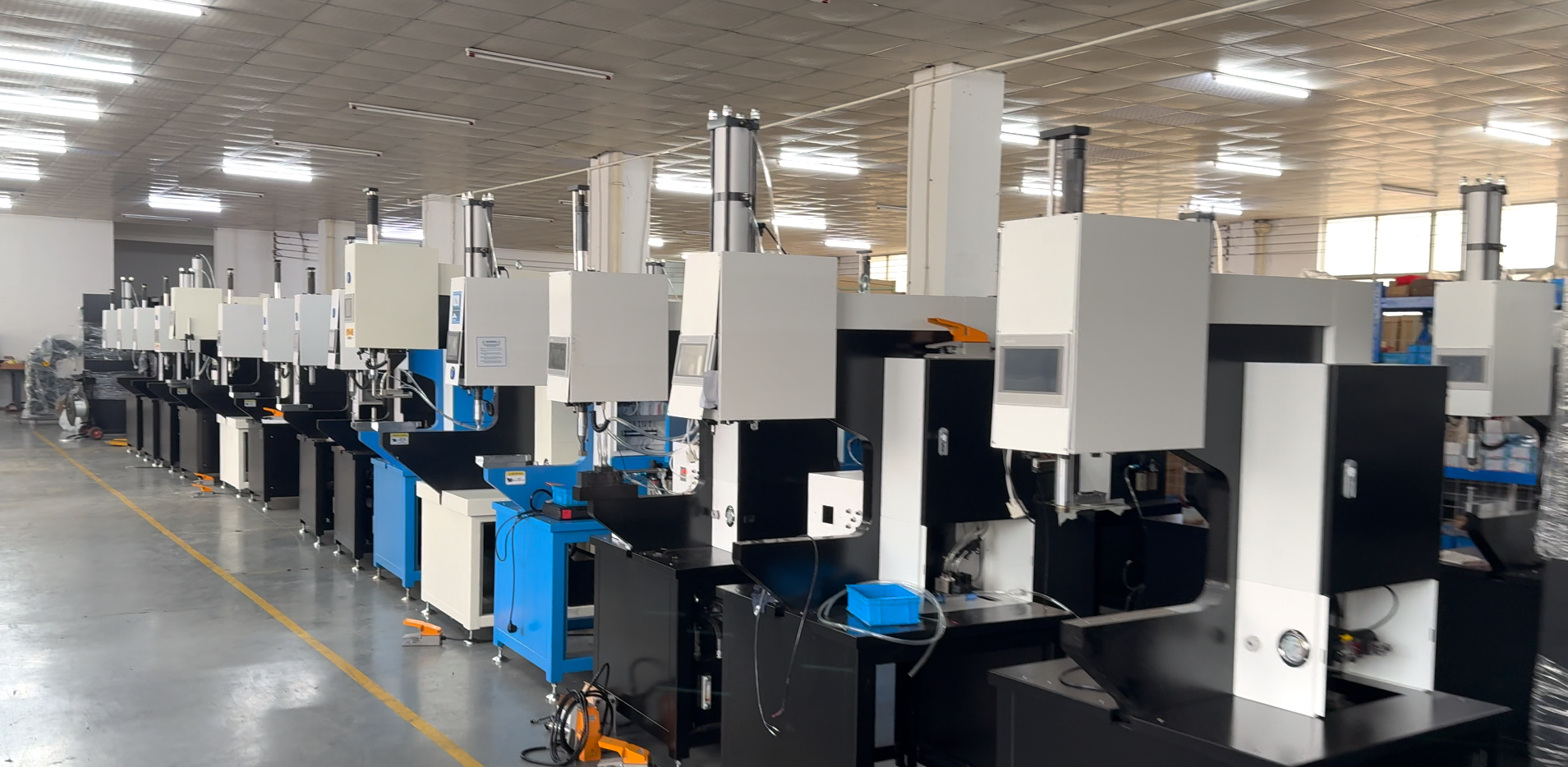
Self-Clinching Fasteners and Press Applications
Self-Clinching Nuts and Studs
Self-clinching fasteners, including nuts and studs, are commonly installed using Insertion Machines equipped with servo press or hydraulic systems. These fasteners are designed to be pressed into sheet metal, creating a strong mechanical bond without the need for welding or threading. This makes them ideal for applications where maintaining material integrity is essential.
Insertion Machines offer precise control over force and displacement, ensuring that self-clinching fasteners are installed correctly every time. This level of precision is particularly important in industries such as electronics and telecommunications, where even minor inconsistencies can lead to product failure.
Additionally, the automated nature of Insertion Machines allows for high-speed installation of self-clinching fasteners, significantly improving production efficiency. Manufacturers can process large volumes of components with minimal downtime, making these machines a valuable asset in competitive markets.
Standoffs and Press-In Screws
Standoffs and press-in screws are also compatible with Insertion Machines, especially in applications requiring spacing or alignment between components. These fasteners are frequently used in control panels, enclosures, and electronic assemblies. Insertion Machines can handle these components with high accuracy, ensuring proper alignment and secure installation.
The use of Insertion Machines for standoffs and press-in screws eliminates the variability associated with manual installation. By maintaining consistent insertion depth and force, these machines help ensure that each fastener performs as intended. This consistency is crucial for maintaining product quality and meeting industry standards.
Moreover, Insertion Machines can be integrated into automated production lines, allowing for seamless operation alongside other equipment. This integration reduces handling time and improves overall workflow efficiency.
Rivetless Joining and Clinching Technology
TOX and Clinching Processes
Rivetless joining, often referred to as clinching or TOX joining, represents an innovative approach to fastening that eliminates the need for additional fasteners. Insertion Machines designed for clinching use controlled force to deform materials and create a secure interlock between layers. This process is highly efficient and cost-effective, making it an attractive option for many industries.
Insertion Machines used for clinching are capable of delivering precise and repeatable results, ensuring consistent joint quality. These machines are particularly useful in applications where reducing material costs and simplifying assembly processes are priorities. By eliminating the need for separate fasteners, manufacturers can streamline their operations and reduce inventory requirements.
Clinching technology is widely used in automotive and appliance manufacturing, where it provides strong and durable joints without compromising material properties. Insertion Machines play a key role in enabling this technology, offering the control and reliability needed for large-scale production.
Material Compatibility in Rivetless Joining
Insertion Machines used for rivetless joining can handle a variety of materials, including steel, aluminum, and coated sheets. This versatility makes them suitable for diverse manufacturing applications. The ability to join different materials without additional fasteners is a significant advantage, particularly in industries focused on lightweight design.
The controlled deformation process used in clinching ensures that materials are not damaged during installation. Insertion Machines can be programmed to adjust force levels based on material thickness and type, ensuring optimal results for each application. This adaptability enhances the overall efficiency and reliability of the fastening process.
Furthermore, rivetless joining is an environmentally friendly solution, as it reduces the need for consumables and minimizes waste. Insertion Machines enable manufacturers to adopt more sustainable practices while maintaining high production standards.
Threaded Fasteners in Insertion Machines
Machine Screws and Cap Screws
Threaded fasteners such as machine screws and cap screws remain an important category for Insertion Machines. These fasteners are widely used in various industries due to their versatility and ease of use. Insertion Machines can handle these components with precision, ensuring proper torque and alignment during installation.
Machine screws are commonly used in electronics and light assembly applications, where accuracy is essential. Insertion Machines equipped with torque control systems can ensure that each screw is installed to the correct specification, reducing the risk of over-tightening or under-tightening.
Cap screws, on the other hand, are used in applications requiring higher strength. Insertion Machines can accommodate different sizes and head types, making them suitable for a wide range of assembly tasks. This flexibility allows manufacturers to use a single machine for multiple fastening requirements.
Self-Tapping and Thread-Forming Screws
Self-tapping and thread-forming screws are also compatible with Insertion Machines, particularly in applications involving plastic or thin metal components. These fasteners create their own threads during installation, eliminating the need for pre-tapped holes. Insertion Machines can control insertion speed and torque to ensure optimal thread formation.
The use of self-tapping screws with Insertion Machines can significantly reduce assembly time and simplify production processes. By combining drilling and fastening into a single step, these fasteners improve efficiency and reduce labor costs.
Insertion Machines can also handle various head styles and thread designs, providing flexibility for different applications. This capability makes them an essential tool for manufacturers seeking to optimize their fastening operations.
Industry-Specific Fasteners for Insertion Machines
Automotive and Industrial Fasteners
Insertion Machines are widely used in the automotive and industrial sectors, where specialized fasteners are required to meet strict performance standards. These fasteners include plastic rivets, clips, and high-strength bolts, all of which can be processed efficiently using automated systems.
In automotive applications, Insertion Machines ensure consistent installation of fasteners, which is critical for vehicle safety and reliability. The ability to handle different fastener types within a single system enhances production flexibility and reduces equipment costs.
Industrial applications also benefit from the versatility of Insertion Machines. Whether assembling machinery or fabricating metal structures, these machines provide the precision and reliability needed for demanding environments.
Custom and Non-Standard Fasteners
Custom fasteners are often required for unique applications, and Insertion Machines can be adapted to handle these specialized components. With programmable settings and custom tooling, manufacturers can achieve precise installation even for complex fastener designs.
The ability to process non-standard fasteners makes Insertion Machines an ideal choice for companies involved in OEM and ODM projects. This flexibility allows manufacturers to meet specific customer requirements without compromising efficiency or quality.
By supporting a wide range of fasteners, Insertion Machines enable businesses to expand their capabilities and take on more diverse projects. This adaptability is a key factor in maintaining competitiveness in today’s manufacturing landscape.
FAQ
What types of fasteners are most commonly used with Insertion Machines
Insertion Machines are commonly used with rivets, self-clinching fasteners, threaded screws, and rivetless joining solutions. The choice depends on the application requirements, material type, and desired joint strength.
Can Insertion Machines handle custom fasteners
Yes, Insertion Machines can be customized with special tooling and programming to handle non-standard fasteners. This makes them suitable for OEM and specialized manufacturing projects.
Are Insertion Machines suitable for high-volume production
Insertion Machines are designed for high-volume production environments. Their automation capabilities ensure consistent quality and high efficiency, making them ideal for large-scale manufacturing operations.
How do Insertion Machines improve assembly quality
Insertion Machines provide precise control over force, torque, and positioning, reducing human error and ensuring consistent installation. This leads to improved product quality and reliability.