 EN
EN

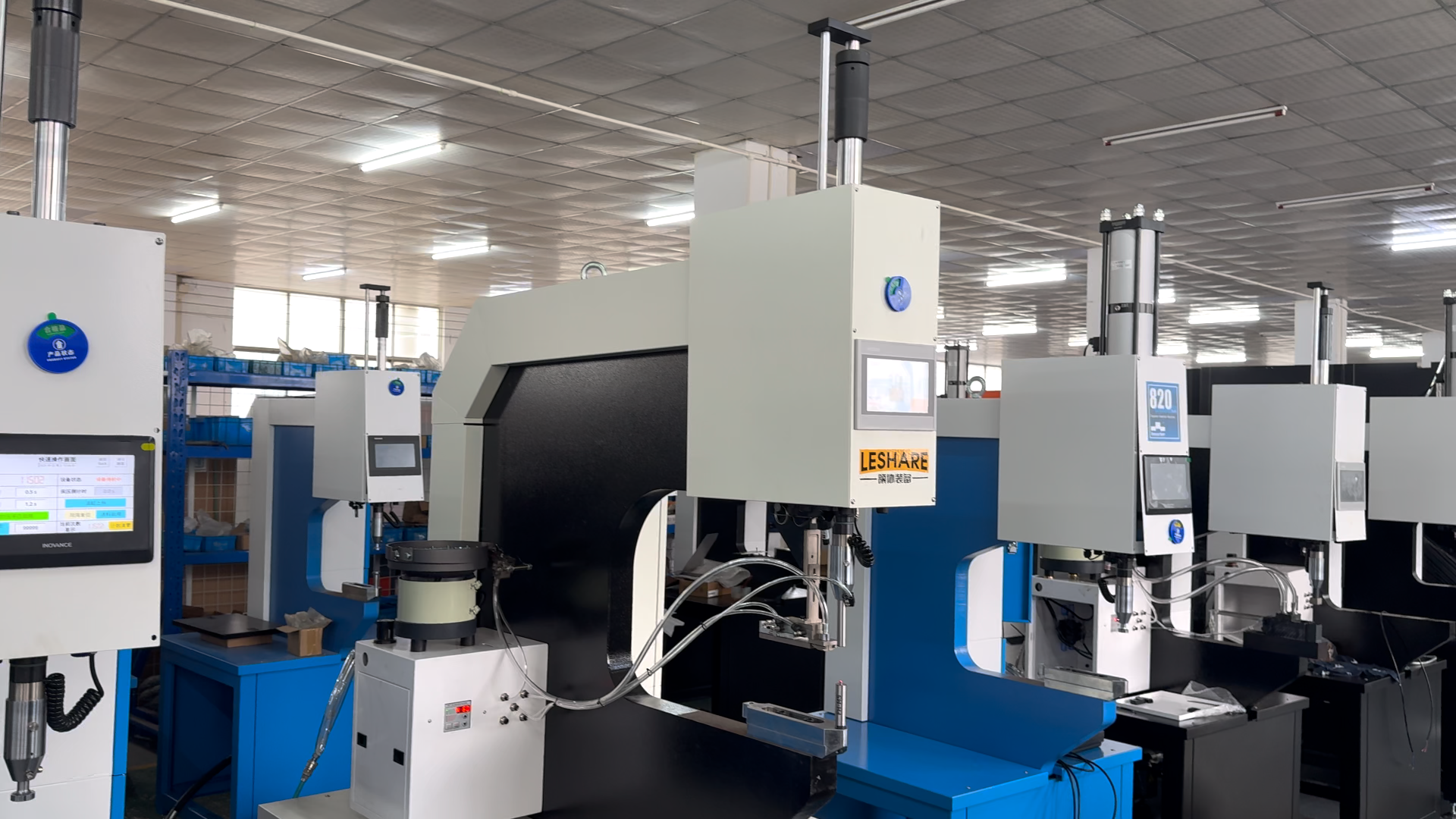
The longevity of an insertion machine directly impacts manufacturing efficiency and total cost of ownership in automated assembly operations. These precision instruments require systematic care to maintain their operational integrity and deliver consistent performance over years of continuous use. Understanding the specific maintenance requirements for insertion machines helps manufacturers maximize their equipment investment while minimizing unexpected downtime that can disrupt production schedules.
Proper maintenance practices for insertion machines encompass multiple interconnected systems that work together to ensure precise fastener placement and reliable operation. From pneumatic components to mechanical drive systems, each element requires targeted attention based on usage patterns, environmental conditions, and manufacturer specifications. The implementation of structured maintenance protocols not only extends equipment life but also maintains the accuracy and speed that modern manufacturing demands from automated insertion systems.
Preventive Maintenance Fundamentals
Daily Inspection Protocols
Daily inspections form the foundation of effective insertion machine maintenance by identifying potential issues before they escalate into costly failures. Operators should examine pneumatic connections for air leaks, which can reduce system pressure and affect insertion force consistency. Visual inspection of the insertion head and tooling reveals signs of wear, misalignment, or contamination that could compromise fastener placement accuracy.
The insertion machine control system requires daily verification of pressure readings, cycle times, and error logs to detect performance deviations. Checking the fastener feed mechanism ensures consistent part delivery without jams or misfeeds that could damage both the machine and workpieces. These routine checks take minimal time but provide early warning of developing problems that could otherwise lead to extended downtime.
Cleanliness around the work area directly impacts insertion machine performance, as debris and contamination can interfere with precise movements and sensor operation. Daily cleaning of work surfaces, fixture areas, and access panels prevents accumulation of manufacturing byproducts that could affect system reliability. Documentation of daily inspection results creates a maintenance history that helps identify recurring issues and optimize maintenance intervals.
Weekly System Verification
Weekly maintenance activities for insertion machines focus on more comprehensive system checks that require additional time and technical expertise. Pneumatic system pressure testing verifies that all circuits maintain proper operating pressures under load conditions. This includes checking pressure regulators, filters, and lubricators that ensure clean, properly conditioned air reaches critical components.
The mechanical drive system requires weekly attention to belt tensions, coupling alignments, and bearing conditions that affect precise positioning accuracy. Linear guides and ball screws need inspection for proper lubrication and wear patterns that could indicate misalignment or overloading. These mechanical components directly influence the insertion machine ability to maintain consistent force and positioning throughout its operating envelope.
Electrical connections and sensor calibration verification ensures that the control system receives accurate feedback from position sensors, force transducers, and safety devices. Weekly testing of emergency stops, light curtains, and other safety systems confirms that protective measures remain fully functional. This systematic approach to weekly maintenance helps maintain both productivity and workplace safety standards.
Component-Specific Care Requirements
Pneumatic System Maintenance
The pneumatic system represents the power source for most insertion machines and requires specific maintenance attention to ensure reliable operation. Air filtration systems need regular filter replacement based on operating hours and environmental conditions, as contaminated air can damage seals, cylinders, and control valves. Water separators require periodic draining to prevent moisture accumulation that could cause corrosion or freezing in pneumatic lines.
Pneumatic cylinders and actuators in the insertion machine system need periodic seal replacement based on cycle counts and operating conditions. High-frequency cycling, exposure to temperature extremes, or contaminated air can accelerate seal wear and lead to internal leakage. Regular pressure decay testing identifies cylinders with developing seal problems before they affect insertion force consistency.
Pressure regulators and flow control valves require calibration verification to maintain consistent operating parameters. These components can drift over time due to internal wear or contamination, affecting the insertion machine performance characteristics. Proper adjustment and periodic replacement of these control elements ensures that pneumatic force remains within specified tolerances for different fastener types and materials.
Mechanical Component Care
Mechanical components in insertion machines operate under high-precision requirements that demand careful attention to lubrication, alignment, and wear monitoring. Linear bearing systems require specific lubricants applied at prescribed intervals to maintain smooth operation and prevent premature wear. Over-lubrication can attract contamination, while insufficient lubrication leads to increased friction and accelerated component failure.
Drive belts and coupling systems transmit motion from motors to the insertion mechanism and require periodic tension adjustment and alignment verification. Incorrect belt tension can cause premature wear, reduced positioning accuracy, and increased power consumption. Flexible couplings need inspection for wear patterns that indicate misalignment between connected components in the insertion machine drive train.
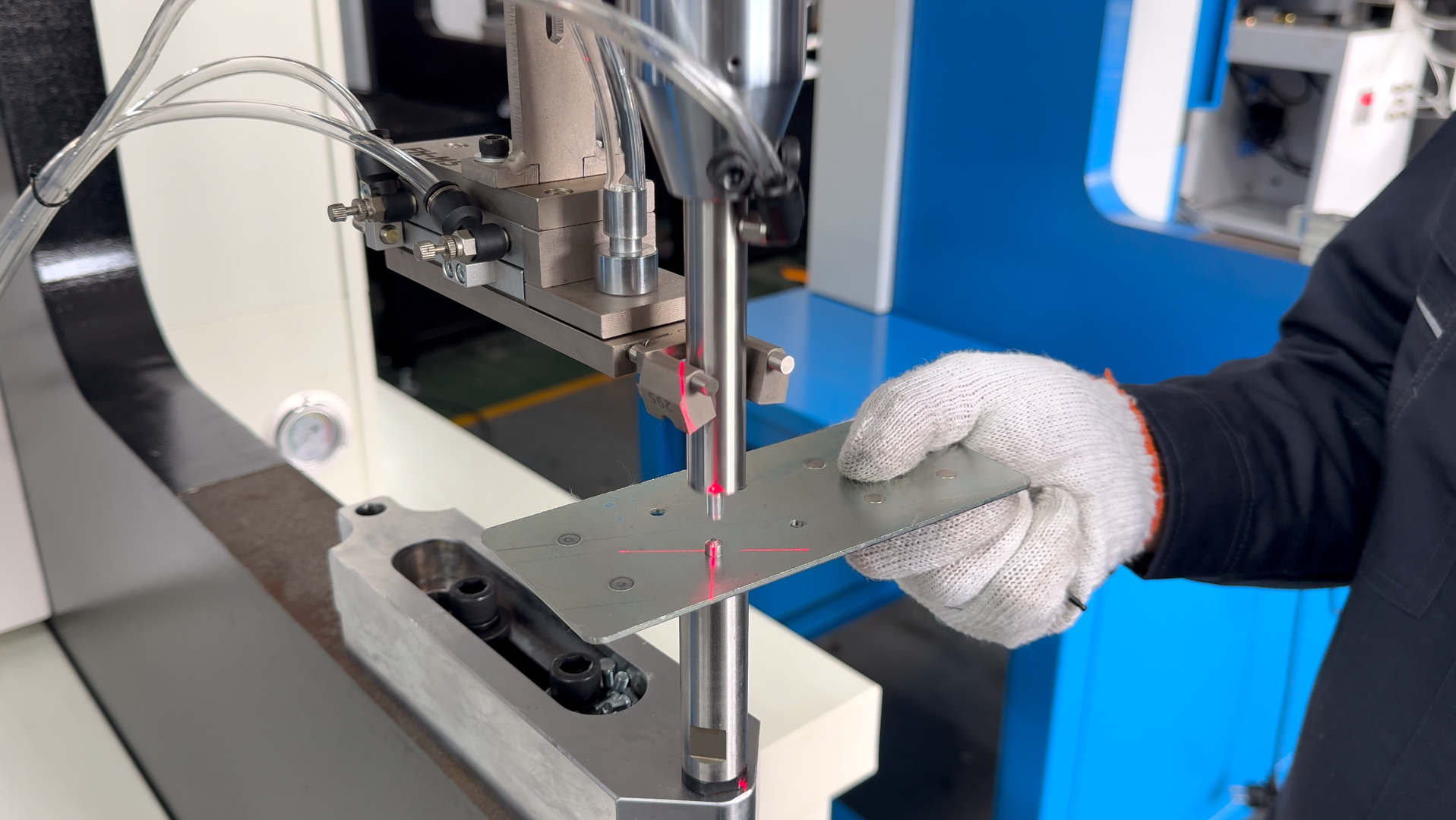
Precision tooling and insertion heads experience direct contact forces during operation and require careful monitoring for wear patterns, damage, or contamination buildup. Tool wear affects insertion quality and can lead to fastener damage or incomplete insertion. Regular tool inspection and replacement based on cycle counts or wear measurements maintains consistent insertion machine performance and product quality.
Environmental and Operational Factors
Operating Environment Control
The operating environment significantly affects insertion machine longevity and maintenance requirements. Temperature fluctuations can cause expansion and contraction of precision components, leading to alignment issues and accelerated wear. Maintaining stable ambient temperatures within manufacturer specifications helps preserve dimensional accuracy and reduces thermal stress on critical components.
Humidity control prevents condensation formation that could damage electrical components or cause corrosion in pneumatic systems. Excessive moisture can affect the insertion machine control electronics and create conditions for bacterial growth in pneumatic lines. Proper ventilation and humidity control systems maintain optimal operating conditions for extended equipment life.
Vibration isolation and foundation stability directly impact insertion accuracy and component longevity. External vibrations from nearby equipment can interfere with precise positioning systems and accelerate wear in sensitive components. Regular verification of mounting bolt torques and vibration isolation effectiveness ensures that the insertion machine maintains its specified performance capabilities.
Operational Parameter Management
Operating parameters such as cycle rates, insertion forces, and feed speeds significantly influence maintenance requirements and component life expectancy. Running the insertion machine at maximum rated capacity continuously accelerates wear and increases maintenance frequency. Understanding the relationship between operating intensity and maintenance needs helps optimize both productivity and equipment longevity.
Load monitoring systems can track actual forces and cycles to predict maintenance needs based on real operating conditions rather than arbitrary time intervals. This data-driven approach to maintenance scheduling optimizes resource allocation and reduces both planned and unplanned downtime. Modern insertion machines often include built-in monitoring capabilities that facilitate this predictive maintenance approach.
Operator training significantly impacts equipment life through proper handling techniques, appropriate parameter selection, and early problem recognition. Well-trained operators can identify developing issues, select optimal operating parameters for different applications, and perform routine maintenance tasks correctly. Investment in operator education typically yields substantial returns through extended insertion machine life and improved productivity.
Advanced Maintenance Strategies
Predictive Maintenance Implementation
Predictive maintenance techniques use real-time monitoring and data analysis to optimize maintenance timing and resource allocation for insertion machines. Vibration analysis can detect developing bearing problems, misalignment issues, or unbalanced rotating components before they cause failures. Temperature monitoring of motors, drives, and pneumatic components identifies overheating conditions that could lead to premature failure.
Oil analysis programs for gear boxes and hydraulic systems provide detailed information about component wear rates, contamination levels, and lubricant condition. This analytical approach allows maintenance teams to extend service intervals when conditions permit while identifying problems that require immediate attention. For insertion machines with multiple lubricated components, oil analysis can significantly reduce maintenance costs while improving reliability.
Electronic monitoring systems can track cycle counts, force profiles, and positioning accuracy to identify gradual performance degradation. This data helps maintenance teams understand normal wear patterns and identify abnormal conditions that require investigation. Integration of monitoring systems with maintenance management software creates comprehensive records that support warranty claims and optimization of maintenance procedures.
Spare Parts and Inventory Management
Strategic spare parts inventory management ensures that critical insertion machine components are available when needed without excessive carrying costs. Identifying critical components whose failure would cause extended downtime helps prioritize inventory investments. Fast-wearing items such as seals, belts, and cutting tools require higher stock levels than structural components with longer service lives.
Supplier relationships and lead times significantly impact spare parts strategies for insertion machines. Components with long delivery times may require higher inventory levels or alternative sourcing arrangements. Establishing relationships with multiple suppliers for critical items provides flexibility when primary sources experience supply disruptions or quality issues.
Documentation of part numbers, specifications, and installation procedures ensures that replacement components meet original equipment standards. Generic substitutes may not provide the same performance or reliability as OEM parts, potentially affecting insertion machine accuracy and longevity. Maintaining detailed parts catalogs and installation records supports consistent maintenance quality and troubleshooting efforts.
FAQ
How often should insertion machine tooling be replaced?
Insertion machine tooling replacement depends on several factors including material hardness, insertion force requirements, and cycle frequency. Typically, precision tooling should be inspected after every 100,000 to 500,000 cycles, with replacement based on wear measurements rather than arbitrary time intervals. Signs requiring immediate replacement include visible wear patterns, dimensional changes exceeding tolerances, or surface damage that could affect fastener quality.
What are the most common causes of premature insertion machine failure?
The most common causes include inadequate lubrication leading to bearing and guide wear, contaminated pneumatic air causing seal damage, improper operating parameters exceeding design limits, and insufficient operator training resulting in misuse or neglect of maintenance requirements. Environmental factors such as excessive temperature, humidity, or vibration also contribute significantly to premature failures in insertion machine installations.
How can I determine the optimal maintenance schedule for my insertion machine?
Optimal maintenance schedules should be based on manufacturer recommendations modified by actual operating conditions, cycle counts, and historical performance data. Start with factory-recommended intervals, then adjust based on component wear rates, failure patterns, and operating intensity. Implementing condition monitoring systems provides data to support evidence-based maintenance scheduling rather than relying solely on time-based intervals.
What documentation should be maintained for insertion machine servicing?
Comprehensive maintenance documentation should include daily inspection checklists, component replacement records with part numbers and dates, calibration certificates, lubrication schedules and completion records, failure analysis reports, and operator training records. This documentation supports warranty claims, helps identify recurring problems, aids in troubleshooting, and demonstrates compliance with maintenance requirements for quality certifications and insurance purposes.