 EN
EN

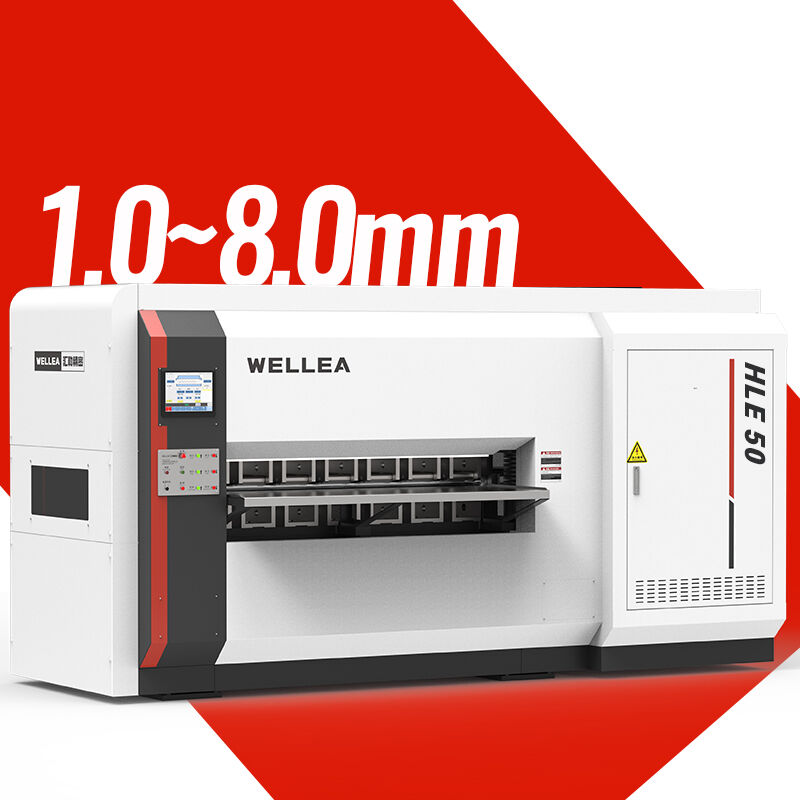
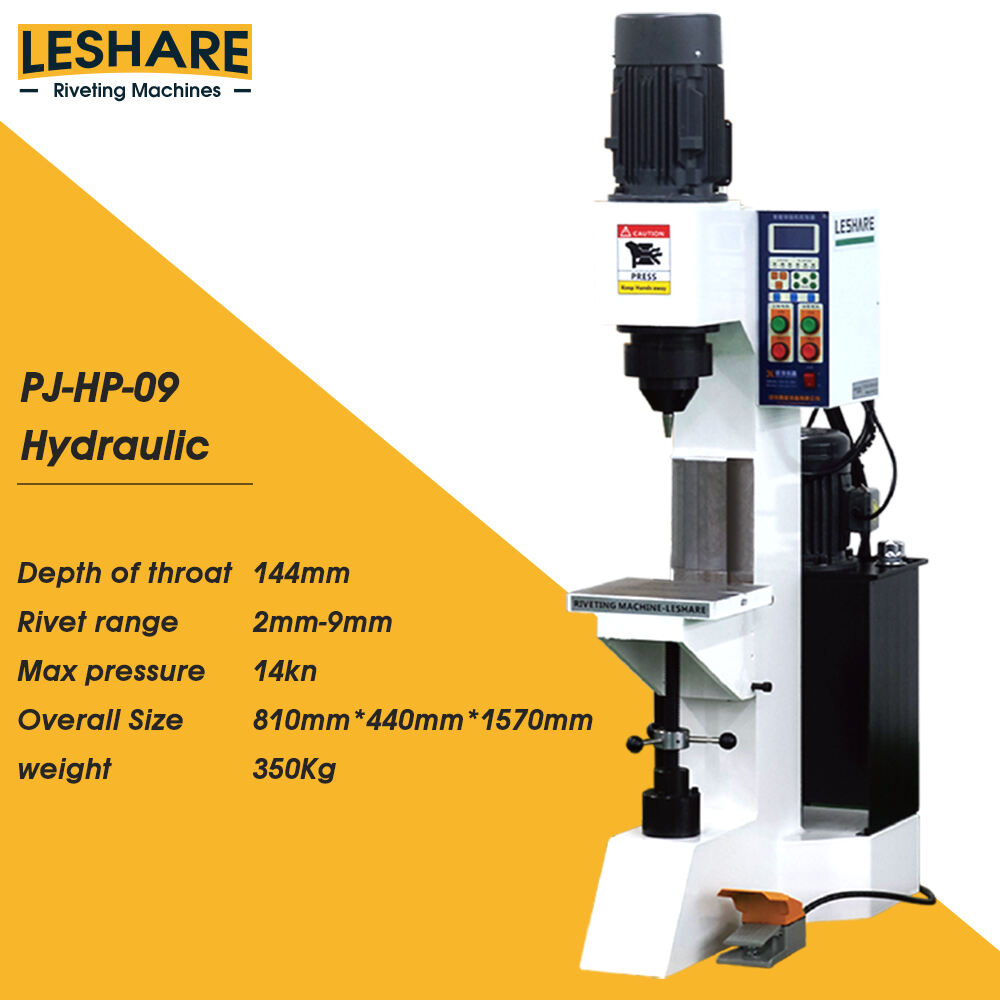
Hydraulic riveting machines have become indispensable tools in modern manufacturing, offering precise and powerful solutions for joining various materials. Understanding the specific types of sheets and fasteners that hydraulic riveting machines work best with is crucial for optimizing production efficiency and ensuring reliable joint quality. The compatibility between hydraulic riveting machines and different materials directly impacts the strength, durability, and overall performance of riveted assemblies.
The selection of appropriate sheets and fasteners for hydraulic riveting machines depends on several critical factors including material properties, thickness ranges, hardness levels, and the specific application requirements. These machines excel with certain material combinations while facing limitations with others, making it essential to understand these compatibility parameters before selecting riveting solutions for your manufacturing processes.
Material Characteristics That Favor Hydraulic Riveting Applications
Metal Sheet Properties and Compatibility
Hydraulic riveting machines demonstrate exceptional performance when working with aluminum sheets ranging from 0.5mm to 8mm in thickness. The relatively soft nature of aluminum allows the hydraulic pressure to effectively deform both the rivet and the surrounding material, creating strong mechanical bonds without causing excessive stress concentrations. Aluminum alloys such as 6061 and 5052 are particularly well-suited for hydraulic riveting applications due to their favorable ductility and formability characteristics.
Steel sheets represent another excellent material choice for hydraulic riveting machines, particularly mild steel and low-carbon steel variants with thicknesses between 1mm and 6mm. These materials offer the ideal balance of strength and workability, allowing hydraulic riveting machines to achieve consistent rivet formation without compromising joint integrity. The controlled force application of hydraulic riveting machines ensures proper material flow around the rivet shank, creating reliable mechanical connections.
Copper and brass sheets also work exceptionally well with hydraulic riveting machines due to their inherent malleability and corrosion resistance properties. These materials typically range from 0.8mm to 5mm in thickness for optimal riveting results. The excellent thermal conductivity of copper allows for efficient heat dissipation during the riveting process, preventing localized overheating that could compromise joint quality.
Hardness and Ductility Considerations
The optimal hardness range for sheets used with hydraulic riveting machines typically falls between 50-150 HB (Brinell Hardness). Materials within this range provide sufficient resistance to prevent excessive deformation while remaining workable enough for proper rivet formation. Sheets with hardness values exceeding 200 HB may require specialized tooling or modified riveting parameters to achieve acceptable results.
Ductility plays a crucial role in determining material suitability for hydraulic riveting machines. Materials with elongation values above 15% generally perform well in riveting applications, as they can accommodate the plastic deformation required for proper rivet head formation. This ductility ensures that the material flows smoothly around the rivet without cracking or developing stress concentrations that could lead to premature joint failure.
Surface finish quality also influences the effectiveness of hydraulic riveting machines. Smooth, clean surfaces with minimal oxidation or contamination allow for better material flow and more consistent rivet formation. Sheets with surface roughness values below 3.2 μm Ra typically produce superior riveting results compared to rougher surfaces that may impede proper material movement during the riveting process.
Optimal Fastener Types and Specifications
Rivet Design and Material Selection
Solid rivets represent the most compatible fastener type for hydraulic riveting machines, particularly those manufactured from aluminum, steel, copper, or brass materials. These rivets typically feature diameters ranging from 2mm to 12mm, with length-to-diameter ratios between 1.5:1 and 3:1 for optimal performance. The solid construction allows hydraulic riveting machines to effectively deform the rivet tail, creating secure mechanical joints with excellent shear and tensile strength characteristics.
Semi-tubular rivets also work well with hydraulic riveting machines when specific weight reduction or assembly speed requirements exist. These fasteners feature a partial hole in the tail section that facilitates easier deformation while maintaining structural integrity. Hydraulic riveting machines can successfully process semi-tubular rivets with wall thickness ratios between 0.3 and 0.6, ensuring proper hole closure and joint formation.
The head configuration of rivets significantly impacts compatibility with hydraulic riveting machines. Round head, flat head, and countersunk head designs all work effectively, though round heads typically provide the most forgiving installation characteristics. The head diameter should generally be 1.5 to 2 times the rivet shank diameter to ensure adequate bearing surface area and prevent pull-through failures.
Fastener Strength and Performance Requirements
Hydraulic riveting machines excel when working with fasteners that have tensile strengths between 200-600 MPa. This strength range allows for proper rivet deformation without exceeding the machine's force capabilities or causing premature fastener failure. Higher strength fasteners may require increased hydraulic pressure or specialized tooling configurations to achieve satisfactory results.
The shear strength characteristics of rivets used with hydraulic riveting machines should typically fall within the range of 150-450 MPa. This range ensures that the completed joint can withstand operational loads while allowing the hydraulic riveting machines to successfully form the rivet tail during installation. Fasteners with shear strengths outside this range may either fail prematurely or resist proper formation.
Fatigue resistance becomes particularly important when hydraulic riveting machines are used for applications involving cyclic loading. Rivets with fatigue strengths exceeding 100 MPa at 2 million cycles generally provide reliable long-term performance in dynamic applications. The controlled force application of hydraulic riveting machines helps minimize stress concentrations that could reduce fatigue life.
Thickness and Dimensional Compatibility
Sheet Thickness Optimization
The total grip length capacity of hydraulic riveting machines typically ranges from 3mm to 25mm, depending on the specific machine configuration and force rating. This grip length encompasses the combined thickness of all sheets being joined plus any gaskets or spacers included in the assembly. Optimal riveting results occur when the total grip length utilizes 70-90% of the machine's maximum capacity, ensuring adequate force availability for proper rivet formation.
Single sheet thicknesses between 1mm and 8mm generally provide the best compatibility with hydraulic riveting machines. Thinner sheets may buckle or distort under the riveting forces, while thicker sheets may exceed the machine's deformation capabilities. When joining multiple sheets, the individual sheet thickness should remain within these limits while keeping the total assembly thickness within the machine's grip range.
The thickness ratio between joined sheets also influences riveting success with hydraulic riveting machines. Optimal results typically occur when the thickness ratio between the thickest and thinnest sheets remains below 3:1. Larger ratios may result in uneven stress distribution and inconsistent rivet formation, particularly when working with dissimilar materials that have different deformation characteristics.
Dimensional Tolerance and Fit Requirements
Hole diameter tolerance plays a critical role in hydraulic riveting machine performance. The clearance between rivet shank diameter and hole diameter should typically range from 0.05mm to 0.15mm for optimal results. Excessive clearance can lead to poor rivet formation and reduced joint strength, while insufficient clearance may prevent proper rivet insertion or cause galling during installation.
Edge distance requirements for sheets used with hydraulic riveting machines generally follow standard practices, with minimum distances of 2.0 to 2.5 times the rivet diameter from sheet edges. This spacing ensures adequate material support during the riveting process and prevents edge tearing or distortion. Center-to-center spacing between adjacent rivets should typically be 3.0 to 4.0 times the rivet diameter to avoid interference between riveting operations.
Surface flatness and alignment become increasingly important as sheet thickness increases. Hydraulic riveting machines perform best when sheet surfaces are flat within 0.5mm across the riveting area and properly aligned to prevent angular misalignment during rivet formation. Poor surface preparation can result in incomplete rivet formation and compromised joint integrity.
Application-Specific Material Selection
Aerospace and Aviation Applications
In aerospace applications, hydraulic riveting machines work exceptionally well with 2024-T3 and 7075-T6 aluminum alloys commonly used in aircraft construction. These materials offer the ideal combination of strength, weight savings, and workability required for aviation structures. Sheet thicknesses typically range from 0.8mm to 4.0mm in these applications, falling well within the optimal range for hydraulic riveting machines.
Titanium alloys, while more challenging to work with, can be successfully riveted using specialized hydraulic riveting machines with enhanced force capabilities. Ti-6Al-4V sheets up to 3mm thick can be effectively joined using appropriate riveting parameters and tooling configurations. The corrosion resistance and strength-to-weight ratio of titanium make it valuable for critical aerospace applications despite the increased processing complexity.
Stainless steel sheets used in aerospace applications, particularly 300 series grades, demonstrate good compatibility with hydraulic riveting machines when thickness remains below 3mm. The work-hardening characteristics of stainless steel require careful control of riveting parameters to prevent excessive tool wear or incomplete rivet formation.
Automotive and Industrial Manufacturing
Automotive applications frequently utilize hydraulic riveting machines for joining galvanized steel sheets with thicknesses ranging from 0.7mm to 3.0mm. The zinc coating provides corrosion protection while maintaining good riveting characteristics. Hydraulic riveting machines can successfully process these materials without damaging the protective coating when proper tooling and parameters are employed.
High-strength low-alloy (HSLA) steels commonly used in automotive structural components work well with hydraulic riveting machines when material thickness remains below 2.5mm. These materials offer enhanced strength characteristics while maintaining sufficient ductility for successful rivet formation. The controlled force application of hydraulic riveting machines helps preserve the beneficial properties of these advanced materials.
Aluminum body panels and structural components in automotive applications typically utilize 5xxx and 6xxx series alloys that demonstrate excellent compatibility with hydraulic riveting machines. Sheet thicknesses between 1.0mm and 4.0mm are commonly processed, providing the structural integrity required for automotive applications while enabling efficient manufacturing processes.
FAQ
What is the maximum sheet thickness that hydraulic riveting machines can effectively handle?
Most hydraulic riveting machines can effectively handle individual sheet thicknesses up to 8mm, with total assembly grip lengths ranging from 3mm to 25mm depending on the specific machine configuration. The optimal range for consistent results is typically 1mm to 6mm per individual sheet, as this provides the best balance between material workability and joint strength.
Can hydraulic riveting machines work with hardened steel sheets?
Hydraulic riveting machines can work with moderately hardened steel sheets up to approximately 200 HB hardness, though optimal results occur with materials in the 50-150 HB range. Harder materials may require specialized tooling, increased hydraulic pressure, or modified riveting parameters to achieve acceptable joint quality without excessive tool wear.
What rivet materials work best with hydraulic riveting machines?
Aluminum, steel, copper, and brass rivets work exceptionally well with hydraulic riveting machines. Solid rivets with tensile strengths between 200-600 MPa provide optimal performance, while semi-tubular rivets can also be used for specific weight reduction applications. The rivet material should generally match or be slightly softer than the sheet materials being joined.
Are there any sheet materials that should be avoided with hydraulic riveting machines?
Very hard materials above 250 HB hardness, brittle materials with low ductility, and extremely thin sheets below 0.5mm should generally be avoided with standard hydraulic riveting machines. Composite materials, ceramics, and highly work-hardening alloys may also present challenges and typically require specialized equipment or alternative joining methods for optimal results.
Table of Contents
- Material Characteristics That Favor Hydraulic Riveting Applications
- Optimal Fastener Types and Specifications
- Thickness and Dimensional Compatibility
- Application-Specific Material Selection
-
FAQ
- What is the maximum sheet thickness that hydraulic riveting machines can effectively handle?
- Can hydraulic riveting machines work with hardened steel sheets?
- What rivet materials work best with hydraulic riveting machines?
- Are there any sheet materials that should be avoided with hydraulic riveting machines?