 EN
EN

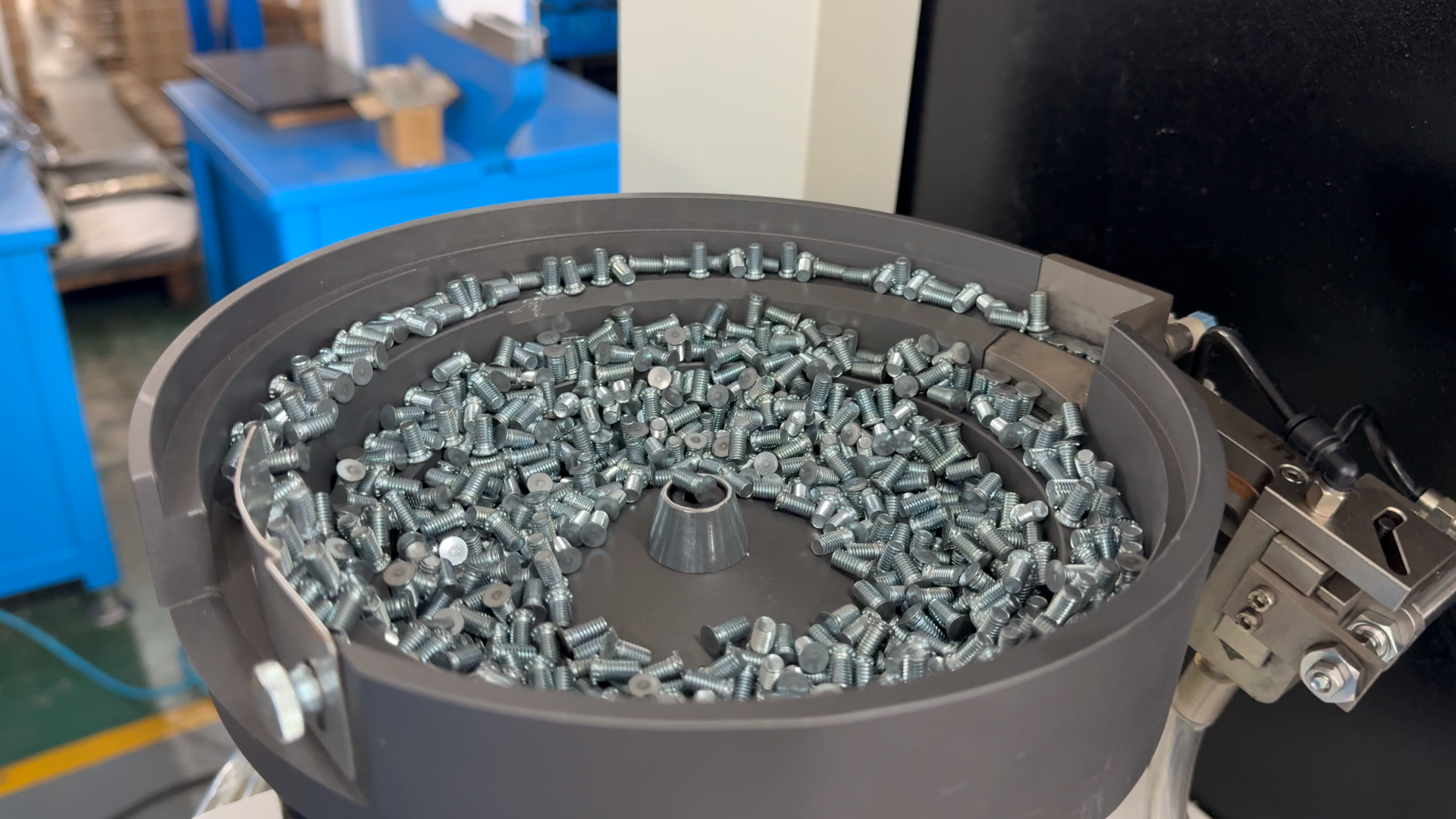
Manufacturing efficiency depends heavily on selecting the right equipment for your production line. An automatic riveting machine represents a critical investment that can significantly impact your operational productivity, product quality, and overall manufacturing costs. With numerous models available in the market, understanding the key factors that influence your selection becomes essential for making an informed decision that aligns with your specific production requirements.
The selection process requires careful evaluation of multiple technical specifications, operational parameters, and compatibility factors. Modern automatic riveting machines offer advanced features including programmable controls, force monitoring systems, and integrated quality assurance mechanisms. These sophisticated capabilities enable manufacturers to achieve consistent results while reducing manual labor requirements and minimizing production errors.
Understanding Automatic Riveting Machine Fundamentals
Core Operating Principles
An automatic riveting machine operates through controlled force application to deform rivet materials and create permanent mechanical joints. The machine utilizes hydraulic, pneumatic, or servo-electric systems to generate precise riveting forces that ensure consistent joint quality. Understanding these operating principles helps manufacturers evaluate which technology best suits their specific application requirements and production environment.
The riveting process involves positioning the workpiece, inserting the rivet, and applying controlled force to create the desired joint configuration. Advanced automatic riveting machines incorporate feedback systems that monitor force, displacement, and time parameters throughout the riveting cycle. This real-time monitoring capability ensures each rivet meets predetermined quality standards while providing valuable process data for continuous improvement initiatives.
Machine Configuration Types
Automatic riveting machines are available in various configurations including bench-mounted, floor-standing, and integrated production line models. Bench-mounted units offer flexibility for smaller production volumes and diverse part geometries, while floor-standing models provide enhanced stability and higher force capabilities for demanding applications. Integrated line systems enable seamless workflow integration with existing manufacturing processes.
Each configuration type offers distinct advantages depending on production volume, part size, and operational flexibility requirements. The choice between manual loading, semi-automatic feeding, or fully automated part handling systems significantly impacts overall equipment effectiveness and labor requirements. Manufacturers must carefully assess their current and future production needs when selecting the appropriate machine configuration.
Technical Specifications and Performance Parameters
Force Capacity Requirements
Riveting force requirements vary significantly based on rivet material, size, and joint application. An automatic riveting machine must provide sufficient force to properly deform the rivet while avoiding damage to surrounding materials or components. Typical force ranges span from several hundred newtons for small electronic components to tens of thousands of newtons for heavy-duty industrial applications.
Force capacity selection should consider not only current production requirements but also future expansion possibilities and material variations. Inadequate force capacity results in incomplete rivet formation and compromised joint strength, while excessive force can damage components or create unnecessary wear on machine components. Proper force calibration ensures optimal joint quality and extends equipment service life.
Precision and Repeatability Standards
Manufacturing quality demands require automatic riveting machines to maintain consistent performance across thousands of riveting cycles. Position accuracy, force repeatability, and cycle time consistency directly impact product quality and production efficiency. Modern machines typically achieve position accuracies within micrometers and force repeatability better than one percent of full scale.
Precision requirements must align with component tolerances and assembly specifications. Applications involving critical safety components or high-precision assemblies demand superior accuracy and repeatability compared to general manufacturing applications. The automatic riveting machine selection process should include detailed evaluation of precision specifications against actual application requirements.
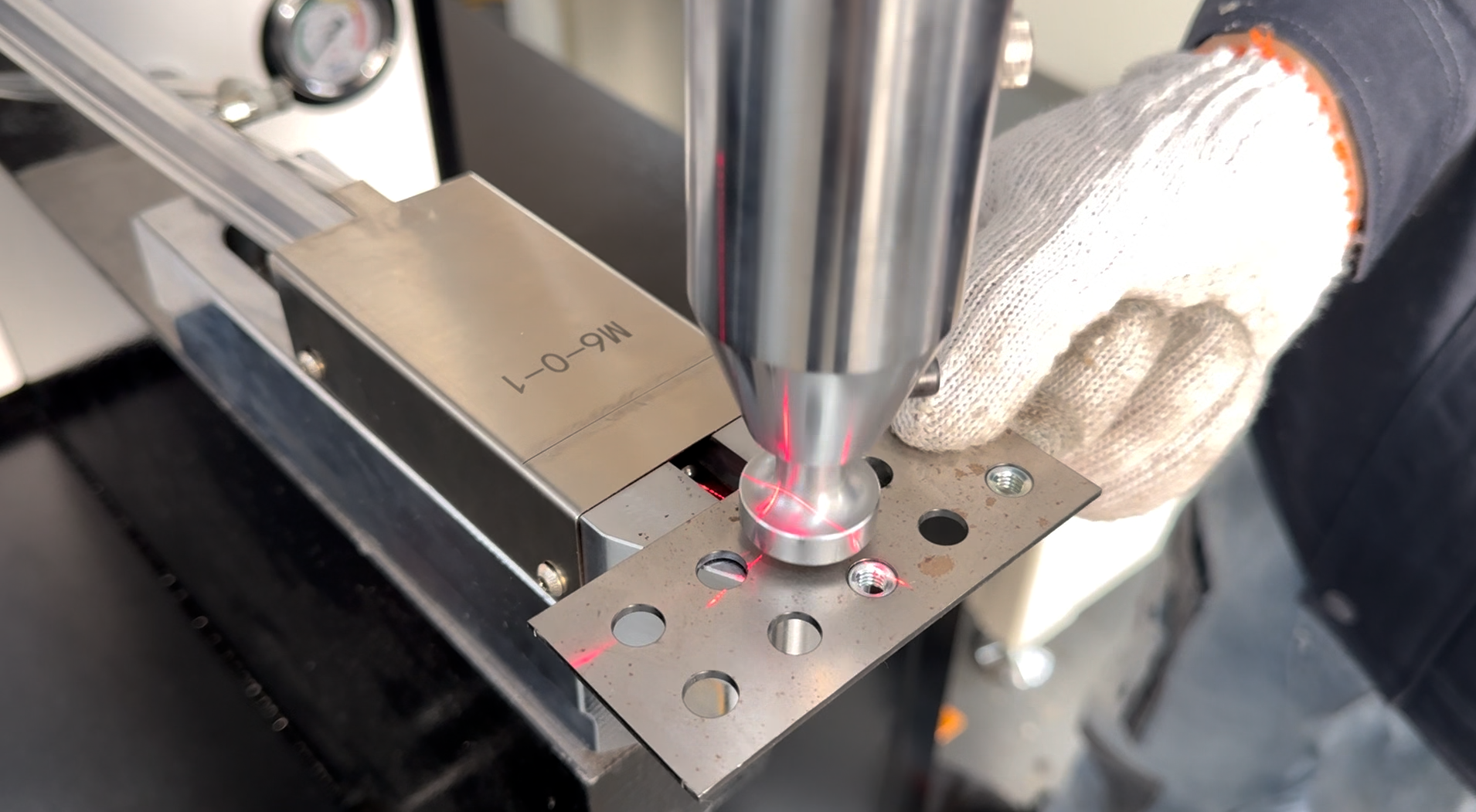
Production Volume and Cycle Time Considerations
Throughput Analysis
Production volume requirements significantly influence automatic riveting machine selection and configuration. High-volume applications benefit from machines with rapid cycle times, automated part handling, and minimal setup requirements between different part types. Low to medium volume production may prioritize flexibility and quick changeover capabilities over maximum speed.
Cycle time analysis should consider the complete riveting operation including part loading, positioning, riveting, and unloading phases. An automatic riveting machine with optimized workflow design can significantly reduce overall cycle times through parallel operations and streamlined part handling. Manufacturers must balance speed requirements against quality standards and equipment investment costs.
Flexibility and Changeover Requirements
Modern manufacturing environments often require processing multiple part types with varying rivet specifications and joint configurations. An automatic riveting machine designed for flexibility enables rapid changeovers between different production runs while maintaining consistent quality standards. Programmable control systems and modular tooling arrangements facilitate efficient transitions between part types.
Changeover time directly impacts production efficiency and equipment utilization rates. Quick-change tooling systems, stored program parameters, and automated setup procedures minimize downtime during product transitions. The ability to handle diverse part geometries and rivet types within a single machine platform provides valuable operational flexibility for dynamic production environments.
Integration and Compatibility Factors
Production Line Integration
Successful implementation of an automatic riveting machine requires careful consideration of existing production line infrastructure and workflow patterns. Integration capabilities include conveyor systems, robotic handling, quality inspection stations, and data communication networks. Seamless integration minimizes disruption to existing operations while maximizing the benefits of automated riveting processes.
Communication protocols and control system compatibility ensure proper coordination with upstream and downstream processes. Modern automatic riveting machines support various industrial communication standards enabling real-time data exchange and coordinated operation with other manufacturing equipment. This connectivity facilitates comprehensive production monitoring and optimization initiatives.
Tooling and Fixture Compatibility
Tooling systems play a crucial role in automatic riveting machine performance and versatility. Standardized tooling interfaces enable efficient changeovers and reduce inventory requirements for spare tooling components. Custom fixture designs may be necessary for complex part geometries or specialized riveting applications.
Tool life and maintenance requirements impact overall operating costs and production efficiency. High-quality tooling materials and precision manufacturing extend service life while maintaining consistent performance. An automatic riveting machine with robust tooling systems reduces maintenance downtime and ensures reliable long-term operation.
Quality Control and Monitoring Capabilities
Real-Time Process Monitoring
Advanced automatic riveting machines incorporate sophisticated monitoring systems that track critical process parameters throughout each riveting cycle. Force curves, displacement profiles, and timing data provide comprehensive insight into joint formation quality and process stability. Real-time monitoring enables immediate detection of process variations and automatic adjustments to maintain quality standards.
Data logging capabilities facilitate statistical process control and continuous improvement initiatives. Historical process data enables identification of trends, optimization opportunities, and predictive maintenance requirements. An automatic riveting machine with comprehensive monitoring capabilities supports quality management systems and regulatory compliance requirements.
Quality Assurance Integration
Integrated quality assurance features eliminate the need for separate inspection operations and reduce overall production costs. Vision systems, force monitoring, and dimensional checking capabilities provide immediate feedback on joint quality and component positioning. Automated quality assessment ensures consistent standards while reducing labor requirements and inspection cycle times.
Quality data integration with manufacturing execution systems enables comprehensive traceability and quality reporting. This integration capability supports regulatory requirements and customer quality expectations while providing valuable feedback for process optimization. Modern automatic riveting machines offer flexible quality monitoring configurations to match specific application requirements.
Cost Analysis and Return on Investment
Total Cost of Ownership Evaluation
Equipment selection decisions must consider total cost of ownership including initial purchase price, installation costs, training requirements, and ongoing operational expenses. An automatic riveting machine represents a significant capital investment that should be evaluated against expected productivity improvements and quality benefits. Long-term cost analysis provides a more accurate assessment of equipment value than initial purchase price alone.
Maintenance costs, energy consumption, and spare parts availability significantly impact total ownership costs over the equipment lifecycle. Reliable suppliers with comprehensive support networks reduce operational risks and ensure consistent parts availability. Preventive maintenance programs and operator training investments contribute to optimal equipment performance and extended service life.
Productivity and Efficiency Gains
Automation benefits include reduced labor costs, improved consistency, and enhanced production capacity. An automatic riveting machine typically offers substantial productivity improvements compared to manual riveting processes while maintaining superior quality standards. Quantifying these benefits enables accurate return on investment calculations and justification for equipment purchases.
Efficiency gains extend beyond direct labor savings to include reduced rework, improved quality consistency, and enhanced production scheduling flexibility. These indirect benefits often provide significant value that may not be immediately apparent in simple cost comparisons. Comprehensive benefit analysis ensures accurate evaluation of automation investment opportunities.
Supplier Selection and Support Considerations
Technical Support and Service
Equipment supplier capabilities significantly impact long-term success with an automatic riveting machine installation. Comprehensive technical support including installation assistance, operator training, and ongoing maintenance support ensures optimal equipment performance throughout its operational lifecycle. Local service availability reduces response times and minimizes production disruptions during equipment issues.
Training programs and documentation quality directly affect operator competency and equipment utilization rates. Effective training ensures operators understand proper operating procedures, safety requirements, and basic troubleshooting techniques. Well-trained operators contribute to consistent equipment performance and reduced maintenance requirements.
Warranty and Long-Term Support
Warranty terms and long-term support commitments provide important protection for equipment investments. Comprehensive warranty coverage should include both parts and labor while addressing potential performance issues during the warranty period. Long-term parts availability and service support ensure continued equipment operation beyond the initial warranty period.
Supplier financial stability and market presence affect long-term support capabilities. Established suppliers with strong market positions typically provide more reliable long-term support compared to smaller or newer companies. This reliability consideration becomes increasingly important for critical production equipment that requires consistent support over many years of operation.
FAQ
What factors determine the required force capacity for an automatic riveting machine?
Force capacity requirements depend primarily on rivet material, diameter, and joint application. Aluminum rivets typically require less force than steel rivets of equivalent size, while larger diameter rivets demand proportionally higher forces. Joint thickness and material hardness also influence force requirements, with harder materials and thicker assemblies requiring increased riveting forces for proper joint formation.
How important is precision and repeatability in automatic riveting applications?
Precision and repeatability are critical factors that directly impact product quality and manufacturing efficiency. High-precision applications such as aerospace or medical device manufacturing require extremely tight tolerances and consistent performance across thousands of riveting cycles. Even general manufacturing applications benefit from improved precision through reduced rework, enhanced quality consistency, and better overall product reliability.
What integration capabilities should be considered when selecting an automatic riveting machine?
Integration capabilities should include compatibility with existing conveyor systems, robotic handling equipment, and quality inspection stations. Communication protocols for data exchange with manufacturing execution systems enable comprehensive production monitoring and traceability. Consider both current integration requirements and future expansion possibilities when evaluating machine capabilities and interface options.
How do I calculate the return on investment for an automatic riveting machine?
ROI calculations should include direct labor savings, productivity improvements, quality enhancements, and reduced rework costs. Factor in the total cost of ownership including purchase price, installation, training, and ongoing maintenance expenses. Consider both quantifiable benefits such as cycle time reduction and indirect benefits including improved scheduling flexibility and enhanced product consistency when developing comprehensive ROI projections.
Table of Contents
- Understanding Automatic Riveting Machine Fundamentals
- Technical Specifications and Performance Parameters
- Production Volume and Cycle Time Considerations
- Integration and Compatibility Factors
- Quality Control and Monitoring Capabilities
- Cost Analysis and Return on Investment
- Supplier Selection and Support Considerations
-
FAQ
- What factors determine the required force capacity for an automatic riveting machine?
- How important is precision and repeatability in automatic riveting applications?
- What integration capabilities should be considered when selecting an automatic riveting machine?
- How do I calculate the return on investment for an automatic riveting machine?