 EN
EN

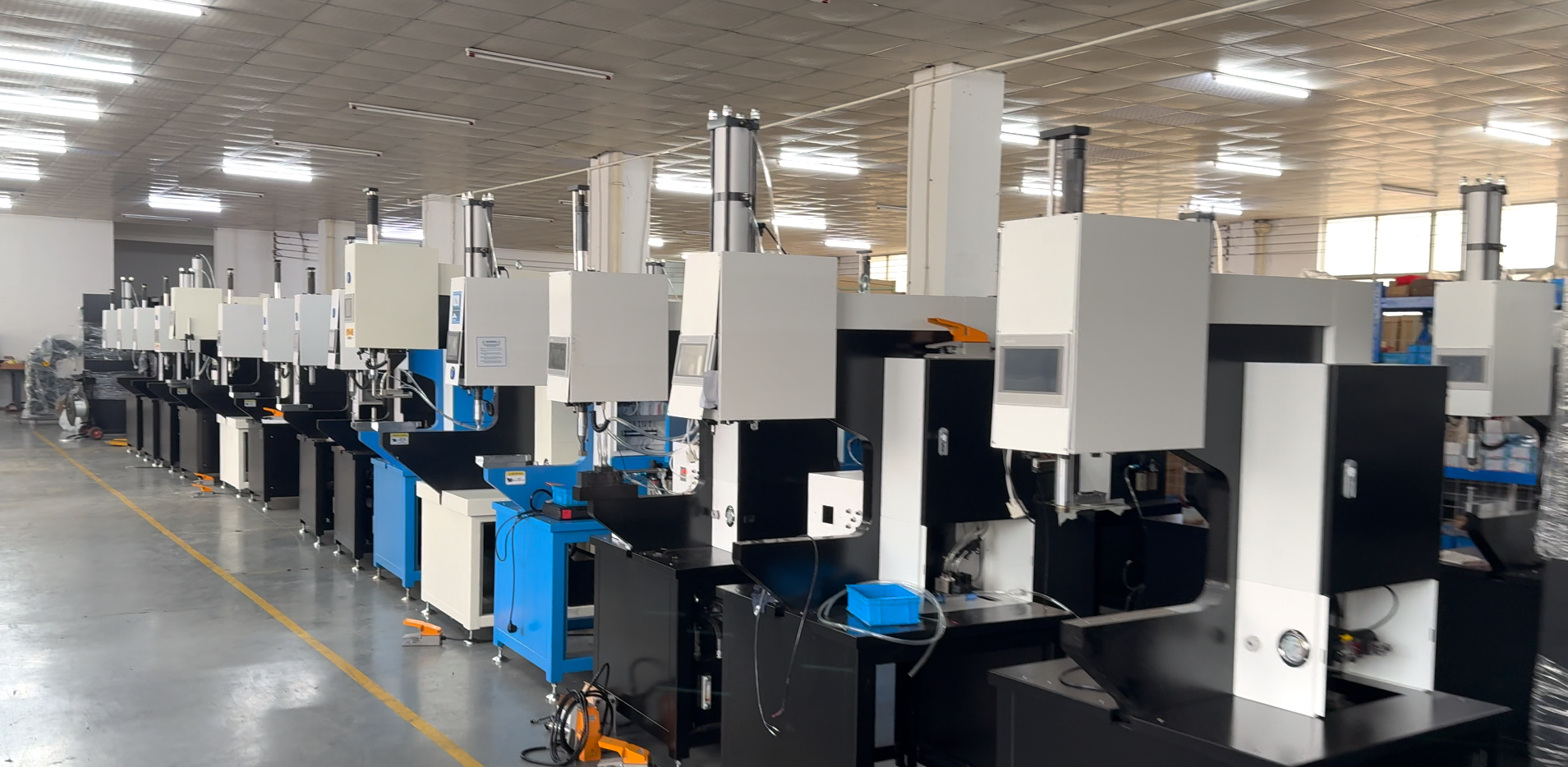
Modern manufacturing demands precision, speed, and reliability in every assembly process. Automatic riveting machines have emerged as essential tools across numerous industries, revolutionizing how manufacturers approach fastening operations. These sophisticated systems deliver consistent quality while reducing labor costs and increasing production throughput. The versatility of automatic riveting machines makes them valuable assets for companies seeking to optimize their manufacturing processes and maintain competitive advantages in today's fast-paced industrial landscape.
Aerospace and Aviation Industry Applications
Aircraft Fuselage Assembly
The aerospace industry represents one of the most demanding applications for automatic riveting machines due to stringent safety requirements and precision standards. Aircraft fuselage construction requires thousands of rivets to be installed with exact specifications, making manual riveting both time-consuming and prone to human error. Automatic riveting machines ensure consistent rivet installation across large aircraft panels, maintaining the structural integrity essential for flight safety. These systems can handle various rivet sizes and materials, from aluminum to titanium, adapting to different aircraft designs and manufacturer specifications.
Major aircraft manufacturers rely on automatic riveting machines to maintain production schedules while meeting regulatory compliance standards. The machines provide precise force control and positioning accuracy, crucial factors when working with lightweight yet strong aerospace materials. Advanced automatic riveting machines can integrate with computer-aided manufacturing systems, enabling seamless coordination between design specifications and production execution. This integration reduces waste, minimizes rework, and ensures traceability throughout the assembly process.
Wing and Control Surface Manufacturing
Wing assembly presents unique challenges due to complex geometries and varying material thicknesses. Automatic riveting machines excel in these applications by providing programmable positioning and force control systems that adapt to different wing sections. The machines can handle curved surfaces and tight spaces that would challenge manual riveting operations, ensuring consistent quality across the entire wing structure. Modern systems incorporate vision systems and sensor feedback to verify proper rivet installation and detect potential defects in real-time.
Control surface manufacturing benefits significantly from the repeatability offered by automatic riveting machines. Elevators, rudders, and ailerons require precise weight distribution and structural consistency to ensure proper flight characteristics. Automated systems eliminate variables associated with manual operations, producing components that meet strict aerodynamic and safety requirements while reducing production time and labor costs.
Automotive Manufacturing Excellence
Body Panel Assembly
Automotive manufacturers have embraced automatic riveting machines for body panel assembly, where consistent quality and high-volume production are paramount. Modern vehicles incorporate various materials including aluminum, steel, and composite panels that require different riveting approaches. Automatic riveting machines provide the flexibility to handle these diverse materials while maintaining the precision necessary for proper panel alignment and structural integrity. The automotive industry's demanding production schedules make automation essential for meeting delivery targets and quality standards.
Integration with robotic systems allows automatic riveting machines to work seamlessly within automotive assembly lines. These systems can be programmed to follow complex assembly sequences, ensuring proper installation order and preventing interference with other manufacturing processes. The ability to store and recall different programs makes it possible to handle multiple vehicle models on the same production line, maximizing equipment utilization and reducing changeover times.
Chassis and Suspension Components
Chassis assembly requires robust fastening solutions capable of withstanding dynamic loads and harsh operating conditions. Automatic riveting machines provide the consistent force application necessary to create reliable joints in chassis components, from cross members to suspension mounting points. The machines can handle heavy-duty rivets and high-strength materials commonly used in chassis construction, ensuring long-term durability and safety performance. Quality control systems integrated with automatic riveting machines monitor installation parameters and flag any deviations from specifications.
Suspension component manufacturing benefits from the precision offered by automatic riveting machines, particularly in applications requiring specific joint characteristics. Bushing assemblies, control arms, and stabilizer bars all rely on precise rivet installation to achieve desired performance characteristics. Automated systems eliminate variability in installation force and positioning, resulting in consistent component performance and improved vehicle handling characteristics.
Electronics and Technology Sector
Consumer Electronics Assembly
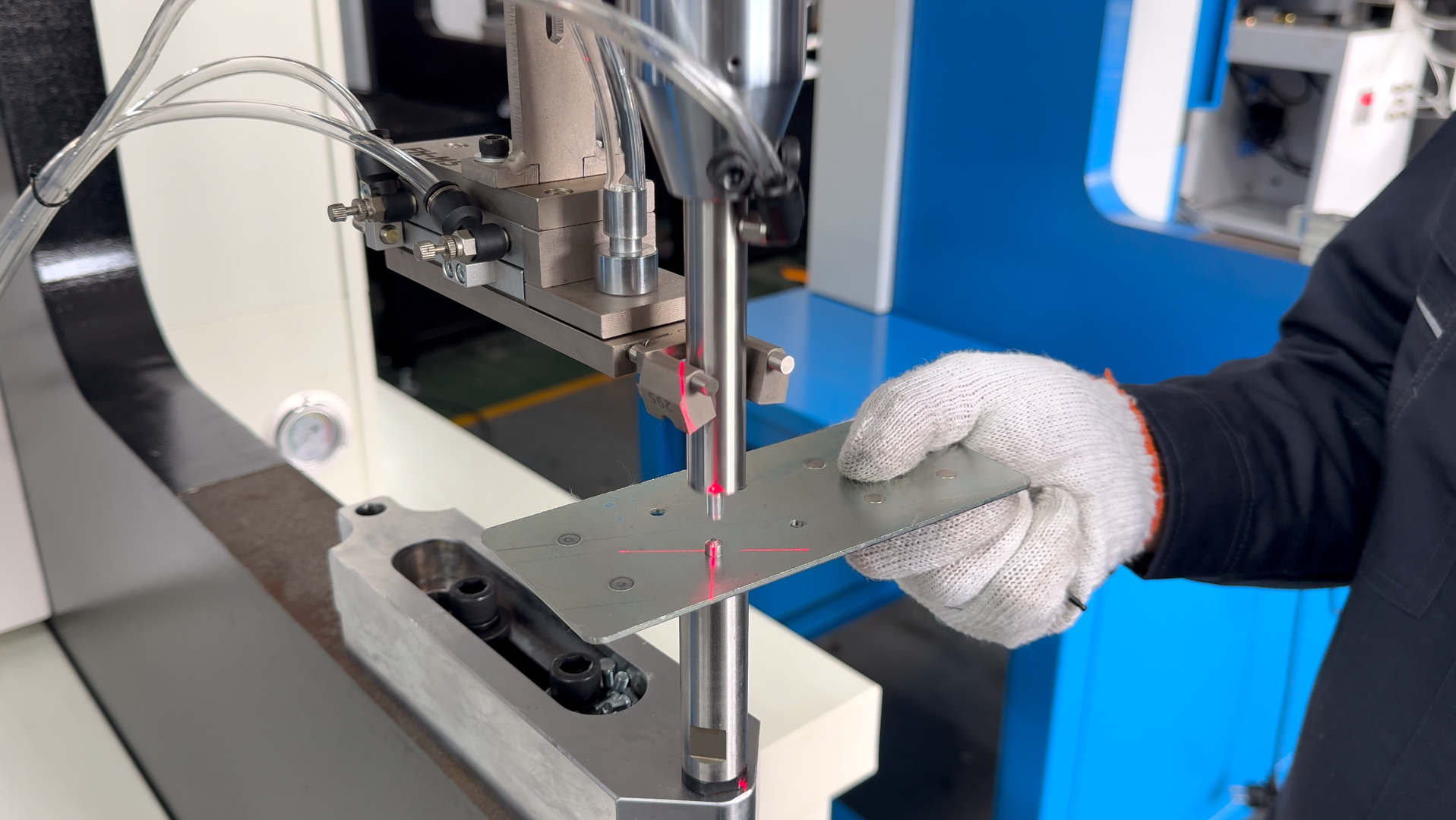
The electronics industry presents unique challenges for fastening operations due to miniaturization trends and sensitive component handling requirements. Automatic riveting machines designed for electronics applications feature precise force control and positioning systems capable of working with micro-rivets and delicate materials. These machines ensure reliable connections while preventing damage to sensitive electronic components and circuit boards. The clean, controlled environment provided by automated systems reduces contamination risks that could affect electronic device performance and reliability.
Modern electronic devices often incorporate multiple materials and complex geometries that benefit from automated riveting solutions. Smartphone housings, tablet assemblies, and laptop frames require consistent fastening quality while maintaining aesthetic appeal. Automatic riveting machines can be programmed to accommodate different product designs and material combinations, enabling manufacturers to maintain quality standards across diverse product lines while adapting to rapid design changes common in the electronics industry.
Industrial Electronics and Control Systems
Industrial electronics applications demand robust fastening solutions capable of withstanding harsh environmental conditions and mechanical stress. Control panels, motor housings, and power distribution systems rely on secure riveted connections to maintain operational reliability. Automatic riveting machines provide the consistent installation quality necessary for these critical applications, ensuring proper electrical continuity and mechanical strength. The machines can handle various rivet materials and sizes commonly used in industrial electronics, from standard aluminum rivets to specialized conductive fasteners.
Automated riveting systems contribute to improved quality control in industrial electronics manufacturing by providing repeatable installation parameters and comprehensive monitoring capabilities. These systems can integrate with manufacturing execution systems to maintain detailed records of each riveting operation, supporting traceability requirements and quality certifications common in industrial applications. The ability to verify proper installation through integrated sensors and feedback systems reduces the risk of field failures and warranty claims.
Marine and Shipbuilding Applications
Hull Construction and Assembly
Shipbuilding represents one of the most demanding applications for automatic riveting machines due to the scale and complexity of marine vessel construction. Hull assembly requires thousands of rivets installed in challenging positions and environments, making automation essential for maintaining production schedules and quality standards. Modern automatic riveting machines can handle the large-diameter rivets and thick steel plates common in shipbuilding while providing the precision necessary for watertight construction. These systems adapt to the curved surfaces and complex geometries inherent in ship hull design, ensuring proper fit and structural integrity.
The marine environment demands exceptional durability from riveted connections, making consistent installation quality crucial for vessel safety and longevity. Automatic riveting machines eliminate variables associated with manual operations, ensuring uniform rivet installation across the entire hull structure. Advanced systems incorporate torque monitoring and position feedback to verify proper installation and detect potential issues before they compromise vessel integrity. This level of quality control is essential for meeting maritime safety regulations and certification requirements.
Marine Component Manufacturing
Marine component manufacturing encompasses a wide range of products from propeller assemblies to deck fittings, each with specific fastening requirements. Automatic riveting machines provide the versatility needed to handle different component sizes and materials while maintaining the quality standards required for marine applications. The machines can accommodate various rivet types and installation configurations, from flush installations for hydrodynamic surfaces to structural connections for load-bearing components. Corrosion-resistant materials commonly used in marine applications require precise installation parameters that automatic riveting machines can provide consistently.
Integration with quality control systems allows automatic riveting machines to monitor and document each installation operation, supporting traceability requirements common in marine applications. These systems can detect installation anomalies and alert operators to potential issues, reducing the risk of component failures in marine environments. The ability to maintain detailed installation records supports warranty claims and helps identify potential improvements in design or manufacturing processes.
Construction and Infrastructure Industries
Structural Steel Assembly
The construction industry increasingly relies on automatic riveting machines for structural steel assembly, where consistent quality and efficient production are essential for project success. Bridge construction, building frameworks, and industrial structures require reliable riveted connections capable of withstanding dynamic loads and environmental stresses. Automatic riveting machines provide the consistent force application and positioning accuracy necessary for structural applications, ensuring proper load transfer and long-term durability. These systems can handle the large rivets and heavy steel sections common in construction applications while maintaining the precision required for proper fit and alignment.
Prefabrication facilities benefit significantly from automatic riveting machines by enabling controlled environment assembly of structural components. This approach improves quality control, reduces weather-related delays, and allows for more efficient use of skilled labor. Automated systems can be programmed to follow specific assembly sequences and installation patterns, ensuring consistent quality across multiple identical structures. The ability to maintain detailed installation records supports quality assurance programs and helps identify potential improvements in design or construction methods.
Heavy Machinery and Equipment Manufacturing
Heavy machinery manufacturing presents unique challenges due to the size, weight, and operating conditions of the finished products. Construction equipment, mining machinery, and agricultural implements require robust fastening solutions capable of withstanding extreme loads and harsh environments. Automatic riveting machines designed for heavy machinery applications feature enhanced power and precision capabilities, enabling them to handle large rivets and thick structural members while maintaining installation accuracy. These systems contribute to improved product reliability and reduced warranty claims by ensuring consistent fastening quality throughout the manufacturing process.
The integration of automatic riveting machines with material handling systems enables efficient assembly of large machinery components. Automated positioning systems can handle heavy parts while maintaining precise alignment for rivet installation, reducing worker fatigue and improving safety. Advanced monitoring systems track installation parameters and alert operators to potential issues, supporting quality control initiatives and preventive maintenance programs that extend equipment life and reduce operating costs.
FAQ
What factors should be considered when selecting automatic riveting machines for specific industries
Industry-specific requirements play a crucial role in selecting appropriate automatic riveting machines. Key factors include rivet size and material compatibility, production volume requirements, and environmental conditions. Industries like aerospace require machines with exceptional precision and traceability capabilities, while automotive applications prioritize speed and integration with existing production lines. Material handling requirements, workspace constraints, and quality control standards also influence machine selection decisions.
How do automatic riveting machines improve quality control compared to manual operations
Automatic riveting machines eliminate human variables that can affect installation quality, providing consistent force application and positioning accuracy for every rivet. Integrated monitoring systems track installation parameters in real-time, detecting deviations from specifications and alerting operators to potential issues. This level of control and monitoring is impossible to achieve with manual operations, resulting in improved product reliability and reduced warranty claims across all industries.
What maintenance requirements are typical for automatic riveting machines in industrial applications
Regular maintenance schedules for automatic riveting machines typically include lubrication of moving components, calibration of force and position sensors, and inspection of wear components such as riveting heads and positioning mechanisms. The frequency and complexity of maintenance depend on operating conditions and production volume, with high-volume applications requiring more frequent attention. Preventive maintenance programs help maximize equipment availability and extend machine life while maintaining installation quality.
Can automatic riveting machines handle different rivet types and materials within the same production run
Modern automatic riveting machines feature programmable controls and quick-change tooling systems that enable rapid switching between different rivet types and sizes. This flexibility allows manufacturers to handle diverse product requirements without significant downtime or setup changes. Advanced systems can store multiple program settings and automatically adjust parameters when switching between different rivet specifications, supporting lean manufacturing principles and reducing inventory requirements.