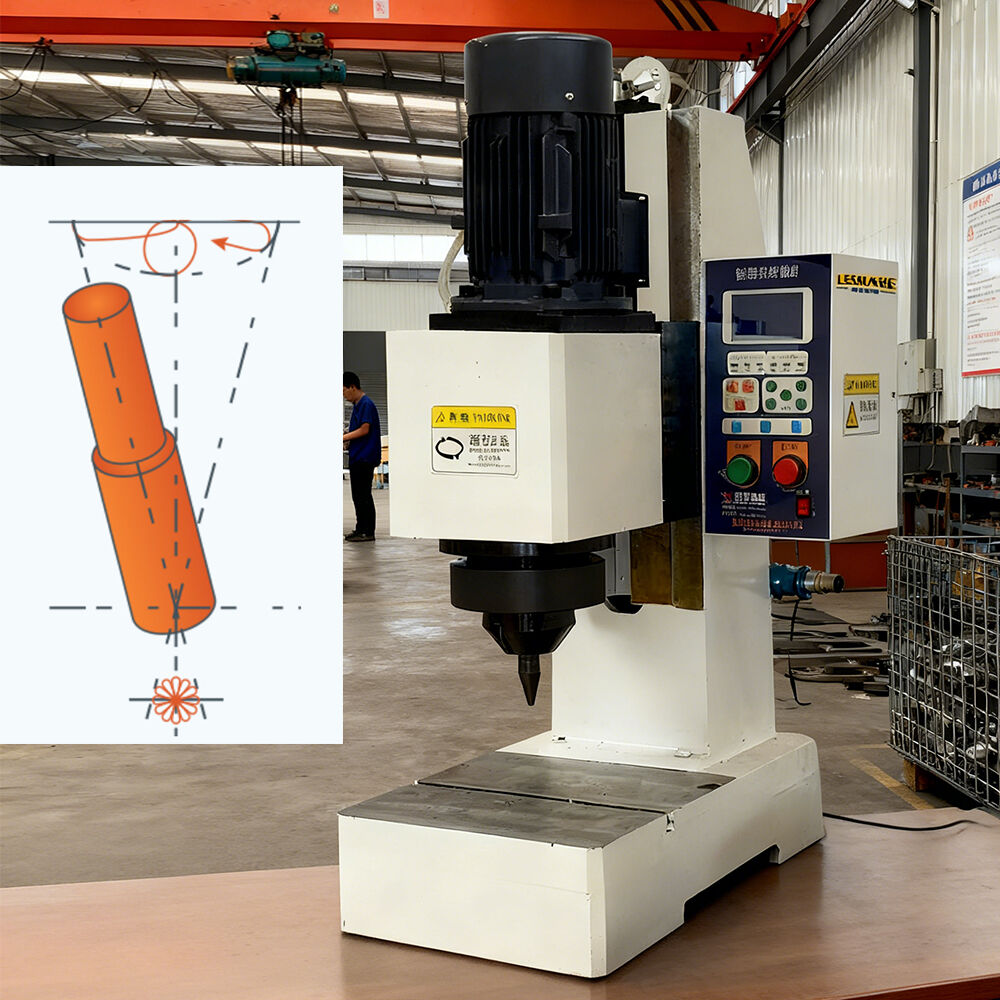
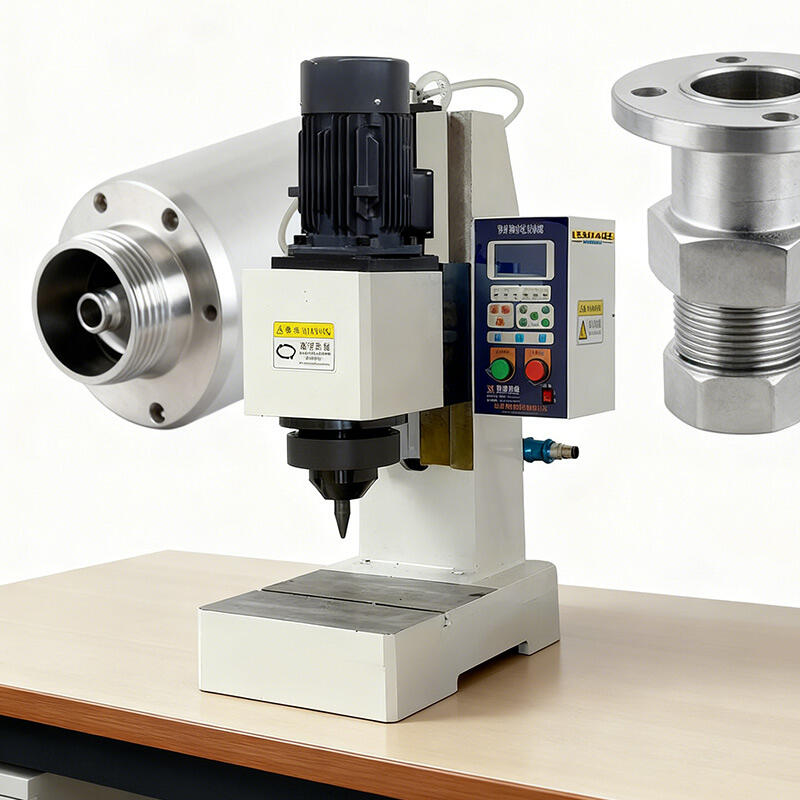
hardware riveting equipment
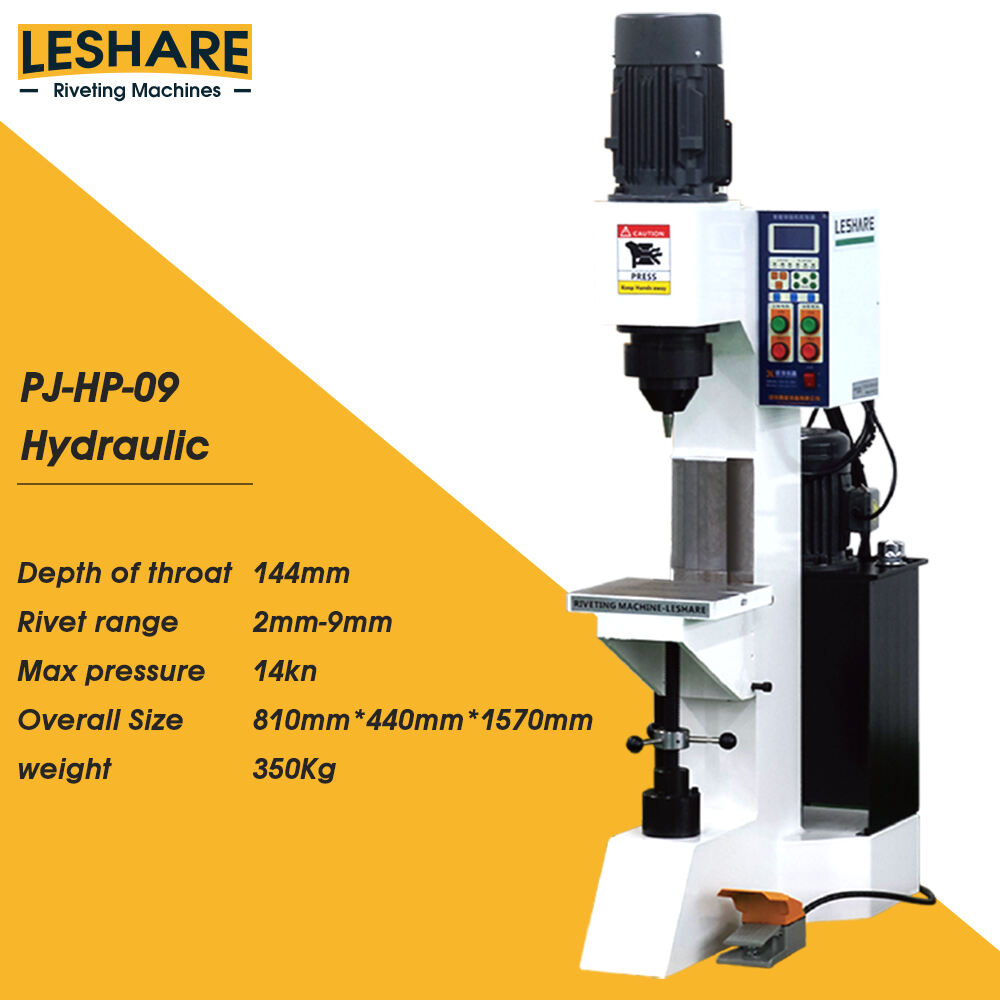
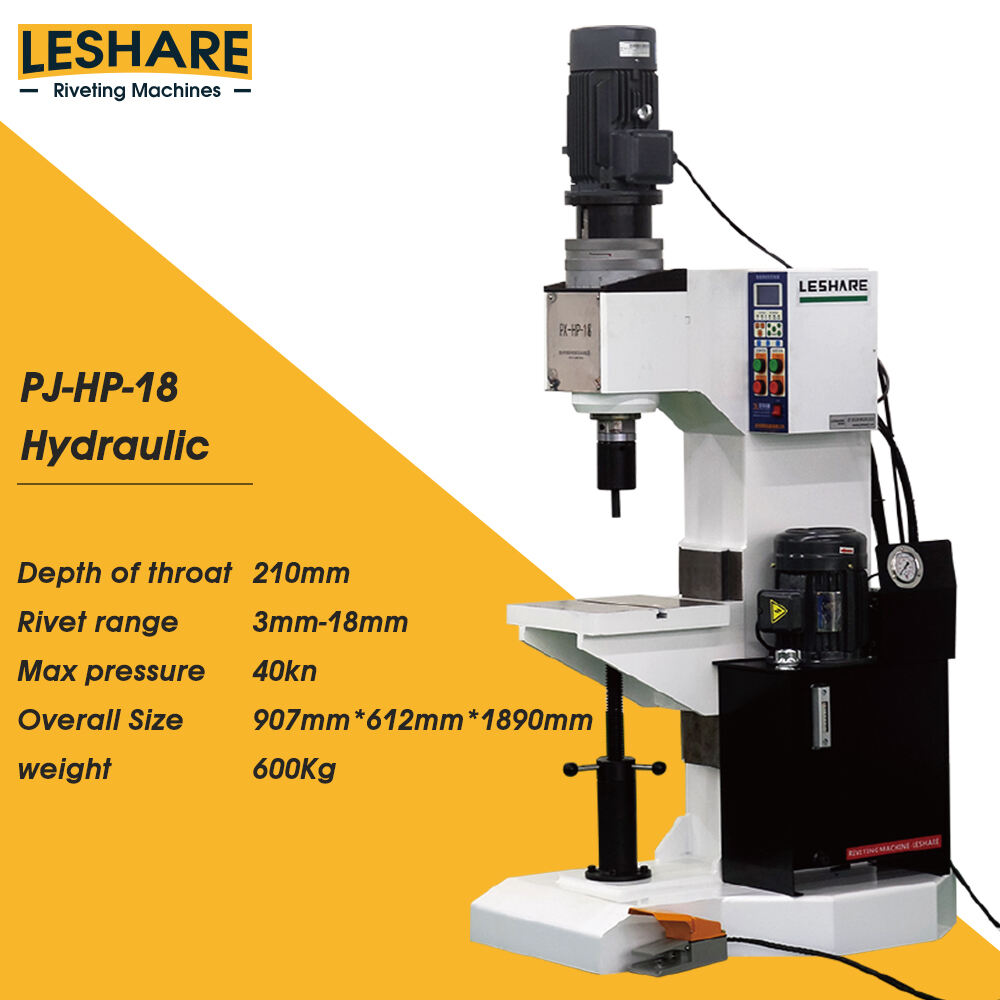
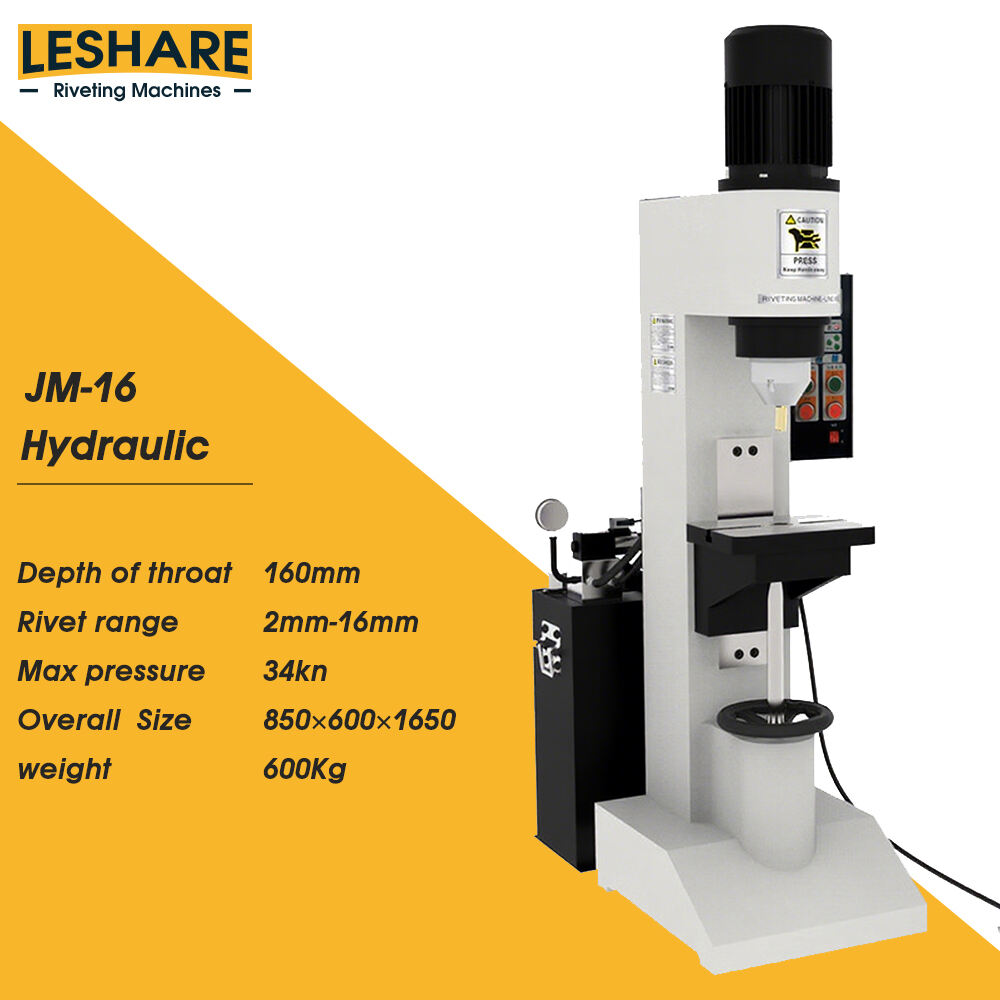
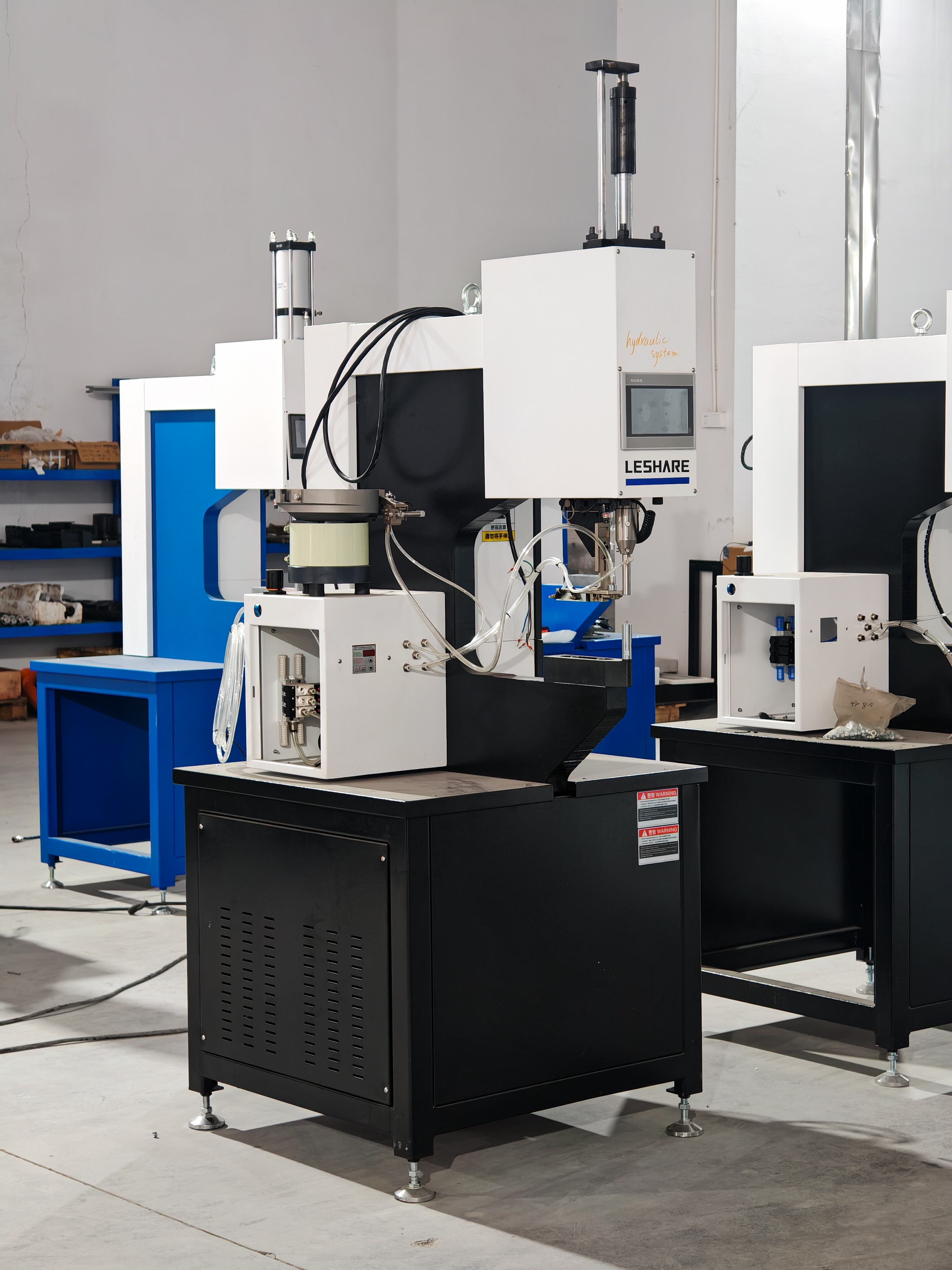
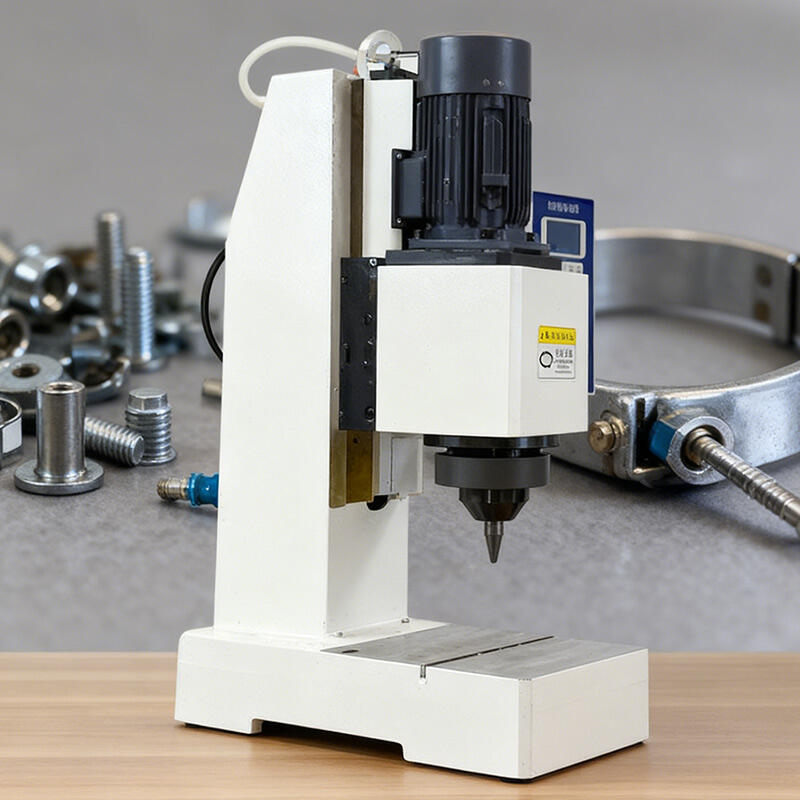
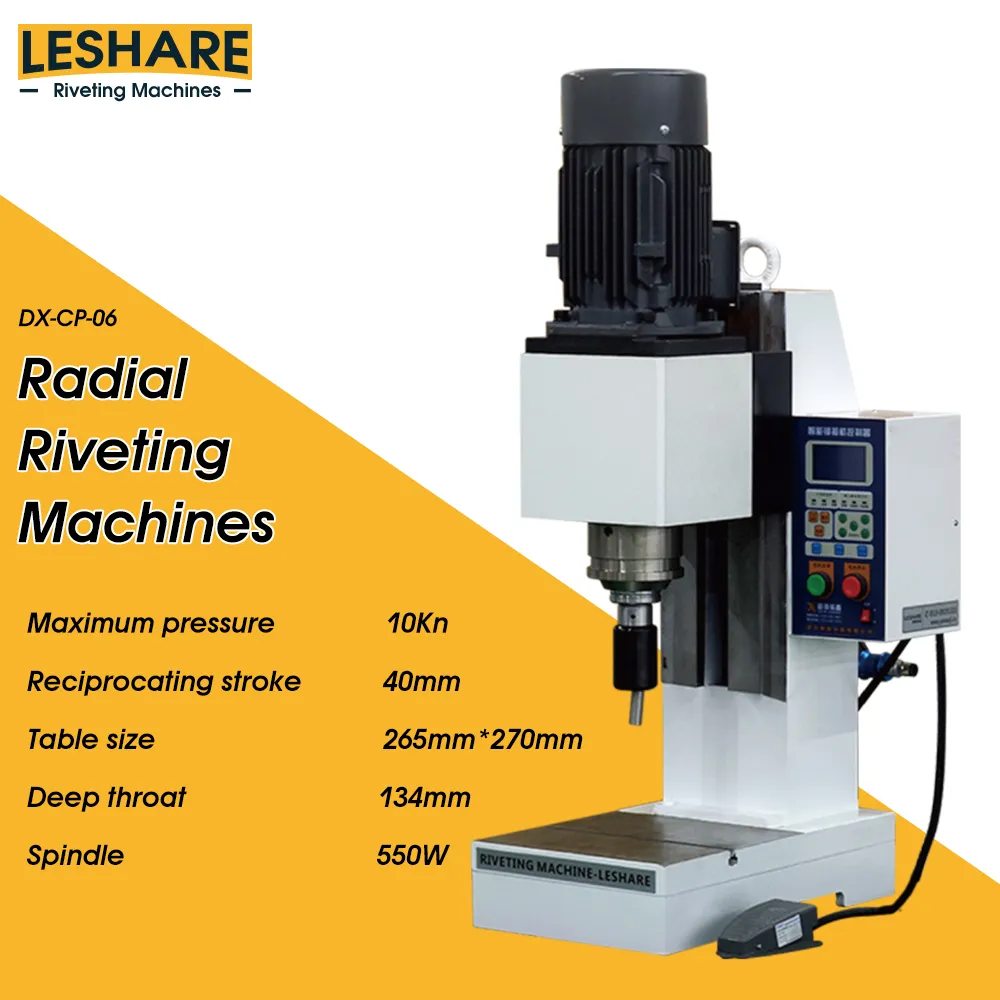
Hardware riveting equipment represents a cornerstone technology in modern manufacturing processes, designed to create permanent mechanical fastening between metal components through precision-controlled deformation techniques. This specialized machinery utilizes hydraulic, pneumatic, or electromagnetic force systems to compress and shape rivets, establishing robust connections that withstand extreme operational conditions across diverse industrial applications. The fundamental operation involves positioning pre-manufactured rivets through aligned holes in workpieces, then applying controlled pressure to expand the rivet shaft and form a secure head on the opposite side. Modern hardware riveting equipment incorporates sophisticated control systems that monitor force application, positioning accuracy, and cycle timing to ensure consistent joint quality. These machines feature adjustable pressure settings, variable stroke lengths, and interchangeable tooling configurations to accommodate different rivet sizes, materials, and joint geometries. Advanced models integrate digital displays, programmable logic controllers, and quality monitoring sensors that track performance metrics and detect potential defects in real-time. The equipment typically includes ergonomic operator interfaces, safety interlocking mechanisms, and automated feeding systems that enhance productivity while maintaining operator protection. Contemporary hardware riveting equipment supports various rivet types including solid, semi-tubular, blind, and specialty fasteners manufactured from steel, aluminum, copper, and advanced alloys. These systems deliver precise force control within tight tolerances, enabling manufacturers to achieve consistent joint strength and appearance across high-volume production runs. The modular design philosophy allows manufacturers to configure equipment according to specific application requirements, incorporating additional features such as automatic part positioning, multi-station processing, and integrated quality verification systems that streamline production workflows and reduce manual intervention requirements.
 EN
EN