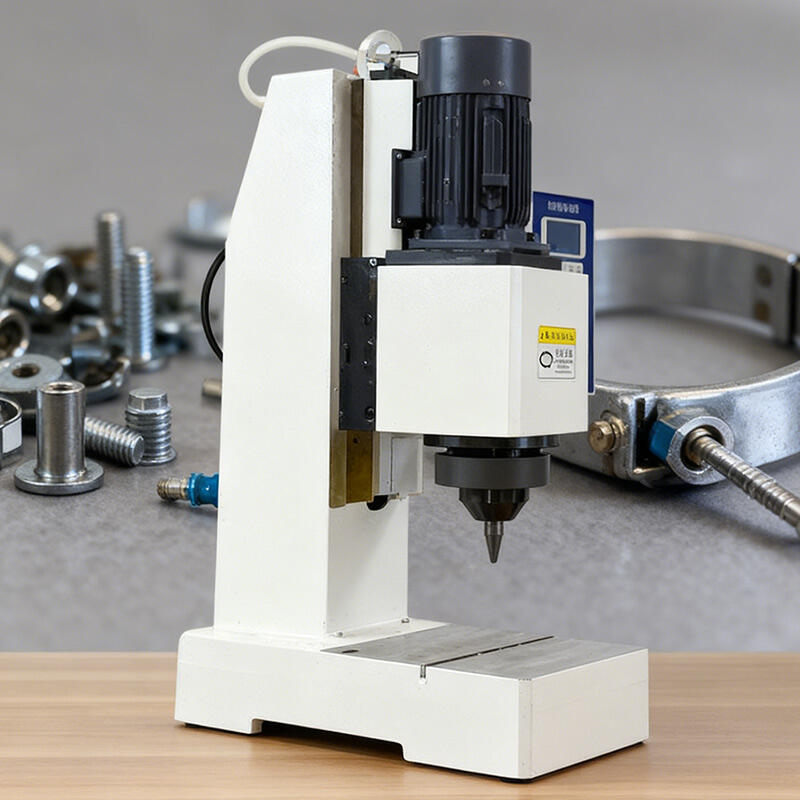
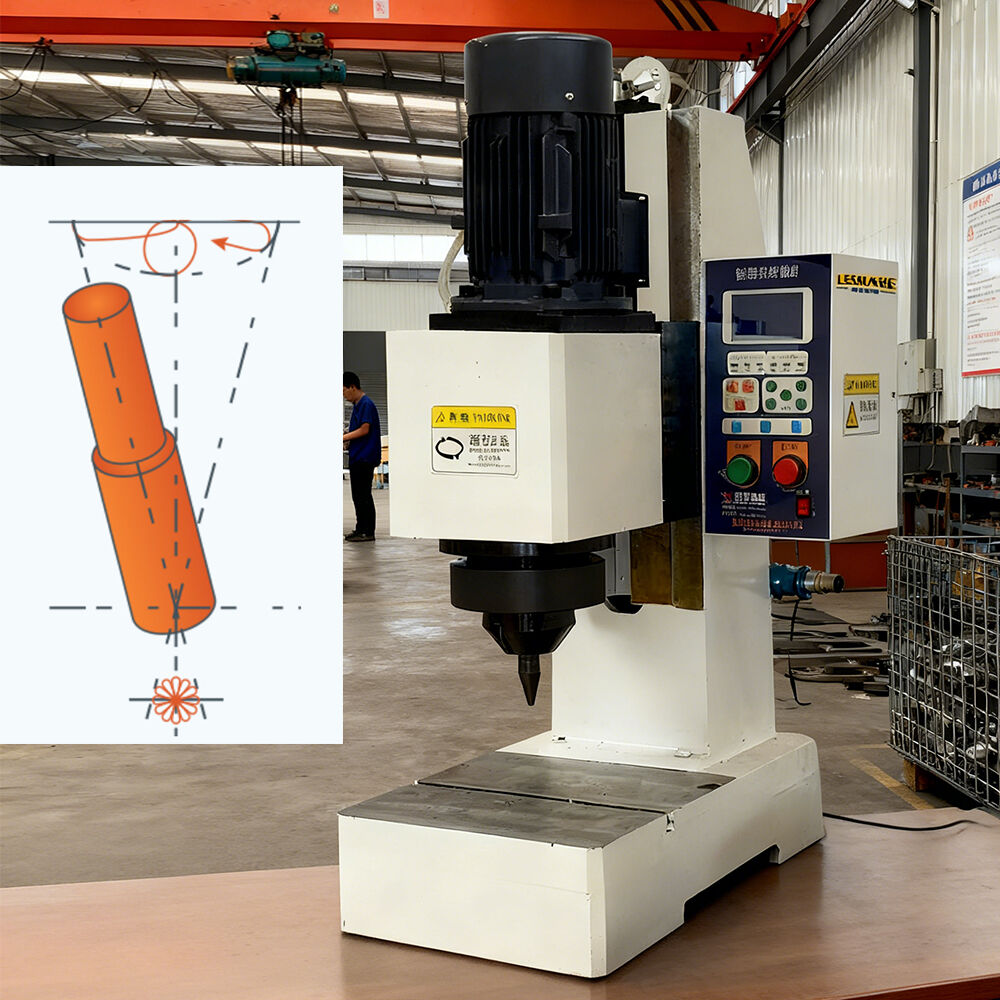
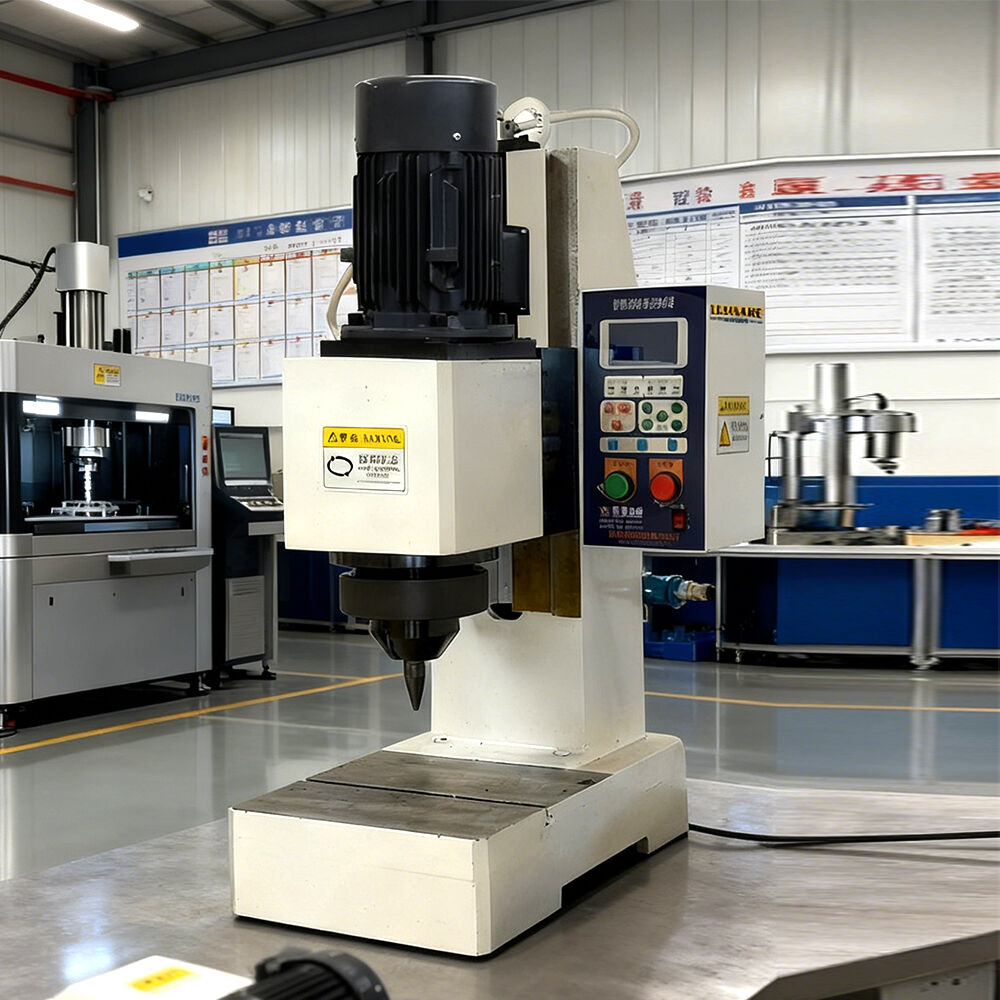
sheet metal riveting machine
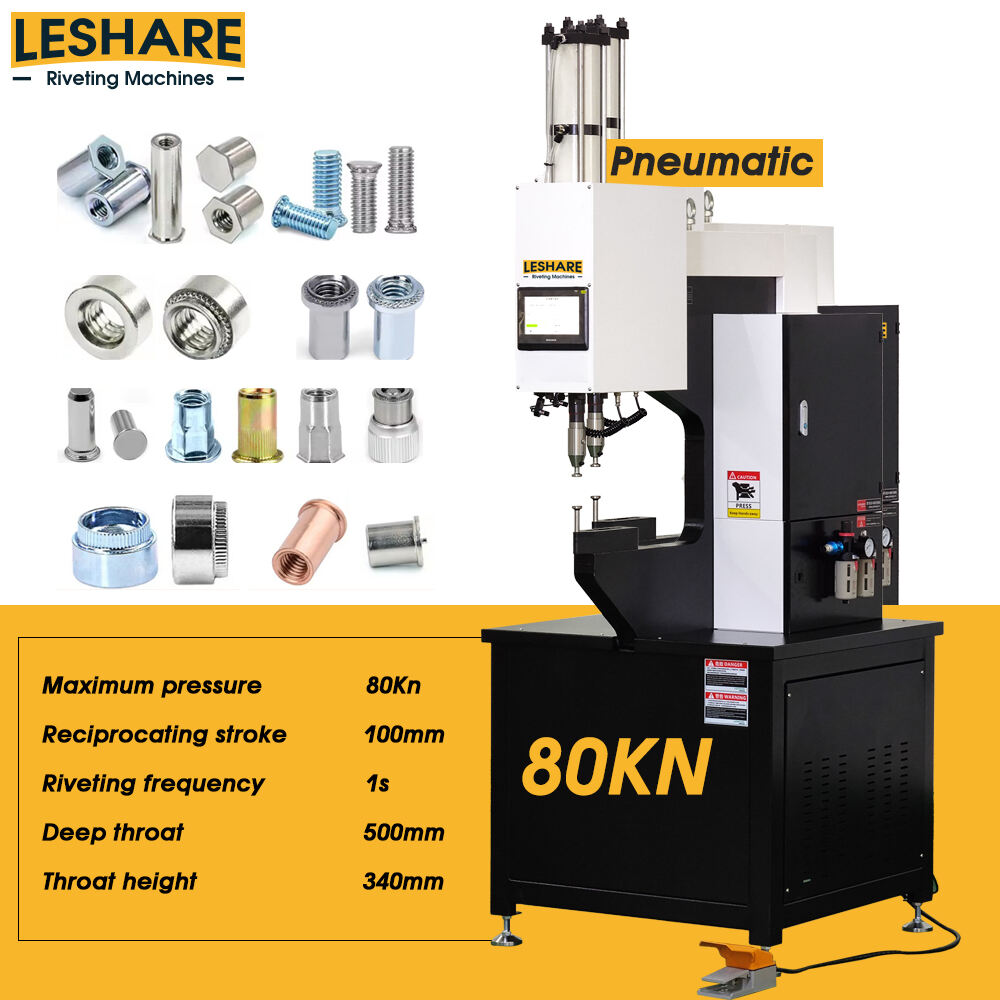
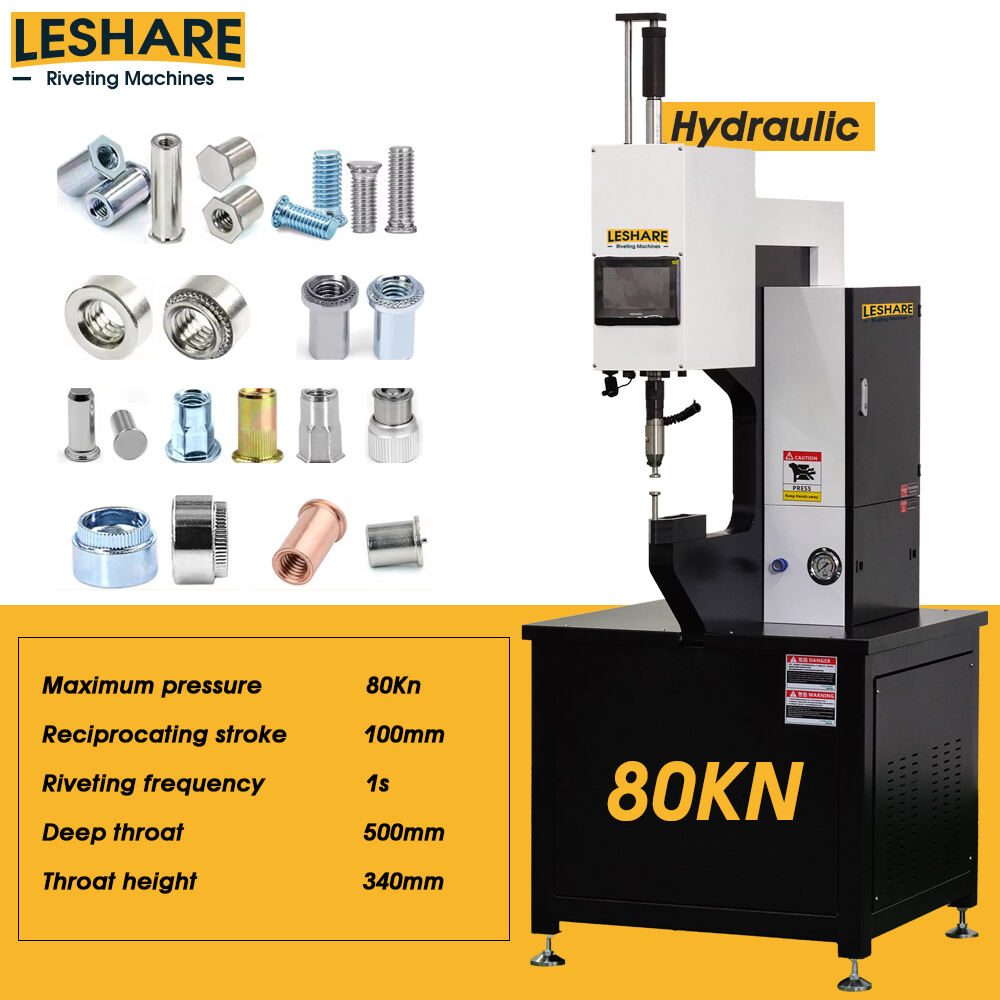
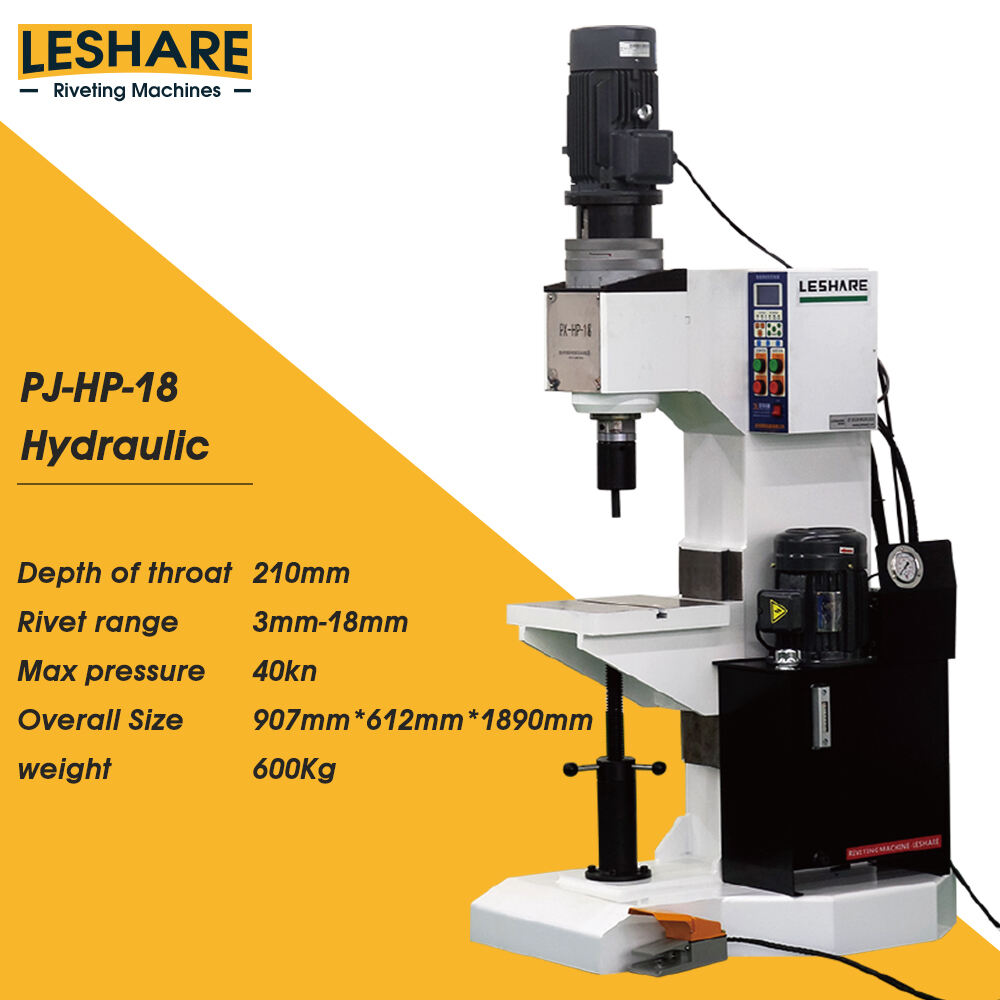
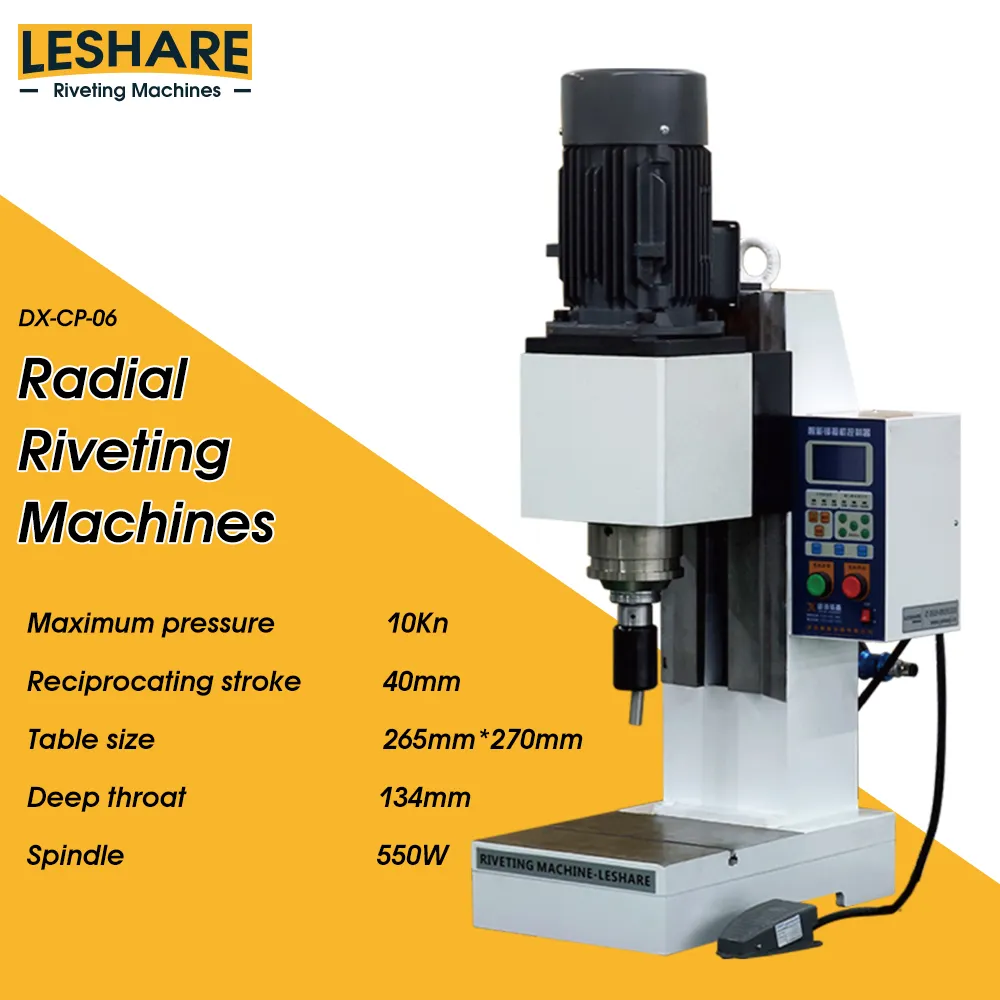
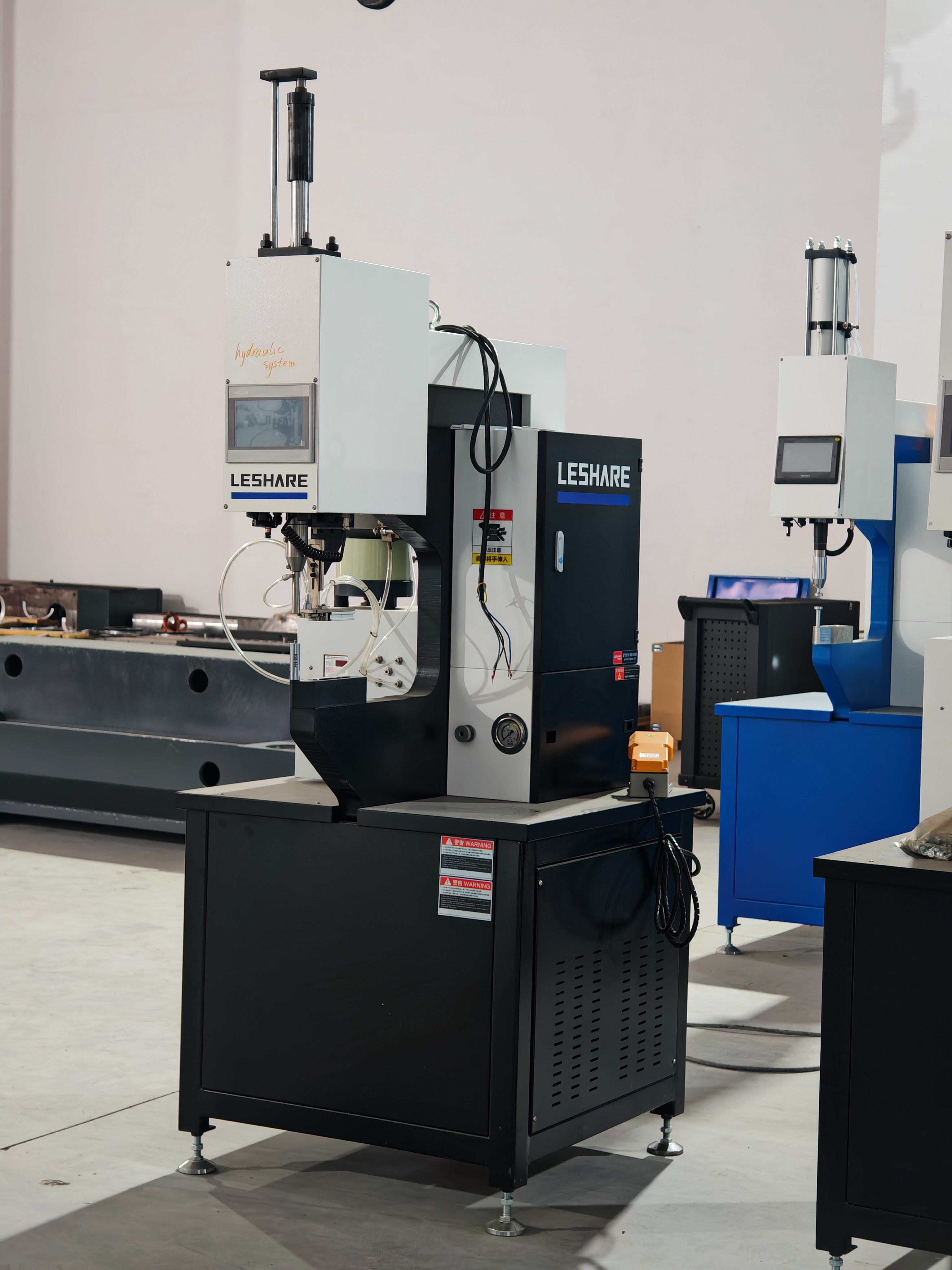
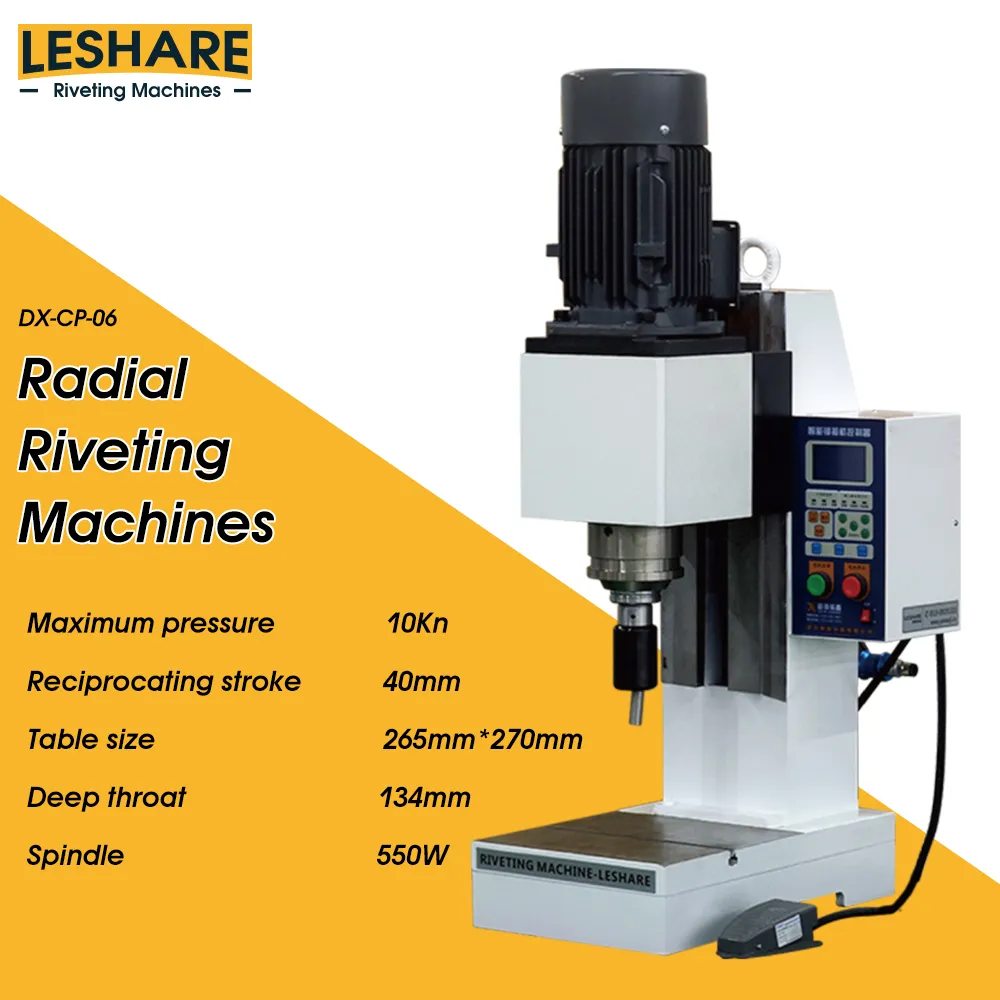
A sheet metal riveting machine represents a sophisticated piece of industrial equipment designed to create permanent mechanical fastening solutions in metal fabrication processes. This specialized machinery operates by inserting rivets through pre-drilled holes in multiple layers of sheet metal, then deforming the rivet shank to create a secure connection that holds materials together permanently. The primary function of a sheet metal riveting machine involves automating the riveting process, which traditionally required manual labor and significant physical effort. Modern riveting machines utilize hydraulic, pneumatic, or electric power systems to generate the necessary force for rivet installation. The technological features of contemporary sheet metal riveting machines include programmable control systems that allow operators to adjust pressure settings, cycle times, and positioning parameters with precision. Advanced models incorporate servo-driven mechanisms that provide consistent force application and accurate rivet placement across various material thicknesses. Many machines feature automatic rivet feeding systems that streamline production workflows and reduce operator fatigue. The applications for sheet metal riveting machines span numerous industries, including automotive manufacturing, aerospace engineering, construction, appliance production, and HVAC system assembly. These machines excel at joining dissimilar materials, creating weatherproof seals, and establishing connections in applications where welding might compromise material integrity. Sheet metal riveting machines accommodate various rivet types, including solid rivets, blind rivets, and specialty fasteners designed for specific applications. The versatility of these machines extends to handling different sheet metal gauges, from thin decorative panels to heavy structural components. Quality control features built into modern riveting machines include force monitoring systems that ensure proper rivet setting and quality assurance protocols that maintain consistent joint strength throughout production runs.
 EN
EN