Exceptional Versatility and Adaptability
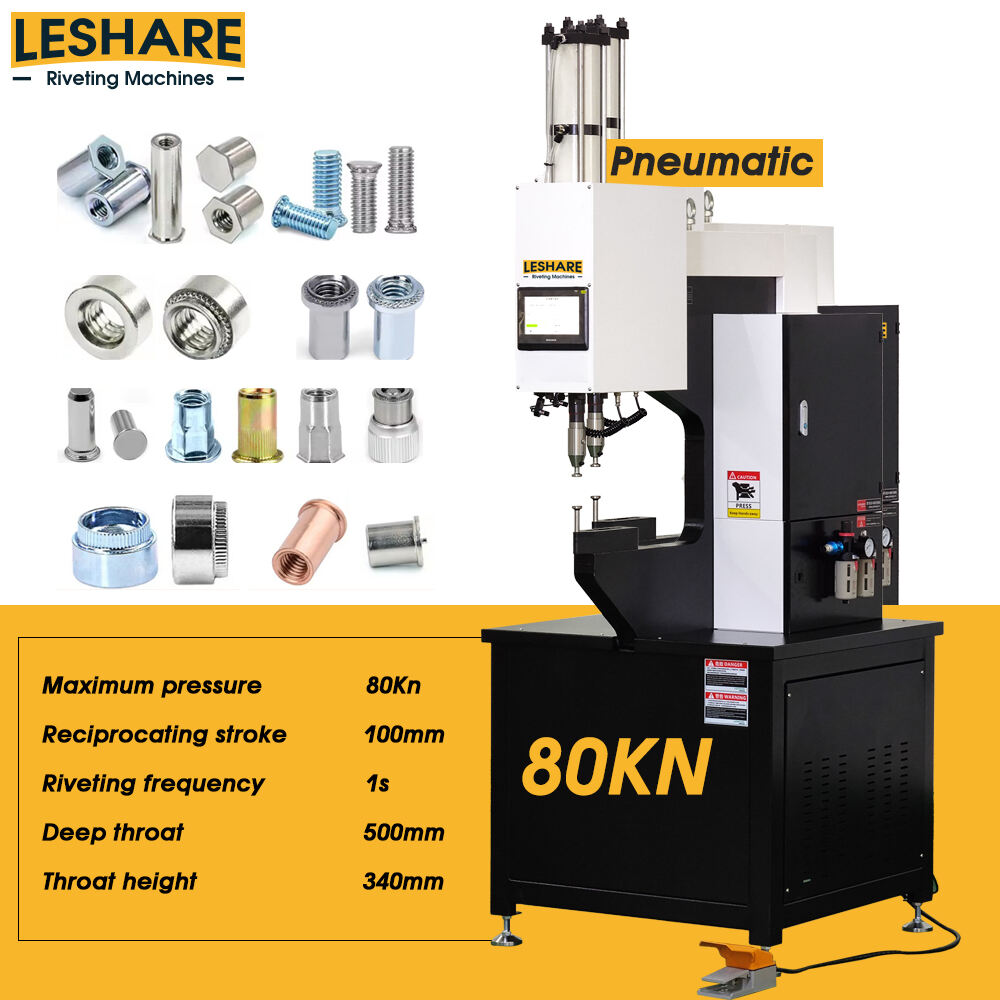
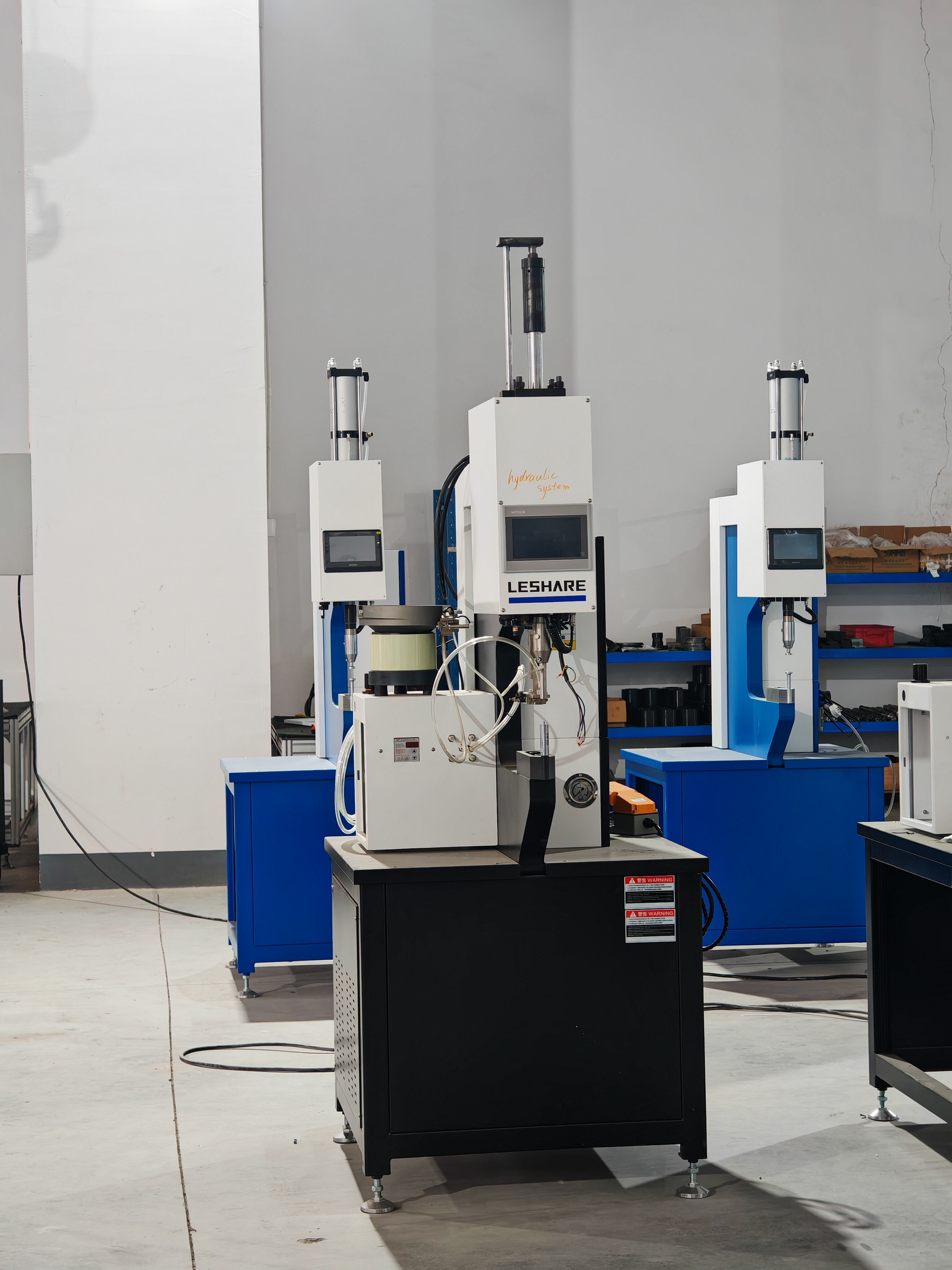
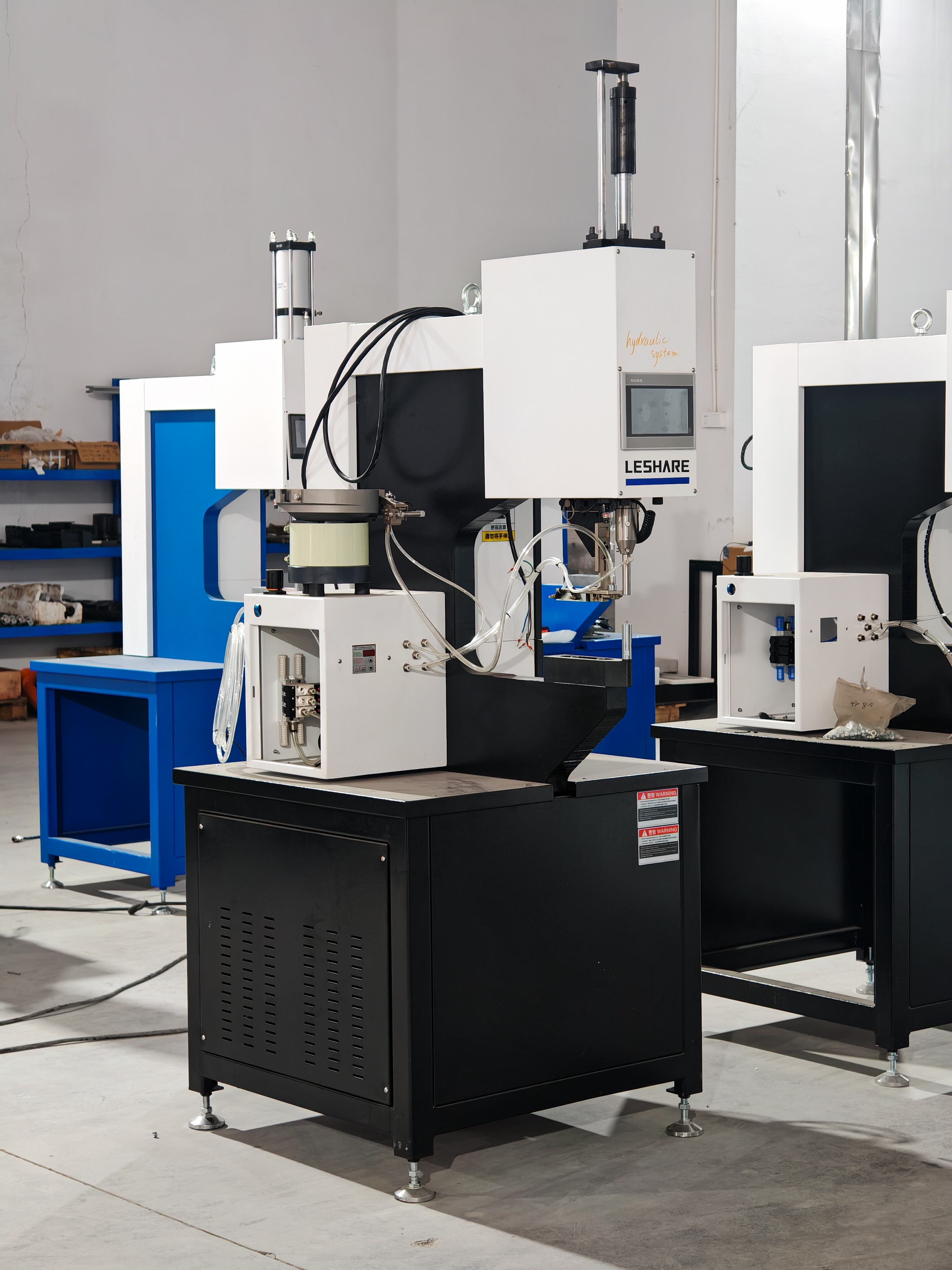
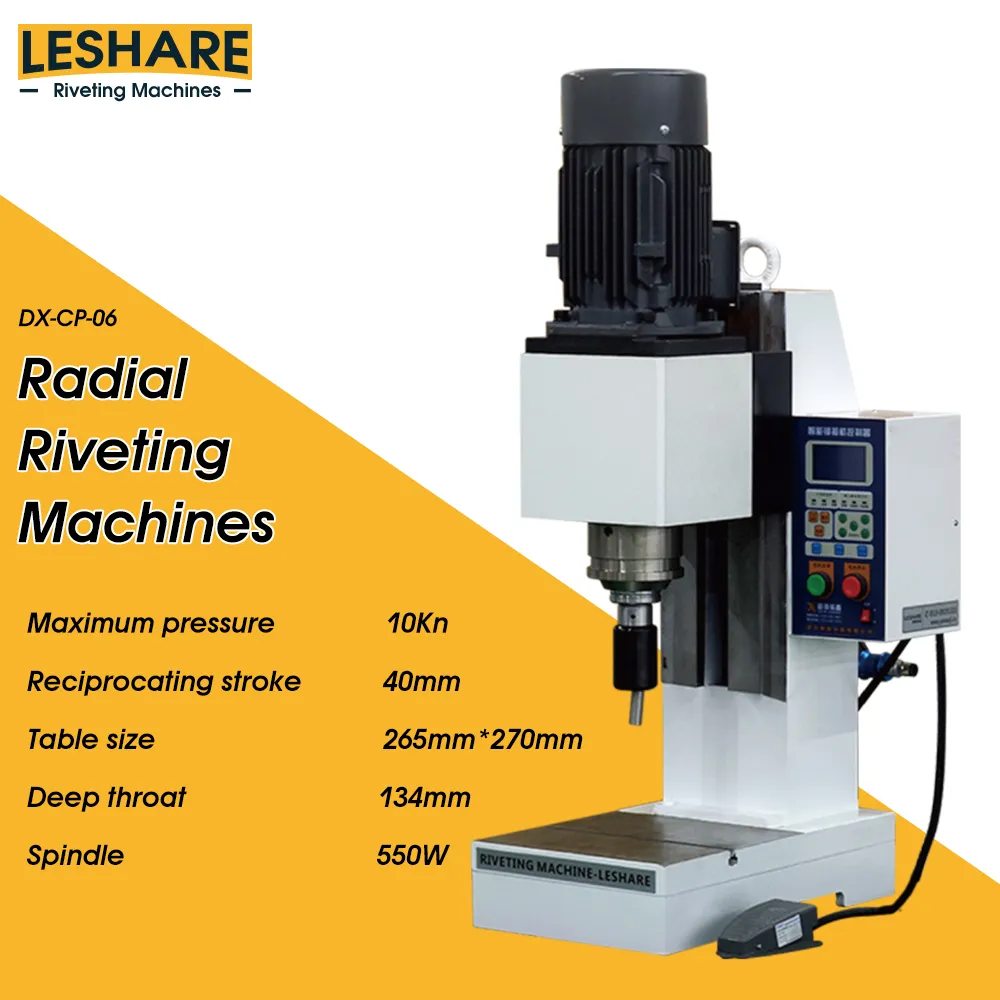
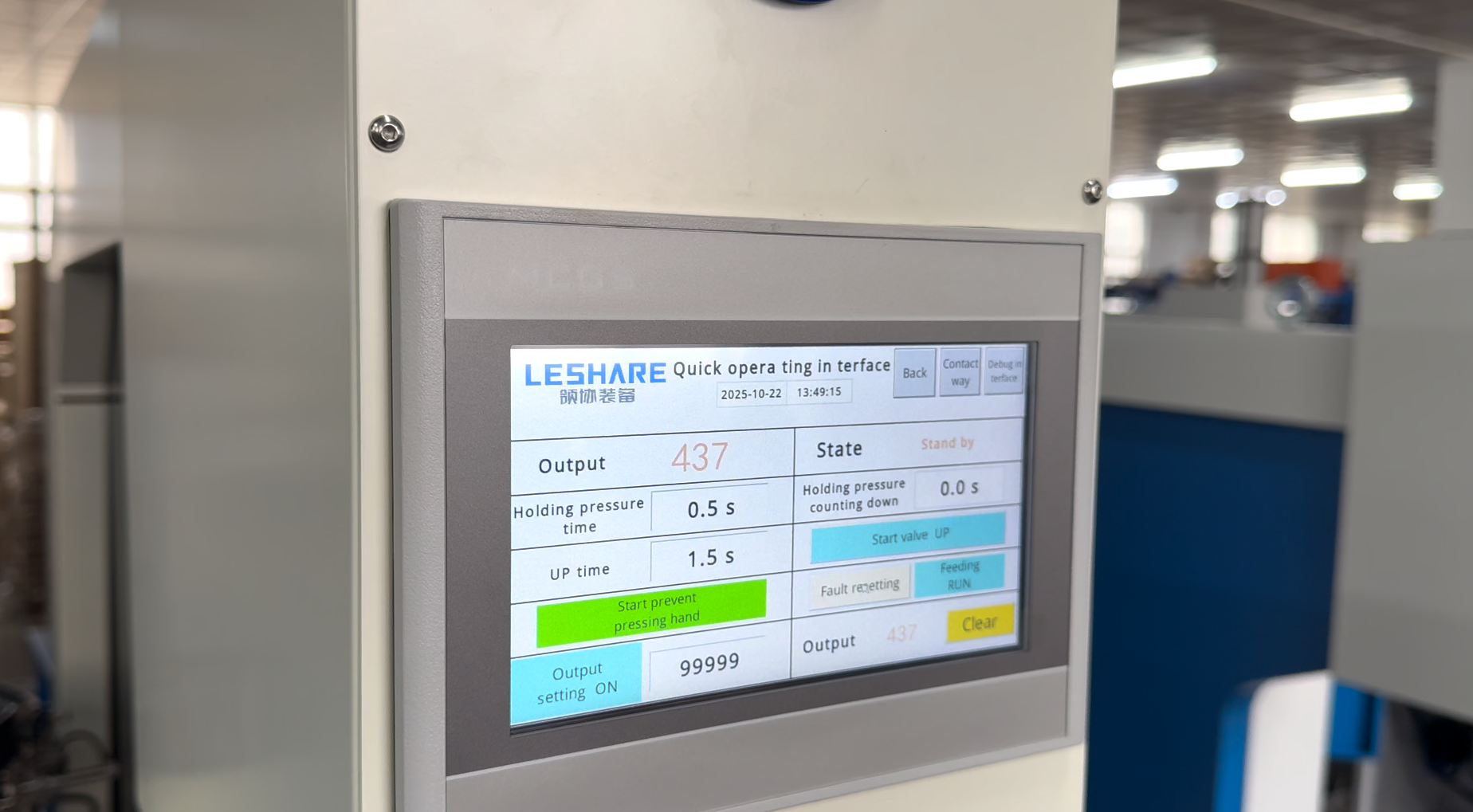
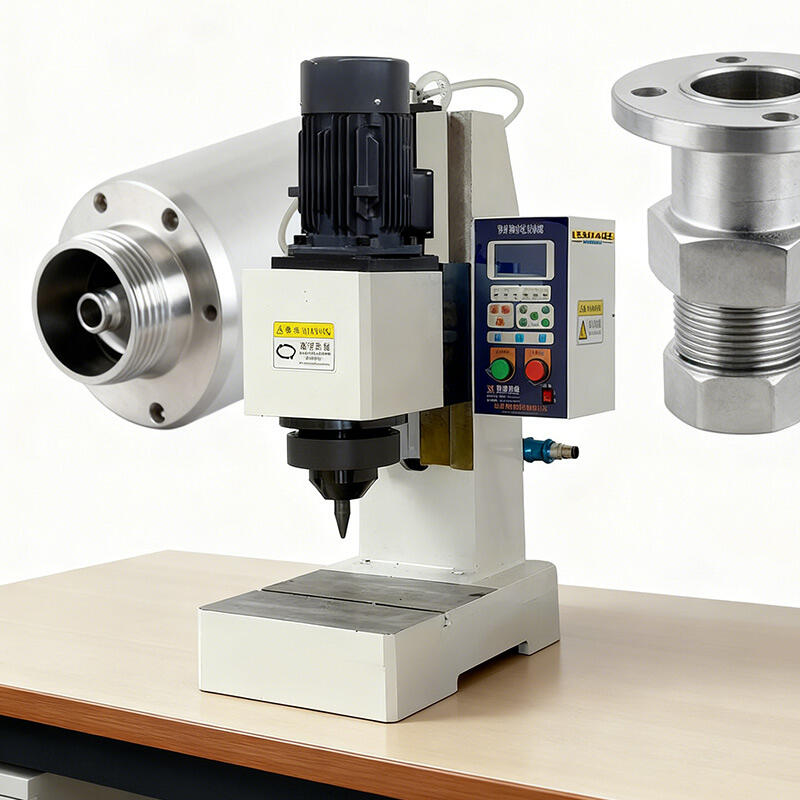
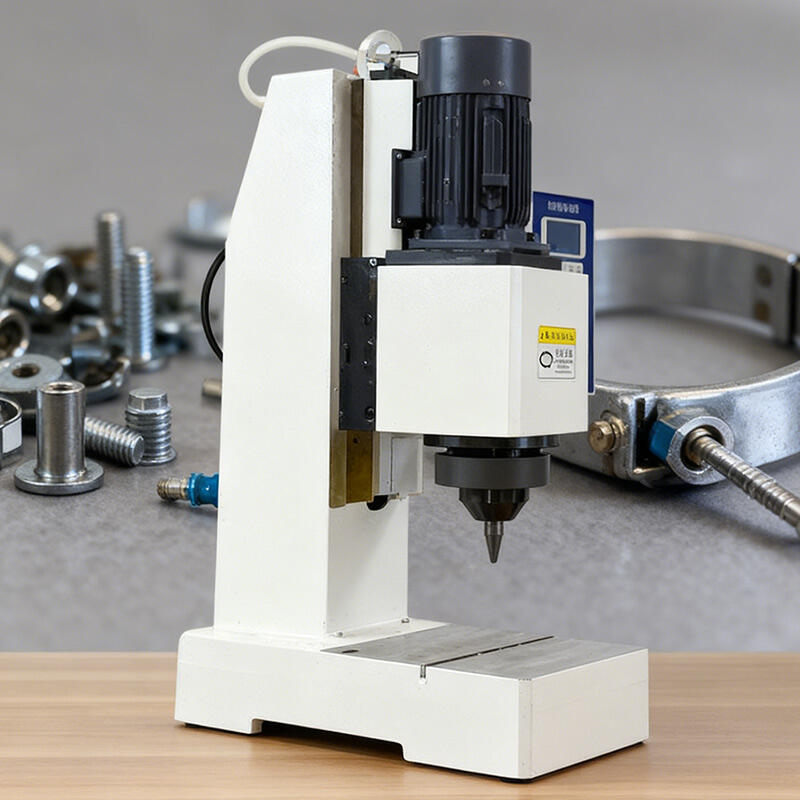
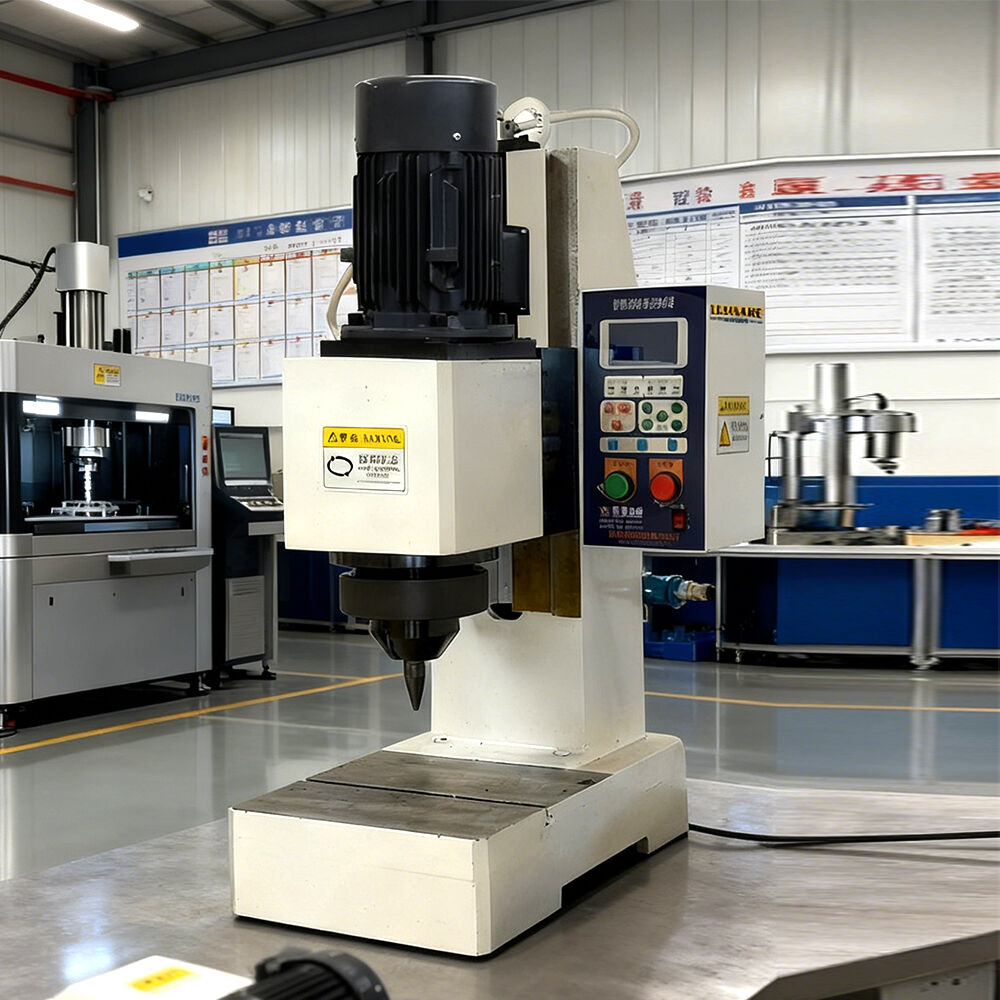
The precision riveting machine demonstrates remarkable versatility through its ability to accommodate an extensive range of materials, rivet types, and application requirements, making it an invaluable asset for manufacturers across diverse industries and production scenarios. This exceptional adaptability stems from modular design principles that allow quick reconfiguration for different fastening challenges without requiring extensive machine modifications or costly tooling changes. The equipment handles materials ranging from thin aluminum sheets to thick steel plates, automatically adjusting parameters to ensure optimal joint quality regardless of substrate characteristics or thickness variations. Advanced tooling systems enable rapid changeover between different rivet sizes, styles, and materials, typically completing transitions in under five minutes compared to hours required by conventional equipment. The precision riveting machine accommodates solid rivets, blind rivets, threaded inserts, and specialty fasteners, providing manufacturers with comprehensive fastening solutions from a single platform. Programmable positioning systems allow precise placement of fasteners in complex geometries, including curved surfaces, angled joints, and multi-layered assemblies that challenge traditional riveting methods. The equipment easily integrates with robotic systems, conveyor lines, and automated material handling equipment, creating seamless production workflows that maximize efficiency and minimize manual intervention. Flexible programming capabilities enable storage of hundreds of different riveting programs, each optimized for specific applications, materials, or customer requirements, allowing rapid switching between production runs without sacrificing quality or productivity. The precision riveting machine adapts to both high-volume production environments and low-volume custom applications, providing consistent performance across varying production demands and batch sizes. Quality control features automatically adjust inspection parameters based on application requirements, ensuring appropriate verification methods for each specific use case. The modular architecture supports future upgrades and enhancements, protecting manufacturing investments while enabling adoption of new technologies and capabilities as they become available. Environmental adaptability ensures reliable operation across temperature ranges, humidity levels, and vibration conditions commonly encountered in industrial facilities, maintaining precision and performance regardless of operating environment challenges.
 EN
EN