Precision Riveting Machine: Advanced Industrial Fastening Solutions for Superior Manufacturing Quality

Get a Free Quote

Our representative will contact you soon.
Email
Name
Company Name
Message
0/1000

precision riveting machine

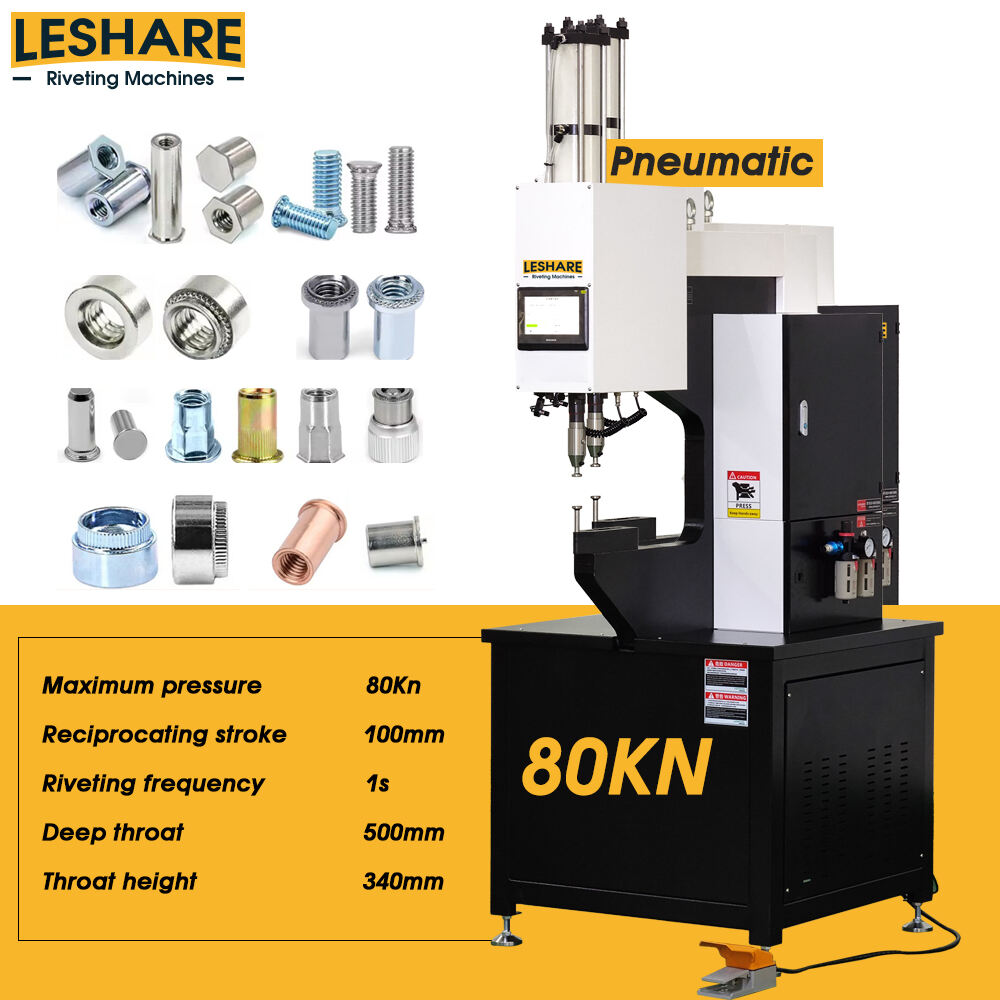
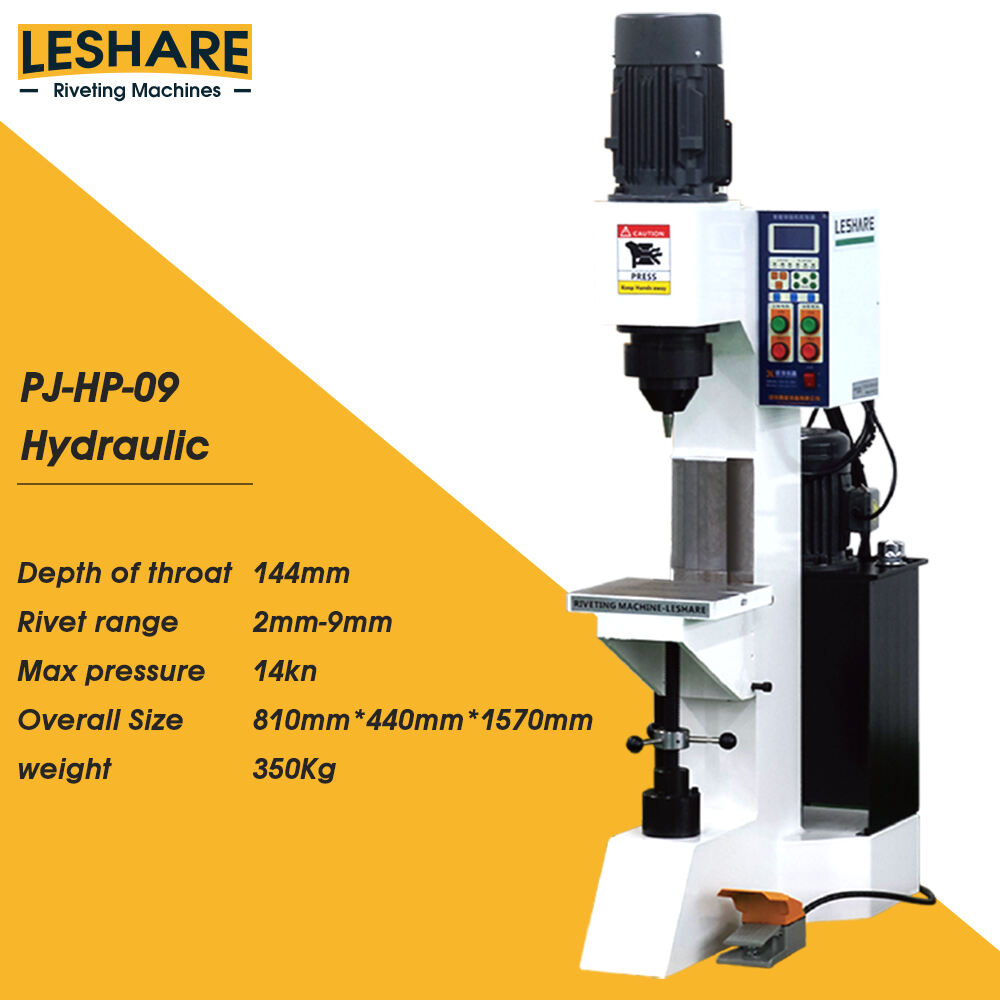
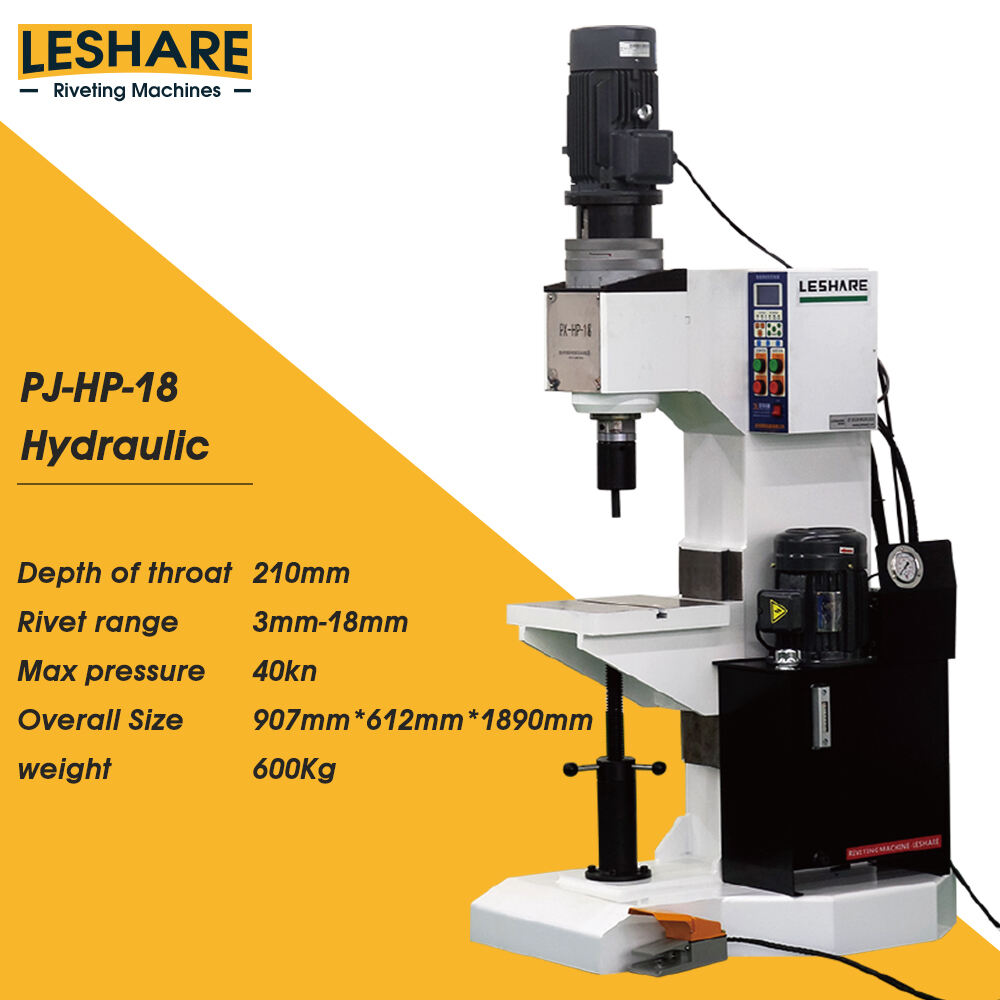
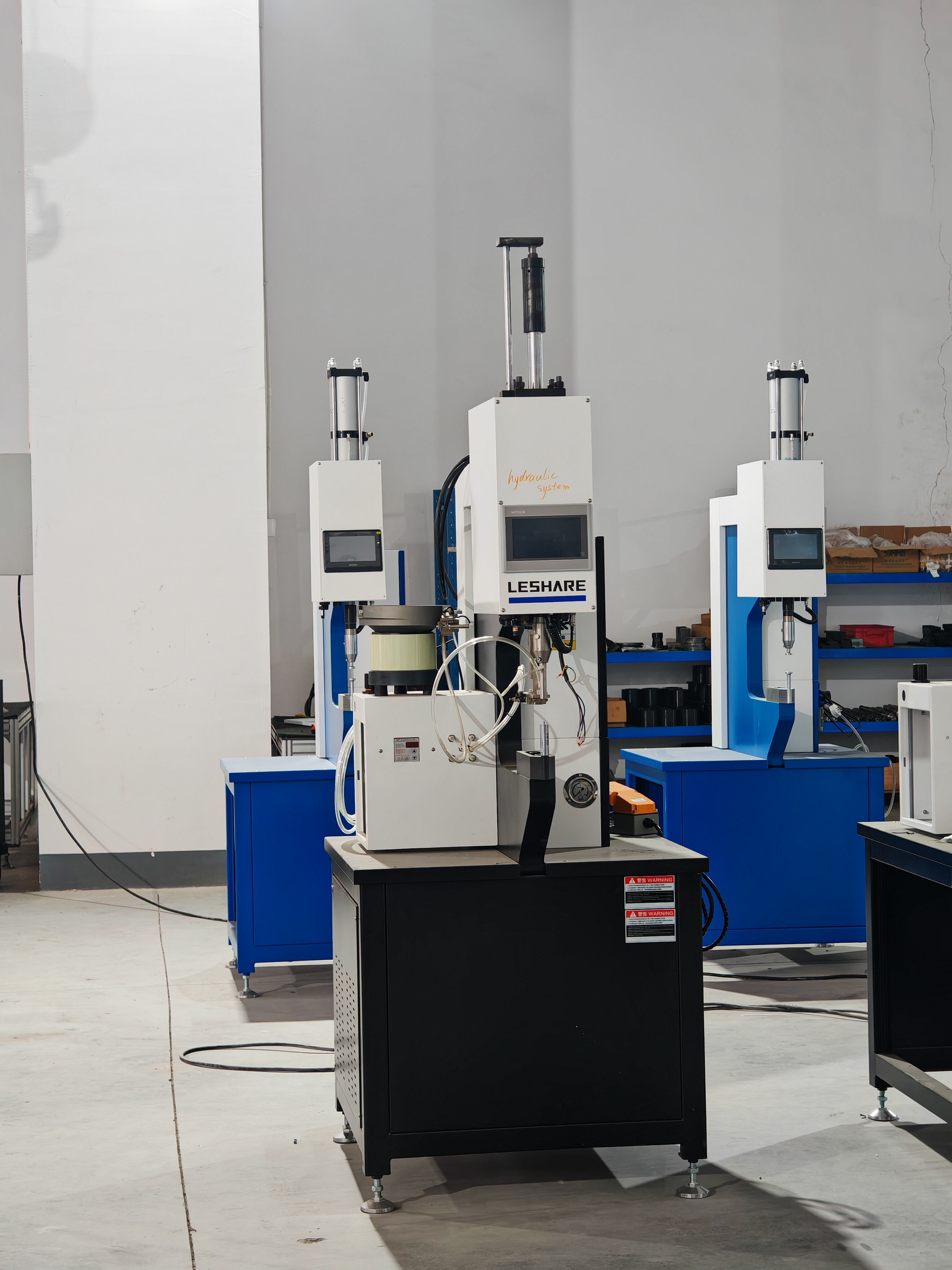
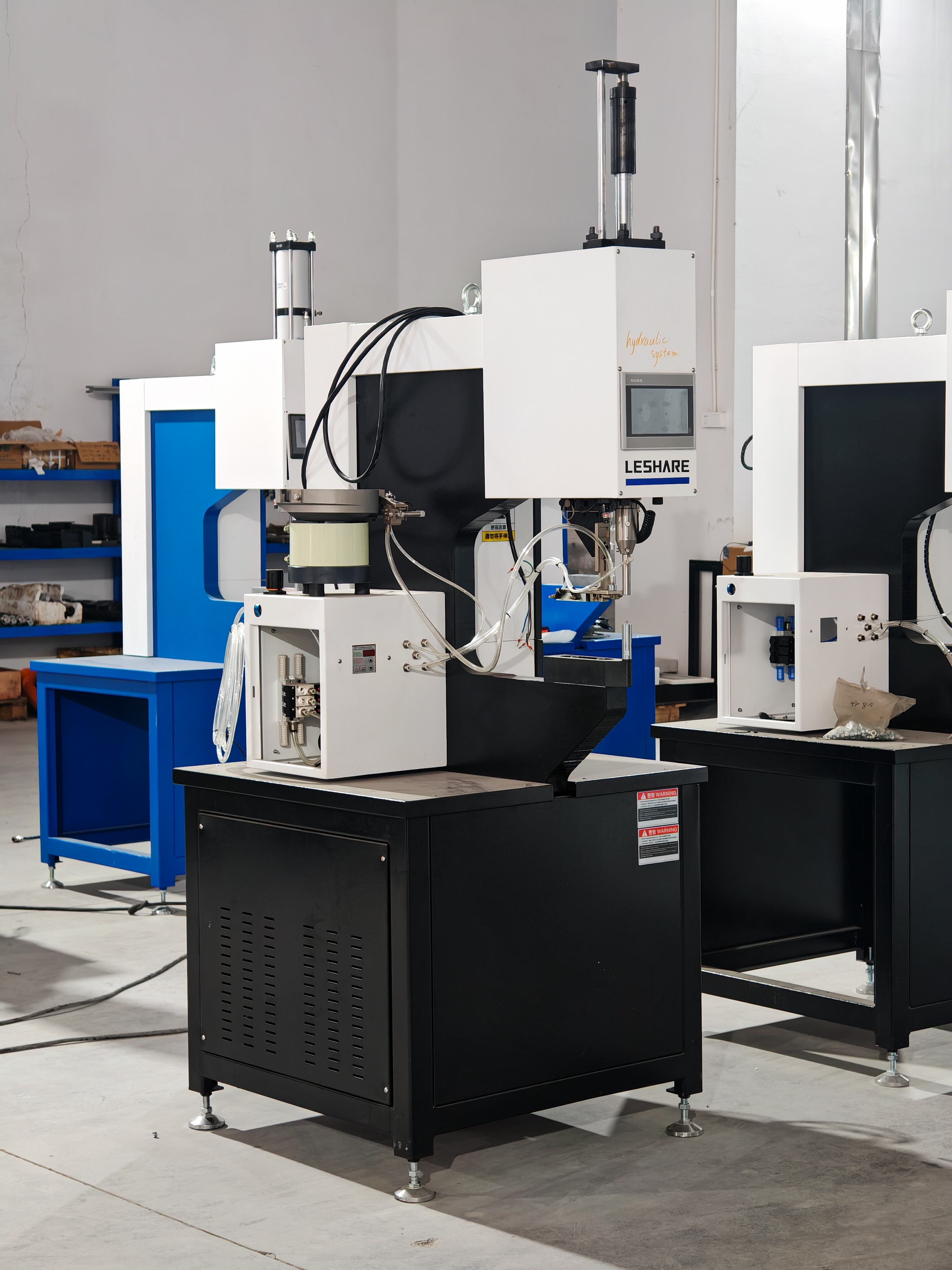
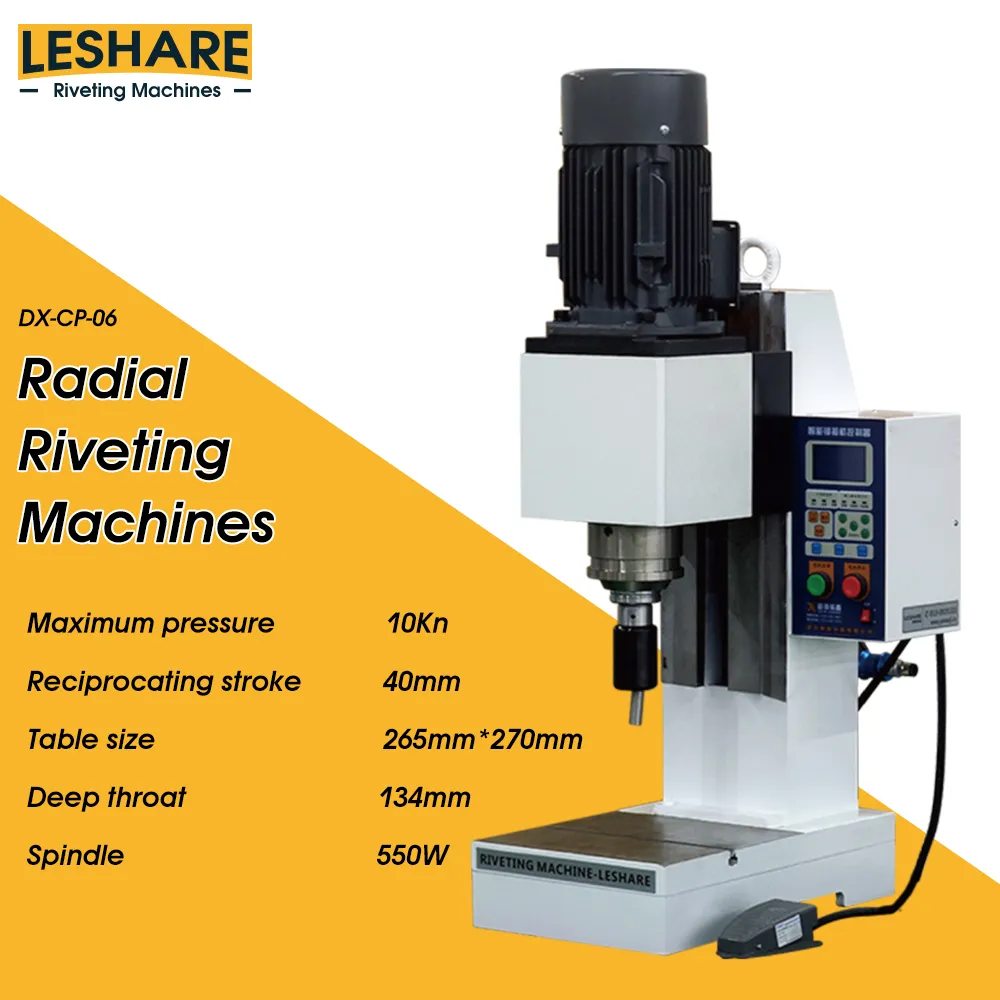
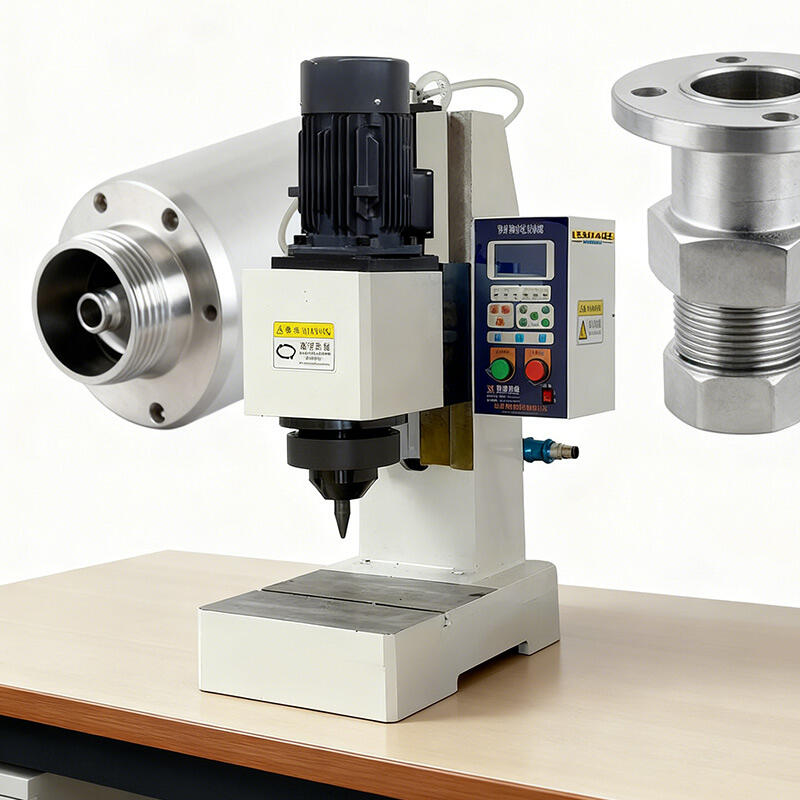
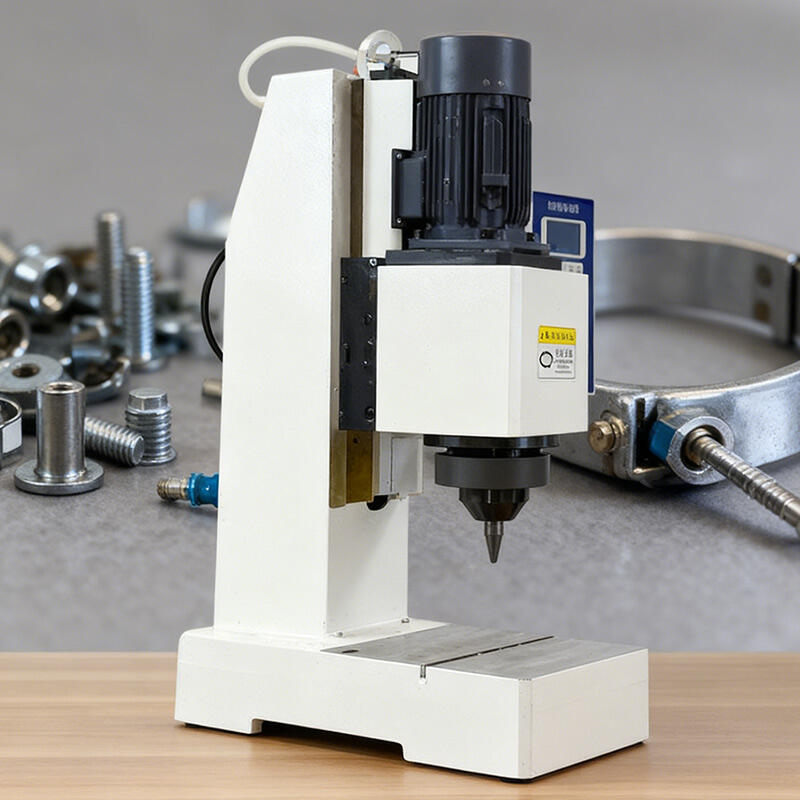
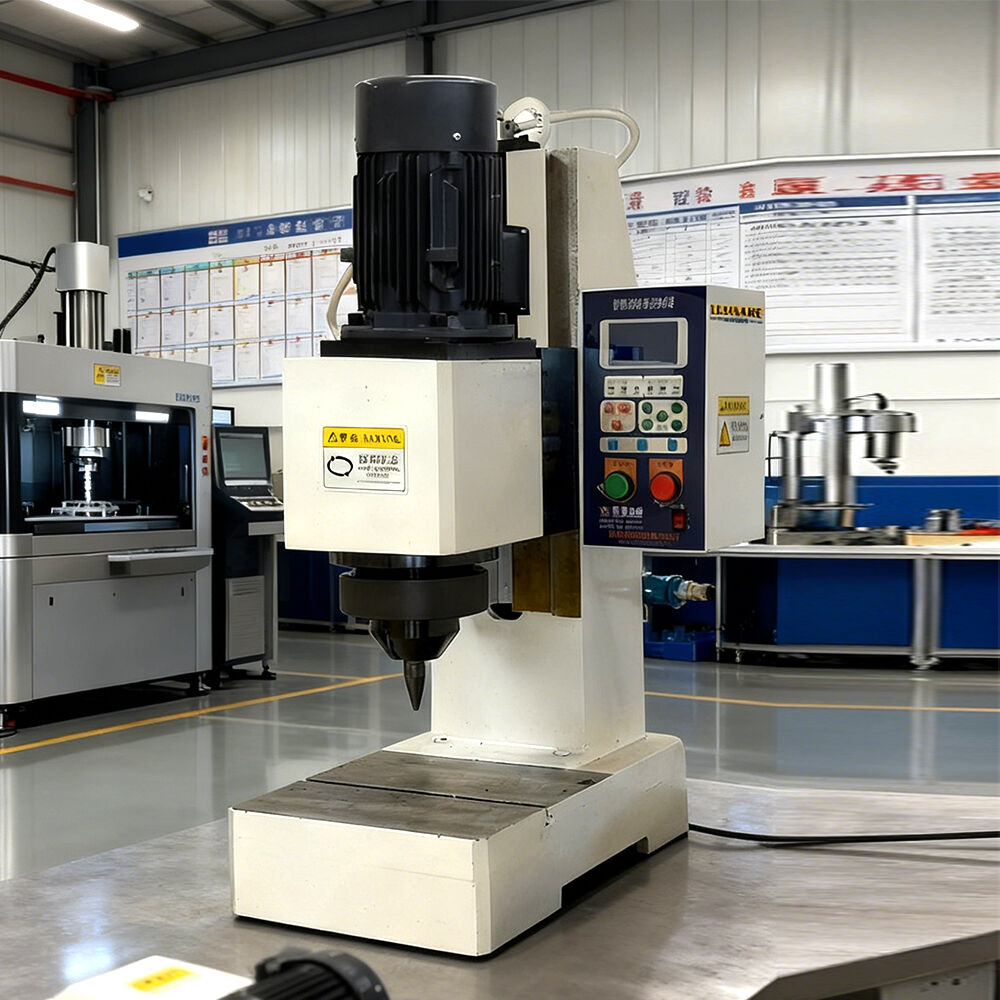
A precision riveting machine represents cutting-edge manufacturing technology designed to deliver exceptional accuracy and consistency in fastening operations across diverse industrial applications. This sophisticated equipment combines advanced mechanical engineering with modern automation systems to achieve unparalleled precision in rivet placement and installation. The precision riveting machine operates through a carefully controlled process that ensures optimal force distribution, accurate positioning, and consistent joint quality throughout production cycles. Modern precision riveting machines incorporate servo-driven mechanisms that provide precise control over riveting force, depth penetration, and cycle timing. These machines feature programmable settings that allow operators to customize parameters for different materials, rivet sizes, and application requirements. The technological foundation includes high-resolution sensors that monitor every aspect of the riveting process, providing real-time feedback and quality assurance. Advanced human-machine interfaces enable operators to easily program, monitor, and adjust operations while maintaining optimal safety standards. The precision riveting machine delivers superior performance through its robust construction, featuring heavy-duty frames and precision-machined components that ensure long-term reliability and minimal maintenance requirements. These machines accommodate various rivet types including solid rivets, blind rivets, and specialty fasteners, making them versatile solutions for multiple manufacturing scenarios. Quality control systems integrated within precision riveting machines perform continuous monitoring of joint integrity, ensuring every connection meets stringent specifications. The equipment supports both manual and automated operation modes, allowing manufacturers to scale production according to demand while maintaining consistent quality standards. Temperature compensation features ensure reliable performance across varying environmental conditions, while ergonomic design elements promote operator comfort and safety during extended production runs.

New Products

Precision riveting machines deliver substantial operational benefits that directly impact manufacturing efficiency and product quality. These machines eliminate human error through automated positioning systems that ensure consistent rivet placement within extremely tight tolerances, typically achieving accuracy levels of plus or minus 0.1 millimeters. This level of precision significantly reduces rework costs and material waste while improving overall product reliability. The automated nature of precision riveting machines increases production speed by up to 300 percent compared to manual riveting methods, allowing manufacturers to meet demanding delivery schedules without compromising quality standards. Energy efficiency represents another major advantage, as modern precision riveting machines consume significantly less power than traditional pneumatic systems while delivering superior performance. The programmable controls enable quick changeovers between different products or specifications, reducing downtime and increasing overall equipment effectiveness. Quality assurance capabilities built into precision riveting machines provide real-time monitoring and documentation of every joint, creating comprehensive quality records that satisfy stringent industry standards and customer requirements. Operators benefit from reduced physical strain due to the ergonomic design and automated operation, leading to improved workplace safety and reduced injury rates. The consistent force application eliminates variations in joint strength that commonly occur with manual processes, ensuring uniform product performance and reliability. Maintenance costs remain minimal due to the robust construction and self-monitoring capabilities that alert operators to potential issues before they become costly problems. Long-term cost savings accumulate through reduced labor requirements, lower material waste, improved energy efficiency, and decreased quality-related expenses. The precision riveting machine adapts easily to various production volumes, making it suitable for both high-volume manufacturing and custom applications. Integration capabilities allow seamless connection with existing production lines and quality management systems, streamlining workflow and data collection processes. Return on investment typically occurs within 18 to 24 months through improved productivity, reduced costs, and enhanced product quality that commands premium pricing in competitive markets.

Practical Tips

How Does a Fastener Insertion Machine Improve Productivity in Metal Fabrication?

11

Dec

How Does a Fastener Insertion Machine Improve Productivity in Metal Fabrication?

In today's competitive metal fabrication industry, manufacturers are constantly seeking innovative solutions to enhance production efficiency while maintaining quality standards. A fastener insertion machine represents a revolutionary advancement tha...
View More
Why Is a Fastener Insertion Machine Essential for Consistent Hardware Placement?

18

Dec

Why Is a Fastener Insertion Machine Essential for Consistent Hardware Placement?

Manufacturing precision has become the cornerstone of modern industrial production, where even the smallest components must be installed with exact accuracy and consistent quality. In today's competitive manufacturing landscape, companies are increas...
View More
Why is a nonrotating shaft radial riveter critical in delicate assemblies?

28

Jan

Why is a nonrotating shaft radial riveter critical in delicate assemblies?

In precision manufacturing environments where component integrity and assembly quality determine product success, the choice of joining technology becomes paramount. A nonrotating shaft radial riveter represents a specialized solution engineered spec...
View More
What Are the Key Benefits of Using a Fastener Insertion Machine?

18

Mar

What Are the Key Benefits of Using a Fastener Insertion Machine?

Manufacturing efficiency has become a critical factor for businesses seeking competitive advantages in today's industrial landscape. A fastener insertion machine represents a transformative solution that automates the precise placement of threaded in...
View More

Get a Free Quote

Our representative will contact you soon.
Email
Name
Company Name
Message
0/1000

precision riveting machine

Advanced Force Control Technology

Advanced Force Control Technology

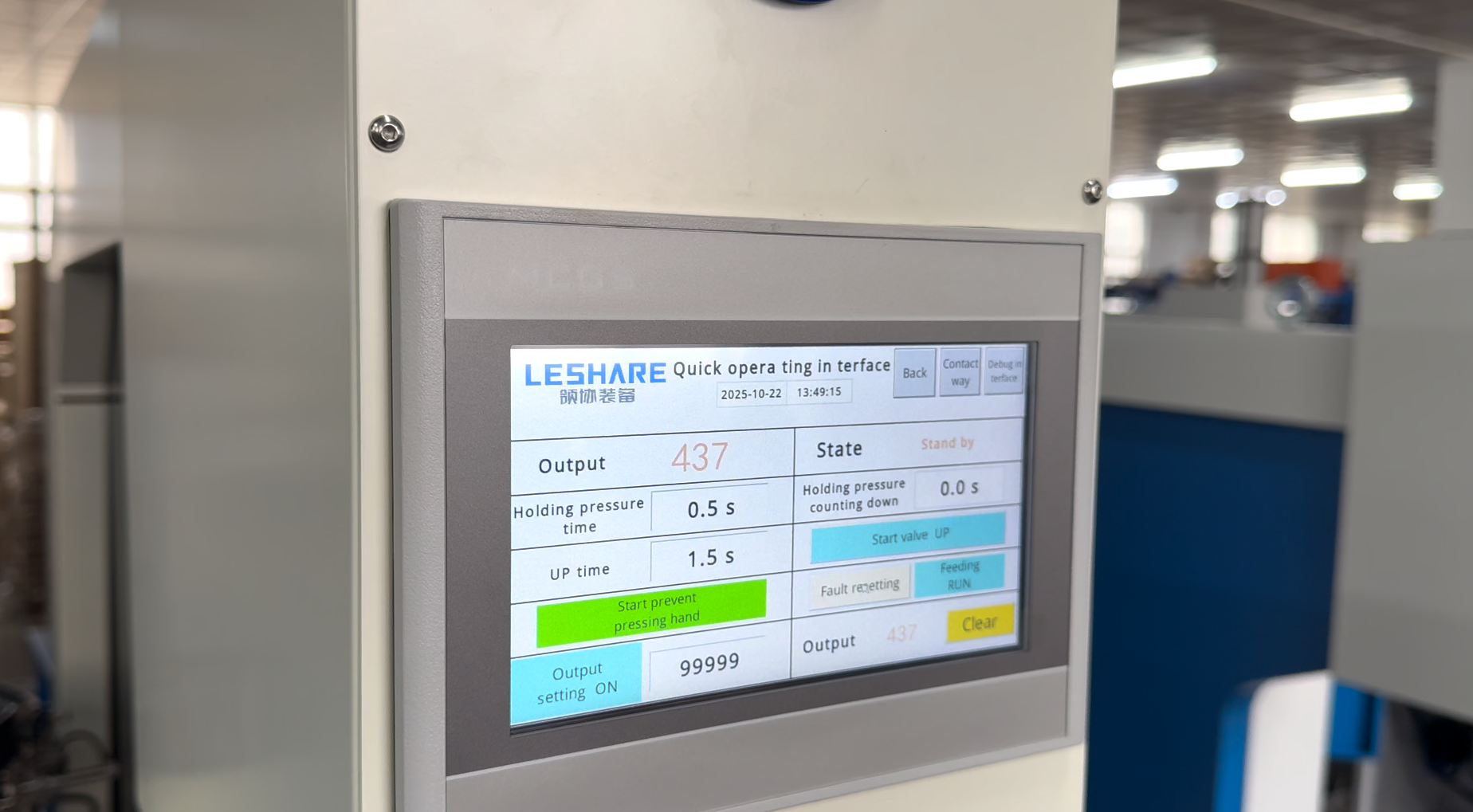
The precision riveting machine incorporates state-of-the-art force control technology that represents a revolutionary advancement in fastening equipment design and functionality. This sophisticated system utilizes high-precision servo motors combined with advanced feedback sensors to deliver exact force application throughout the entire riveting cycle, ensuring optimal joint formation and consistency. The force control system operates through multiple closed-loop feedback mechanisms that continuously monitor and adjust applied pressure in real-time, compensating for material variations, rivet tolerances, and environmental factors that could affect joint quality. Engineers have developed this technology to eliminate the common problems associated with traditional riveting methods, including over-compression, under-compression, and inconsistent force distribution that often lead to joint failures or compromised structural integrity. The precision riveting machine delivers force control accuracy within 1 percent of target values, significantly exceeding industry standards and customer expectations for manufacturing precision. This exceptional accuracy translates directly into improved product reliability, reduced warranty claims, and enhanced customer satisfaction across all applications. The system automatically adjusts force parameters based on material thickness, hardness, and composition, ensuring optimal results regardless of workpiece variations or production changes. Advanced algorithms within the force control system learn from each riveting cycle, continuously improving performance and adapting to subtle changes in materials or environmental conditions. The technology includes comprehensive data logging capabilities that record force curves, displacement measurements, and cycle times for every rivet installation, providing valuable insights for process optimization and quality control verification. Operators can easily configure force parameters through intuitive touchscreen interfaces, allowing quick adjustments for different applications without requiring specialized technical knowledge or extensive training. The precision riveting machine also features multiple force profiles that can be programmed for complex applications requiring varying force levels throughout the installation process, accommodating specialized requirements and unique manufacturing challenges.
Exceptional Versatility and Adaptability

Exceptional Versatility and Adaptability

The precision riveting machine demonstrates remarkable versatility through its ability to accommodate an extensive range of materials, rivet types, and application requirements, making it an invaluable asset for manufacturers across diverse industries and production scenarios. This exceptional adaptability stems from modular design principles that allow quick reconfiguration for different fastening challenges without requiring extensive machine modifications or costly tooling changes. The equipment handles materials ranging from thin aluminum sheets to thick steel plates, automatically adjusting parameters to ensure optimal joint quality regardless of substrate characteristics or thickness variations. Advanced tooling systems enable rapid changeover between different rivet sizes, styles, and materials, typically completing transitions in under five minutes compared to hours required by conventional equipment. The precision riveting machine accommodates solid rivets, blind rivets, threaded inserts, and specialty fasteners, providing manufacturers with comprehensive fastening solutions from a single platform. Programmable positioning systems allow precise placement of fasteners in complex geometries, including curved surfaces, angled joints, and multi-layered assemblies that challenge traditional riveting methods. The equipment easily integrates with robotic systems, conveyor lines, and automated material handling equipment, creating seamless production workflows that maximize efficiency and minimize manual intervention. Flexible programming capabilities enable storage of hundreds of different riveting programs, each optimized for specific applications, materials, or customer requirements, allowing rapid switching between production runs without sacrificing quality or productivity. The precision riveting machine adapts to both high-volume production environments and low-volume custom applications, providing consistent performance across varying production demands and batch sizes. Quality control features automatically adjust inspection parameters based on application requirements, ensuring appropriate verification methods for each specific use case. The modular architecture supports future upgrades and enhancements, protecting manufacturing investments while enabling adoption of new technologies and capabilities as they become available. Environmental adaptability ensures reliable operation across temperature ranges, humidity levels, and vibration conditions commonly encountered in industrial facilities, maintaining precision and performance regardless of operating environment challenges.
Comprehensive Quality Assurance and Monitoring

Comprehensive Quality Assurance and Monitoring

The precision riveting machine features an integrated quality assurance system that provides comprehensive monitoring, documentation, and verification capabilities throughout the entire riveting process, ensuring consistent product quality and regulatory compliance. This advanced system employs multiple sensor technologies including force transducers, displacement sensors, and acoustic monitoring devices that continuously evaluate joint formation in real-time, identifying potential quality issues before they impact production. The quality monitoring system captures detailed data for every rivet installation, including force curves, displacement profiles, cycle times, and environmental conditions, creating comprehensive quality records that support traceability requirements and process improvement initiatives. Advanced algorithms analyze this data to detect subtle variations or trends that might indicate developing problems, enabling proactive maintenance and process adjustments before quality issues occur. The precision riveting machine automatically compares each joint against predefined quality parameters, immediately flagging any installations that fall outside acceptable ranges and providing detailed diagnostic information to help operators identify root causes and implement corrective actions. Statistical process control capabilities track quality trends over time, generating reports and alerts that help manufacturing teams maintain consistent performance and identify opportunities for process optimization. The system includes automatic rejection capabilities that remove defective parts from production lines, preventing non-conforming products from reaching customers while maintaining production flow and efficiency. Comprehensive documentation features generate detailed quality reports that satisfy audit requirements for aerospace, automotive, medical device, and other regulated industries where traceability and quality verification are critical. The precision riveting machine supports multiple quality standards and certification requirements, automatically configuring inspection parameters and documentation formats to meet specific industry or customer specifications. Remote monitoring capabilities enable quality engineers and supervisors to observe production performance from central locations, providing real-time visibility into quality metrics and enabling rapid response to quality issues. Integration with enterprise quality management systems streamlines data collection and reporting processes, eliminating manual data entry while ensuring accurate and timely quality information reaches appropriate stakeholders throughout the organization.

Get a Free Quote

Our representative will contact you soon.
Email
Name
Company Name
Message
0/1000