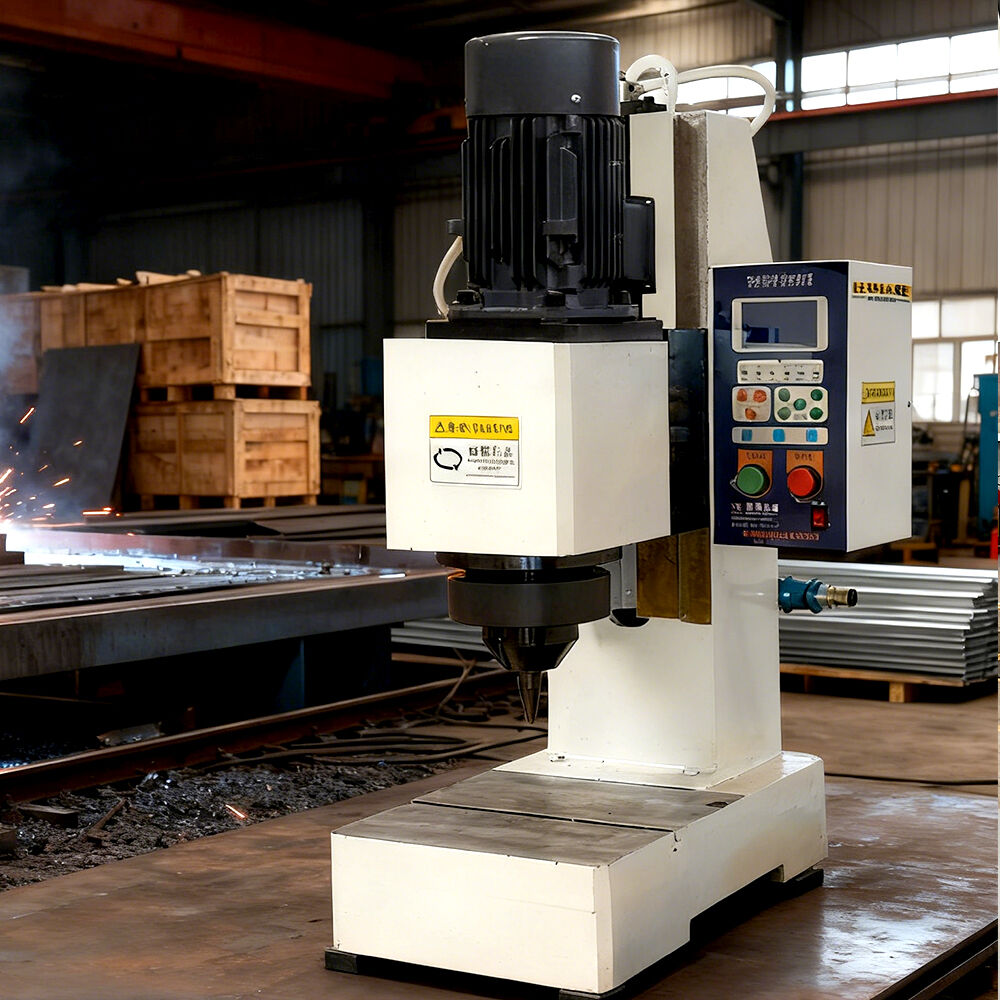
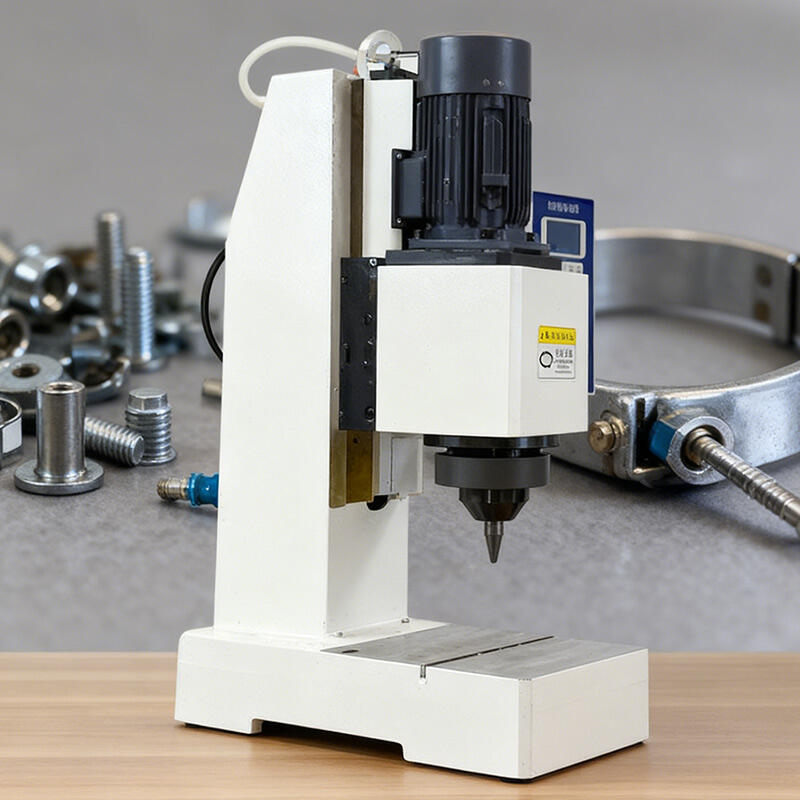
Automatic Nut Feeding Riveting Machine: Advanced Manufacturing Solution for Precision Assembly

Get a Free Quote

Our representative will contact you soon.
Email
Name
Company Name
Message
0/1000

automatic nut feeding riveting machine

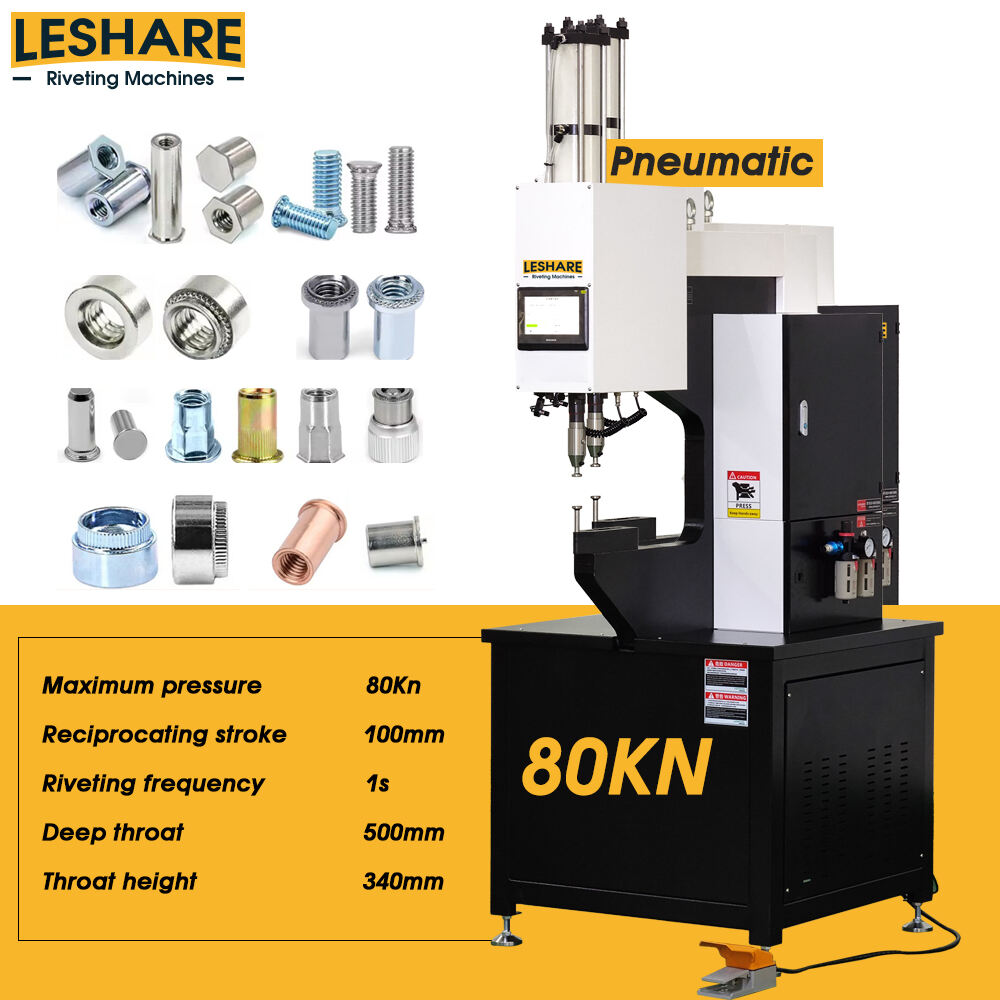
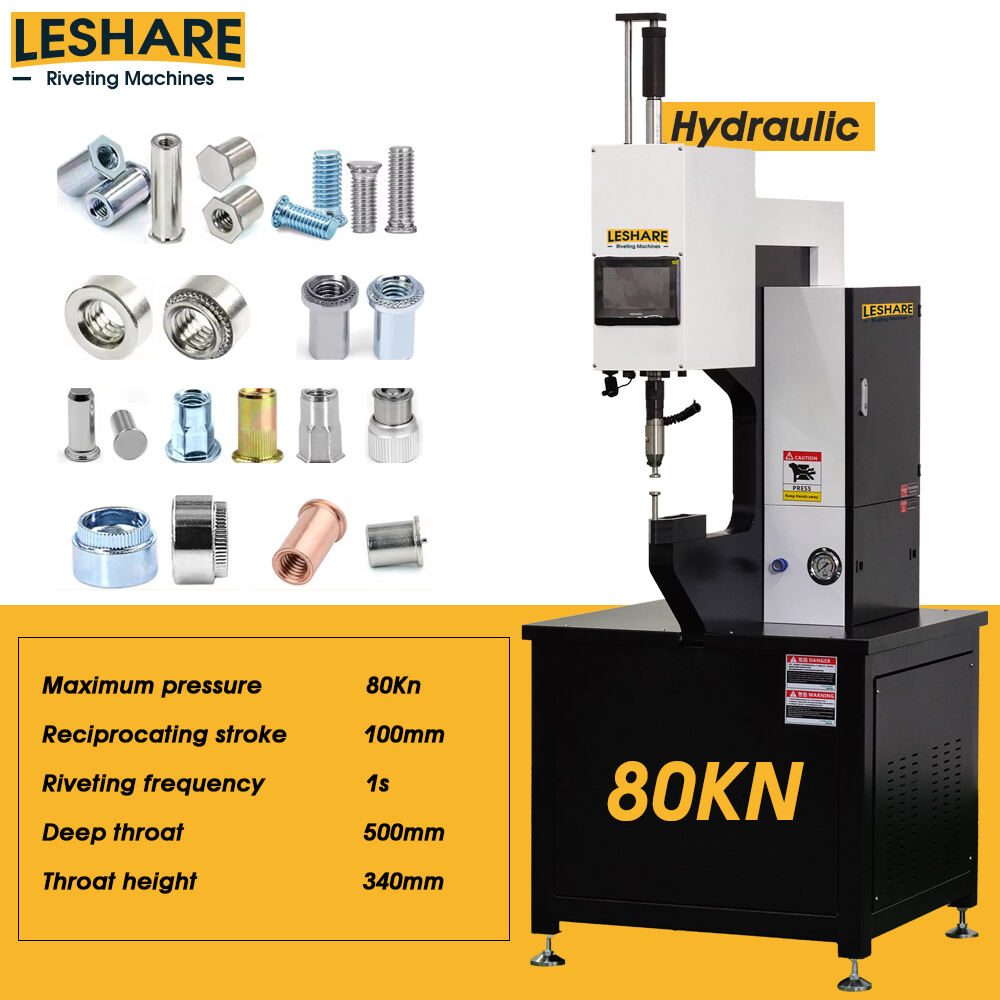
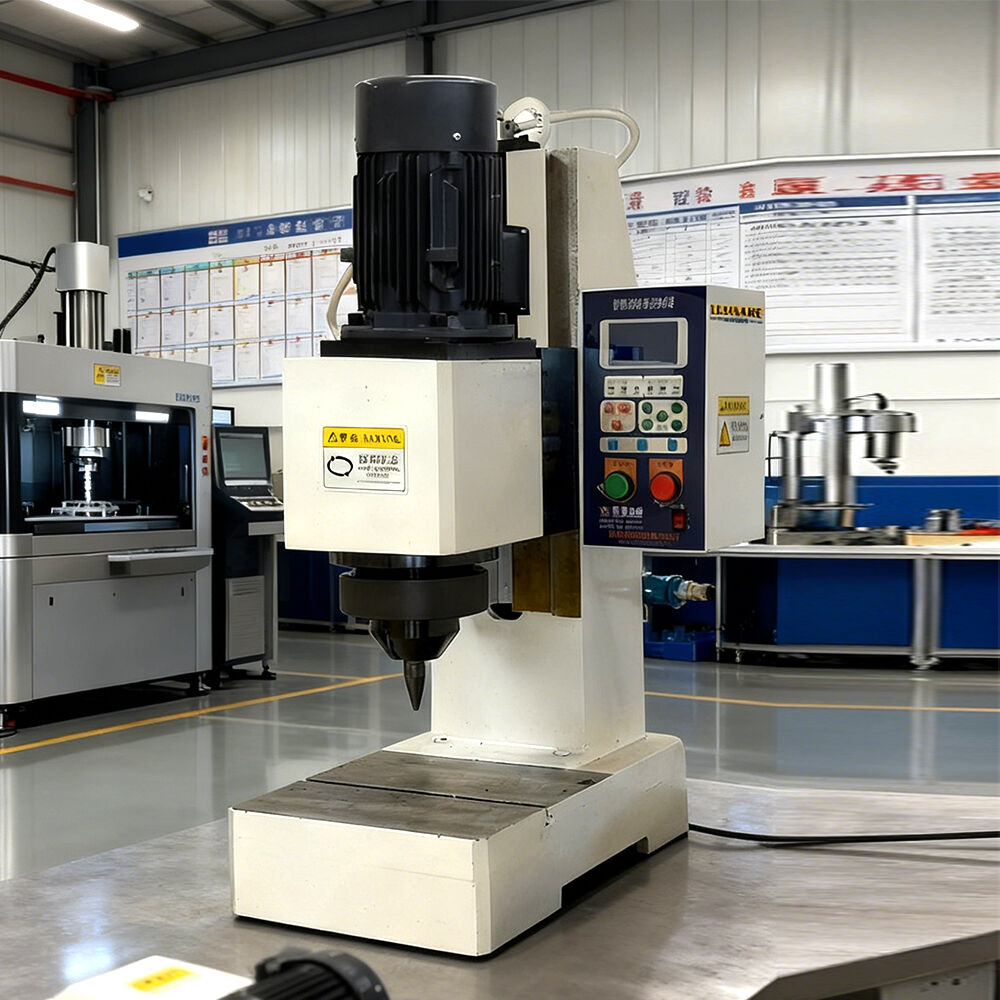
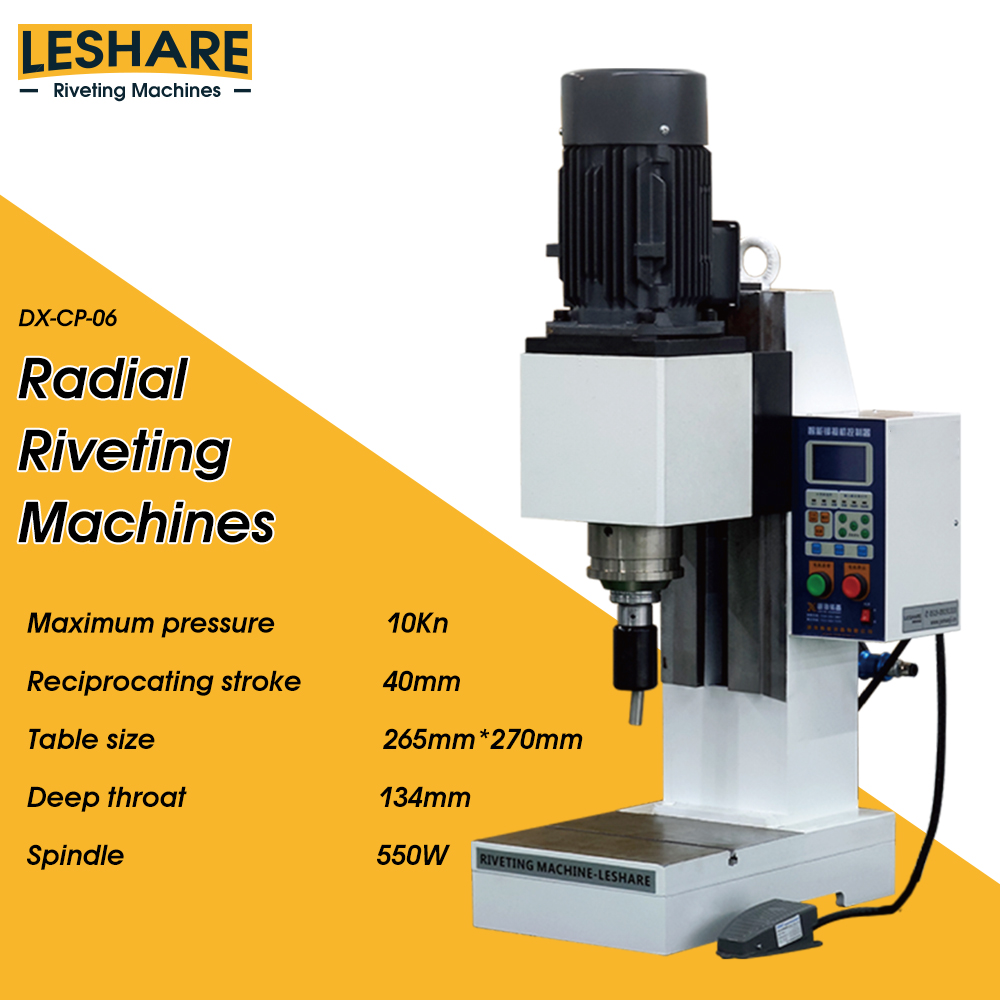
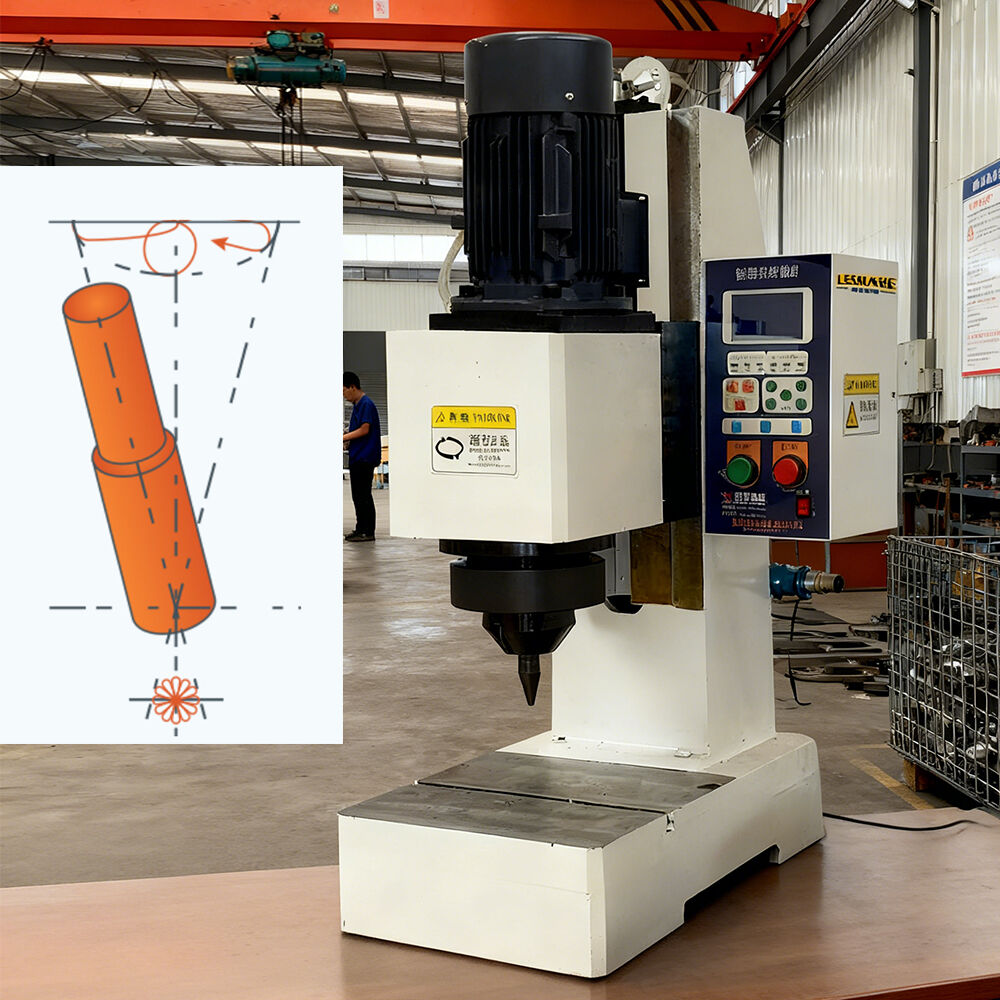
The automatic nut feeding riveting machine represents a revolutionary advancement in manufacturing automation, specifically designed to streamline the process of inserting and securing nuts into various materials and components. This sophisticated piece of equipment combines precision engineering with intelligent automation to deliver consistent, high-quality results in industrial assembly operations. The machine operates by automatically feeding nuts from a hopper system through a sophisticated mechanism that positions each nut precisely before the riveting process begins. The primary function of this equipment involves the seamless integration of nut placement and riveting operations, eliminating the need for manual intervention and significantly reducing production time. The technological features of the automatic nut feeding riveting machine include advanced servo motor controls that ensure precise positioning and consistent pressure application during the riveting process. The machine incorporates smart sensors that detect proper nut alignment and material thickness, automatically adjusting parameters to maintain optimal performance across different applications. The feeding system utilizes vibrating bowls or linear feeders that organize and orient nuts correctly before delivery to the working station. Modern versions feature programmable logic controllers that allow operators to customize settings for different nut sizes, materials, and riveting requirements. The riveting mechanism employs pneumatic or hydraulic systems that deliver controlled force to create secure, permanent connections between nuts and base materials. Applications for automatic nut feeding riveting machines span across multiple industries, including automotive manufacturing, electronics assembly, appliance production, and aerospace components. In automotive applications, these machines secure nuts for interior panels, chassis components, and electronic housings. Electronics manufacturers utilize them for securing mounting hardware in computer cases, telecommunications equipment, and consumer electronics devices. The aerospace industry relies on these machines for critical applications where consistent quality and reliability are paramount. Appliance manufacturers employ automatic nut feeding riveting machines for securing components in refrigerators, washing machines, and other household devices where vibration resistance and durability are essential requirements.

New Products

The automatic nut feeding riveting machine delivers substantial productivity improvements that transform manufacturing operations across various industries. This equipment eliminates manual labor requirements traditionally associated with nut installation and riveting processes, allowing companies to redeploy workers to higher-value tasks while maintaining consistent production output. The machine operates continuously with minimal supervision, processing hundreds or thousands of units per hour depending on the specific model and application requirements. Quality consistency represents another significant advantage, as the automatic nut feeding riveting machine applies uniform pressure and positioning for every operation, eliminating human error variables that can compromise joint integrity. The machine ensures each nut receives identical placement and riveting force, creating standardized connections that meet strict quality specifications throughout production runs. Cost reduction benefits extend beyond labor savings to include material waste reduction and rework elimination. The precise positioning system minimizes material damage during installation, while consistent force application prevents over-riveting or under-riveting that could require costly repairs or component replacement. Maintenance costs remain low due to robust construction and reliable components designed for continuous industrial operation. The machine accommodates various nut sizes and types through quick changeover procedures, enabling manufacturers to handle multiple product lines efficiently without significant downtime. Flexibility in programming allows operators to adjust parameters for different materials, thicknesses, and riveting requirements without requiring specialized technical knowledge. Safety improvements constitute a crucial advantage, as the automatic nut feeding riveting machine reduces worker exposure to repetitive motion injuries and eliminates the risk of accidents associated with manual riveting tools. The enclosed operation keeps workers away from moving parts and high-pressure systems, creating a safer work environment while maintaining productivity goals. Space efficiency makes the automatic nut feeding riveting machine ideal for modern manufacturing facilities where floor space comes at a premium. The compact design integrates feeding, positioning, and riveting functions into a single workstation, reducing the footprint required compared to separate manual stations. Integration capabilities allow seamless incorporation into existing production lines, with communication protocols that enable coordination with upstream and downstream processes for optimized workflow management.

Tips And Tricks

What factors affect radial riveting machines performance and stability?

28

Jan

What factors affect radial riveting machines performance and stability?

Manufacturing precision and operational reliability in industrial assembly processes depend heavily on the performance characteristics of radial riveting machines. These sophisticated pieces of equipment have become indispensable in automotive, aeros...
View More
How to select a nonrotating shaft radial riveter for precision components?

28

Jan

How to select a nonrotating shaft radial riveter for precision components?

Precision manufacturing demands exceptional reliability and accuracy in every assembly process. When working with delicate electronic components, aerospace assemblies, or medical devices, selecting the right nonrotating shaft radial riveter becomes c...
View More
How Does an Orbital Riveting Machine Improve Assembly Efficiency?

26

Feb

How Does an Orbital Riveting Machine Improve Assembly Efficiency?

Manufacturing industries constantly seek innovative solutions to enhance assembly efficiency while maintaining superior product quality. An orbital riveting machine represents a breakthrough technology that revolutionizes traditional fastening method...
View More
What Maintenance Practices Extend Insertion Machine Life?

18

Mar

What Maintenance Practices Extend Insertion Machine Life?

The longevity of an insertion machine directly impacts manufacturing efficiency and total cost of ownership in automated assembly operations. These precision instruments require systematic care to maintain their operational integrity and deliver cons...
View More

Get a Free Quote

Our representative will contact you soon.
Email
Name
Company Name
Message
0/1000

automatic nut feeding riveting machine

Precision Feeding System Technology

Precision Feeding System Technology

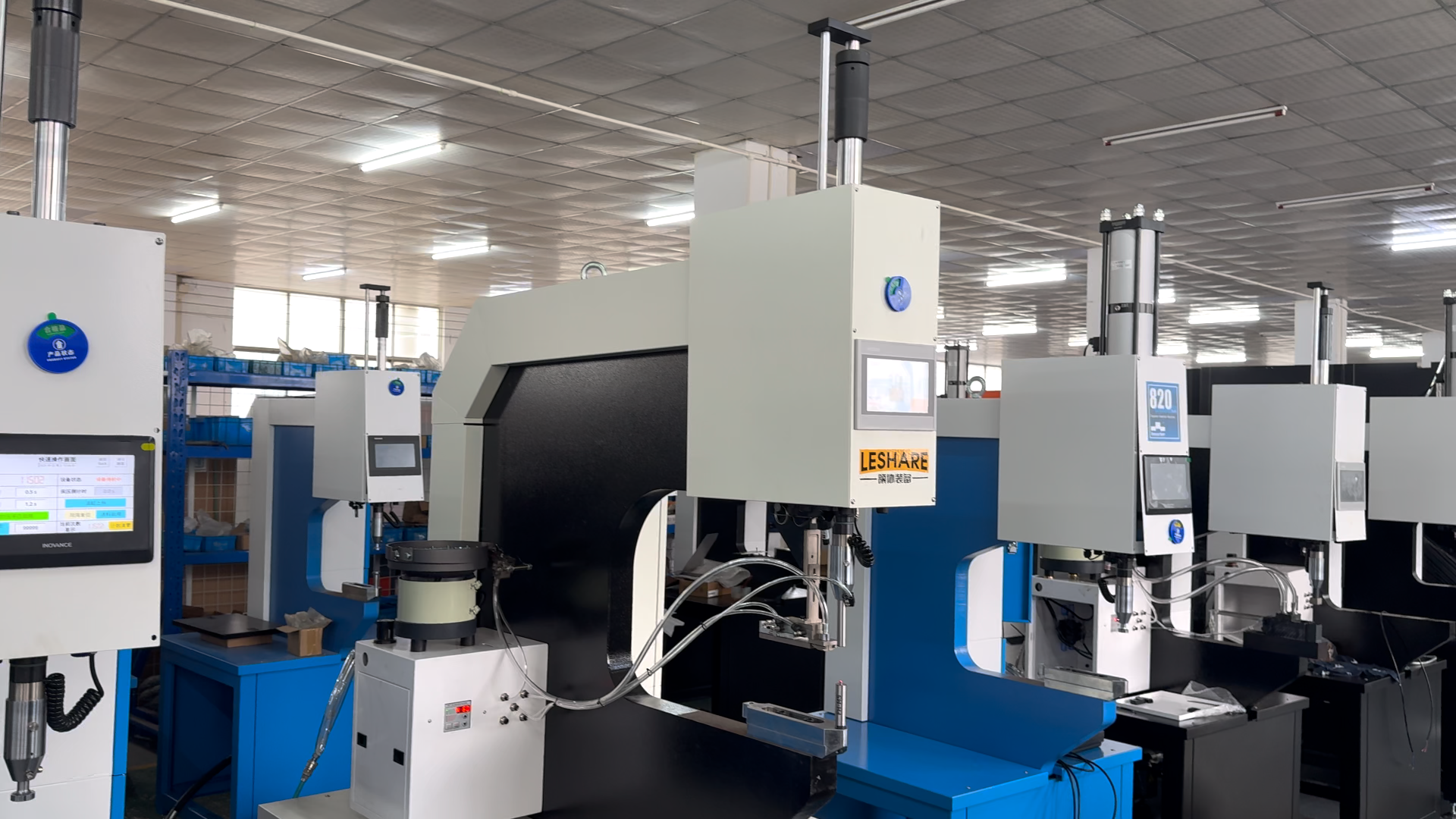
The heart of the automatic nut feeding riveting machine lies in its sophisticated precision feeding system that revolutionizes how nuts are delivered and positioned for riveting operations. This advanced technology incorporates multiple components working in harmony to ensure consistent, reliable nut delivery throughout production cycles. The feeding system begins with a specially designed hopper that accommodates large quantities of nuts while preventing jamming or tangling that could disrupt operations. The hopper features adjustable capacity settings and quick-loading mechanisms that minimize downtime during refilling operations. From the hopper, nuts travel through a vibratory feeding bowl that uses controlled vibrations to organize and orient nuts in the correct position for downstream processing. The vibratory system includes adjustable frequency and amplitude settings that operators can customize based on nut size, weight, and material characteristics. Advanced models incorporate vision systems that verify proper nut orientation and reject improperly positioned components before they reach the riveting station. The feeding track system guides nuts along a predetermined path using precision-machined rails and guides that maintain alignment while accommodating variations in nut dimensions. Track sensors monitor nut flow and automatically adjust feeding rates to maintain optimal inventory levels at the riveting station. The positioning mechanism represents the culmination of the feeding system technology, employing servo-controlled actuators that place each nut with micron-level accuracy at the designated riveting location. This positioning system compensates for material variations and ensures consistent nut placement regardless of base material thickness or surface conditions. The integration of these feeding system components creates a seamless operation that maintains production continuity while delivering the precision required for high-quality riveting results. Maintenance requirements for the feeding system remain minimal due to self-cleaning mechanisms and wear-resistant components designed for extended operational life in demanding industrial environments.
Advanced Force Control and Monitoring

Advanced Force Control and Monitoring

The automatic nut feeding riveting machine incorporates cutting-edge force control and monitoring technology that ensures optimal riveting performance across diverse applications and materials. This sophisticated system employs precision load cells and pressure sensors that continuously monitor riveting force throughout the entire operation cycle. The force control system begins with programmable pressure settings that operators can customize for different nut types, material combinations, and joint strength requirements. These settings account for variables such as material hardness, thickness variations, and environmental conditions that could affect riveting quality. Real-time monitoring capabilities provide instant feedback on force application, allowing the system to make automatic adjustments that maintain consistent riveting pressure regardless of material variations or wear on tooling components. The monitoring system generates detailed data logs that track force parameters for each riveting operation, creating a comprehensive quality record that supports traceability requirements and process optimization initiatives. Advanced algorithms analyze force curves during riveting cycles, identifying deviations that could indicate tooling wear, material defects, or setup issues before they affect product quality. The system provides predictive maintenance alerts based on force pattern analysis, helping maintenance teams schedule interventions before equipment failures occur. Quality control integration allows the force monitoring system to automatically reject parts that fall outside predetermined force parameters, ensuring only properly riveted components continue through production processes. Visual displays provide operators with real-time force readings and historical trending data that supports process troubleshooting and optimization efforts. The force control system includes safety interlocks that prevent operation when force parameters exceed safe limits, protecting both equipment and operators from potential hazards. Calibration procedures ensure long-term accuracy of force measurements, with automated calibration sequences that maintain system precision without requiring extensive manual intervention. This comprehensive force control and monitoring technology transforms the automatic nut feeding riveting machine into a precision manufacturing tool that delivers consistent, traceable results while minimizing quality risks and operational disruptions.
Intelligent Integration and Automation Capabilities

Intelligent Integration and Automation Capabilities

The automatic nut feeding riveting machine features sophisticated integration and automation capabilities that seamlessly connect with modern manufacturing systems and Industry 4.0 initiatives. This intelligent technology platform enables comprehensive communication with enterprise resource planning systems, manufacturing execution systems, and quality management databases through standardized industrial communication protocols. The integration capabilities begin with programmable logic controllers that coordinate all machine functions while maintaining compatibility with various automation networks including Ethernet/IP, Profibus, and Modbus protocols. These communication systems enable real-time data exchange with upstream and downstream processes, allowing for synchronized production scheduling and inventory management. The machine incorporates advanced human-machine interface systems that provide operators with intuitive touchscreen controls for setup, monitoring, and troubleshooting operations. These interfaces display real-time production data, quality metrics, and maintenance alerts in customizable dashboard formats that support efficient decision-making. Remote monitoring capabilities allow engineering teams to access machine performance data and diagnostic information from anywhere within the facility network or through secure internet connections. Predictive analytics built into the automation system analyze operational data to identify patterns that predict maintenance needs, optimize process parameters, and prevent quality issues before they impact production. The machine learning algorithms continuously improve performance by analyzing historical data and adjusting operational parameters for enhanced efficiency and quality outcomes. Recipe management systems store multiple setup configurations for different products, enabling rapid changeovers with minimal operator intervention and reduced setup errors. Automated tool change capabilities allow the machine to accommodate various nut sizes and riveting requirements without manual tooling adjustments, supporting flexible manufacturing strategies and quick response to customer demands. Quality data integration provides comprehensive traceability through automated data collection and reporting systems that comply with industry standards and customer requirements. Batch tracking capabilities maintain detailed records of processing parameters and quality measurements for each production lot, supporting quality investigations and continuous improvement initiatives. The integration platform supports future technology upgrades and customization requirements, ensuring long-term value and adaptability as manufacturing requirements evolve.

Get a Free Quote

Our representative will contact you soon.
Email
Name
Company Name
Message
0/1000