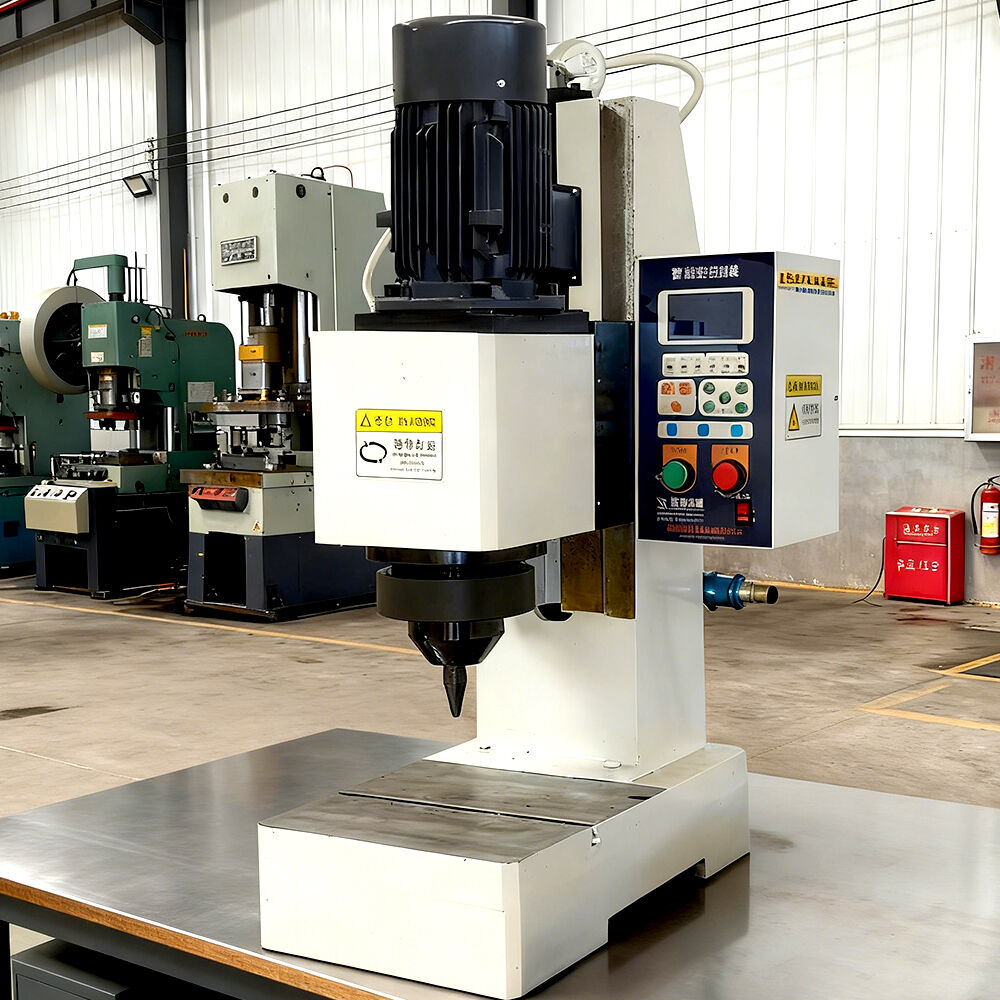
Hydraulic Rotary Riveting Machine - Advanced Manufacturing Solutions for Superior Joint Quality

Get a Free Quote

Our representative will contact you soon.
Email
Name
Company Name
Message
0/1000

hydraulic rotary riveting machine

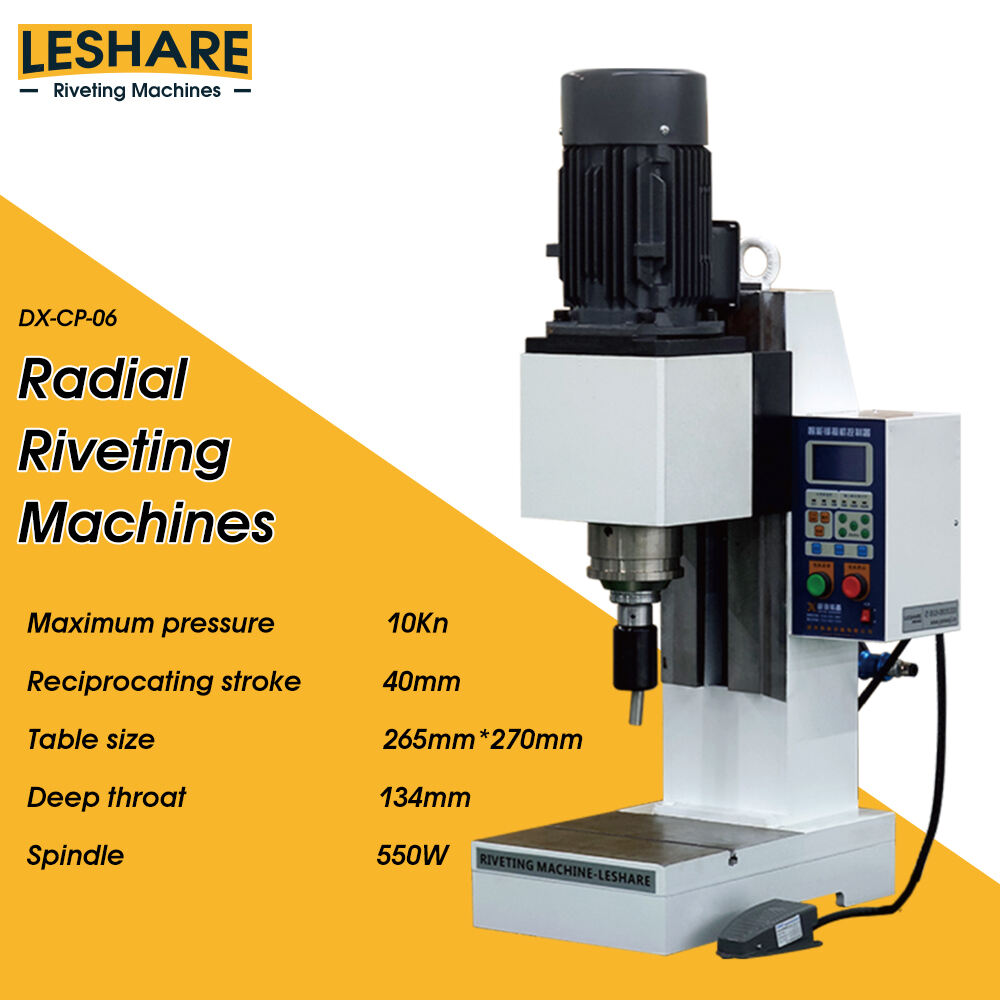
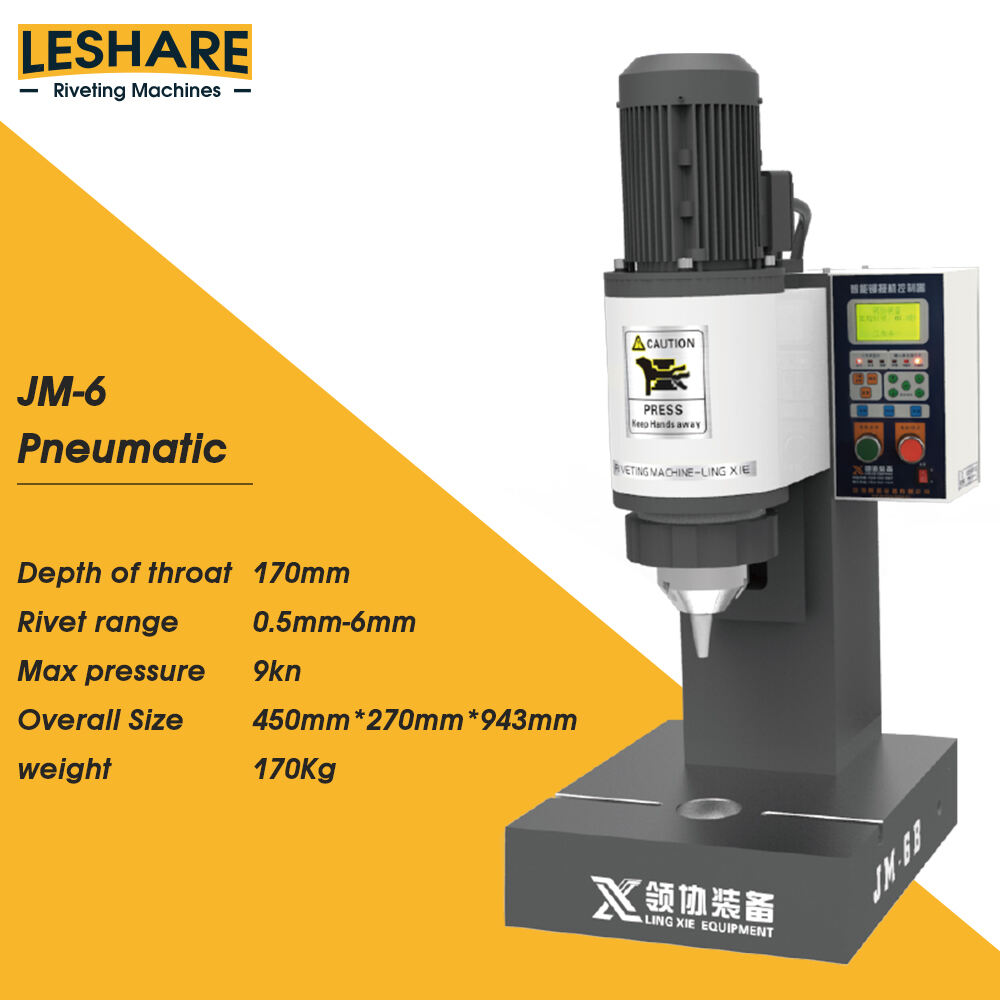
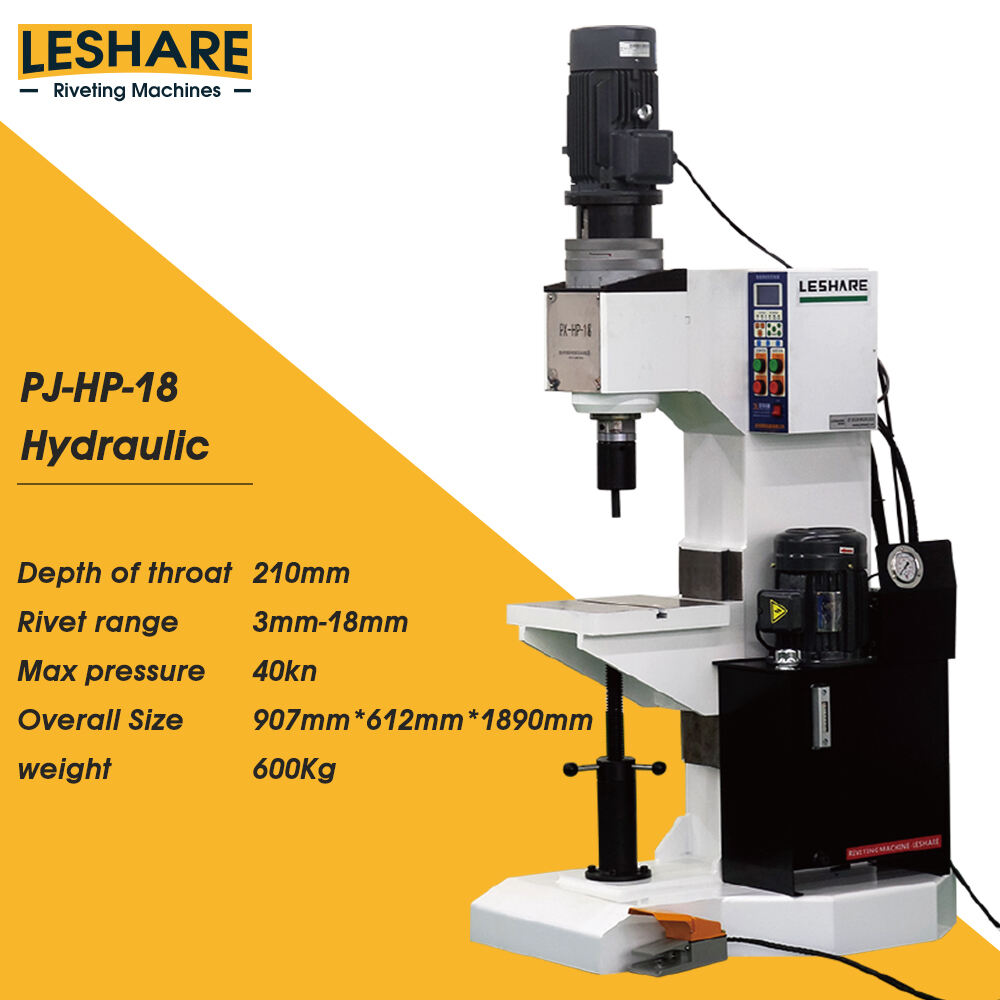
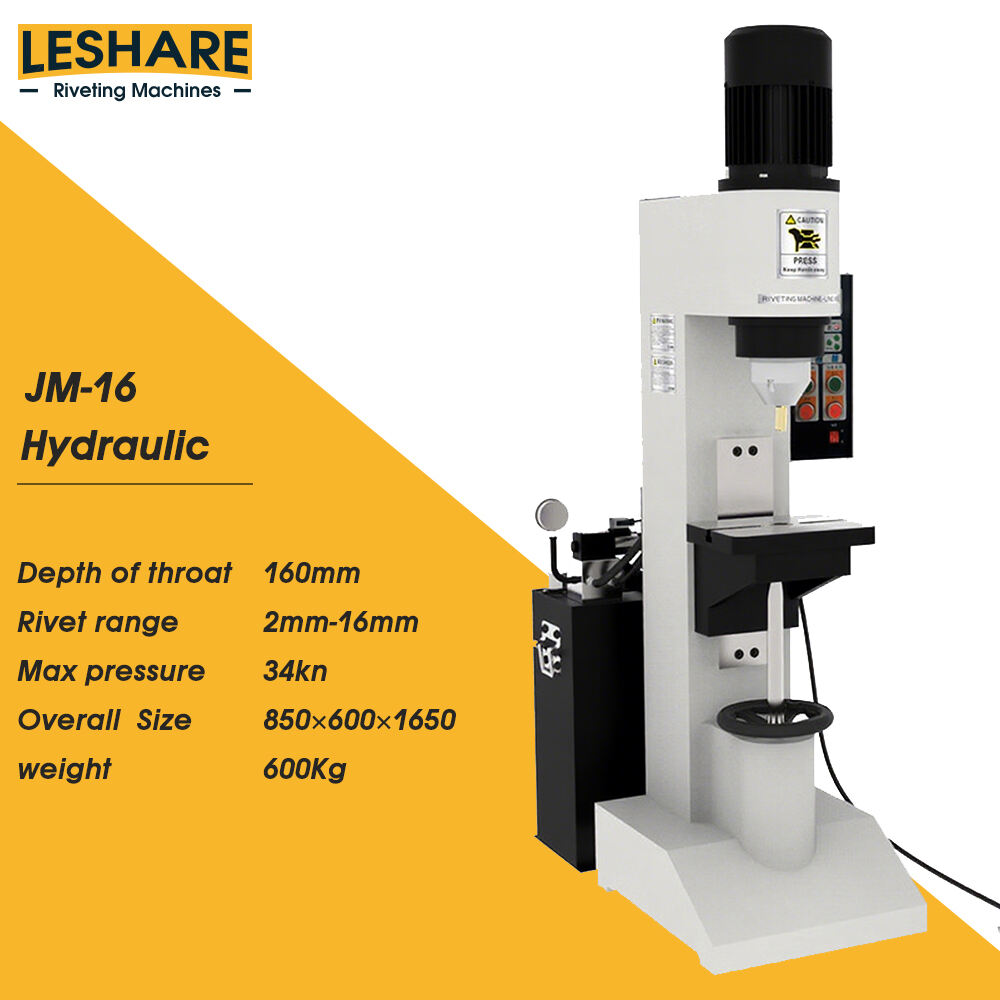
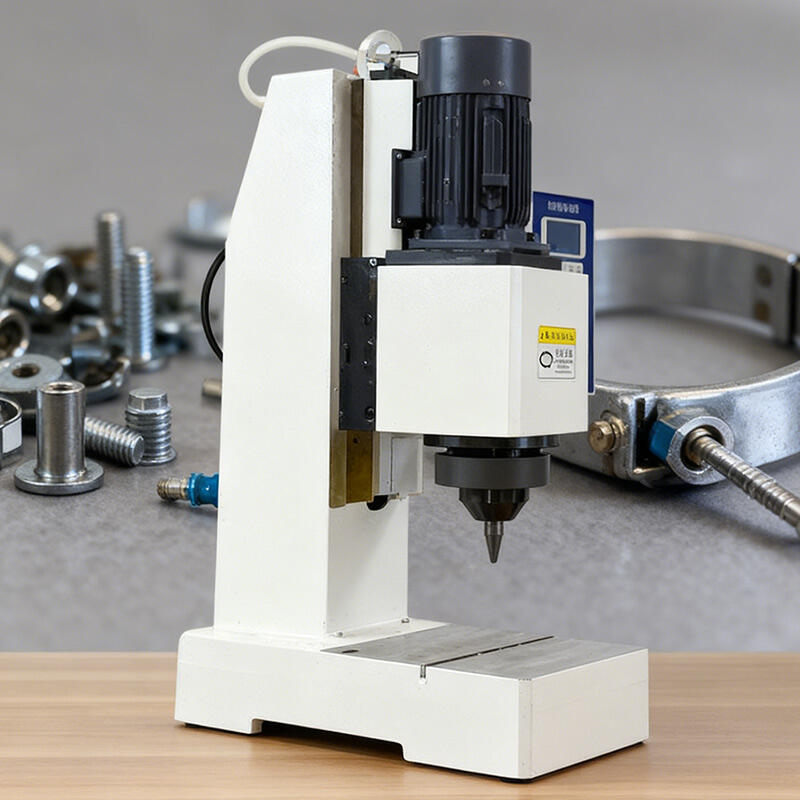
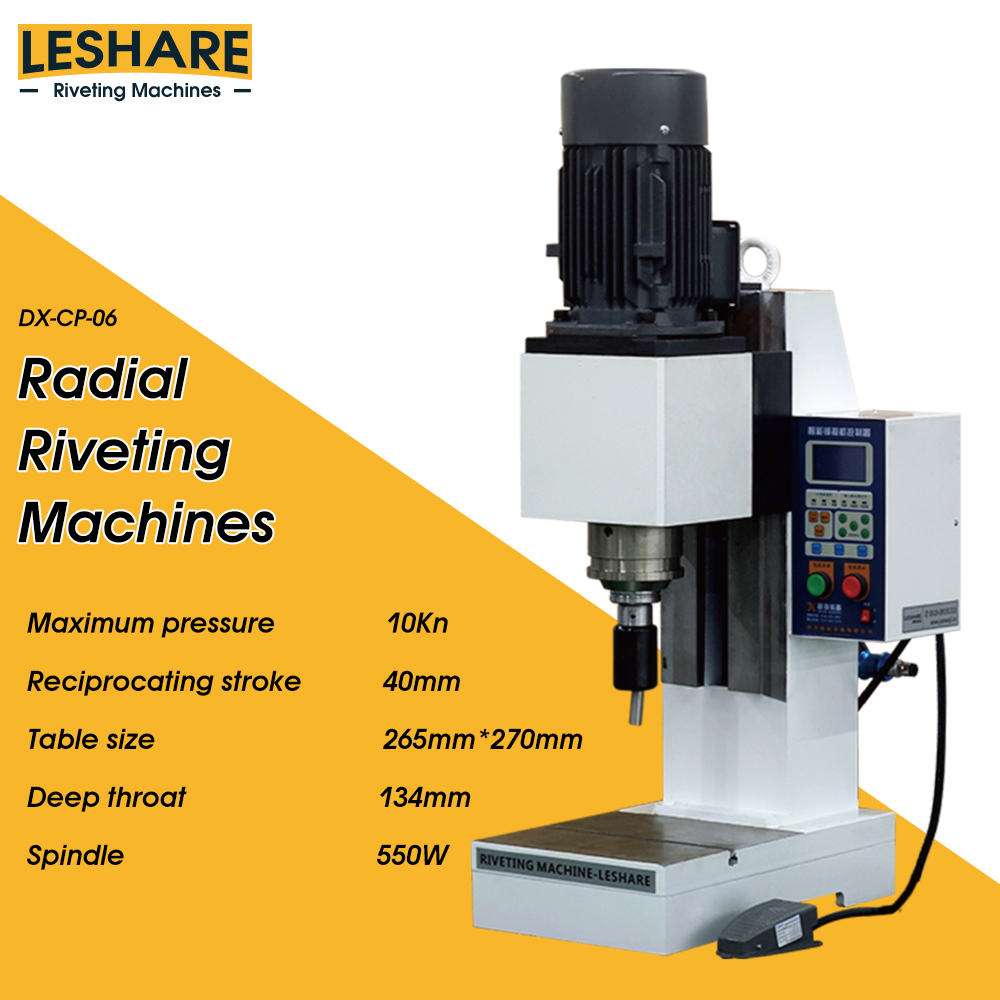
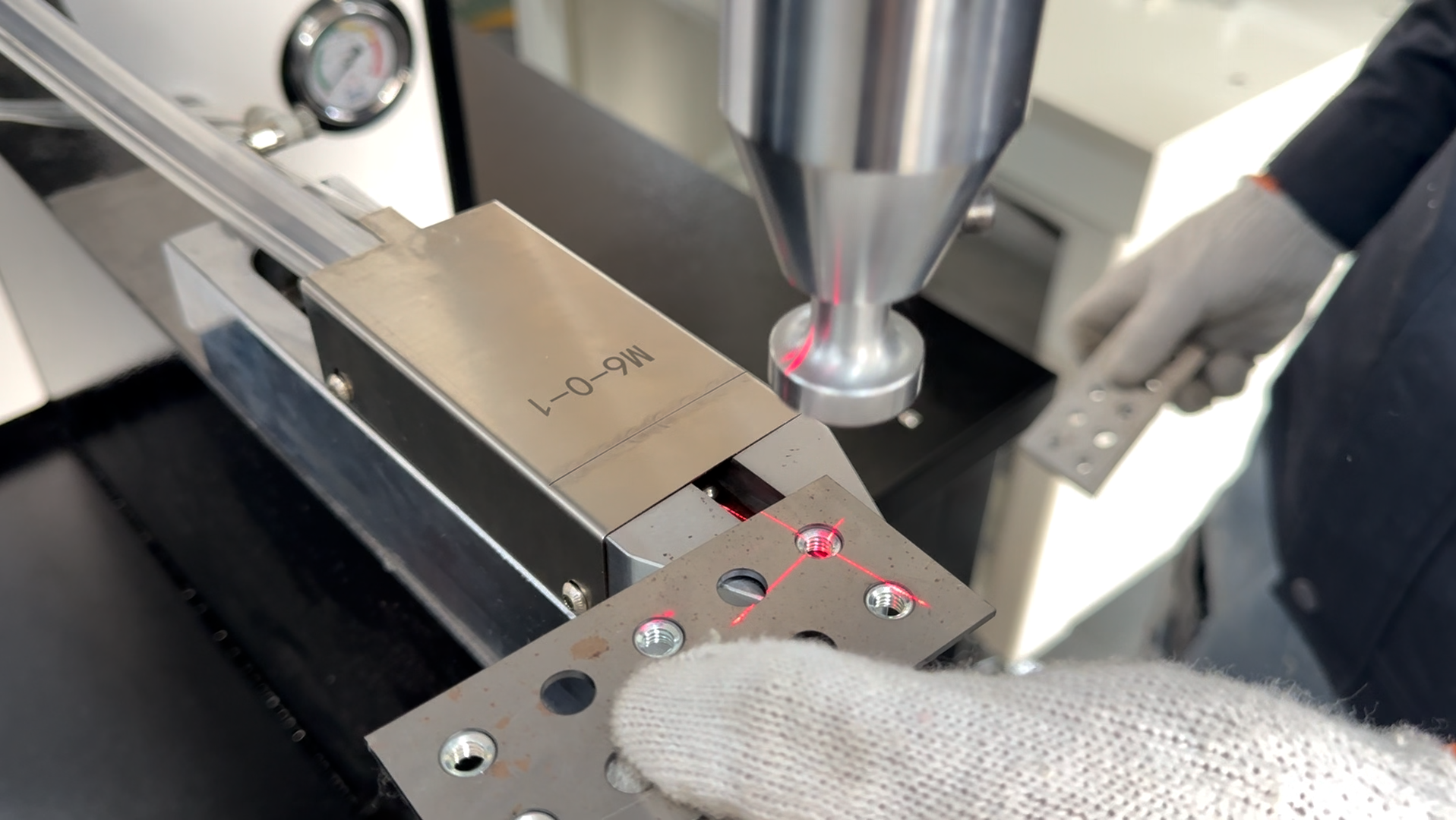
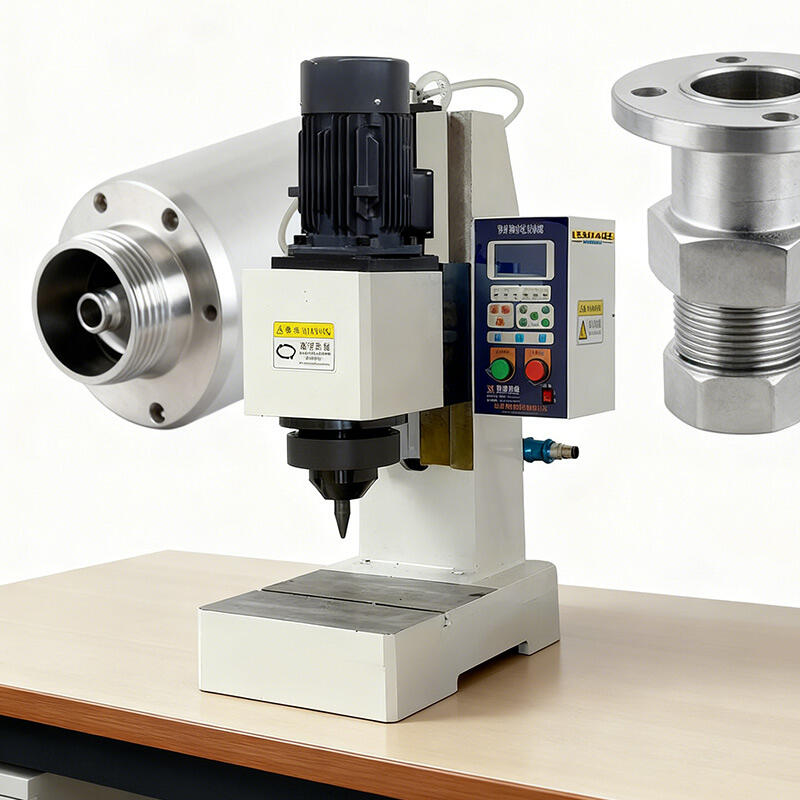
The hydraulic rotary riveting machine represents a sophisticated manufacturing solution that combines precision engineering with robust performance capabilities. This advanced equipment utilizes hydraulic power systems to deliver consistent force application during the riveting process, ensuring superior joint quality and operational reliability. The machine operates through a unique rotary mechanism that creates strong, permanent connections between materials by forming rivets through controlled pressure and rotation. Modern hydraulic rotary riveting machines incorporate state-of-the-art technology including programmable control systems, pressure monitoring capabilities, and automated feeding mechanisms. These technological features enable manufacturers to achieve exceptional consistency in rivet formation while maintaining optimal production speeds. The equipment's hydraulic system provides smooth, controllable force application that can be precisely adjusted for different material thicknesses and rivet specifications. Key functions include automated rivet insertion, pressure regulation, rotation speed control, and quality monitoring systems that ensure each connection meets stringent standards. The machine's versatility allows it to handle various rivet materials including aluminum, steel, stainless steel, and specialized alloys commonly used in aerospace, automotive, and construction applications. Advanced models feature digital displays, programmable settings, and safety interlocks that enhance both operational efficiency and worker protection. The hydraulic rotary riveting machine excels in applications requiring high-strength joints, such as aircraft assembly, automotive body construction, heavy machinery manufacturing, and structural steelwork. Its ability to create leak-proof, vibration-resistant connections makes it invaluable for industries where joint integrity is critical. The technology behind these machines continues to evolve, incorporating smart sensors, data logging capabilities, and integration with manufacturing execution systems for comprehensive production monitoring and quality assurance.

New Products

The hydraulic rotary riveting machine delivers exceptional operational benefits that directly impact manufacturing efficiency and product quality. One primary advantage is the superior joint strength achieved through controlled hydraulic pressure application. Unlike pneumatic alternatives, hydraulic systems provide consistent force delivery regardless of air pressure fluctuations or compressor limitations. This reliability ensures every rivet receives optimal forming pressure, creating stronger, more durable connections that withstand demanding operational conditions. The machine reduces labor costs significantly by automating previously manual processes. Operators can achieve higher productivity rates with minimal physical effort, as the hydraulic system handles the demanding aspects of rivet formation. This automation also minimizes human error, resulting in more consistent quality outcomes and reduced rework requirements. Energy efficiency represents another substantial advantage of hydraulic rotary riveting machines. These systems consume power only during actual riveting operations, unlike continuous-run pneumatic compressors that waste energy during idle periods. The precise control offered by hydraulic systems allows manufacturers to optimize energy consumption while maintaining superior performance standards. Maintenance requirements are typically lower than pneumatic alternatives due to fewer moving parts and the self-lubricating properties of hydraulic fluid. This translates to reduced downtime, lower maintenance costs, and improved overall equipment effectiveness. The versatility of hydraulic rotary riveting machines enables manufacturers to handle diverse applications with a single piece of equipment. From delicate electronic assemblies to heavy structural components, these machines adapt to various material types and thicknesses through programmable settings and adjustable pressure controls. Quality consistency is dramatically improved as hydraulic systems eliminate the variability associated with manual riveting techniques. Each rivet receives identical treatment, ensuring uniform appearance and performance characteristics across entire production runs. This consistency reduces quality control costs and enhances customer satisfaction through reliable product performance. The machines also offer enhanced safety features compared to manual riveting methods. Enclosed operating areas, emergency stops, and pressure relief systems protect operators while maintaining high productivity levels. Additionally, the reduced noise levels compared to pneumatic systems create more comfortable working environments and help manufacturers comply with occupational health regulations.

Practical Tips

How Do You Match Fastener Types to the Right Fastener Insertion Machine?

29

Dec

How Do You Match Fastener Types to the Right Fastener Insertion Machine?

Selecting the appropriate fastener insertion machine for your manufacturing operation requires careful consideration of multiple technical factors that directly impact production efficiency, quality, and cost-effectiveness. Modern industrial applicat...
View More
Why are radial riveting machines preferred for cold forming applications?

28

Jan

Why are radial riveting machines preferred for cold forming applications?

Radial riveting machines have revolutionized the manufacturing landscape by offering superior cold forming capabilities that traditional riveting methods simply cannot match. These sophisticated pieces of equipment utilize a unique radial motion mech...
View More
What to consider when sourcing nonrotating shaft radial riveter systems?

26

Feb

What to consider when sourcing nonrotating shaft radial riveter systems?

Manufacturing precision and assembly efficiency depend heavily on selecting the right fastening equipment for your production line. When evaluating nonrotating shaft radial riveter systems, understanding the critical factors that influence performanc...
View More
What Types of Fasteners Work with Insertion Machines?

18

Mar

What Types of Fasteners Work with Insertion Machines?

Insertion Machines play a critical role in today’s automated manufacturing environments, enabling precise, efficient, and repeatable installation of a wide range of fasteners. From sheet metal fabrication to automotive assembly lines, these mac...
View More

Get a Free Quote

Our representative will contact you soon.
Email
Name
Company Name
Message
0/1000

hydraulic rotary riveting machine

Advanced Hydraulic Precision Control System

Advanced Hydraulic Precision Control System

The hydraulic rotary riveting machine features an sophisticated precision control system that sets new standards for manufacturing accuracy and consistency. This advanced system utilizes high-precision hydraulic components including servo-controlled valves, pressure transducers, and flow regulators to deliver exact force application during every riveting cycle. The control system monitors and adjusts hydraulic pressure in real-time, compensating for variations in material properties, rivet hardness, and environmental conditions. This dynamic adjustment capability ensures optimal rivet formation regardless of external factors that might affect other riveting technologies. The system's programmable logic controller allows operators to store multiple riveting profiles for different applications, enabling quick changeovers between production runs without sacrificing quality or requiring extensive setup time. Each profile can specify precise pressure curves, dwell times, rotation speeds, and safety parameters tailored to specific rivet types and material combinations. Advanced diagnostic capabilities provide continuous monitoring of system performance, alerting operators to potential issues before they affect production quality. The hydraulic rotary riveting machine's control system includes data logging functions that record every riveting cycle, creating comprehensive quality records for traceability and process optimization. This data can be integrated with manufacturing execution systems for complete production visibility and statistical process control. The precision control system also incorporates multiple safety interlocks that prevent operation under unsafe conditions, protecting both equipment and personnel. Pressure relief valves, emergency stop circuits, and position monitoring sensors ensure safe operation while maintaining maximum productivity. The user interface provides intuitive controls with clear visual indicators, making it easy for operators to monitor system status and make necessary adjustments. The system's modular design allows for future upgrades and customization to meet evolving manufacturing requirements, ensuring long-term value and adaptability to changing production needs.
Superior Material Compatibility and Versatility

Superior Material Compatibility and Versatility

The hydraulic rotary riveting machine demonstrates exceptional material compatibility and versatility, making it an invaluable asset for diverse manufacturing applications across multiple industries. This remarkable adaptability stems from the machine's ability to precisely control forming forces and rotation parameters to accommodate different material properties and rivet specifications. The equipment successfully processes a wide range of materials including aluminum alloys, carbon steel, stainless steel, titanium, brass, copper, and specialized composite materials commonly used in aerospace and automotive applications. Each material requires specific forming parameters, and the hydraulic rotary riveting machine's programmable controls enable operators to optimize settings for maximum joint strength and appearance quality. The machine handles various rivet types including solid rivets, semi-tubular rivets, tubular rivets, and specialized fasteners designed for specific applications. This versatility eliminates the need for multiple specialized machines, reducing capital equipment costs and floor space requirements while simplifying operator training and maintenance procedures. The hydraulic system's precise force control accommodates material thickness variations from thin sheet metal applications to heavy structural assemblies. Advanced pressure profiling capabilities allow the machine to apply different force levels during the forming cycle, optimizing material flow and minimizing work hardening effects. This sophisticated control prevents material damage while ensuring complete rivet formation and maximum joint strength. The machine's adjustable rotation speed and direction capabilities enable optimization for different rivet materials and joint configurations. Soft materials may require slower speeds to prevent tearing, while harder materials benefit from increased rotation rates for efficient forming. The hydraulic rotary riveting machine also excels in mixed-material applications where different base materials are joined together. The precise control system can compensate for varying material properties within a single joint, ensuring optimal forming pressure distribution and preventing preferential deformation. This capability is particularly valuable in automotive applications where aluminum components are joined to steel structures, or in aerospace applications involving composite-to-metal joints. The machine's versatility extends to various joint configurations including single-sided riveting, double-sided applications, and complex multi-layer assemblies requiring careful pressure control to prevent damage to internal components.
Enhanced Production Efficiency and Cost Reduction

Enhanced Production Efficiency and Cost Reduction

The hydraulic rotary riveting machine delivers substantial improvements in production efficiency while significantly reducing overall manufacturing costs through multiple integrated advantages. The automated operation capabilities eliminate the time-consuming manual processes traditionally associated with riveting, allowing single operators to achieve production rates previously requiring multiple workers. The machine's consistent cycle times and reliable operation enable accurate production planning and scheduling, improving overall manufacturing flow and reducing bottlenecks. Quick changeover capabilities between different rivet sizes and material types minimize setup time, maximizing productive machine utilization throughout shifts. The hydraulic rotary riveting machine reduces material waste through precise control over the riveting process, minimizing rejected parts and rework requirements. The consistent quality output eliminates the variability associated with manual riveting techniques, reducing quality control inspection time and associated labor costs. Advanced monitoring systems provide real-time feedback on joint quality, enabling immediate correction of any process deviations before significant quantities of defective parts are produced. This proactive quality control approach prevents costly downstream discoveries and customer complaints. Energy efficiency features contribute to substantial operational cost savings over the machine's service life. The hydraulic system's on-demand power consumption eliminates the continuous energy draw of pneumatic compressor systems, reducing electricity costs while supporting environmental sustainability initiatives. The precise control capabilities minimize energy waste during the forming process, optimizing power usage for each individual rivet. Maintenance costs are reduced through the robust design and high-quality hydraulic components that provide extended service life with minimal intervention. Predictive maintenance capabilities integrated into the control system monitor component wear and performance degradation, enabling scheduled maintenance activities that prevent unexpected downtime and costly emergency repairs. The modular design simplifies component replacement and upgrade procedures, reducing maintenance time and associated labor costs. Labor efficiency improvements extend beyond direct operation to include reduced training requirements due to the machine's intuitive controls and automated safety systems. New operators can achieve proficiency more quickly compared to manual riveting techniques, reducing training costs and improving workforce flexibility. The consistent, repeatable results produced by the hydraulic rotary riveting machine enhance customer satisfaction and reduce warranty claims, contributing to improved profitability and market reputation.

Get a Free Quote

Our representative will contact you soon.
Email
Name
Company Name
Message
0/1000