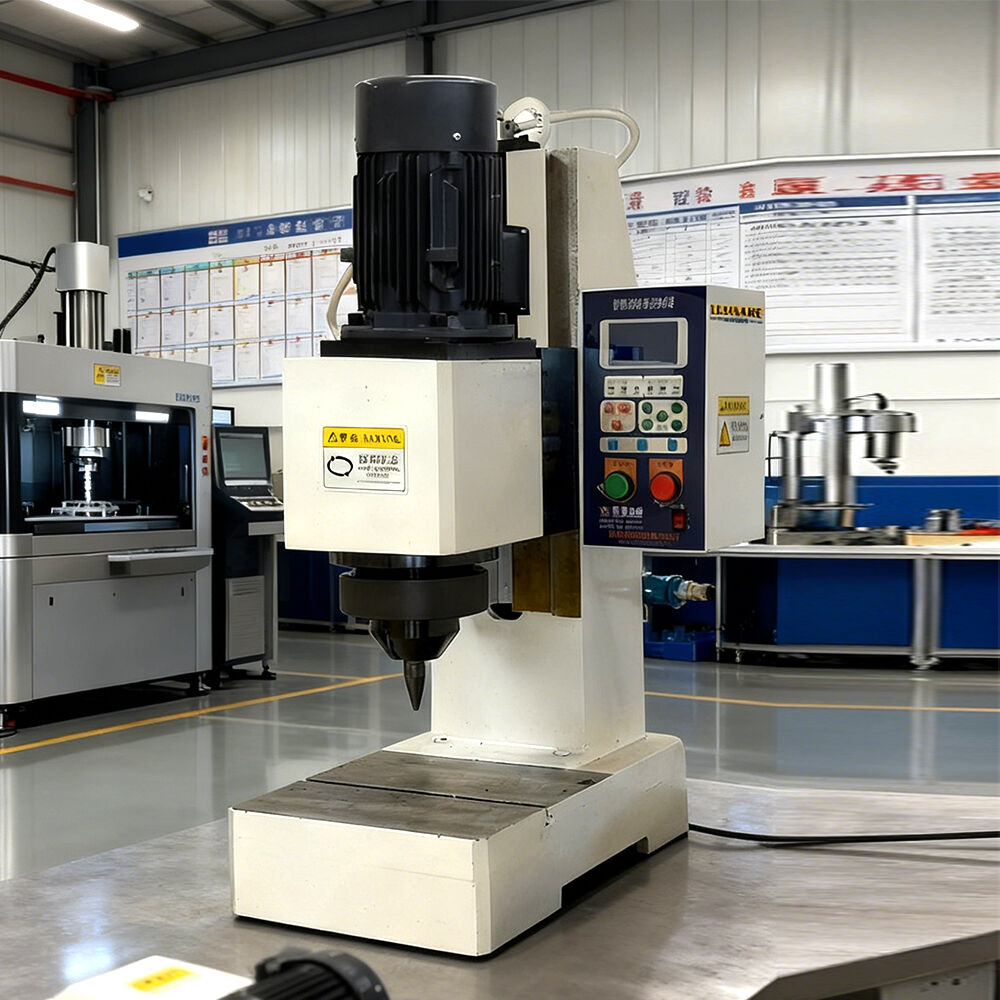
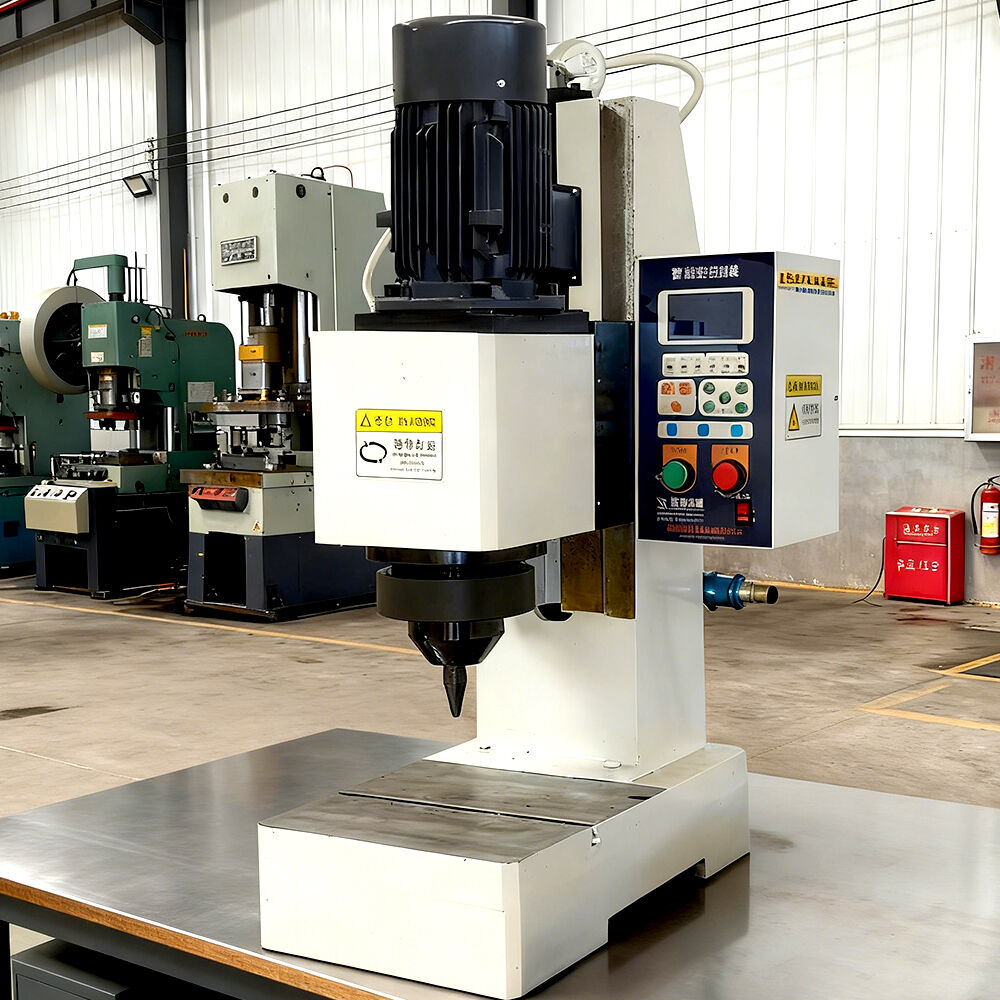
rivetless joining machine
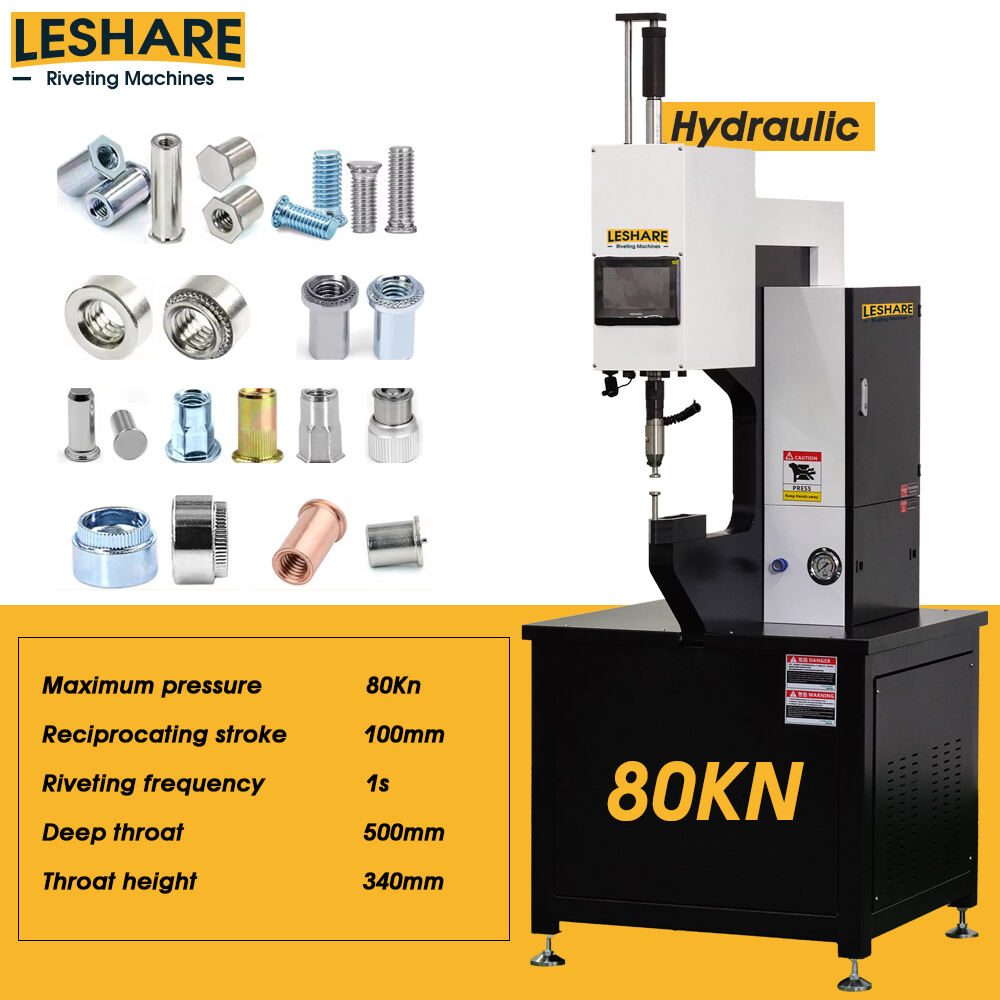
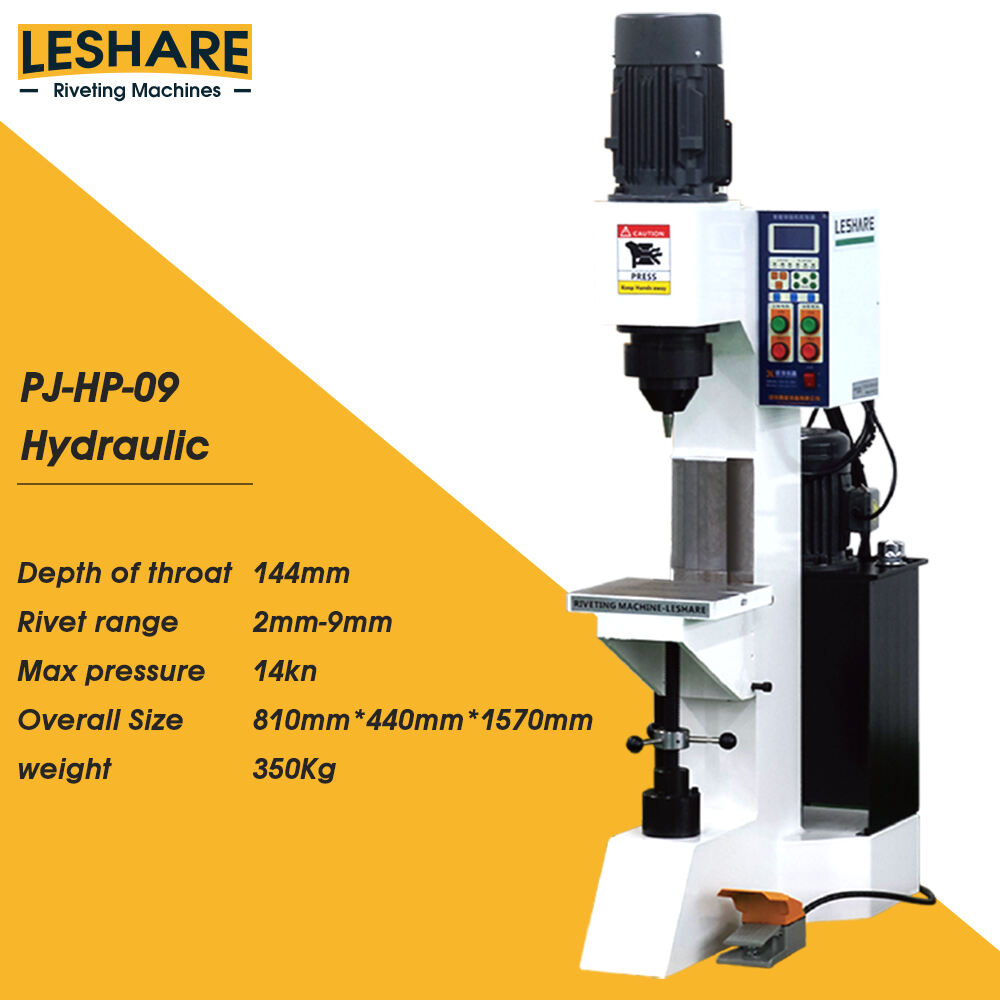
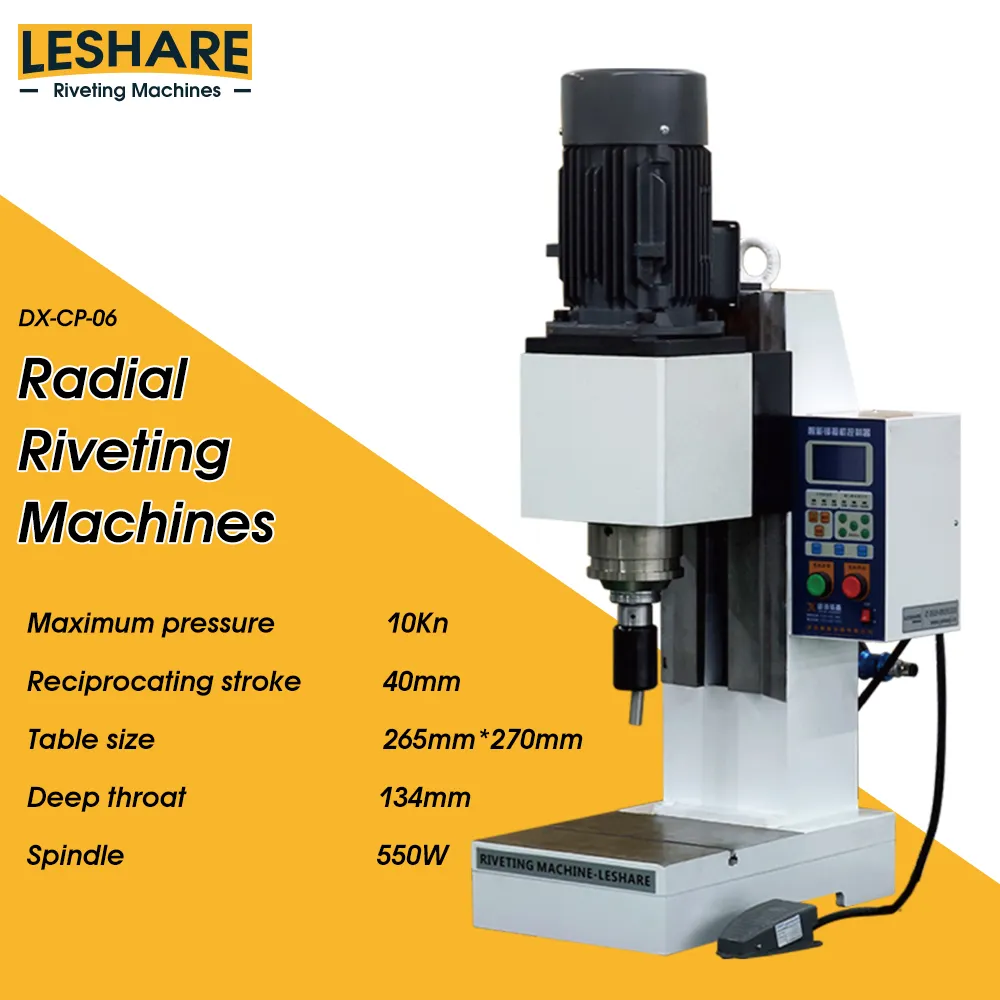
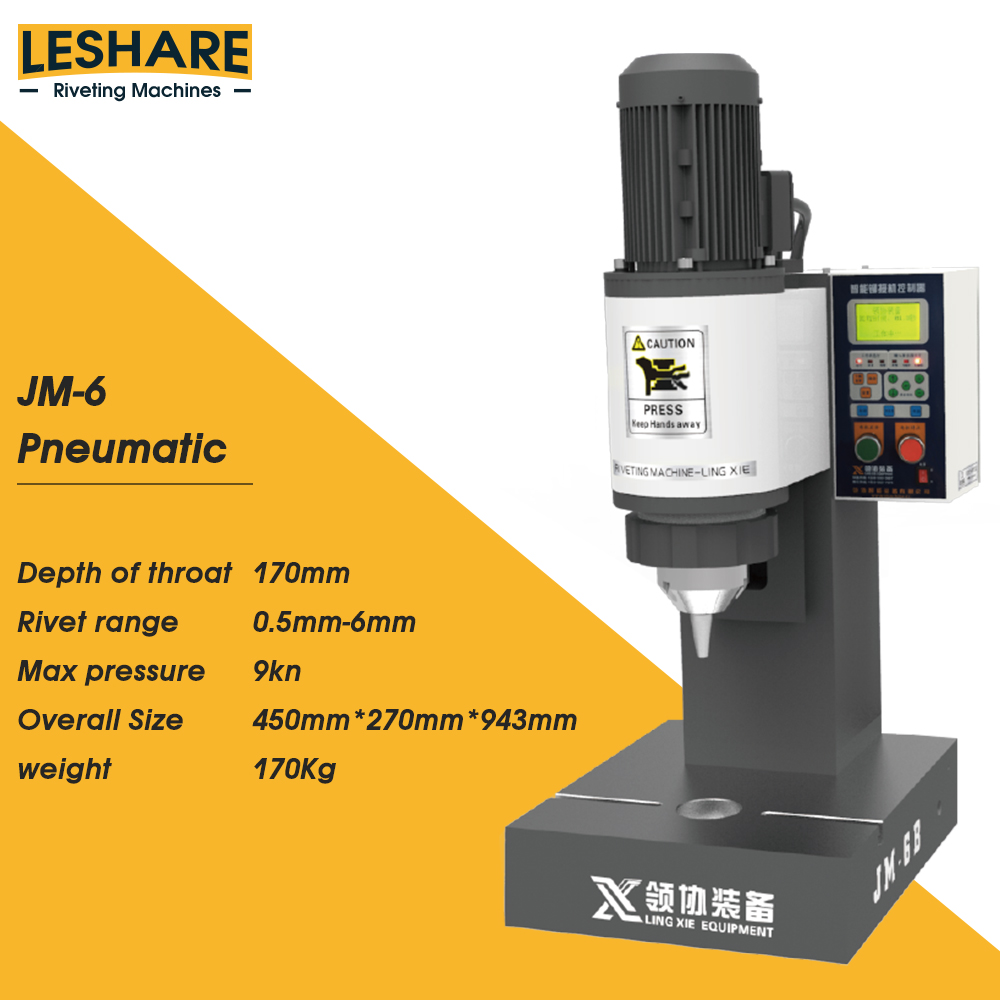
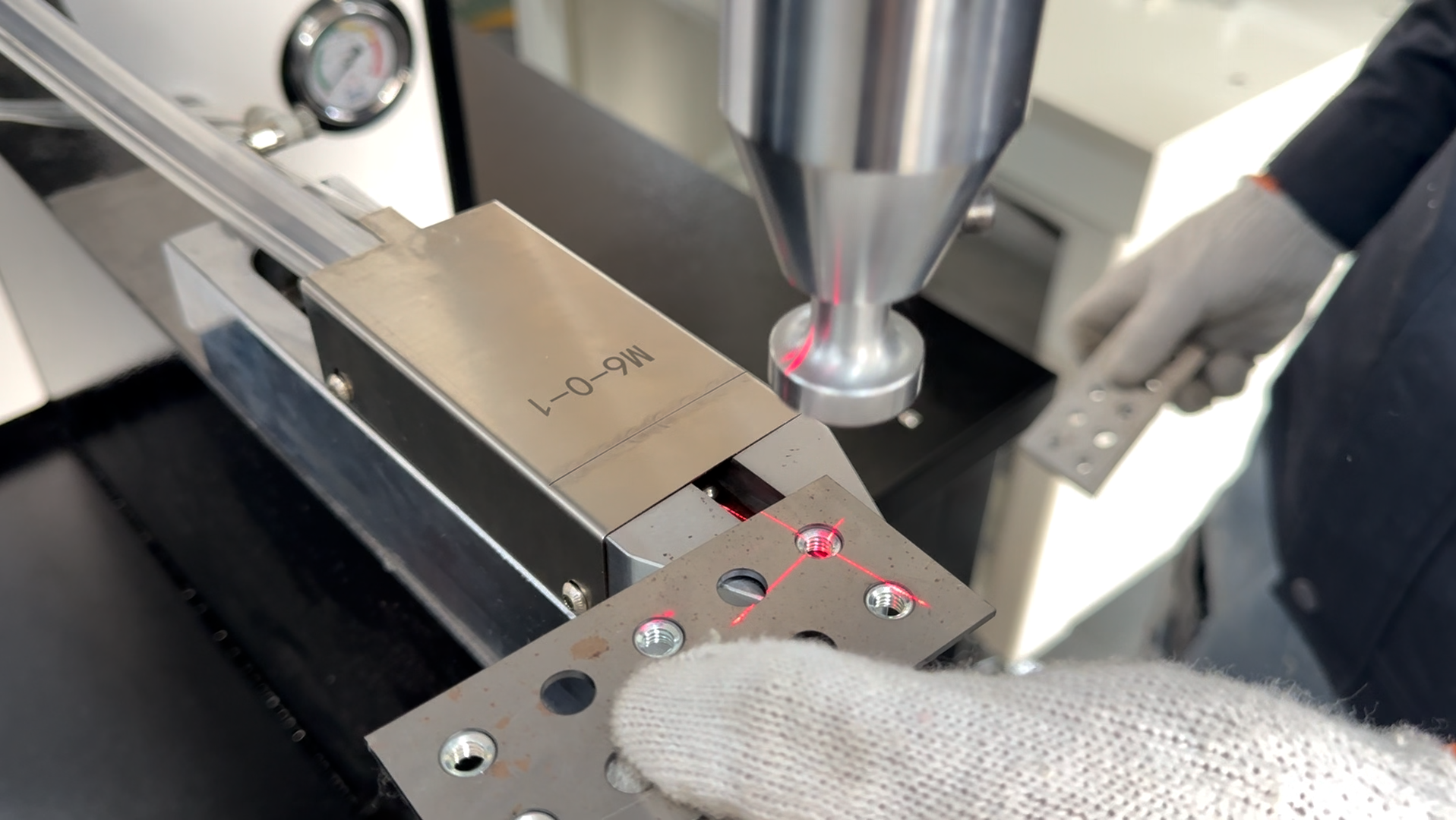
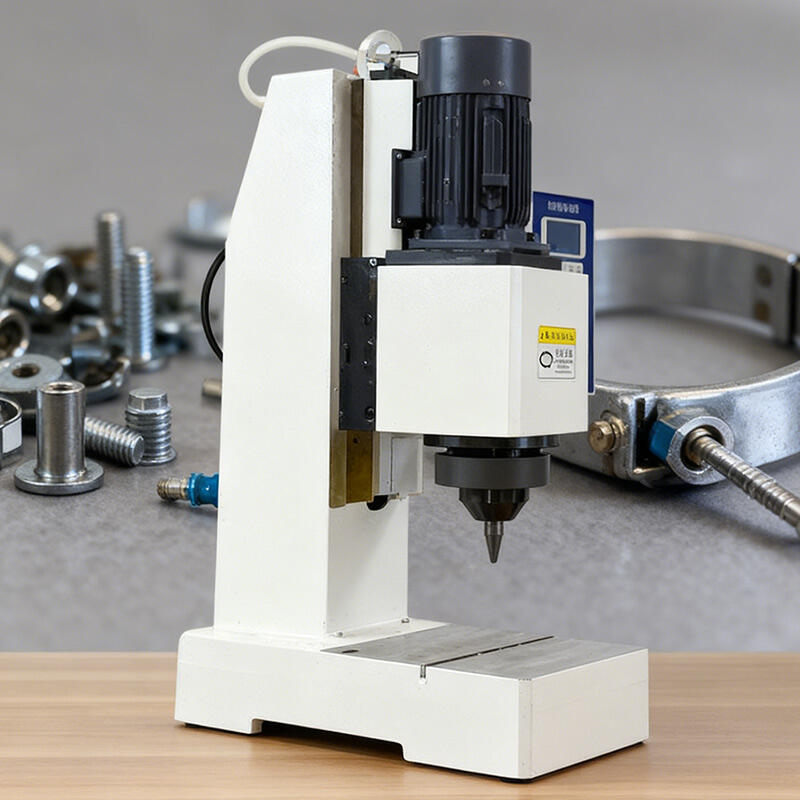
The rivetless joining machine represents a revolutionary advancement in industrial assembly technology, designed to create strong, permanent connections between materials without the need for traditional rivets. This innovative equipment utilizes advanced mechanical forming processes to join metal sheets, profiles, and components through precise deformation and interlocking mechanisms. The core functionality of the rivetless joining machine centers on its ability to create secure connections by manipulating the base materials themselves, forming interlocked joints that provide exceptional strength and durability. The machine operates through sophisticated hydraulic or servo-driven systems that apply controlled pressure and force to create seamless connections. Key technological features include programmable control systems that allow operators to adjust joining parameters for different material types and thicknesses. The equipment incorporates precision positioning mechanisms that ensure accurate alignment of components before joining, while automated feed systems streamline the production process. Advanced sensors monitor the joining process in real-time, providing feedback on joint quality and consistency. The rivetless joining machine accommodates various material combinations, including steel, aluminum, and composite materials, making it versatile for diverse manufacturing applications. Industrial applications span across automotive manufacturing, where the technology creates lightweight yet strong body panel connections. Aerospace industries utilize these machines for aircraft component assembly, benefiting from the weight reduction compared to traditional riveted joints. Construction and building industries employ rivetless joining machines for structural connections in prefabricated components and architectural elements. The appliance manufacturing sector uses this technology for creating durable connections in white goods and HVAC systems. Electronic enclosure production benefits from the clean, smooth joints that eliminate sharp edges and provide electromagnetic shielding. The pharmaceutical and food processing industries appreciate the hygienic qualities of seamless joints that eliminate crevices where contaminants might collect.
 EN
EN