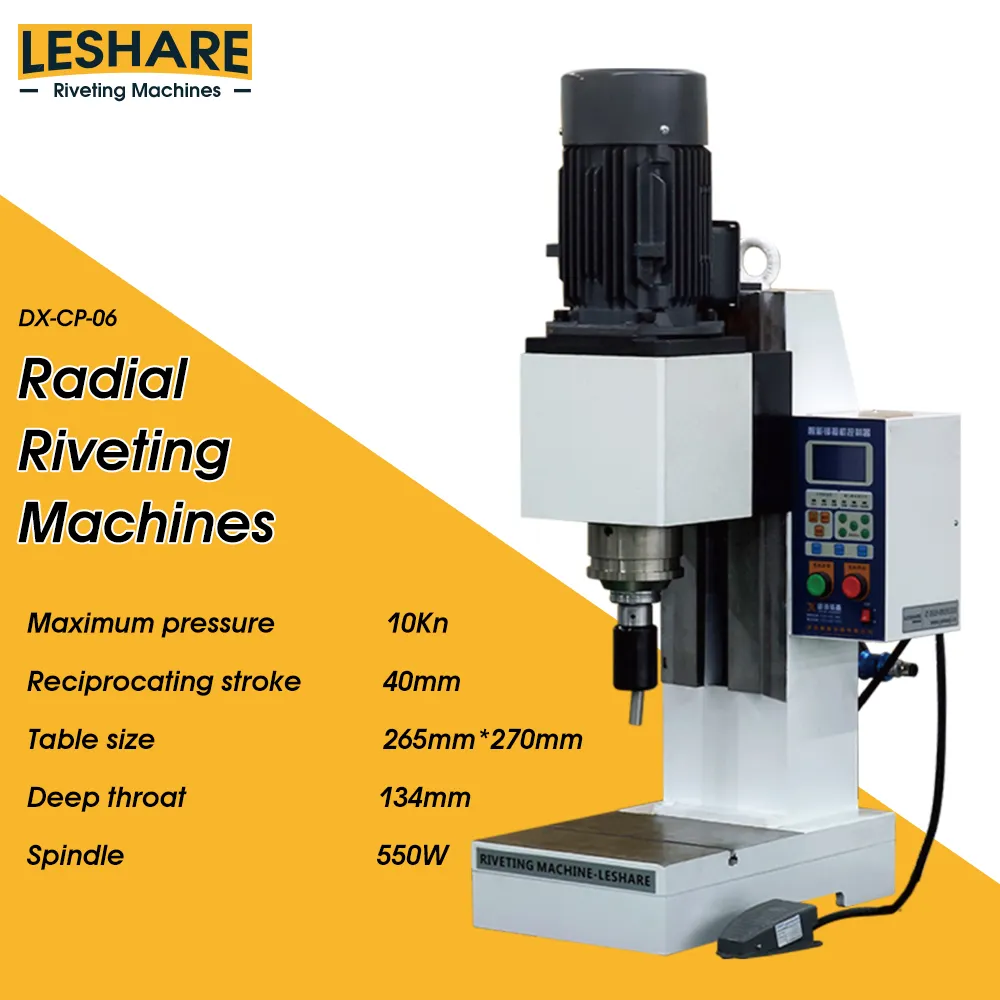
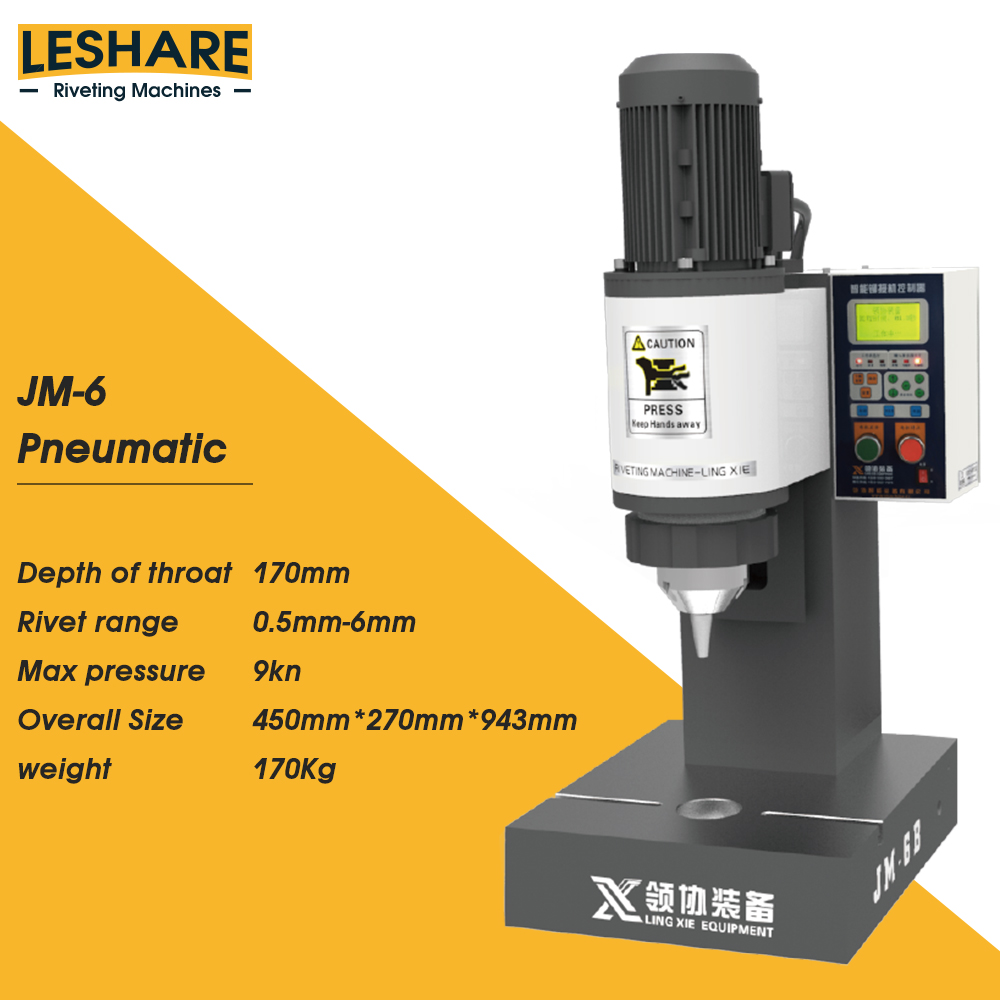
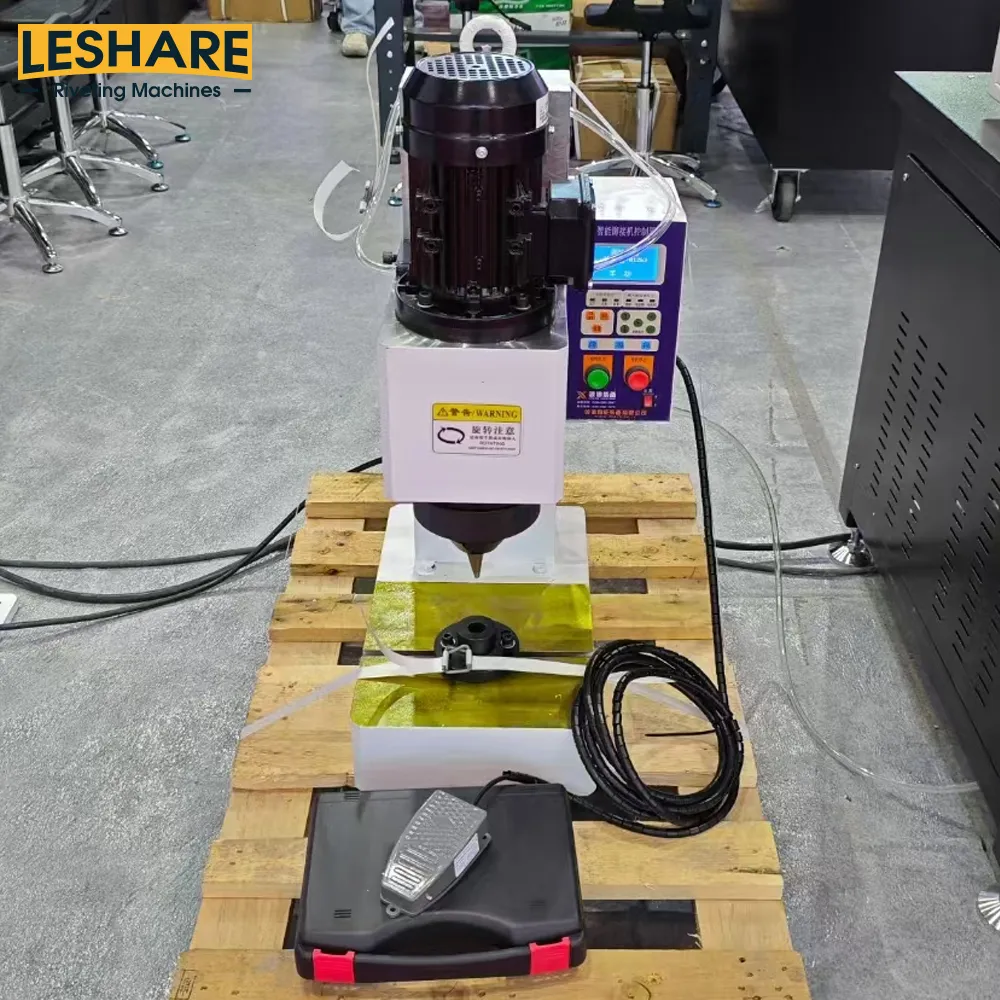
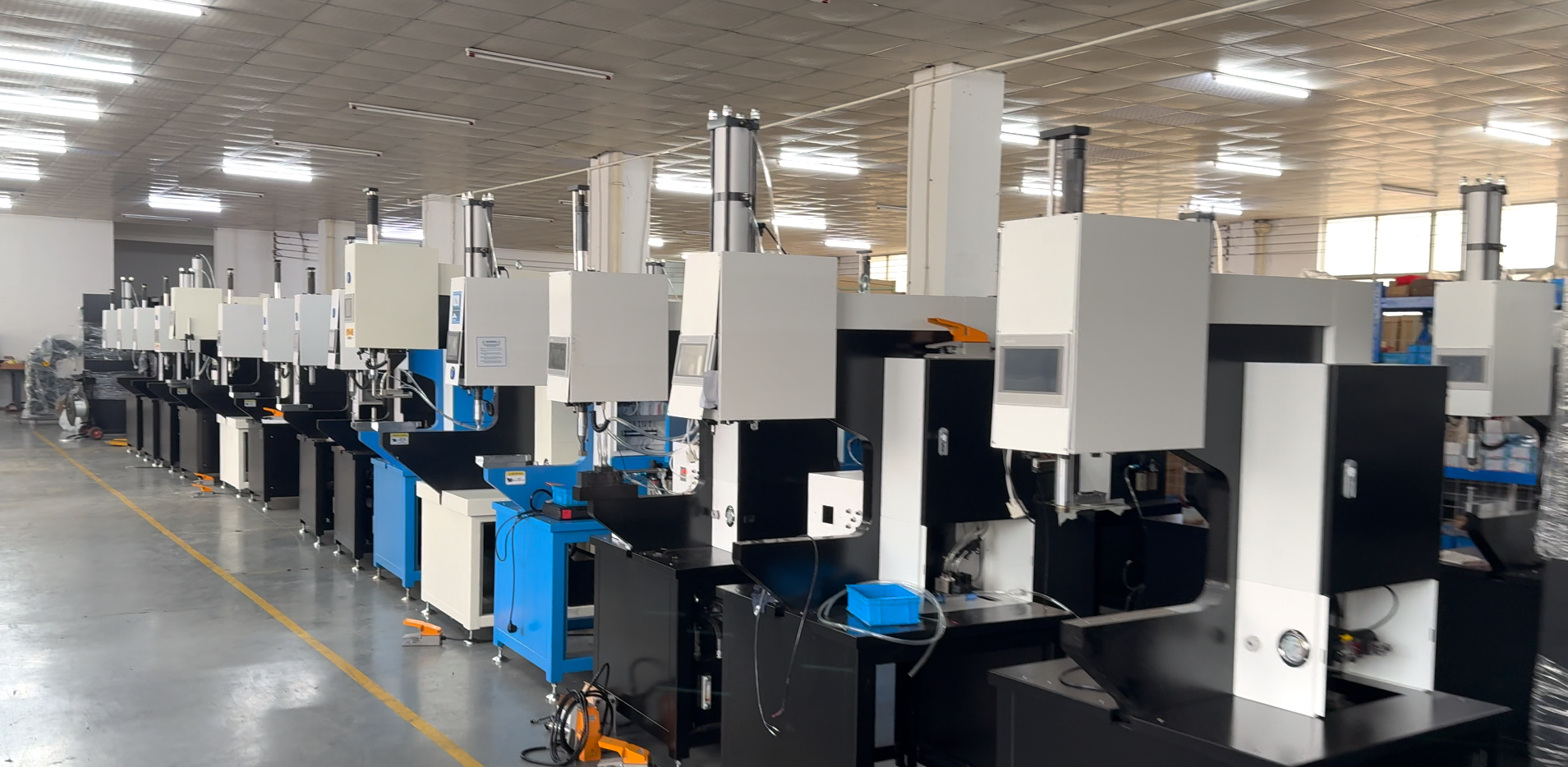
floorstanding radial riveting machine
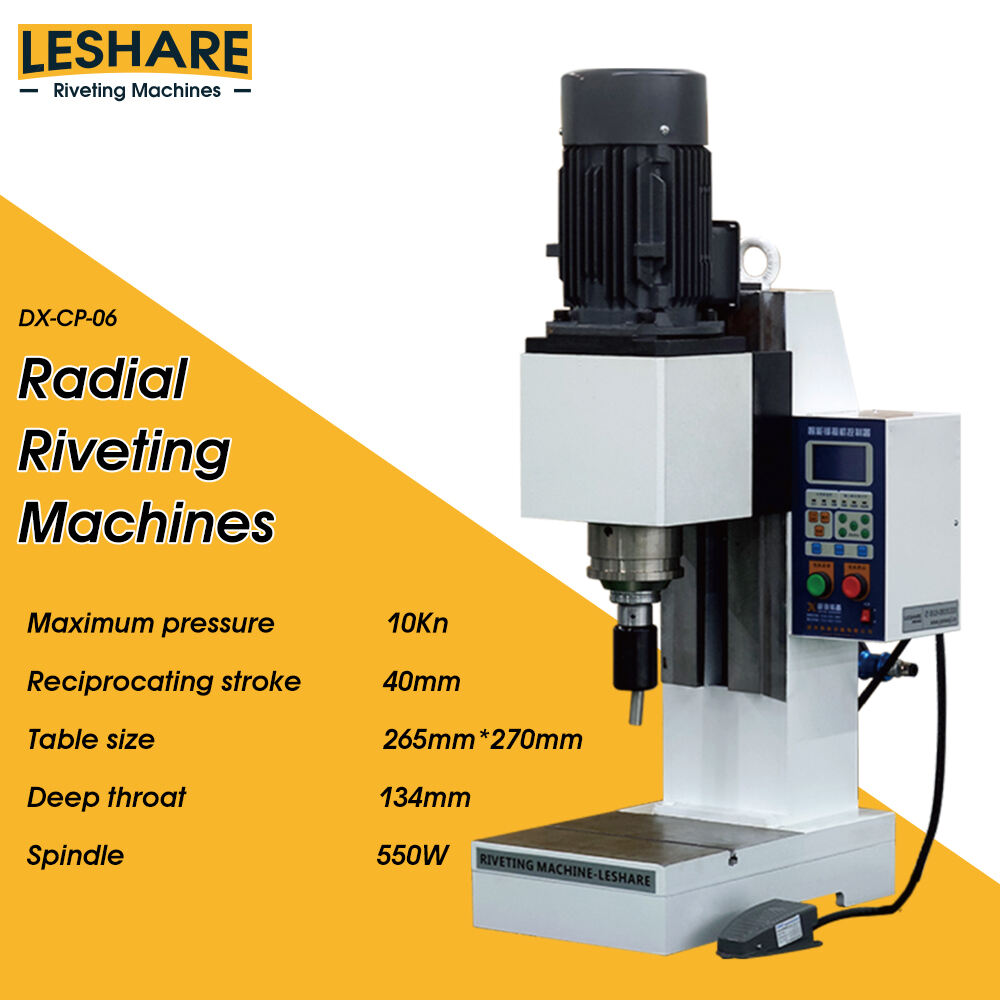
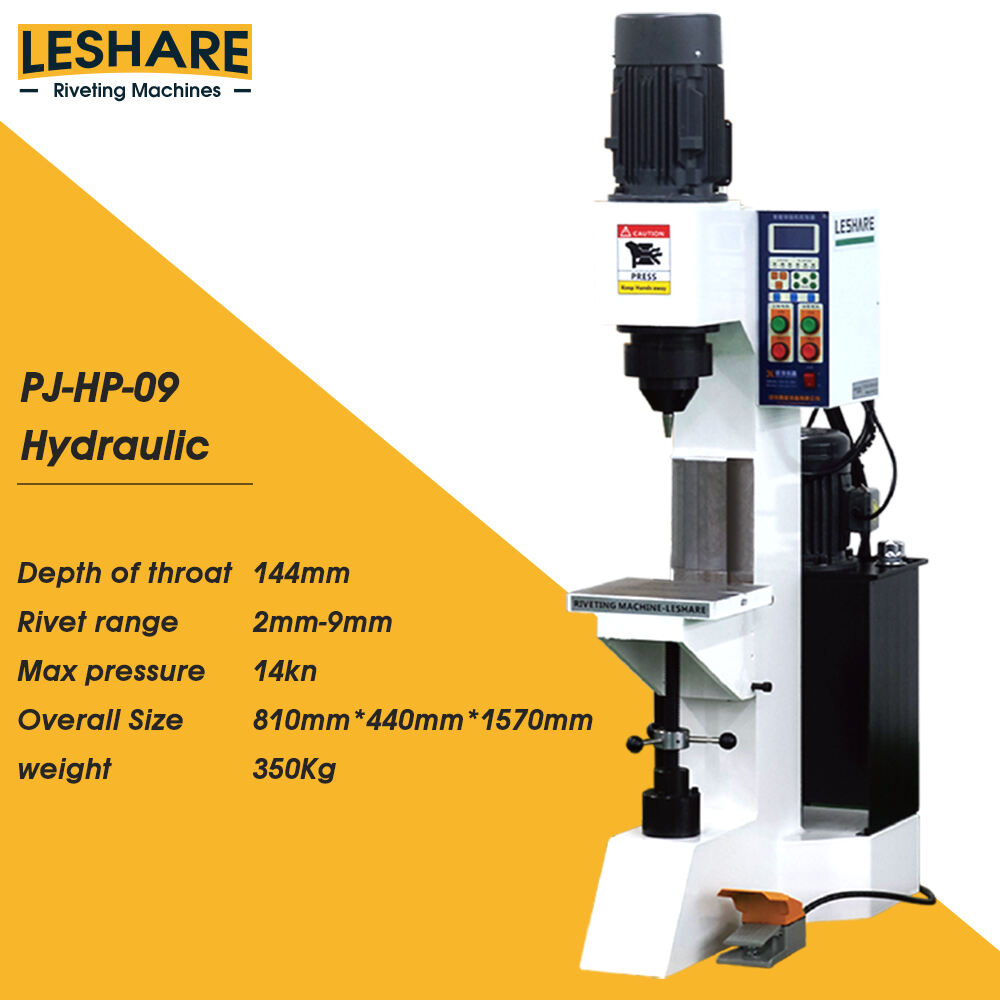
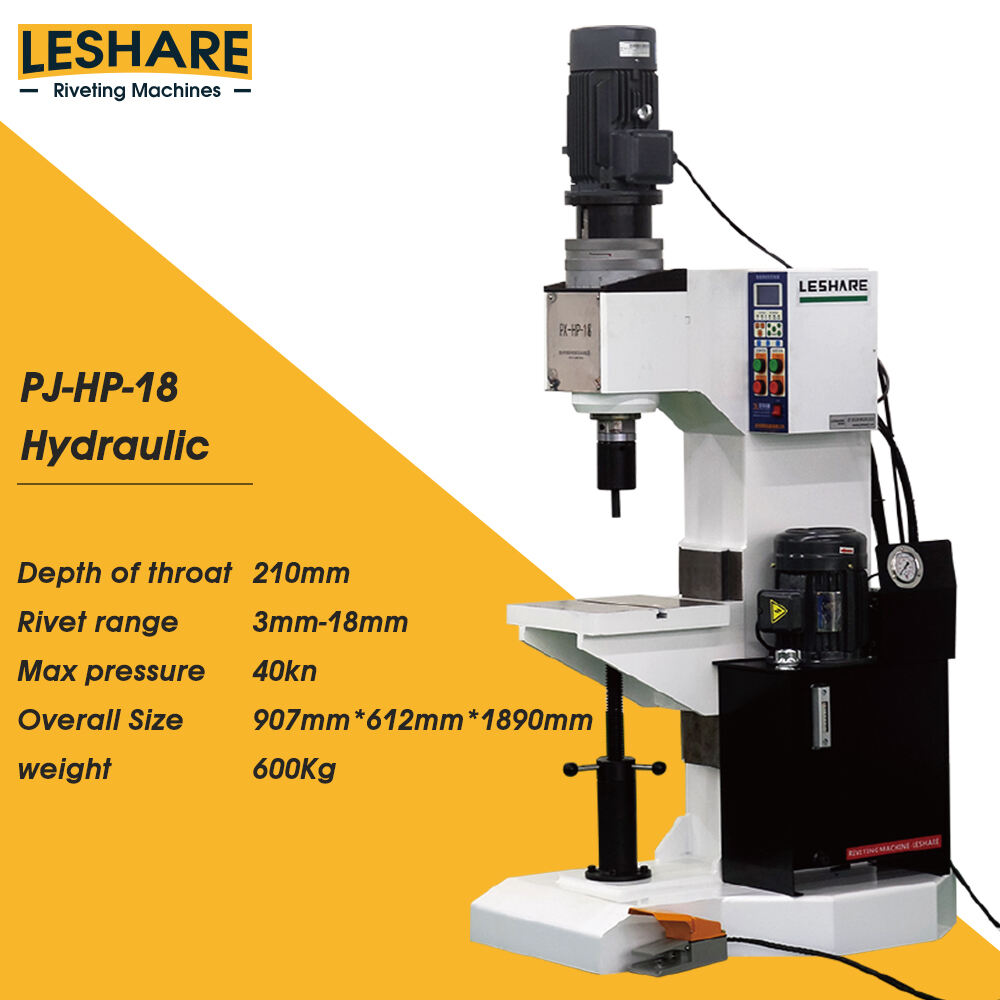
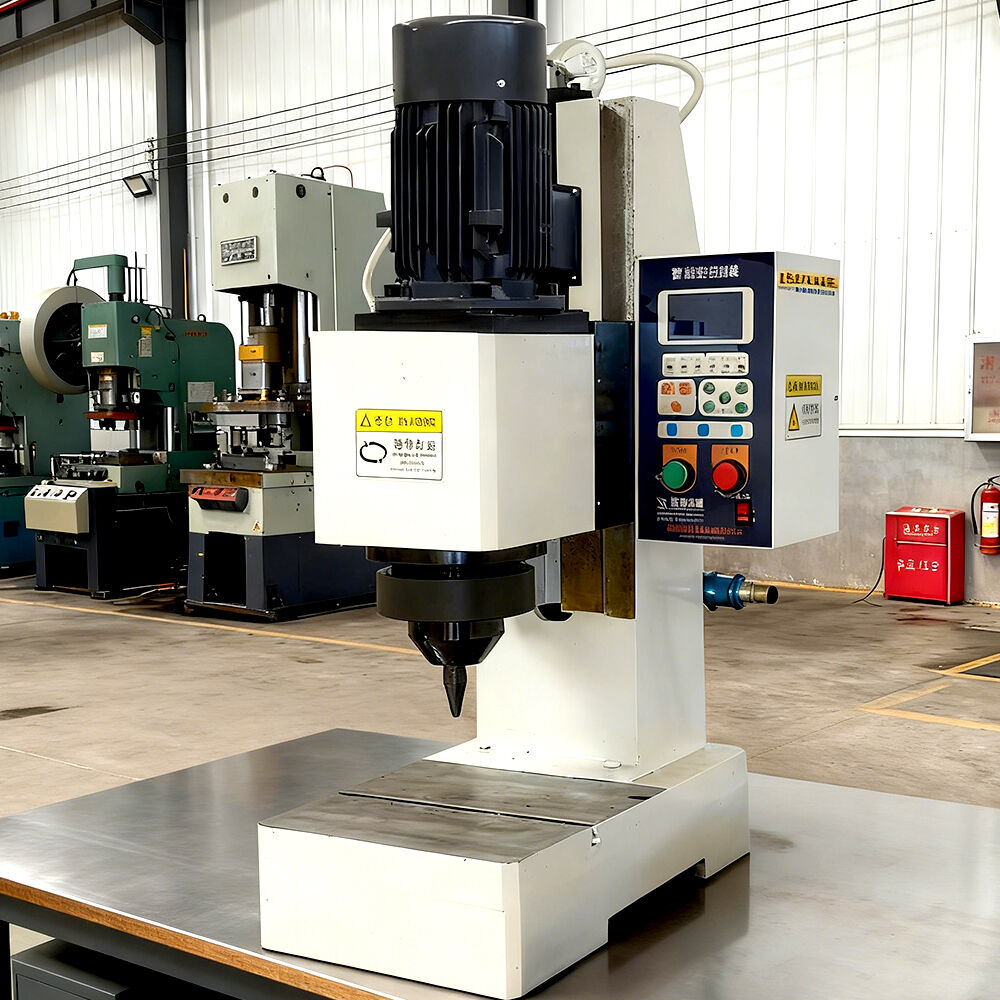
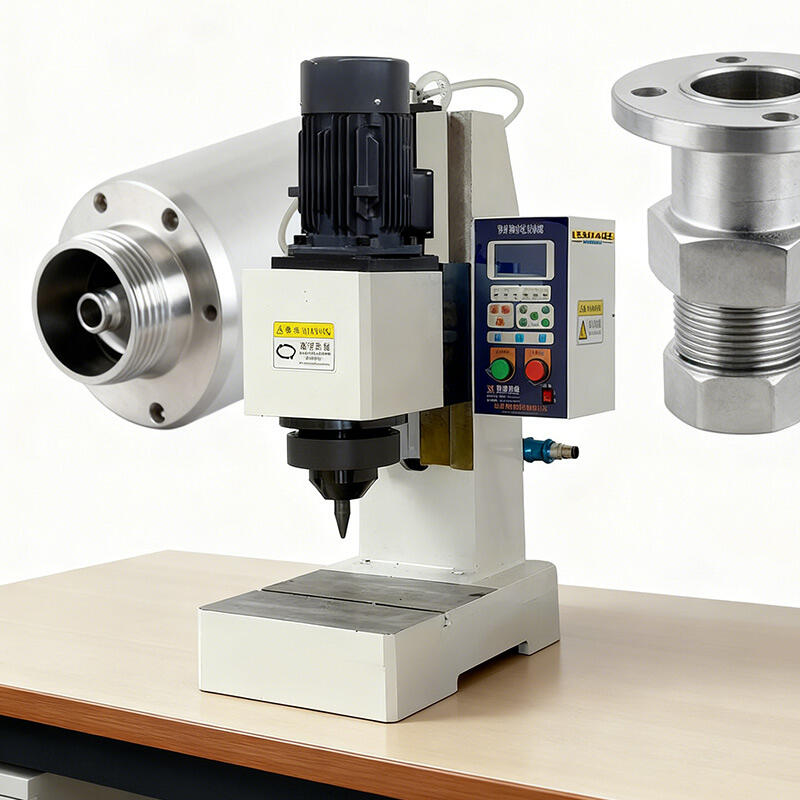
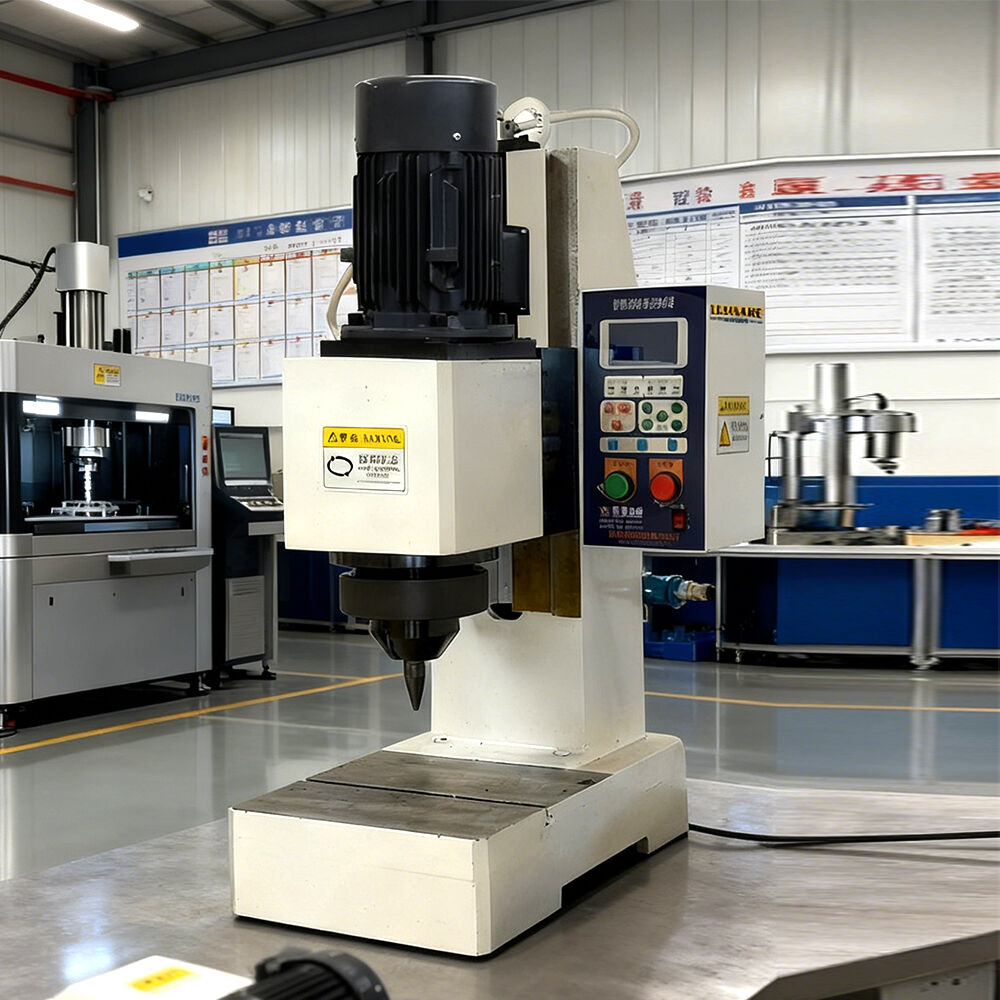
The floorstanding radial riveting machine represents a cutting-edge solution for industrial joining applications, offering unparalleled precision and reliability in fastening operations. This robust equipment stands as a cornerstone in manufacturing environments where consistent, high-quality riveting is essential. Unlike traditional riveting methods, the floorstanding radial riveting machine utilizes advanced radial compression technology to create permanent joints without compromising material integrity. The machine's stationary floor-mounted design provides exceptional stability during operation, ensuring accurate placement and consistent results across diverse production runs. At its core, this machine employs a unique radial compression process where the rivet is gradually formed outward from its center, creating a uniform mushroom head that distributes stress evenly across the joint. This technological approach eliminates the shock and vibration associated with impact riveting methods. The floorstanding radial riveting machine features sophisticated control systems that allow operators to precisely regulate compression force, cycle time, and positioning parameters. These controls ensure repeatable results while accommodating various rivet sizes and material combinations. The machine's working envelope accommodates large workpieces, making it ideal for automotive panels, aerospace components, appliance manufacturing, and heavy-duty industrial assemblies. Modern floorstanding radial riveting machines incorporate servo-driven mechanisms that provide smooth, controlled motion throughout the riveting cycle. The integration of digital displays and programmable settings enables operators to store multiple riveting programs for different applications, significantly reducing setup time between production runs. Safety features include light curtains, emergency stops, and protective enclosures that safeguard operators while maintaining productivity. The machine's modular design allows for customization based on specific production requirements, including specialized fixtures, multiple riveting heads, and automated feeding systems. Quality monitoring capabilities built into advanced models provide real-time feedback on rivet formation, ensuring each joint meets specified standards.
 EN
EN