Professional Stamping Machine Solutions - Precision Manufacturing Equipment

Get a Free Quote

Our representative will contact you soon.
Email
Name
Company Name
Message
0/1000

stamping machine

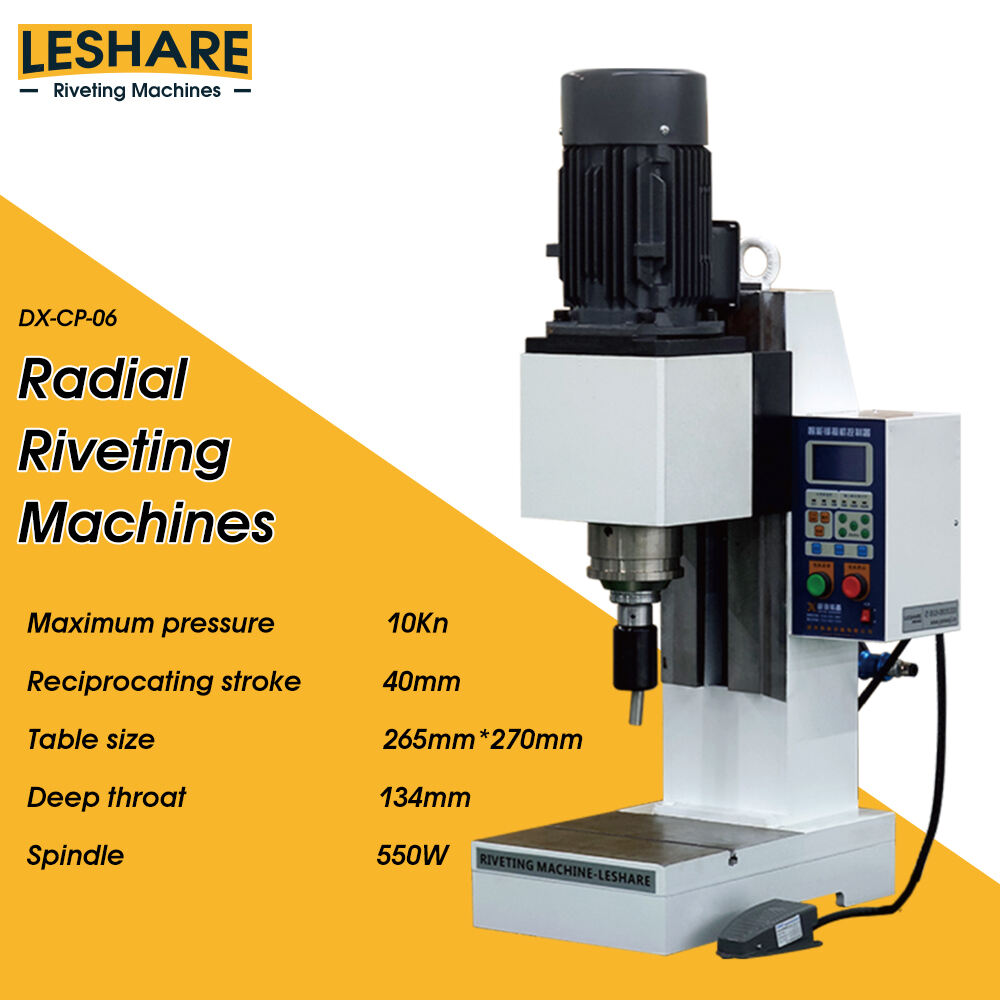
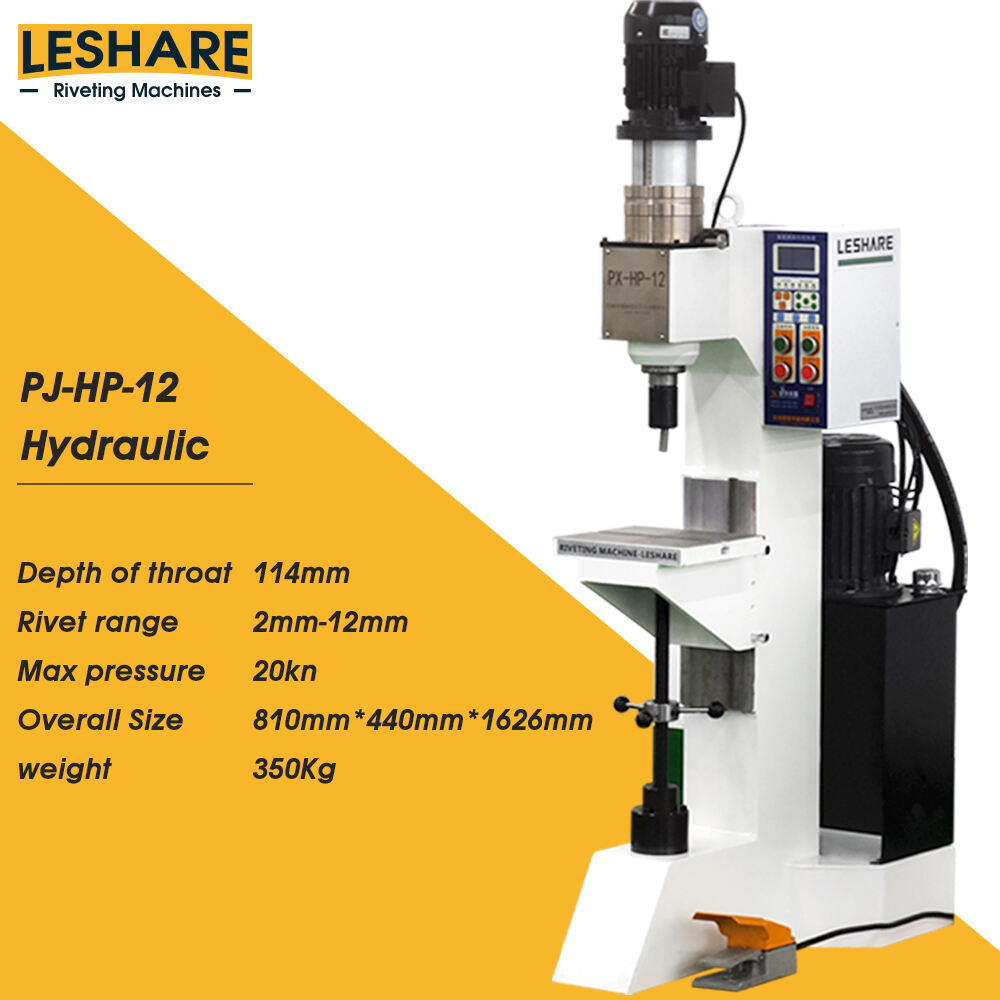
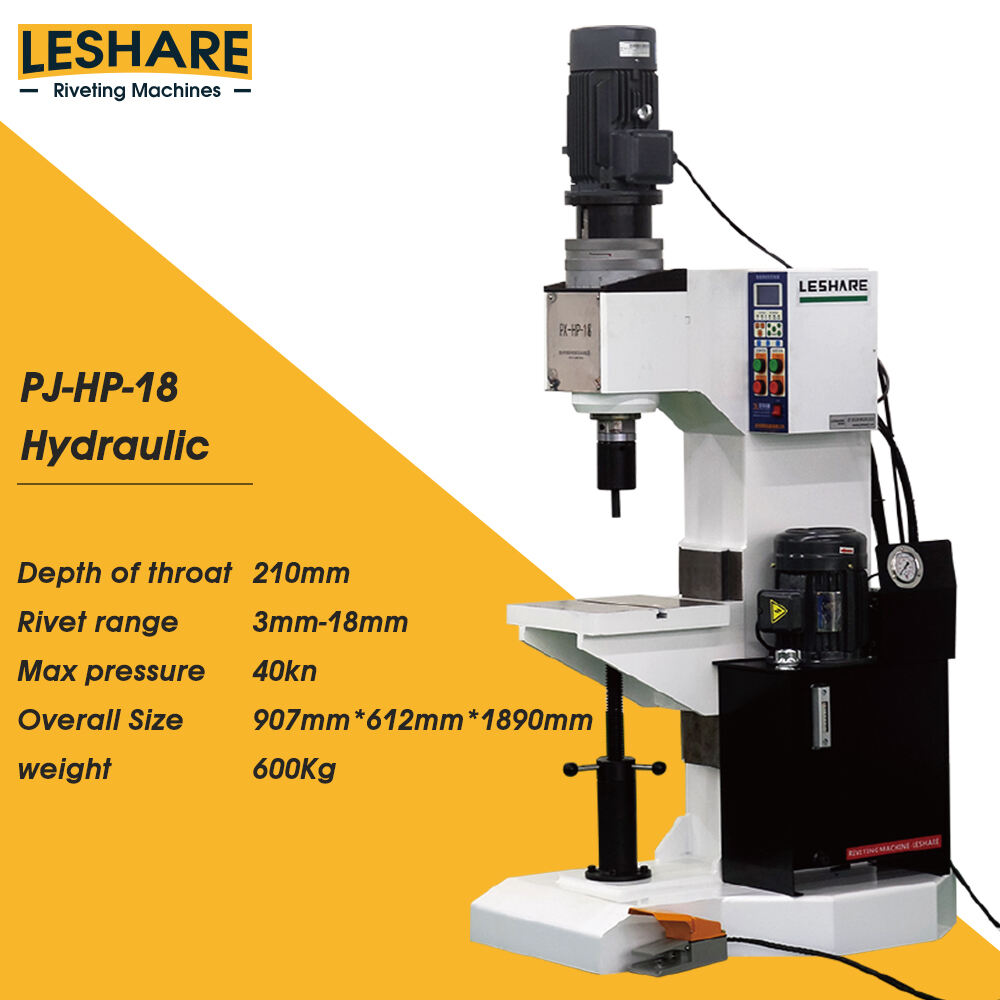
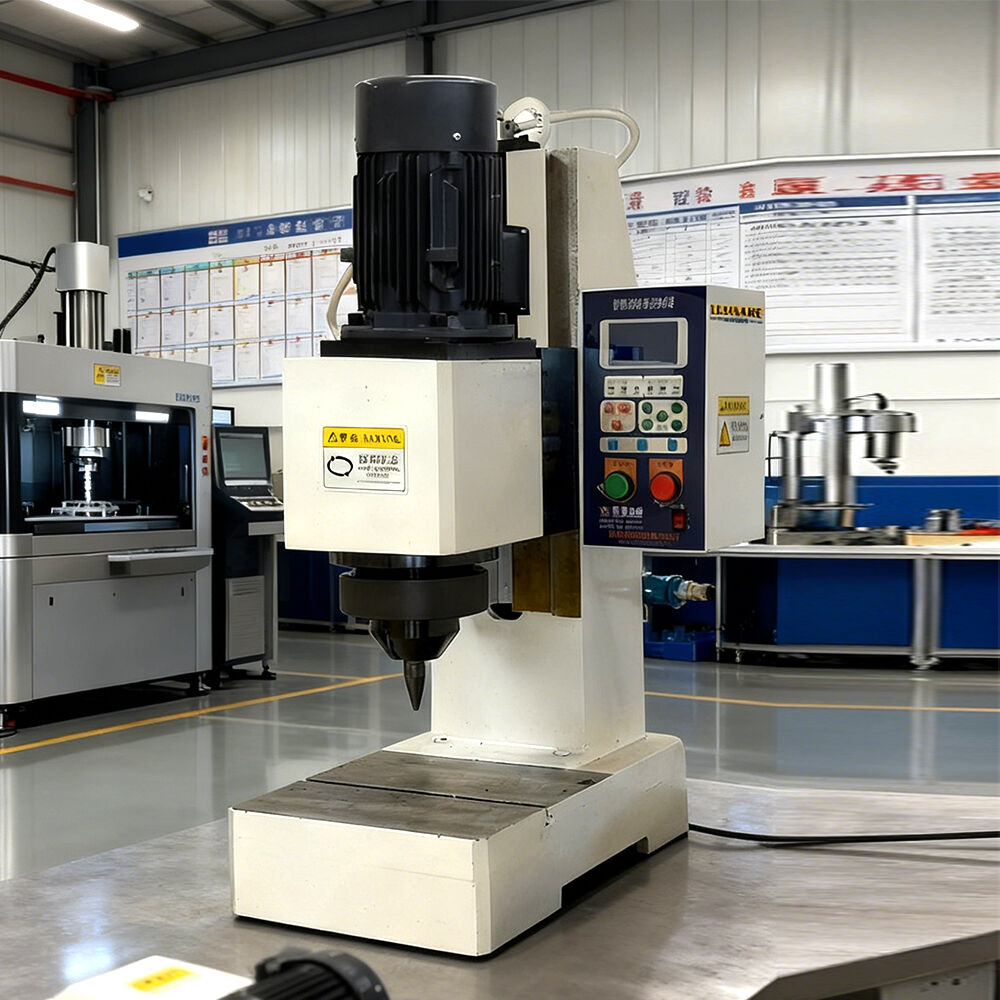
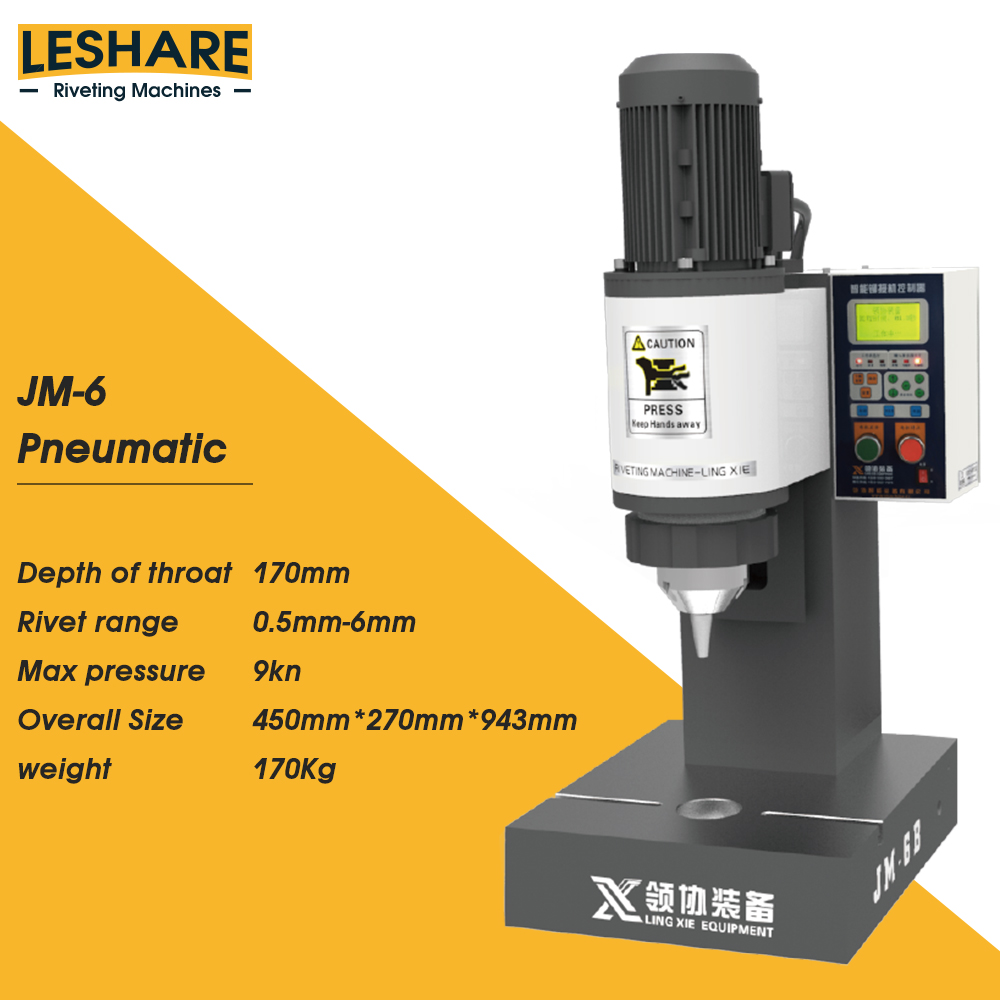
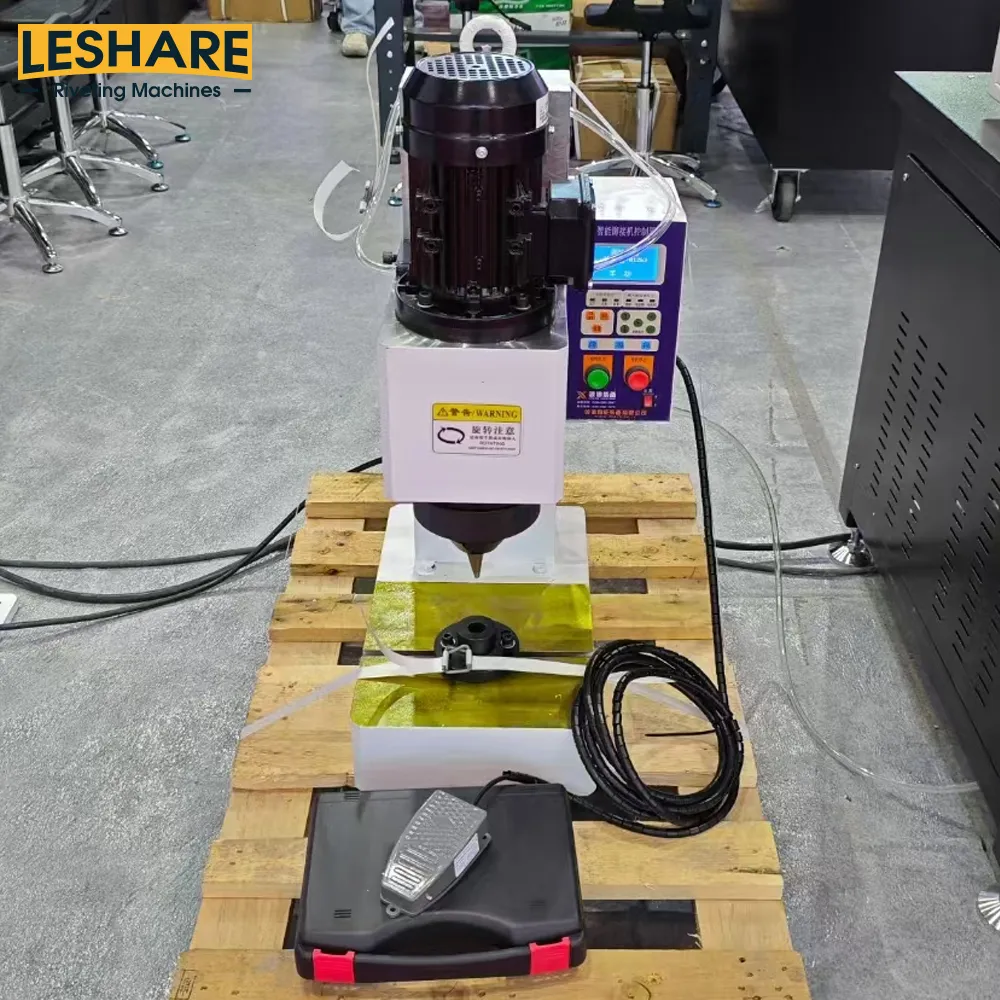
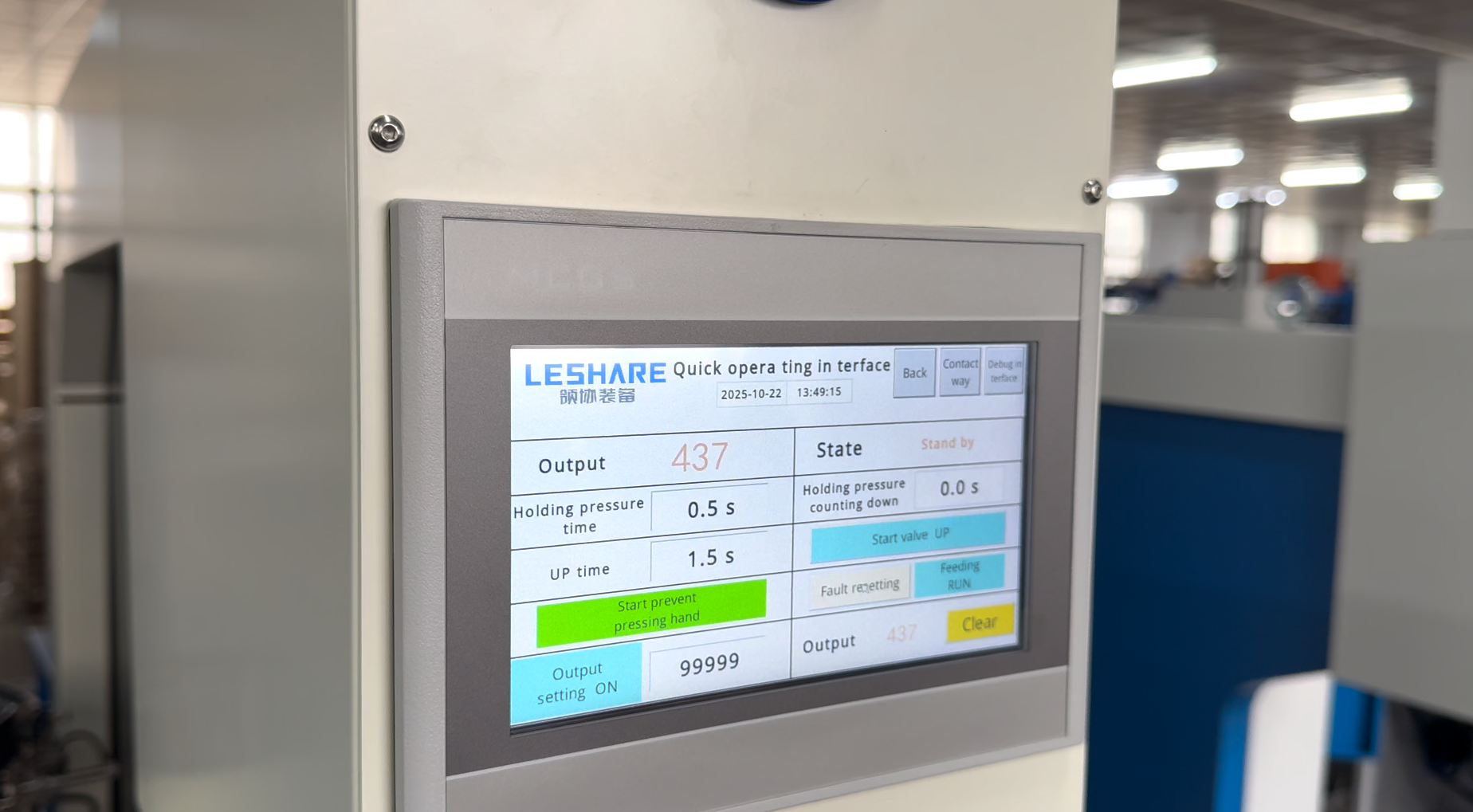
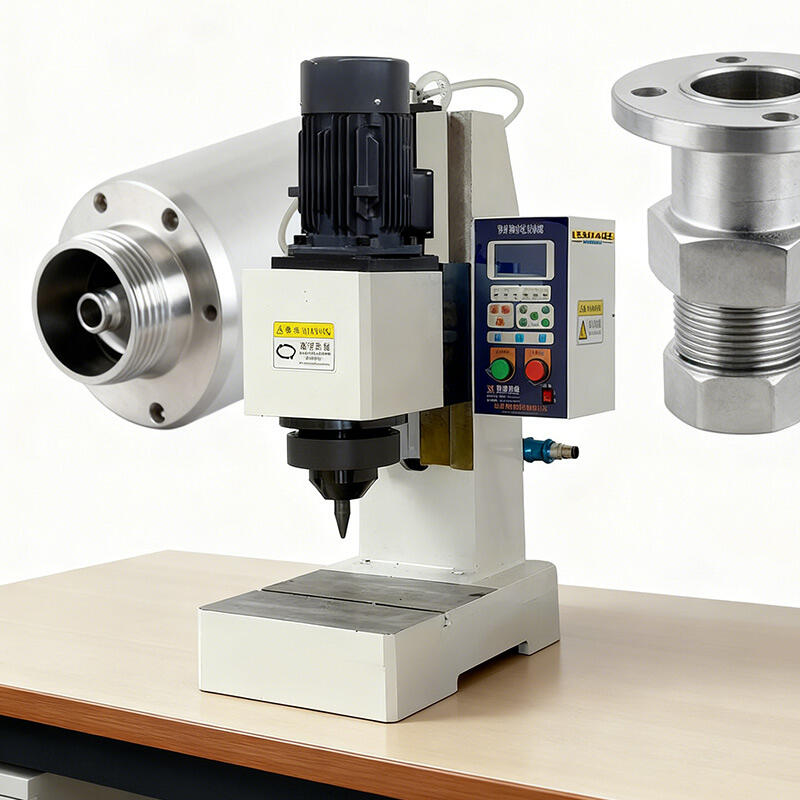
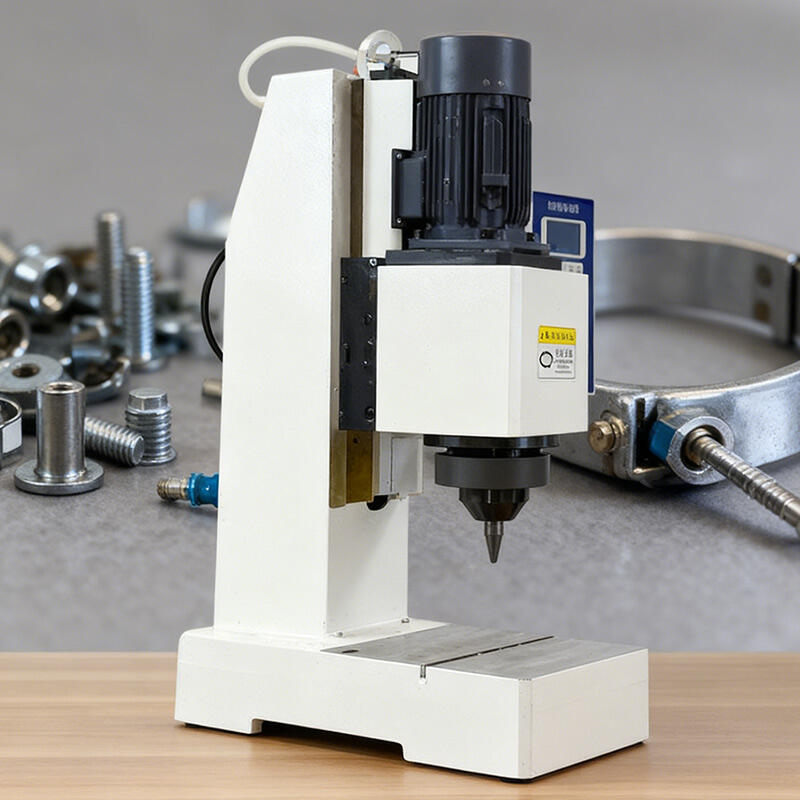
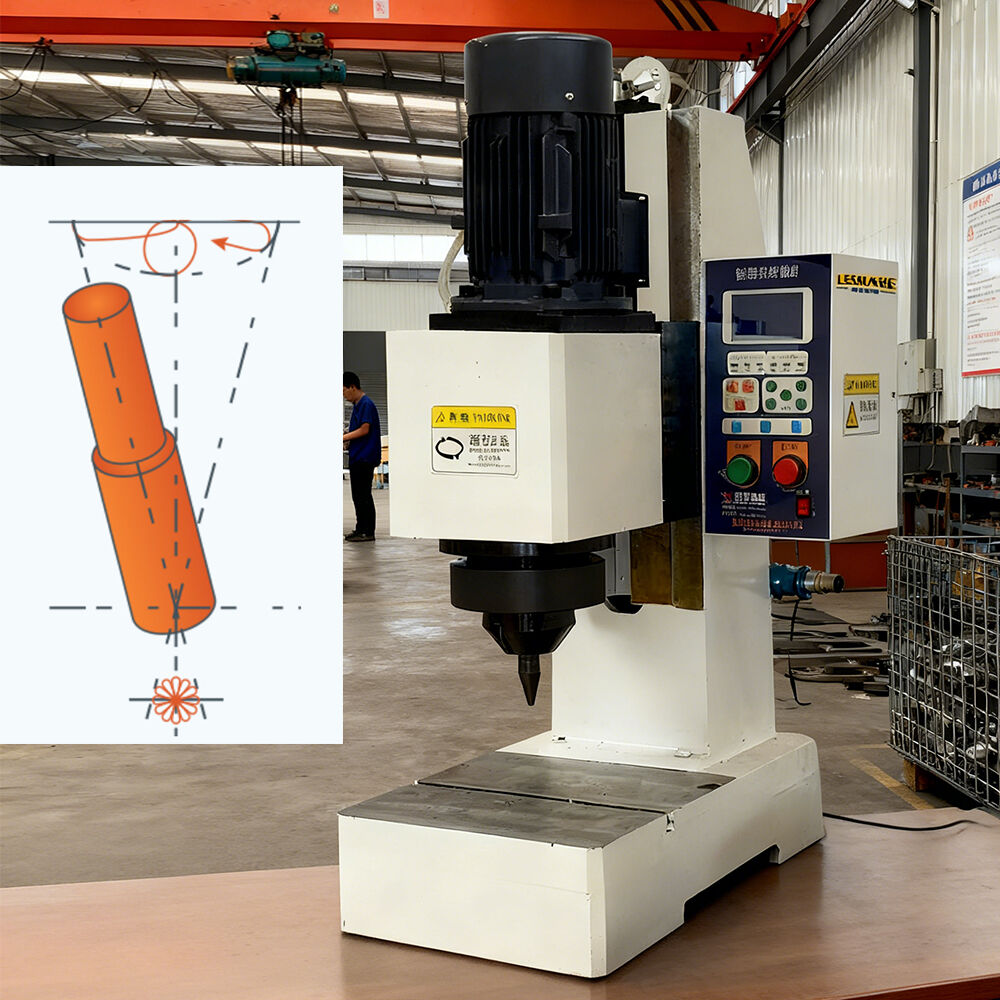
A stamping machine represents a fundamental piece of industrial equipment designed to shape, cut, form, and manipulate metal sheets and other materials through controlled pressure and precision tooling. These powerful manufacturing devices utilize mechanical force to transform raw materials into finished components, serving as the backbone of modern metalworking operations across diverse industries. The stamping machine operates by positioning material between specially designed dies, then applying tremendous pressure to create desired shapes, patterns, or cuts with remarkable accuracy and consistency. Modern stamping machines incorporate advanced hydraulic, pneumatic, or mechanical drive systems that deliver precise force control, ensuring optimal results for every production run. The technology behind these machines has evolved significantly, integrating computerized controls, programmable settings, and sophisticated safety mechanisms that enhance both productivity and operator protection. Contemporary stamping machines feature variable speed controls, adjustable pressure settings, and automated feeding systems that streamline production workflows while maintaining exceptional quality standards. These machines can handle various materials including steel, aluminum, copper, brass, and specialized alloys, making them versatile solutions for manufacturing applications. The precision tooling systems within stamping machines enable complex geometric formations, intricate patterns, and tight tolerance specifications that meet demanding industrial requirements. Advanced stamping machines often include real-time monitoring capabilities, predictive maintenance features, and quality control sensors that ensure consistent output while minimizing downtime. The modular design of modern stamping machines allows for customization and scalability, enabling manufacturers to adapt their equipment to evolving production needs and market demands.

New Products

Stamping machines deliver exceptional value through their ability to produce high-quality components with unmatched speed and consistency, making them essential investments for manufacturers seeking competitive advantages in today's demanding marketplace. These machines excel at creating precise, repeatable results that eliminate the variations and inconsistencies often associated with manual fabrication processes. The automated nature of stamping machines significantly reduces labor costs while simultaneously increasing production output, allowing businesses to achieve better profit margins and faster return on investment. Quality control becomes remarkably straightforward with stamping machines, as their consistent pressure application and precise tooling ensure that every component meets exact specifications without requiring extensive inspection procedures. The versatility of stamping machines enables manufacturers to work with multiple material types and thicknesses, providing flexibility to serve diverse customer needs and market segments without requiring separate equipment investments. Energy efficiency represents another significant advantage, as modern stamping machines incorporate advanced power management systems that minimize electricity consumption while maintaining peak performance levels. The durability and longevity of well-maintained stamping machines provide excellent long-term value, with many units operating reliably for decades when properly serviced and maintained. Safety features integrated into contemporary stamping machines protect operators while ensuring compliance with industrial safety standards and regulations. The precision capabilities of stamping machines eliminate material waste by optimizing cut patterns and reducing scrap generation, contributing to both cost savings and environmental sustainability goals. Maintenance requirements for stamping machines remain relatively minimal compared to other industrial equipment, with predictable service schedules and readily available replacement parts keeping operational costs manageable. The rapid setup and changeover capabilities of modern stamping machines allow manufacturers to switch between different products quickly, supporting flexible production schedules and responsive customer service. Integration with existing manufacturing systems becomes seamless through standardized interfaces and communication protocols that connect stamping machines to broader production management systems.

Latest News

What factors affect radial riveting machines performance and stability?

28

Jan

What factors affect radial riveting machines performance and stability?

Manufacturing precision and operational reliability in industrial assembly processes depend heavily on the performance characteristics of radial riveting machines. These sophisticated pieces of equipment have become indispensable in automotive, aeros...
View More
How can radial riveting machines reduce failure rates in mass production?

28

Jan

How can radial riveting machines reduce failure rates in mass production?

Manufacturing industries constantly seek solutions to minimize production failures and enhance product reliability. Radial riveting machines have emerged as a critical technology for achieving superior joint quality in mass production environments. T...
View More
How do radial riveting machines integrate with modern production systems?

26

Feb

How do radial riveting machines integrate with modern production systems?

Modern manufacturing environments demand precision, efficiency, and seamless integration across all production processes. Radial riveting machines have emerged as essential equipment for achieving reliable fastening solutions in industries ranging fr...
View More
What Are the Key Benefits of Using a Fastener Insertion Machine?

18

Mar

What Are the Key Benefits of Using a Fastener Insertion Machine?

Manufacturing efficiency has become a critical factor for businesses seeking competitive advantages in today's industrial landscape. A fastener insertion machine represents a transformative solution that automates the precise placement of threaded in...
View More

Get a Free Quote

Our representative will contact you soon.
Email
Name
Company Name
Message
0/1000

stamping machine

Unparalleled Precision and Consistency

Unparalleled Precision and Consistency

The precision engineering inherent in modern stamping machines sets them apart as premier manufacturing solutions, delivering dimensional accuracy that exceeds industry standards while maintaining consistent quality across extended production runs. This exceptional precision stems from the sophisticated hydraulic and mechanical systems that control force application with micrometer-level accuracy, ensuring that every component produced meets exact specifications without deviation. The advanced tooling systems employed in stamping machines utilize precision-ground dies and punches manufactured to exacting tolerances, creating perfectly aligned cutting and forming surfaces that reproduce identical results thousands of times. Computer-controlled positioning systems guarantee that materials are placed precisely within the working area, eliminating human error and ensuring consistent placement for every operation cycle. The force control mechanisms within stamping machines provide variable pressure settings that can be adjusted to match specific material properties and thickness requirements, optimizing the forming process for different applications while maintaining quality standards. Real-time monitoring systems continuously track operational parameters such as pressure, speed, and position, automatically making micro-adjustments to maintain optimal performance throughout production runs. The rigid construction and vibration-dampening features of stamping machines minimize unwanted movement during operation, ensuring that precision is maintained even at high production speeds. Temperature compensation systems account for thermal expansion and contraction of machine components, maintaining accuracy across varying environmental conditions and extended operating periods. Quality assurance becomes simplified with stamping machines due to their inherent consistency, reducing the need for extensive inspection procedures while maintaining confidence in output quality. The repeatable nature of stamping machine operations enables manufacturers to establish reliable quality metrics and process controls that support continuous improvement initiatives and customer satisfaction goals.
Superior Speed and Productivity Enhancement

Superior Speed and Productivity Enhancement

The exceptional speed capabilities of stamping machines transform manufacturing operations by delivering rapid cycle times that dramatically increase production throughput while maintaining consistent quality standards throughout extended operating periods. Modern stamping machines achieve cycle rates that far exceed manual processes, with some units capable of producing hundreds of components per minute depending on complexity and material specifications. The automated material handling systems integrated into advanced stamping machines eliminate time-consuming manual loading and unloading operations, creating continuous production workflows that maximize equipment utilization and minimize idle time. Quick-change tooling systems enable rapid transitions between different products or specifications, reducing setup times from hours to minutes and allowing manufacturers to respond quickly to changing customer demands or production schedules. The high-speed servo motors and precision drive systems employed in contemporary stamping machines provide instantaneous response to control inputs, ensuring that production cycles begin and complete without delays or hesitation. Energy-efficient designs allow stamping machines to operate continuously without excessive power consumption or heat generation, supporting around-the-clock production schedules when necessary. The robust construction of stamping machines enables sustained high-speed operation without premature wear or performance degradation, ensuring reliable productivity over extended periods. Automated quality monitoring systems integrated into the production process eliminate time-consuming manual inspections while maintaining quality assurance, further enhancing overall productivity. The streamlined workflows created by stamping machines reduce material handling requirements and minimize work-in-progress inventory, optimizing facility space utilization and reducing operational complexity. Predictive maintenance capabilities help prevent unexpected downtime by monitoring machine health and scheduling maintenance activities during planned production breaks, maximizing available production time and ensuring consistent output levels.
Exceptional Versatility and Adaptability

Exceptional Versatility and Adaptability

The remarkable versatility of modern stamping machines enables manufacturers to address diverse production requirements with a single equipment investment, providing exceptional flexibility to serve multiple market segments and adapt to changing business conditions. These machines excel at processing various material types including different grades of steel, aluminum, copper, brass, and specialized alloys, each requiring specific pressure settings and tooling configurations that stamping machines accommodate with ease. The modular tooling systems allow for quick reconfiguration to produce different component geometries, from simple flat patterns to complex three-dimensional shapes that meet specific application requirements. Variable speed controls and adjustable pressure settings enable stamping machines to optimize their operation for different material thicknesses and hardness levels, ensuring optimal forming results regardless of substrate characteristics. The programmable control systems found in advanced stamping machines store multiple job configurations, allowing operators to switch between different products quickly while maintaining consistent quality and productivity levels. Custom tooling options provide unlimited possibilities for specialized applications, enabling manufacturers to create unique components that meet specific customer requirements or industry standards. The scalable nature of stamping machine installations allows businesses to start with basic configurations and add capabilities as production demands grow, protecting initial investments while supporting business expansion. Integration capabilities with existing manufacturing systems ensure that stamping machines can work seamlessly within established production workflows, maximizing operational efficiency and minimizing disruption during implementation. The ability to handle both prototype quantities and high-volume production runs makes stamping machines valuable assets for manufacturers serving diverse customer bases with varying quantity requirements. Advanced stamping machines can accommodate secondary operations such as marking, embossing, or surface texturing within the same production cycle, reducing handling requirements and improving overall efficiency while maintaining quality standards throughout the process.

Get a Free Quote

Our representative will contact you soon.
Email
Name
Company Name
Message
0/1000