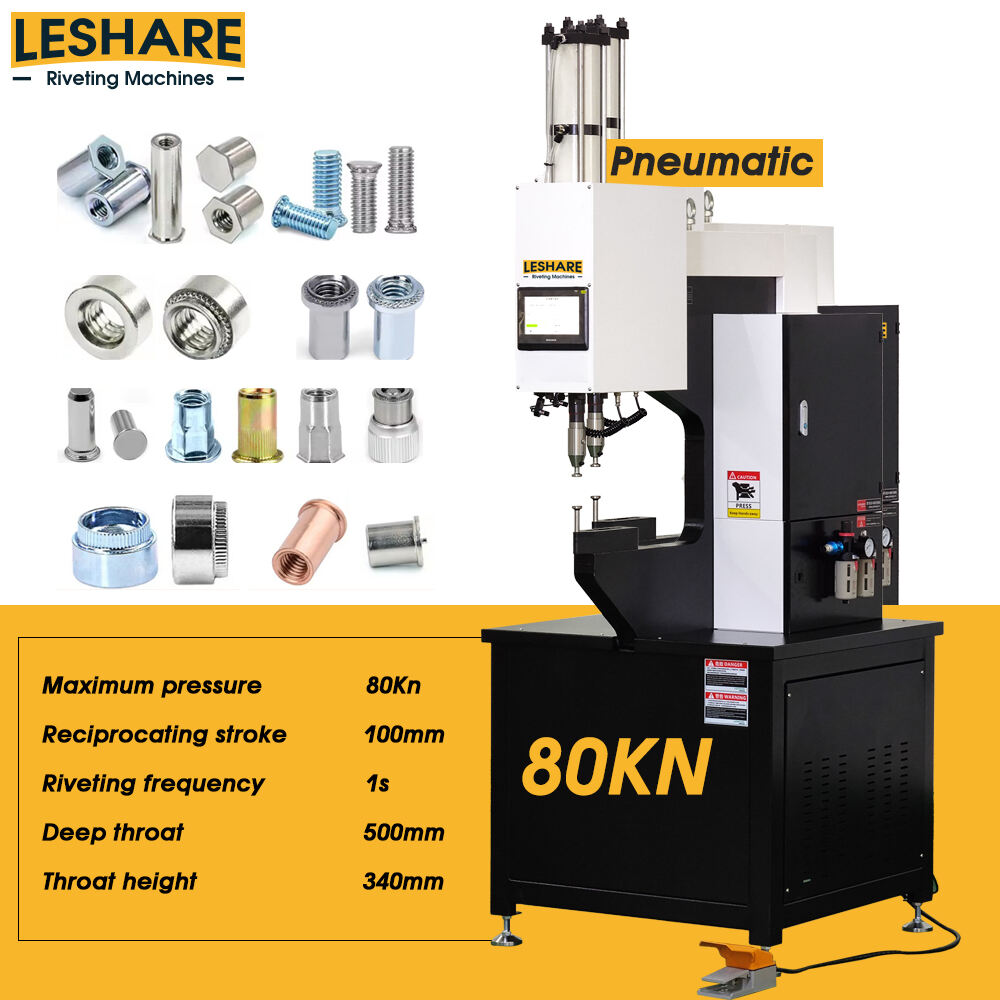
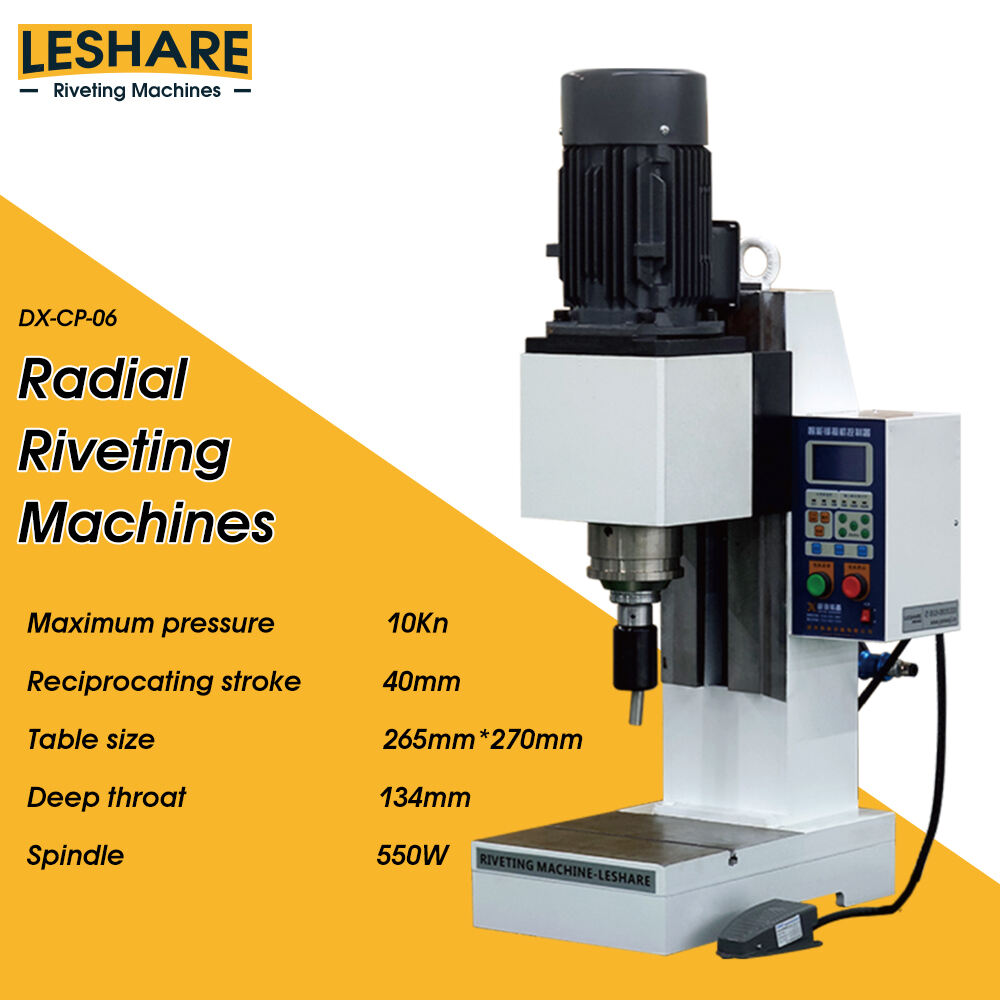
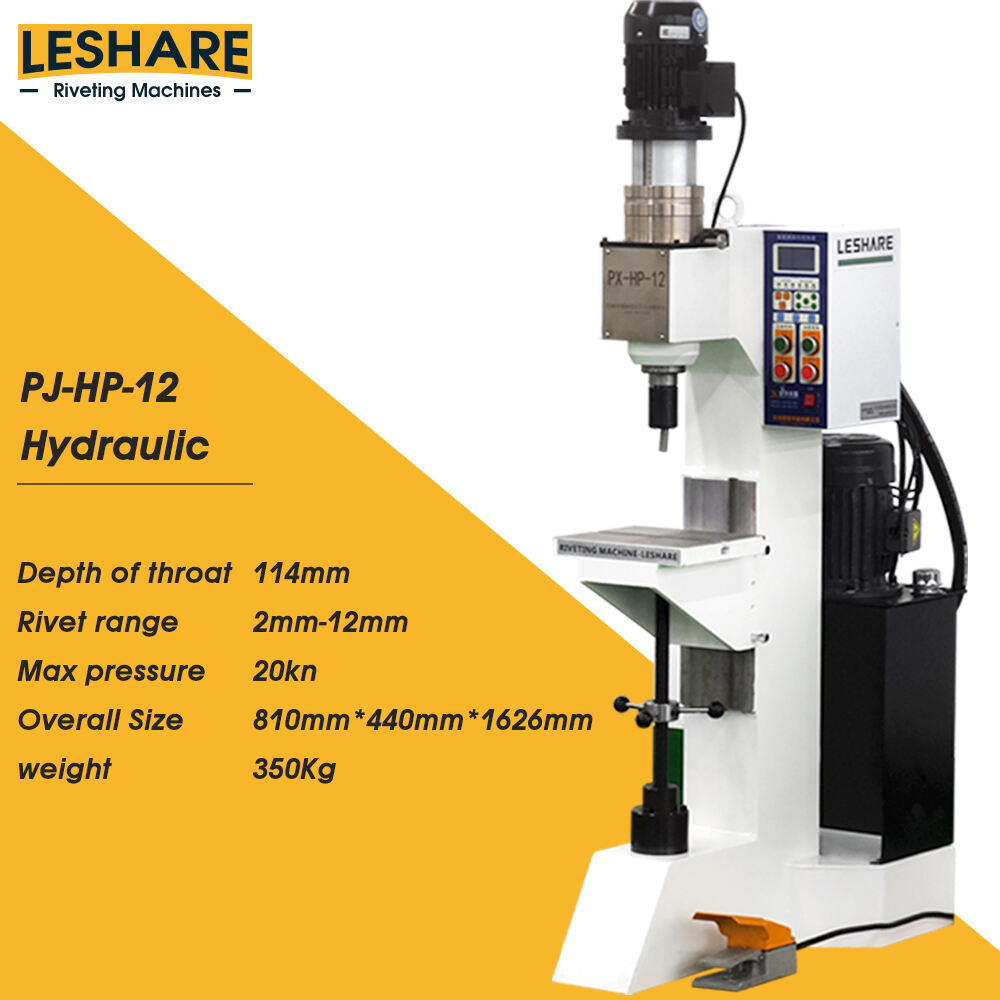
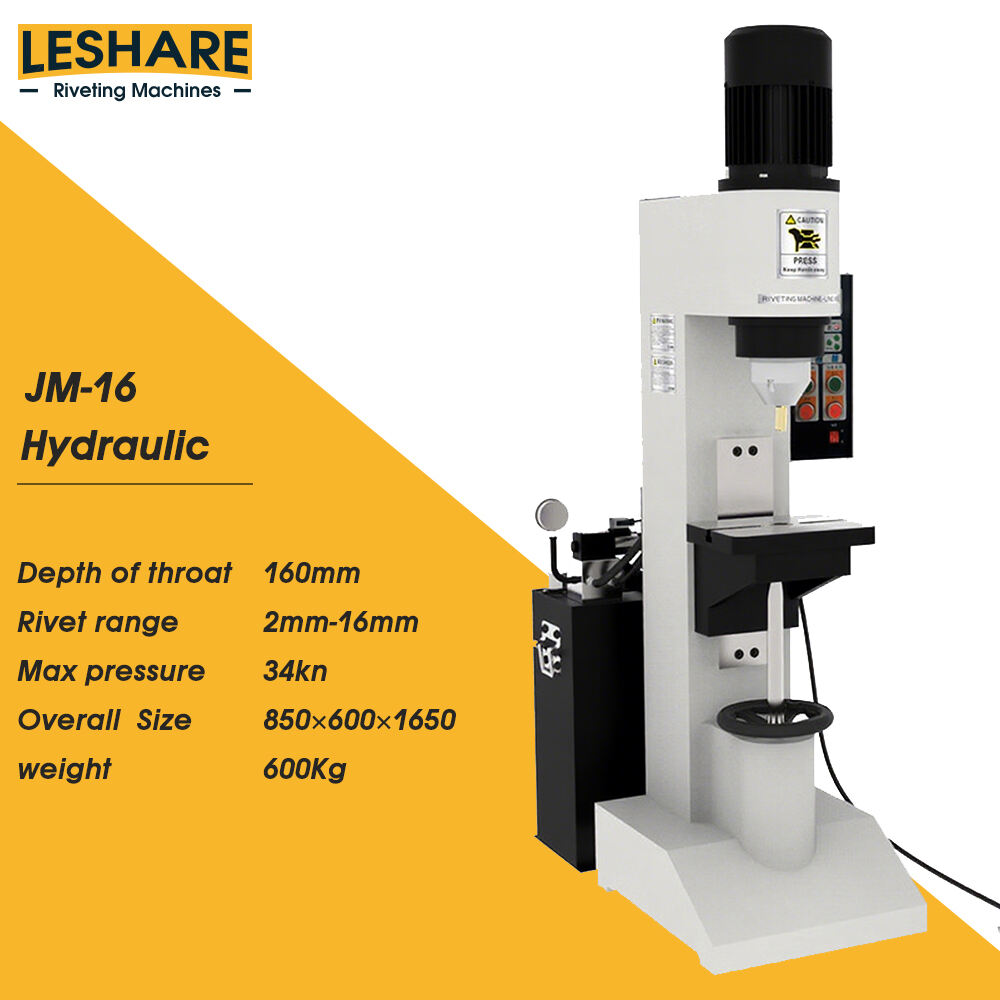
Advanced Radial Riveting Machines - Precision Assembly Solutions for Modern Manufacturing

Get a Free Quote

Our representative will contact you soon.
Email
Name
Company Name
Message
0/1000

radial riveting machines

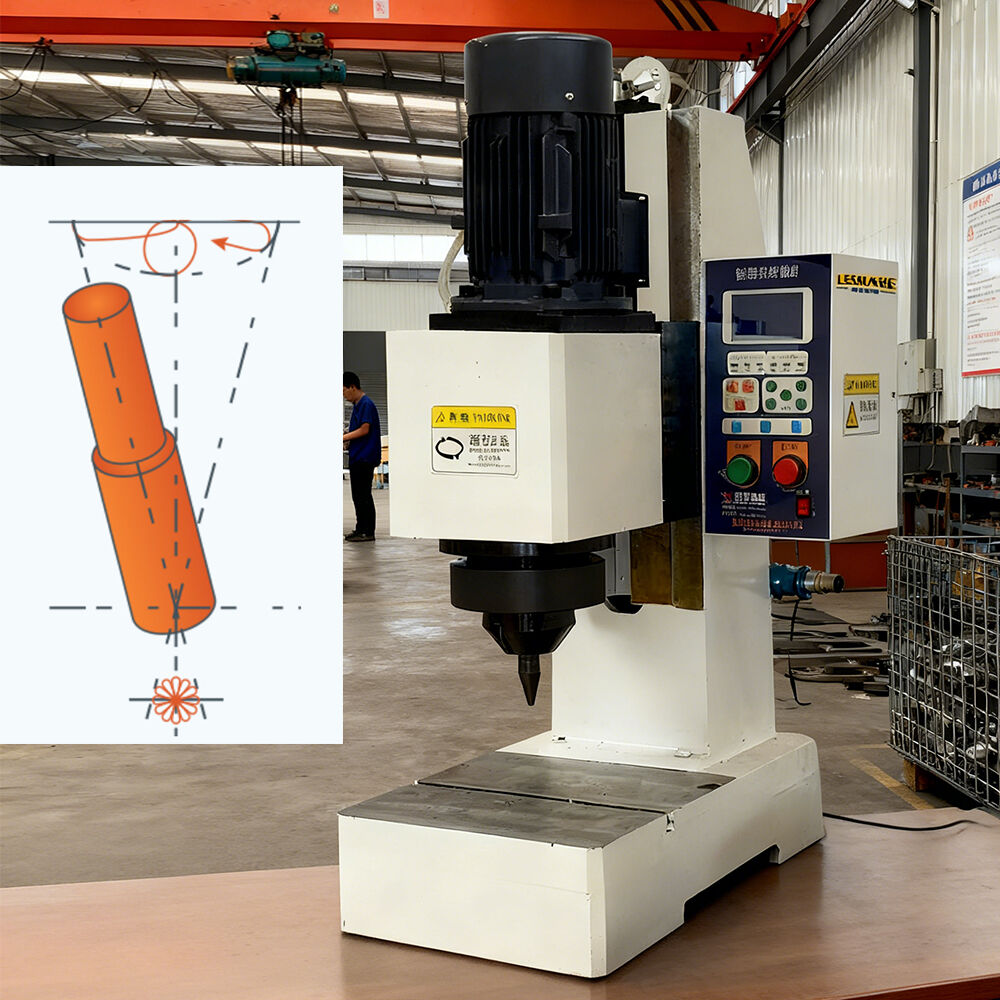
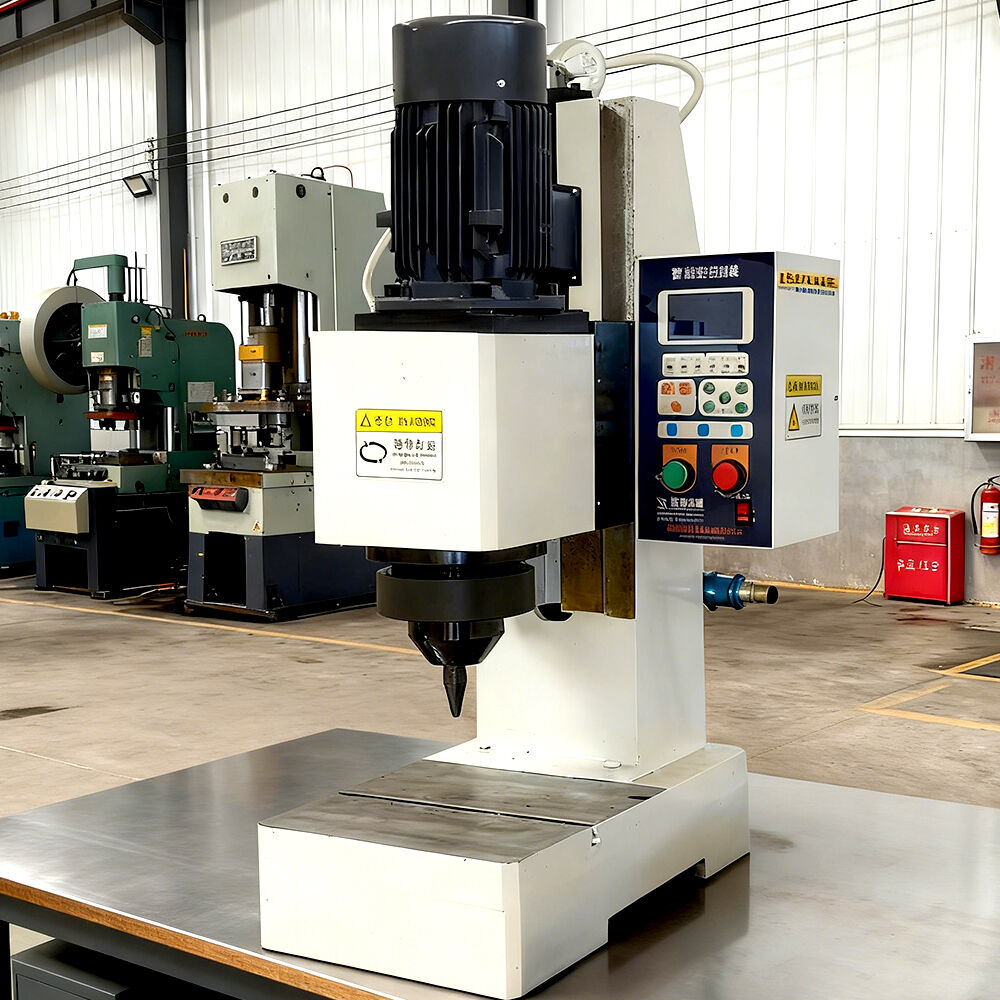
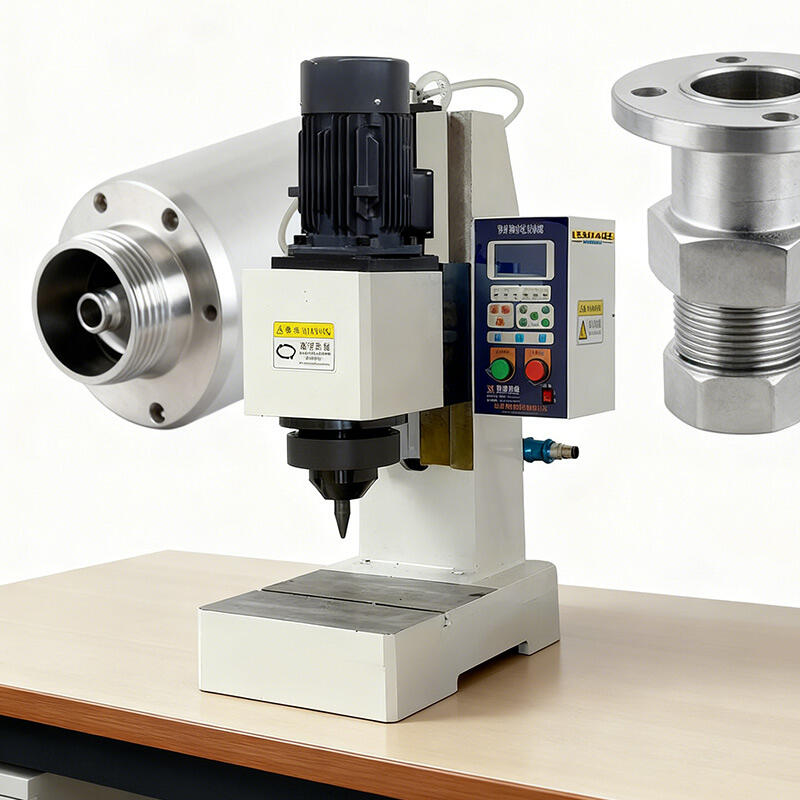
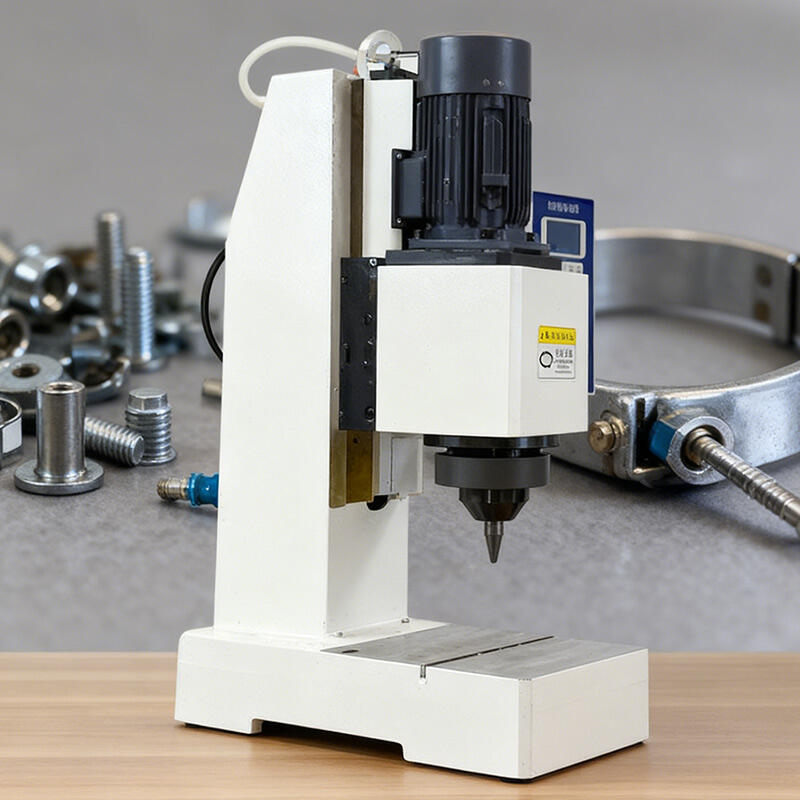
Radial riveting machines represent a cornerstone technology in modern manufacturing and assembly operations, delivering exceptional precision and reliability for joining metal components. These sophisticated machines utilize a unique rotating motion combined with controlled pressure to create permanent mechanical fasteners through the deformation of rivet materials. The fundamental operation involves positioning a rivet through pre-drilled holes in workpieces, then applying radial force that expands the rivet shaft to form a secure connection. The technological foundation of radial riveting machines incorporates advanced servo-motor systems, programmable logic controllers, and precision tooling mechanisms that ensure consistent results across diverse applications. These machines feature adjustable force parameters, variable speed controls, and sophisticated monitoring systems that track performance metrics throughout the riveting process. The primary functions encompass automated rivet insertion, controlled deformation cycles, quality verification protocols, and comprehensive data logging capabilities. Manufacturing industries extensively employ these machines for assembling automotive components, aerospace structures, electronic housings, appliance frameworks, and construction materials where structural integrity remains paramount. The versatility of radial riveting machines enables operators to work with various rivet materials including aluminum, steel, copper, and specialized alloys, accommodating different diameter specifications and length requirements. Advanced models incorporate vision systems for precise positioning, torque sensors for optimal force application, and integrated safety mechanisms that protect both operators and equipment. The technological features include programmable cycles that can store multiple riveting parameters, allowing quick changeovers between different production requirements. These machines demonstrate exceptional capability in high-volume production environments while maintaining the flexibility needed for custom applications and prototype development, making them indispensable tools for manufacturers seeking reliable, efficient, and cost-effective assembly solutions.

New Product Releases

Radial riveting machines deliver substantial operational benefits that directly impact manufacturing efficiency and product quality. These machines significantly reduce labor costs by automating complex assembly processes that previously required skilled manual operators, enabling companies to allocate human resources to higher-value activities while maintaining consistent production output. The precision engineering inherent in these systems eliminates variability associated with manual riveting techniques, resulting in uniform joint strength and appearance across entire production runs. This consistency translates to reduced rejection rates, lower rework expenses, and enhanced customer satisfaction through improved product reliability. Speed advantages become immediately apparent when comparing radial riveting machines to traditional methods, with modern systems completing riveting cycles in seconds rather than minutes, dramatically increasing throughput capacity without compromising quality standards. The machines excel in handling repetitive tasks without fatigue, maintaining peak performance throughout extended production shifts while human operators might experience declining accuracy over time. Safety improvements represent another compelling advantage, as these machines eliminate the physical strain and potential injuries associated with manual riveting operations, particularly in challenging positions or confined spaces. The controlled environment provided by radial riveting machines ensures optimal rivet formation regardless of operator skill level, democratizing the ability to achieve professional-grade results. Material waste reduction occurs through precise force application that prevents over-deformation or under-forming of rivets, optimizing material utilization and reducing inventory carrying costs. Versatility stands as a key strength, allowing single machines to accommodate multiple rivet sizes, materials, and applications through quick tooling changes and programmable parameters. Quality documentation capabilities built into modern systems provide comprehensive traceability records, supporting quality management systems and regulatory compliance requirements. The return on investment typically materializes quickly through labor savings, increased production capacity, reduced waste, and improved product quality, making these machines financially attractive for businesses of various sizes seeking competitive manufacturing advantages.

Practical Tips

How Does a Pneumatic Orbital Riveter Ensure Consistent Force Control?

28

Aug

How Does a Pneumatic Orbital Riveter Ensure Consistent Force Control?

Understanding the Advanced Force Control Mechanisms in Modern Riveting Technology The pneumatic orbital riveter represents a significant advancement in industrial fastening technology, offering unprecedented control and consistency in riveting operat...
View More
How to Troubleshoot Common Issues in Pneumatic Orbital Riveters?

28

Aug

How to Troubleshoot Common Issues in Pneumatic Orbital Riveters?

Essential Guide to Maintaining and Troubleshooting Pneumatic Orbital Riveters Pneumatic orbital riveters have revolutionized the manufacturing and assembly industries by providing consistent, reliable fastening solutions. These sophisticated tools re...
View More
What Factors Impact the Speed of a Fastener Insertion Machine?

06

Nov

What Factors Impact the Speed of a Fastener Insertion Machine?

Understanding the Critical Elements of Automated Fastener Installation In modern manufacturing, the efficiency and precision of assembly processes directly impact production outcomes. At the heart of many assembly operations lies the fastener inserti...
View More
How Do Pneumatic Riveting Machines Compare to Manual Riveting Tools?

06

Nov

How Do Pneumatic Riveting Machines Compare to Manual Riveting Tools?

The Evolution of Modern Riveting Technology Industrial manufacturing has witnessed remarkable advancements in joining technologies, with pneumatic riveting machines emerging as a game-changing innovation in the fastening industry. These powerful tool...
View More

Get a Free Quote

Our representative will contact you soon.
Email
Name
Company Name
Message
0/1000

radial riveting machines

Advanced Servo Control Technology for Unmatched Precision

Advanced Servo Control Technology for Unmatched Precision

The sophisticated servo control technology integrated into modern radial riveting machines represents a quantum leap in assembly precision and reliability. This advanced system employs high-resolution encoders and real-time feedback mechanisms that continuously monitor and adjust the riveting process with microscopic accuracy. The servo motors provide exceptional torque control throughout the entire riveting cycle, ensuring consistent force application regardless of material variations or environmental conditions. This technological excellence translates into rivets that achieve optimal deformation characteristics every single time, creating joints with superior strength and longevity. The precision control extends beyond basic force application to include sophisticated motion profiles that can be customized for specific materials and applications. Operators can program acceleration curves, dwell times, and retraction speeds that optimize the metallurgical properties of the finished joint. This level of control proves particularly valuable when working with sensitive materials or critical applications where joint failure could result in catastrophic consequences. The servo technology also enables real-time quality monitoring, detecting anomalies during the riveting process and automatically adjusting parameters or stopping operations when specifications fall outside acceptable ranges. This proactive approach prevents defective products from progressing through the production line, saving both time and materials. The repeatability achieved through servo control technology ensures that each rivet performs identically to the last, creating uniform products that meet stringent quality standards. Manufacturers particularly appreciate how this technology accommodates varying workpiece thicknesses and material combinations without manual adjustments, streamlining operations and reducing setup times. The precision offered by servo-controlled radial riveting machines eliminates the guesswork traditionally associated with manual riveting operations, providing manufacturers with the confidence that every joint meets their exact specifications while maximizing productivity and minimizing waste.
Multi-Material Compatibility and Adaptive Processing Capabilities

Multi-Material Compatibility and Adaptive Processing Capabilities

The exceptional multi-material compatibility of radial riveting machines positions them as versatile solutions for diverse manufacturing environments requiring flexibility across various material types and specifications. These machines demonstrate remarkable adaptability when processing different metals, from soft aluminum alloys commonly used in aerospace applications to hardened steel components found in automotive assemblies. The adaptive processing capabilities stem from intelligent control systems that automatically adjust parameters based on material properties, eliminating the need for extensive manual reconfiguration when switching between different rivet materials or workpiece compositions. This versatility proves invaluable for manufacturers who work with multiple product lines or custom applications requiring diverse material combinations. The machines excel at accommodating rivets ranging from delicate copper fasteners used in electronic assemblies to robust steel rivets required for heavy-duty construction applications. Advanced material recognition systems can identify rivet types and automatically select appropriate processing parameters from extensive databases, reducing setup times and minimizing the potential for operator errors. The adaptive nature extends to handling workpieces with varying thicknesses, surface treatments, and geometric configurations without compromising joint quality or processing speed. This capability proves particularly beneficial for manufacturers dealing with complex assemblies where multiple material types must be joined within single products. The multi-material compatibility also encompasses specialty alloys and exotic materials used in aerospace, medical device, and high-performance applications where standard riveting techniques often prove inadequate. Manufacturers appreciate how these machines maintain consistent quality standards regardless of material combinations, enabling them to expand their service offerings and accept projects that might otherwise require outsourcing. The economic benefits of multi-material compatibility include reduced equipment investment requirements, simplified inventory management, and increased production flexibility that enables rapid response to changing market demands while maintaining optimal operational efficiency throughout diverse manufacturing scenarios.
Integrated Quality Assurance and Real-Time Monitoring Systems

Integrated Quality Assurance and Real-Time Monitoring Systems

The comprehensive quality assurance capabilities built into modern radial riveting machines provide manufacturers with unprecedented visibility and control over their assembly processes. These integrated monitoring systems employ multiple sensor technologies including force transducers, displacement sensors, and acoustic monitors that continuously evaluate rivet formation quality throughout each cycle. The real-time data collection enables immediate identification of process variations that could compromise joint integrity, allowing operators to make corrective adjustments before defective products enter the production stream. This proactive approach to quality management significantly reduces inspection costs and eliminates the need for extensive post-process testing that traditionally consumed valuable production time. The monitoring systems generate comprehensive documentation for each rivet installed, creating detailed traceability records that support quality management standards and regulatory compliance requirements across various industries. Advanced analytics capabilities process the collected data to identify trends and patterns that might indicate tool wear, material variations, or process drift before these issues impact product quality. The predictive maintenance features analyze equipment performance data to schedule maintenance activities optimally, preventing unexpected downtime and extending equipment life. Visual indicators and alarm systems provide immediate feedback to operators when processes deviate from established parameters, ensuring rapid response to potential quality issues. The integration with enterprise resource planning systems enables seamless data flow between production operations and quality management databases, supporting comprehensive quality tracking throughout the manufacturing lifecycle. Statistical process control capabilities automatically generate control charts and capability studies that demonstrate process stability and compliance with customer specifications. The quality assurance systems also support continuous improvement initiatives by providing detailed performance metrics that identify opportunities for process optimization and efficiency gains. Manufacturers particularly value how these integrated systems reduce the complexity of quality management while improving product consistency and customer satisfaction, ultimately contributing to enhanced competitiveness and market reputation through demonstrated commitment to excellence in manufacturing operations.

Get a Free Quote

Our representative will contact you soon.
Email
Name
Company Name
Message
0/1000