Hydraulic Radial Riveting Machines: Advanced Manufacturing Solutions for Superior Joint Strength and Precision Control

Get a Free Quote

Our representative will contact you soon.
Email
Name
Company Name
Message
0/1000

hydraulic radial riveting machines

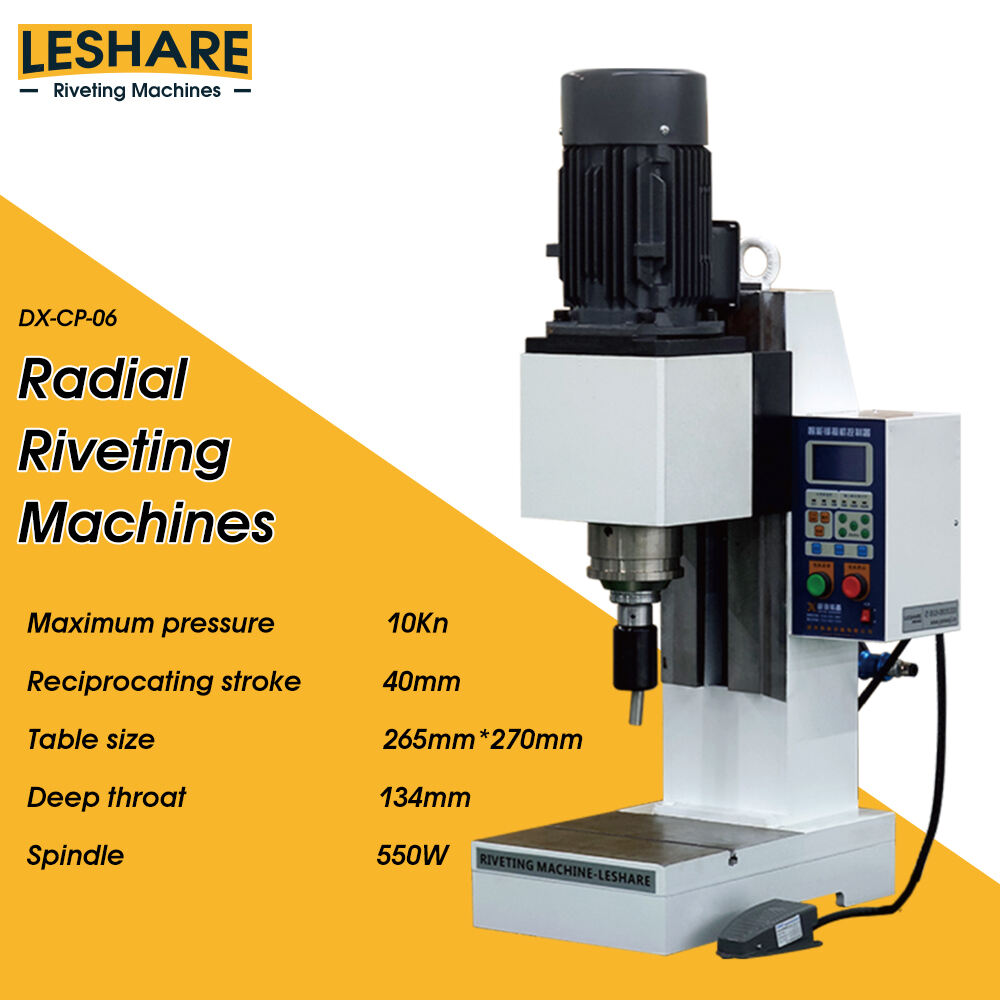
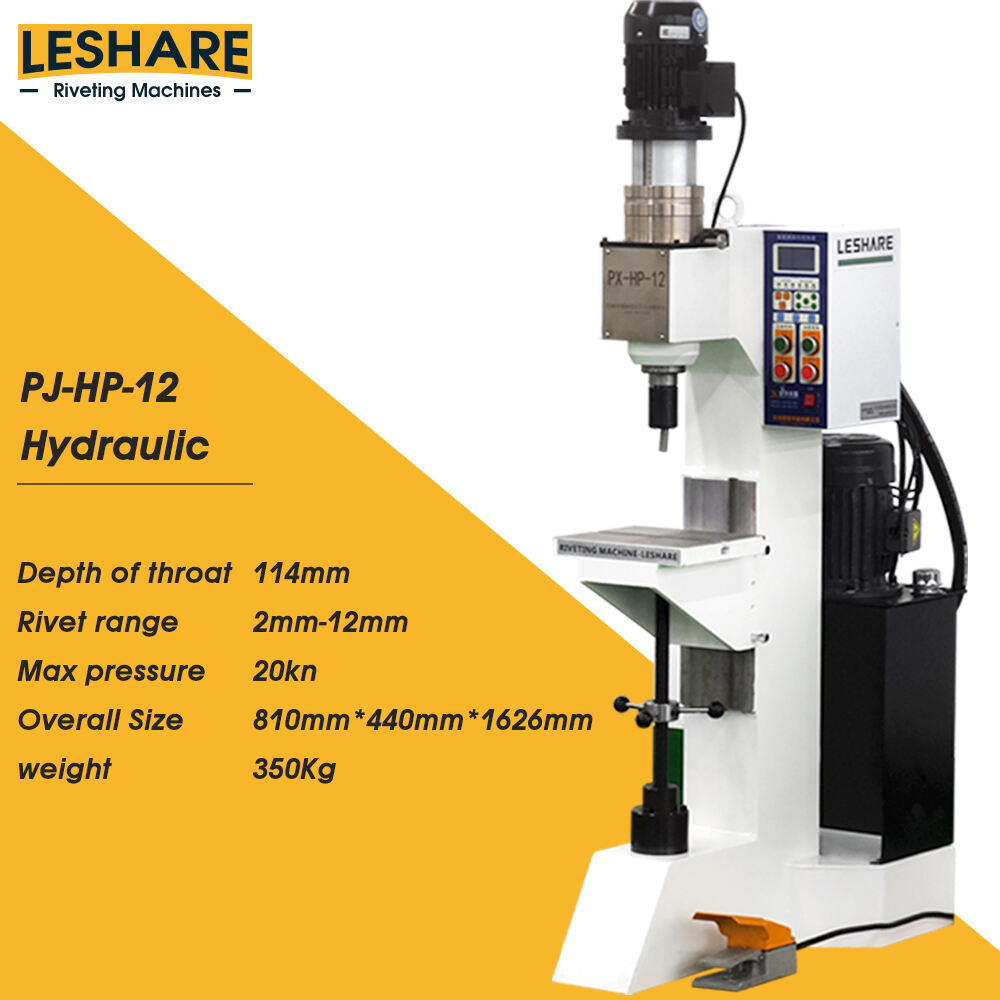
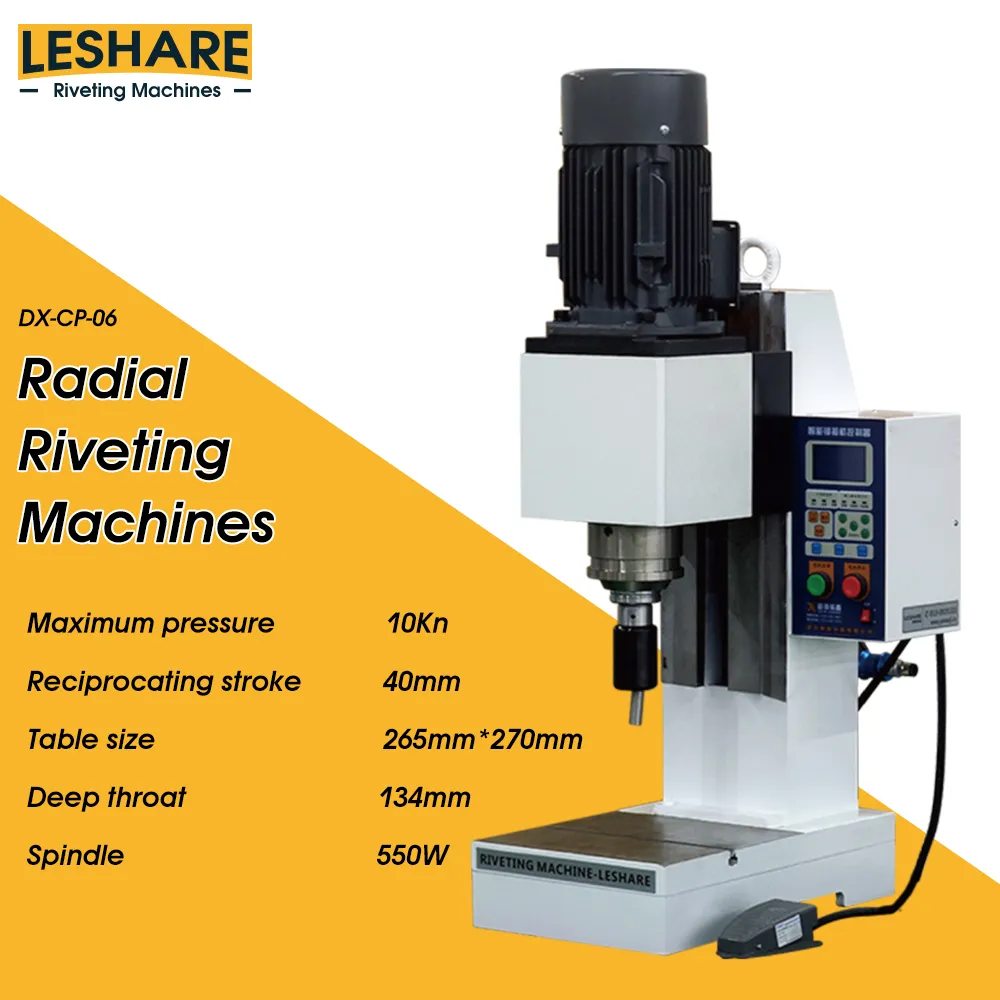
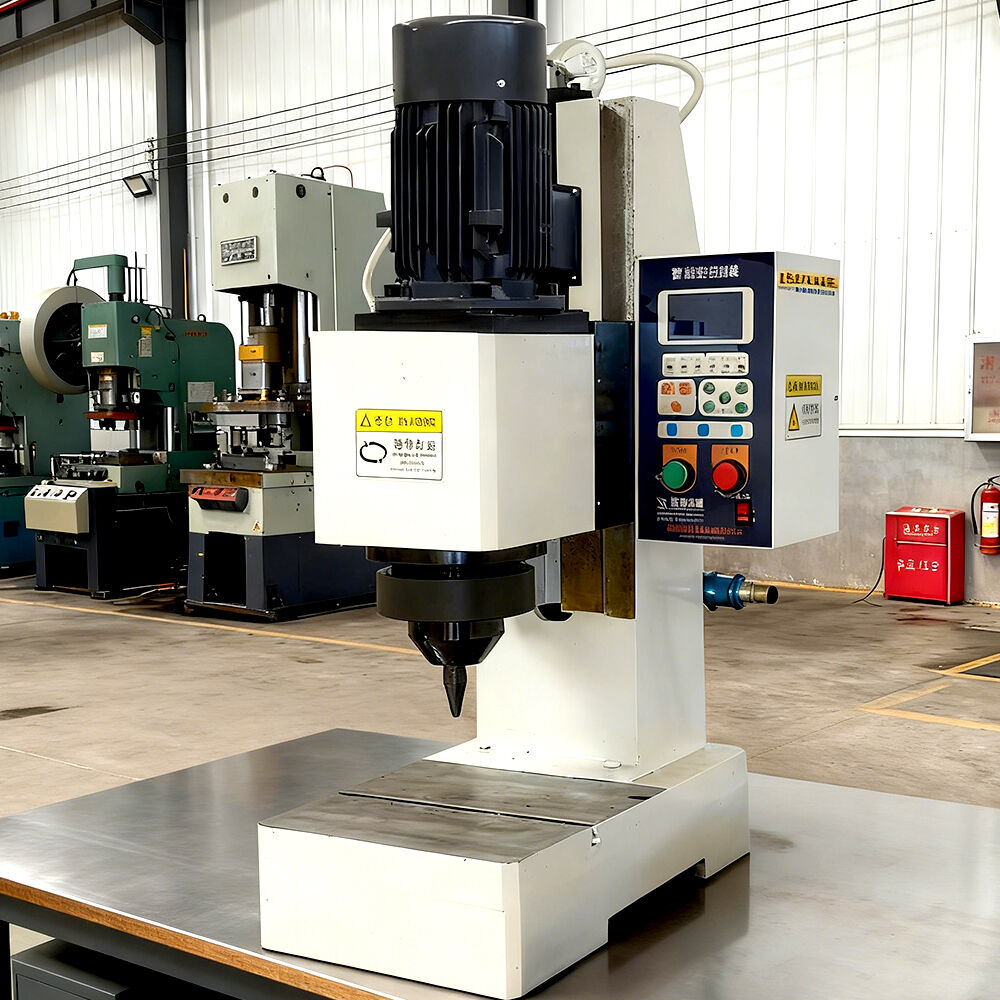
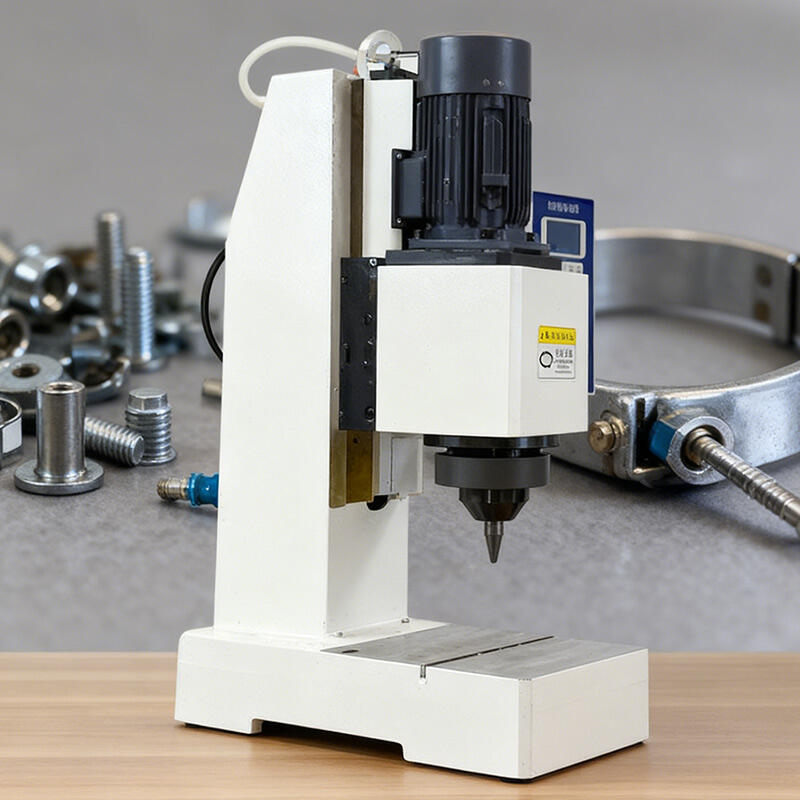
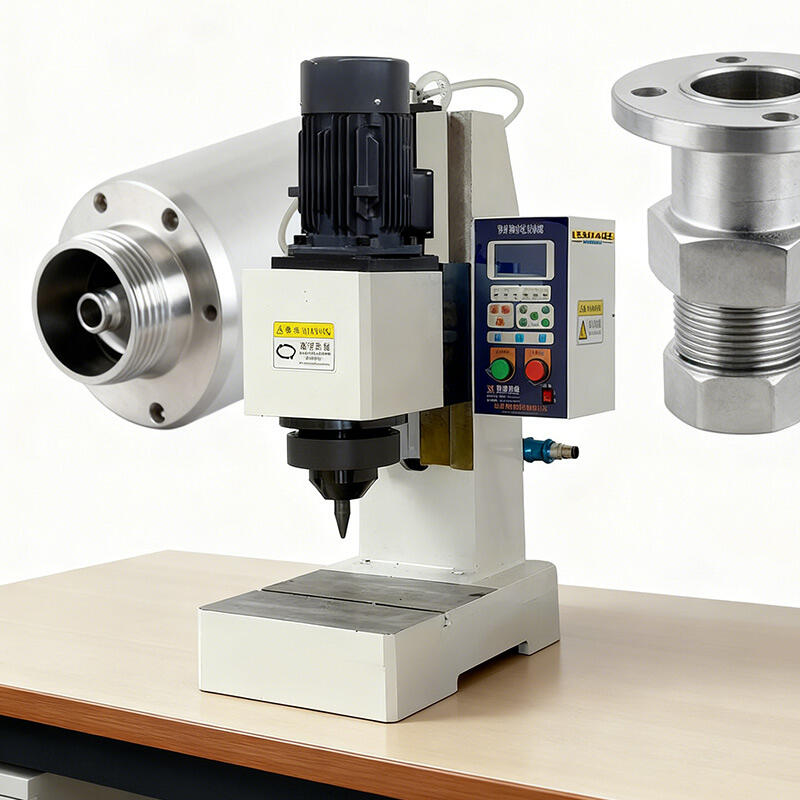
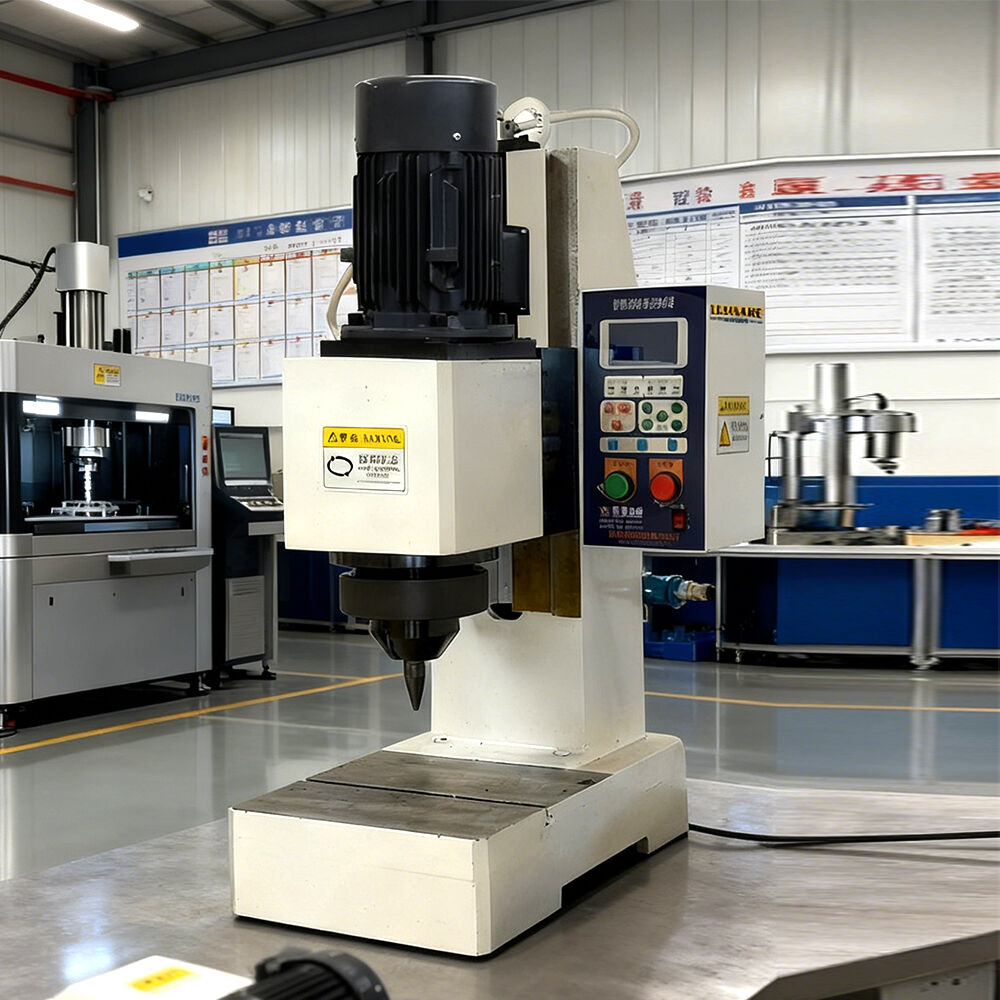
Hydraulic radial riveting machines represent a cornerstone technology in modern manufacturing, offering exceptional precision and reliability for fastening operations across diverse industries. These sophisticated machines utilize hydraulic pressure to drive riveting processes, creating permanent joints through radial deformation of rivets. The primary function of hydraulic radial riveting machines involves inserting rivets into pre-drilled holes and applying controlled force to expand the rivet shank, forming a secure mechanical connection between materials. Unlike traditional percussion riveting methods, these machines employ a unique radial compression technique that gradually expands the rivet material outward, ensuring uniform stress distribution and superior joint integrity. The technological foundation of hydraulic radial riveting machines centers on precision-engineered hydraulic systems that deliver consistent pressure throughout the riveting cycle. Advanced servo-controlled valves regulate fluid flow, enabling operators to fine-tune force application based on specific material requirements and joint specifications. Modern hydraulic radial riveting machines incorporate programmable logic controllers that store multiple riveting parameters, allowing rapid changeover between different production requirements. The machines feature robust construction with hardened steel components designed to withstand continuous industrial operation. Precision-ground tooling ensures accurate rivet placement and consistent deformation patterns, while integrated safety systems protect operators from hydraulic fluid exposure and mechanical hazards. Applications for hydraulic radial riveting machines span numerous sectors including aerospace, automotive, electronics, construction equipment, and appliance manufacturing. In aerospace applications, these machines create critical structural joints in aircraft fuselages, wing assemblies, and engine components where weight reduction and strength optimization are paramount. Automotive manufacturers utilize hydraulic radial riveting machines for assembling brake components, suspension systems, and body panels where vibration resistance and durability are essential. Electronics manufacturers rely on these machines to secure heat sinks, circuit boards, and connector assemblies where precise force control prevents component damage. The versatility of hydraulic radial riveting machines extends to processing various rivet materials including aluminum, steel, stainless steel, and specialized alloys, accommodating diverse engineering requirements across multiple industries.

Popular Products

Hydraulic radial riveting machines deliver substantial benefits that transform manufacturing operations through enhanced productivity, quality, and cost-effectiveness. The primary advantage lies in their ability to create stronger joints compared to traditional riveting methods. The radial expansion process distributes stress evenly throughout the rivet body, eliminating weak points that commonly occur with percussion riveting. This uniform stress distribution results in joints that withstand higher tensile and shear forces, extending product lifespan and reducing warranty claims. Manufacturing efficiency gains represent another significant advantage of hydraulic radial riveting machines. These systems complete riveting operations significantly faster than manual methods while maintaining consistent quality standards. Automated feeding mechanisms and programmable control systems minimize operator intervention, reducing labor costs and human error potential. The machines process multiple rivet sizes without extensive tooling changes, streamlining production workflows and reducing setup times between different product lines. Quality consistency emerges as a crucial benefit that hydraulic radial riveting machines provide to manufacturers. Precision hydraulic controls ensure identical force application across thousands of riveting cycles, eliminating the variability inherent in manual operations. This consistency translates directly into predictable joint performance and reduced rejection rates during quality inspections. Manufacturers experience lower rework costs and improved customer satisfaction through enhanced product reliability. Operational flexibility offers manufacturers the ability to adapt quickly to changing production requirements. Hydraulic radial riveting machines accommodate various rivet materials, sizes, and joint configurations through simple parameter adjustments. This adaptability reduces the need for multiple specialized machines, lowering capital investment and floor space requirements. The machines integrate seamlessly into existing production lines, minimizing disruption during implementation. Safety improvements provide substantial value for manufacturing operations concerned with worker protection. Hydraulic radial riveting machines eliminate the repetitive stress injuries associated with manual riveting while reducing noise levels compared to pneumatic alternatives. Enclosed hydraulic systems prevent fluid leaks and operator exposure to hazardous substances. Emergency stop systems and safety interlocks protect workers from mechanical hazards during operation. Cost reduction benefits extend beyond initial labor savings to encompass reduced material waste, lower maintenance requirements, and decreased energy consumption. The precise force control prevents rivet damage and material waste, while robust construction minimizes downtime for repairs. Energy-efficient hydraulic systems consume less power than pneumatic alternatives, reducing operational costs over the machine lifecycle.

Tips And Tricks

What Are the Core Advantages of Using a Pneumatic Orbital Riveter?

28

Aug

What Are the Core Advantages of Using a Pneumatic Orbital Riveter?

Understanding the Revolutionary Impact of Modern Riveting Technology The evolution of industrial fastening has reached new heights with the emergence of pneumatic orbital riveting systems. These sophisticated tools have transformed manufacturing proc...
View More
What Factors Impact the Speed of a Fastener Insertion Machine?

06

Nov

What Factors Impact the Speed of a Fastener Insertion Machine?

Understanding the Critical Elements of Automated Fastener Installation In modern manufacturing, the efficiency and precision of assembly processes directly impact production outcomes. At the heart of many assembly operations lies the fastener inserti...
View More
What Safety Precautions Should Operators Take with Pneumatic Riveting Machines?

06

Nov

What Safety Precautions Should Operators Take with Pneumatic Riveting Machines?

Essential Safety Guidelines for Industrial Riveting Operations The use of pneumatic riveting machines in industrial settings requires a comprehensive understanding of safety protocols to protect operators and maintain workplace efficiency. These powe...
View More
Why Are Electronics Plants Adopting Fastener Insertion Machines for Enclosures?

11

Dec

Why Are Electronics Plants Adopting Fastener Insertion Machines for Enclosures?

Improving the Structural Integrity of Electronic Enclosures In modern electronics plants, manufacturers continually pursue efficiency, precision, and long-term durability in every part of the assembly process. When it comes to electronic enclosures, ...
View More

Get a Free Quote

Our representative will contact you soon.
Email
Name
Company Name
Message
0/1000

hydraulic radial riveting machines

Superior Joint Strength Through Advanced Radial Compression Technology

Superior Joint Strength Through Advanced Radial Compression Technology

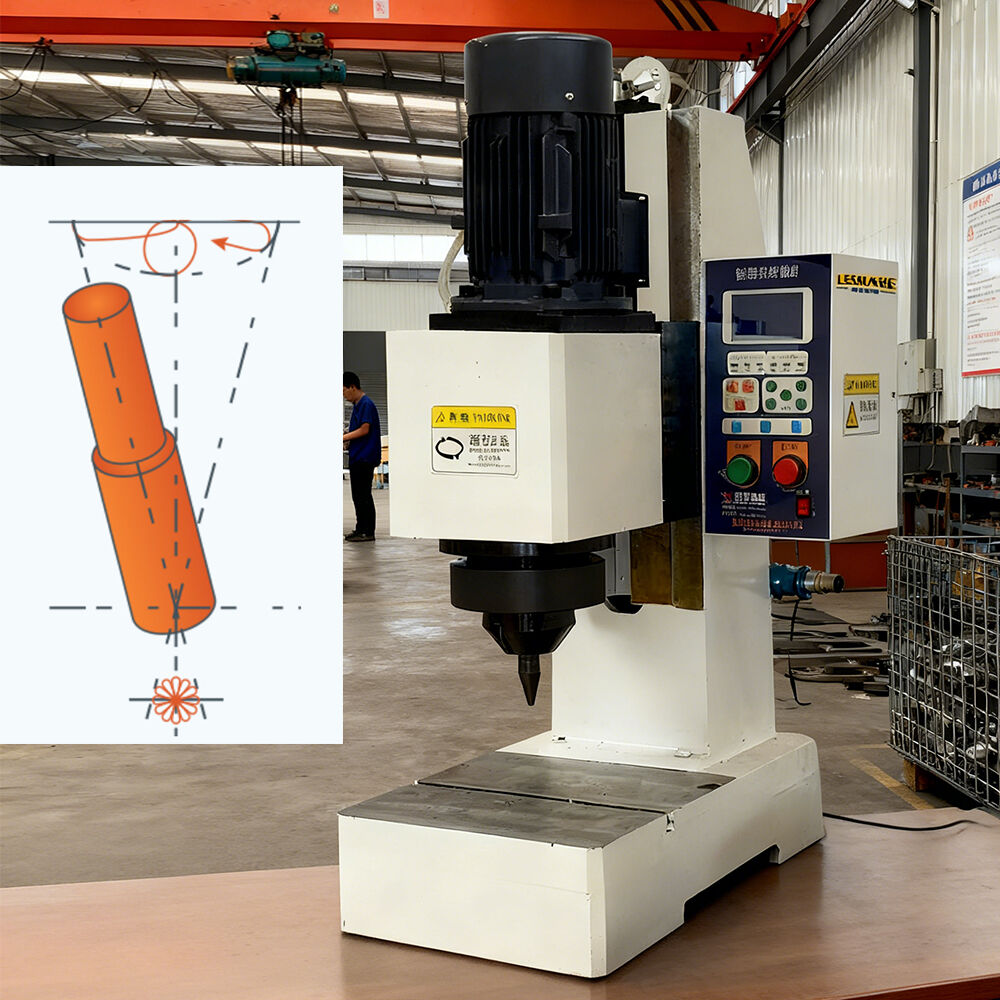
The revolutionary radial compression technology employed by hydraulic radial riveting machines fundamentally transforms how permanent joints are created in manufacturing applications. Unlike conventional percussion riveting that relies on impact force to deform rivets, hydraulic radial riveting machines utilize controlled hydraulic pressure to gradually expand rivet material radially outward. This methodical expansion process creates joints with exceptional structural integrity that surpass traditional riveting methods in multiple performance metrics. The radial compression process begins when the machine positions the rivet within pre-drilled material holes. Precision-engineered tooling surrounds the rivet shank, and controlled hydraulic pressure gradually increases to predetermined levels. As pressure builds, the rivet material flows radially outward, filling the hole completely and creating intimate contact with surrounding materials. This gradual deformation eliminates the shock loading and stress concentrations that characterize impact riveting methods. The resulting joint exhibits superior tensile strength, shear resistance, and fatigue performance compared to alternatives. Material scientists have documented that radially compressed rivets distribute stress more evenly throughout the joint interface, preventing the localized stress concentrations that lead to premature failure. This stress distribution advantage becomes particularly important in dynamic loading conditions where joints experience repeated stress cycles. Industries such as aerospace and automotive manufacturing benefit significantly from these enhanced joint properties, as improved reliability translates directly into safer products and reduced warranty costs. The technology also enables manufacturers to use smaller, lighter rivets to achieve equivalent joint strength, supporting weight reduction initiatives without compromising structural performance. Quality control benefits emerge from the predictable nature of radial compression, as hydraulic pressure parameters directly correlate with final joint properties. This relationship enables manufacturers to establish precise quality standards and monitor joint integrity through pressure monitoring systems integrated into hydraulic radial riveting machines.
Programmable Precision Control for Consistent Manufacturing Excellence

Programmable Precision Control for Consistent Manufacturing Excellence

Hydraulic radial riveting machines incorporate sophisticated programmable control systems that deliver unprecedented precision and consistency in manufacturing operations. These advanced control systems utilize servo-hydraulic technology combined with programmable logic controllers to manage every aspect of the riveting process with mathematical precision. The programmable nature of these machines enables manufacturers to establish specific parameters for different applications and recall them instantly, ensuring consistent results across production runs regardless of operator skill levels or external variables. The control system architecture centers on precision pressure regulation that maintains hydraulic force within extremely tight tolerances throughout the riveting cycle. Digital pressure transducers continuously monitor system pressure and provide real-time feedback to servo valves that adjust fluid flow accordingly. This closed-loop control system compensates for variations in rivet material properties, hole tolerances, and environmental conditions that could otherwise affect joint quality. Manufacturers can program multiple riveting profiles within a single machine, each optimized for specific rivet sizes, materials, and joint requirements. The programmable interface allows operators to input parameters such as maximum pressure, dwell time, pressure ramp rate, and cycle completion criteria. Advanced machines store hundreds of these profiles, enabling rapid changeover between different products without manual adjustments or extensive setup procedures. This capability proves invaluable in high-mix manufacturing environments where flexibility and quick response to customer requirements provide competitive advantages. Quality assurance integration represents another crucial aspect of programmable precision control in hydraulic radial riveting machines. The control systems automatically record process parameters for each rivet installation, creating comprehensive quality records that support traceability requirements and statistical process control initiatives. Real-time monitoring capabilities alert operators to parameter deviations that could indicate tool wear, material variations, or system malfunctions before defective joints are produced. This proactive quality management approach reduces scrap rates and supports continuous improvement initiatives that enhance overall manufacturing efficiency and customer satisfaction.
Versatile Multi-Material Processing Capabilities for Diverse Manufacturing Applications

Versatile Multi-Material Processing Capabilities for Diverse Manufacturing Applications

The exceptional versatility of hydraulic radial riveting machines in processing diverse materials and accommodating various manufacturing applications sets them apart as indispensable tools for modern production facilities. These machines demonstrate remarkable adaptability across material types, rivet sizes, joint configurations, and industry applications, providing manufacturers with comprehensive solutions that eliminate the need for multiple specialized fastening systems. This versatility stems from the fundamental hydraulic operating principle that enables precise force control independent of material properties or joint geometry. Material compatibility represents a primary strength of hydraulic radial riveting machines, as they successfully process aluminum, steel, stainless steel, copper, brass, and specialized aerospace alloys with equal effectiveness. The controlled hydraulic pressure adapts automatically to different material flow characteristics, ensuring optimal joint formation regardless of rivet material selection. This capability proves particularly valuable in multi-material assemblies where different metals must be joined together, such as aluminum panels attached to steel frameworks or copper electrical components secured within stainless steel housings. The machines accommodate both solid and semi-tubular rivets across extensive size ranges, from miniature electronic applications to heavy structural joints requiring substantial holding power. Joint configuration flexibility enables hydraulic radial riveting machines to handle single-sided installations, blind riveting applications, and complex multi-layer assemblies that challenge conventional fastening methods. The radial expansion process works effectively in confined spaces where access limitations prevent the use of traditional riveting tools, opening new possibilities for product design and manufacturing efficiency. Industries benefit from this versatility through consolidated tooling requirements and simplified training programs, as operators master a single technology applicable across multiple product lines. Aerospace manufacturers utilize hydraulic radial riveting machines for everything from delicate avionics assemblies to primary structural joints, while automotive producers apply the same technology to brake components, suspension systems, and body panel attachments. Electronics manufacturers leverage the precise force control for securing components without damage, and construction equipment producers rely on the technology for heavy-duty applications requiring maximum joint strength and durability in harsh operating environments.

Get a Free Quote

Our representative will contact you soon.
Email
Name
Company Name
Message
0/1000