Advanced Servo Press Technology - Precision Manufacturing Solutions for Industrial Applications

Get a Free Quote

Our representative will contact you soon.
Email
Name
Company Name
Message
0/1000

servo press

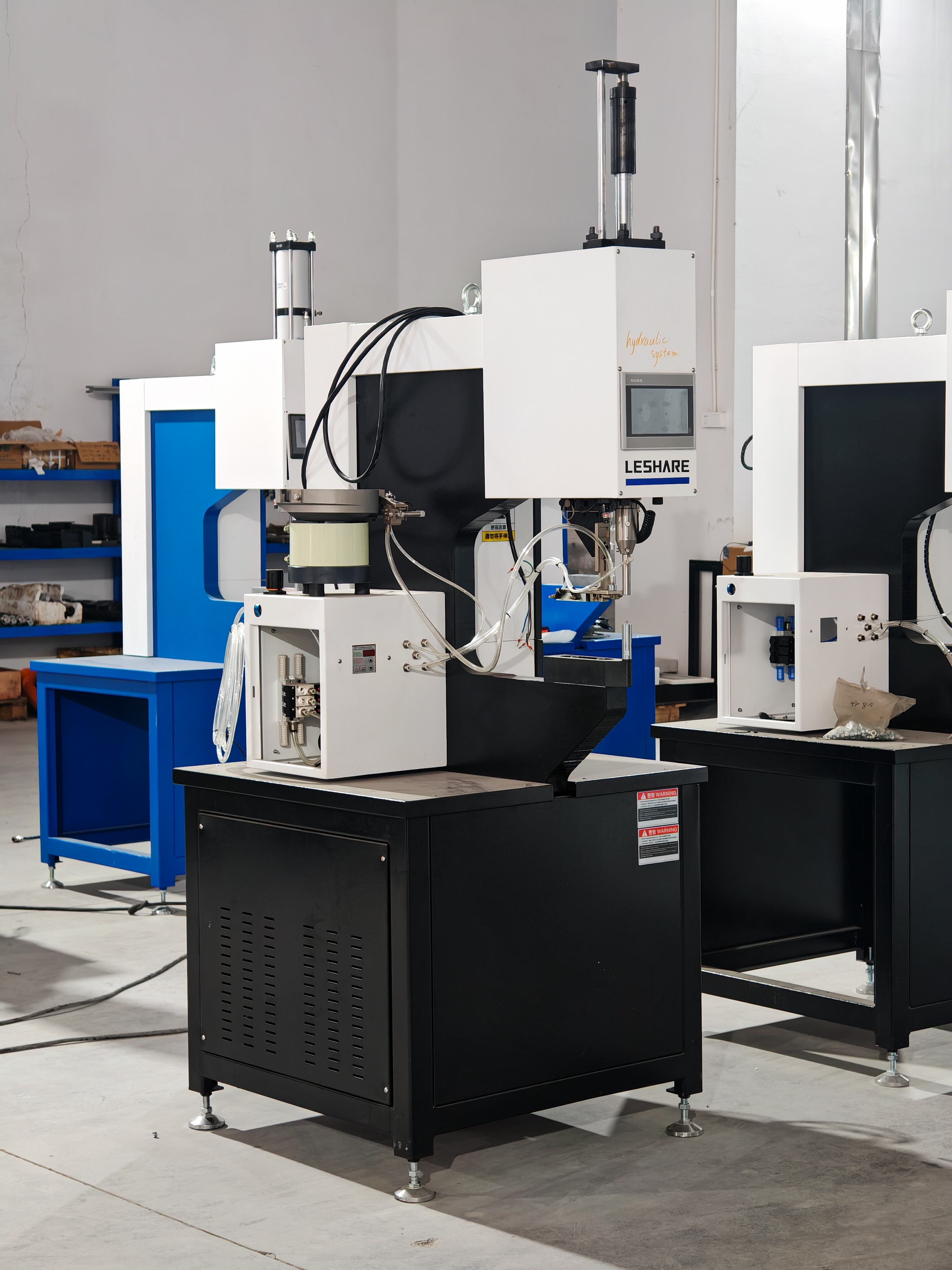
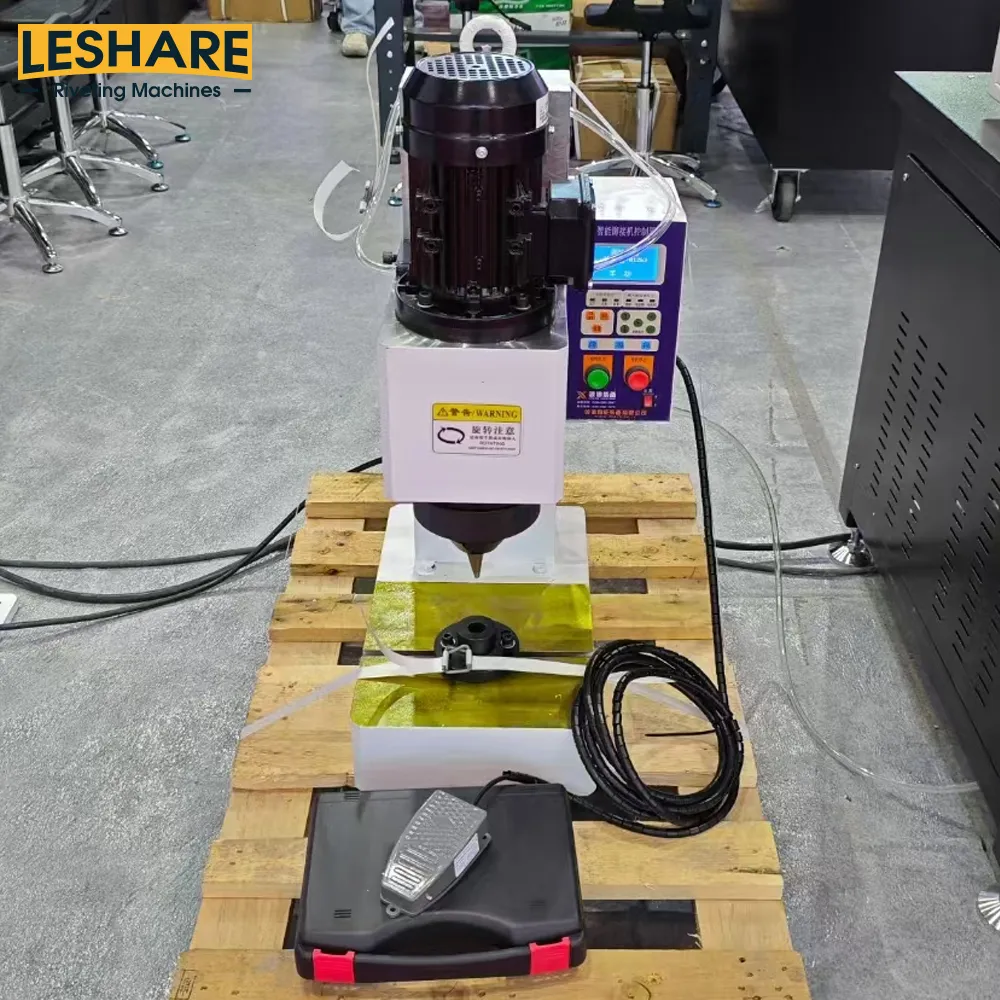
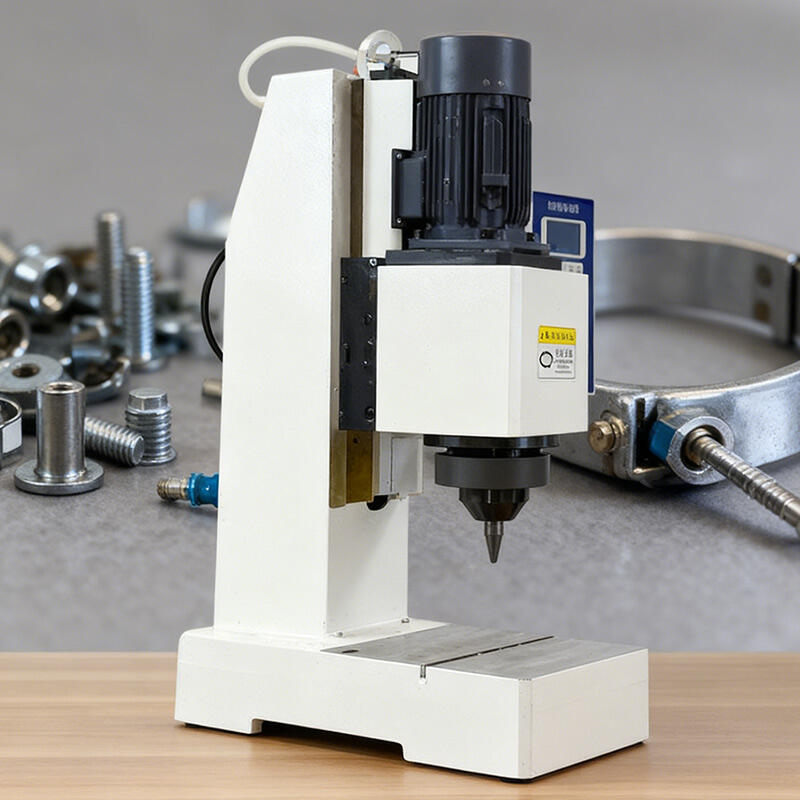
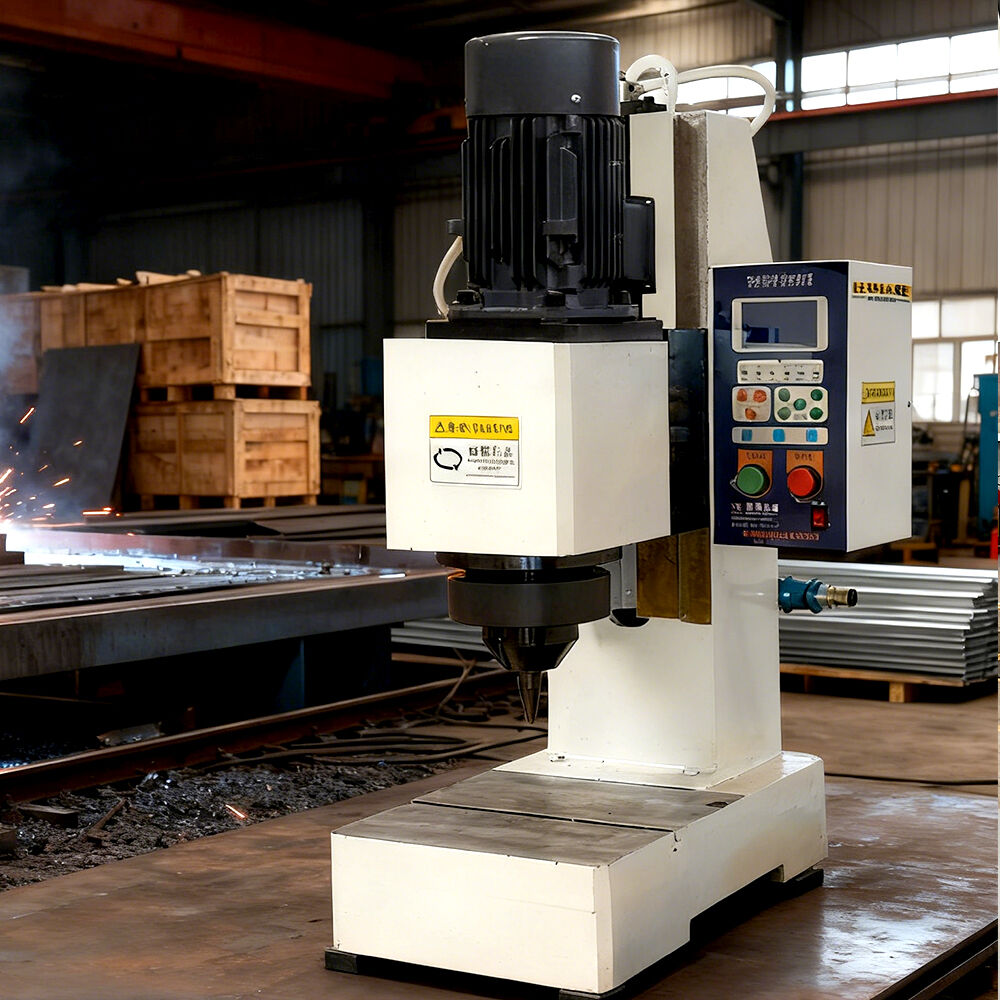
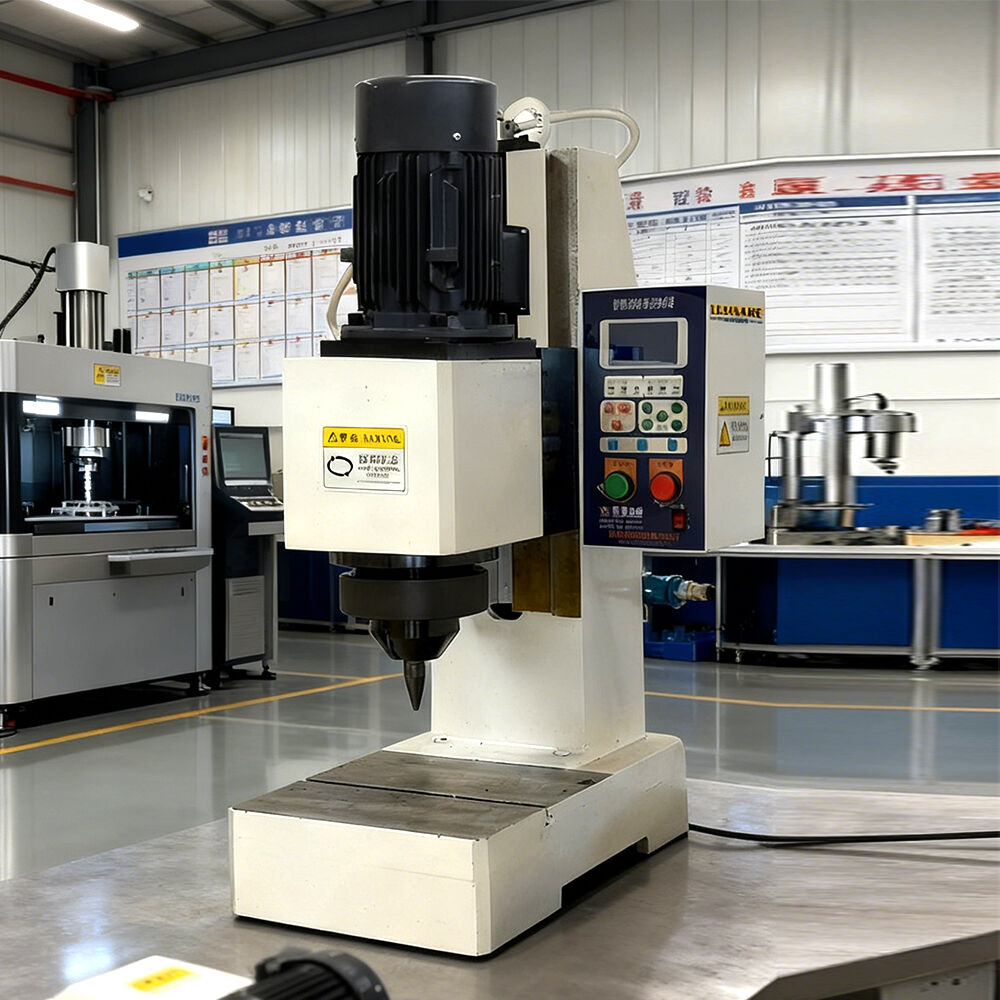
A servo press represents a revolutionary advancement in industrial forming and manufacturing technology, utilizing sophisticated servo motor systems to deliver precise, controllable force application. Unlike traditional mechanical or hydraulic presses that operate with fixed stroke patterns and limited flexibility, the servo press integrates advanced servo motor technology with intelligent control systems to provide unprecedented accuracy and versatility in metalworking operations. The fundamental architecture of a servo press combines high-torque servo motors with precision ball screws or direct drive mechanisms, enabling operators to program complex motion profiles that can be customized for specific manufacturing requirements. This innovative pressing solution offers complete control over speed, position, and force throughout the entire pressing cycle, making it an ideal choice for applications requiring exceptional precision and repeatability. The servo press excels in various metalworking processes including stamping, forming, drawing, coining, and assembly operations. Its sophisticated control system allows manufacturers to program multiple pressing stages within a single cycle, optimizing material flow and reducing the risk of defects. The technology incorporates real-time monitoring capabilities that continuously track force, position, and timing parameters, ensuring consistent quality across production runs. Modern servo press systems feature user-friendly interfaces that simplify programming and operation while providing comprehensive data logging for quality control and process optimization. The mechanical design typically includes robust frame construction capable of handling high loads while maintaining structural integrity under repeated stress cycles. Advanced safety systems integrate multiple protection layers including electronic monitoring, emergency stops, and fail-safe mechanisms to ensure operator safety during operation.

New Product Releases

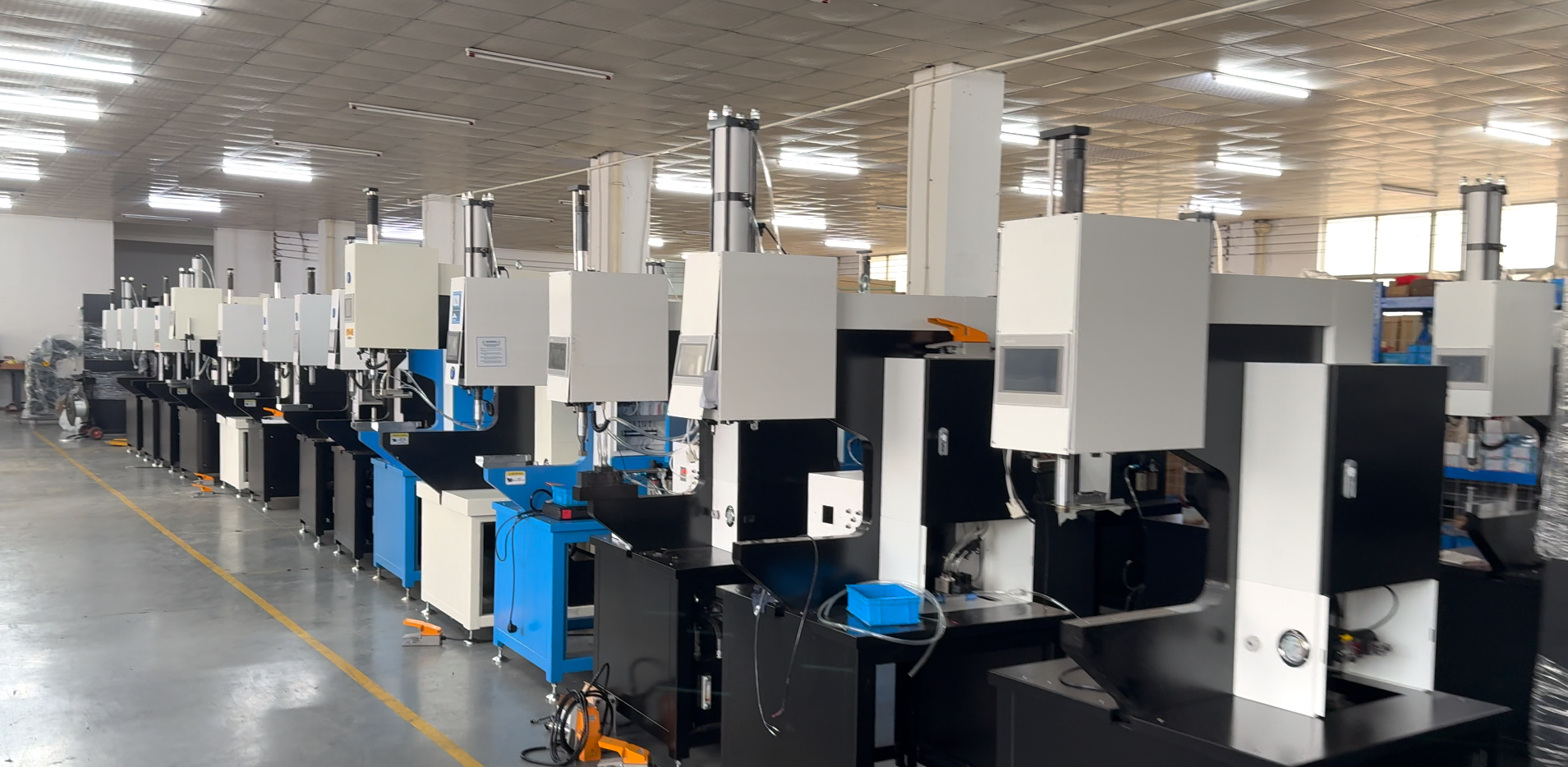
The servo press delivers remarkable energy efficiency compared to conventional pressing systems, consuming power only during active pressing operations rather than maintaining continuous hydraulic pressure or mechanical motion. This intelligent power management reduces operational costs significantly while supporting environmental sustainability initiatives. Manufacturing facilities experience substantial reductions in electricity consumption, often achieving 30-50% energy savings compared to traditional press technologies. The precise control capabilities of servo press systems eliminate waste material and reduce scrap rates through optimized forming processes that adapt to material variations and part specifications. Quality consistency represents another major advantage, as the servo press maintains exact force and position parameters throughout production runs, eliminating variations that commonly occur with mechanical or hydraulic systems. The programmable nature of servo press operations allows manufacturers to store and recall specific pressing profiles for different parts, dramatically reducing setup times between production runs and increasing overall equipment effectiveness. Maintenance requirements are significantly lower due to fewer mechanical components and the absence of hydraulic fluids that require regular replacement and monitoring. The servo press operates with reduced noise levels compared to mechanical systems, creating a more comfortable working environment while meeting increasingly strict noise regulations. Flexibility in programming enables manufacturers to produce complex parts that would require multiple operations on conventional presses, consolidating manufacturing steps and reducing handling time. The real-time monitoring capabilities provide immediate feedback on process parameters, allowing operators to detect and correct variations before defective parts are produced. This proactive approach to quality control reduces inspection requirements and improves customer satisfaction through consistent part quality. The servo press also offers superior safety features through programmable safety zones and electronic monitoring that prevents operation outside specified parameters. Integration capabilities with modern manufacturing execution systems enable seamless data exchange for production planning and quality tracking. The compact design of many servo press systems requires less floor space compared to equivalent-capacity mechanical presses, optimizing facility utilization and allowing for more efficient production line layouts.

Tips And Tricks

Why Is a Fastener Insertion Machine Essential for Consistent Hardware Placement?

18

Dec

Why Is a Fastener Insertion Machine Essential for Consistent Hardware Placement?

Manufacturing precision has become the cornerstone of modern industrial production, where even the smallest components must be installed with exact accuracy and consistent quality. In today's competitive manufacturing landscape, companies are increas...
View More
How Do You Match Fastener Types to the Right Fastener Insertion Machine?

29

Dec

How Do You Match Fastener Types to the Right Fastener Insertion Machine?

Selecting the appropriate fastener insertion machine for your manufacturing operation requires careful consideration of multiple technical factors that directly impact production efficiency, quality, and cost-effectiveness. Modern industrial applicat...
View More
How do radial riveting machines integrate with modern production systems?

26

Feb

How do radial riveting machines integrate with modern production systems?

Modern manufacturing environments demand precision, efficiency, and seamless integration across all production processes. Radial riveting machines have emerged as essential equipment for achieving reliable fastening solutions in industries ranging fr...
View More
What Industries Benefit from Automatic Riveting Machines?

18

Mar

What Industries Benefit from Automatic Riveting Machines?

Modern manufacturing demands precision, speed, and reliability in every assembly process. Automatic riveting machines have emerged as essential tools across numerous industries, revolutionizing how manufacturers approach fastening operations. These s...
View More

Get a Free Quote

Our representative will contact you soon.
Email
Name
Company Name
Message
0/1000

servo press

Precision Force Control Technology

Precision Force Control Technology

The servo press revolutionizes manufacturing precision through its advanced force control technology that delivers exact pressure application throughout the entire forming process. This sophisticated system utilizes high-resolution load cells and closed-loop feedback mechanisms to monitor and adjust force parameters in real-time, ensuring consistent results across thousands of production cycles. Unlike traditional presses that apply maximum force regardless of material requirements, the servo press intelligently modulates pressure based on programmed specifications, preventing material damage and extending tool life. The force control system operates with exceptional accuracy, typically maintaining force variations within ±1% of target values, which proves crucial for applications requiring tight tolerances and consistent part dimensions. This precision enables manufacturers to work with delicate materials that would be damaged by excessive force while ensuring adequate forming pressure for challenging applications. The technology incorporates multiple force monitoring points throughout the press stroke, allowing operators to program complex force profiles that optimize material flow and reduce forming stresses. Advanced algorithms continuously analyze force feedback data to detect anomalies that might indicate tool wear, material variations, or setup issues, providing early warning systems that prevent defective production. The force control system also enables adaptive processing, where the press automatically adjusts parameters based on real-time material response, ensuring optimal results even with material property variations. This intelligent force management reduces the need for extensive trial-and-error setup procedures, allowing manufacturers to achieve consistent results more quickly when introducing new parts or materials. The precision force control technology supports advanced forming techniques such as controlled deformation, multi-stage forming, and precision calibration operations that would be impossible with conventional pressing methods.
Programmable Motion Profiles

Programmable Motion Profiles

The servo press offers unparalleled flexibility through its programmable motion profile capabilities, allowing manufacturers to customize every aspect of the pressing cycle to match specific part requirements and material characteristics. This advanced feature enables operators to program complex motion sequences that include variable speeds, dwell times, and multi-stage operations within a single pressing cycle, optimizing material flow and part quality while reducing production time. The motion control system supports unlimited programming possibilities, from simple single-stage operations to complex multi-step forming sequences that would require multiple conventional presses to achieve. Engineers can program acceleration and deceleration curves that minimize shock loads on tooling and workpieces, extending tool life and improving part surface finish quality. The system stores motion profiles in memory for instant recall, eliminating setup time when switching between different part numbers and ensuring consistent processing parameters across production runs. Advanced motion profiling enables manufacturers to implement sophisticated forming strategies such as controlled material draw, progressive forming, and precision positioning that optimize part geometry and mechanical properties. The programmable nature of the system supports continuous improvement initiatives, allowing operators to refine motion profiles based on production experience and quality feedback to achieve optimal results. Integration with CAD and simulation software enables engineers to develop and validate motion profiles before production, reducing development time and minimizing trial-and-error approaches. The motion control system provides real-time position feedback with sub-millimeter accuracy, ensuring precise part positioning and repeatability that meets the most demanding quality requirements. This flexibility proves particularly valuable for prototype development and low-volume production where frequent program changes are required, as new motion profiles can be programmed quickly without mechanical modifications to the press equipment.
Real-Time Process Monitoring

Real-Time Process Monitoring

The servo press incorporates comprehensive real-time process monitoring capabilities that provide unprecedented visibility into manufacturing operations, enabling proactive quality control and process optimization that significantly improves production efficiency and part consistency. This advanced monitoring system continuously tracks multiple process parameters including force, position, velocity, and timing throughout each pressing cycle, creating detailed data records that support quality assurance and process improvement initiatives. The monitoring technology utilizes high-speed data acquisition systems that capture thousands of measurements per second, providing complete documentation of each part production cycle for traceability and quality verification purposes. Integrated alarm systems immediately alert operators to process variations that exceed programmed tolerances, preventing the production of defective parts and reducing waste material costs. The real-time monitoring capabilities support statistical process control methodologies by automatically calculating process capability metrics and trend analysis that identify gradual process shifts before they affect part quality. Visual displays provide operators with immediate feedback on process performance through intuitive graphics and dashboards that highlight critical parameters and system status information. Data logging functions automatically record all process parameters to secure databases that support quality audits, customer requirements, and regulatory compliance documentation. The monitoring system enables predictive maintenance strategies by tracking equipment performance trends and identifying patterns that indicate potential maintenance requirements before equipment failures occur. Advanced analytics capabilities process historical data to identify optimization opportunities and recommend process improvements that enhance productivity and quality outcomes. Integration with manufacturing execution systems enables seamless data transfer for production reporting, inventory tracking, and customer quality documentation requirements. The comprehensive monitoring capabilities also support remote diagnostics and technical support, allowing expert technicians to analyze process data and provide optimization recommendations without requiring on-site visits.

Get a Free Quote

Our representative will contact you soon.
Email
Name
Company Name
Message
0/1000