lowspeed radial riveting
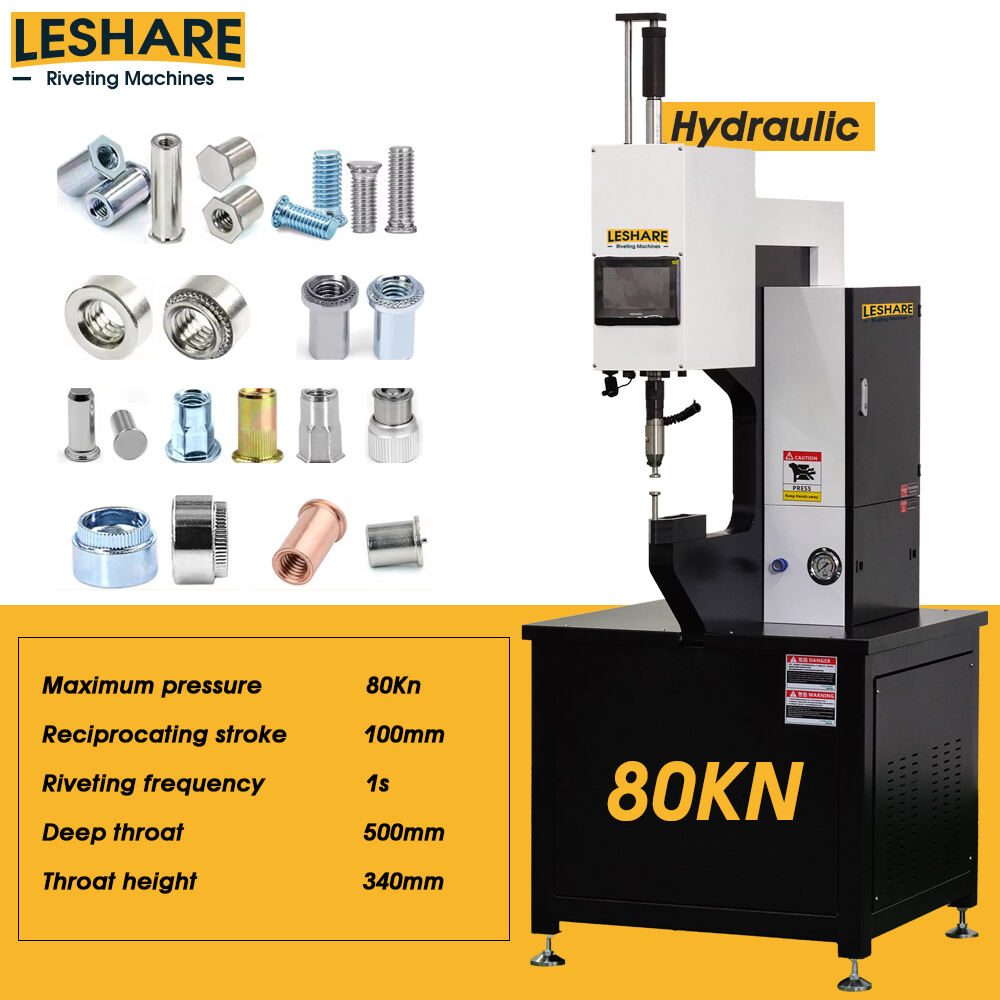
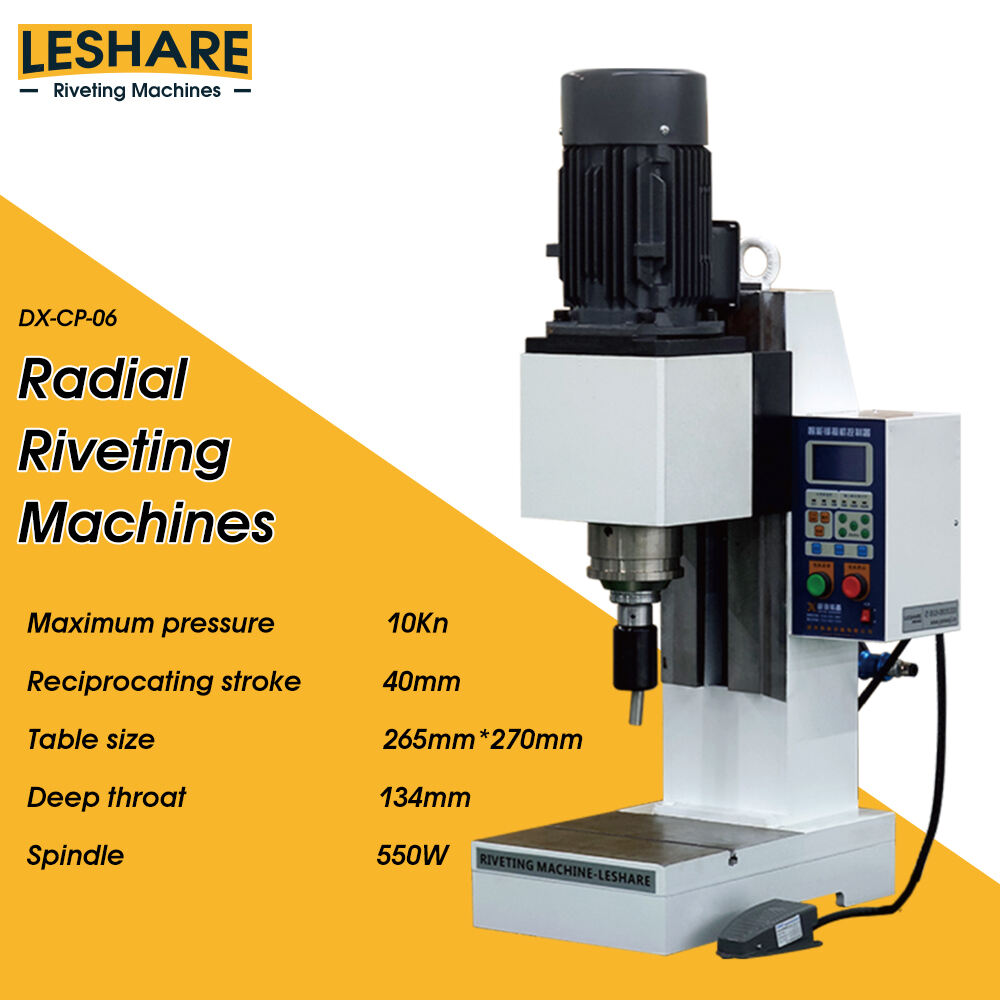
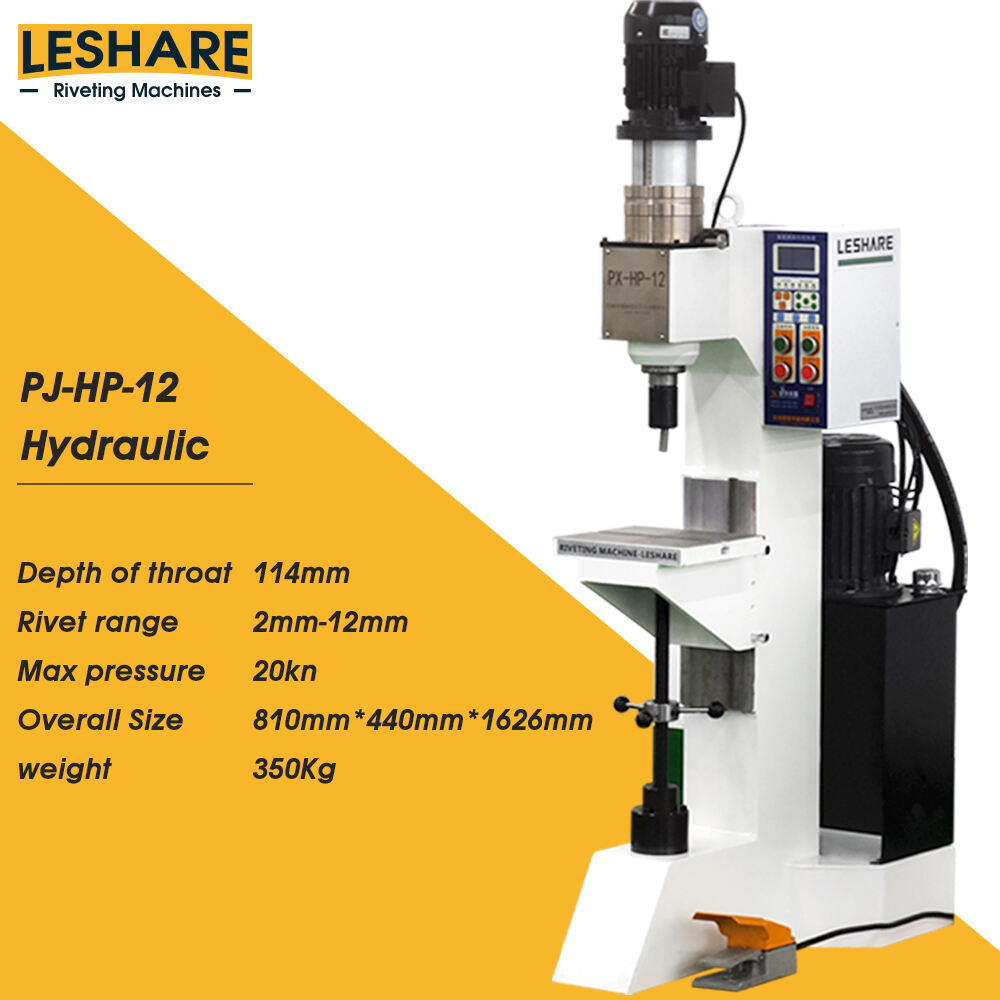
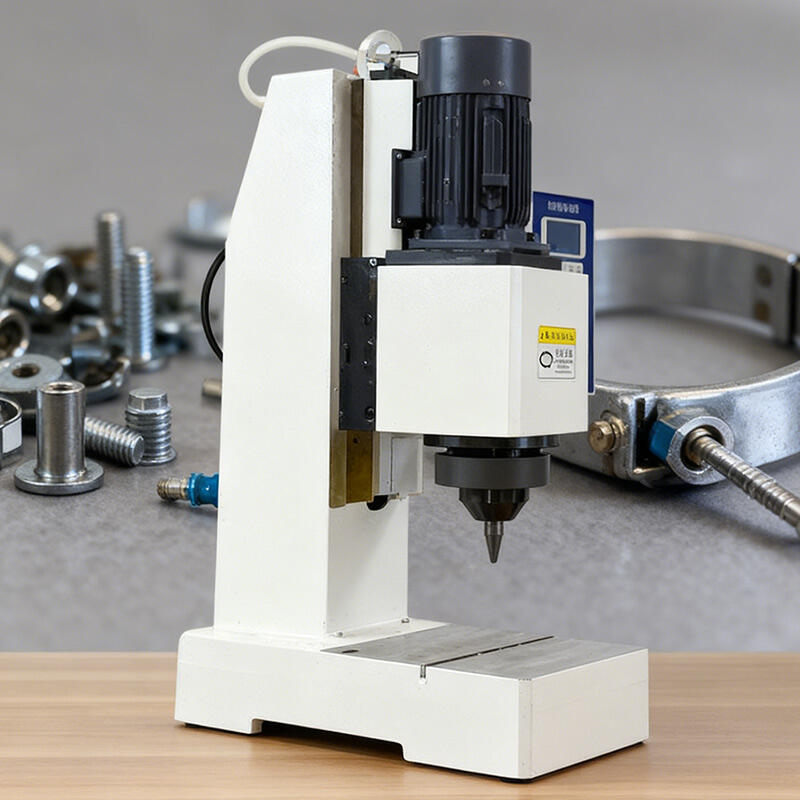
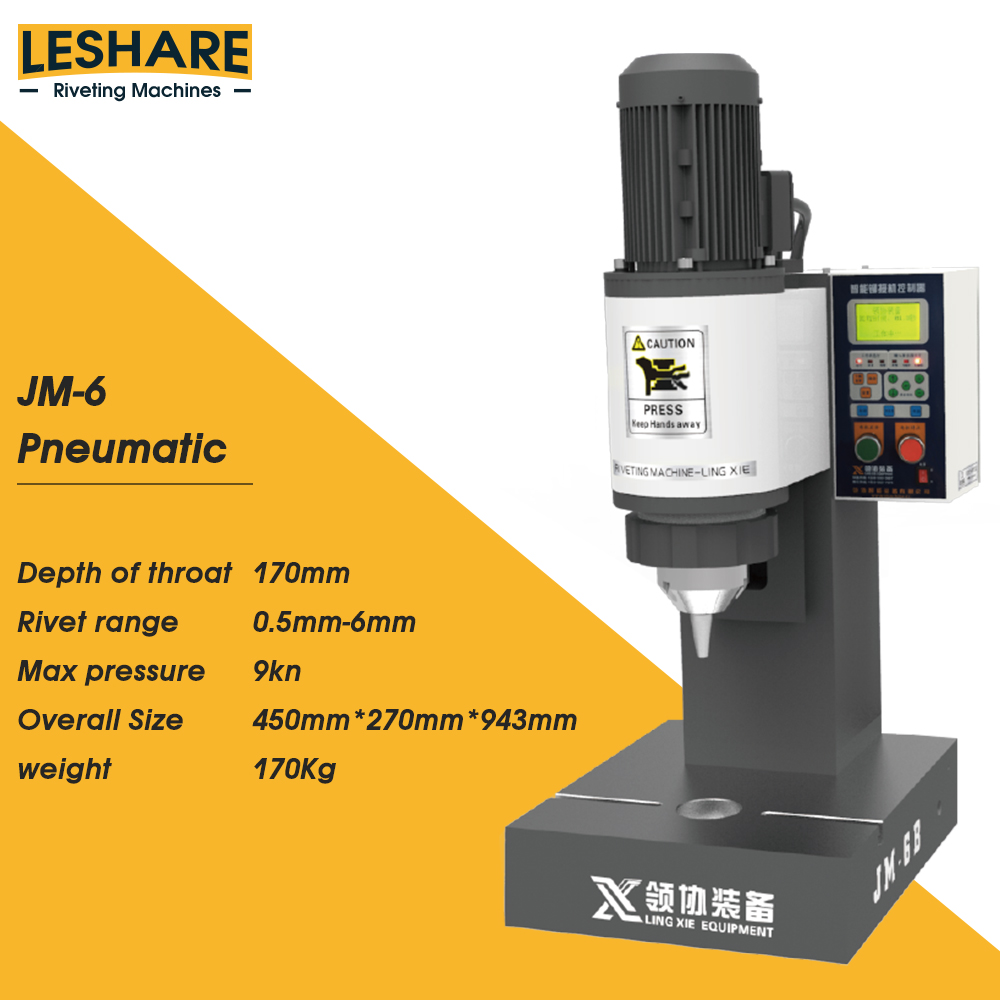
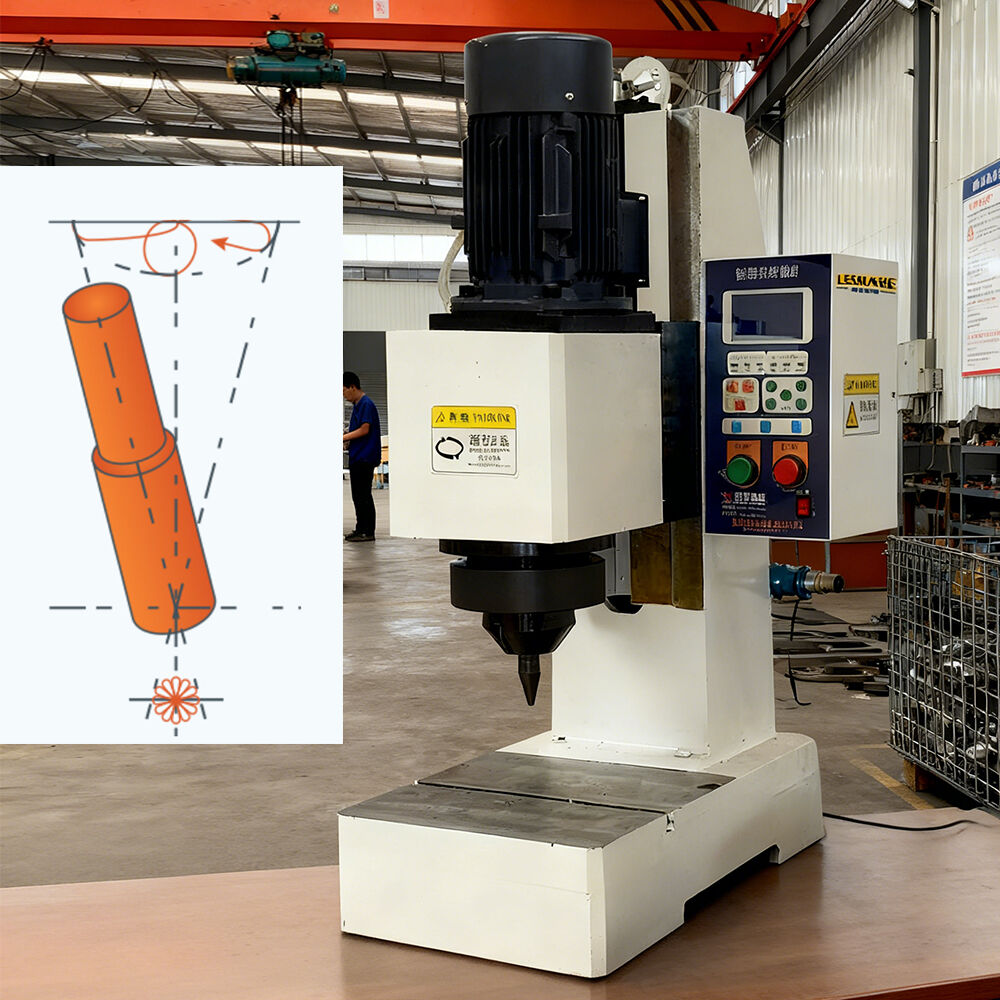
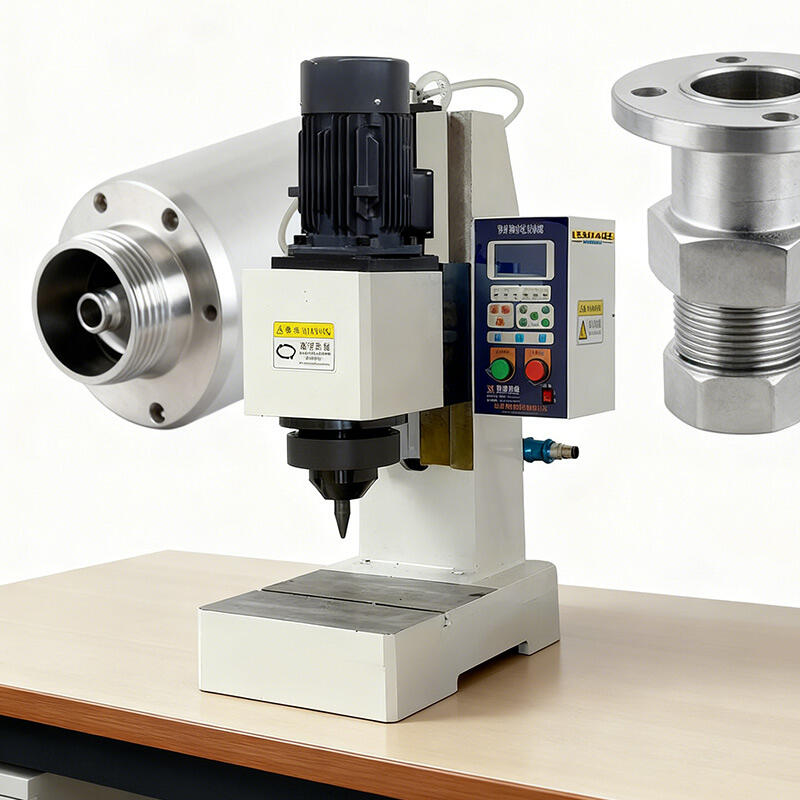
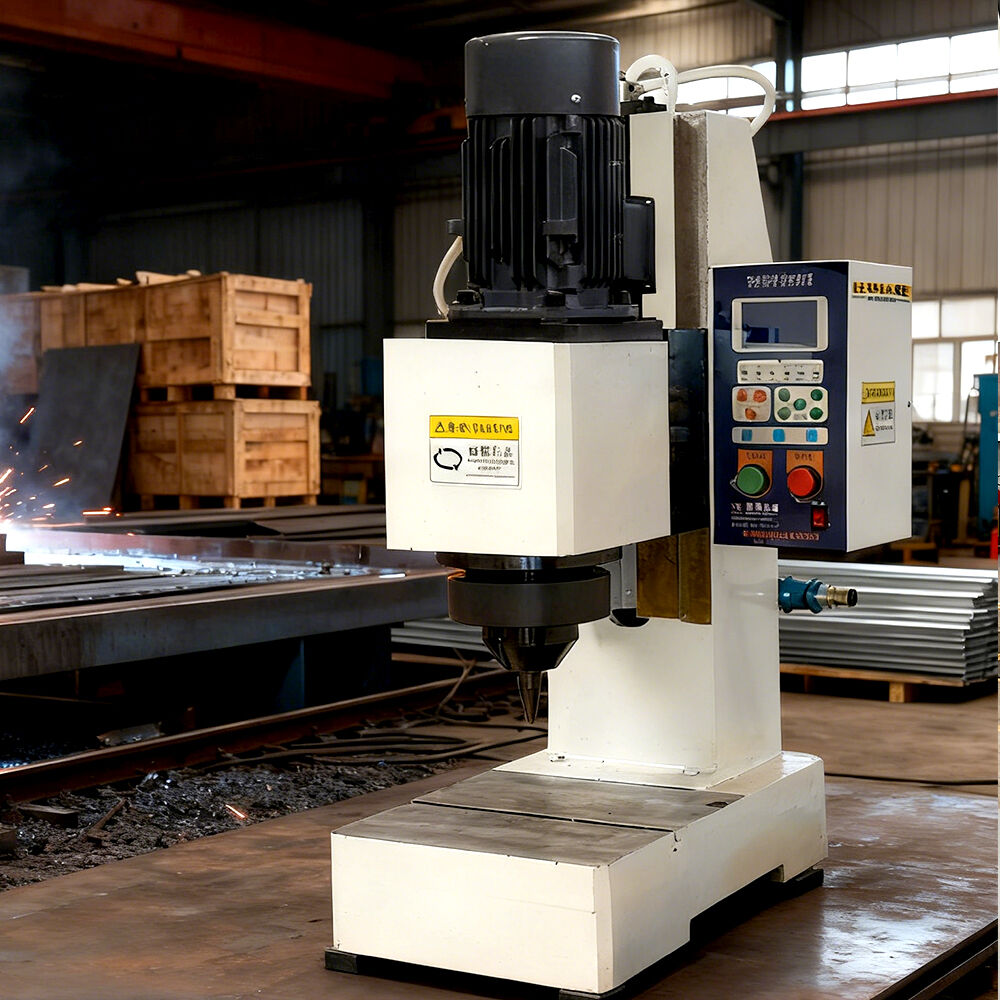
Lowspeed radial riveting represents a revolutionary approach to precision joining technology that delivers exceptional results across multiple manufacturing sectors. This advanced riveting system operates at controlled speeds to create strong, permanent connections between materials through a unique radial compression process. The lowspeed radial riveting method employs specialized tooling that applies pressure from multiple angles simultaneously, ensuring uniform distribution of force throughout the riveting operation. This technology excels in applications requiring precise control over joint formation, particularly when working with delicate materials or complex assemblies. The main functions of lowspeed radial riveting include creating leak-proof connections, joining dissimilar materials, and establishing robust mechanical bonds without compromising material integrity. The system works by gradually expanding rivet material into prepared holes through controlled pressure application, eliminating the shock loads associated with traditional impact riveting methods. Technological features of this process include programmable pressure controls, adjustable cycle times, and real-time monitoring capabilities that ensure consistent quality across production runs. The equipment typically incorporates pneumatic or hydraulic actuation systems that provide smooth, controlled motion throughout the riveting cycle. Advanced models feature automated positioning systems and integrated quality control mechanisms that verify proper rivet formation before releasing workpieces. Applications for lowspeed radial riveting span aerospace components, automotive assemblies, electronic housings, medical devices, and precision instruments where joint reliability is paramount. The process proves particularly valuable in manufacturing environments requiring high-volume production with minimal variation in joint quality. Industries benefit from this technology when assembling components that cannot tolerate the vibration or shock associated with conventional riveting methods, making lowspeed radial riveting an essential tool for modern precision manufacturing operations.
 EN
EN