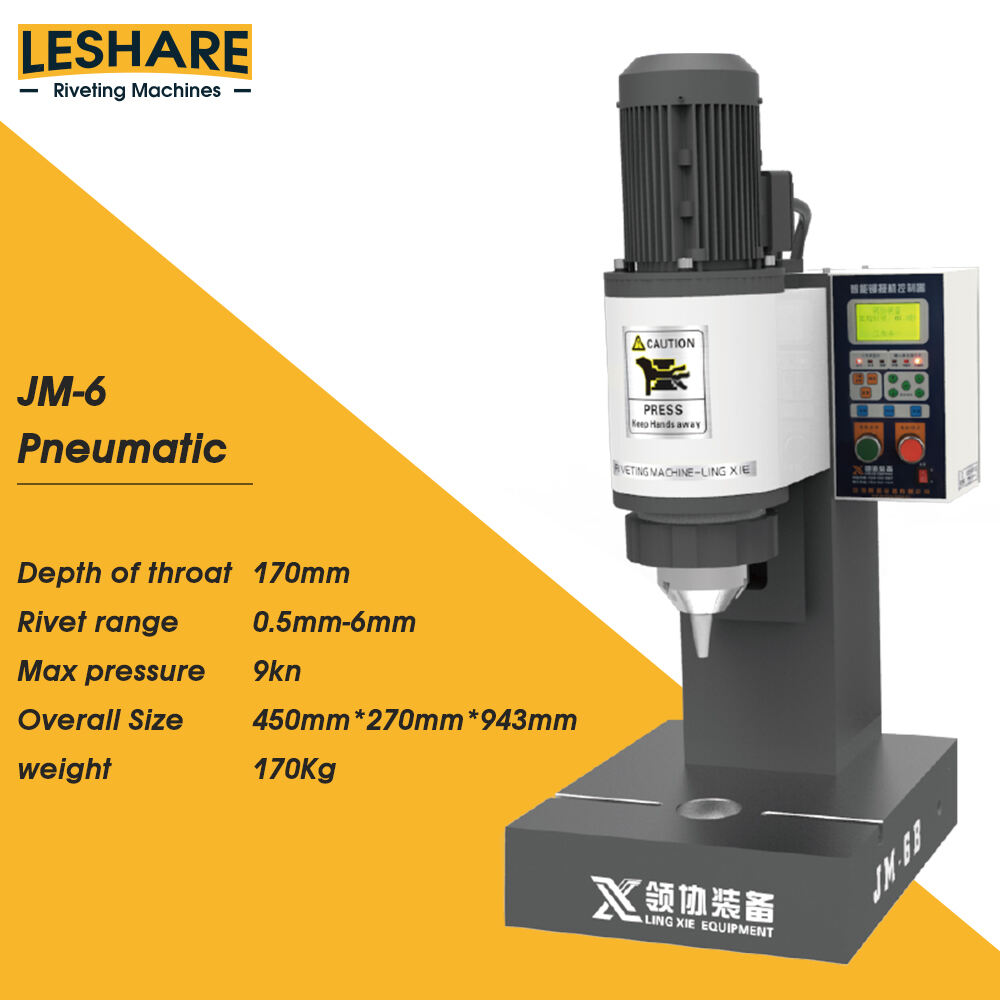
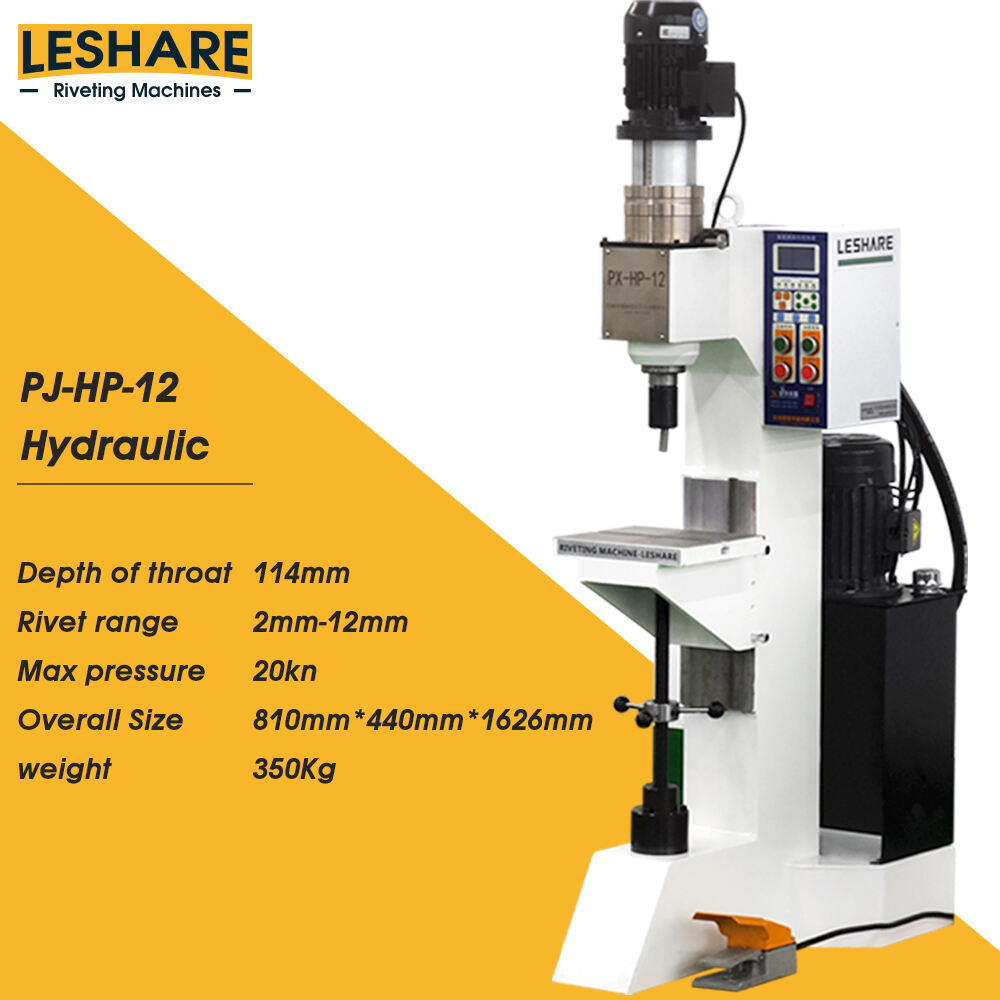
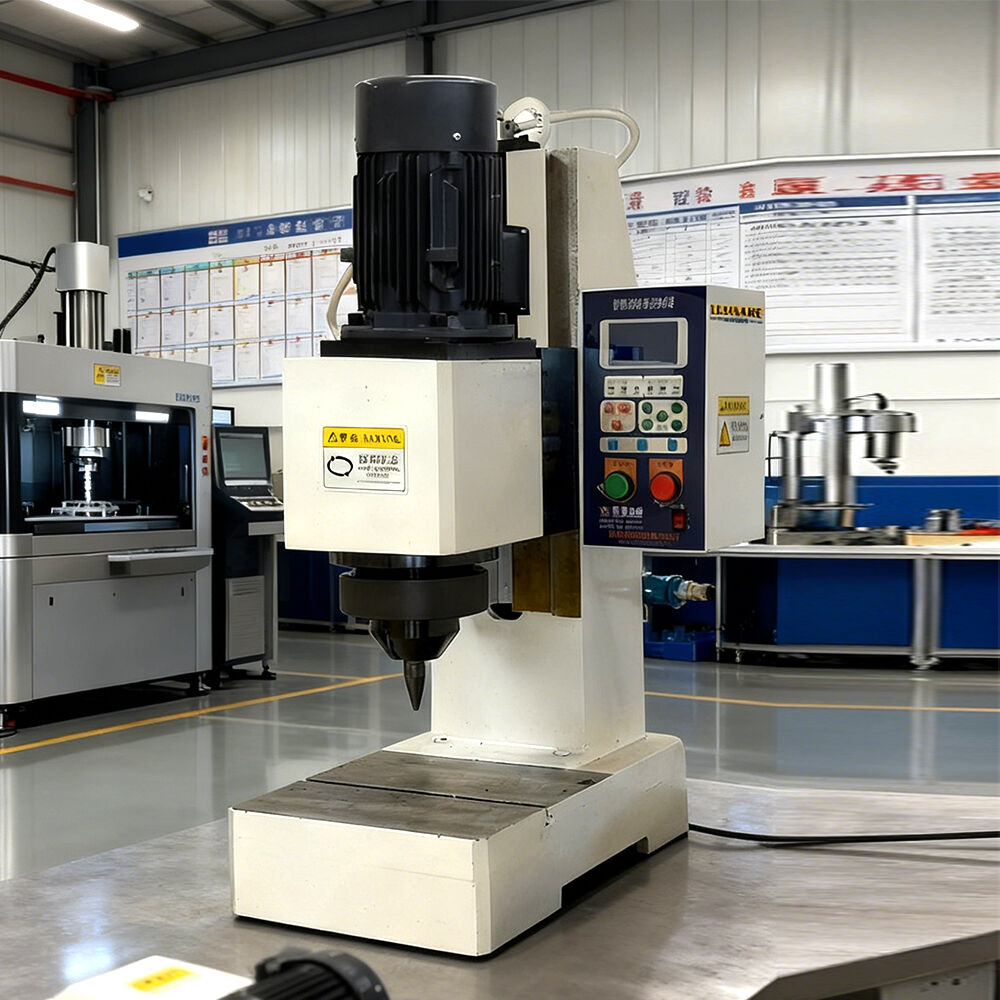
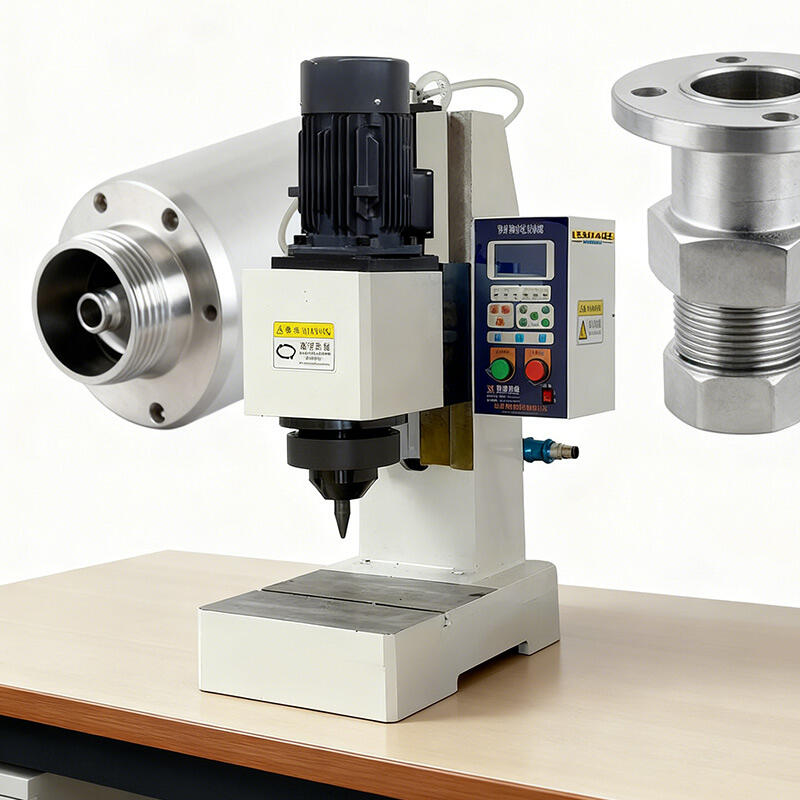
High Precision Radial Riveting Machines - Advanced Manufacturing Solutions for Superior Quality

Get a Free Quote

Our representative will contact you soon.
Email
Name
Company Name
Message
0/1000

high precision radial riveting machines

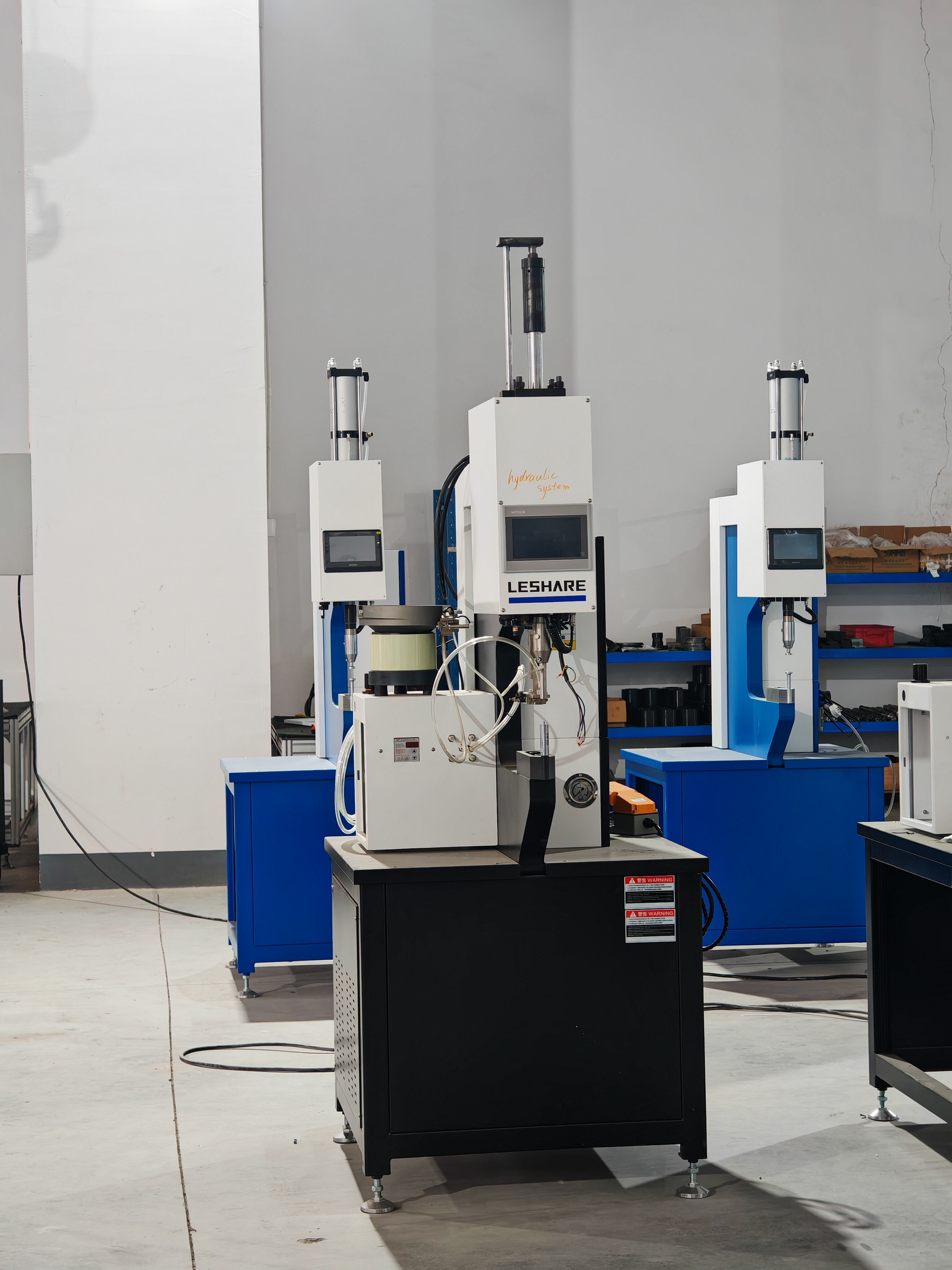
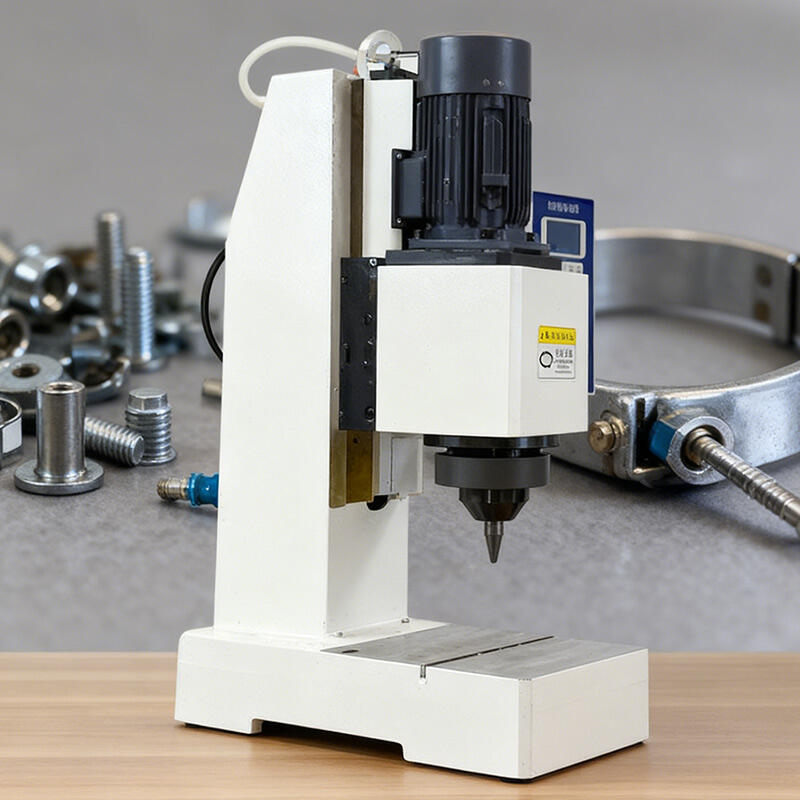
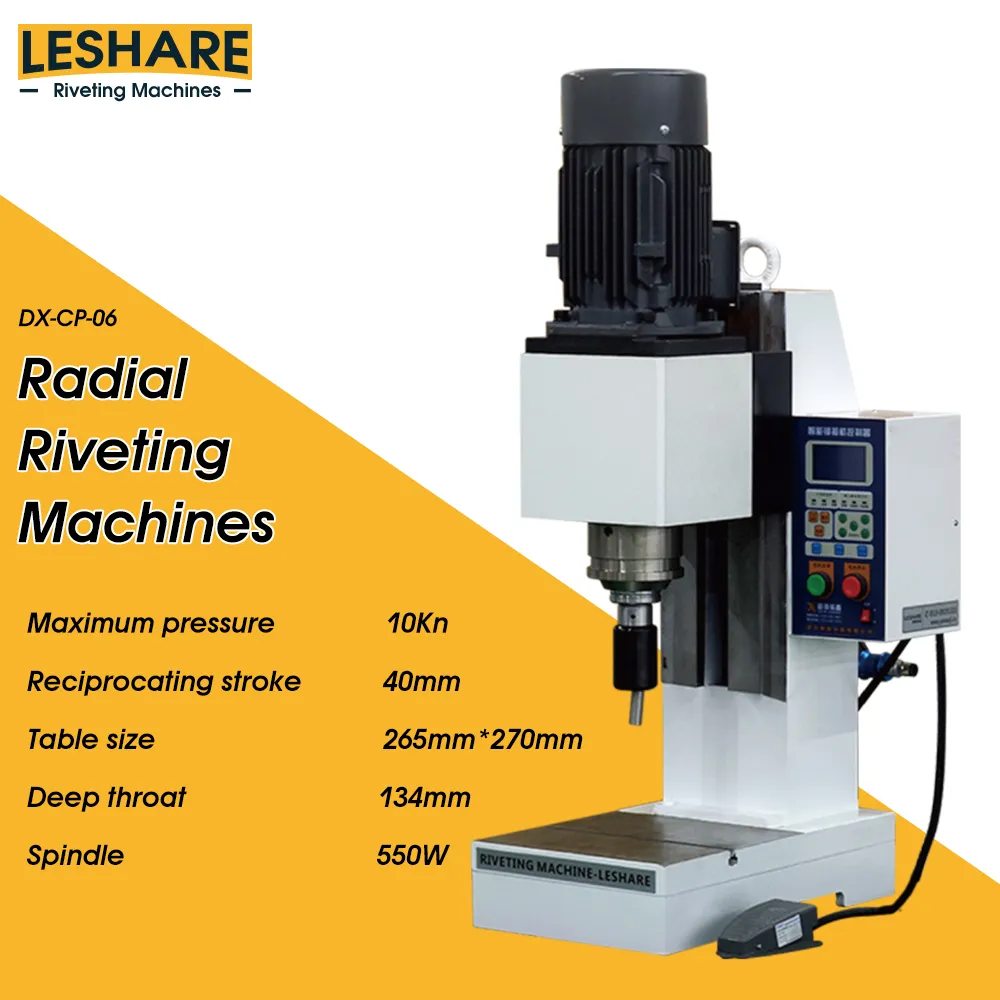
High precision radial riveting machines represent cutting-edge manufacturing equipment designed to deliver exceptional accuracy and reliability in automated riveting operations. These sophisticated machines utilize advanced radial forming technology to create permanent mechanical joints with unparalleled consistency and strength. The core functionality of high precision radial riveting machines revolves around applying controlled radial forces to deform rivet materials, creating secure connections between multiple components while maintaining dimensional accuracy within tight tolerances. The primary functions encompass automated rivet feeding, precise positioning systems, programmable force control, and real-time quality monitoring capabilities. These machines excel in processing various rivet materials including aluminum, steel, copper, and specialized alloys across diverse diameter ranges. The technological features include servo-driven positioning systems, force feedback sensors, programmable logic controllers, and integrated quality assurance mechanisms. Advanced models incorporate vision systems for automatic part recognition and positioning verification. The machines support multiple riveting patterns, adjustable forming parameters, and customizable tooling configurations to accommodate specific application requirements. Applications span across automotive assembly lines, aerospace component manufacturing, electronics enclosure production, appliance manufacturing, and precision instrument assembly. Industries benefit from consistent joint quality, reduced labor costs, improved production throughput, and enhanced workplace safety. The machines integrate seamlessly into existing production lines through flexible mounting options and standardized communication protocols. Quality control features include force monitoring, displacement measurement, and automated reject systems to ensure every rivet meets specified standards. Modern high precision radial riveting machines incorporate energy-efficient designs, reduced maintenance requirements, and user-friendly interfaces that simplify operation and programming. The technology enables manufacturers to achieve superior joint integrity while maintaining high production rates and consistent quality standards across large-scale manufacturing operations.

New Products

High precision radial riveting machines deliver numerous practical benefits that directly impact manufacturing efficiency and product quality. These machines significantly reduce production time by automating riveting processes that previously required manual labor. Workers can operate multiple machines simultaneously, maximizing workforce productivity while minimizing physical strain and repetitive motion injuries. The automated nature eliminates human error variations, ensuring every rivet receives identical forming forces and achieves consistent joint strength. Cost savings accumulate through reduced labor requirements, lower material waste, and decreased rework incidents. The machines process rivets with remarkable speed, completing individual joints in seconds rather than minutes required for manual operations. Quality improvements stem from precise force control that prevents over-forming or under-forming situations that compromise joint integrity. Manufacturers experience substantial reductions in warranty claims and field failures due to improved connection reliability. The equipment adapts easily to different production requirements through programmable parameters and quick tooling changes. This flexibility allows manufacturers to handle diverse product lines without investing in multiple specialized machines. Energy efficiency features reduce operating costs while supporting environmental sustainability initiatives. Maintenance requirements remain minimal due to robust construction and advanced component protection systems. The machines operate reliably in demanding industrial environments, maintaining accuracy despite temperature fluctuations and vibration exposure. Safety features protect operators through enclosed work areas, emergency stops, and automated hazard detection systems. Production planning becomes more predictable because the machines deliver consistent cycle times and reliable output quality. Training requirements decrease significantly as intuitive controls and automated sequences reduce operator skill dependencies. Quality documentation improves through integrated monitoring systems that record process parameters for each rivet. The technology supports lean manufacturing principles by eliminating waste, reducing inventory requirements, and enabling just-in-time production strategies. Return on investment occurs rapidly through combined savings in labor, materials, and quality-related costs while supporting increased production capacity demands.

Practical Tips

What Should You Check During Routine Maintenance of a Pneumatic Orbital Riveter?

06

Nov

What Should You Check During Routine Maintenance of a Pneumatic Orbital Riveter?

Essential Maintenance Guidelines for Industrial Riveting Equipment Maintaining a pneumatic orbital riveter is crucial for ensuring consistent performance and longevity in industrial applications. These sophisticated tools require regular attention to...
View More
What Safety Precautions Should Operators Take with Pneumatic Riveting Machines?

06

Nov

What Safety Precautions Should Operators Take with Pneumatic Riveting Machines?

Essential Safety Guidelines for Industrial Riveting Operations The use of pneumatic riveting machines in industrial settings requires a comprehensive understanding of safety protocols to protect operators and maintain workplace efficiency. These powe...
View More
Why Are Pneumatic Riveting Machines Popular in Automotive and Electronics Manufacturing?

06

Nov

Why Are Pneumatic Riveting Machines Popular in Automotive and Electronics Manufacturing?

Understanding the Rise of Pneumatic Riveting Technology in Modern Manufacturing The manufacturing landscape has witnessed a significant transformation with the widespread adoption of pneumatic riveting machines across various industries. These powerf...
View More
What Innovations Are Emerging in Pneumatic Riveting Technology?

06

Nov

What Innovations Are Emerging in Pneumatic Riveting Technology?

The Evolution of Modern Pneumatic Riveting Systems The landscape of industrial manufacturing has been transformed by remarkable advances in pneumatic riveting technology over recent years. These innovations are revolutionizing how industries approach...
View More

Get a Free Quote

Our representative will contact you soon.
Email
Name
Company Name
Message
0/1000

high precision radial riveting machines

Advanced Force Control Technology Ensures Superior Joint Reliability

Advanced Force Control Technology Ensures Superior Joint Reliability

The sophisticated force control technology integrated into high precision radial riveting machines represents a revolutionary advancement in automated fastening solutions. This cutting-edge system employs multiple sensors and feedback mechanisms to monitor and adjust forming forces in real-time, ensuring optimal rivet deformation for every application. The technology utilizes precision load cells and displacement sensors to continuously measure applied forces and material response throughout the riveting process. Advanced algorithms analyze this data instantaneously, making micro-adjustments to maintain ideal forming parameters regardless of material variations or environmental conditions. This intelligent control system prevents common riveting defects such as incomplete forming, excessive deformation, or material cracking that can compromise joint integrity. The force control technology accommodates different rivet materials and geometries automatically, adjusting parameters based on pre-programmed specifications or learned patterns from previous operations. Quality benefits extend beyond individual joints to impact overall product reliability and customer satisfaction. The system maintains detailed records of force profiles for each rivet, enabling comprehensive quality documentation and traceability requirements. Manufacturers can establish statistical process control protocols using this data to identify trends and optimize operations continuously. The technology reduces material waste by eliminating over-formed rivets that require replacement and prevents under-formed joints that fail quality inspections. Production efficiency improves as operators spend less time on manual quality checks and rework activities. The adaptive nature of the force control system enables processing of challenging applications involving dissimilar materials, varying thicknesses, or complex geometries. This capability expands manufacturing possibilities while maintaining consistent quality standards. Training requirements decrease significantly as the automated system handles complex parameter adjustments that previously required skilled operators. The technology supports predictive maintenance by monitoring system performance and identifying potential issues before they affect production quality. Long-term benefits include reduced warranty costs, improved customer satisfaction, and enhanced reputation for product reliability in competitive markets.
Exceptional Precision and Repeatability Maximizes Production Quality

Exceptional Precision and Repeatability Maximizes Production Quality

High precision radial riveting machines deliver unmatched accuracy and repeatability that transforms manufacturing quality standards and production efficiency. The exceptional precision capabilities stem from advanced mechanical designs incorporating precision ground components, high-resolution positioning systems, and vibration-dampening structures. These machines achieve positioning accuracy within micrometers, ensuring consistent rivet placement and forming results across thousands of production cycles. The repeatability performance exceeds industry standards, maintaining identical process parameters for every rivet regardless of production volume or duration. This consistency eliminates quality variations that plague traditional riveting methods and enables manufacturers to achieve Six Sigma quality levels. The precision extends to force application, displacement control, and timing sequences that directly impact joint strength and durability. Advanced servo motors and precision ball screws provide smooth, controlled motion with exceptional accuracy throughout the operating envelope. The machines maintain calibrated performance through integrated monitoring systems that detect and compensate for wear or environmental changes. Temperature compensation features ensure consistent accuracy despite ambient temperature fluctuations that affect material properties and dimensional stability. The precision capabilities enable processing of miniature components and tight-tolerance applications previously requiring manual assembly or specialized equipment. Manufacturers benefit from reduced inspection requirements as the consistent quality eliminates sampling uncertainties and batch variations. The repeatability performance supports statistical process control implementation, enabling data-driven quality improvements and process optimization. Production planning becomes more reliable as consistent cycle times and quality outcomes eliminate unexpected delays or rework activities. The precision technology supports lean manufacturing initiatives by reducing waste, minimizing inventory requirements, and enabling just-in-time production strategies. Quality documentation improves through automated data collection that records precise measurements and process parameters for every rivet. Customer satisfaction increases as product consistency and reliability exceed expectations and competitive offerings. The exceptional precision capabilities position manufacturers for success in demanding applications including aerospace, medical devices, and automotive safety systems where quality requirements are non-negotiable and failure consequences are severe.
Versatile Applications and Easy Integration Streamline Manufacturing Operations

Versatile Applications and Easy Integration Streamline Manufacturing Operations

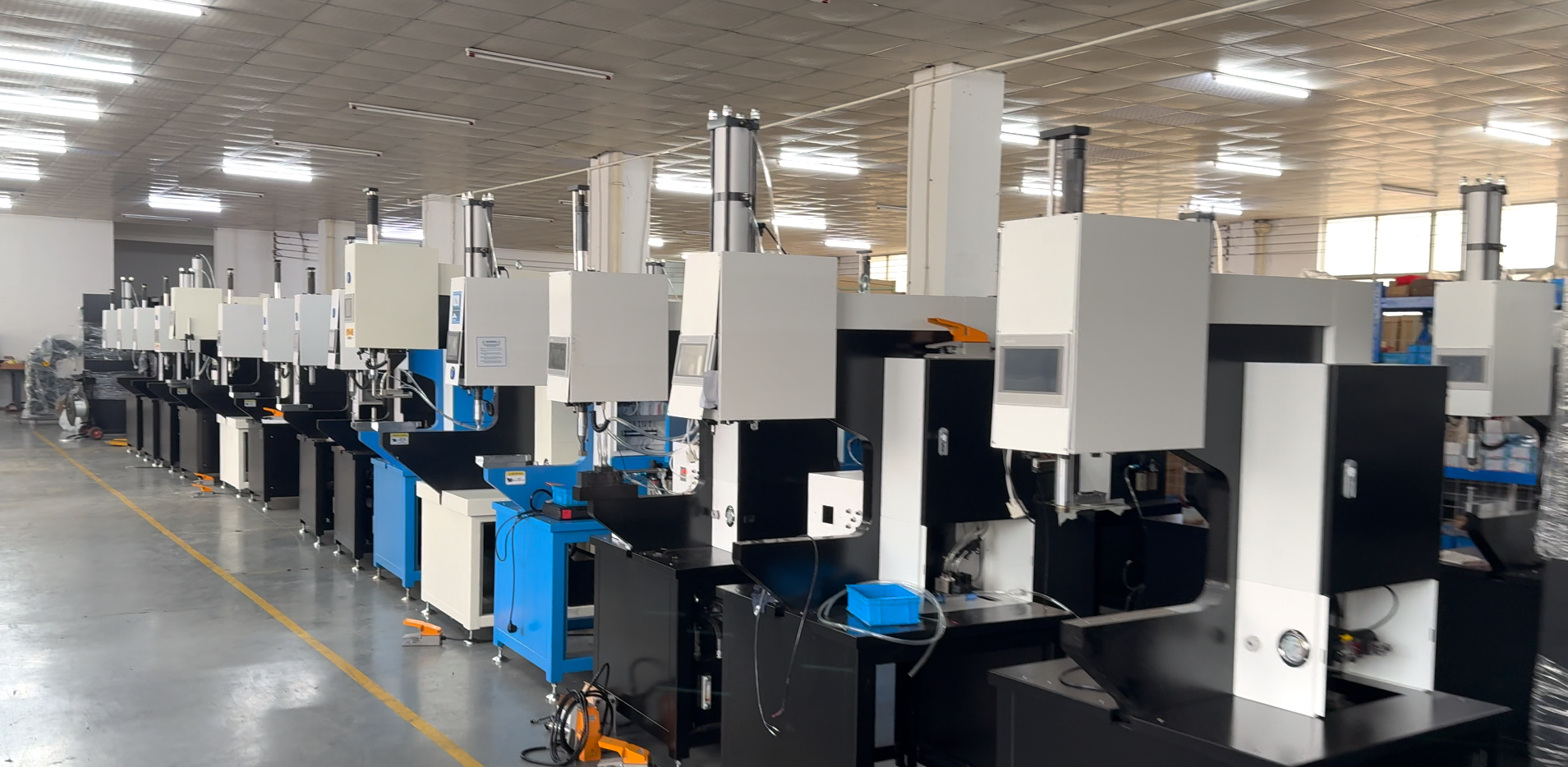
The remarkable versatility and seamless integration capabilities of high precision radial riveting machines make them ideal solutions for diverse manufacturing environments and applications. These machines accommodate an extensive range of rivet sizes, materials, and configurations through modular tooling systems and programmable parameters. The versatility extends to processing different substrate materials including metals, composites, and hybrid assemblies commonly found in modern manufacturing. Quick-change tooling systems enable rapid transitions between different products or rivet specifications, minimizing downtime and maximizing production flexibility. The machines integrate effortlessly into existing production lines through standardized mounting interfaces and communication protocols. Multiple integration options include standalone operation, conveyor-based systems, and robotic work cells that optimize workflow efficiency. The equipment communicates seamlessly with manufacturing execution systems, enterprise resource planning software, and quality management databases. This connectivity enables real-time production monitoring, automatic data collection, and remote system diagnostics. Flexible programming capabilities allow operators to create custom riveting sequences, adjust process parameters, and establish quality checkpoints tailored to specific applications. The user-friendly interface simplifies programming and operation, reducing training requirements and enabling quick adaptation to changing production demands. Modular design concepts support future expansion and capability enhancement without replacing entire systems. The machines accommodate various part geometries and assembly configurations through adjustable work holding fixtures and multi-axis positioning capabilities. Safety features integrate smoothly with existing plant safety systems, maintaining comprehensive protection while supporting efficient operations. Energy management systems optimize power consumption and support corporate sustainability initiatives. The versatile design enables processing of prototype quantities, medium production runs, and high-volume manufacturing with equal efficiency. Quality assurance features adapt to different inspection requirements and documentation standards across industries and applications. Maintenance procedures integrate with existing plant maintenance schedules and utilize standard industrial components for simplified service and repair. The comprehensive versatility and integration capabilities enable manufacturers to standardize on single equipment platforms while serving diverse product portfolios and market segments, reducing complexity and operational costs while improving efficiency and quality consistency across all manufacturing operations.

Get a Free Quote

Our representative will contact you soon.
Email
Name
Company Name
Message
0/1000