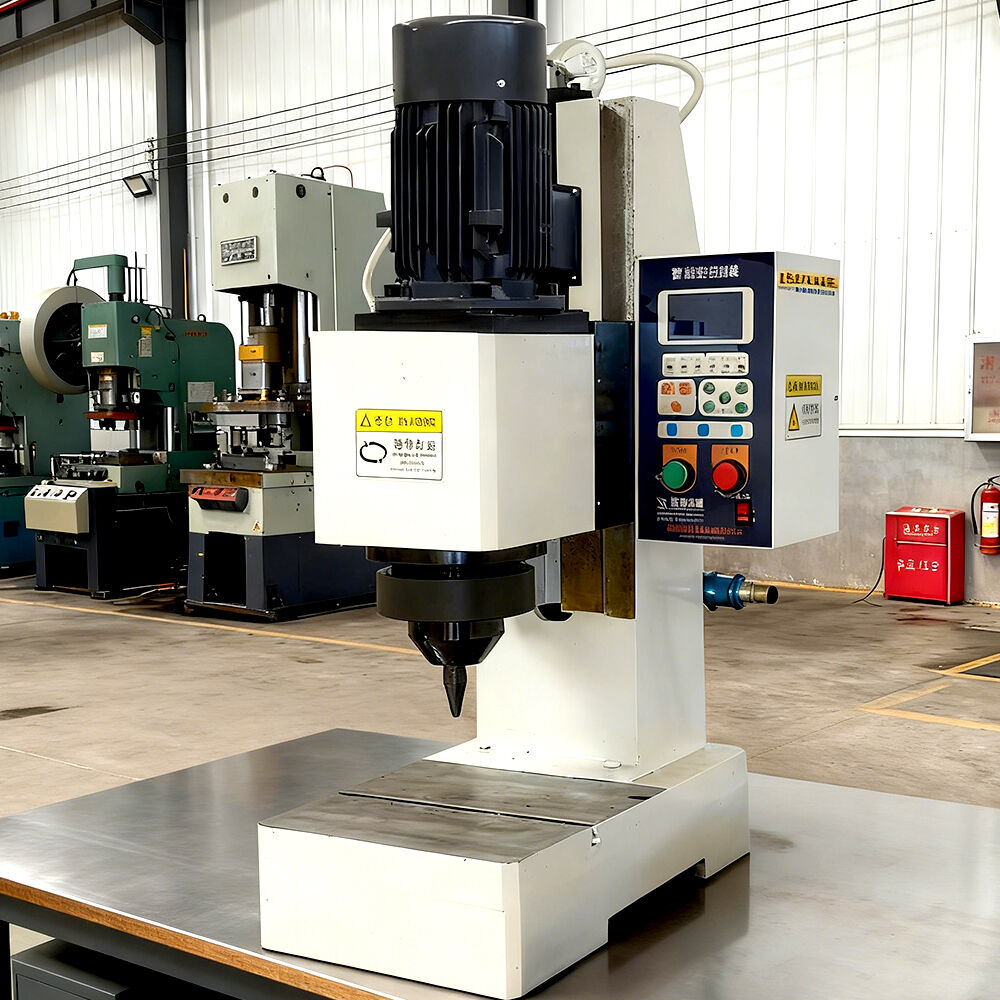
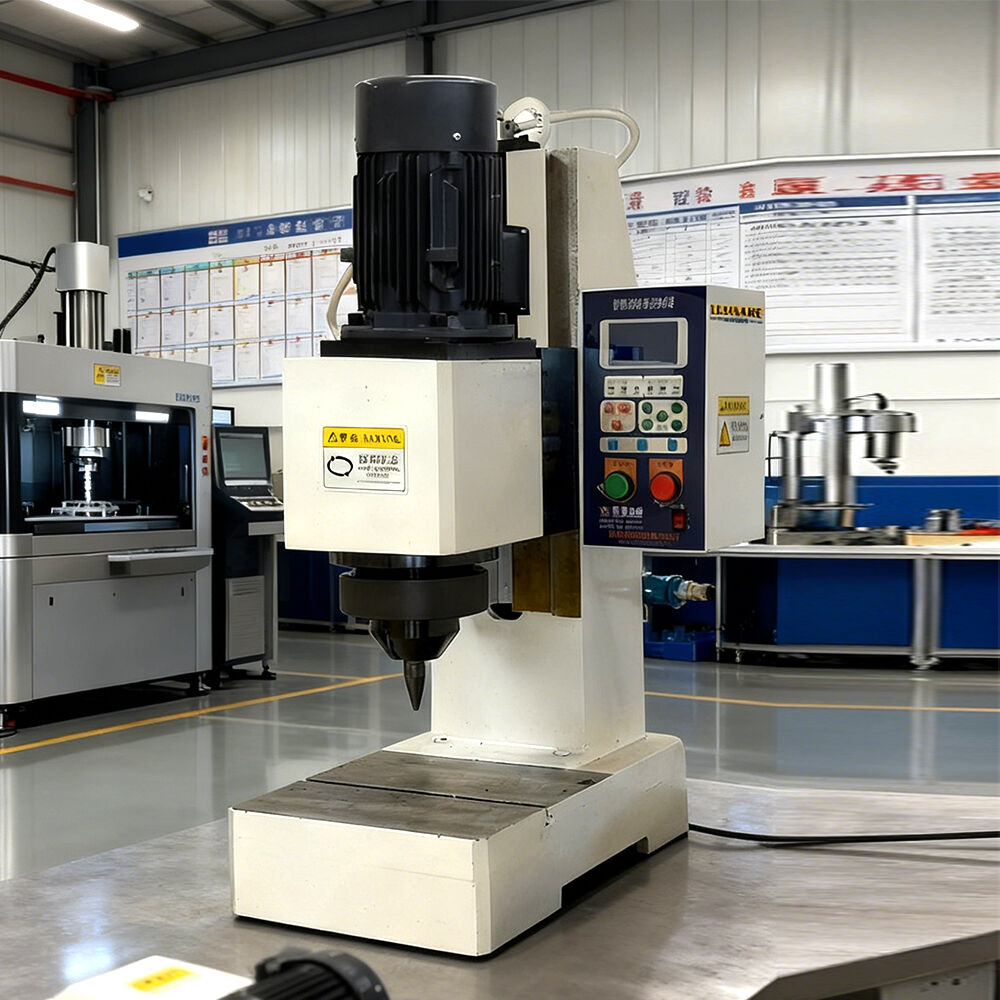
Semiautomatic Radial Riveting Machine - Advanced Manufacturing Solution for Precision Assembly

Get a Free Quote

Our representative will contact you soon.
Email
Name
Company Name
Message
0/1000

semiautomatic radial riveting machine

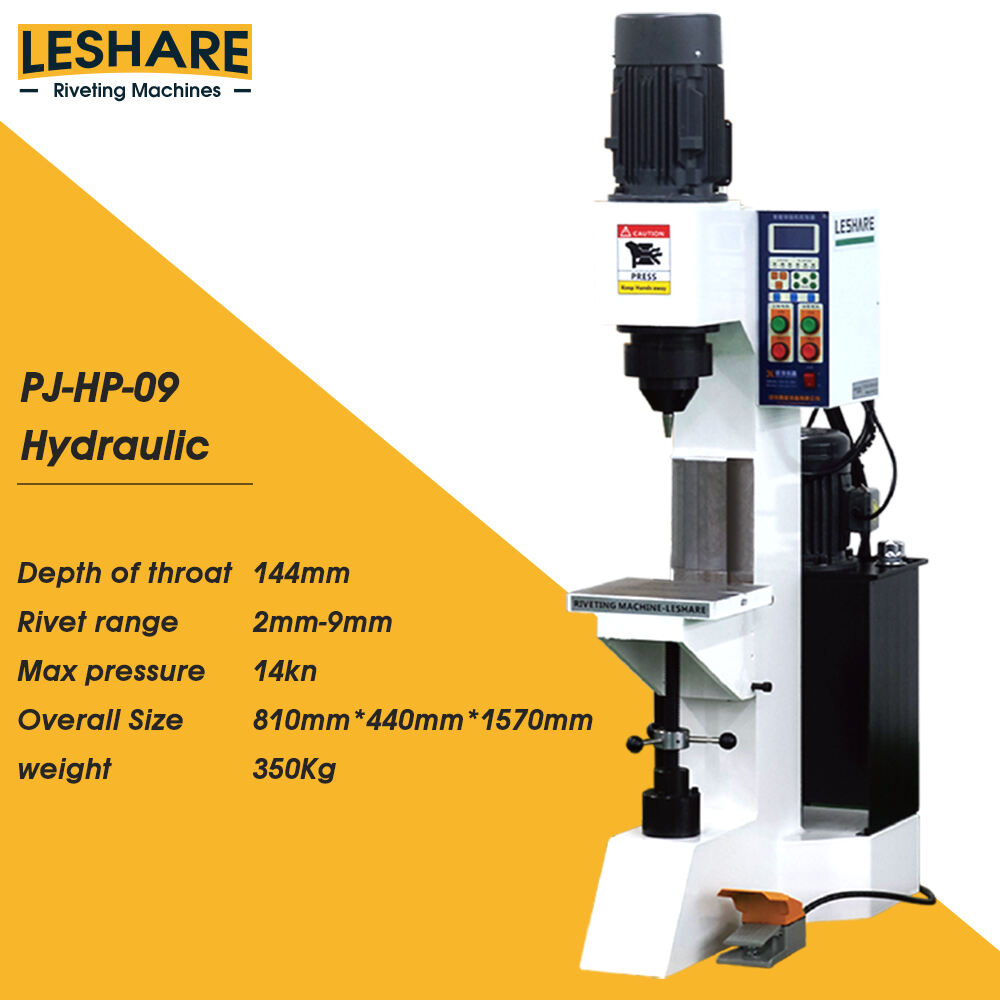
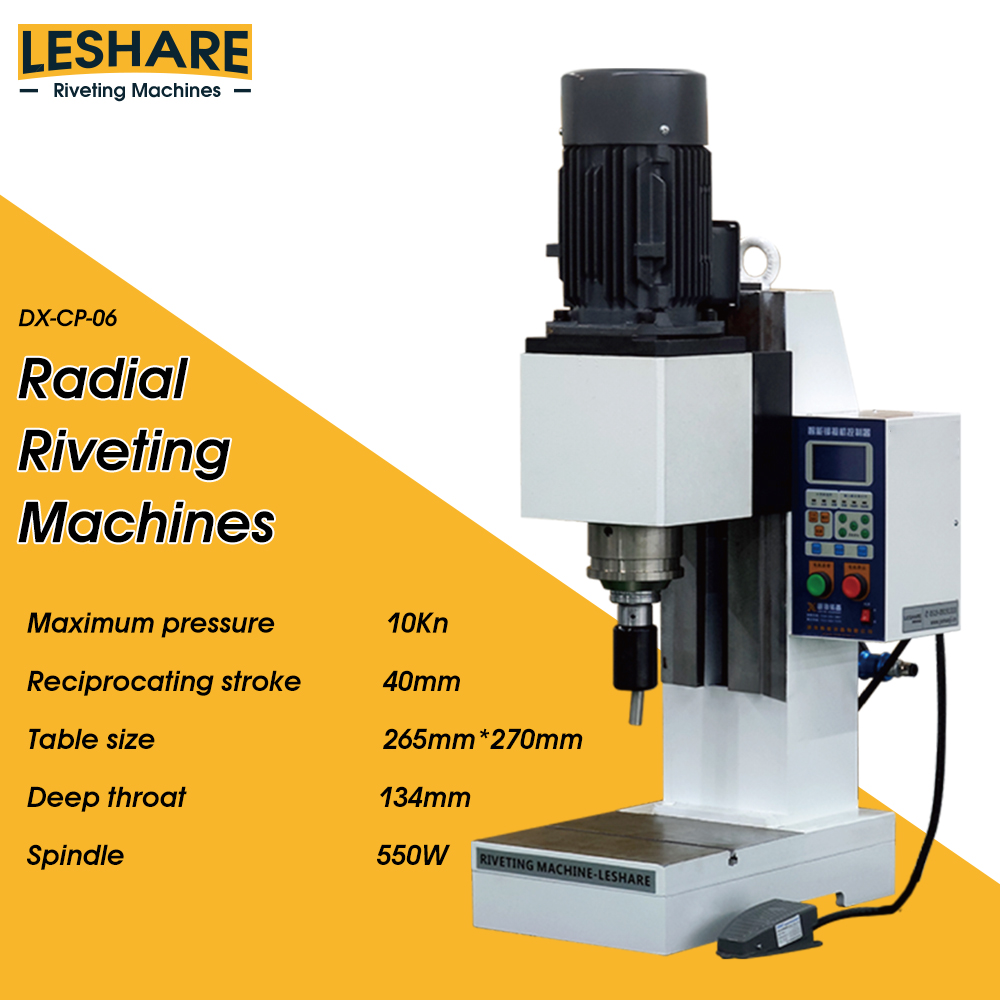
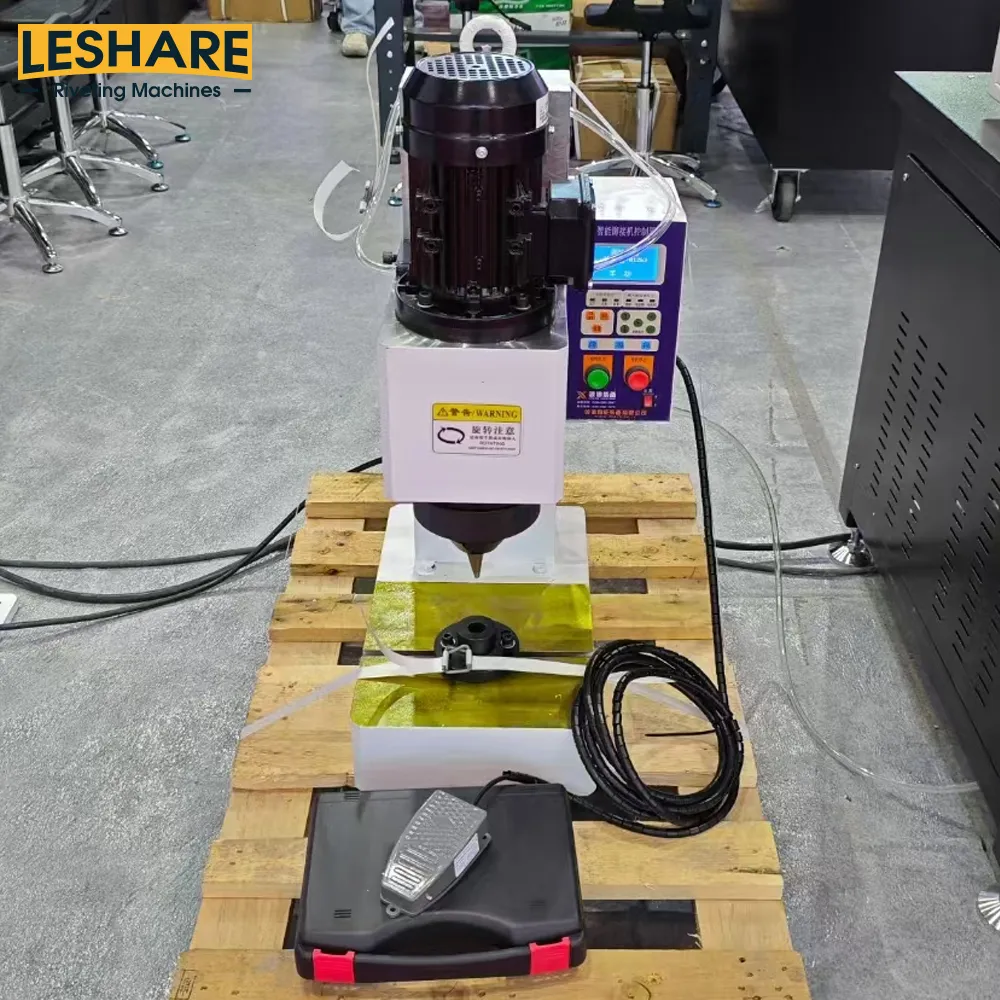
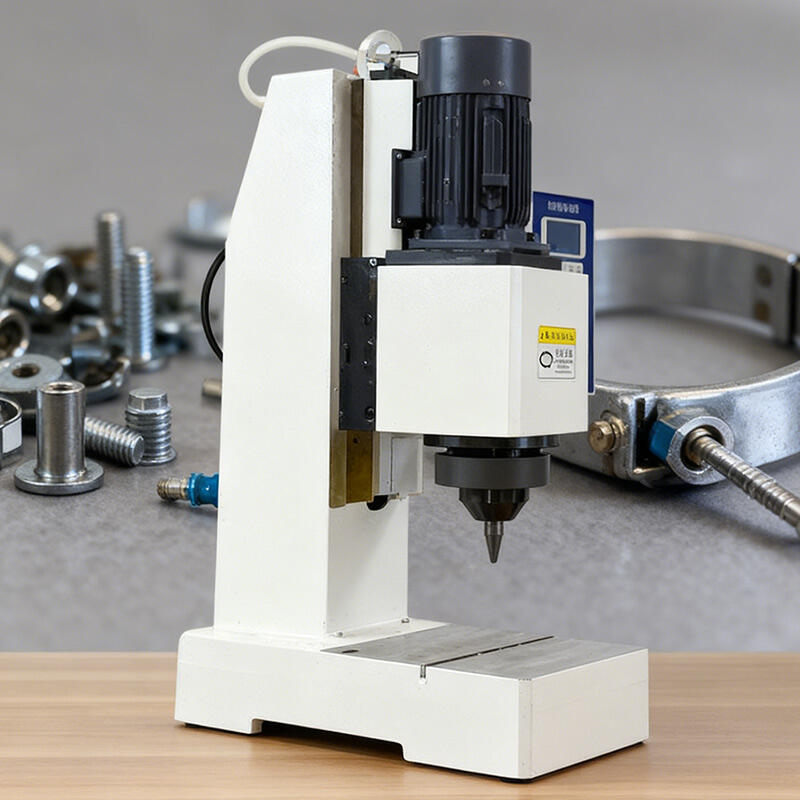
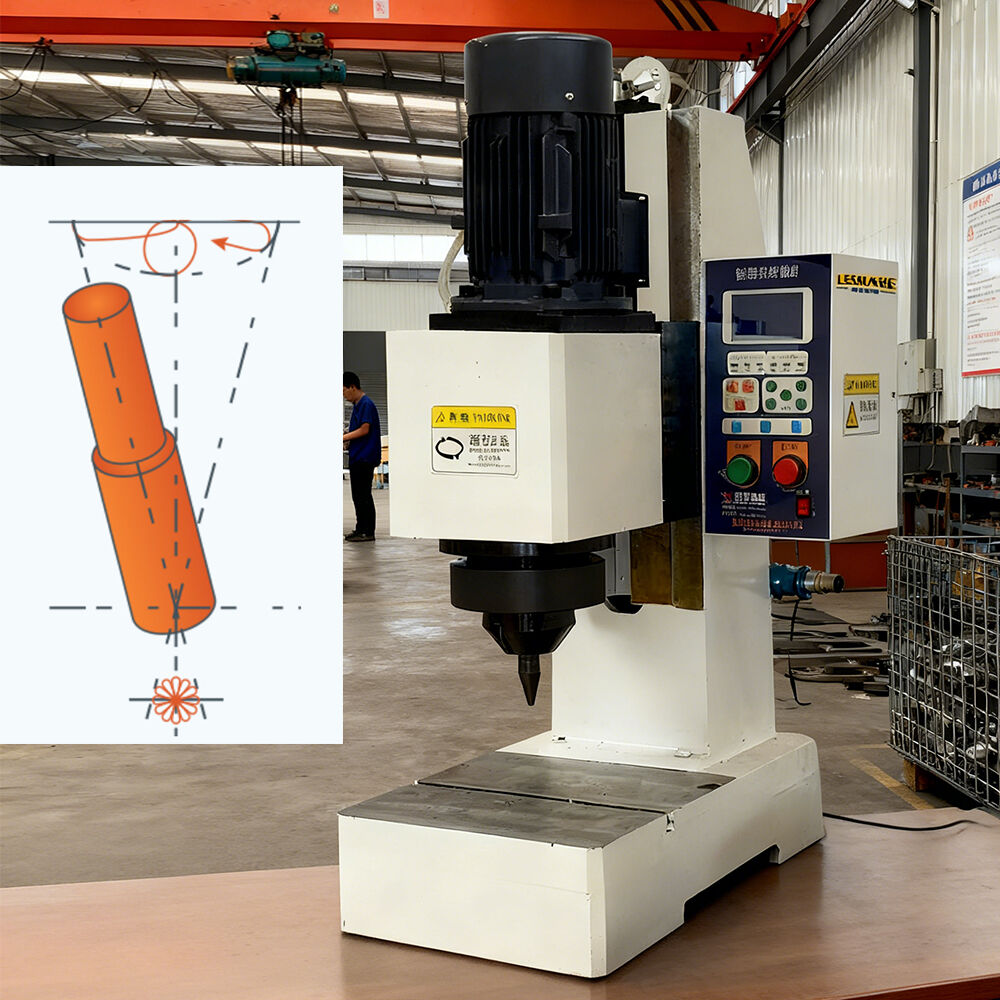
The semiautomatic radial riveting machine represents a sophisticated manufacturing solution designed to deliver precise and efficient riveting operations across diverse industrial applications. This advanced equipment combines manual control with automated processes to create permanent mechanical joints between metal components, making it an essential tool for manufacturers seeking reliable assembly solutions. The machine operates through a radial compression process where the rivet is inserted into pre-drilled holes and then formed into a secure connection through controlled pressure application. The semiautomatic radial riveting machine features a robust construction with high-grade steel components that ensure durability and consistent performance under demanding production conditions. Its technological architecture incorporates precision hydraulic systems that provide accurate force control, enabling operators to achieve uniform rivet formation across different materials and thicknesses. The machine includes adjustable pressure settings, programmable cycle parameters, and integrated safety mechanisms that protect both operators and equipment during operation. Key technological features include digital pressure monitoring systems, automatic cycle completion detection, and ergonomic operator interfaces that simplify machine operation while maintaining production efficiency. The equipment supports various rivet sizes and materials, from standard aluminum and steel rivets to specialized alloys used in aerospace and automotive applications. Industrial applications span multiple sectors including automotive manufacturing, aerospace assembly, construction equipment production, and general fabrication processes. The semiautomatic radial riveting machine excels in applications requiring high-strength joints, such as brake component assembly, structural panel connections, and heavy-duty equipment manufacturing. Its versatility makes it suitable for both high-volume production environments and specialized manufacturing operations where quality and reliability are paramount concerns for successful project completion.

New Product Releases

The semiautomatic radial riveting machine delivers substantial operational benefits that directly impact manufacturing efficiency and product quality outcomes. This equipment significantly reduces labor costs by automating the most demanding aspects of the riveting process while maintaining operator control over critical decision points. Production speed increases dramatically compared to manual riveting methods, with the machine capable of completing riveting cycles in seconds rather than minutes. The consistent pressure application eliminates human error variables that often result in weak joints or material damage during traditional riveting operations. Quality improvements become immediately apparent as the semiautomatic radial riveting machine produces uniform rivet formation with precise compression characteristics across every joint. This consistency translates to enhanced product reliability and reduced warranty claims for manufacturers who implement this technology. The machine reduces physical strain on operators by eliminating the need for manual hammer operations or handheld riveting tools that can cause repetitive stress injuries over extended periods. Energy efficiency represents another significant advantage, as the hydraulic systems optimize power consumption while delivering maximum force output when needed. Maintenance requirements remain minimal due to the robust construction and high-quality components used throughout the machine assembly process. The semiautomatic radial riveting machine adapts easily to different production requirements through programmable settings that accommodate various rivet sizes, materials, and joint specifications without requiring extensive setup changes. Training time for new operators is substantially reduced compared to traditional riveting methods, as the machine guides users through proper procedures while preventing common mistakes that could damage materials or create unsafe working conditions. Return on investment typically occurs within twelve to eighteen months through labor savings, reduced scrap rates, and improved production throughput. The machine integrates seamlessly into existing production lines without requiring major facility modifications or extensive infrastructure changes. Quality control becomes more manageable as the consistent results eliminate guesswork and provide predictable outcomes that meet or exceed industry standards for joint strength and durability requirements.

Practical Tips

How to Troubleshoot Common Issues in Pneumatic Orbital Riveters?

28

Aug

How to Troubleshoot Common Issues in Pneumatic Orbital Riveters?

Essential Guide to Maintaining and Troubleshooting Pneumatic Orbital Riveters Pneumatic orbital riveters have revolutionized the manufacturing and assembly industries by providing consistent, reliable fastening solutions. These sophisticated tools re...
View More
What Safety Practices Should You Follow When Using an Orbital Riveter?

28

Aug

What Safety Practices Should You Follow When Using an Orbital Riveter?

Essential Safety Guidelines for Orbital Riveting Operations When working with industrial equipment, safety should always be the top priority, and orbital riveter safety is no exception. These powerful machines, while incredibly efficient for joining ...
View More
What Safety Precautions Should Operators Take with Pneumatic Riveting Machines?

06

Nov

What Safety Precautions Should Operators Take with Pneumatic Riveting Machines?

Essential Safety Guidelines for Industrial Riveting Operations The use of pneumatic riveting machines in industrial settings requires a comprehensive understanding of safety protocols to protect operators and maintain workplace efficiency. These powe...
View More
Why Are Electronics Plants Adopting Fastener Insertion Machines for Enclosures?

11

Dec

Why Are Electronics Plants Adopting Fastener Insertion Machines for Enclosures?

Improving the Structural Integrity of Electronic Enclosures In modern electronics plants, manufacturers continually pursue efficiency, precision, and long-term durability in every part of the assembly process. When it comes to electronic enclosures, ...
View More

Get a Free Quote

Our representative will contact you soon.
Email
Name
Company Name
Message
0/1000

semiautomatic radial riveting machine

Advanced Hydraulic Precision Control System

Advanced Hydraulic Precision Control System

The semiautomatic radial riveting machine incorporates a state-of-the-art hydraulic precision control system that sets it apart from conventional riveting equipment in the manufacturing industry. This sophisticated system delivers unmatched accuracy in force application, ensuring that every rivet receives the exact pressure needed for optimal joint formation without risk of over-compression or under-forming. The hydraulic control system features digital monitoring capabilities that display real-time pressure readings, allowing operators to verify that each riveting operation meets specified parameters. This level of precision becomes particularly crucial when working with sensitive materials or applications where joint strength requirements demand exact compression values. The system includes programmable pressure profiles that can be customized for different rivet types, material combinations, and joint specifications, providing manufacturers with the flexibility to handle diverse production requirements without compromising quality standards. Advanced pressure sensors continuously monitor the riveting process and automatically adjust force application to compensate for material variations or rivet dimensional differences that might occur during production runs. The hydraulic system maintains consistent performance even during extended operation periods, thanks to integrated temperature control mechanisms that prevent overheating and ensure stable pressure delivery throughout long production shifts. Safety features built into the hydraulic control system include automatic pressure relief valves, emergency stop capabilities, and operator protection shields that prevent injury during machine operation. The system design incorporates energy-efficient components that minimize power consumption while maximizing force output, resulting in reduced operating costs and environmental impact. Maintenance procedures for the hydraulic system are simplified through accessible service points and diagnostic capabilities that alert operators to potential issues before they affect production quality. The precision control system enables the semiautomatic radial riveting machine to achieve joint strength specifications that exceed industry standards while maintaining production speeds necessary for competitive manufacturing operations.
Versatile Multi-Material Compatibility

Versatile Multi-Material Compatibility

The semiautomatic radial riveting machine demonstrates exceptional versatility through its comprehensive multi-material compatibility, enabling manufacturers to process diverse material combinations without requiring separate equipment investments. This capability extends across aluminum alloys, stainless steel, carbon steel, brass, copper, and specialized aerospace materials, providing manufacturers with the flexibility to adapt to changing project requirements or expand into new market segments. The machine accommodates varying material thicknesses from thin sheet metal applications to heavy-duty structural components, making it suitable for industries ranging from electronics manufacturing to heavy construction equipment production. Advanced material handling features ensure proper alignment and positioning regardless of component size or shape variations that commonly occur in manufacturing environments. The semiautomatic radial riveting machine processes different rivet materials including standard solid rivets, semi-tubular designs, and specialized fasteners used in critical applications where joint integrity cannot be compromised. Material compatibility extends to dissimilar metal combinations that present unique challenges in traditional joining methods, as the radial compression process creates secure joints without the thermal stress associated with welding operations. The machine handles surface-treated materials such as anodized aluminum, galvanized steel, and coated components without damaging protective finishes that are essential for corrosion resistance and aesthetic requirements. Quality assurance features built into the system verify material compatibility and alert operators to potential issues before processing begins, preventing costly mistakes and material waste. The versatile design accommodates custom fixtures and tooling that enable processing of complex geometries and specialized components that require precise positioning during riveting operations. This multi-material capability reduces inventory requirements for manufacturers by eliminating the need for multiple specialized machines, resulting in lower capital investment and reduced facility space requirements. Training requirements remain consistent across different material types, as the semiautomatic radial riveting machine maintains the same operational procedures regardless of the specific materials being processed, simplifying operator certification and reducing learning curves for new personnel.

Enhanced Production Efficiency and Quality Assurance

Enhanced Production Efficiency and Quality Assurance

The semiautomatic radial riveting machine revolutionizes production efficiency through intelligent automation features that maximize throughput while maintaining superior quality standards throughout manufacturing operations. This equipment achieves cycle times significantly faster than manual alternatives, completing riveting operations in consistent timeframes that enable accurate production planning and delivery schedule adherence. The machine incorporates quality assurance monitoring systems that continuously evaluate rivet formation characteristics and alert operators to any deviations from established parameters before defective products advance through production processes. Built-in sensors verify proper rivet installation by measuring compression distance, force application curves, and final joint geometry to ensure compliance with engineering specifications. The efficiency gains extend beyond speed improvements to include reduced material waste through precise force control that eliminates over-compression damage and under-formed joints that require rework or replacement. Production planning becomes more predictable as the semiautomatic radial riveting machine delivers consistent cycle times and quality outcomes that eliminate variability associated with manual operations. The system maintains detailed production logs that track riveting parameters for each joint, providing comprehensive quality documentation and traceability that satisfies regulatory requirements in aerospace, automotive, and medical device manufacturing. Efficiency improvements include reduced setup times between different rivet types or production runs, as programmable parameters eliminate manual adjustments and calibration procedures that typically consume significant production time. The machine operates reliably during extended production shifts without performance degradation, ensuring consistent quality output even during peak demand periods when continuous operation becomes necessary. Quality assurance features include automatic rejection of non-conforming joints and immediate process adjustment capabilities that prevent production of defective assemblies. Integration capabilities allow the semiautomatic radial riveting machine to communicate with manufacturing execution systems and quality management databases, providing real-time production status and quality metrics to management personnel. The enhanced efficiency translates to improved customer satisfaction through reliable delivery schedules and consistent product quality that meets or exceeds expectations, while simultaneously reducing manufacturing costs through optimized resource utilization and minimized rework requirements.

Get a Free Quote

Our representative will contact you soon.
Email
Name
Company Name
Message
0/1000