Advanced Servo Precision Rotary Riveting Machine - Superior Quality & Efficiency

Get a Free Quote

Our representative will contact you soon.
Email
Name
Company Name
Message
0/1000

servo precision rotary riveting machine

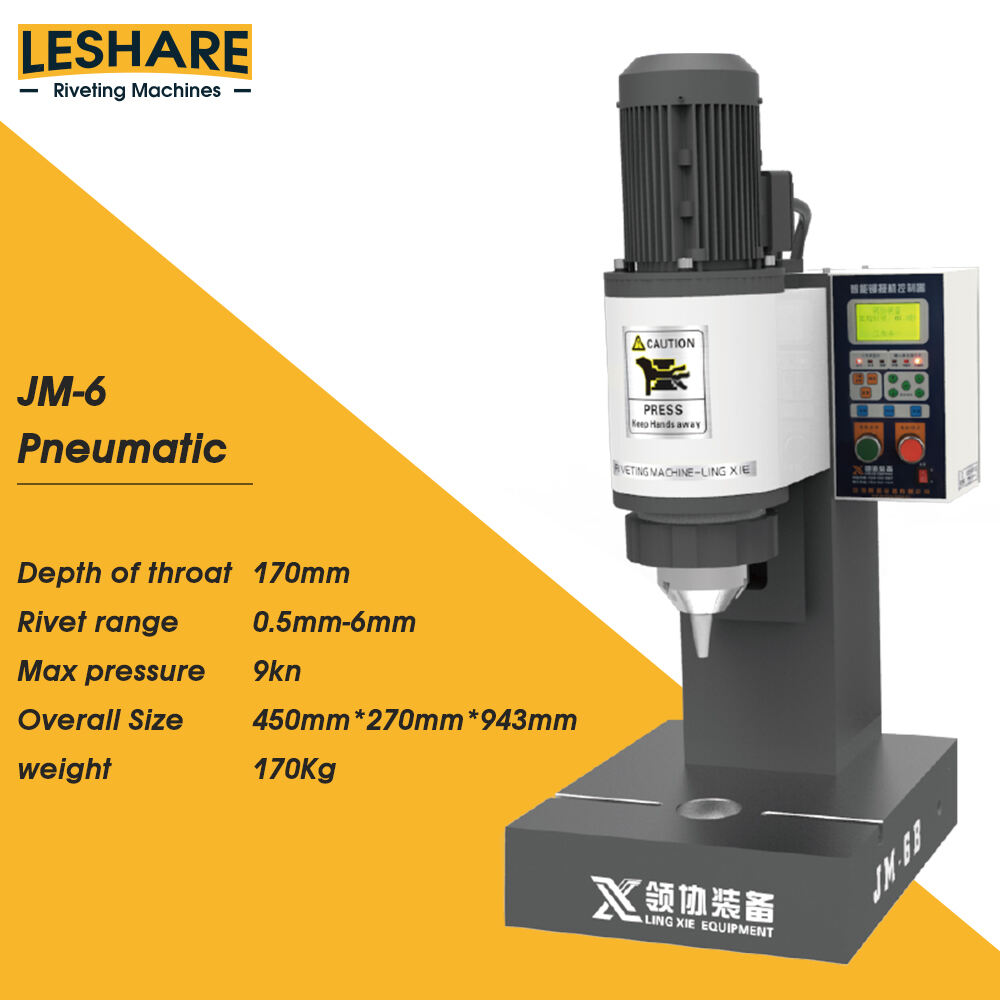
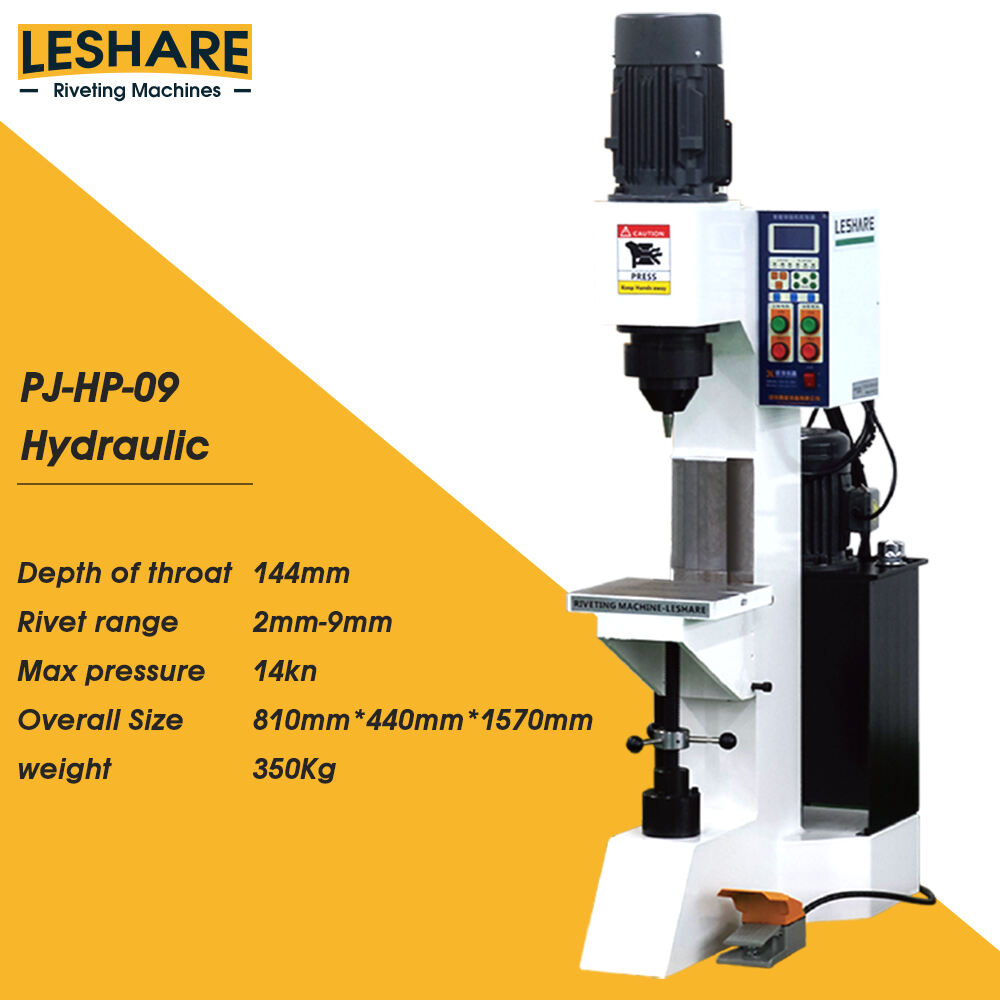
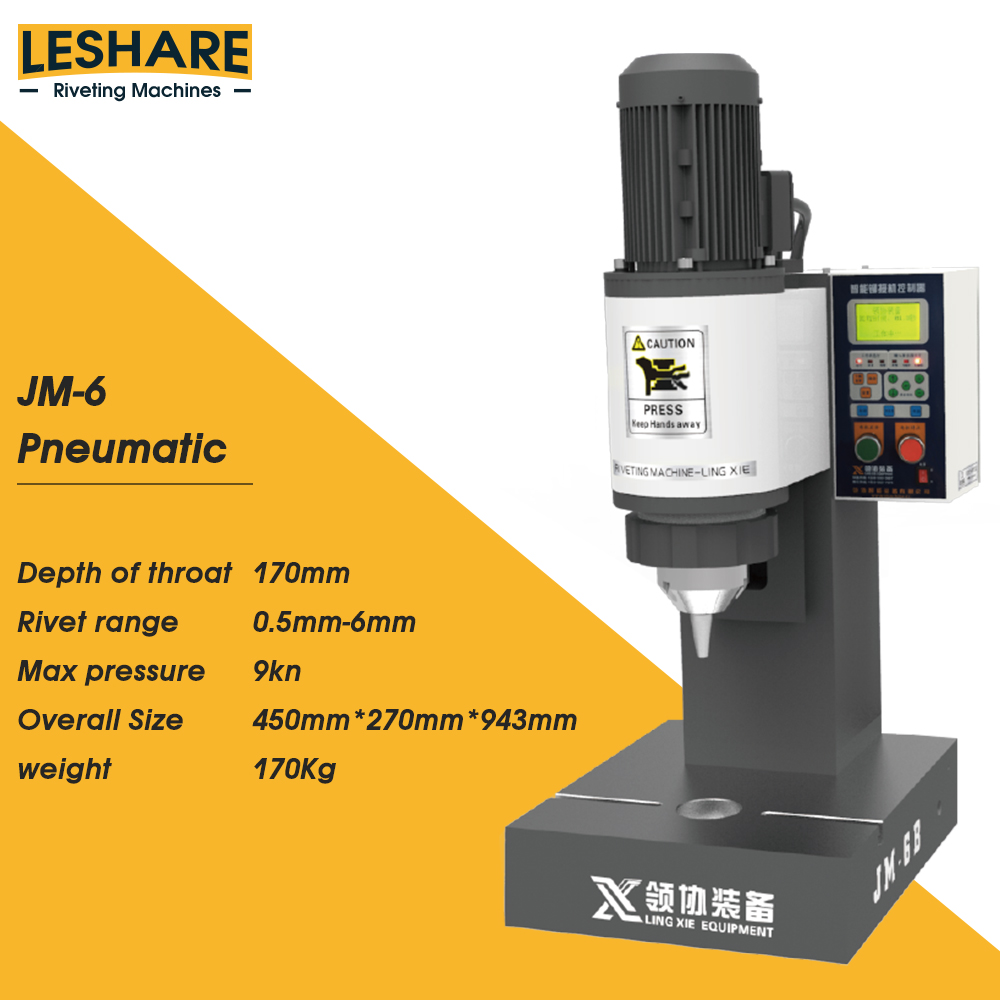
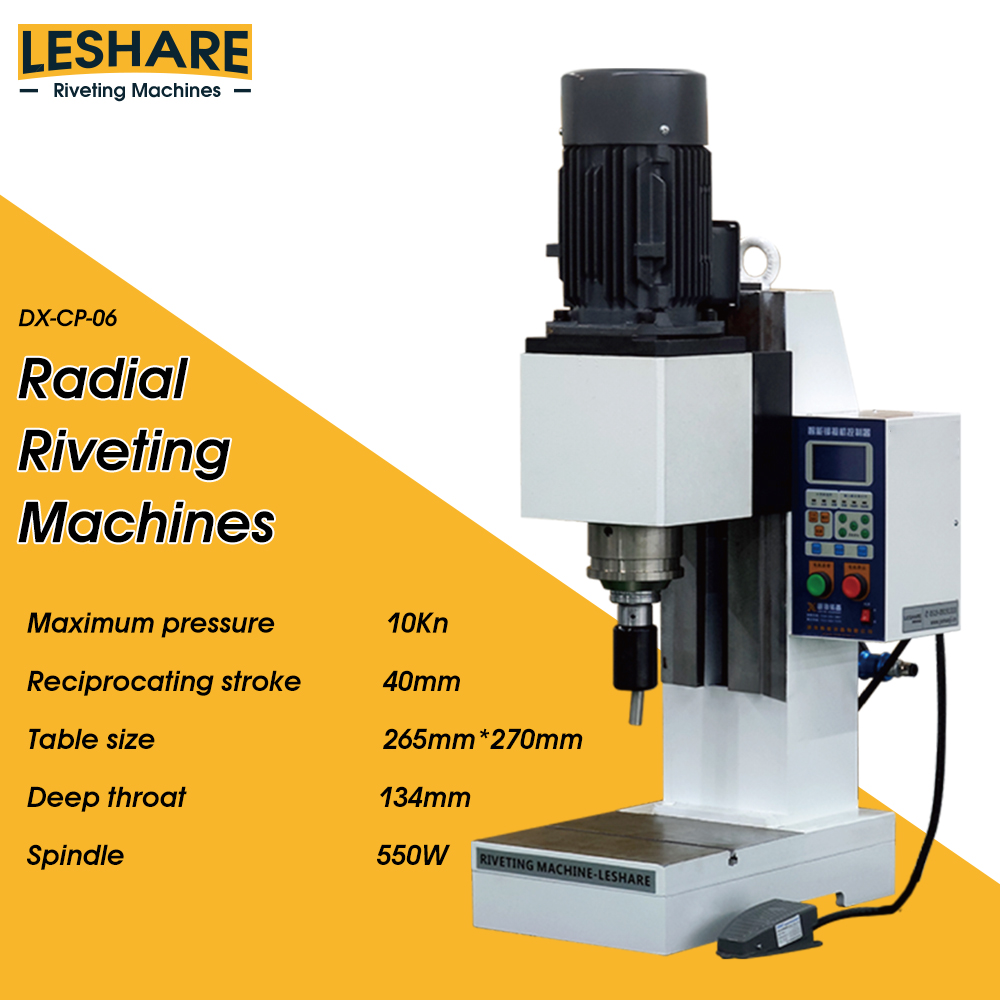
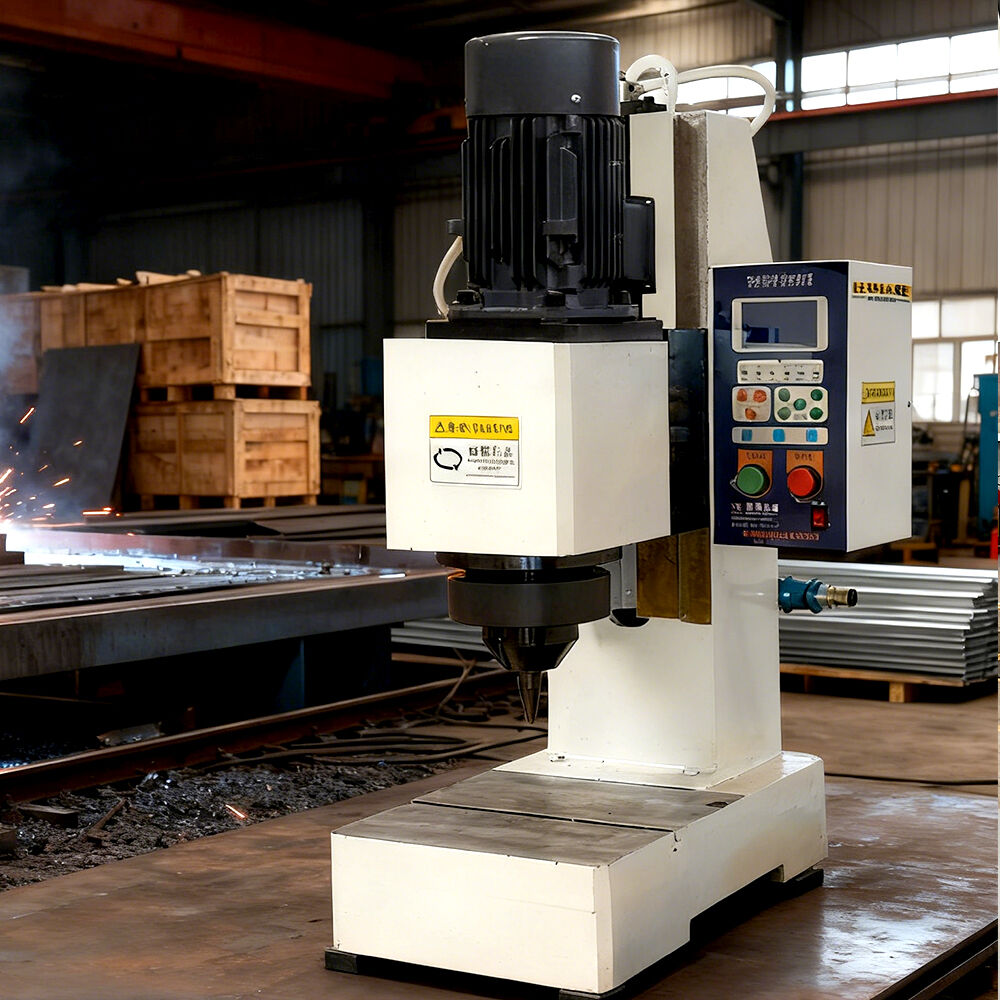
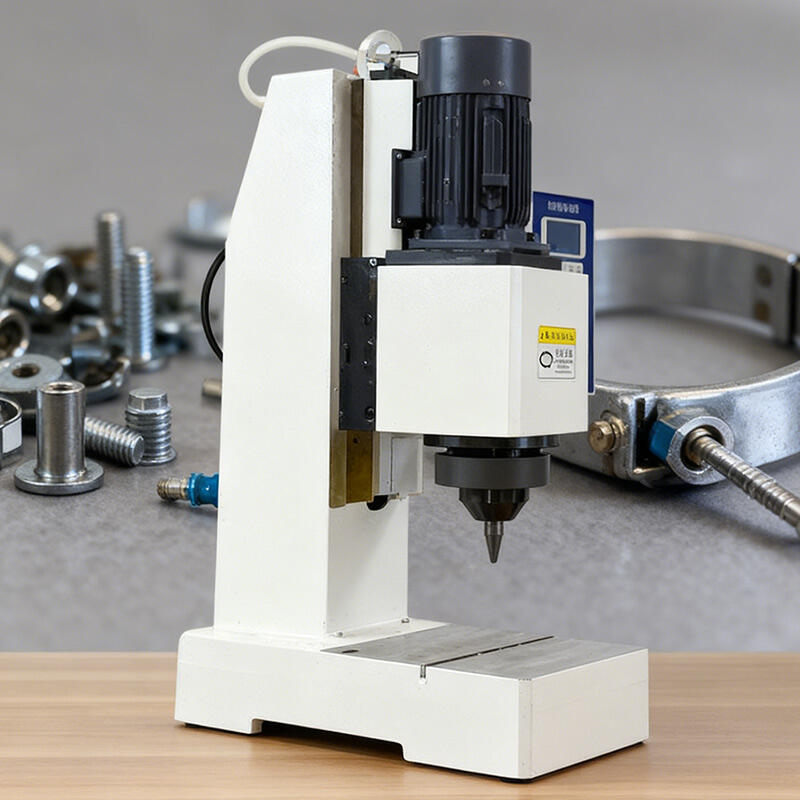
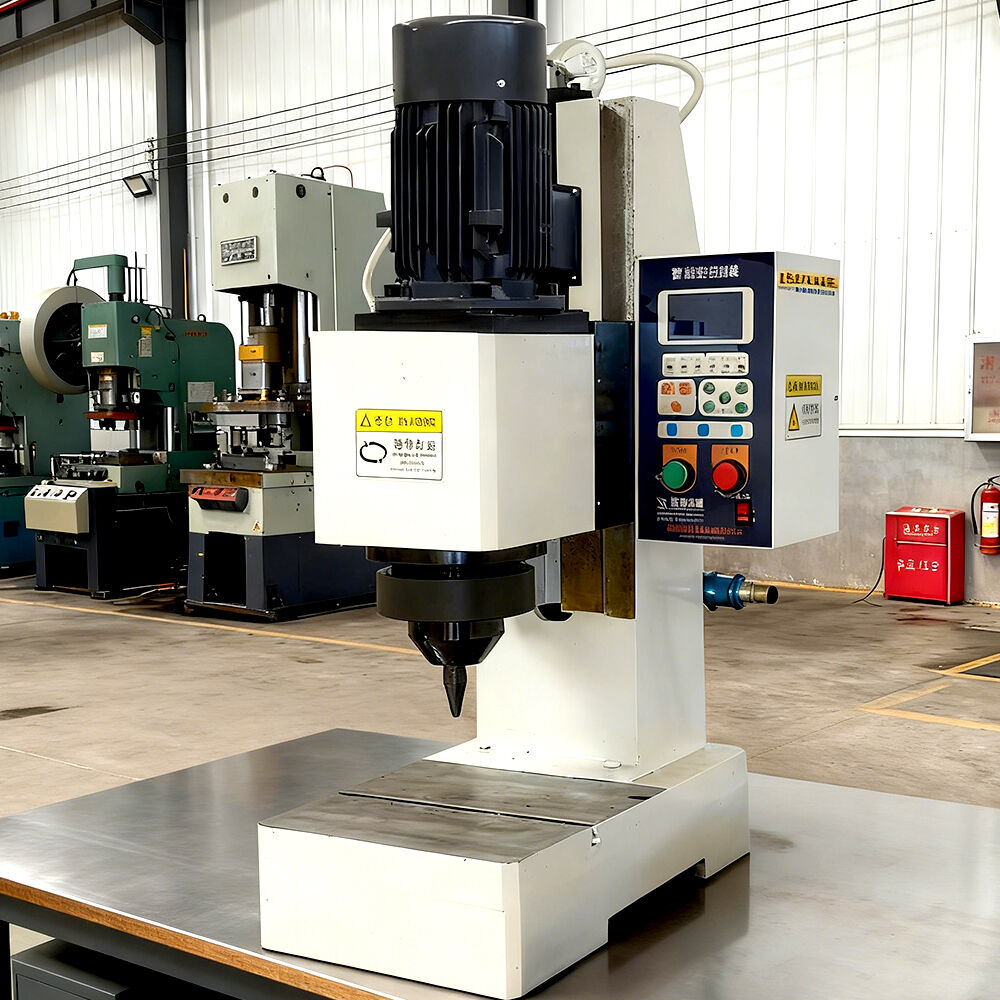
The servo precision rotary riveting machine represents a cutting-edge advancement in metal joining technology, designed to deliver exceptional accuracy and consistency in riveting operations across various industrial applications. This sophisticated equipment combines servo motor control systems with rotary riveting mechanisms to achieve superior fastening results that traditional riveting methods cannot match. The machine operates through a precise rotary motion that gradually forms and sets rivets while maintaining optimal pressure distribution throughout the joining process. At its core, the servo precision rotary riveting machine utilizes advanced servo motor technology to control every aspect of the riveting cycle, including rotation speed, pressure application, and positioning accuracy. This level of control ensures that each rivet receives identical treatment, resulting in uniform joint strength and appearance across entire production runs. The rotary riveting process differs significantly from conventional impact riveting by applying continuous rotational pressure rather than sudden impact force, which reduces noise levels, minimizes vibration, and eliminates the risk of workpiece distortion. Manufacturing facilities across aerospace, automotive, electronics, and appliance industries rely on these machines for their ability to handle delicate materials while maintaining structural integrity. The servo precision rotary riveting machine excels in applications requiring tight tolerances, such as aircraft component assembly, electronic device manufacturing, and precision instrument production. Its programmable control system allows operators to store multiple riveting parameters for different materials and rivet sizes, enabling quick changeovers between production runs. The machine accommodates various rivet materials including aluminum, steel, copper, and specialized alloys, making it versatile enough for diverse manufacturing requirements. Environmental considerations also favor this technology, as the clean riveting process produces minimal waste and requires no consumable materials beyond the rivets themselves, contributing to sustainable manufacturing practices while delivering exceptional joint quality and production efficiency.

Popular Products

The servo precision rotary riveting machine delivers numerous practical benefits that directly impact production efficiency and product quality for manufacturing operations of all sizes. Cost reduction stands as one of the most significant advantages, as this equipment eliminates the need for expensive consumables like adhesives, welding materials, or specialized fasteners that traditional joining methods require. Companies typically see immediate savings in material costs while reducing inventory complexity by standardizing on rivet-based assembly processes. The machine operates with remarkable energy efficiency compared to alternative joining technologies, consuming substantially less power than welding equipment or hydraulic presses, which translates to lower operational expenses and reduced environmental impact over the equipment's lifetime. Quality consistency represents another major advantage, as the servo control system ensures every rivet receives identical treatment regardless of operator skill level or production volume. This consistency eliminates the quality variations common with manual riveting or impact-based systems, reducing defect rates and minimizing costly rework procedures. Production speed increases dramatically when companies implement servo precision rotary riveting machines, with cycle times often 50-70 percent faster than conventional riveting methods. The automated operation reduces labor requirements while simultaneously improving throughput, allowing manufacturers to meet higher production demands without proportional increases in staffing costs. Maintenance requirements remain minimal due to the machine's robust construction and servo motor reliability, with preventive maintenance intervals typically extending well beyond those of hydraulic or pneumatic alternatives. The quiet operation of servo precision rotary riveting machines creates better working conditions for operators while meeting strict noise regulations in modern manufacturing facilities. Flexibility in application allows the same machine to handle multiple rivet sizes and materials with simple parameter adjustments, eliminating the need for dedicated equipment for each product line. The precise control system prevents over-forming or under-forming of rivets, ensuring optimal joint strength while preserving the aesthetic appearance of finished products. Training requirements are minimal, as the intuitive control interface allows operators to quickly master the equipment operation without extensive technical background.

Practical Tips

How can radial riveting machines reduce failure rates in mass production?

28

Jan

How can radial riveting machines reduce failure rates in mass production?

Manufacturing industries constantly seek solutions to minimize production failures and enhance product reliability. Radial riveting machines have emerged as a critical technology for achieving superior joint quality in mass production environments. T...
View More
How to select a nonrotating shaft radial riveter for precision components?

28

Jan

How to select a nonrotating shaft radial riveter for precision components?

Precision manufacturing demands exceptional reliability and accuracy in every assembly process. When working with delicate electronic components, aerospace assemblies, or medical devices, selecting the right nonrotating shaft radial riveter becomes c...
View More
How do radial riveting machines integrate with modern production systems?

26

Feb

How do radial riveting machines integrate with modern production systems?

Modern manufacturing environments demand precision, efficiency, and seamless integration across all production processes. Radial riveting machines have emerged as essential equipment for achieving reliable fastening solutions in industries ranging fr...
View More
What Are the Key Benefits of Using a Fastener Insertion Machine?

18

Mar

What Are the Key Benefits of Using a Fastener Insertion Machine?

Manufacturing efficiency has become a critical factor for businesses seeking competitive advantages in today's industrial landscape. A fastener insertion machine represents a transformative solution that automates the precise placement of threaded in...
View More

Get a Free Quote

Our representative will contact you soon.
Email
Name
Company Name
Message
0/1000

servo precision rotary riveting machine

Advanced Servo Motor Control Technology

Advanced Servo Motor Control Technology

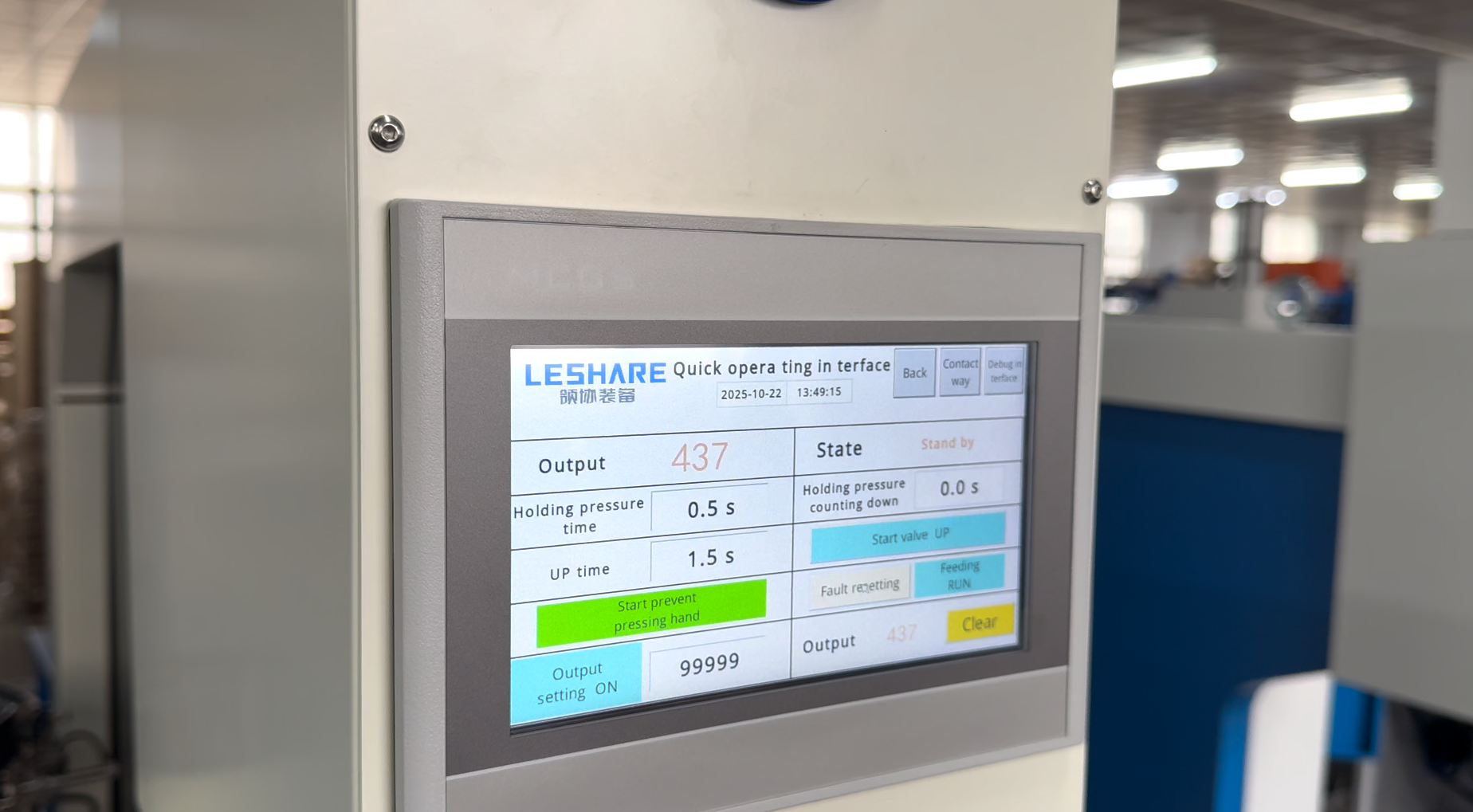
The heart of the servo precision rotary riveting machine lies in its sophisticated servo motor control system, which revolutionizes the traditional riveting process through unprecedented precision and repeatability. Unlike conventional riveting equipment that relies on pneumatic or hydraulic systems with inherent pressure variations and response delays, the servo motor technology provides instantaneous, accurate control over every parameter of the riveting operation. This advanced control system monitors and adjusts rotation speed, applied force, and positional accuracy in real-time, ensuring consistent results across thousands of riveting cycles. The servo motor responds to feedback signals within milliseconds, automatically compensating for variations in material thickness, rivet hardness, or environmental conditions that could affect joint quality. Manufacturers benefit enormously from this technology because it eliminates the guesswork traditionally associated with riveting operations, where operators had to rely on experience and intuition to achieve proper rivet formation. The programmable nature of servo control allows engineers to develop optimal riveting profiles for specific applications, storing these parameters in the machine's memory for instant recall during production runs. This capability proves invaluable when switching between different products or materials, as operators can simply select the appropriate program rather than manually adjusting multiple mechanical settings. The servo precision rotary riveting machine's control system also provides comprehensive data logging capabilities, recording parameters for each rivet to support quality assurance programs and regulatory compliance requirements. Process monitoring becomes effortless, with the system alerting operators to any deviations from established parameters before defective joints can be produced. The energy efficiency of servo motor technology significantly reduces operational costs compared to traditional systems, as the motor only consumes power during active riveting operations rather than maintaining constant hydraulic pressure or compressed air supply. This intelligent power management extends equipment life while reducing facility utility requirements, making the servo precision rotary riveting machine an environmentally responsible choice for modern manufacturing operations seeking to minimize their carbon footprint.
Superior Joint Quality and Material Compatibility

Superior Joint Quality and Material Compatibility

The servo precision rotary riveting machine excels in creating superior joint quality through its unique rotary forming process, which distributes stress evenly throughout the rivet and surrounding material to produce exceptionally strong, durable connections. Traditional impact riveting creates sudden stress concentrations that can weaken both the rivet and the joined materials, particularly when working with thin sheets or brittle components. The rotary approach applies gradual, controlled pressure that allows the rivet material to flow naturally into the optimal shape without inducing harmful stress patterns or micro-fractures that could lead to premature joint failure. This gentle yet effective forming process proves especially beneficial when working with dissimilar materials, where thermal expansion differences or varying mechanical properties require careful handling to prevent distortion or cracking. The servo precision rotary riveting machine accommodates an impressive range of material combinations, from delicate electronics components requiring minimal force to heavy-duty aerospace applications demanding maximum joint strength. Aluminum, steel, copper, titanium, and exotic alloys all respond well to the controlled rotary forming process, with joint strength often exceeding that achieved through welding or adhesive bonding methods. The machine's ability to work with coated materials represents another significant advantage, as the controlled pressure application preserves surface treatments and protective coatings that might be damaged by high-temperature joining processes or excessive impact forces. Quality control becomes more predictable and measurable, as the consistent forming process produces rivets with uniform head geometry and shank deformation patterns that can be easily inspected and validated. The servo precision rotary riveting machine eliminates common defects associated with traditional riveting, such as incomplete forming, cracked rivets, or distorted workpieces, resulting in higher first-pass yields and reduced quality control expenses. Joint durability improves significantly due to the optimal stress distribution achieved through rotary forming, with properly formed rivets maintaining their integrity under cyclic loading conditions that might cause other joining methods to fail over time.
Operational Efficiency and Production Flexibility

Operational Efficiency and Production Flexibility

The servo precision rotary riveting machine transforms manufacturing operations through exceptional operational efficiency and unmatched production flexibility that adapts seamlessly to changing market demands and product requirements. Production throughput increases substantially when companies implement this technology, with typical cycle time reductions of 40-60 percent compared to manual riveting processes and 20-30 percent improvements over conventional automated systems. The machine operates continuously without the warmup periods required by welding equipment or the pressure buildup delays common in hydraulic systems, maximizing productive time throughout each shift. Quick-change tooling systems allow operators to switch between different rivet sizes and configurations in minutes rather than hours, eliminating the extended downtime traditionally associated with product changeovers. This flexibility proves invaluable for manufacturers serving diverse markets or producing customized products, as the same equipment can handle everything from miniature electronic assemblies to large structural components with appropriate tooling changes. The servo precision rotary riveting machine's programmable control system stores unlimited riveting programs, enabling immediate access to optimized parameters for any previously configured application. Operators simply select the appropriate program, load the workpiece, and initiate the automatic riveting cycle, reducing skill requirements while improving consistency across different shifts and personnel changes. The machine's compact footprint and modular design facilitate integration into existing production lines without major facility modifications, while its quiet operation eliminates noise concerns that might restrict placement in populated work areas. Energy consumption remains remarkably low due to the servo motor's efficiency and the elimination of continuously operating hydraulic pumps or air compressors, contributing to reduced utility costs and environmental impact. Maintenance schedules extend significantly beyond those required for traditional riveting equipment, with many servo precision rotary riveting machines operating for thousands of hours between service intervals. The machine's diagnostic capabilities provide advance warning of potential issues, enabling planned maintenance that prevents unexpected downtime and maintains optimal production schedules. Training requirements are minimal, as the intuitive control interface and automated operation allow new operators to achieve proficiency quickly without extensive technical education or apprenticeship programs.

Get a Free Quote

Our representative will contact you soon.
Email
Name
Company Name
Message
0/1000