Advanced Radial Riveting Technology: Superior Fastening Solutions for Modern Manufacturing

Get a Free Quote

Our representative will contact you soon.
Email
Name
Company Name
Message
0/1000

radial riveting

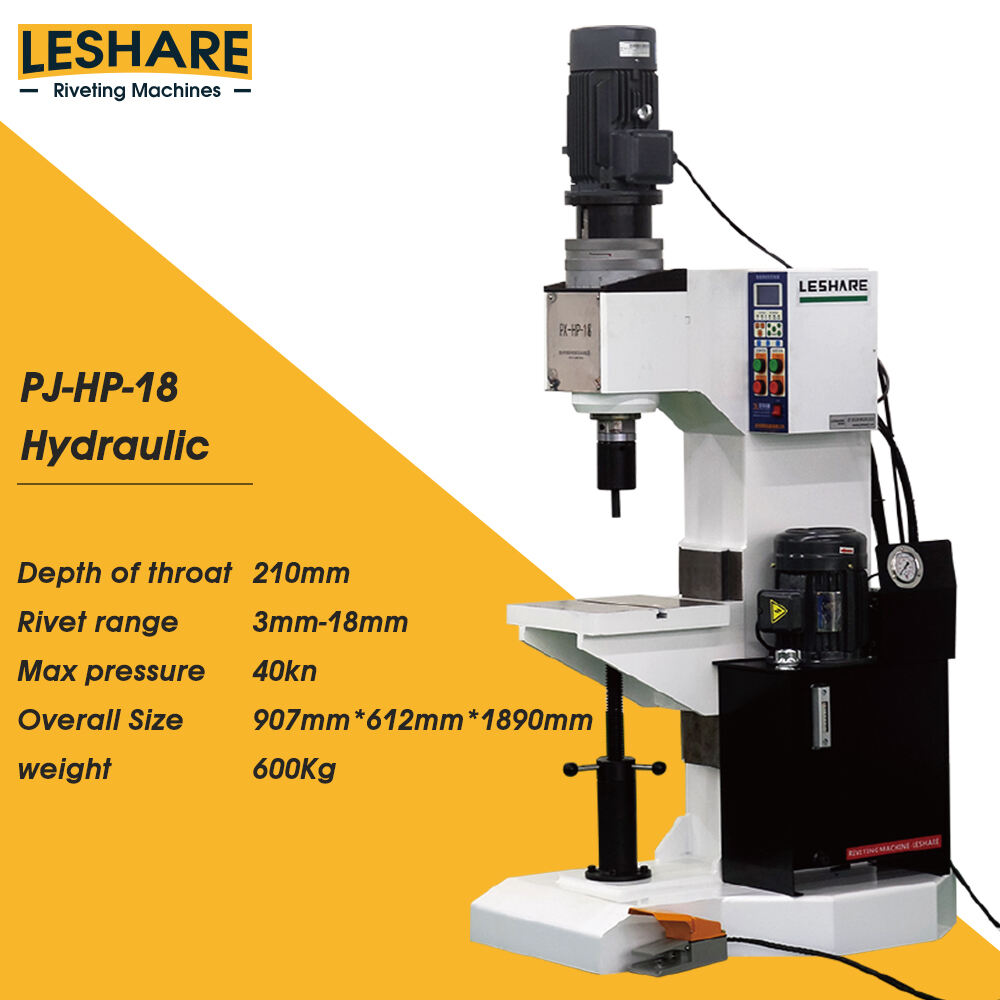
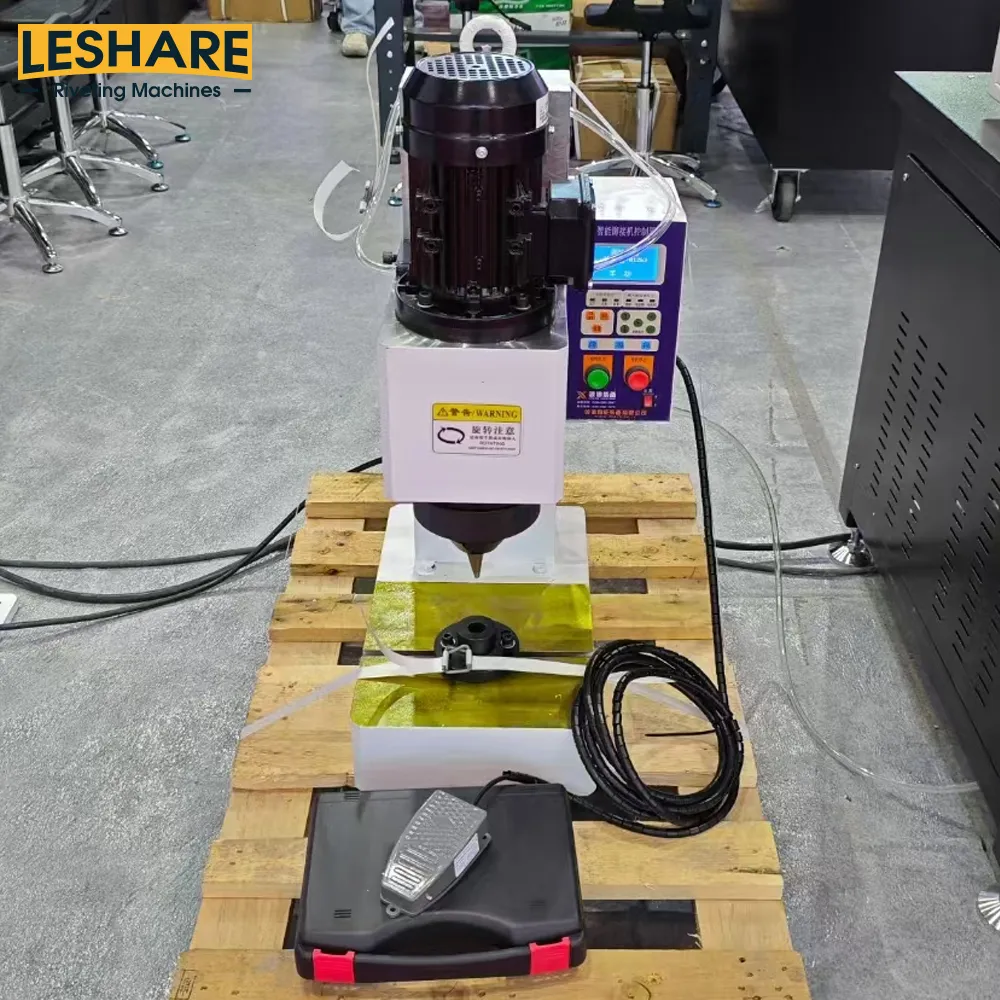
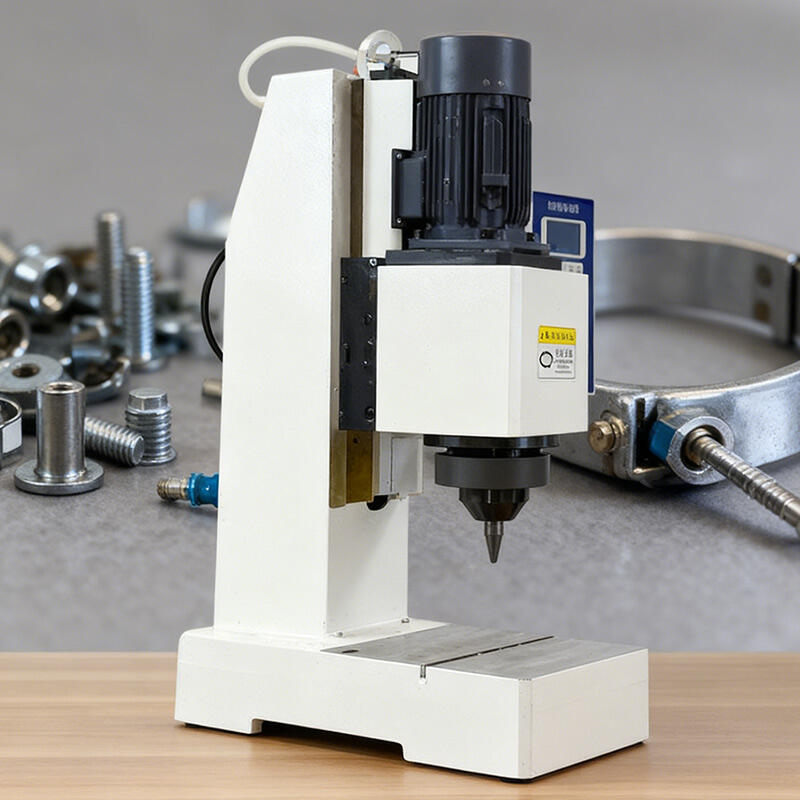
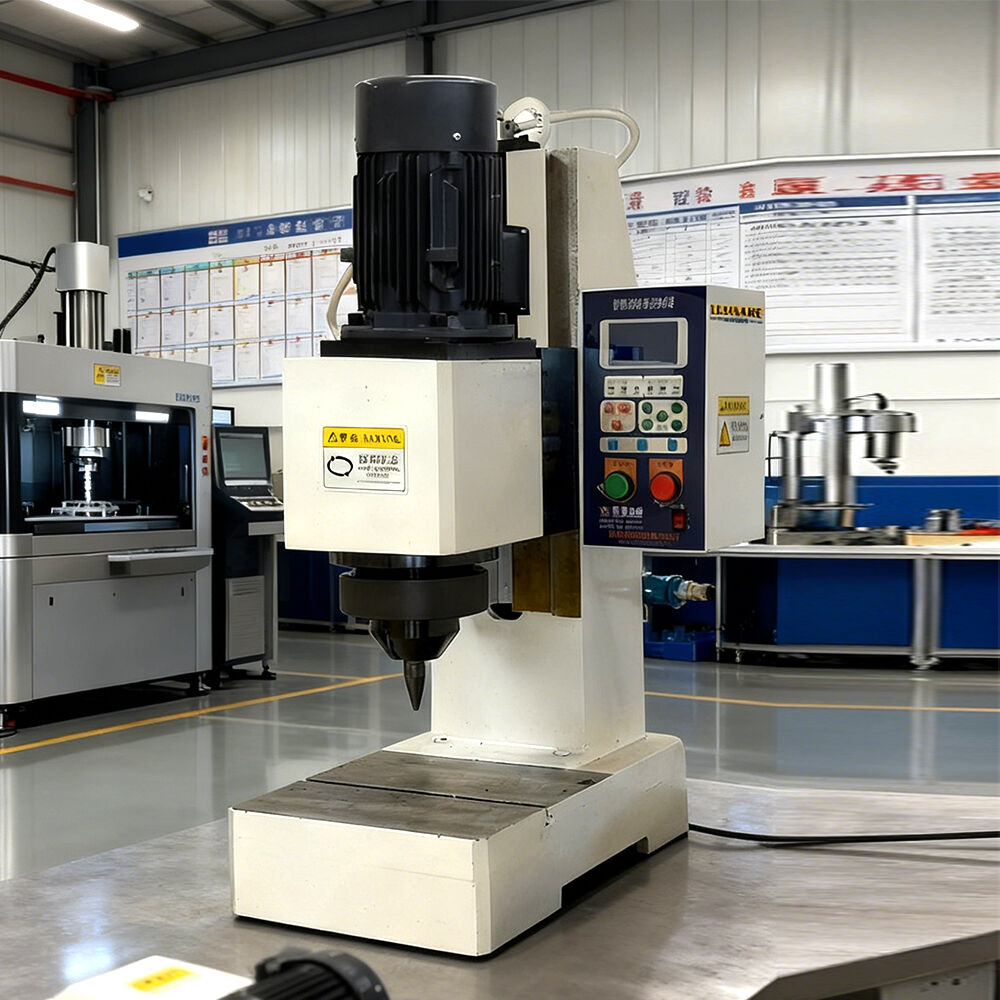
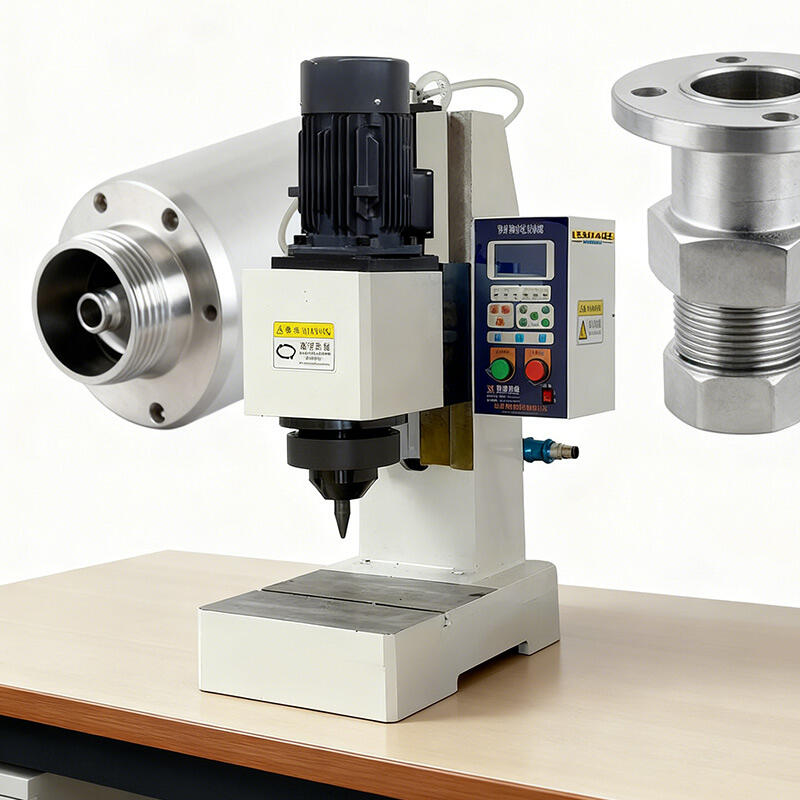
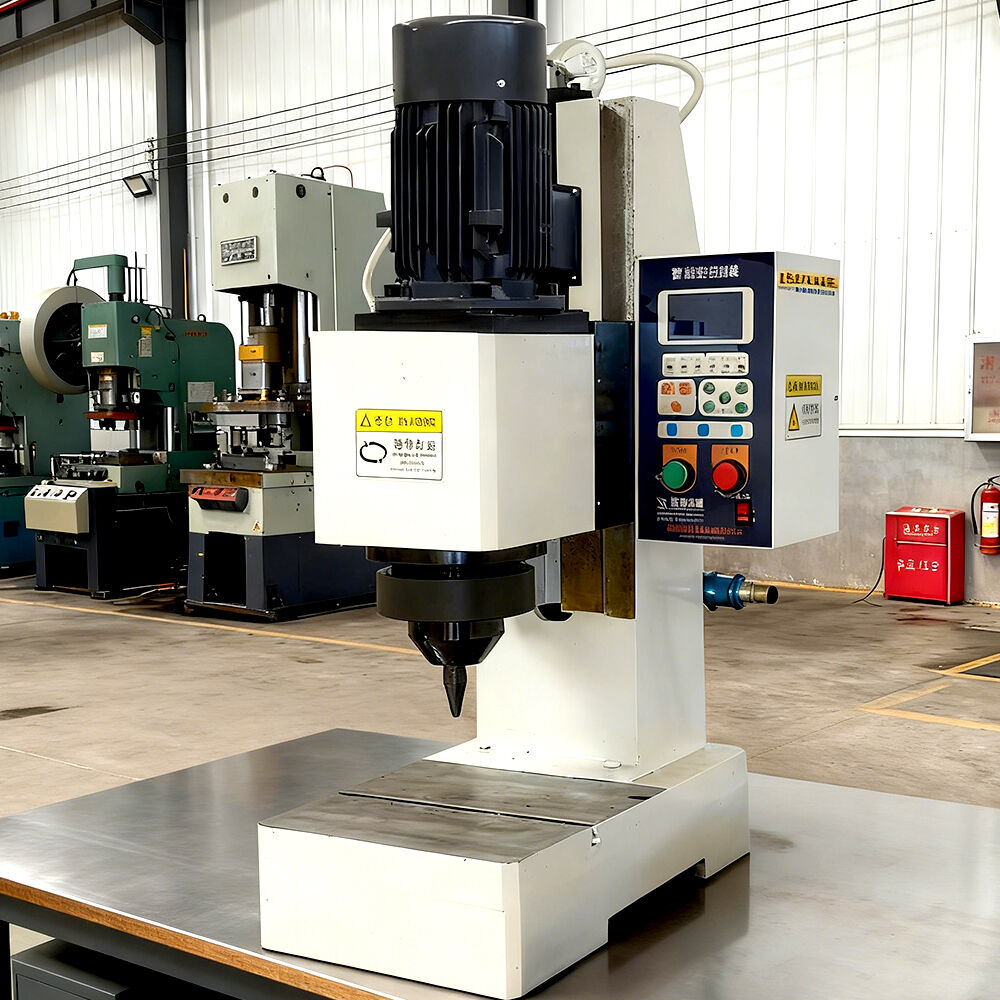
Radial riveting represents a sophisticated fastening technology that transforms the manufacturing landscape through its innovative approach to permanent joint creation. This advanced process utilizes controlled radial force to deform rivet materials, creating secure connections between multiple components with exceptional precision and reliability. The radial riveting technique employs specialized equipment that applies uniform pressure around the rivet's circumference, ensuring consistent material flow and optimal joint integrity. Unlike traditional riveting methods, this technology operates through a unique mechanism that distributes force evenly, eliminating stress concentrations and potential failure points. The primary function of radial riveting centers on establishing permanent mechanical connections in applications where disassembly is not required. This process excels in joining dissimilar materials, accommodating various thicknesses, and maintaining structural integrity under demanding operational conditions. The technological features of radial riveting include programmable force control, real-time monitoring capabilities, and adaptive pressure adjustment systems that respond to material variations. Modern radial riveting equipment incorporates advanced sensors and feedback mechanisms that ensure consistent quality across production runs. The process demonstrates remarkable versatility in handling different rivet materials, including aluminum, steel, copper, and specialized alloys, while maintaining precise dimensional control. Industrial applications span multiple sectors, including automotive manufacturing, aerospace assembly, electronics production, and medical device fabrication. The automotive industry particularly benefits from radial riveting in brake component assembly, suspension system manufacturing, and body panel attachment processes. Aerospace applications leverage this technology for critical structural joints, engine component assembly, and avionics housing fabrication where reliability and weight considerations are paramount. Electronics manufacturers utilize radial riveting for circuit board mounting, connector assembly, and housing construction where electromagnetic interference shielding requires secure metallic connections. Medical device production employs this technique for surgical instrument assembly, implant component joining, and diagnostic equipment manufacturing where biocompatibility and sterilization resistance are essential requirements.

New Product Releases

The implementation of radial riveting delivers substantial operational benefits that directly impact manufacturing efficiency, product quality, and overall cost-effectiveness for businesses across diverse industries. This advanced fastening technology provides manufacturers with superior joint strength compared to conventional methods, creating connections that withstand extreme vibration, thermal cycling, and mechanical stress throughout extended service life. The precision control inherent in radial riveting systems ensures consistent results, eliminating the variability associated with manual processes and reducing quality control requirements. Production speed increases significantly as radial riveting completes joint formation in seconds, enabling higher throughput rates and improved manufacturing schedules. The process requires minimal operator training, reducing labor costs while maintaining consistent quality standards across different shifts and personnel. Energy efficiency represents another crucial advantage, as radial riveting consumes substantially less power than alternative joining methods, contributing to reduced operational expenses and environmental sustainability goals. Material waste decreases dramatically because the process uses exact rivet quantities without excess material removal or secondary finishing operations. The technology accommodates a wide range of workpiece configurations without requiring extensive tooling changes, providing flexibility for diverse production requirements and rapid product transitions. Quality assurance becomes more straightforward as radial riveting provides immediate feedback on joint integrity through force monitoring and displacement measurement systems. This real-time verification eliminates the need for extensive post-process inspection, reducing quality control costs and improving delivery schedules. Maintenance requirements remain minimal due to the robust design of radial riveting equipment, featuring fewer moving parts and self-lubricating components that extend service intervals. The process generates minimal noise and vibration compared to impact-based joining methods, creating a more comfortable working environment and reducing structural requirements for equipment mounting. Workplace safety improves significantly as radial riveting eliminates flying debris, reduces operator exposure to repetitive stress, and minimizes the risk of injury associated with manual fastening operations. The technology supports lean manufacturing principles by reducing inventory requirements, eliminating secondary operations, and enabling just-in-time production strategies. Cost savings accumulate through reduced material usage, lower labor requirements, decreased quality issues, and extended equipment life, providing measurable return on investment for manufacturers implementing radial riveting systems.

Latest News

How Does a Pneumatic Orbital Riveter Ensure Consistent Force Control?

28

Aug

How Does a Pneumatic Orbital Riveter Ensure Consistent Force Control?

Understanding the Advanced Force Control Mechanisms in Modern Riveting Technology The pneumatic orbital riveter represents a significant advancement in industrial fastening technology, offering unprecedented control and consistency in riveting operat...
View More
What Should You Check During Routine Maintenance of a Pneumatic Orbital Riveter?

06

Nov

What Should You Check During Routine Maintenance of a Pneumatic Orbital Riveter?

Essential Maintenance Guidelines for Industrial Riveting Equipment Maintaining a pneumatic orbital riveter is crucial for ensuring consistent performance and longevity in industrial applications. These sophisticated tools require regular attention to...
View More
How Does a Fastener Insertion Machine Improve Productivity in Metal Fabrication?

11

Dec

How Does a Fastener Insertion Machine Improve Productivity in Metal Fabrication?

In today's competitive metal fabrication industry, manufacturers are constantly seeking innovative solutions to enhance production efficiency while maintaining quality standards. A fastener insertion machine represents a revolutionary advancement tha...
View More
Why Is a Fastener Insertion Machine Essential for Consistent Hardware Placement?

18

Dec

Why Is a Fastener Insertion Machine Essential for Consistent Hardware Placement?

Manufacturing precision has become the cornerstone of modern industrial production, where even the smallest components must be installed with exact accuracy and consistent quality. In today's competitive manufacturing landscape, companies are increas...
View More

Get a Free Quote

Our representative will contact you soon.
Email
Name
Company Name
Message
0/1000

radial riveting

Unmatched Joint Integrity and Structural Performance

Unmatched Joint Integrity and Structural Performance

Radial riveting delivers exceptional joint integrity that surpasses conventional fastening methods through its unique deformation mechanism and precise force application. This advanced technology creates molecular-level bonding between rivet and base materials, establishing connections that maintain structural integrity under the most demanding operational conditions. The radial force distribution ensures uniform material flow around the entire rivet circumference, eliminating weak points and stress concentrations that commonly occur with traditional joining techniques. Manufacturing professionals recognize that joint failure represents one of the most costly issues in production, leading to warranty claims, field failures, and reputation damage. Radial riveting addresses these concerns by creating joints with tensile strengths often exceeding the base material properties, providing confidence in critical applications where failure is not acceptable. The technology accommodates thermal expansion and contraction cycles without compromising joint integrity, making it ideal for applications experiencing temperature variations. Vibration resistance becomes particularly important in automotive and aerospace applications, where constant motion and dynamic loading can cause conventional fasteners to loosen over time. Radial riveting creates interference fits that actually strengthen under vibrational loading, providing self-reinforcing characteristics that improve with service time. Quality control becomes more predictable as the radial riveting process parameters directly correlate with joint strength, enabling manufacturers to establish precise specifications that guarantee performance. The technology supports traceability requirements through data logging capabilities that record force, displacement, and time parameters for each joint, providing documentation for quality audits and certification processes. Corrosion resistance improves significantly as the radial deformation process creates tight metal-to-metal contact that excludes moisture and contaminants from joint interfaces. This characteristic proves essential in marine, chemical, and outdoor applications where environmental exposure threatens joint longevity. The uniform stress distribution achieved through radial riveting eliminates the galvanic corrosion potential that exists with dissimilar metal combinations, extending service life in challenging environments where material compatibility becomes critical for long-term reliability and performance.
Revolutionary Process Efficiency and Production Optimization

Revolutionary Process Efficiency and Production Optimization

Radial riveting transforms manufacturing efficiency through its streamlined process that eliminates multiple steps while delivering superior results in minimal time. This technology reduces cycle times from minutes to seconds, enabling manufacturers to achieve unprecedented production rates while maintaining quality standards that exceed traditional fastening methods. The single-step operation consolidates what previously required drilling, deburring, fastener insertion, and torque application into one seamless process that completes joint formation instantaneously. Production planners benefit from predictable cycle times that enable accurate scheduling and capacity planning, eliminating the variability associated with manual operations and skill-dependent processes. The automated nature of radial riveting reduces labor requirements while improving consistency, allowing manufacturers to redeploy skilled workers to higher-value activities that enhance overall productivity. Setup procedures become straightforward as modern radial riveting systems feature programmable parameters that store optimal settings for different materials and joint configurations, enabling rapid changeovers between products without extensive tooling modifications. Material handling simplifies dramatically as the process eliminates the need for separate fasteners, adhesives, or consumable supplies beyond the rivets themselves, reducing inventory complexity and storage requirements. Quality assurance integrates seamlessly into the production process through real-time monitoring that provides immediate feedback on joint quality, eliminating the delays and costs associated with batch inspection methods. The technology supports continuous improvement initiatives by providing detailed process data that enables statistical analysis and optimization of manufacturing parameters. Maintenance scheduling becomes more predictable due to the robust nature of radial riveting equipment, which features self-diagnostic capabilities that alert operators to potential issues before they affect production. Energy consumption decreases substantially compared to thermal or chemical joining processes, supporting sustainability goals while reducing operational costs. The compact footprint of radial riveting equipment maximizes factory floor utilization, enabling manufacturers to increase capacity within existing facilities without major infrastructure investments. Flexibility remains paramount as the technology accommodates design changes and product variations without requiring new tooling or extensive reconfiguration, supporting agile manufacturing strategies and rapid response to market demands.
Advanced Technology Integration and Future-Ready Manufacturing

Advanced Technology Integration and Future-Ready Manufacturing

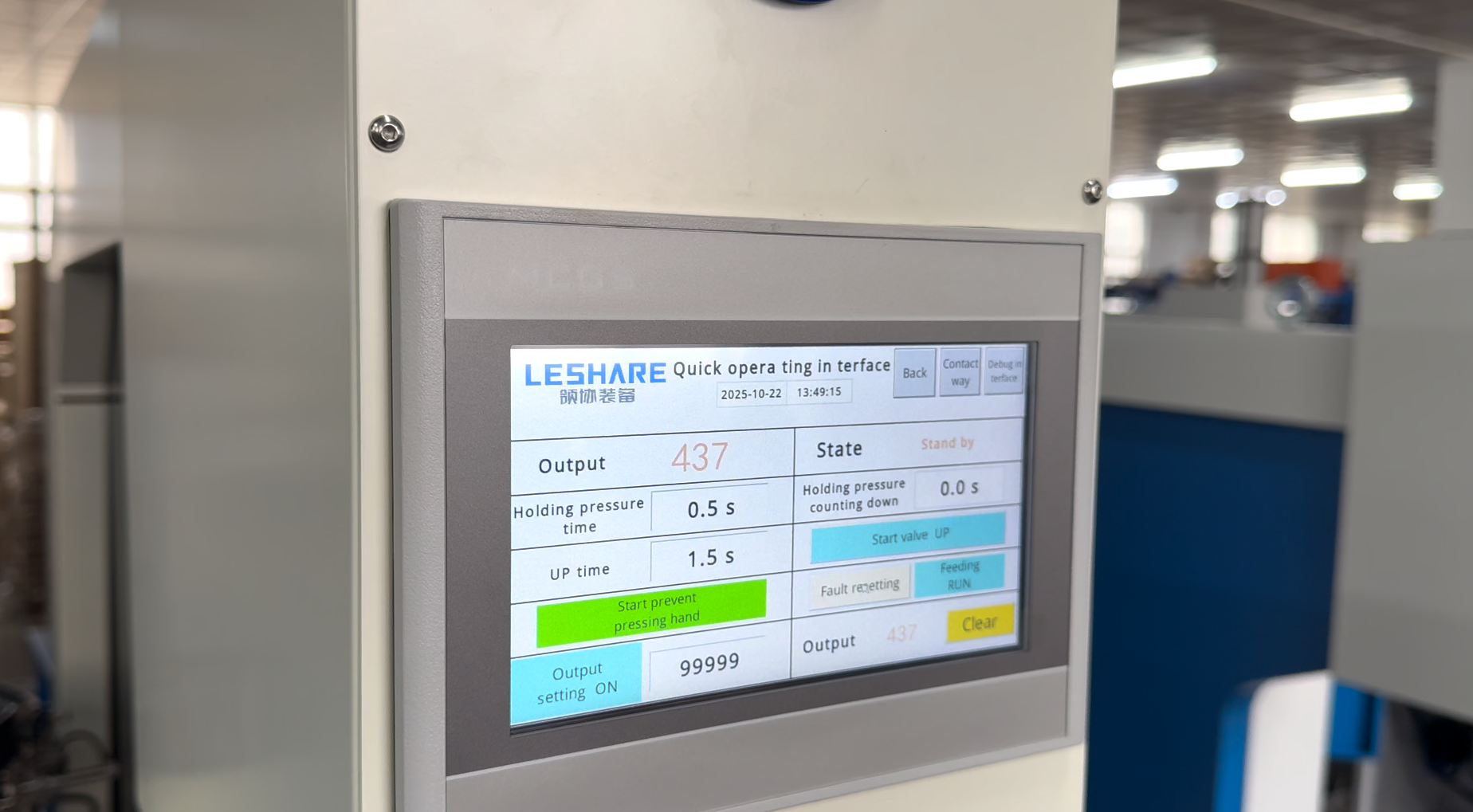
Radial riveting represents the pinnacle of smart manufacturing technology, incorporating advanced sensors, programmable controls, and data analytics capabilities that position manufacturers for Industry 4.0 implementation and competitive advantage. This sophisticated technology integrates seamlessly with existing production lines through standardized interfaces and communication protocols that enable real-time data exchange with manufacturing execution systems. The intelligent control systems continuously monitor process parameters, automatically adjusting force, speed, and positioning to maintain optimal joint quality regardless of material variations or environmental conditions. Predictive maintenance capabilities utilize machine learning algorithms to analyze operational data, identifying potential issues before they impact production and enabling proactive maintenance scheduling that minimizes downtime. The technology supports complete traceability through comprehensive data logging that records every process parameter for each joint, creating detailed quality records that satisfy the most stringent certification requirements in aerospace, medical, and automotive industries. Remote monitoring capabilities enable technical support teams to diagnose issues and optimize performance from any location, reducing service costs and minimizing production interruptions. The modular design of modern radial riveting systems allows for easy expansion and capability enhancement as production requirements evolve, protecting capital investments while supporting business growth. Quality management systems integrate directly with radial riveting equipment through digital interfaces that automatically populate quality databases and generate statistical reports, eliminating manual data entry and reducing administrative overhead. The technology supports lean manufacturing principles through just-in-time operation that eliminates work-in-process inventory and reduces material handling requirements. Customization options enable manufacturers to configure systems for specific applications, incorporating specialized tooling, custom programming, and unique process parameters that optimize performance for particular products or industries. Training requirements minimize through intuitive operator interfaces and automated process control that reduces the skill level required for consistent operation, addressing workforce challenges while maintaining quality standards. Environmental compliance becomes easier as radial riveting eliminates hazardous chemicals, reduces waste generation, and operates with minimal environmental impact, supporting corporate sustainability goals and regulatory compliance requirements.

Get a Free Quote

Our representative will contact you soon.
Email
Name
Company Name
Message
0/1000