 EN
EN

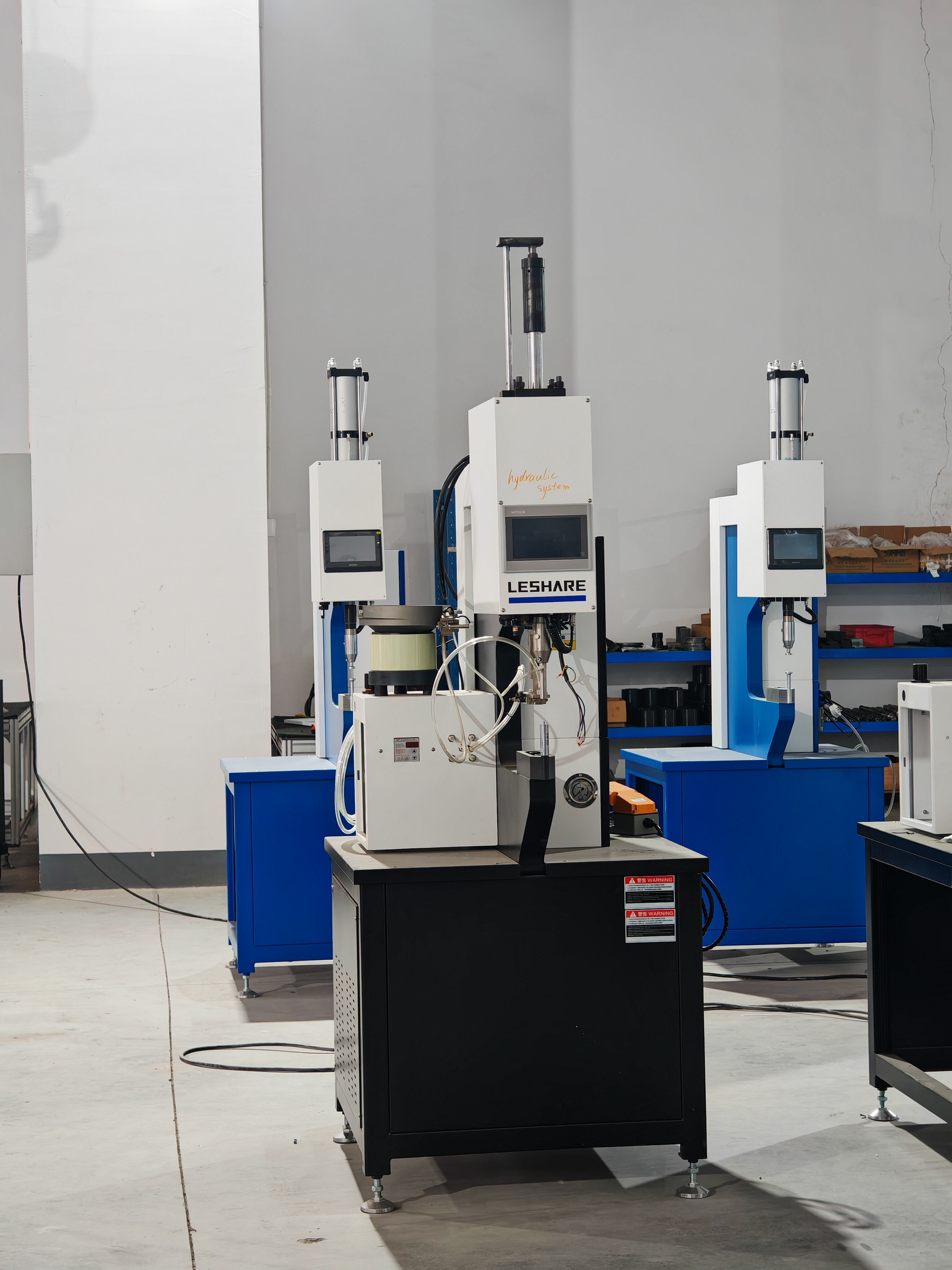
In today's competitive metal fabrication industry, manufacturers are constantly seeking innovative solutions to enhance production efficiency while maintaining quality standards. A fastener insertion machine represents a revolutionary advancement that has transformed how manufacturers approach assembly processes. These sophisticated automated systems have become essential equipment for companies looking to streamline operations, reduce labor costs, and achieve consistent fastening results across various metal fabrication applications.
Modern metal fabrication facilities require precision, speed, and reliability to meet demanding production schedules and quality requirements. The integration of automated fastening technology has proven instrumental in helping manufacturers overcome traditional assembly challenges while positioning themselves for sustainable growth in an increasingly automated industrial landscape.
Understanding Fastener Insertion Technology
Core Components and Mechanisms
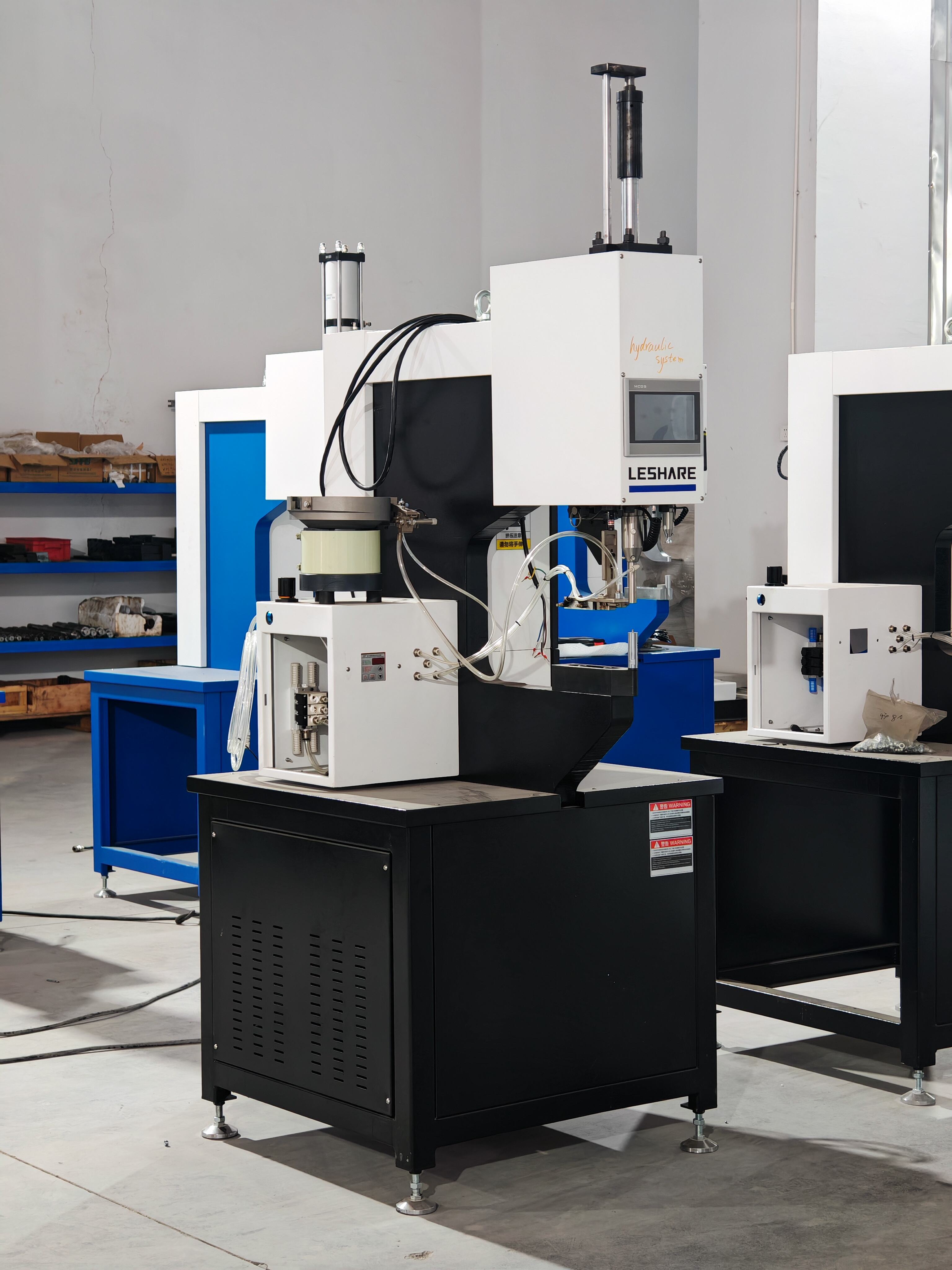
A fastener insertion machine operates through a sophisticated combination of pneumatic or hydraulic systems, precision tooling, and advanced control mechanisms. The primary components include a high-force insertion cylinder, specialized tooling heads designed for specific fastener types, and programmable control systems that ensure consistent application parameters. These machines typically generate insertion forces ranging from 10kN to 80kN, providing sufficient power to handle various fastener sizes and material thicknesses commonly encountered in metal fabrication.
The tooling system represents the heart of the insertion process, featuring interchangeable dies and punches that accommodate different fastener geometries. Advanced models incorporate servo-controlled positioning systems that ensure precise alignment and depth control, critical factors for achieving reliable joint integrity. The control system monitors insertion parameters in real-time, providing immediate feedback on force requirements, insertion depth, and quality metrics to maintain consistent results throughout production runs.
Fastener Types and Applications
These versatile machines accommodate a wide range of fastener types commonly used in metal fabrication, including self-piercing rivets, blind rivets, threaded inserts, and specialized automotive fasteners. Each fastener type requires specific insertion parameters, including force profiles, dwell times, and approach speeds, which the machine's control system manages automatically. This adaptability makes the technology suitable for diverse applications ranging from automotive body assembly to aerospace component manufacturing.
The selection of appropriate fasteners depends on material combinations, joint requirements, and environmental conditions. Modern insertion machines feature quick-change tooling systems that enable operators to switch between different fastener types within minutes, maximizing production flexibility. This capability proves particularly valuable in job shop environments where product mix varies frequently, eliminating the need for multiple dedicated machines.
Productivity Enhancement Mechanisms
Speed and Cycle Time Optimization
The most immediate productivity benefit of implementing a fastener insertion machine stems from dramatically reduced cycle times compared to manual fastening methods. While manual riveting or bolt installation might require 30-60 seconds per fastener, automated insertion systems complete the same operation in 2-5 seconds. This speed improvement translates directly into increased throughput, allowing manufacturers to process more parts per shift while maintaining consistent quality standards.
Advanced machines incorporate optimized motion profiles that minimize non-productive time through rapid positioning, controlled approach speeds, and immediate retraction after insertion completion. The elimination of human fatigue factors ensures that cycle times remain consistent throughout entire production shifts, unlike manual operations where performance typically degrades over time. This consistency becomes particularly valuable during high-volume production runs where maintaining steady output rates is critical for meeting delivery commitments.
Labor Efficiency and Resource Allocation
Automation through fastener insertion technology enables manufacturers to reallocate skilled labor resources to higher-value activities such as quality inspection, setup optimization, and maintenance tasks. A single operator can typically manage multiple automated insertion stations, dramatically improving labor productivity ratios. This efficiency gain becomes especially pronounced in high-wage regions where labor costs represent a significant portion of total manufacturing expenses.
The reduction in physical demands associated with manual fastening operations also contributes to improved workplace safety and reduced worker compensation costs. Manual riveting and bolt installation involve repetitive motions and significant force application that can lead to musculoskeletal injuries over time. Automated systems eliminate these risk factors while enabling operators to focus on process monitoring and quality assurance activities that add greater value to the production process.
Quality and Consistency Improvements
Process Control and Repeatability
The integration of a fastener insertion machine introduces unprecedented levels of process control and repeatability to metal fabrication operations. These systems monitor and control critical parameters such as insertion force, position, and timing with precision that exceeds human capabilities. Advanced models feature force-displacement monitoring that creates unique signatures for each fastener installation, enabling real-time quality assessment and immediate identification of anomalies.
The consistent application of predetermined force profiles ensures that each fastener achieves optimal performance characteristics while avoiding over-insertion that could damage components or under-insertion that compromises joint integrity. This level of control proves particularly valuable when working with sensitive materials or critical applications where joint failure could result in catastrophic consequences. Statistical process control capabilities enable manufacturers to track quality trends and implement predictive maintenance strategies.
Defect Reduction and Rework Elimination
Manual fastening operations are inherently subject to human error, including improper alignment, insufficient insertion force, or damage to surrounding material. Automated insertion systems virtually eliminate these error sources through precise positioning, controlled force application, and consistent process execution. The result is dramatic reductions in defect rates and associated rework costs that can significantly impact overall production economics.
Quality monitoring systems integrated into modern machines provide immediate feedback when insertion parameters fall outside acceptable ranges, enabling immediate corrective action before defective parts progress through subsequent manufacturing steps. This real-time quality control capability prevents the accumulation of defective work-in-process inventory and reduces the likelihood of shipping non-conforming products to customers.
Cost Efficiency and Return on Investment
Direct Cost Savings Analysis
The implementation of automated fastener insertion technology generates measurable cost savings through multiple channels, including reduced labor requirements, decreased material waste, and minimized rework expenses. Labor cost reductions typically represent the most significant savings component, with automated systems often paying for themselves within 12-24 months through improved productivity alone. Additional savings from reduced consumable costs, lower defect rates, and decreased facility space requirements further accelerate payback periods.
Energy efficiency represents another important cost consideration, as modern pneumatic and servo-electric systems consume significantly less energy than traditional hydraulic alternatives. The precise control capabilities of contemporary machines also minimize compressed air consumption through optimized cycle profiles and reduced waste during idle periods. These operational efficiencies contribute to lower utility costs while supporting corporate sustainability initiatives.
Long-term Strategic Benefits
Beyond immediate cost savings, fastener insertion machines provide strategic advantages that enhance long-term competitiveness in metal fabrication markets. The ability to maintain consistent quality levels while increasing production capacity enables manufacturers to pursue larger contracts and more demanding customers. This market positioning often commands premium pricing that further improves profitability and return on investment calculations.
The data collection capabilities of modern insertion systems also provide valuable insights for continuous improvement initiatives and predictive maintenance programs. This information enables manufacturers to optimize process parameters, extend equipment life, and minimize unplanned downtime that could disrupt production schedules. The integration with broader manufacturing execution systems facilitates real-time production monitoring and enables rapid response to changing customer requirements.
Implementation Considerations and Best Practices
System Selection and Sizing
Selecting the appropriate fastener insertion machine requires careful analysis of application requirements, including material types, fastener specifications, production volumes, and quality standards. The force capacity must accommodate the most demanding fastener types while providing sufficient precision for delicate applications. Consideration of future product requirements and potential expansion needs ensures that the selected system will provide long-term value as business needs evolve.
Integration requirements represent another critical selection factor, as the machine must interface effectively with existing manufacturing systems, quality control procedures, and material handling equipment. Modern systems offer flexible connectivity options including industrial communication protocols, data logging capabilities, and remote monitoring functions that facilitate integration into Industry 4.0 manufacturing environments.
Training and Maintenance Programs
Successful implementation of automated fastener insertion technology requires comprehensive training programs for operators, maintenance personnel, and engineering staff. Proper training ensures that personnel can maximize system capabilities while maintaining safety standards and equipment reliability. Many manufacturers offer specialized training courses that cover operation, maintenance, troubleshooting, and optimization techniques specific to their equipment designs.
Preventive maintenance programs play a crucial role in maximizing equipment uptime and extending service life. Regular inspection schedules, lubrication procedures, and component replacement intervals help prevent unexpected failures that could disrupt production schedules. Advanced systems incorporate condition monitoring capabilities that provide early warning of potential issues, enabling proactive maintenance interventions that minimize downtime impacts.
FAQ
What types of materials can be processed with fastener insertion machines
Fastener insertion machines can effectively process a wide range of materials commonly used in metal fabrication, including steel, aluminum, stainless steel, and various alloys with thicknesses ranging from thin sheet metal to heavy structural components. The key consideration is ensuring that the machine's force capacity matches the requirements of the specific material combination and fastener type. Advanced machines can handle material thickness combinations from 0.5mm to 15mm depending on the fastener design and application requirements.
How do automated systems compare to manual fastening methods in terms of joint quality
Automated fastener insertion systems consistently produce superior joint quality compared to manual methods due to precise control of insertion parameters, consistent force application, and elimination of human variability factors. The systems monitor force-displacement curves in real-time to ensure optimal fastener performance while preventing over-insertion or under-insertion that could compromise joint integrity. Statistical studies typically show defect rate reductions of 70-90% when transitioning from manual to automated fastening processes.
What maintenance requirements are associated with fastener insertion machines
Maintenance requirements for modern fastener insertion machines are generally minimal, typically involving daily visual inspections, weekly lubrication of moving components, and periodic replacement of wear items such as tooling and seals. Most systems are designed for thousands of insertion cycles between major maintenance intervals. Predictive maintenance capabilities integrated into advanced systems help optimize maintenance schedules and prevent unexpected downtime through early detection of potential issues.
How quickly can operators be trained to use automated insertion equipment
Basic operator training for fastener insertion machines typically requires 2-4 days for personnel with manufacturing experience, covering system operation, safety procedures, quality checks, and basic troubleshooting. Advanced training for setup, programming, and maintenance may require additional time depending on system complexity and operator background. Most equipment suppliers provide comprehensive training programs that include hands-on practice, documentation, and ongoing support to ensure successful implementation and operation.
Table of Contents
- Understanding Fastener Insertion Technology
- Productivity Enhancement Mechanisms
- Quality and Consistency Improvements
- Cost Efficiency and Return on Investment
- Implementation Considerations and Best Practices
-
FAQ
- What types of materials can be processed with fastener insertion machines
- How do automated systems compare to manual fastening methods in terms of joint quality
- What maintenance requirements are associated with fastener insertion machines
- How quickly can operators be trained to use automated insertion equipment