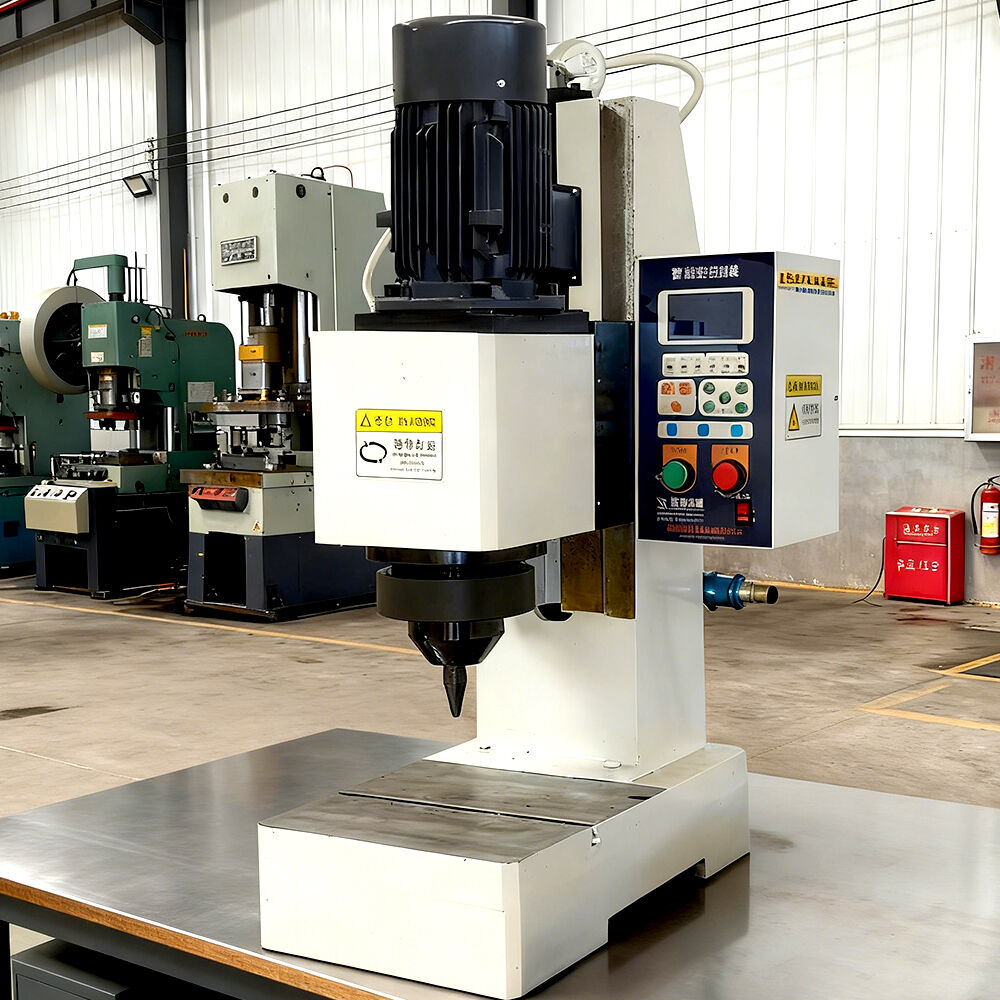
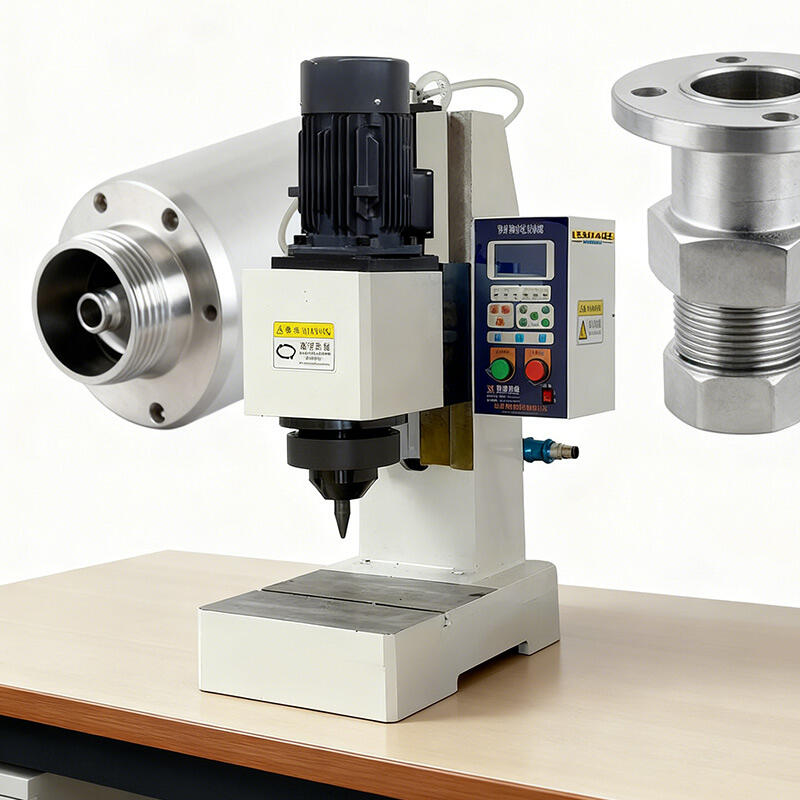
Hydraulic Radial Riveting Machine: Advanced Manufacturing Solutions for Superior Joint Quality

Get a Free Quote

Our representative will contact you soon.
Email
Name
Company Name
Message
0/1000

hydraulic radial riveting machine

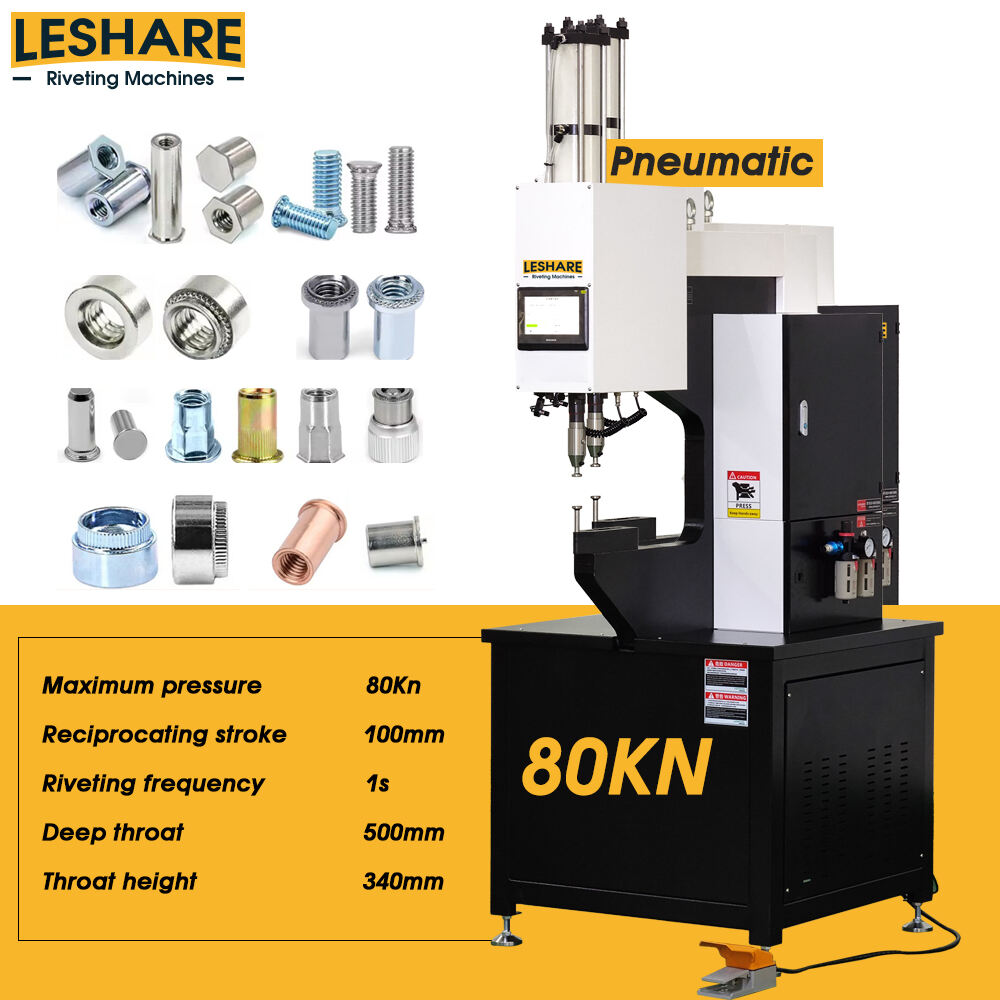
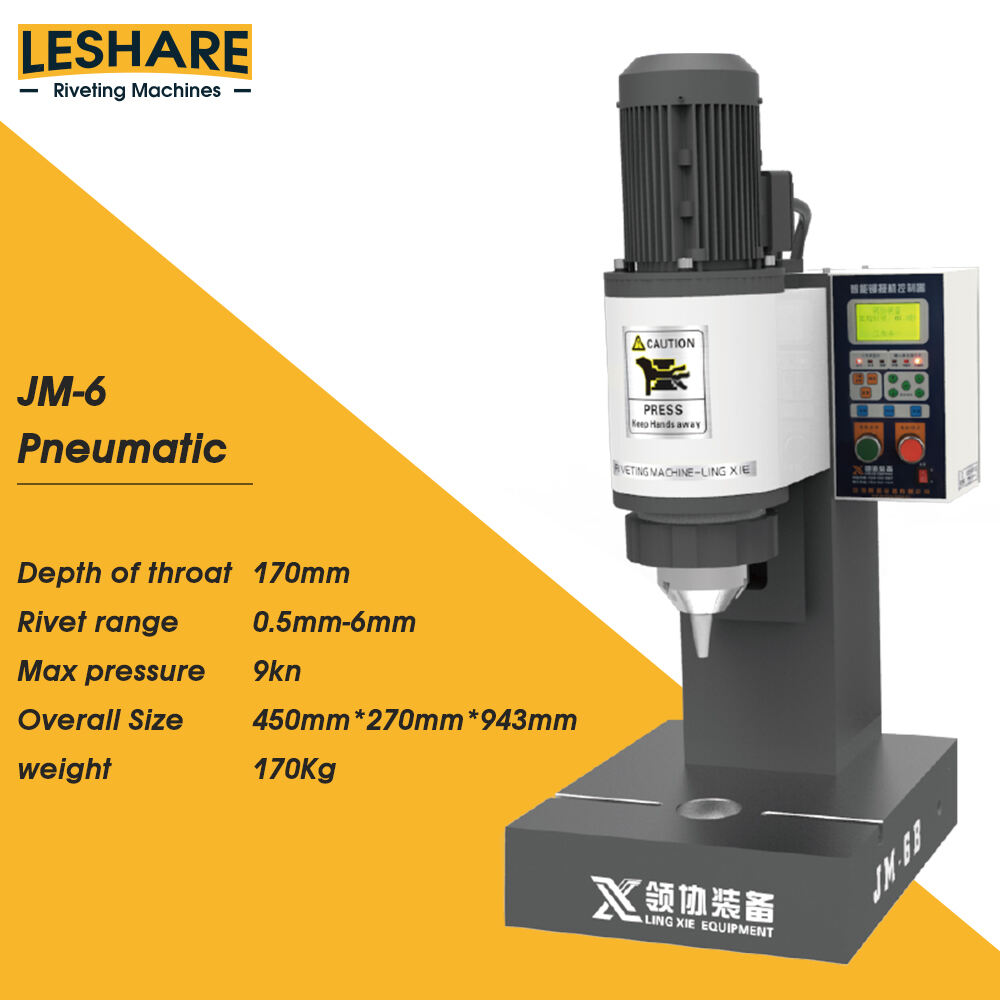
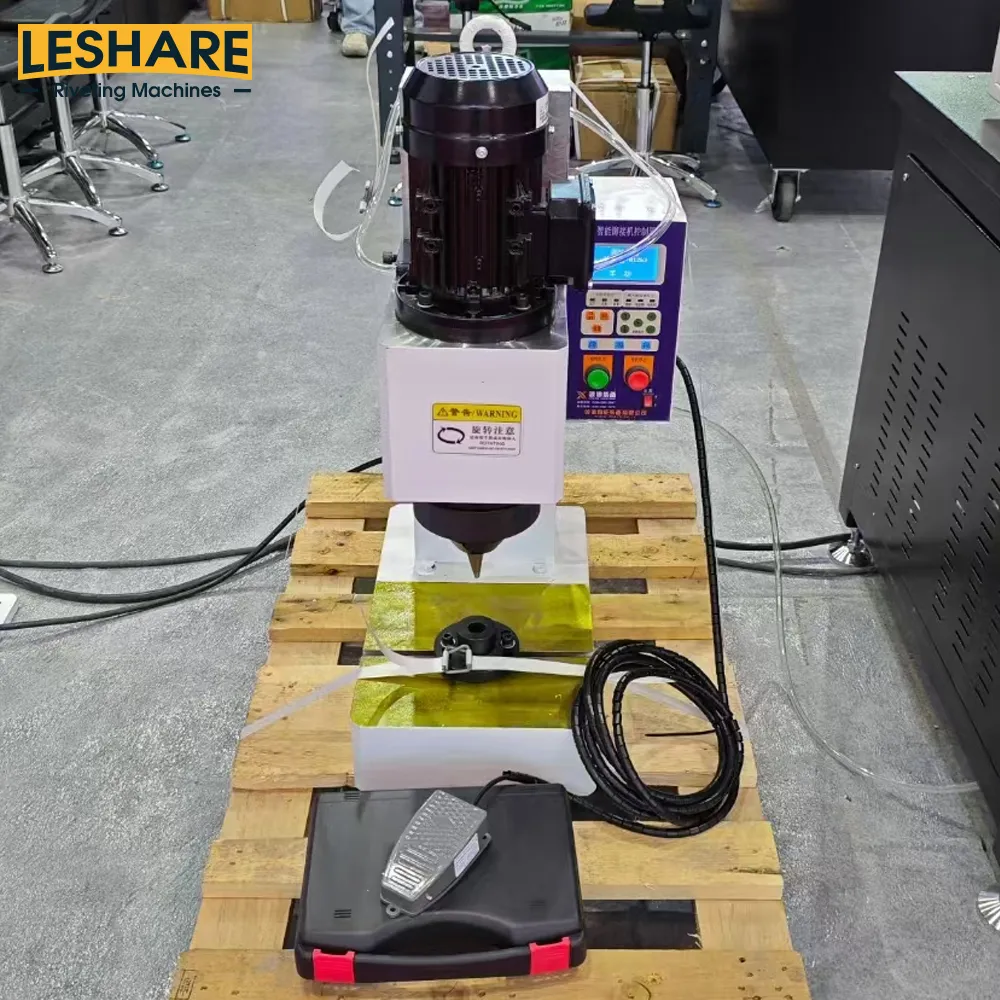
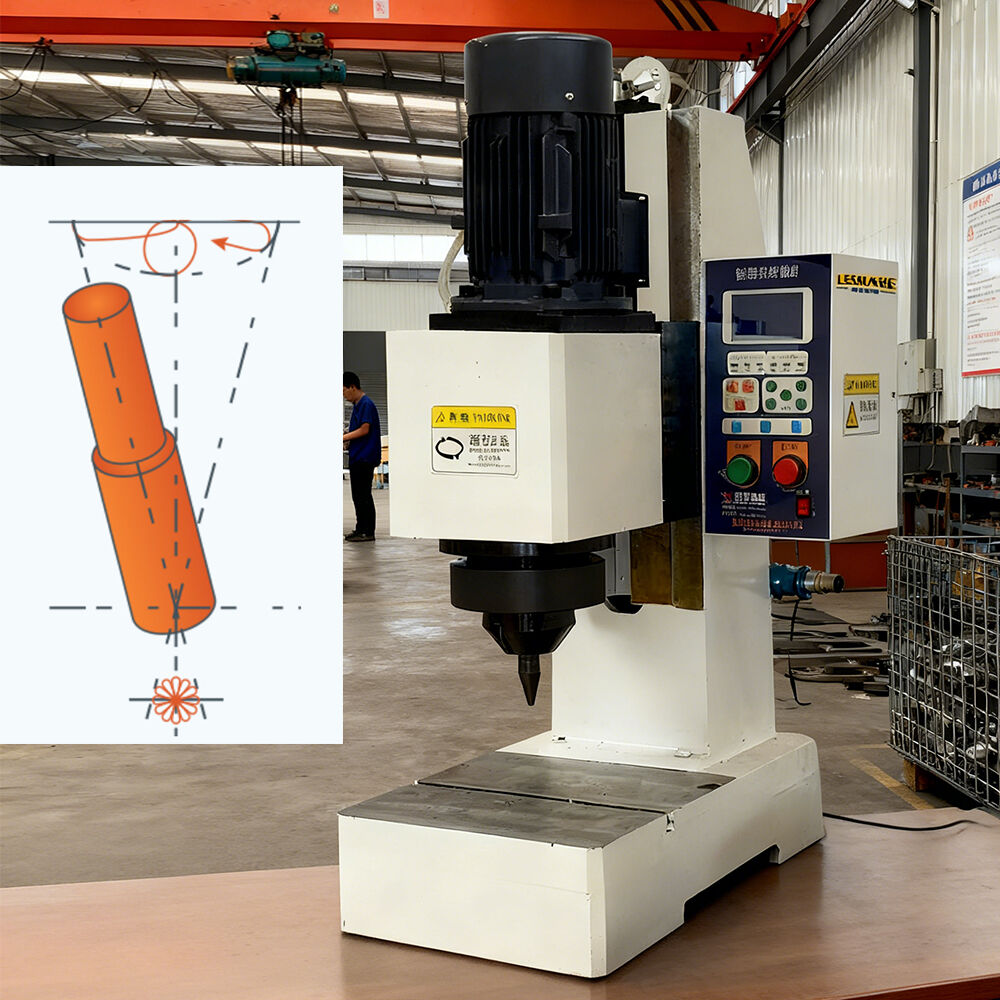
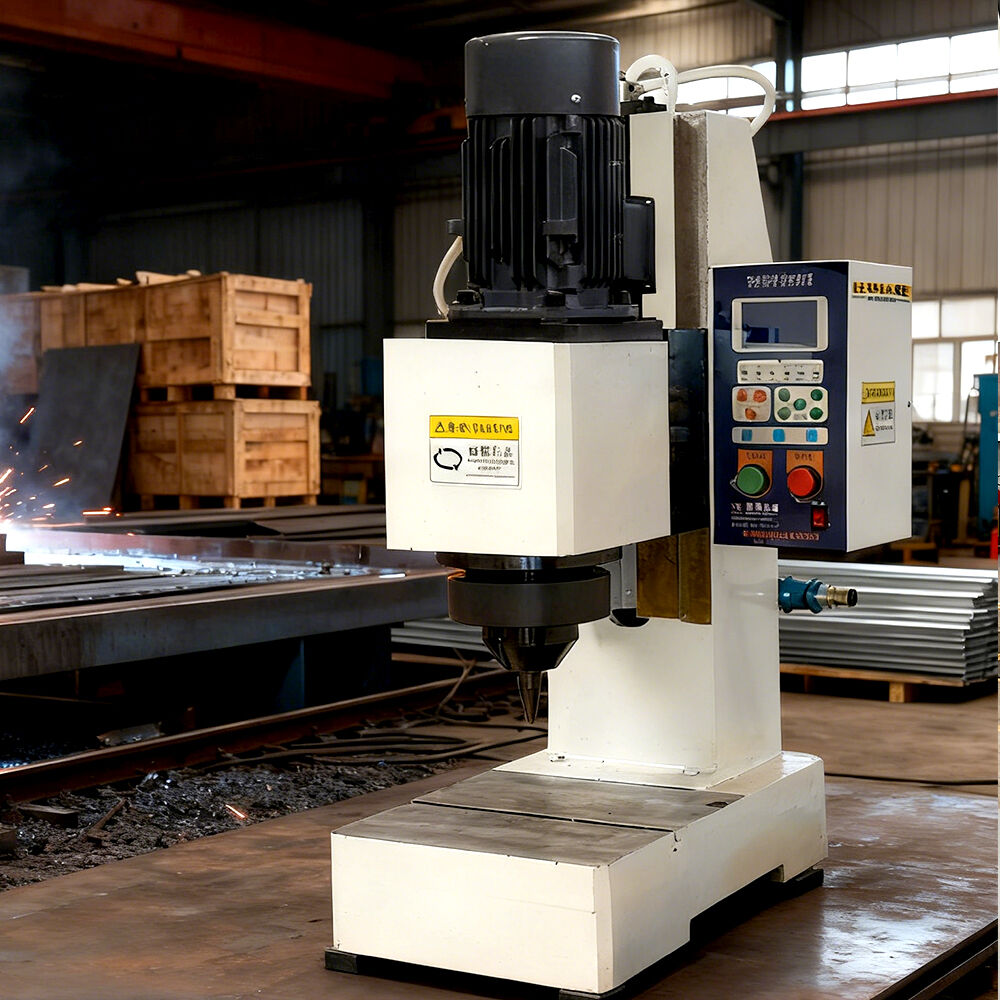
The hydraulic radial riveting machine represents a cutting-edge manufacturing solution designed to deliver exceptional joining capabilities for various industrial applications. This sophisticated equipment utilizes hydraulic power systems to create permanent connections between materials through controlled radial deformation of rivets. The machine operates by applying consistent pressure through a hydraulic cylinder, ensuring uniform rivet expansion and optimal joint integrity. Its primary function involves forming cold joints without generating heat, making it ideal for applications where thermal effects could compromise material properties or assembly precision. The technological features of this hydraulic radial riveting machine include precision-engineered hydraulic systems that provide consistent force application, advanced control mechanisms for accurate positioning, and robust construction materials that ensure long-term durability. The machine incorporates sophisticated pressure regulation systems that allow operators to adjust force parameters according to specific material requirements and rivet specifications. Modern hydraulic radial riveting machine models feature programmable control interfaces that enable precise repeatability across multiple production cycles. These machines typically include safety mechanisms such as emergency stops, pressure relief valves, and protective guards to ensure operator safety during operation. The applications for hydraulic radial riveting machine technology span numerous industries including automotive manufacturing, aerospace assembly, appliance production, and general fabrication work. In automotive applications, these machines create durable connections in brake components, suspension systems, and body panels. Aerospace manufacturers rely on hydraulic radial riveting machine capabilities for assembling critical structural components where joint reliability is paramount. The versatility of this equipment allows it to handle various rivet materials including aluminum, steel, stainless steel, and specialized alloys. Installation flexibility makes the hydraulic radial riveting machine suitable for both standalone operation and integration into automated production lines, providing manufacturers with scalable solutions that adapt to changing production requirements while maintaining consistent quality standards.

New Product Releases

The hydraulic radial riveting machine offers numerous practical benefits that directly impact manufacturing efficiency and product quality. First, this equipment significantly reduces labor costs by automating the riveting process, eliminating the need for manual hammering or pneumatic tools that require constant operator attention. The consistent force application ensures every rivet receives identical treatment, resulting in uniform joint quality across entire production runs. This reliability translates into reduced rejection rates and improved customer satisfaction through enhanced product consistency. The hydraulic radial riveting machine operates with remarkable speed, completing riveting operations in seconds rather than minutes required by traditional methods. This efficiency boost allows manufacturers to increase production throughput without compromising quality standards. The precision control systems enable operators to adjust parameters for different materials and rivet sizes, providing flexibility that manual processes cannot match. Safety improvements represent another significant advantage, as the hydraulic radial riveting machine eliminates repetitive strain injuries associated with manual riveting tools. The enclosed operation reduces noise levels compared to pneumatic alternatives, creating a more comfortable work environment. Maintenance requirements are minimal due to the robust hydraulic system design, with scheduled service intervals that fit easily into regular production schedules. The hydraulic radial riveting machine produces superior joint strength compared to alternative joining methods, as the radial expansion creates optimal material flow and stress distribution. This strength advantage reduces the need for additional fasteners, simplifying assembly processes and reducing material costs. Energy efficiency is notable, as hydraulic systems operate only when actively forming rivets, unlike compressed air systems that continuously consume power. The compact footprint of most hydraulic radial riveting machine models allows integration into existing production lines without major facility modifications. Quality control benefits include consistent rivet head formation and predictable joint characteristics that simplify inspection processes. The ability to create permanent joints without heat eliminates concerns about thermal distortion or changes in material properties. Long-term cost savings result from reduced tool wear, lower energy consumption, and decreased material waste compared to traditional riveting methods.

Practical Tips

How Does a Pneumatic Orbital Riveter Ensure Consistent Force Control?

28

Aug

How Does a Pneumatic Orbital Riveter Ensure Consistent Force Control?

Understanding the Advanced Force Control Mechanisms in Modern Riveting Technology The pneumatic orbital riveter represents a significant advancement in industrial fastening technology, offering unprecedented control and consistency in riveting operat...
View More
How to Troubleshoot Common Issues in Pneumatic Orbital Riveters?

28

Aug

How to Troubleshoot Common Issues in Pneumatic Orbital Riveters?

Essential Guide to Maintaining and Troubleshooting Pneumatic Orbital Riveters Pneumatic orbital riveters have revolutionized the manufacturing and assembly industries by providing consistent, reliable fastening solutions. These sophisticated tools re...
View More
How Does an Automatic Riveting Machine Enhance Production Speed?

06

Nov

How Does an Automatic Riveting Machine Enhance Production Speed?

Revolutionizing Manufacturing Efficiency Through Automated Riveting Solutions In today's fast-paced manufacturing environment, the automatic riveting machine stands as a testament to technological advancement and production efficiency. These sophisti...
View More
How Does a Fastener Insertion Machine Improve Productivity in Metal Fabrication?

11

Dec

How Does a Fastener Insertion Machine Improve Productivity in Metal Fabrication?

In today's competitive metal fabrication industry, manufacturers are constantly seeking innovative solutions to enhance production efficiency while maintaining quality standards. A fastener insertion machine represents a revolutionary advancement tha...
View More

Get a Free Quote

Our representative will contact you soon.
Email
Name
Company Name
Message
0/1000

hydraulic radial riveting machine

Advanced Hydraulic Force Control Technology

Advanced Hydraulic Force Control Technology

The hydraulic radial riveting machine incorporates state-of-the-art force control technology that revolutionizes traditional joining processes through precise pressure management and consistent application. This advanced system utilizes sophisticated hydraulic circuits that maintain optimal pressure levels throughout the entire riveting cycle, ensuring each rivet experiences identical forming conditions regardless of material variations or operator technique. The technology features programmable pressure settings that allow manufacturers to customize force parameters for specific applications, accommodating different rivet materials, sizes, and joint requirements with exceptional accuracy. The hydraulic system responds instantaneously to control inputs, providing smooth force ramping that prevents shock loading and material damage during the forming process. This precise control eliminates the variability inherent in manual or pneumatic systems, where force application depends on operator skill and equipment condition. The hydraulic radial riveting machine maintains consistent performance across extended production runs, with pressure sensors providing real-time feedback to ensure optimal forming conditions. The system automatically compensates for minor variations in rivet dimensions or material properties, maintaining joint quality without requiring constant operator adjustments. This technology significantly reduces the learning curve for new operators, as the machine handles the complex force management automatically. The advanced hydraulic control system also enables the creation of complex rivet profiles that would be impossible with traditional methods, opening new possibilities for joint design and application engineering. Quality assurance benefits include predictable rivet expansion patterns, consistent head formation, and reliable joint strength characteristics that simplify inspection and testing procedures. The technology's reliability reduces production interruptions and maintenance requirements, contributing to improved overall equipment effectiveness and manufacturing cost reduction.
Superior Joint Strength and Reliability

Superior Joint Strength and Reliability

The hydraulic radial riveting machine delivers exceptional joint strength and reliability through its unique radial expansion process that creates optimal material flow and stress distribution patterns. Unlike traditional riveting methods that rely on axial compression, this machine applies controlled radial pressure that expands the rivet uniformly in all directions, creating maximum contact area between the rivet and base materials. This expansion pattern eliminates stress concentrations that commonly occur with conventional riveting techniques, resulting in joints that can withstand higher loads and cyclic stresses. The hydraulic radial riveting machine produces joints with superior fatigue resistance, making them ideal for applications subjected to repeated loading cycles such as automotive suspension components and aerospace structures. The controlled expansion process ensures complete filling of the rivet hole, eliminating gaps that could lead to corrosion or joint loosening over time. This comprehensive material engagement creates hermetic seals that prevent moisture ingress and contamination, extending component service life significantly. The joint strength achieved through hydraulic radial riveting machine technology often exceeds the strength of the base materials, ensuring that failure occurs in the parent material rather than the joint itself. This characteristic provides engineers with confidence in joint performance and enables optimization of component designs around known joint capabilities. The reliability of these joints reduces the need for secondary operations such as welding or adhesive application, simplifying manufacturing processes and reducing production costs. Long-term performance studies demonstrate that joints created by hydraulic radial riveting machine technology maintain their strength characteristics over extended service periods, with minimal degradation even under severe environmental conditions. The superior joint quality also enables weight reduction in assemblies, as fewer fasteners are required to achieve equivalent strength, contributing to improved fuel efficiency in transportation applications and reduced material costs in manufacturing.
Versatile Manufacturing Integration Capabilities

Versatile Manufacturing Integration Capabilities

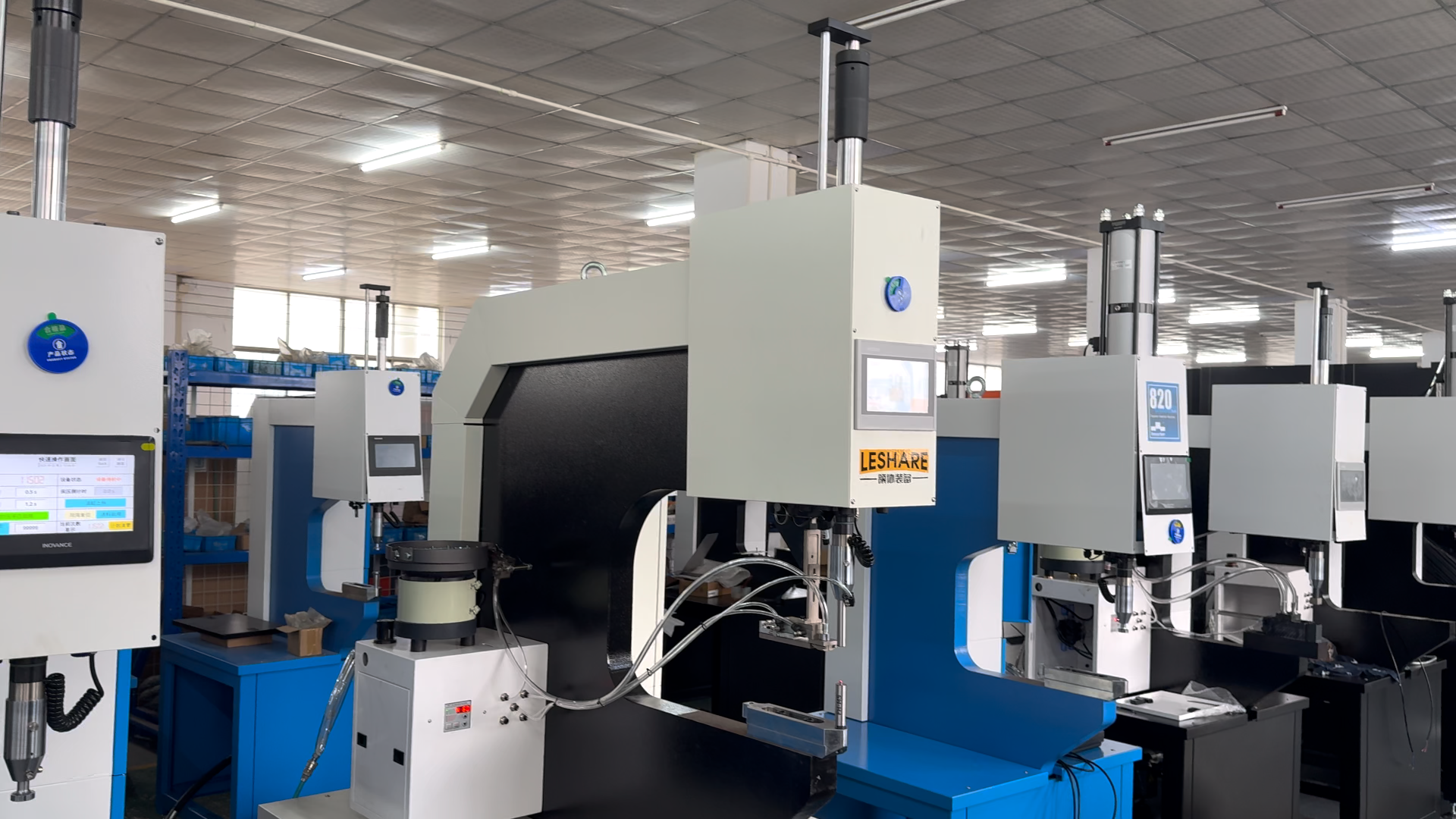
The hydraulic radial riveting machine offers exceptional manufacturing integration capabilities that enable seamless incorporation into diverse production environments, from manual workstations to fully automated assembly lines. This versatility stems from the machine's modular design architecture that accommodates various mounting configurations, control interfaces, and automation protocols without compromising performance or reliability. The compact footprint of the hydraulic radial riveting machine allows installation in space-constrained facilities while maintaining full operational capability, making it suitable for both high-volume production lines and small-batch manufacturing operations. Integration flexibility extends to control systems, with options for standalone operation using integrated controllers or connection to plant-wide automation networks through standard industrial communication protocols. The machine accepts input signals from external sensors, quality control systems, and production management software, enabling real-time process monitoring and adaptive control based on production requirements. Tooling versatility represents another key integration advantage, as the hydraulic radial riveting machine accommodates various rivet sizes and materials through quick-change tooling systems that minimize setup time between different products. This capability allows manufacturers to use a single machine for multiple applications, reducing capital equipment requirements and simplifying maintenance procedures. The machine's ability to process different joint configurations, from simple lap joints to complex multi-layer assemblies, provides manufacturing engineers with design flexibility that supports innovative product development. Safety integration features include compatibility with light curtains, emergency stop circuits, and other safety systems required in modern manufacturing environments. The hydraulic radial riveting machine can operate in conjunction with material handling systems, robotic positioning equipment, and quality inspection devices to create comprehensive automated manufacturing cells. Data collection capabilities enable integration with quality management systems and production tracking software, providing manufacturers with detailed process documentation and traceability records. This integration versatility ensures that the hydraulic radial riveting machine remains a valuable asset as manufacturing requirements evolve and production volumes change.

Get a Free Quote

Our representative will contact you soon.
Email
Name
Company Name
Message
0/1000