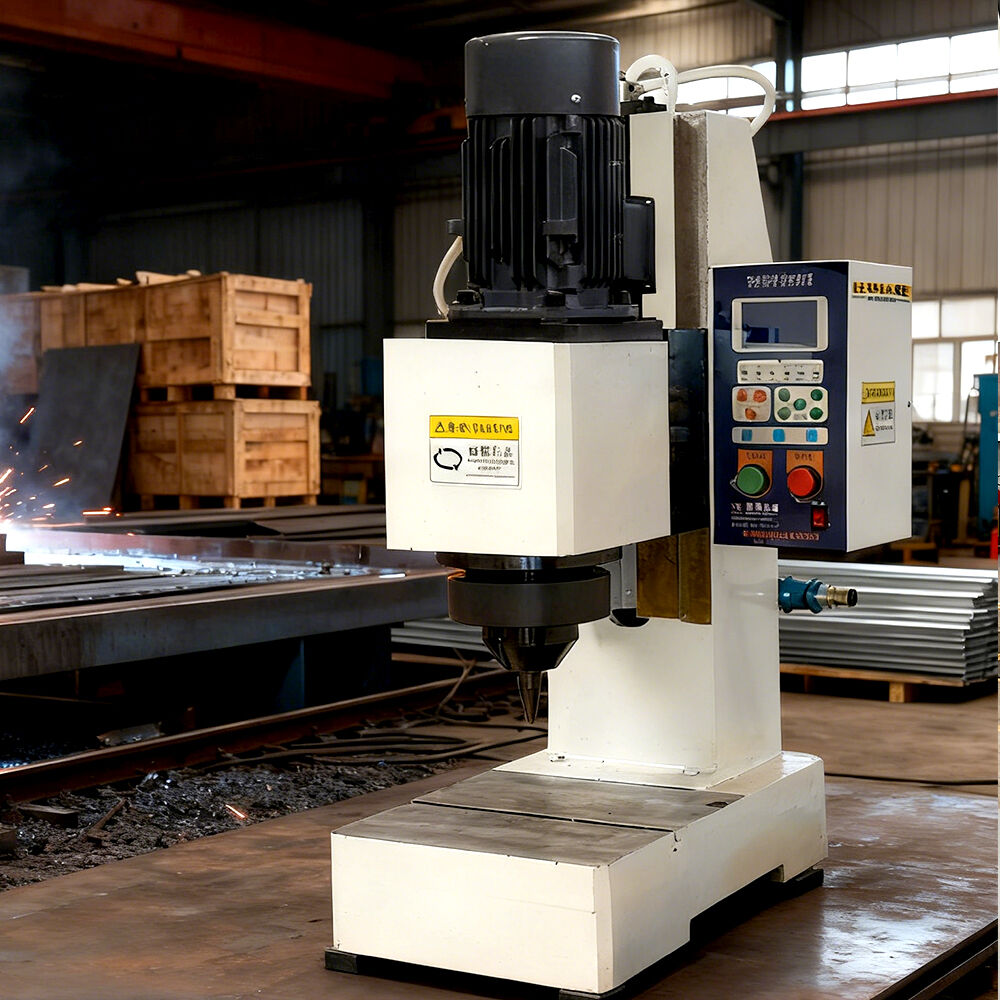
Servo Precision Riveting Machine: Advanced Automated Fastening Solutions for Industrial Manufacturing

Get a Free Quote

Our representative will contact you soon.
Email
Name
Company Name
Message
0/1000

servo precision riveting machine

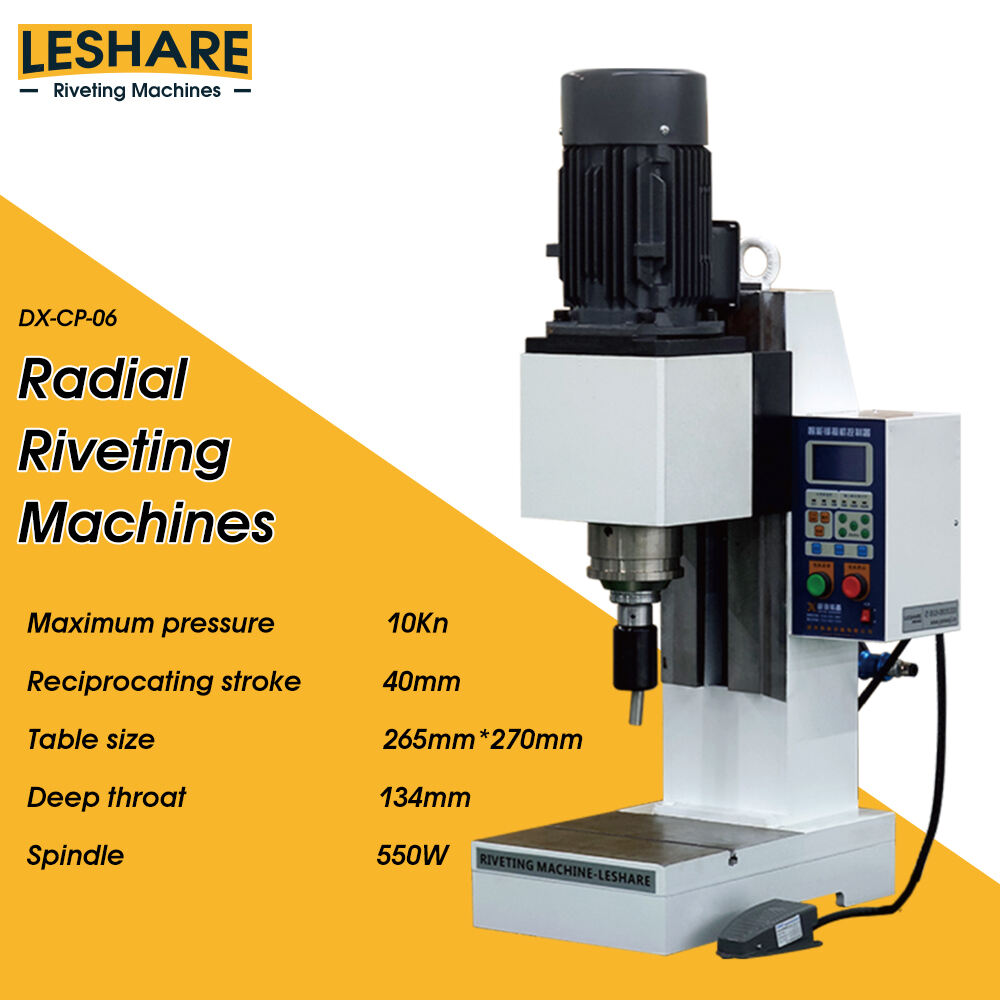
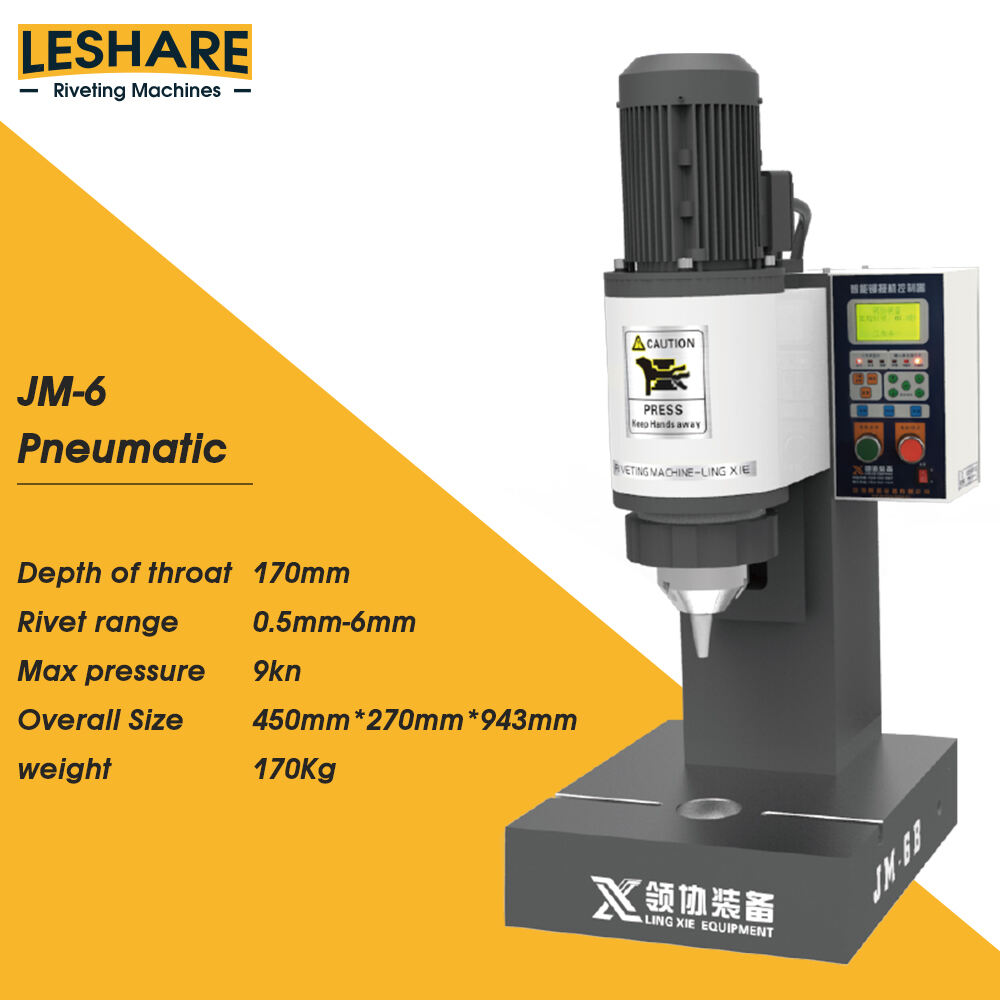
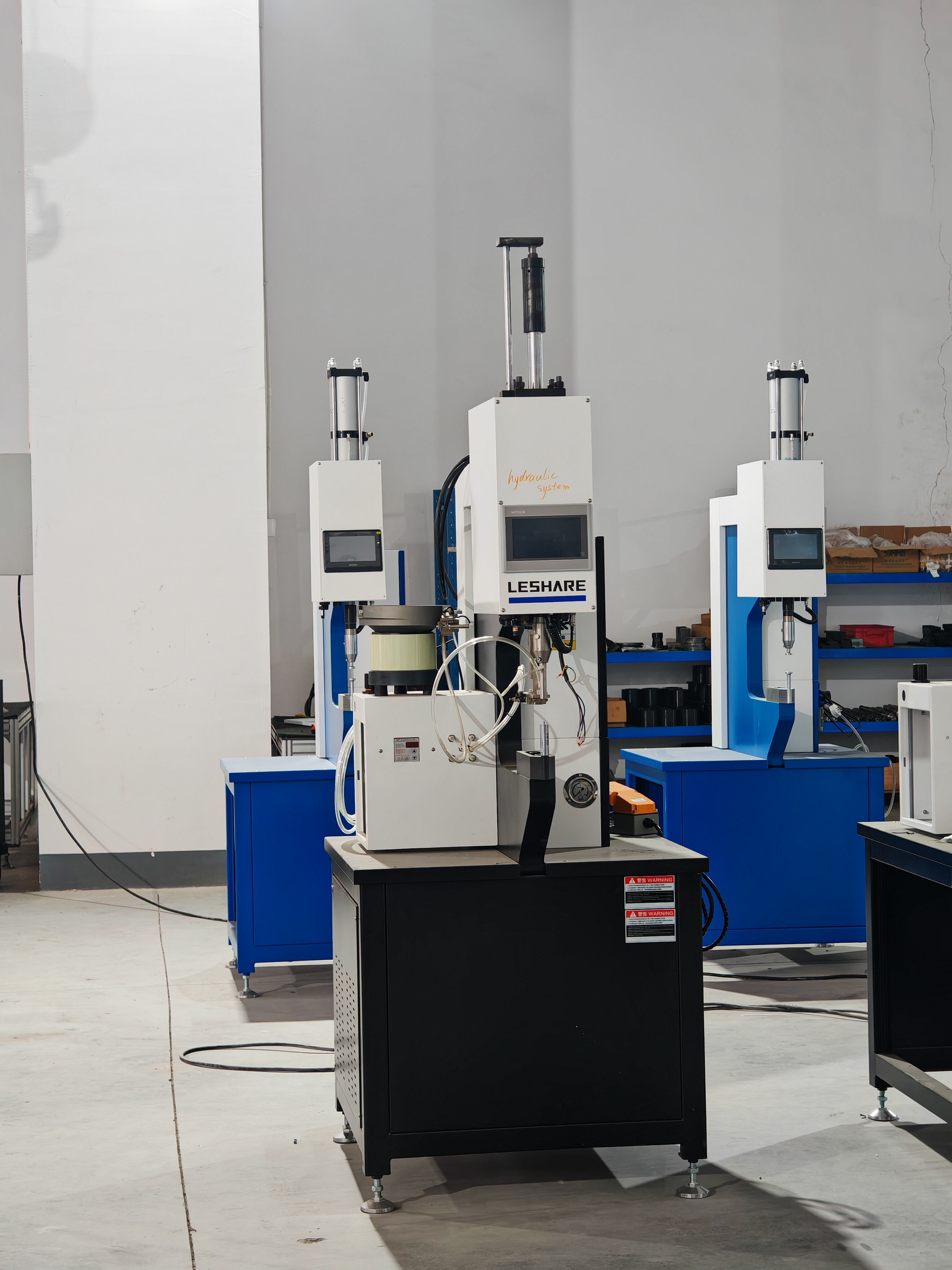
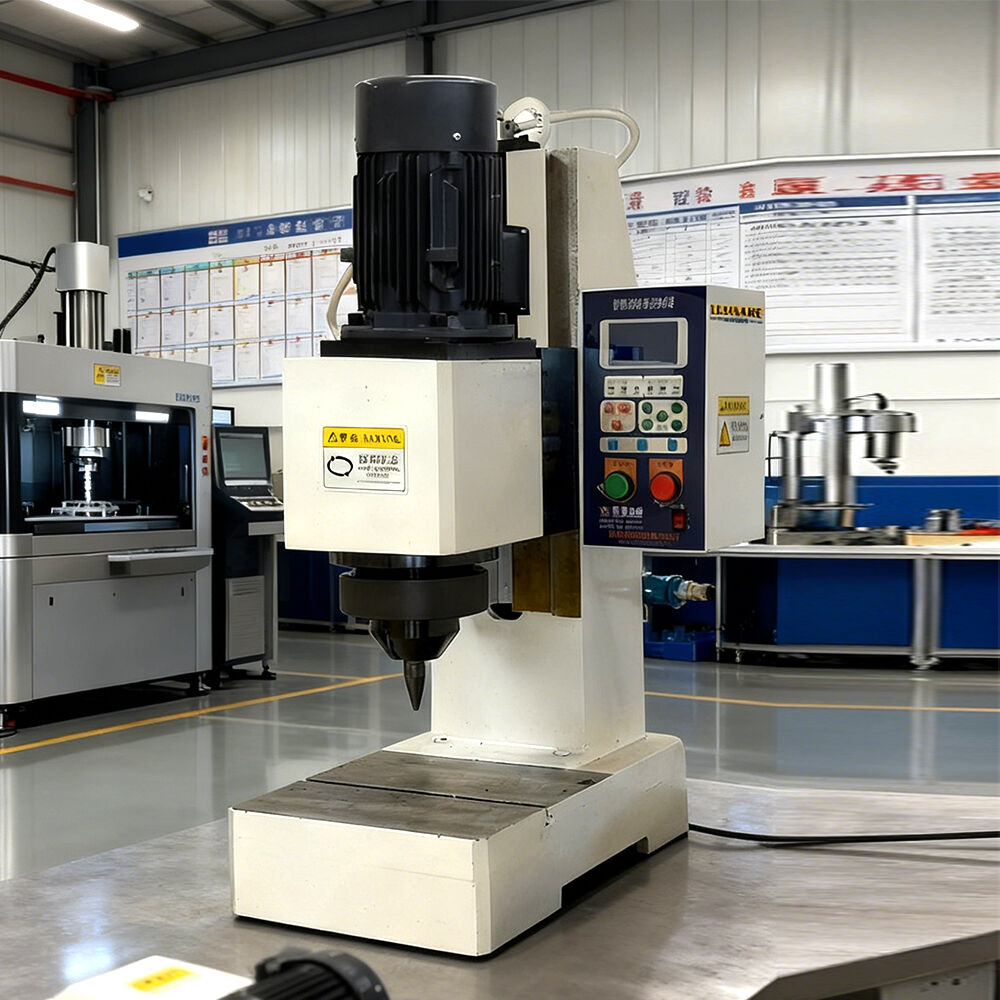
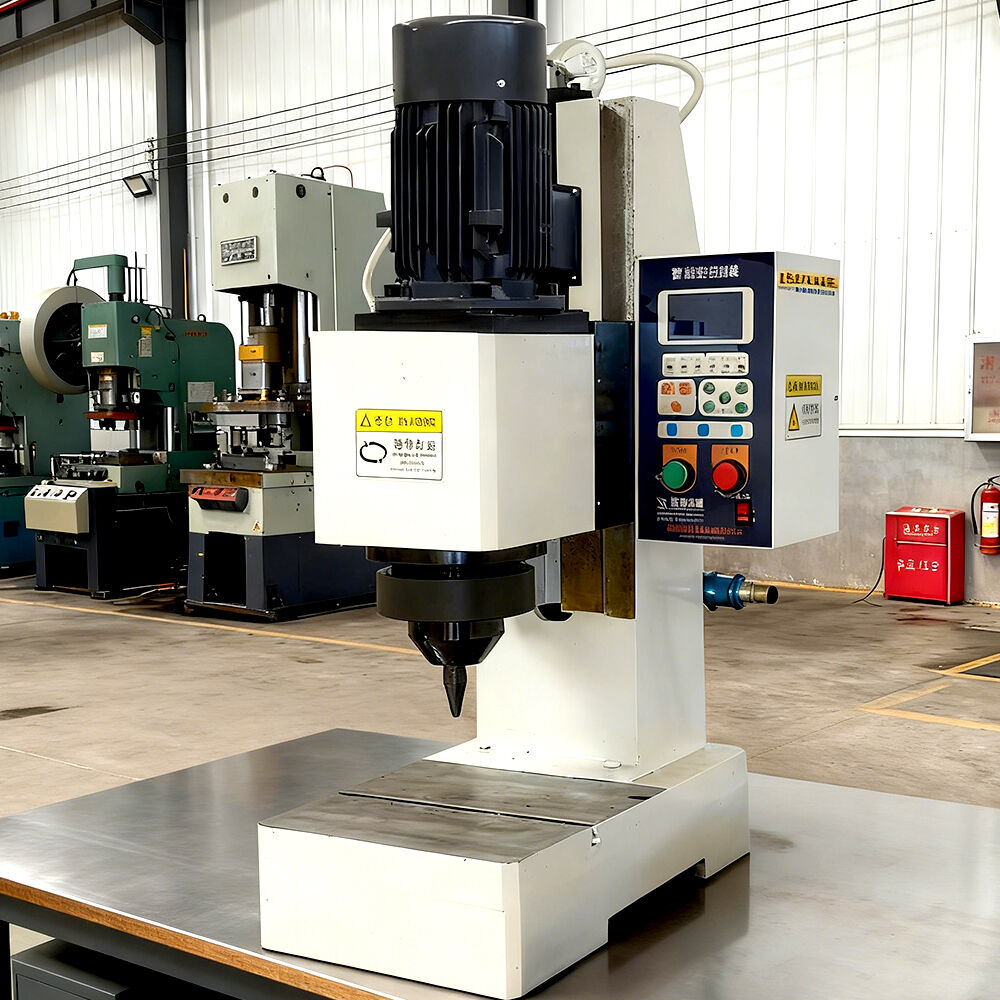
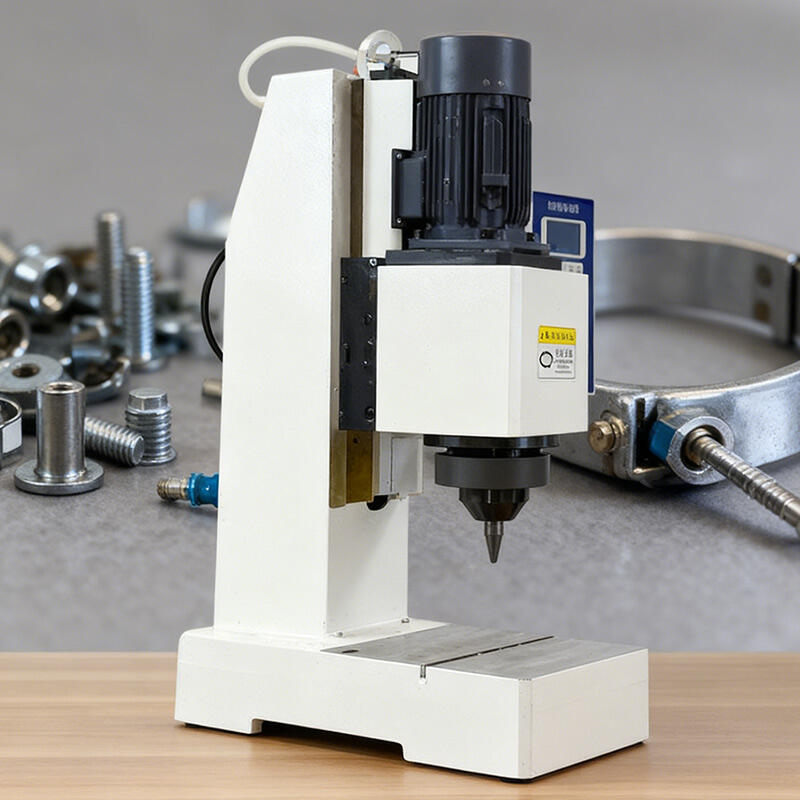
The servo precision riveting machine represents a revolutionary advancement in automated fastening technology, designed to deliver exceptional accuracy and consistency in industrial manufacturing processes. This sophisticated equipment combines servo motor technology with precision engineering to create reliable, permanent joints between materials using rivets. The machine operates through a computer-controlled system that manages every aspect of the riveting process, from rivet insertion to final compression, ensuring optimal results with minimal human intervention. Modern servo precision riveting machines feature advanced sensors that monitor force, displacement, and position throughout each operation cycle. These sensors provide real-time feedback to the control system, allowing for immediate adjustments to maintain consistent quality standards. The machine's primary function involves automatically feeding rivets into position, aligning them precisely with pre-drilled holes, and applying controlled force to create strong, durable connections. The servo motor system provides exceptional control over speed, torque, and positioning, enabling the machine to handle various rivet sizes and materials with remarkable versatility. Key technological features include programmable force profiles, adjustable stroke lengths, and customizable cycle parameters that can be tailored to specific application requirements. The machine incorporates safety mechanisms such as emergency stop functions, protective barriers, and operator presence detection systems. Quality monitoring capabilities include real-time data collection, statistical process control, and traceability features that document each riveting operation. The servo precision riveting machine finds extensive applications across multiple industries, including automotive manufacturing, aerospace assembly, electronics production, and appliance manufacturing. In automotive applications, these machines secure body panels, interior components, and structural elements with consistent quality. Aerospace manufacturers rely on servo precision riveting machines for critical applications where joint integrity is paramount. Electronics manufacturers use these systems for assembling device housings, circuit boards, and connector assemblies where precision and reliability are essential requirements for product performance and longevity.

Popular Products

The servo precision riveting machine offers numerous compelling advantages that transform manufacturing operations and deliver substantial value to businesses across various industries. One of the most significant benefits is the remarkable improvement in production consistency and quality control. Unlike manual riveting processes that depend on operator skill and can vary between different workers or shifts, the servo precision riveting machine maintains identical parameters for every single operation. This consistency eliminates quality variations, reduces defect rates, and ensures that every finished product meets exact specifications. The machine's ability to maintain precise force control prevents over-compression or under-compression of rivets, which are common issues in manual processes that can lead to joint failure or aesthetic problems. Cost reduction represents another major advantage of implementing servo precision riveting machines in manufacturing operations. While the initial investment may seem substantial, the long-term savings are significant and measurable. The machine reduces labor costs by eliminating the need for skilled operators to perform repetitive riveting tasks, allowing workers to focus on higher-value activities. Additionally, the consistent quality output reduces waste, rework, and warranty claims, further contributing to overall cost savings. The machine's efficiency enables faster production cycles, increasing throughput without compromising quality standards. This increased productivity translates directly into improved profitability and competitive advantage in the marketplace. The servo precision riveting machine also enhances workplace safety by removing operators from potentially hazardous manual riveting operations. Traditional riveting can involve repetitive motions that lead to workplace injuries, exposure to noise, and ergonomic challenges. The automated system eliminates these risks while providing a safer, more comfortable working environment. The machine's built-in safety features, including emergency stops and protective enclosures, further enhance operator protection. Data collection and process monitoring capabilities provide unprecedented visibility into production processes. The machine generates detailed reports on every riveting operation, enabling manufacturers to identify trends, optimize processes, and maintain comprehensive quality records. This data-driven approach supports continuous improvement initiatives and helps manufacturers meet stringent quality standards required by regulatory bodies and customer specifications. The flexibility of servo precision riveting machines allows manufacturers to easily adapt to changing production requirements, different rivet sizes, and various material combinations without extensive setup changes or operator retraining.

Practical Tips

How Does a Fastener Insertion Machine Improve Productivity in Metal Fabrication?

11

Dec

How Does a Fastener Insertion Machine Improve Productivity in Metal Fabrication?

In today's competitive metal fabrication industry, manufacturers are constantly seeking innovative solutions to enhance production efficiency while maintaining quality standards. A fastener insertion machine represents a revolutionary advancement tha...
View More
How Do You Match Fastener Types to the Right Fastener Insertion Machine?

29

Dec

How Do You Match Fastener Types to the Right Fastener Insertion Machine?

Selecting the appropriate fastener insertion machine for your manufacturing operation requires careful consideration of multiple technical factors that directly impact production efficiency, quality, and cost-effectiveness. Modern industrial applicat...
View More
What factors affect radial riveting machines performance and stability?

28

Jan

What factors affect radial riveting machines performance and stability?

Manufacturing precision and operational reliability in industrial assembly processes depend heavily on the performance characteristics of radial riveting machines. These sophisticated pieces of equipment have become indispensable in automotive, aeros...
View More
Why choose lowspeed radial riveting for precision industrial assembly?

26

Feb

Why choose lowspeed radial riveting for precision industrial assembly?

Manufacturing precision and assembly quality have become critical differentiators in today's competitive industrial landscape. When it comes to joining metal components, lowspeed radial riveting stands out as a superior methodology that delivers cons...
View More

Get a Free Quote

Our representative will contact you soon.
Email
Name
Company Name
Message
0/1000

servo precision riveting machine

Advanced Force Control Technology

Advanced Force Control Technology

The servo precision riveting machine's advanced force control technology represents one of its most distinctive and valuable features, setting it apart from conventional riveting equipment and delivering exceptional performance in critical manufacturing applications. This sophisticated system utilizes high-precision servo motors combined with advanced feedback sensors to maintain exact force parameters throughout the entire riveting cycle, ensuring optimal joint formation and consistent quality results. The force control technology operates through a closed-loop system that continuously monitors and adjusts applied pressure in real-time, compensating for variations in material thickness, rivet hardness, and environmental conditions that could otherwise affect riveting quality. This dynamic adjustment capability ensures that each rivet receives precisely the correct amount of force needed to create a secure, permanent connection without damaging surrounding materials or over-stressing the joint. The system's ability to program custom force profiles allows manufacturers to optimize riveting parameters for specific applications, materials, and rivet types. Engineers can establish different force curves that gradually increase pressure, hold at peak levels, and release in controlled patterns that maximize joint strength while minimizing material stress. This programmable flexibility enables the same machine to handle diverse riveting requirements across multiple product lines without compromising performance or requiring extensive reconfiguration. The force control technology also includes sophisticated monitoring capabilities that detect anomalies during the riveting process, such as incomplete rivet insertion, material defects, or equipment malfunctions. When irregularities are detected, the system can automatically stop the process, alert operators, and provide diagnostic information to facilitate quick resolution. This proactive quality control prevents defective products from advancing through the production line and reduces waste associated with rework or scrapped components. The precision force control extends the operational life of both rivets and tooling by preventing excessive wear and damage that occurs with inconsistent or poorly controlled riveting processes. This longevity translates into reduced maintenance costs, fewer tool replacements, and improved overall equipment effectiveness that benefits the bottom line while maintaining high production standards.
Intelligent Process Monitoring and Data Analytics

Intelligent Process Monitoring and Data Analytics

The intelligent process monitoring and data analytics capabilities of the servo precision riveting machine provide manufacturers with unprecedented insight into their production processes, enabling data-driven decision making and continuous improvement initiatives that drive operational excellence. This comprehensive monitoring system captures and analyzes thousands of data points during each riveting cycle, creating a detailed digital record of every operation that can be used for quality assurance, process optimization, and predictive maintenance purposes. The system monitors critical parameters including applied force, displacement measurements, cycle times, temperature variations, and vibration patterns, storing this information in secure databases for immediate analysis and long-term trending. Real-time monitoring capabilities allow operators and quality engineers to observe riveting operations as they occur, identifying potential issues before they result in defective products or equipment damage. The system's advanced algorithms compare each riveting cycle against established parameters and statistical control limits, automatically flagging operations that fall outside acceptable ranges. This immediate feedback enables rapid corrective action and prevents the production of non-conforming products that could lead to costly recalls or customer dissatisfaction. The data analytics functionality extends beyond simple monitoring to provide sophisticated statistical analysis tools that identify trends, patterns, and correlations within the production data. These insights help manufacturers optimize riveting parameters, predict when maintenance will be required, and identify opportunities for process improvements that enhance efficiency and quality. The system can generate comprehensive reports that document compliance with industry standards and customer specifications, supporting certification requirements and audit activities. Traceability features ensure that every riveted component can be tracked throughout its lifecycle, providing complete documentation of the manufacturing process for warranty claims, failure analysis, and regulatory compliance purposes. The intelligent monitoring system also supports predictive maintenance strategies by analyzing equipment performance data to identify early indicators of wear or potential failures. This proactive approach minimizes unplanned downtime, reduces maintenance costs, and extends equipment life while maintaining consistent production output and quality standards.
Versatile Multi-Application Compatibility

Versatile Multi-Application Compatibility

The versatile multi-application compatibility of the servo precision riveting machine makes it an invaluable asset for manufacturers who need flexible, adaptable equipment that can handle diverse production requirements without sacrificing performance or quality standards. This remarkable versatility stems from the machine's modular design architecture and advanced control systems that can be easily reconfigured to accommodate different rivet types, sizes, materials, and application specifications. The machine's adaptability extends across a wide range of industries and applications, from delicate electronics assembly requiring precise force control and minimal material stress, to heavy-duty automotive applications demanding high-strength joints and rapid cycle times. The servo precision riveting machine can seamlessly transition between different rivet materials including aluminum, steel, stainless steel, and specialty alloys, automatically adjusting force profiles and cycle parameters to optimize performance for each specific combination. This material flexibility eliminates the need for multiple dedicated machines and reduces capital equipment investments while maintaining superior quality standards across all applications. The machine's tooling system features quick-change capabilities that enable rapid conversion between different rivet sizes and styles with minimal setup time and no specialized tools or extensive operator training. This efficiency is particularly valuable in high-mix, low-volume manufacturing environments where frequent changeovers are necessary to meet diverse customer requirements. The programmable control system stores unlimited recipe configurations, allowing operators to quickly recall optimized settings for different products and applications with the touch of a button. Size range compatibility spans from micro-rivets used in electronic devices to large structural rivets required in aerospace and automotive applications, with the same machine providing consistent, reliable performance across this entire spectrum. The versatile positioning system accommodates various workpiece geometries and sizes, with adjustable fixtures and programmable approach angles that ensure optimal rivet placement regardless of component configuration. This geometric flexibility reduces the need for specialized fixturing and enables the machine to handle complex assemblies with multiple riveting locations and orientations. The multi-application compatibility extends to integration capabilities, as the servo precision riveting machine can be easily incorporated into existing production lines, automated assembly systems, and robotic work cells, providing seamless connectivity and coordination with upstream and downstream processes for maximum operational efficiency and productivity.

Get a Free Quote

Our representative will contact you soon.
Email
Name
Company Name
Message
0/1000