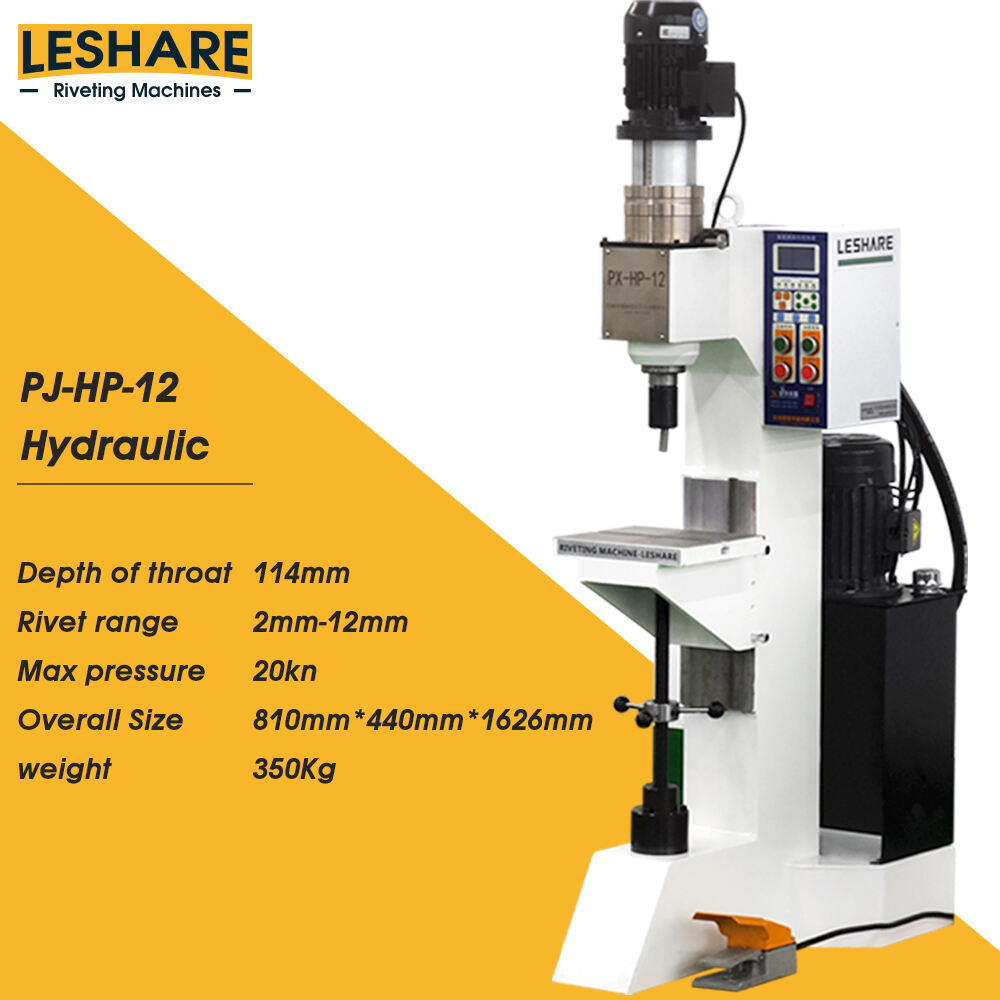
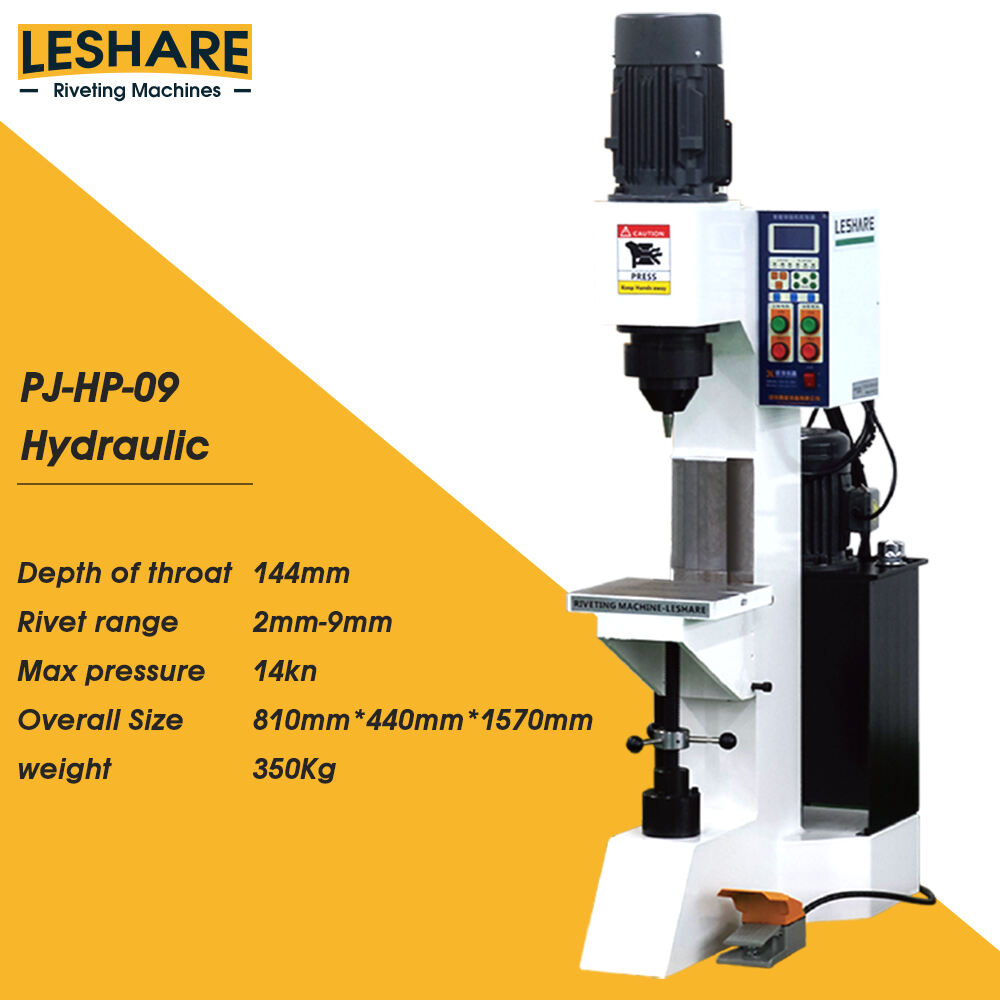
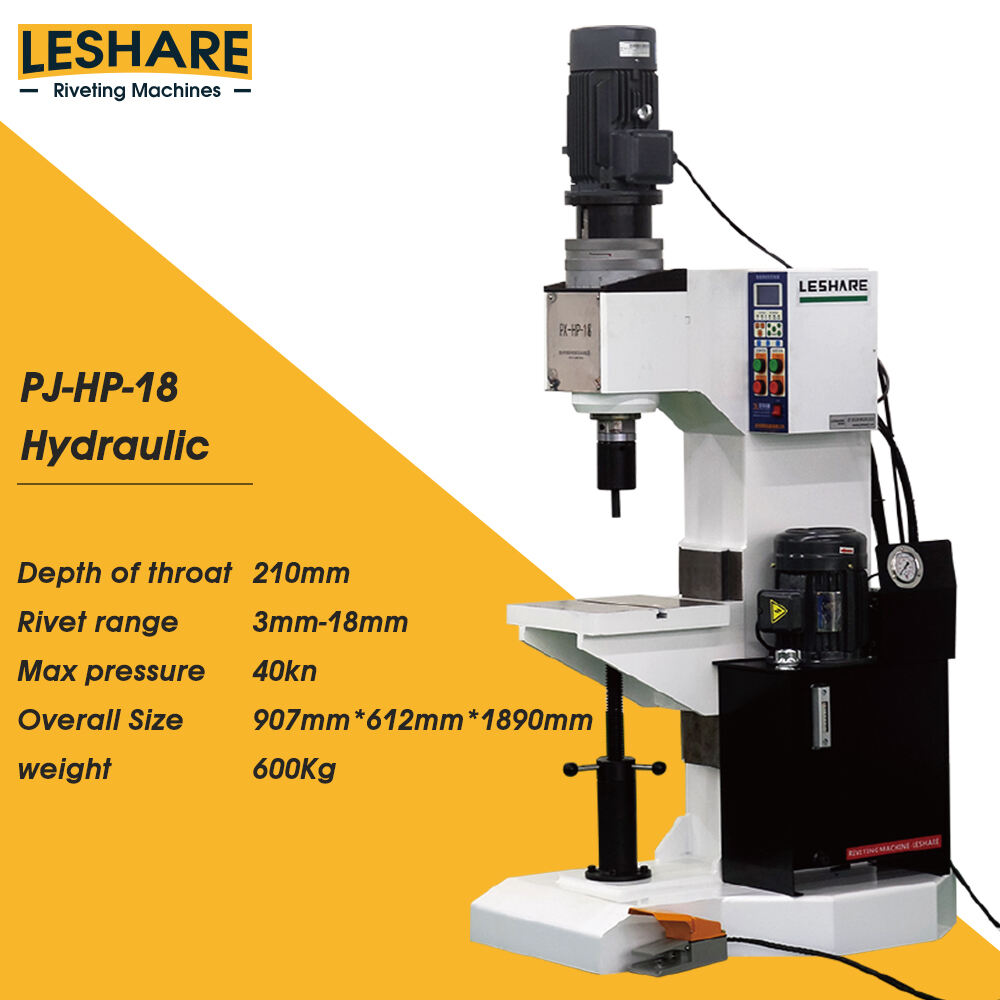
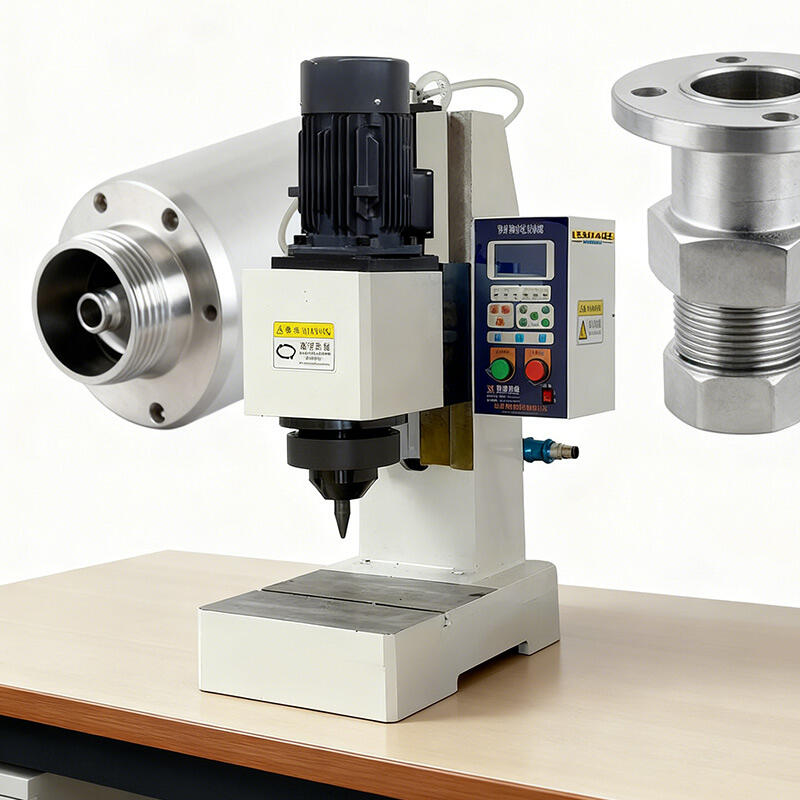
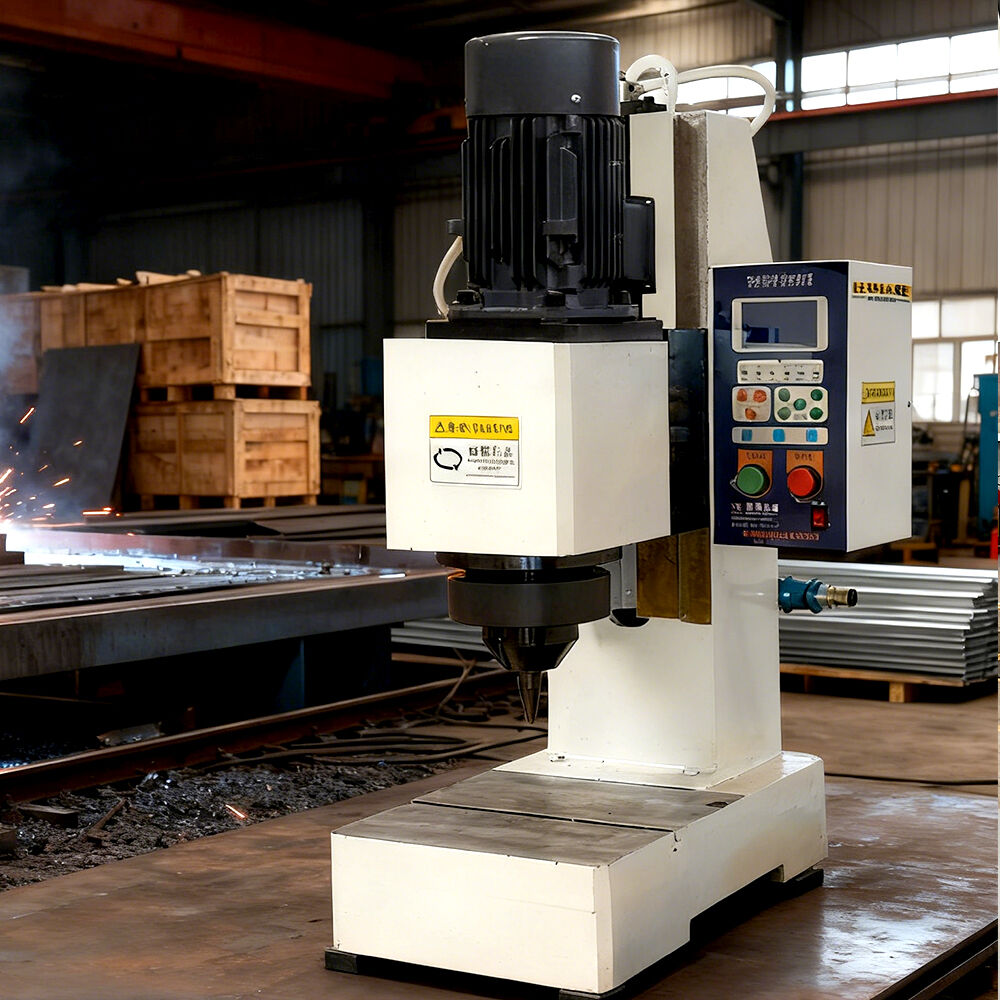
rotary riveting machine
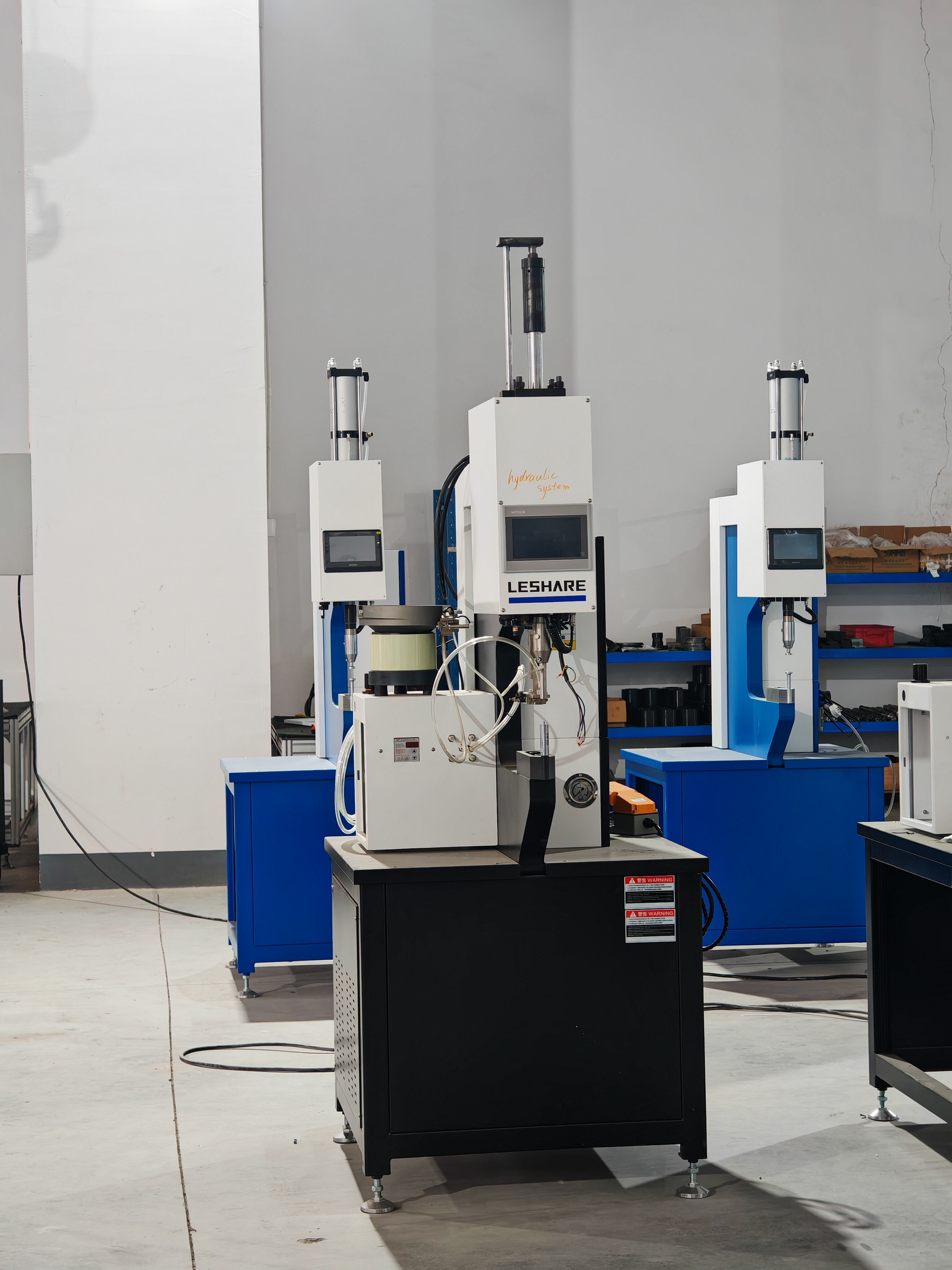
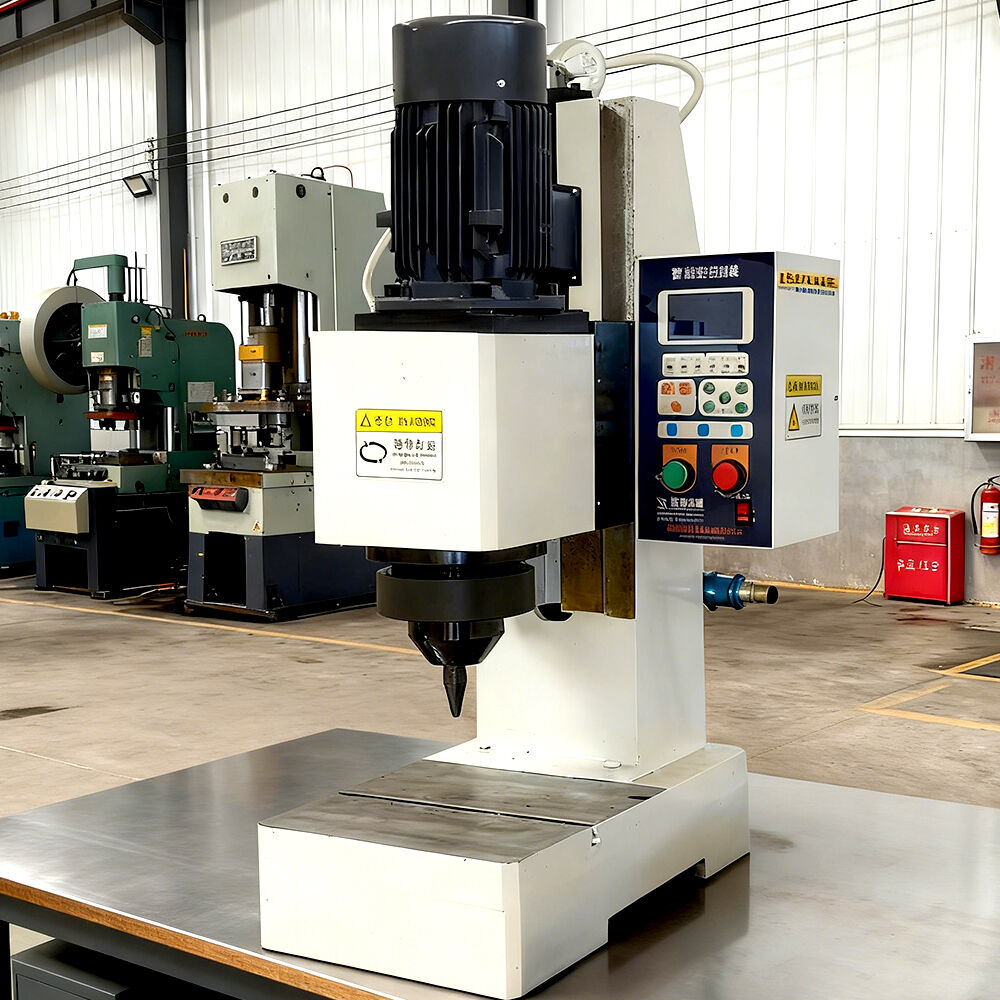
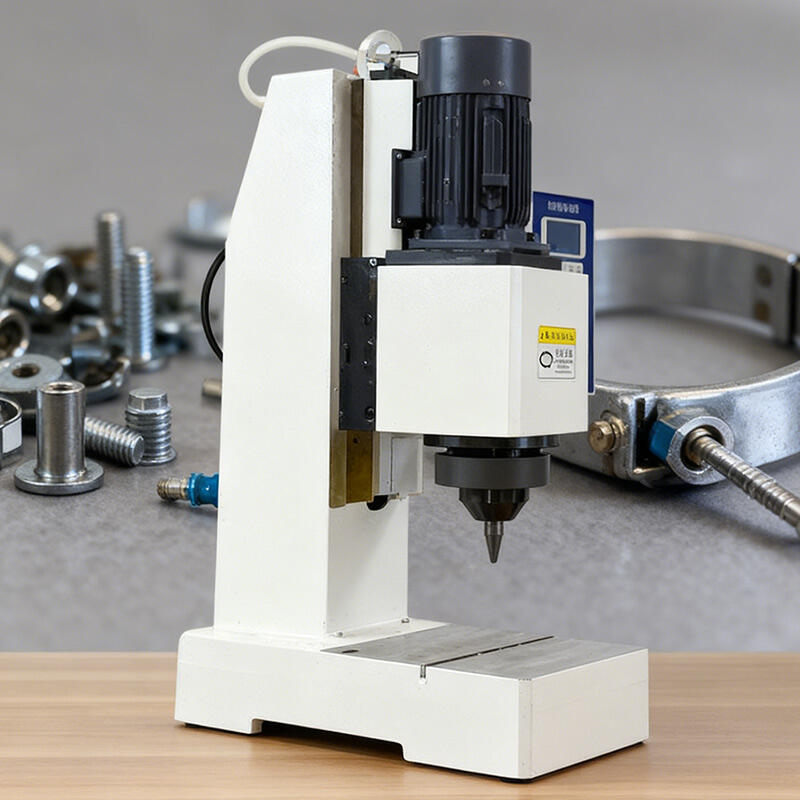
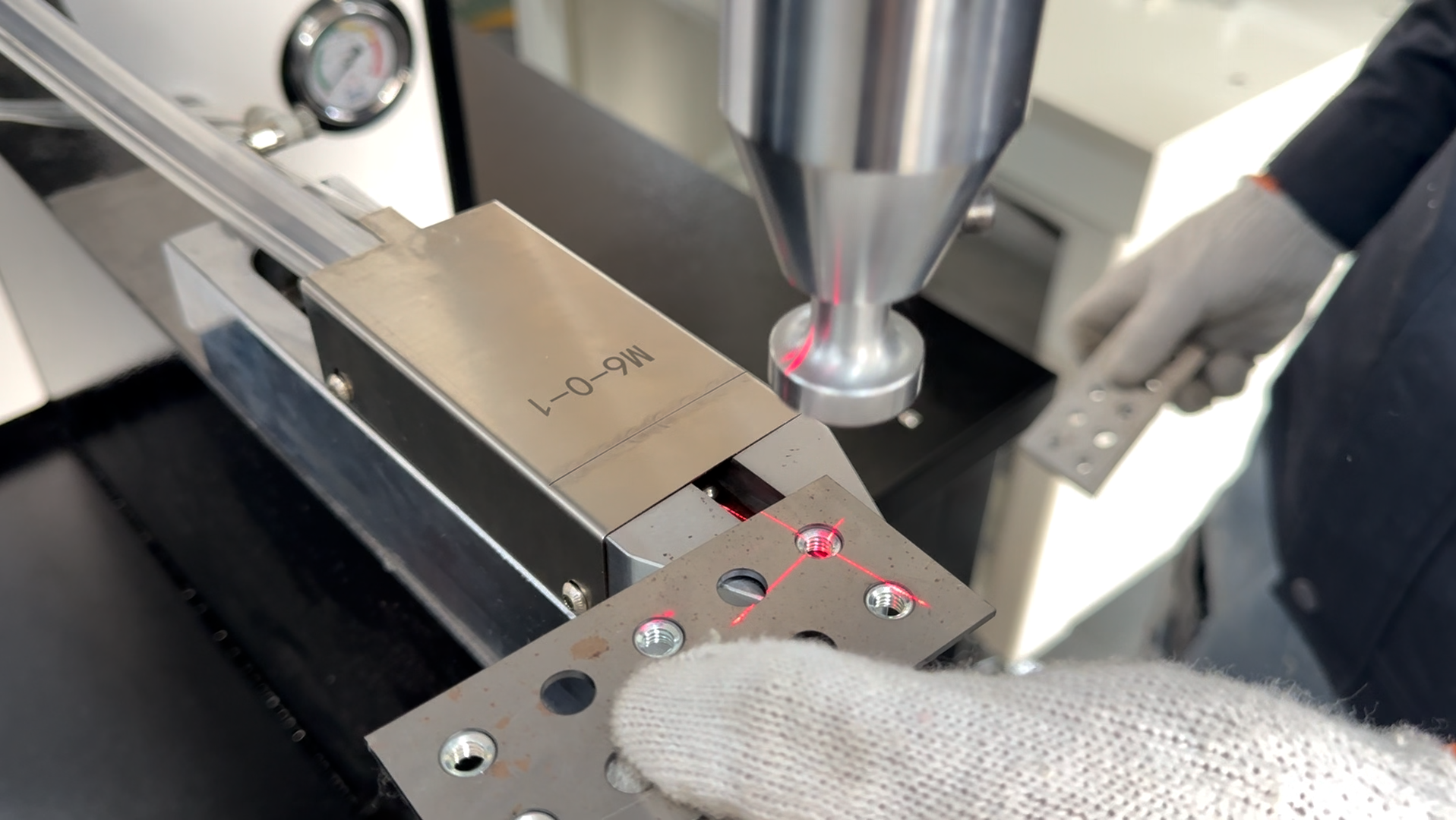
The rotary riveting machine represents a revolutionary advancement in metal fastening technology, designed to create permanent joints through controlled rotation and pressure application. This sophisticated equipment operates by spinning a rivet while simultaneously applying downward force, causing the rivet material to deform and create a secure mechanical bond. The rotary riveting machine combines precision engineering with user-friendly operation, making it an essential tool for modern manufacturing environments. The core mechanism involves a rotating spindle that grips the rivet head while applying consistent pressure through pneumatic or hydraulic systems. This dual-action process ensures uniform material flow and optimal joint strength. The rotary riveting machine features adjustable speed controls, allowing operators to customize rotation rates based on specific material requirements and rivet sizes. Advanced models incorporate programmable logic controllers that maintain consistent process parameters, reducing variability and enhancing quality control. The machine's robust construction typically includes hardened steel components and precision bearings that withstand continuous operation under demanding conditions. Temperature monitoring systems prevent overheating during extended use, while safety interlocks protect operators from potential hazards. The rotary riveting machine accommodates various rivet materials including aluminum, steel, copper, and specialized alloys, making it versatile for diverse applications. Its compact design allows integration into existing production lines without requiring extensive facility modifications. The equipment generates minimal noise compared to traditional impact riveting methods, creating a more comfortable work environment. Maintenance requirements are relatively low due to the machine's efficient design and quality components, resulting in reduced downtime and operating costs.
 EN
EN