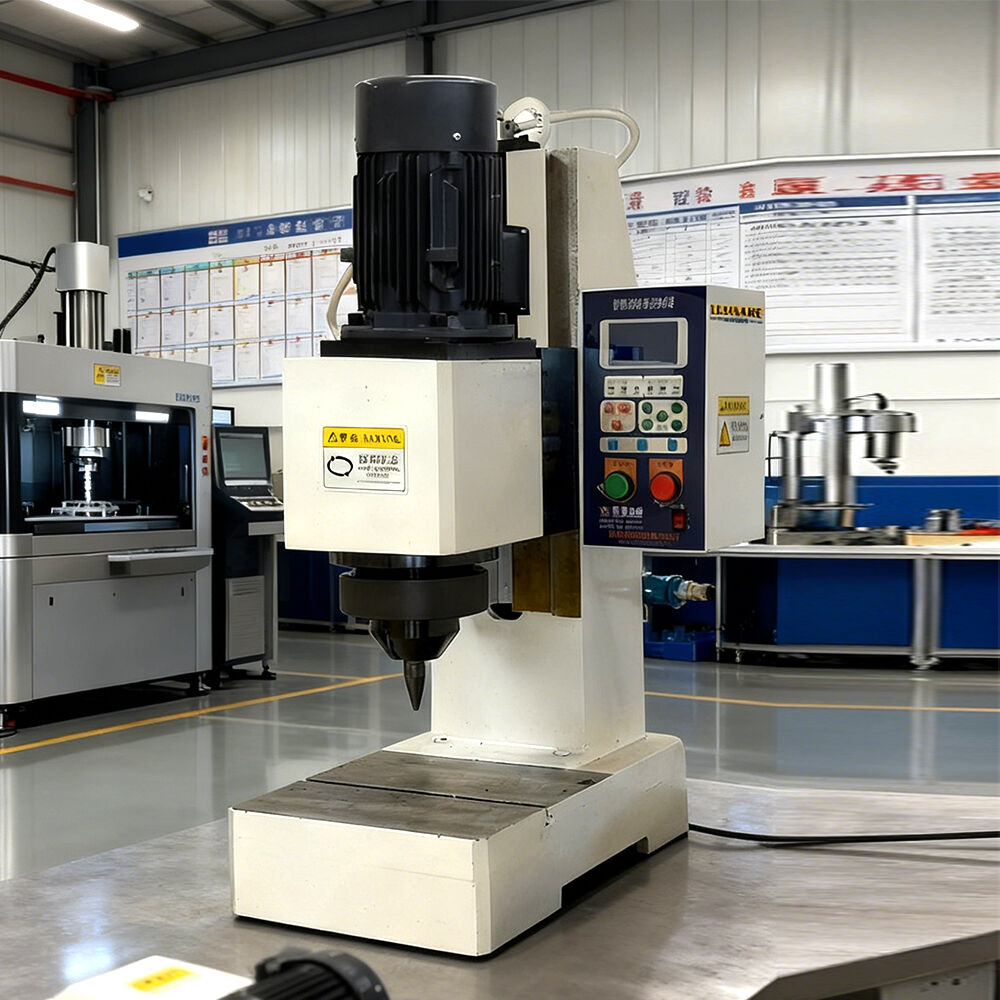
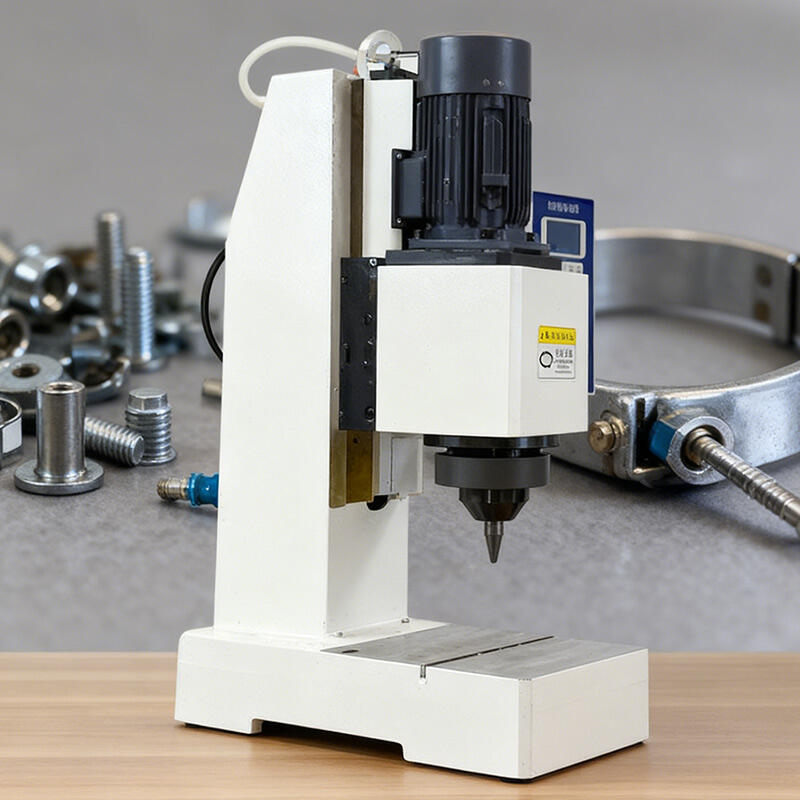
Advanced Automated Rotary Riveting Machine - Precision Manufacturing Solution for Industrial Applications

Get a Free Quote

Our representative will contact you soon.
Email
Name
Company Name
Message
0/1000

automated rotary riveting machine

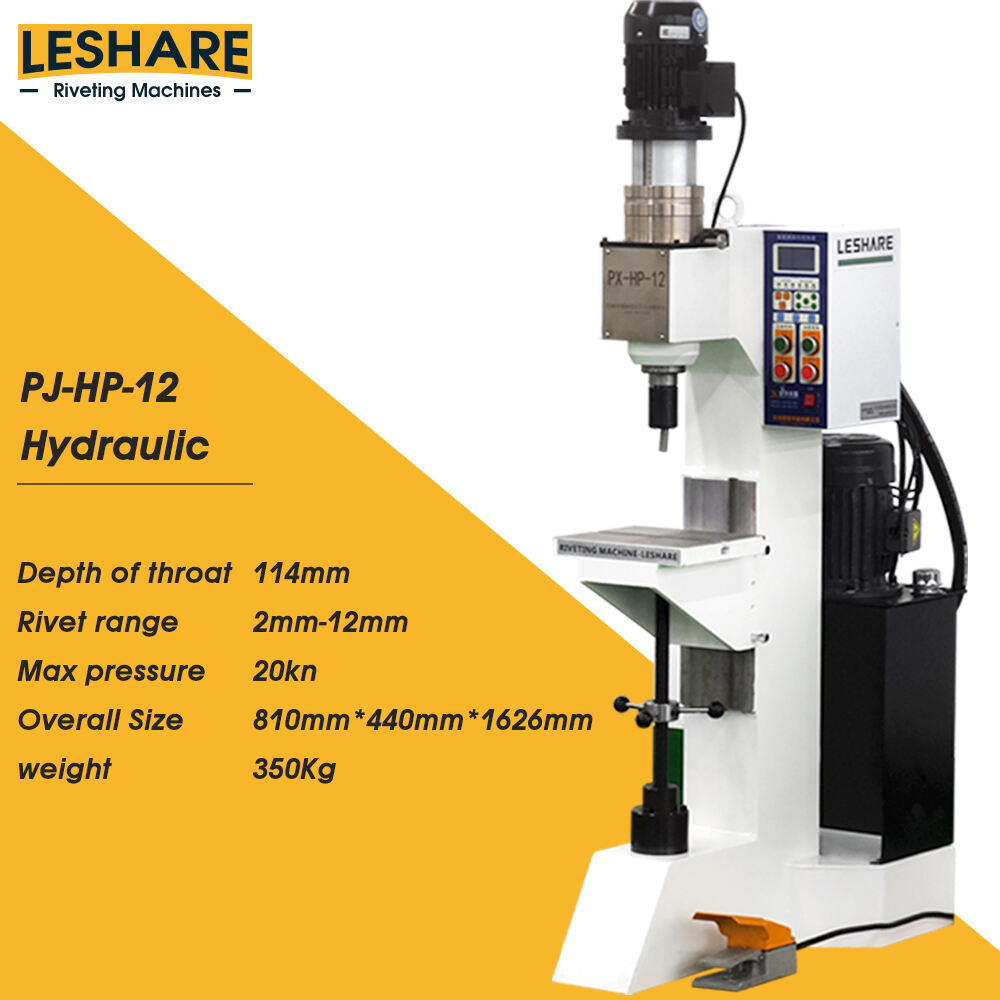
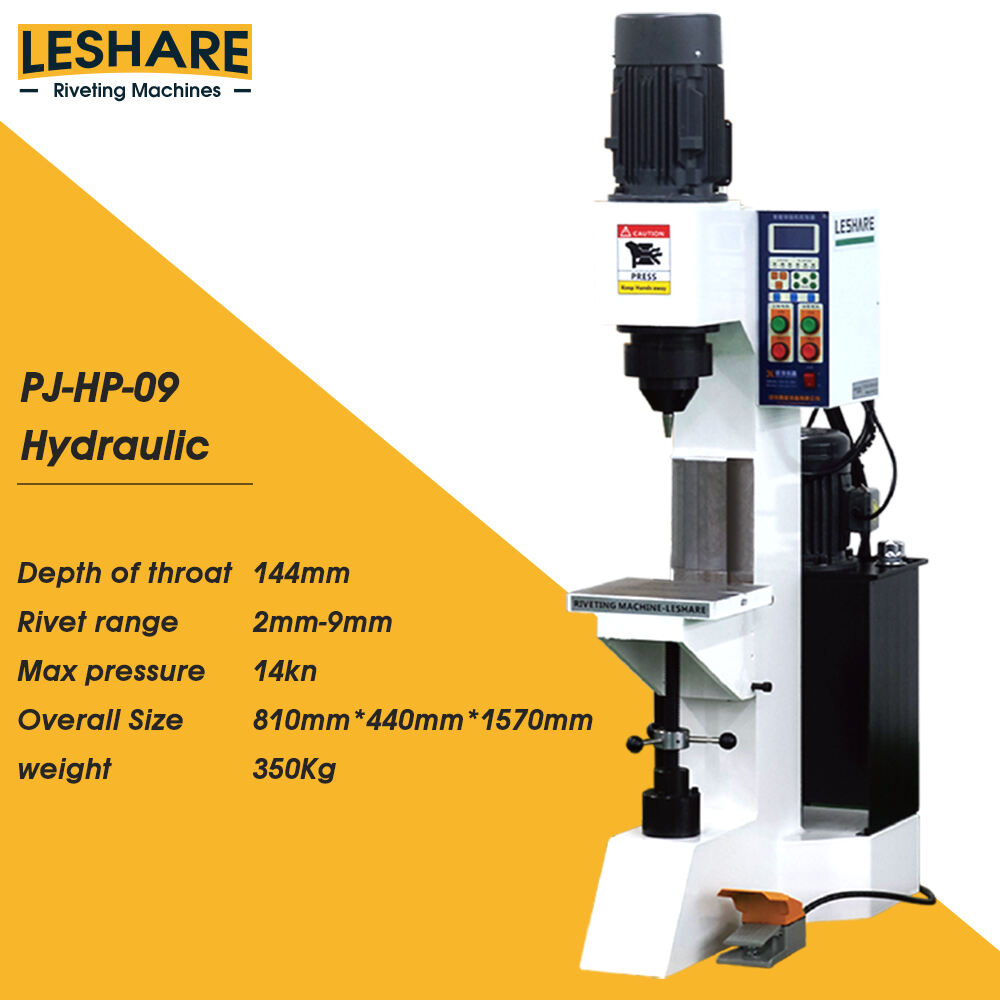
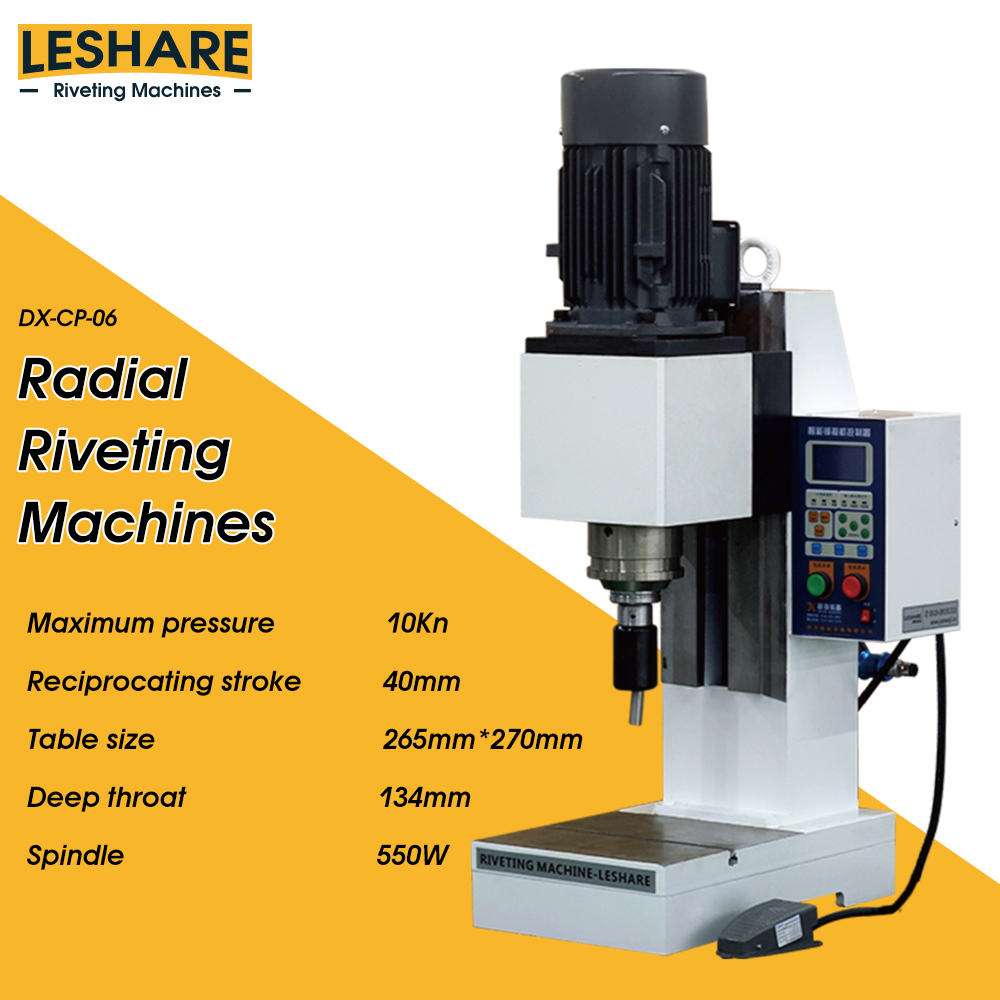
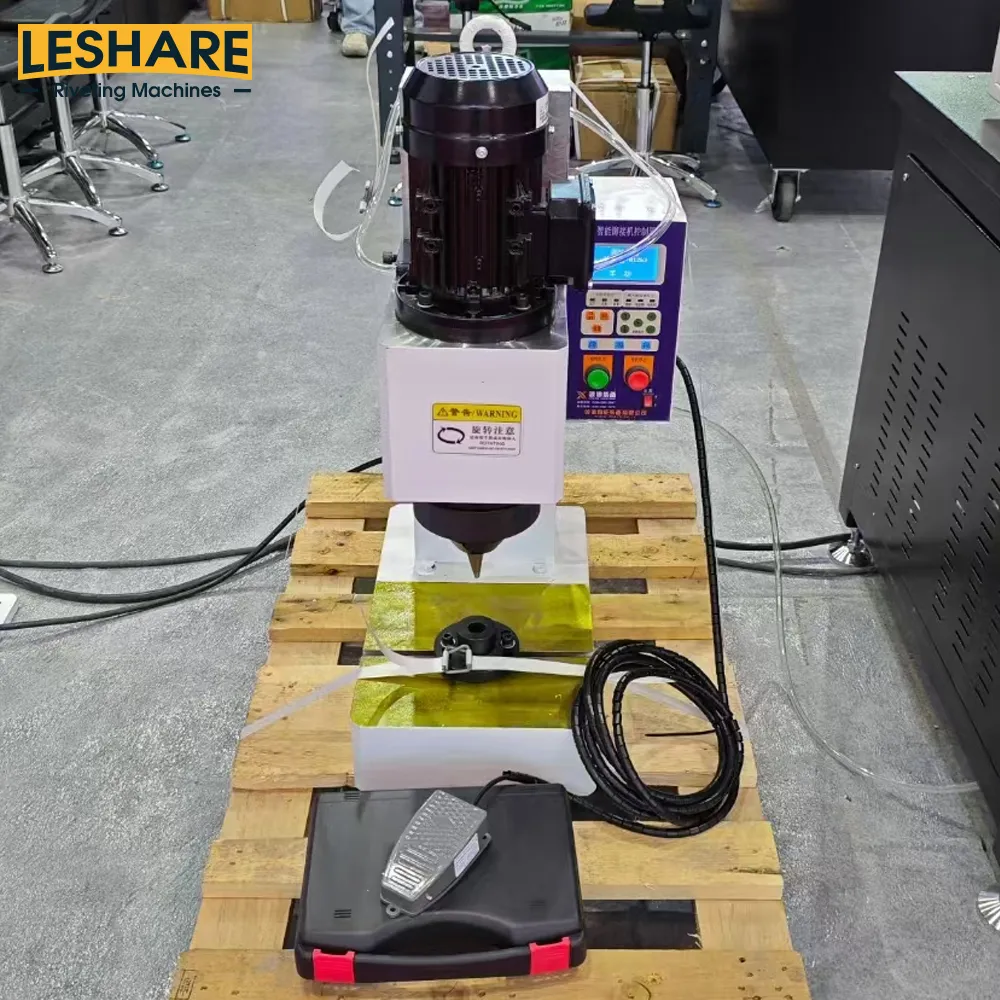
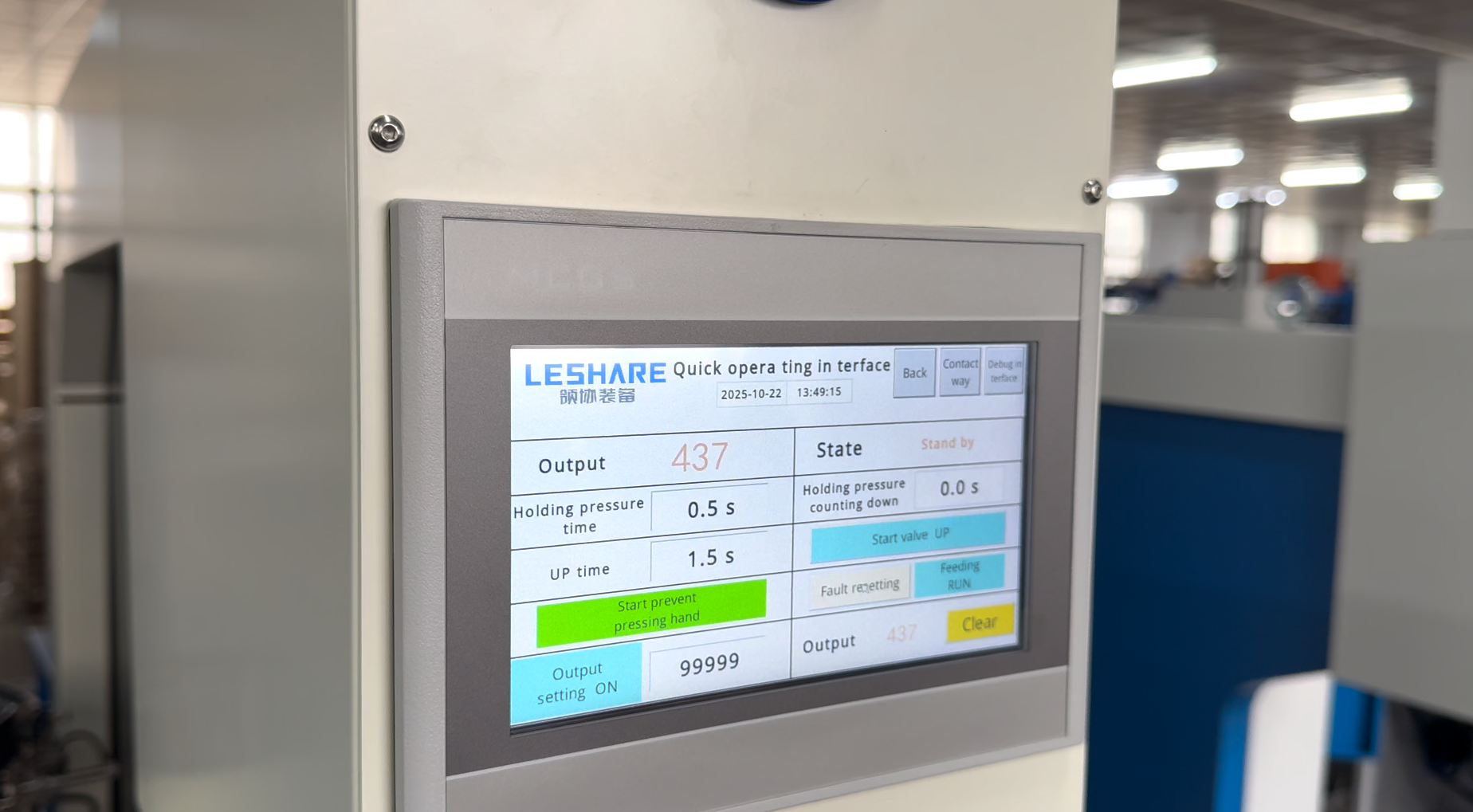
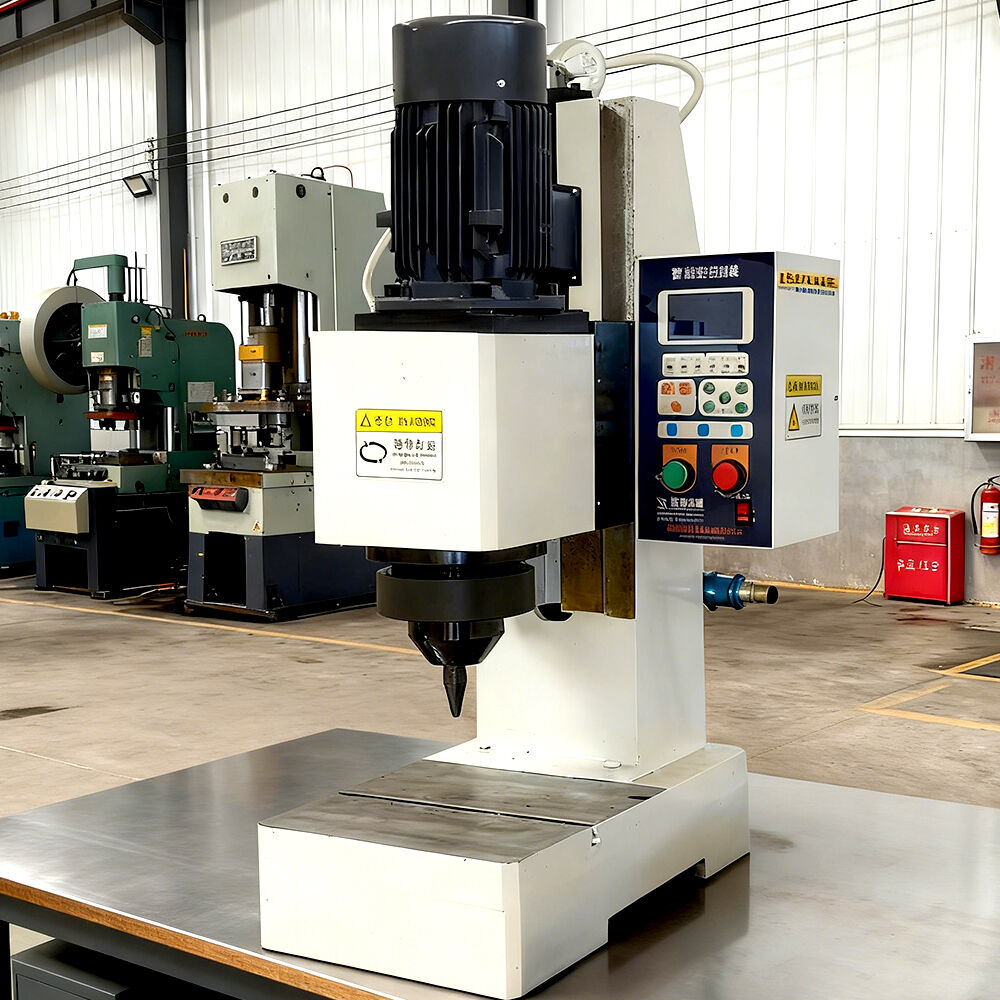
The automated rotary riveting machine represents a cutting-edge manufacturing solution that transforms traditional fastening processes through advanced engineering and precision control systems. This sophisticated equipment utilizes rotational force combined with controlled pressure to create permanent joints between multiple materials, making it an essential tool for modern industrial applications. The machine operates through a systematic process where rivets are automatically fed, positioned, and formed using a rotating spindle that applies both rotational motion and downward pressure. The automated rotary riveting machine features programmable controls that allow operators to adjust speed, pressure, and timing parameters based on specific material requirements and rivet specifications. The technology incorporates servo-driven motors that deliver consistent torque and positioning accuracy, ensuring uniform joint quality across production runs. Advanced sensor systems monitor the riveting process in real-time, detecting variations in material thickness, rivet placement, and forming pressure to maintain optimal results. The automated rotary riveting machine supports various rivet types including solid, tubular, and semi-tubular configurations, accommodating diverse manufacturing needs. Quality control mechanisms built into the system include force monitoring, displacement tracking, and cycle time measurement, providing comprehensive process validation. The machine's modular design enables easy integration into existing production lines while maintaining flexibility for future upgrades. Safety features include emergency stop systems, protective barriers, and operator presence detection to ensure workplace security. The automated rotary riveting machine delivers exceptional reliability through robust construction using hardened steel components and precision-machined surfaces that withstand continuous operation. Regular maintenance requirements are minimized through self-lubricating systems and wear-resistant materials, reducing operational costs and maximizing uptime for manufacturers seeking consistent production efficiency.

New Products

The automated rotary riveting machine delivers substantial improvements in manufacturing efficiency by eliminating manual labor bottlenecks that traditionally slow production processes. Companies experience immediate productivity gains as the machine operates continuously without fatigue, maintaining consistent cycle times that human operators cannot match. The precision control systems ensure every rivet meets exact specifications, dramatically reducing defect rates and material waste that plague manual riveting operations. Quality consistency becomes a competitive advantage as the automated rotary riveting machine produces identical joints regardless of production volume or operator skill level. Cost savings accumulate rapidly through reduced labor expenses, lower rejection rates, and decreased material consumption, providing measurable return on investment within months of implementation. The machine's ability to handle complex riveting patterns and varying material thicknesses expands manufacturing capabilities without requiring additional equipment investments. Operators benefit from improved working conditions as the automated rotary riveting machine eliminates repetitive strain injuries and reduces exposure to noise and vibration associated with pneumatic tools. Production scheduling becomes more predictable as the machine delivers consistent output rates, enabling better inventory management and customer delivery commitments. The automated rotary riveting machine integrates seamlessly with modern manufacturing execution systems, providing real-time production data that supports lean manufacturing initiatives and continuous improvement programs. Flexibility in rivet selection and joint configurations allows manufacturers to optimize designs for strength, weight, and appearance without changing equipment. Training requirements decrease significantly as operators learn simplified machine operation procedures rather than complex manual techniques that require years to master. The system's data logging capabilities provide complete traceability for quality audits and regulatory compliance, particularly valuable in aerospace and automotive applications. Energy efficiency improvements result from optimized motor control and reduced compressed air consumption compared to pneumatic alternatives. Maintenance costs remain low through predictive monitoring systems that identify service needs before breakdowns occur, maximizing equipment availability and production continuity.

Latest News

How Do You Match Fastener Types to the Right Fastener Insertion Machine?

29

Dec

How Do You Match Fastener Types to the Right Fastener Insertion Machine?

Selecting the appropriate fastener insertion machine for your manufacturing operation requires careful consideration of multiple technical factors that directly impact production efficiency, quality, and cost-effectiveness. Modern industrial applicat...
View More
What to consider when sourcing nonrotating shaft radial riveter systems?

26

Feb

What to consider when sourcing nonrotating shaft radial riveter systems?

Manufacturing precision and assembly efficiency depend heavily on selecting the right fastening equipment for your production line. When evaluating nonrotating shaft radial riveter systems, understanding the critical factors that influence performanc...
View More
How do radial riveting machines integrate with modern production systems?

26

Feb

How do radial riveting machines integrate with modern production systems?

Modern manufacturing environments demand precision, efficiency, and seamless integration across all production processes. Radial riveting machines have emerged as essential equipment for achieving reliable fastening solutions in industries ranging fr...
View More
What Are the Key Benefits of Using a Fastener Insertion Machine?

18

Mar

What Are the Key Benefits of Using a Fastener Insertion Machine?

Manufacturing efficiency has become a critical factor for businesses seeking competitive advantages in today's industrial landscape. A fastener insertion machine represents a transformative solution that automates the precise placement of threaded in...
View More

Get a Free Quote

Our representative will contact you soon.
Email
Name
Company Name
Message
0/1000

automated rotary riveting machine

Precision Control Technology

Precision Control Technology

The automated rotary riveting machine incorporates state-of-the-art precision control technology that revolutionizes joint formation through sophisticated servo-driven systems and real-time monitoring capabilities. This advanced technology platform utilizes high-resolution encoders and closed-loop feedback mechanisms to achieve positioning accuracy within microns, ensuring perfect rivet placement every time. The control system continuously monitors force, displacement, and rotational speed throughout the riveting cycle, automatically adjusting parameters to compensate for material variations and maintain consistent joint quality. Multi-axis servo motors provide independent control of rotation, feed rate, and applied pressure, allowing the automated rotary riveting machine to adapt instantly to different rivet types and material combinations. The precision control technology enables complex riveting patterns and variable joint configurations that would be impossible to achieve manually, opening new possibilities for product design optimization. Programmable recipes store optimal parameters for different applications, eliminating setup time and ensuring repeatable results across production runs. The system's ability to detect and compensate for material thickness variations prevents over-forming or under-forming of rivets, critical factors in maintaining joint integrity and appearance standards. Advanced algorithms analyze real-time data to predict and prevent potential defects before they occur, significantly reducing scrap rates and rework requirements. The precision control technology includes adaptive learning capabilities that optimize performance based on historical data and production trends, continuously improving efficiency without operator intervention. Integration with industrial networks enables remote monitoring and adjustment capabilities, allowing process engineers to optimize performance from central control rooms. The technology platform supports Industry 4.0 initiatives through comprehensive data collection and analysis tools that provide insights into process optimization opportunities and predictive maintenance requirements.
Enhanced Production Efficiency

Enhanced Production Efficiency

The automated rotary riveting machine transforms manufacturing operations through enhanced production efficiency that delivers measurable improvements in throughput, quality, and cost-effectiveness. This efficiency enhancement stems from the machine's ability to operate continuously at optimal speeds without the variations and delays inherent in manual processes. Cycle times become predictable and consistent, enabling accurate production planning and improved on-time delivery performance that strengthens customer relationships. The automated rotary riveting machine eliminates operator fatigue factors that cause productivity to decline throughout shifts, maintaining peak performance levels regardless of production duration. Quick-change tooling systems minimize setup times between different rivet types and sizes, maximizing productive machine utilization and reducing changeover-related downtime. Automated material handling capabilities streamline workflow by feeding rivets directly to the work area, eliminating manual loading steps that interrupt production rhythm. The machine's multi-station configurations enable simultaneous operations on multiple workpieces, multiplying throughput capacity without proportional increases in floor space or labor requirements. Quality improvements through consistent joint formation reduce inspection time and eliminate rework loops that disrupt production schedules and increase costs. The enhanced production efficiency extends to reduced energy consumption through optimized motor control and elimination of compressed air systems typically required for pneumatic alternatives. Predictive maintenance capabilities ensure maximum uptime by scheduling service activities during planned downtime rather than responding to unexpected failures. Statistical process control integration provides real-time visibility into production metrics, enabling immediate response to trending issues before they impact delivery commitments. The efficiency gains compound over time as operators become proficient with simplified machine operation procedures rather than struggling with variable manual techniques that require constant skill maintenance and supervision.
Versatile Application Capability

Versatile Application Capability

The automated rotary riveting machine demonstrates exceptional versatile application capability that makes it suitable for diverse industries and manufacturing requirements, from delicate electronics assembly to heavy-duty automotive applications. This versatility originates from the machine's modular design architecture that accommodates various rivet sizes, materials, and joint configurations through interchangeable tooling and programmable control parameters. The system handles material combinations including aluminum, steel, plastic, and composite materials with equal precision, enabling manufacturers to consolidate multiple fastening operations into a single automated solution. Different rivet types such as solid, semi-tubular, and bifurcated designs are accommodated without requiring separate equipment investments, maximizing capital utilization across product lines. The automated rotary riveting machine adapts to workpiece geometries ranging from flat panels to complex three-dimensional assemblies through flexible positioning systems and custom fixturing options. Industry-specific requirements are met through specialized configurations optimized for electronics, automotive, aerospace, appliance, and furniture manufacturing applications, each delivering targeted performance benefits. The versatile application capability extends to batch size flexibility, efficiently handling both high-volume production runs and small-batch specialty items without compromising quality or efficiency standards. Custom programming capabilities enable unique riveting sequences and quality verification procedures tailored to specific product requirements and regulatory compliance needs. The machine's ability to integrate with existing production lines regardless of manufacturer or age provides upgrade paths that preserve previous capital investments while adding modern automation benefits. Material thickness variations from thin sheet metal to heavy structural components are accommodated through adaptive force control systems that prevent damage while ensuring proper joint formation. The versatile application capability includes compatibility with various quality control systems and data collection requirements, supporting traceability initiatives and statistical process control programs across different industry standards and customer specifications.

Get a Free Quote

Our representative will contact you soon.
Email
Name
Company Name
Message
0/1000