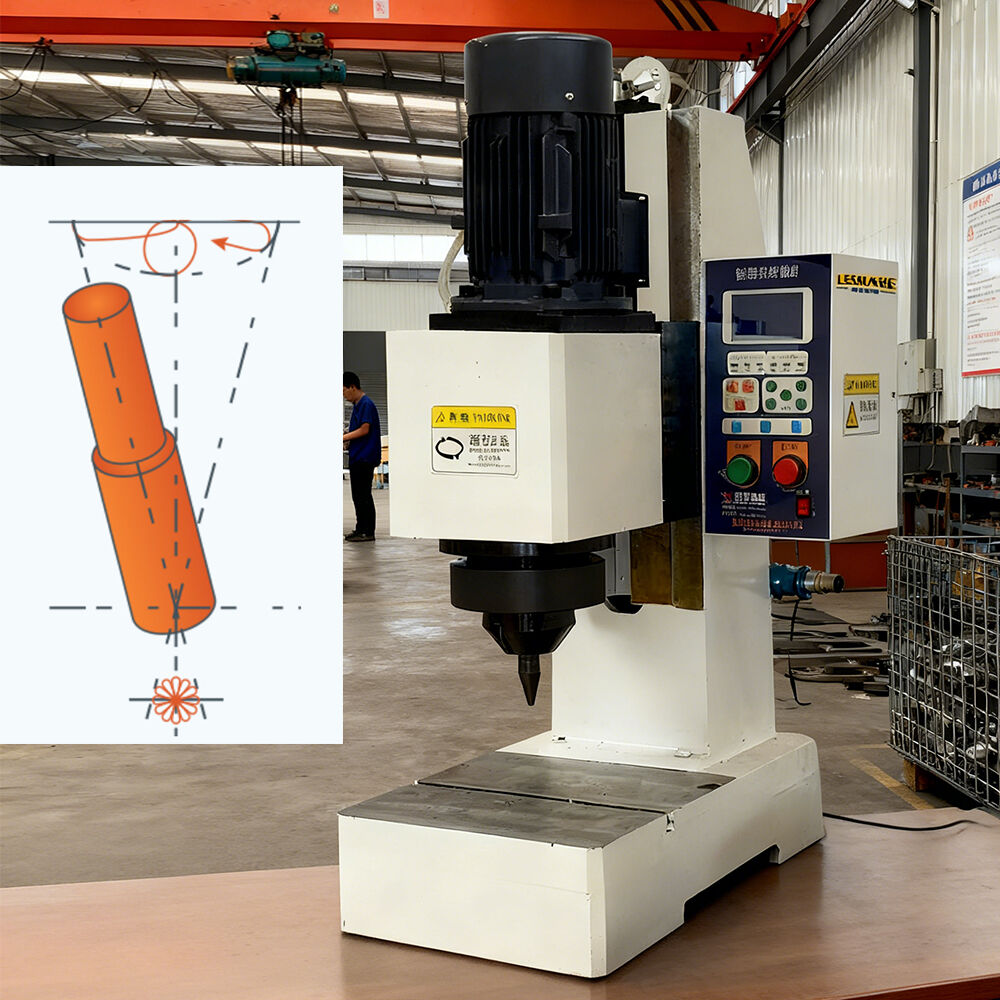
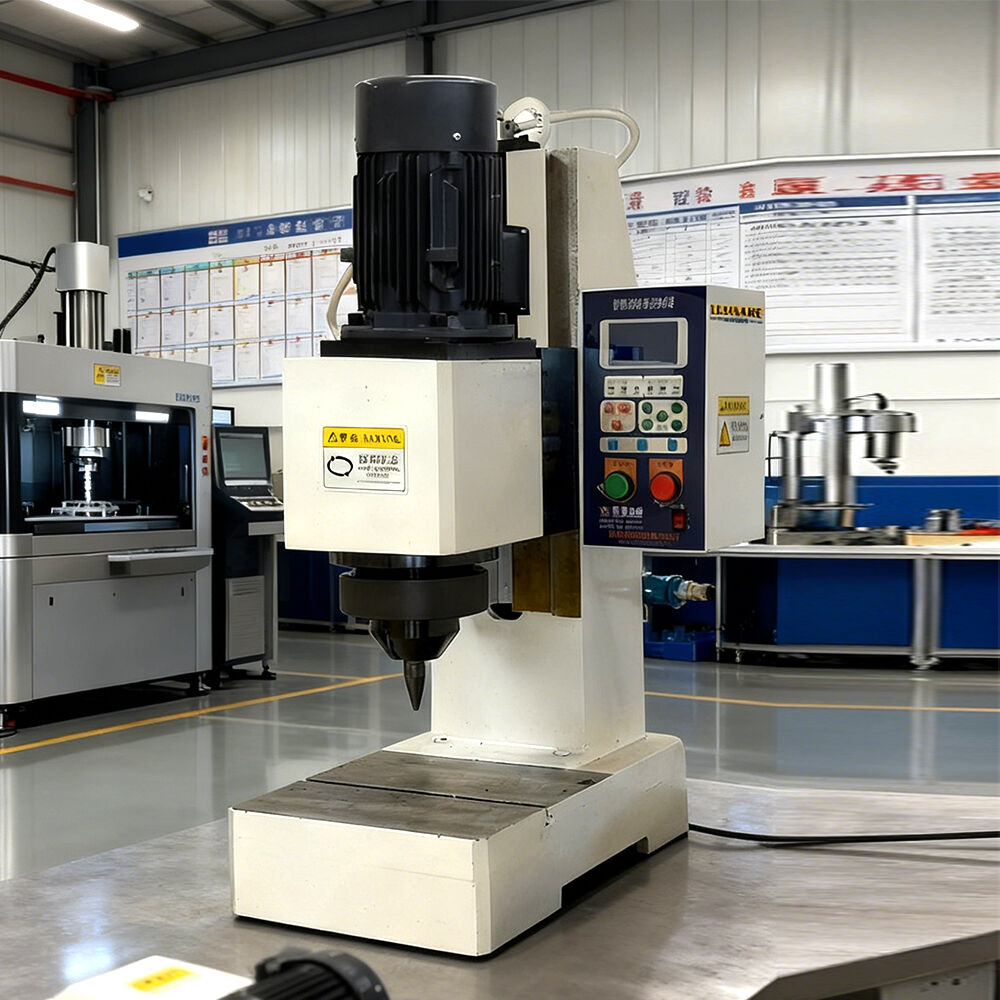
metal riveting equipment
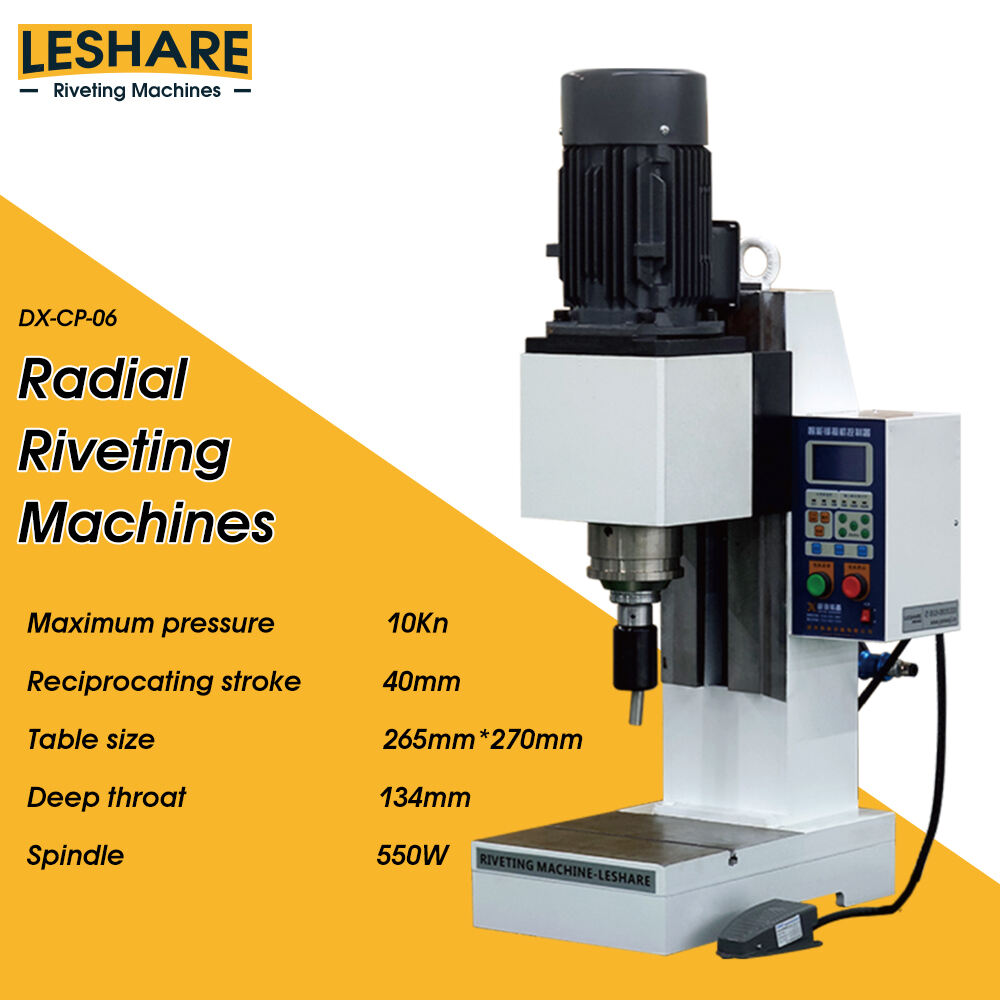
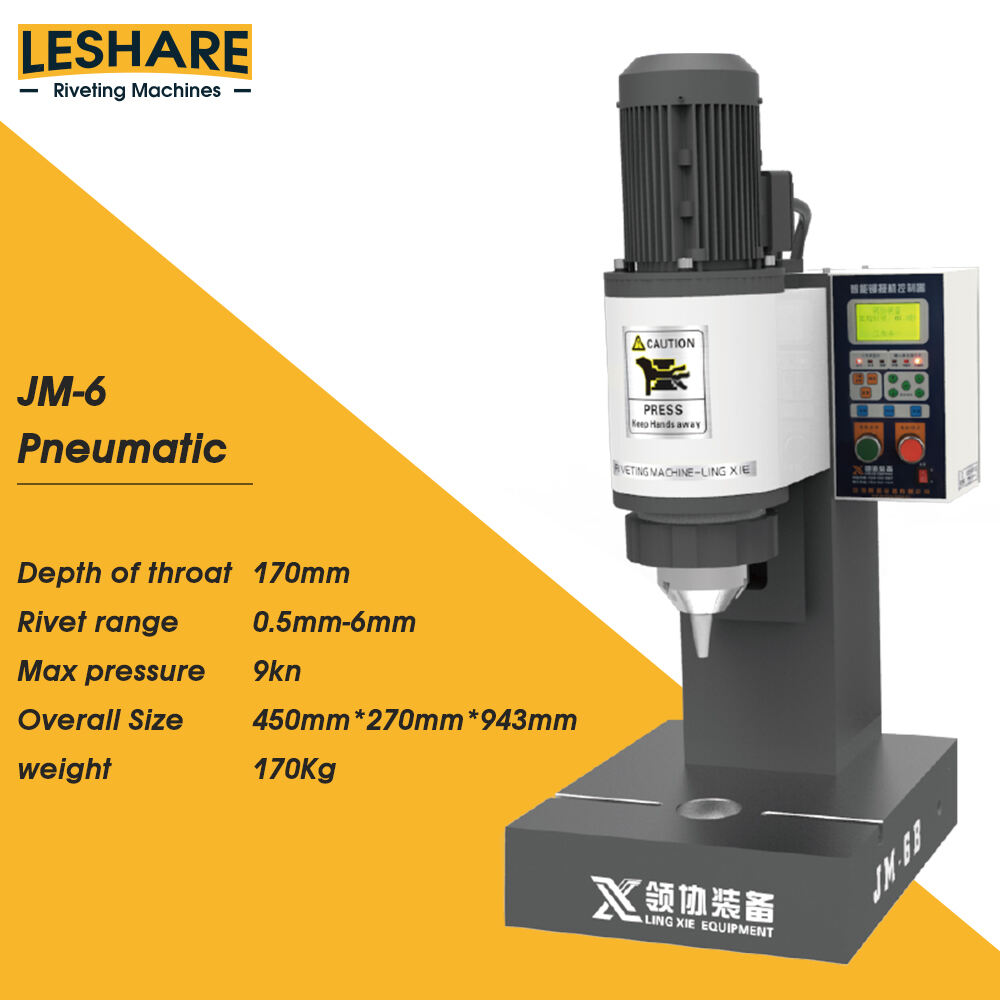
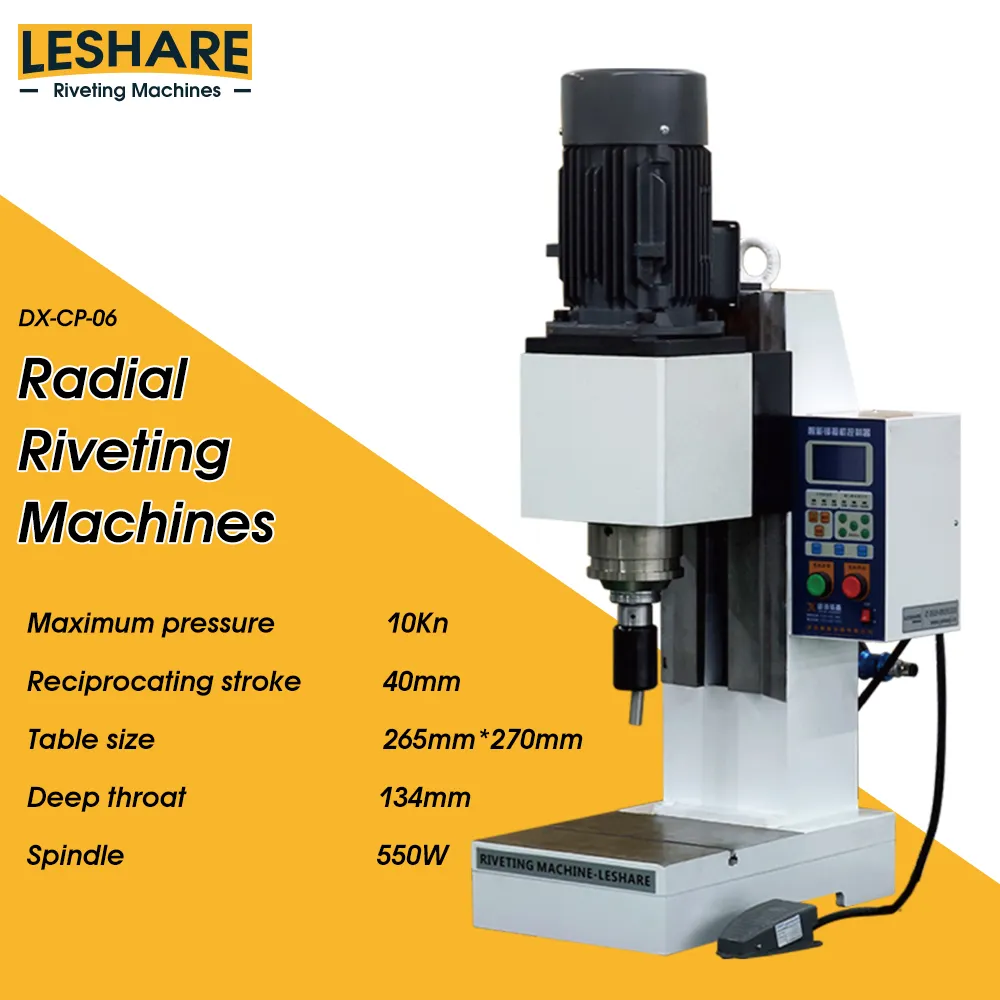
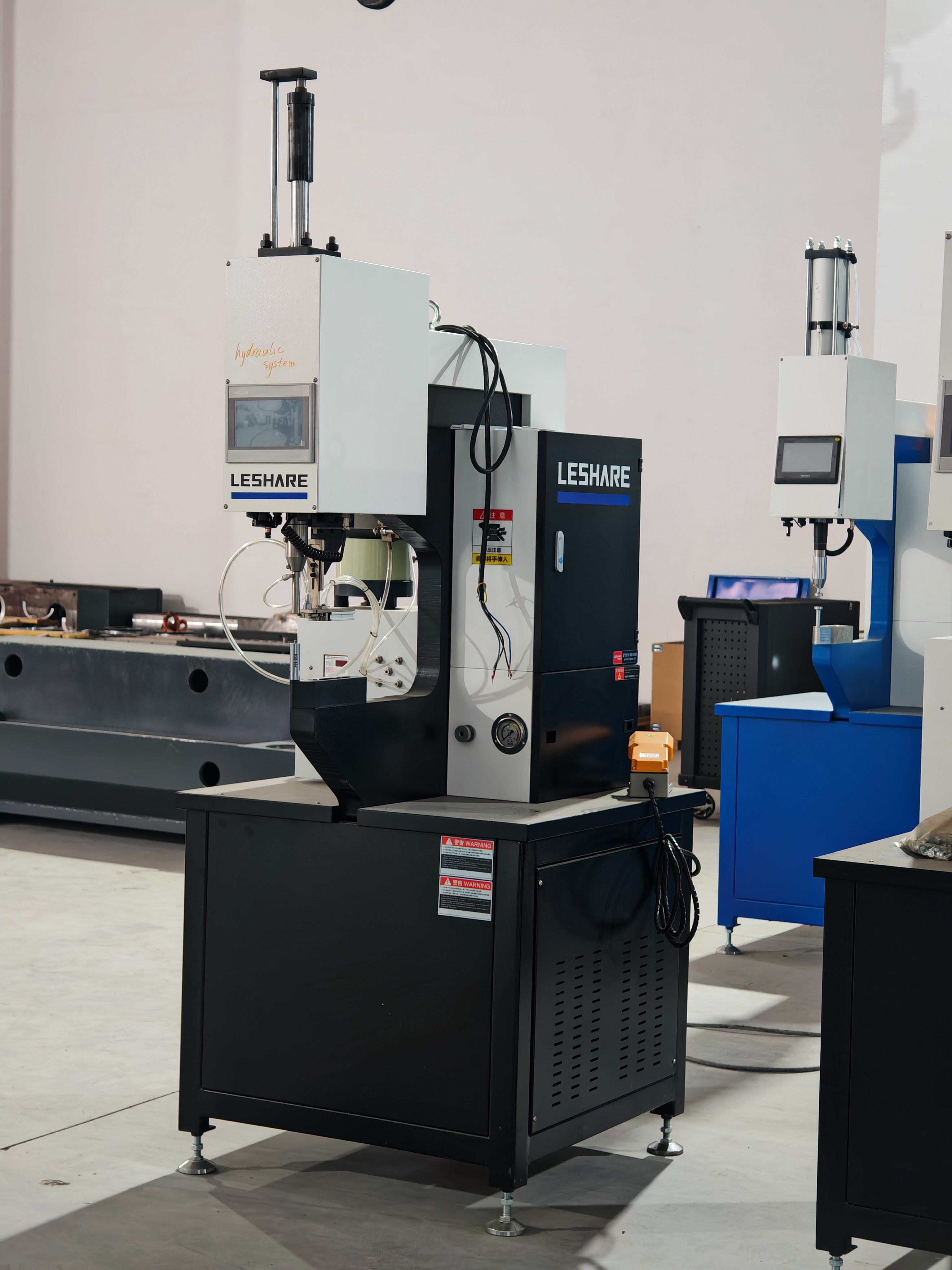
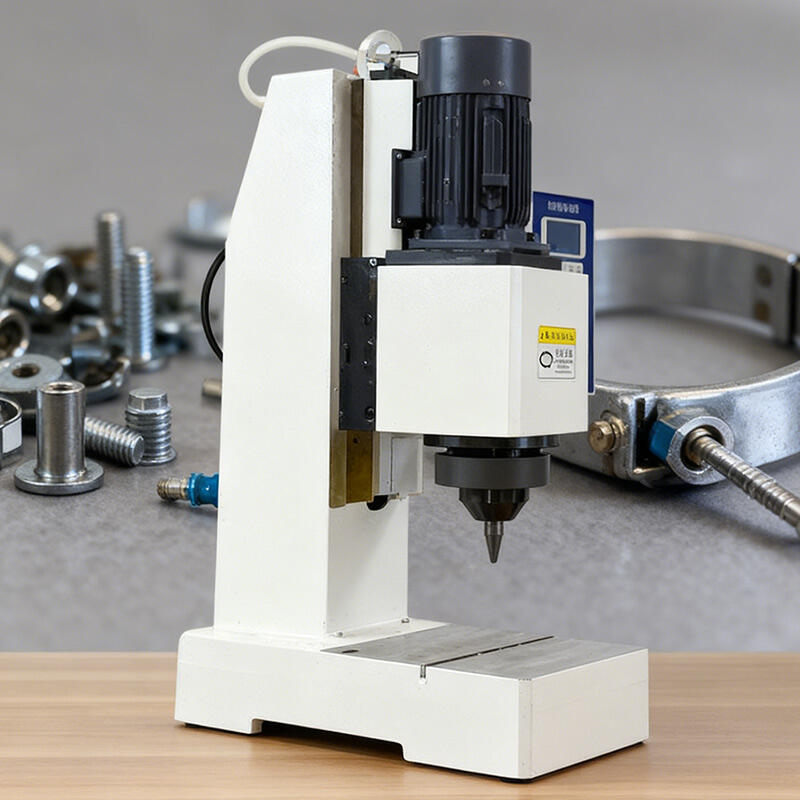
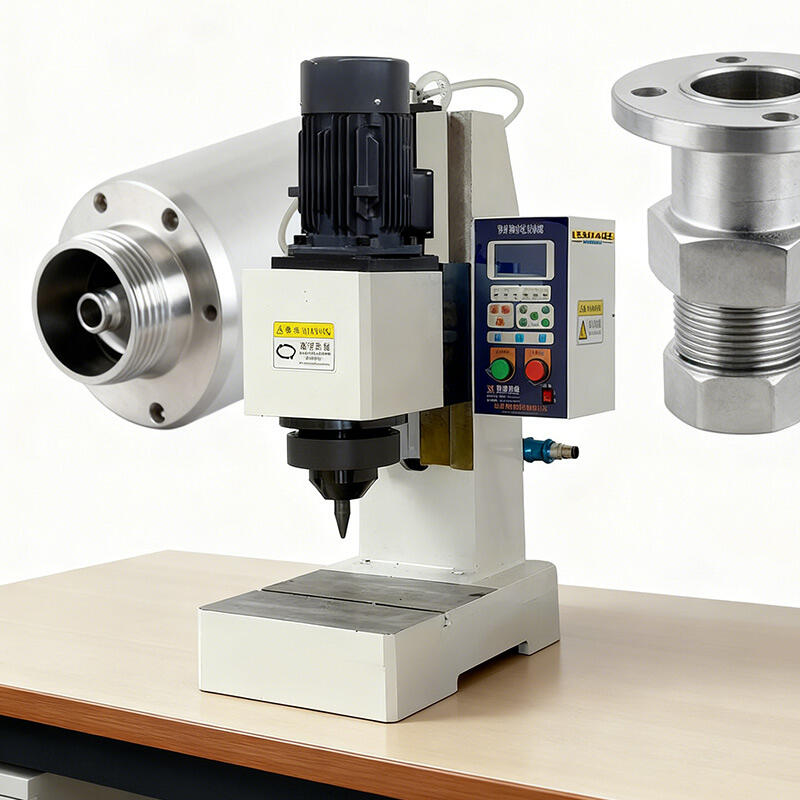
Metal riveting equipment represents sophisticated machinery designed to join materials through permanent fastening solutions using rivets. This specialized industrial equipment creates strong, durable connections between metal components by deforming rivets through controlled force application. Modern metal riveting equipment incorporates advanced hydraulic, pneumatic, or electric systems that deliver precise pressure and positioning for consistent rivet installation. The equipment features robust construction with hardened steel components capable of withstanding repetitive high-force operations while maintaining accuracy over extended periods. Key technological features include programmable control systems that allow operators to adjust pressure settings, cycle times, and positioning parameters according to specific material requirements. Advanced models incorporate servo-controlled positioning systems that ensure exact rivet placement with minimal operator intervention. The equipment typically includes interchangeable tooling systems that accommodate various rivet sizes and types, from solid rivets to blind rivets and structural fasteners. Safety features such as emergency stops, light curtains, and protective guards ensure operator protection during operation. Many units feature automatic feeding systems that streamline production by continuously supplying rivets to the installation head, reducing manual handling and increasing throughput. Quality control sensors monitor rivet installation force and depth, providing immediate feedback on joint integrity. The versatility of metal riveting equipment extends across numerous industries including aerospace, automotive, construction, appliance manufacturing, and electronics assembly. In aerospace applications, this equipment creates critical structural joints that must meet stringent safety and performance standards. Automotive manufacturers rely on metal riveting equipment for body panel assembly, interior components, and structural reinforcements. Construction industry applications include prefabricated building components, steel framework connections, and architectural elements. The equipment handles various materials including aluminum, steel, stainless steel, copper, and specialized alloys, making it indispensable for diverse manufacturing operations requiring permanent mechanical fastening solutions.
 EN
EN