Multi-Station Riveting Machine: Advanced Automated Fastening Solutions for Industrial Manufacturing

Get a Free Quote

Our representative will contact you soon.
Email
Name
Company Name
Message
0/1000

multi-station riveting machine

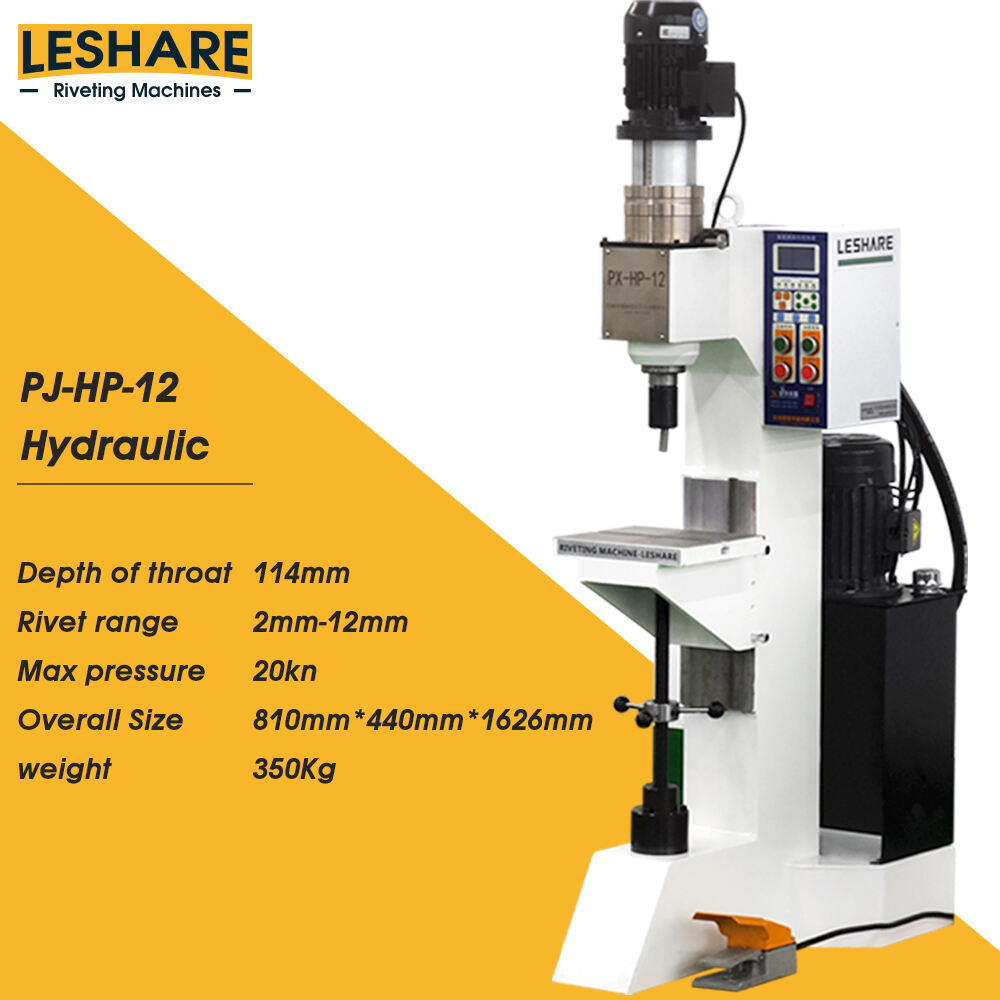
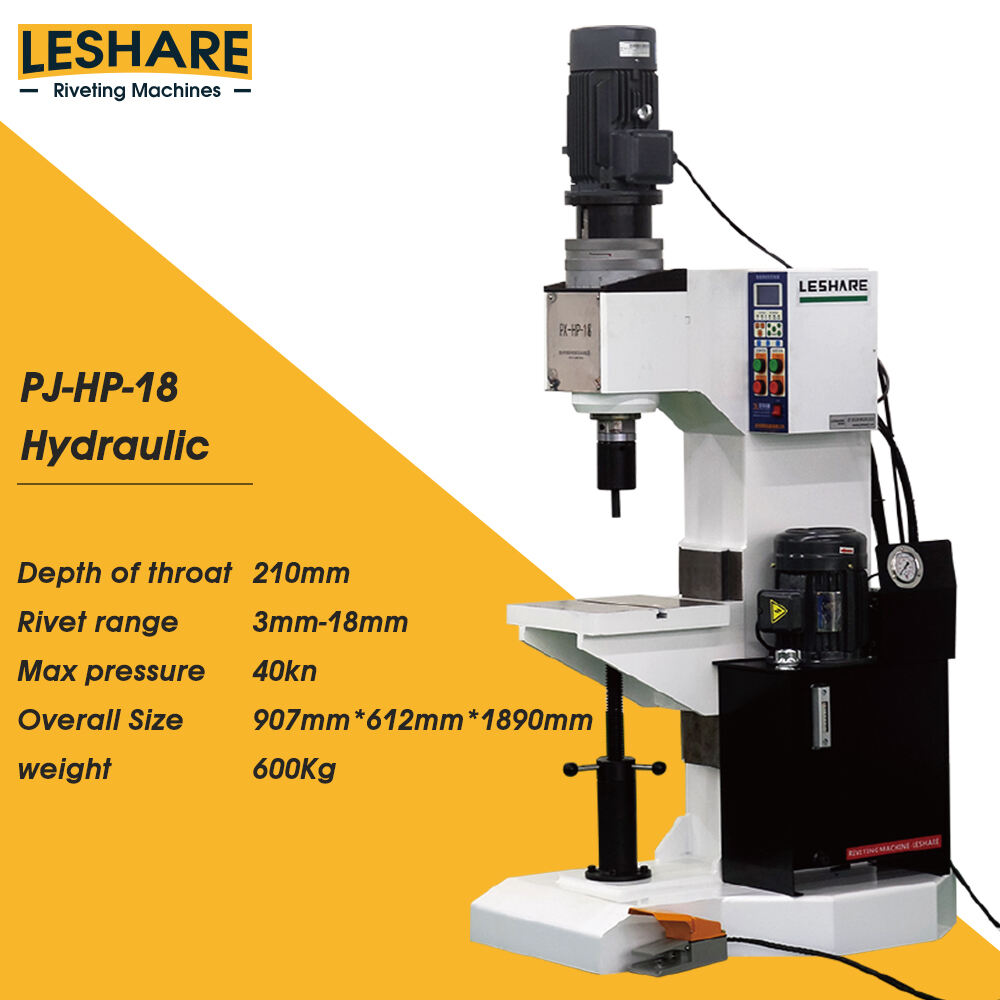
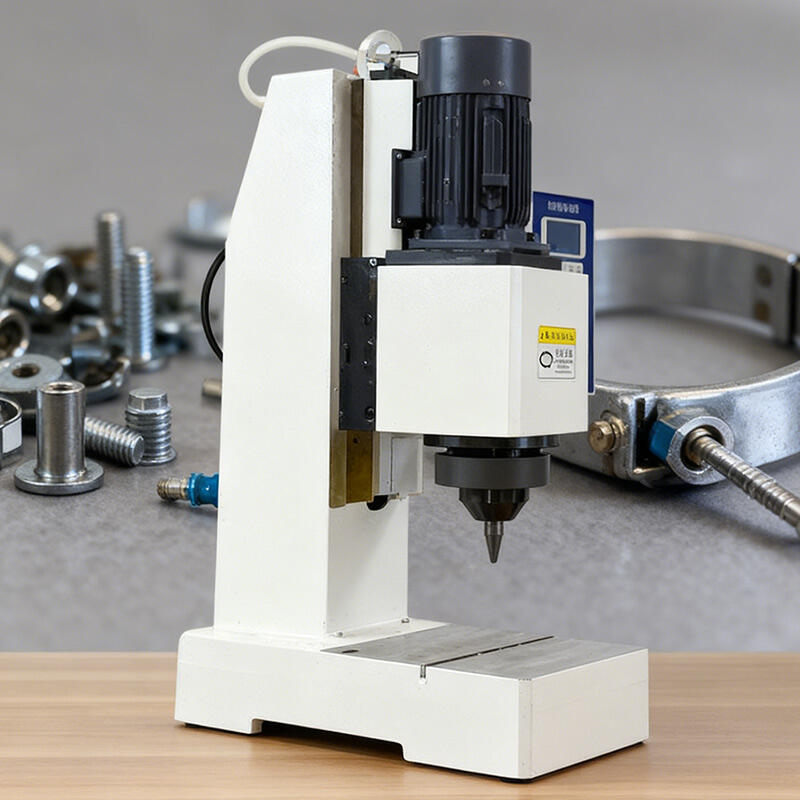
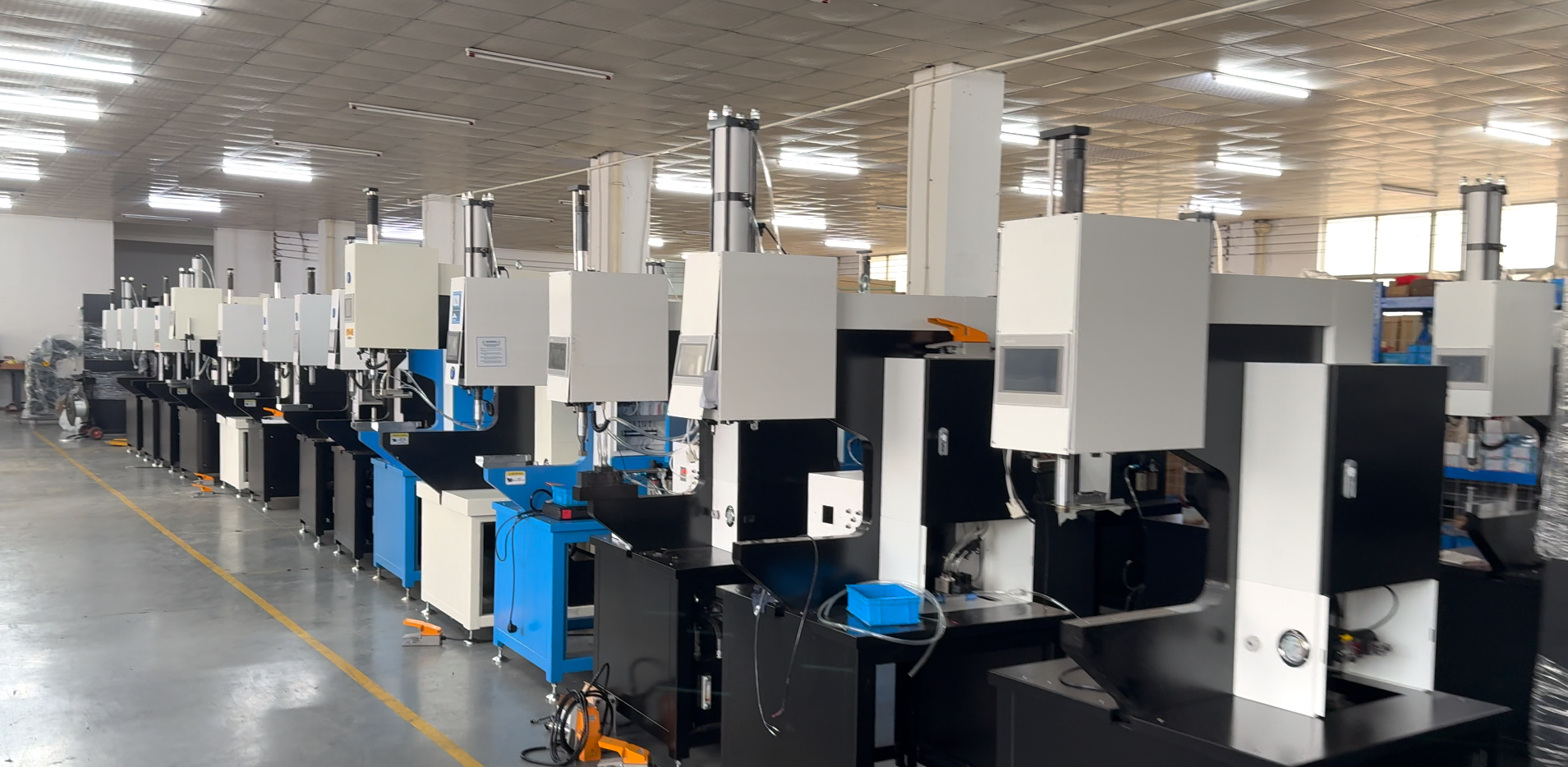
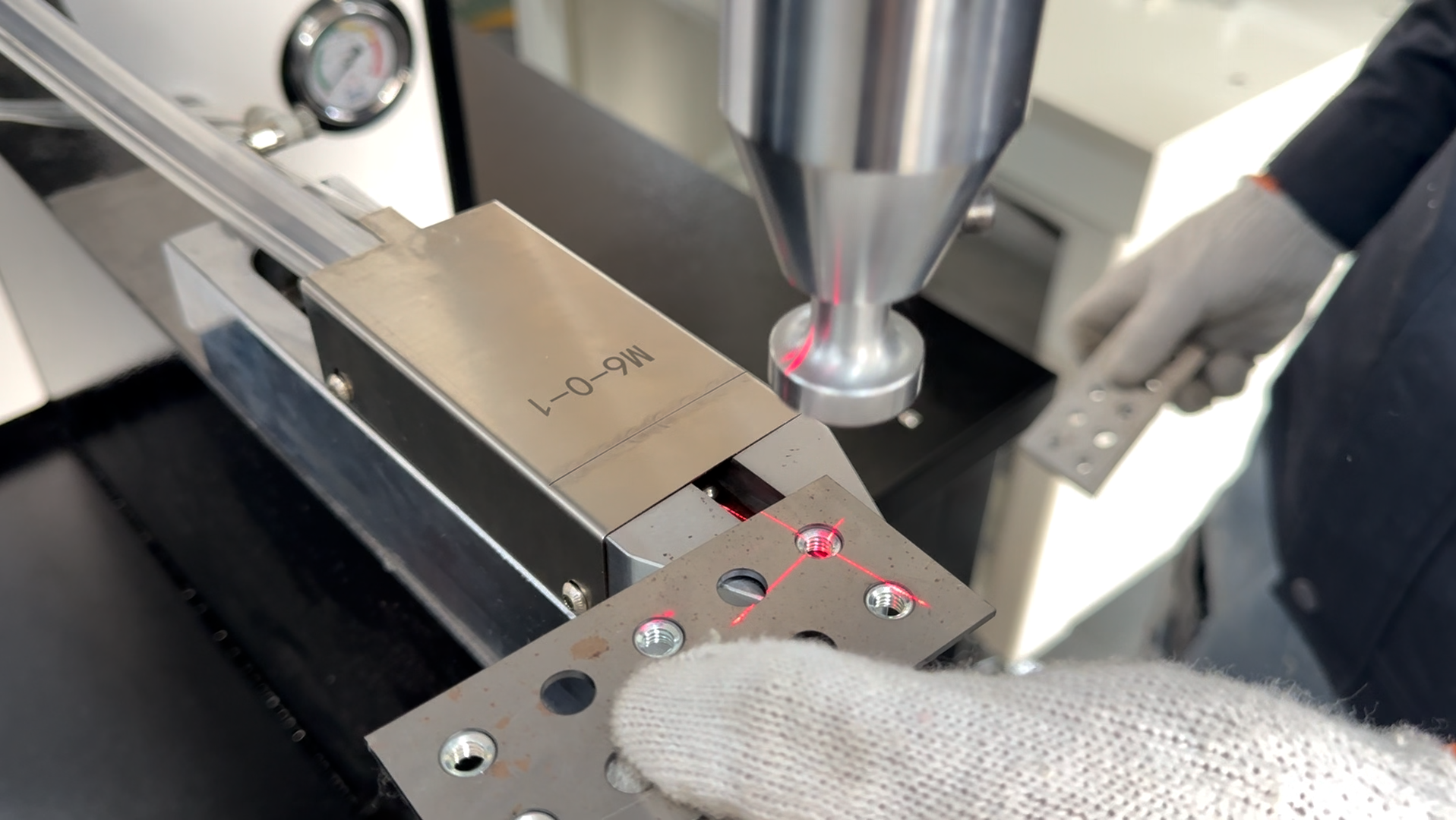
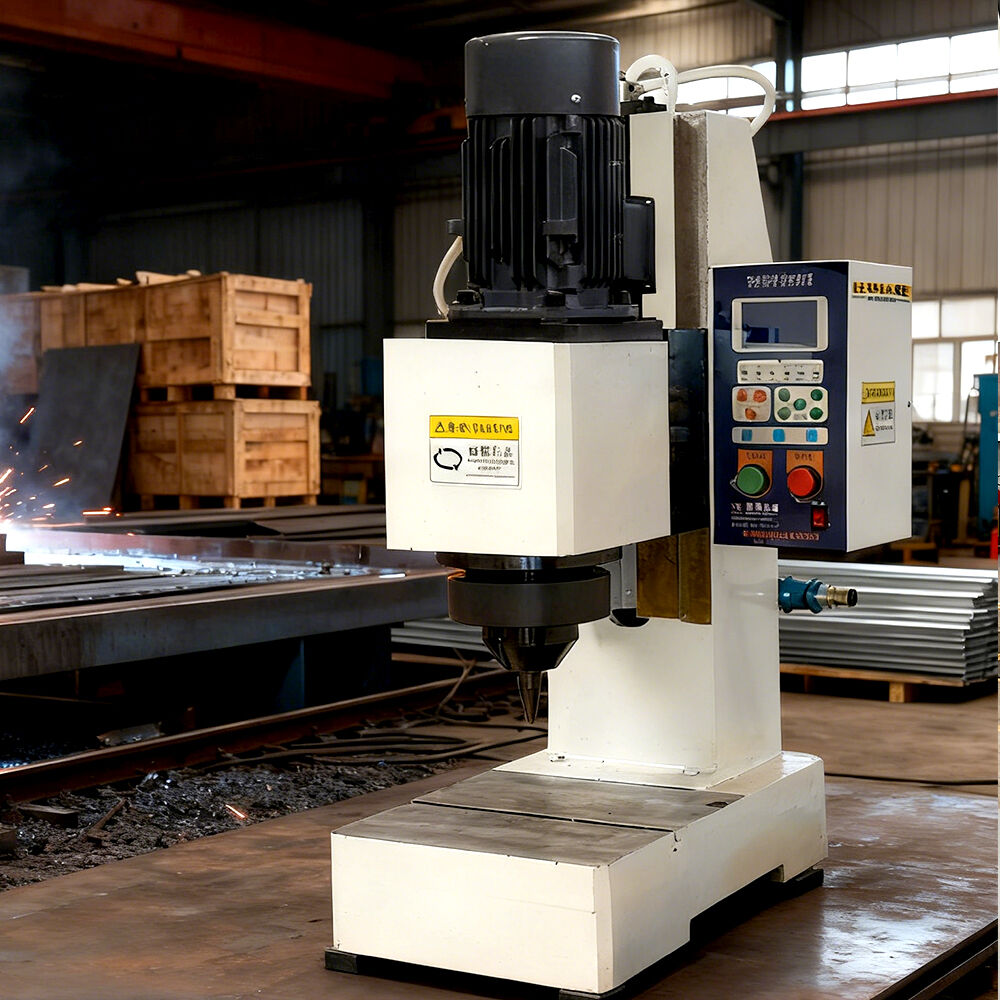
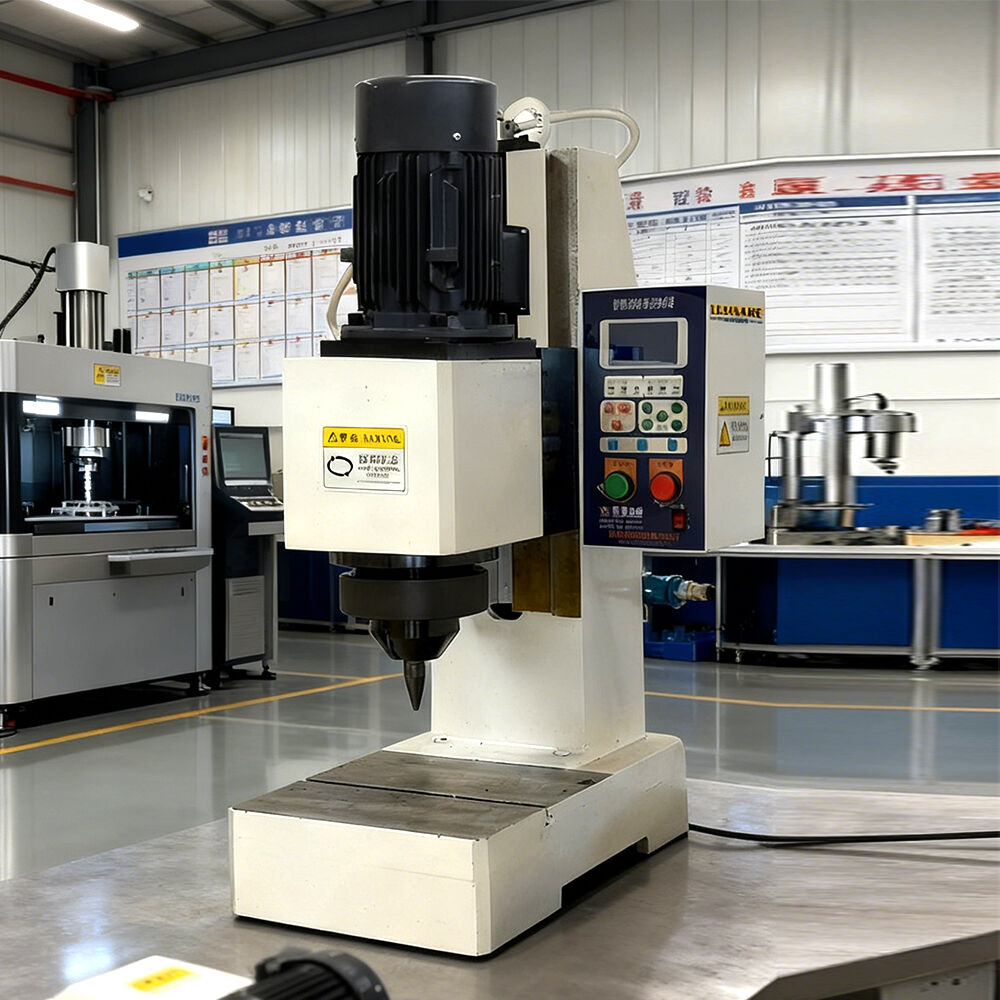
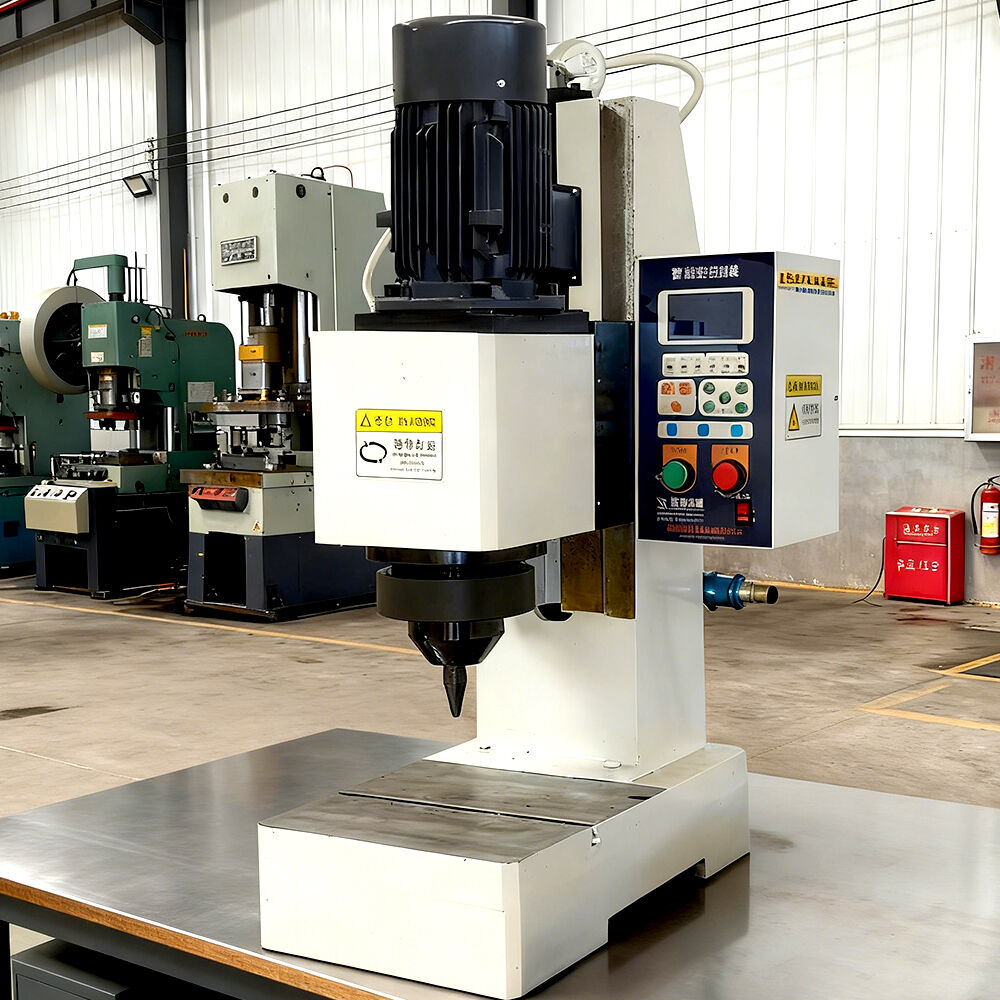
The multi-station riveting machine represents a revolutionary advancement in automated fastening technology, designed to meet the demanding requirements of modern manufacturing environments. This sophisticated equipment integrates multiple riveting stations within a single automated system, enabling simultaneous operations that dramatically enhance production efficiency and consistency. At its core, the multi-station riveting machine combines precision engineering with intelligent control systems to deliver reliable, high-quality riveting operations across various industrial applications. The machine features advanced servo-driven mechanisms that ensure accurate positioning and consistent force application during each riveting cycle. Its modular design accommodates different workpiece configurations while maintaining exceptional repeatability and quality standards. The technological architecture incorporates state-of-the-art sensors and monitoring systems that provide real-time feedback on riveting parameters, ensuring optimal performance and early detection of potential issues. The control interface utilizes user-friendly programming software that allows operators to configure complex riveting sequences with minimal training requirements. Key technological features include programmable force control, adjustable stroke parameters, and integrated quality verification systems that monitor each rivet installation. The machine supports various rivet types and sizes, making it versatile for diverse manufacturing applications including automotive assembly, aerospace components, electronics enclosures, and structural fabrication. Safety systems are comprehensively integrated, featuring emergency stops, light curtains, and protective barriers that ensure operator security during operation. The multi-station riveting machine excels in applications requiring high-volume production with consistent quality standards, such as automotive body panels, aircraft fuselage sections, and electronic device housings. Its ability to perform multiple riveting operations simultaneously makes it particularly valuable for complex assemblies that require precise alignment and uniform fastening strength throughout the finished product.

New Products

The multi-station riveting machine delivers substantial productivity improvements that directly impact your manufacturing bottom line through increased throughput and reduced cycle times. Unlike traditional single-station equipment, this advanced system performs multiple riveting operations simultaneously, effectively multiplying your production capacity without requiring additional floor space or operators. The automated nature of the multi-station riveting machine eliminates human error variables, ensuring consistent rivet placement and uniform fastening strength across every produced unit. This consistency translates into reduced quality control costs and fewer rejected parts, significantly improving your overall manufacturing efficiency. The machine's programmable controls allow rapid changeover between different product configurations, minimizing downtime and maximizing equipment utilization throughout your production schedule. Labor cost savings represent another significant advantage, as the multi-station riveting machine requires fewer operators compared to multiple single-station alternatives while achieving higher output rates. The integrated monitoring systems provide immediate feedback on riveting quality, enabling proactive maintenance scheduling that prevents costly unexpected breakdowns and extends equipment lifespan. Energy efficiency is optimized through intelligent power management systems that reduce operational costs while maintaining peak performance levels. The modular design facilitates easy maintenance access, reducing service time and associated labor expenses. Quality improvements are measurable and consistent, with the multi-station riveting machine delivering superior joint integrity compared to manual riveting methods. The automated positioning systems eliminate workpiece handling errors, ensuring precise rivet placement every time. Real-time data collection capabilities enable continuous process improvement through detailed production analytics and quality trending. The multi-station riveting machine adapts easily to changing production requirements, supporting various rivet sizes and materials without extensive reconfiguration. This flexibility protects your investment by accommodating future product developments and market demands. Safety benefits include reduced operator exposure to repetitive stress injuries and hazardous manual handling operations, creating a safer work environment while improving employee satisfaction and reducing insurance costs.

Tips And Tricks

How Do You Match Fastener Types to the Right Fastener Insertion Machine?

29

Dec

How Do You Match Fastener Types to the Right Fastener Insertion Machine?

Selecting the appropriate fastener insertion machine for your manufacturing operation requires careful consideration of multiple technical factors that directly impact production efficiency, quality, and cost-effectiveness. Modern industrial applicat...
View More
Why are radial riveting machines preferred for cold forming applications?

28

Jan

Why are radial riveting machines preferred for cold forming applications?

Radial riveting machines have revolutionized the manufacturing landscape by offering superior cold forming capabilities that traditional riveting methods simply cannot match. These sophisticated pieces of equipment utilize a unique radial motion mech...
View More
What Industries Benefit from Automatic Riveting Machines?

18

Mar

What Industries Benefit from Automatic Riveting Machines?

Modern manufacturing demands precision, speed, and reliability in every assembly process. Automatic riveting machines have emerged as essential tools across numerous industries, revolutionizing how manufacturers approach fastening operations. These s...
View More
What Types of Fasteners Work with Insertion Machines?

18

Mar

What Types of Fasteners Work with Insertion Machines?

Insertion Machines play a critical role in today’s automated manufacturing environments, enabling precise, efficient, and repeatable installation of a wide range of fasteners. From sheet metal fabrication to automotive assembly lines, these mac...
View More

Get a Free Quote

Our representative will contact you soon.
Email
Name
Company Name
Message
0/1000

multi-station riveting machine

Advanced Multi-Station Automation Technology

Advanced Multi-Station Automation Technology

The multi-station riveting machine incorporates cutting-edge automation technology that revolutionizes traditional fastening processes through simultaneous operation capabilities across multiple workstations. This innovative approach utilizes synchronized servo-driven systems that coordinate complex riveting sequences with microsecond precision, ensuring perfect timing and alignment for every operation. The intelligent control architecture features distributed processing units that manage individual station operations while maintaining seamless integration with the overall system workflow. Advanced path planning algorithms optimize tool movement patterns, minimizing cycle times while preserving accuracy and quality standards. The multi-station configuration enables parallel processing of multiple components, effectively multiplying production output compared to conventional single-station alternatives. Sophisticated sensor networks monitor critical parameters including force application, rivet deformation, and joint integrity in real-time, providing comprehensive quality assurance throughout the entire process. The automation system incorporates adaptive learning capabilities that continuously optimize operating parameters based on historical performance data and changing material characteristics. Programmable logic controllers manage complex decision-making processes, automatically adjusting riveting parameters to accommodate variations in material thickness, hardness, and environmental conditions. The multi-station riveting machine features modular automation components that can be easily reconfigured or expanded to meet evolving production requirements. Integration capabilities allow seamless connection with existing manufacturing execution systems, enabling comprehensive production monitoring and data analytics. The automated material handling systems eliminate manual workpiece positioning, reducing operator fatigue and improving safety while maintaining consistent part orientation and alignment. Emergency response systems provide immediate shutdown capabilities with automatic restart sequences that resume operations without losing programmed settings or quality parameters. This advanced automation technology transforms your manufacturing capabilities by delivering unprecedented levels of precision, consistency, and productivity that traditional manual or semi-automated methods simply cannot match.
Superior Quality Control and Monitoring Systems

Superior Quality Control and Monitoring Systems

The multi-station riveting machine incorporates comprehensive quality control and monitoring systems that ensure exceptional fastening integrity and consistent product quality across every production cycle. Advanced force monitoring technology continuously measures and records riveting parameters, providing detailed documentation of each joint formation process for complete traceability and quality assurance. Integrated vision systems utilize high-resolution cameras and sophisticated image processing algorithms to verify proper rivet placement, deformation characteristics, and surface finish quality before parts proceed to subsequent operations. Real-time feedback mechanisms instantly detect deviations from established quality parameters, triggering immediate corrective actions or process adjustments to maintain optimal performance standards. The monitoring systems generate comprehensive quality reports that include statistical process control data, trend analysis, and predictive maintenance recommendations based on equipment performance patterns. Multi-layer quality verification protocols ensure that every rivet meets specified strength requirements through non-destructive testing methods including ultrasonic inspection and electromagnetic verification. The multi-station riveting machine features adaptive quality control algorithms that automatically adjust operating parameters to compensate for material variations, environmental changes, and tool wear effects. Database integration capabilities enable seamless connection with enterprise quality management systems, facilitating comprehensive quality tracking and regulatory compliance documentation. Alarm systems provide immediate notification of quality deviations, equipment malfunctions, or maintenance requirements through multiple communication channels including visual displays, audible alerts, and network messaging. Statistical quality control features generate real-time capability studies, process performance indices, and quality trend analyses that support continuous improvement initiatives. The monitoring systems maintain detailed historical records of all riveting operations, enabling rapid root cause analysis and corrective action implementation when quality issues arise. Calibration management functions ensure measurement accuracy and regulatory compliance through automated calibration schedules and verification procedures. These superior quality control and monitoring capabilities provide unprecedented visibility into your riveting processes while delivering the consistent, high-quality results that modern manufacturing demands.
Exceptional Flexibility and Customization Options

Exceptional Flexibility and Customization Options

The multi-station riveting machine offers exceptional flexibility and customization options that adapt seamlessly to diverse manufacturing requirements while maximizing return on investment through versatile application capabilities. Modular design principles enable easy reconfiguration of station layouts, tooling arrangements, and process sequences to accommodate changing product specifications without requiring complete equipment replacement. Quick-change tooling systems allow rapid transitions between different rivet sizes, materials, and installation methods, minimizing downtime and maximizing production efficiency across multiple product lines. The flexible programming interface supports complex riveting patterns, variable force profiles, and custom quality verification protocols that can be easily modified to meet specific application requirements. Scalable architecture enables incremental capacity expansion through additional station modules, allowing manufacturers to grow their capabilities as demand increases without disrupting existing operations. The multi-station riveting machine accommodates various workpiece geometries, from simple flat assemblies to complex three-dimensional structures with challenging access requirements. Interchangeable tooling options support different rivet types including solid rivets, blind rivets, self-piercing rivets, and specialized fasteners for unique applications. Advanced fixturing systems provide secure workpiece positioning while allowing easy adaptation to different part configurations and dimensional variations. Custom software development capabilities enable integration of specialized quality requirements, unique process sequences, and proprietary manufacturing protocols. The flexible control system supports multiple programming languages and communication protocols, ensuring compatibility with existing automation infrastructure and future technology upgrades. Modular safety systems can be configured to meet specific regulatory requirements and application hazards while maintaining optimal operator protection and equipment accessibility. Remote monitoring and diagnostic capabilities enable expert technical support and troubleshooting regardless of equipment location or time zone differences. Training programs and documentation packages can be customized to address specific operational requirements and skill levels within your organization. This exceptional flexibility ensures that the multi-station riveting machine remains a valuable production asset throughout its operational lifetime, adapting to changing market demands and technological advances while consistently delivering superior performance and quality results.

Get a Free Quote

Our representative will contact you soon.
Email
Name
Company Name
Message
0/1000