Automotive Parts Riveting Machine - Advanced Manufacturing Solutions for Vehicle Assembly

Get a Free Quote

Our representative will contact you soon.
Email
Name
Company Name
Message
0/1000

automotive parts riveting machine

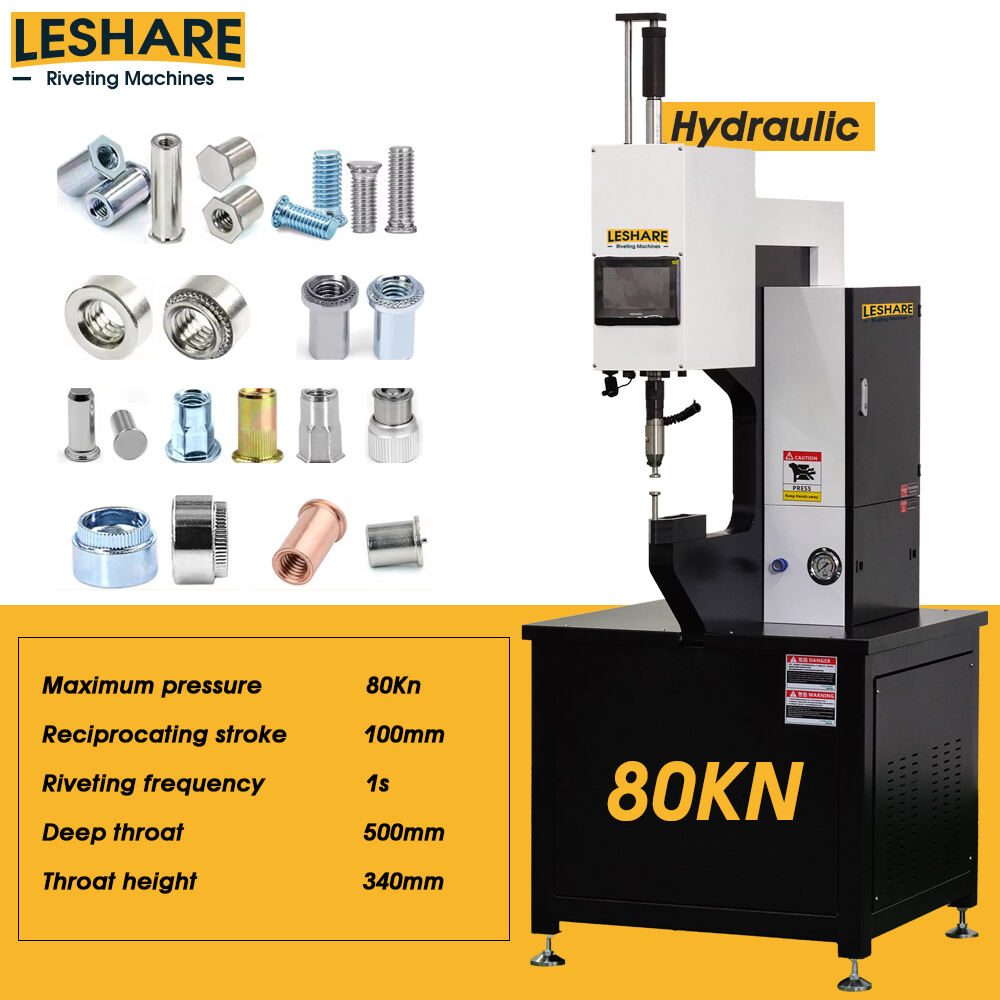
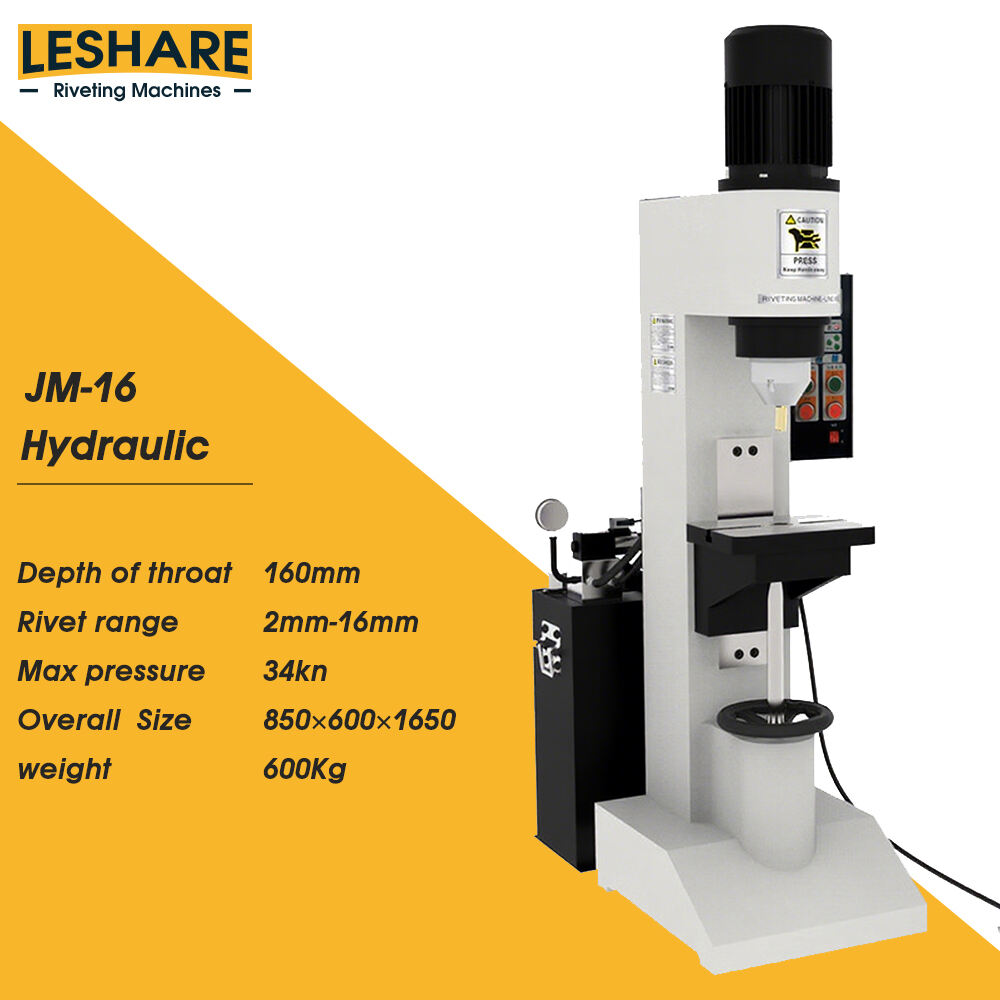
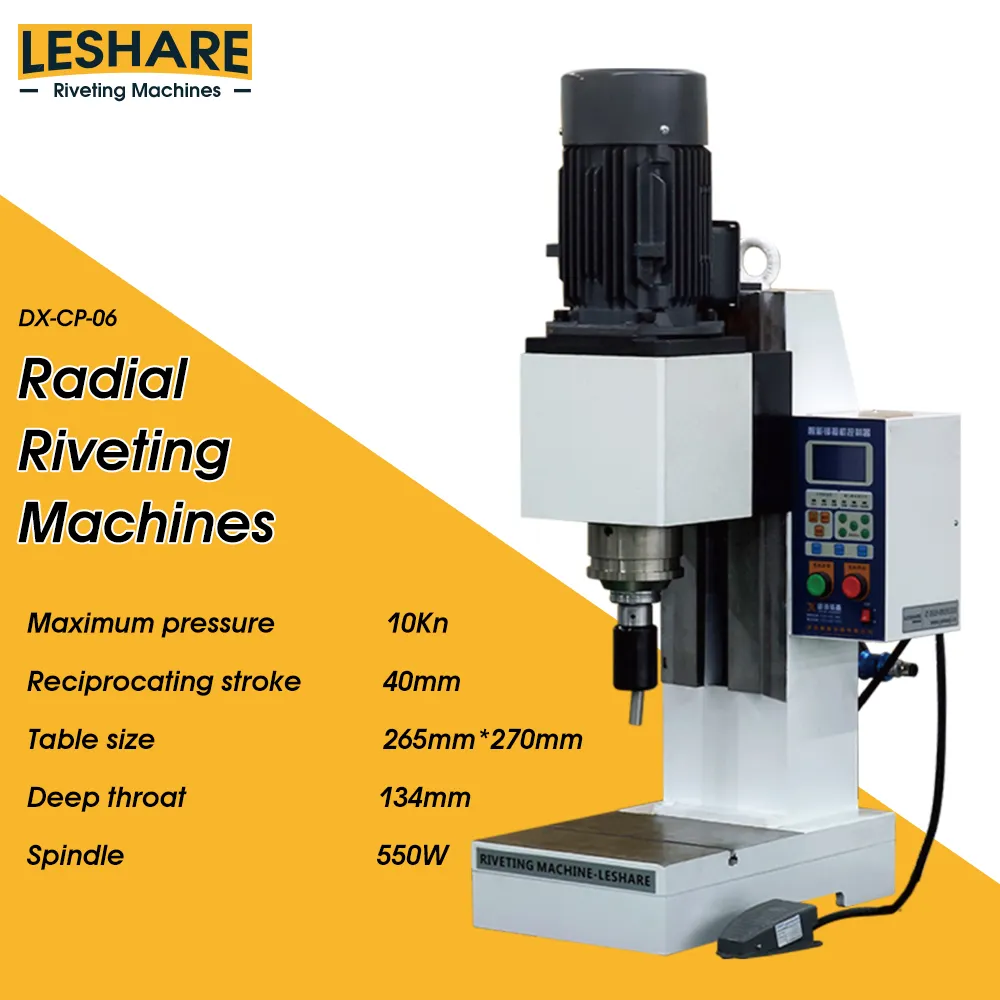
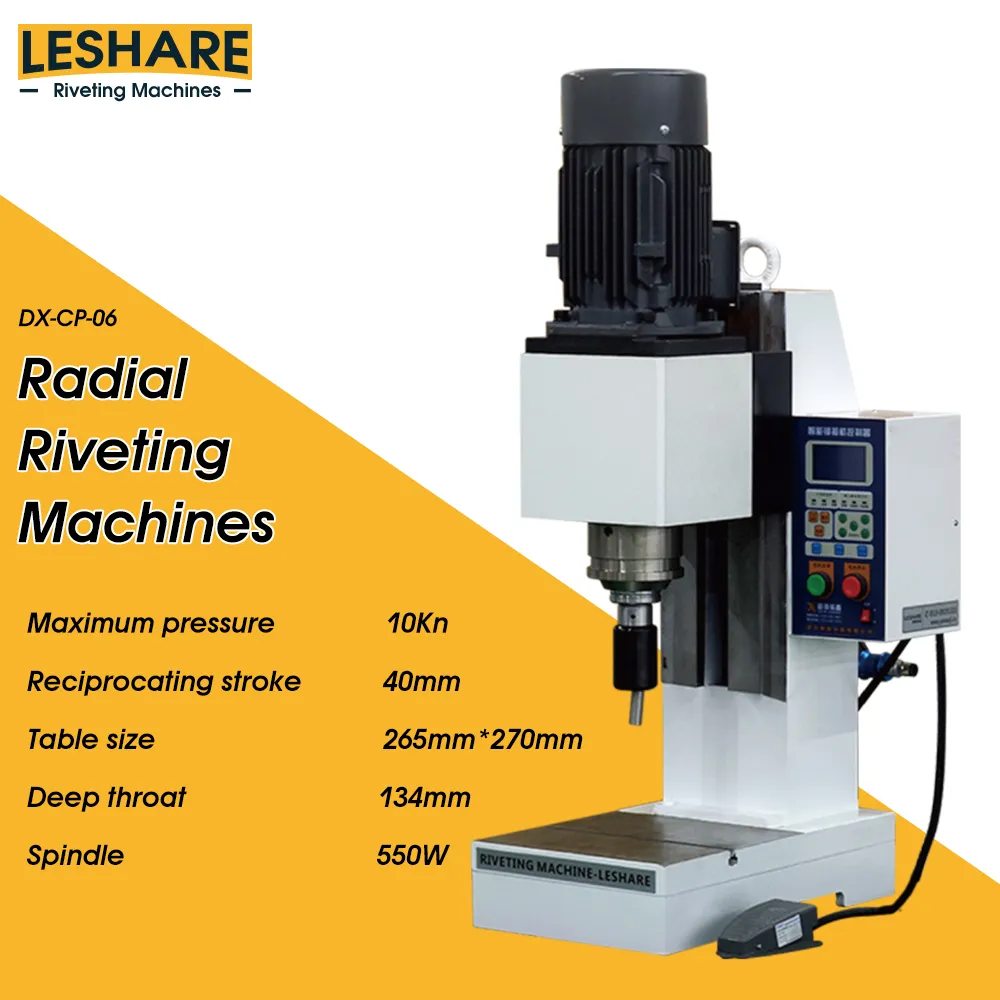
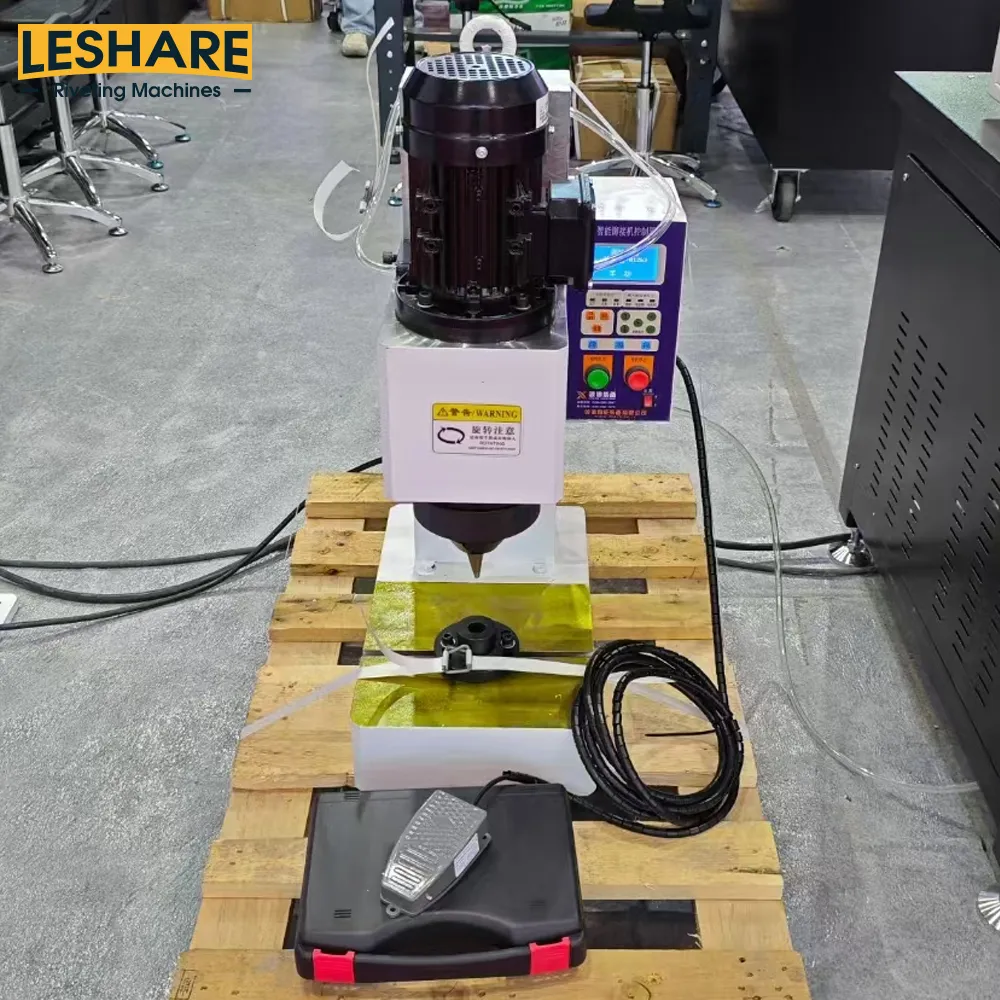
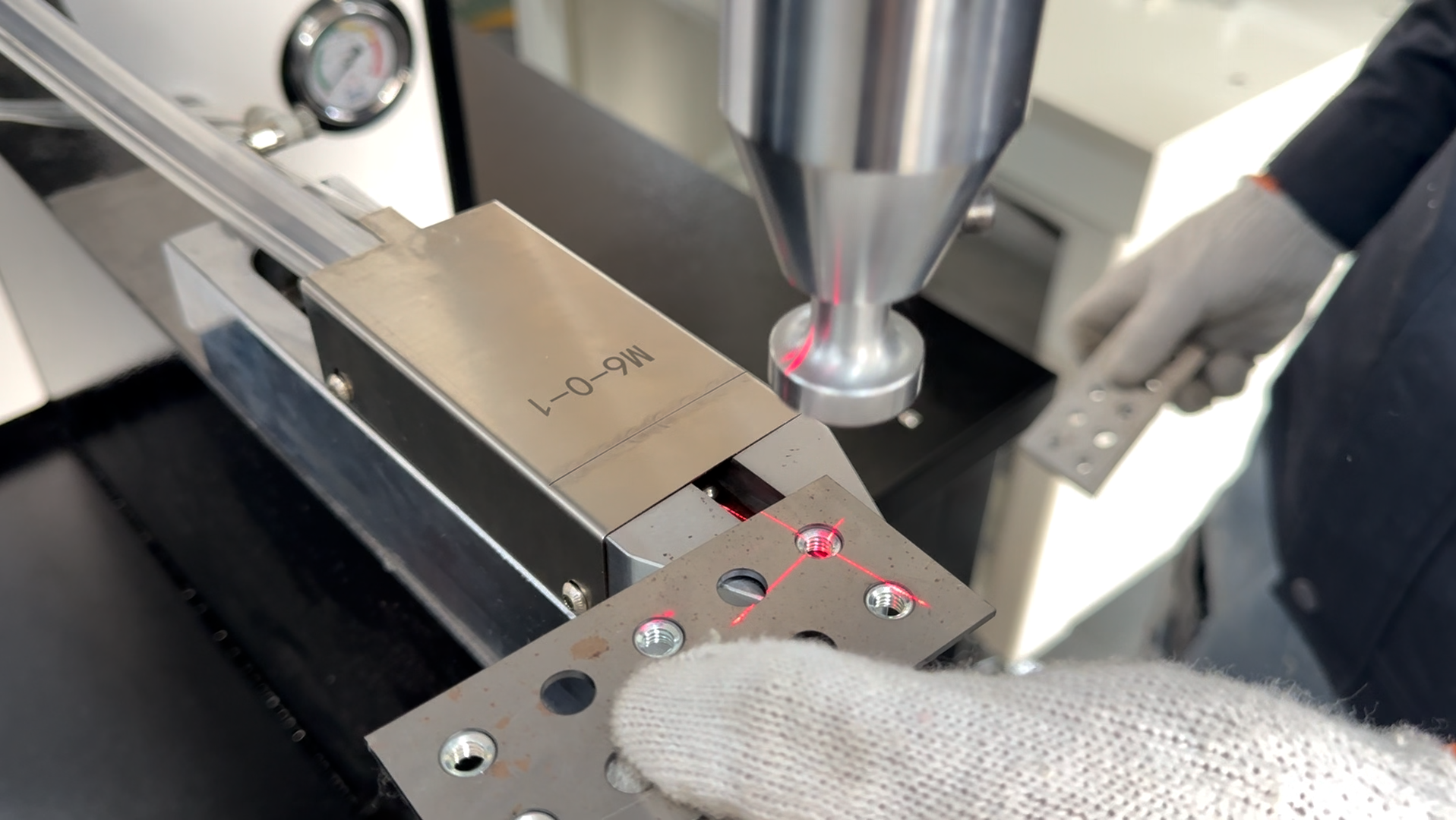
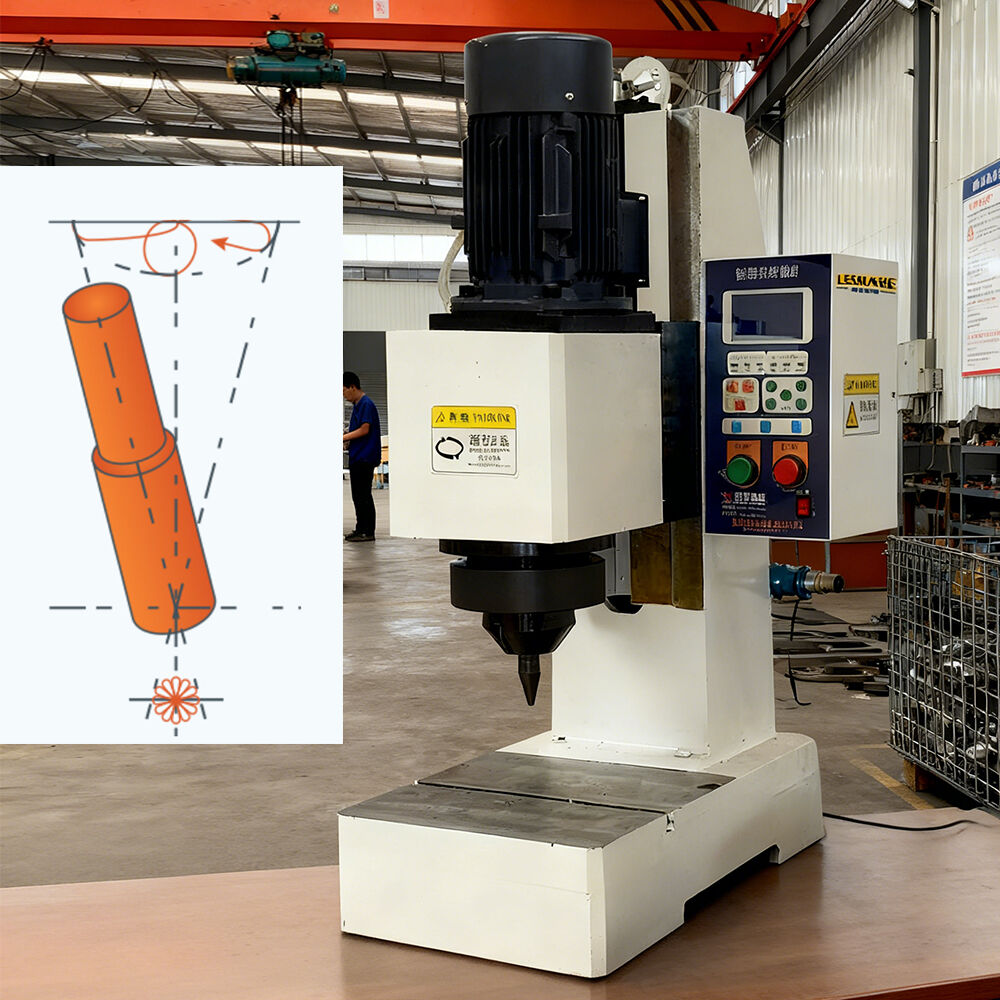
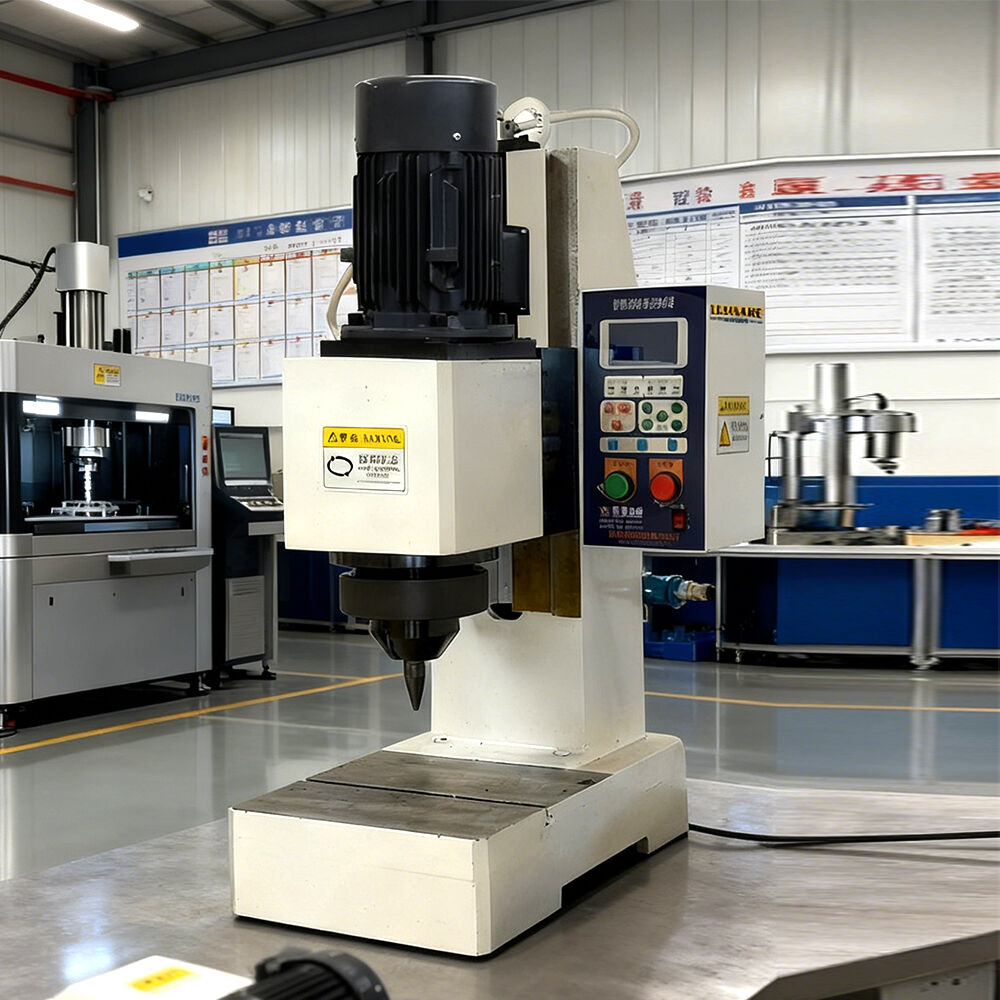
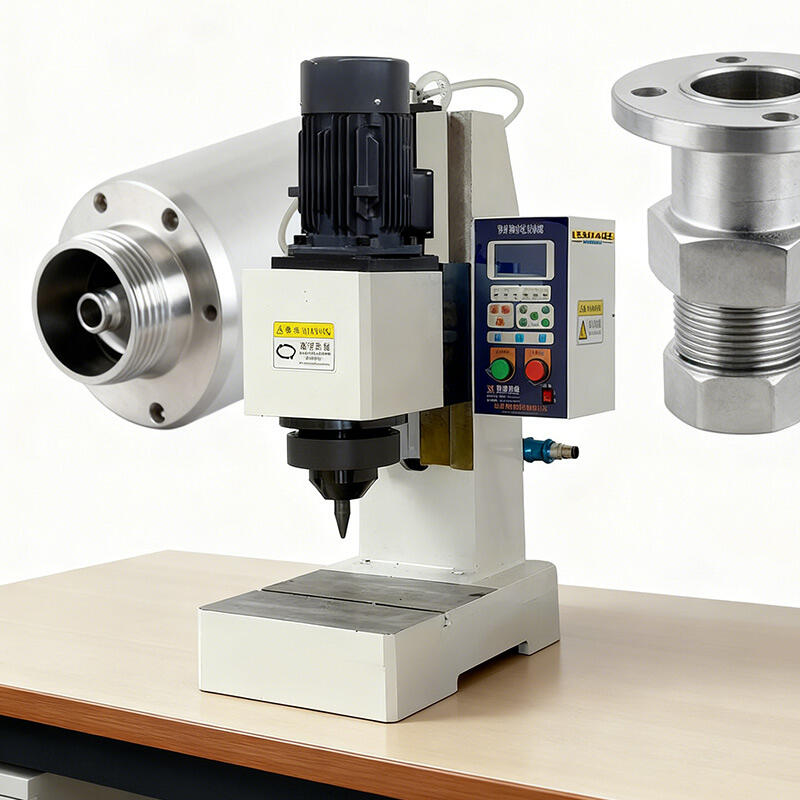
The automotive parts riveting machine represents a cornerstone technology in modern vehicle manufacturing, designed specifically to create permanent mechanical joints between metal components through precision riveting processes. This sophisticated equipment utilizes controlled force and pressure to deform rivets, securing multiple layers of automotive materials together with exceptional strength and reliability. The machine operates through hydraulic, pneumatic, or servo-electric systems, delivering consistent results across various automotive applications. Primary functions include creating structural connections in chassis components, body panels, brake systems, and interior assemblies. The automotive parts riveting machine features advanced control systems that monitor force application, rivet placement accuracy, and joint quality in real-time. Modern units incorporate programmable logic controllers enabling operators to customize parameters for different rivet types, material thicknesses, and joint specifications. Technological features encompass force feedback sensors, automatic rivet feeding systems, and quality verification mechanisms that ensure each connection meets stringent automotive safety standards. The machine accommodates various rivet materials including aluminum, steel, and specialized alloys commonly used in automotive manufacturing. Integration capabilities allow seamless incorporation into existing production lines, supporting both high-volume manufacturing and specialized assembly operations. Advanced models feature multi-axis positioning systems, enabling complex rivet patterns and hard-to-reach component access. Safety features include emergency stops, protective barriers, and operator presence detection systems. The automotive parts riveting machine supports lean manufacturing principles through reduced cycle times, minimal material waste, and consistent quality output. Applications span across vehicle types from passenger cars to commercial trucks, supporting assembly of critical safety components, decorative elements, and structural reinforcements. Environmental considerations include energy-efficient operation and reduced emissions compared to welding alternatives. Maintenance requirements remain minimal due to robust construction and self-diagnostic capabilities that identify potential issues before they impact production.

New Product Releases

The automotive parts riveting machine delivers substantial operational benefits that directly impact manufacturing efficiency and product quality. Cost reduction represents a primary advantage, as riveting eliminates expensive consumables required in welding processes while reducing energy consumption by up to 60 percent compared to traditional joining methods. Production speed increases significantly with modern automotive parts riveting machines capable of completing joints in seconds rather than minutes, enabling manufacturers to meet demanding production schedules while maintaining quality standards. Quality consistency surpasses manual assembly methods, as the machine eliminates human error variables and provides repeatable force application across thousands of operations. This consistency translates into reduced warranty claims and enhanced customer satisfaction. Versatility stands out as manufacturers can process diverse materials including dissimilar metals that prove challenging for welding applications. The automotive parts riveting machine handles aluminum-to-steel joints, composite materials, and pre-coated surfaces without compromising joint integrity or material properties. Safety improvements protect workers from hazardous fumes, sparks, and high-temperature exposure associated with welding operations. Operators work in cleaner environments with reduced health risks and improved working conditions. Maintenance costs decrease substantially due to fewer moving parts and simplified mechanical systems compared to complex welding equipment. The automotive parts riveting machine requires minimal consumables, reducing ongoing operational expenses and inventory management complexity. Environmental benefits include zero emissions during operation and recyclable rivet materials that support sustainability initiatives. Joint strength often exceeds welded connections, particularly in high-vibration automotive applications where mechanical fasteners demonstrate superior fatigue resistance. Flexibility allows quick changeover between different rivet types and sizes without extensive retooling, supporting mixed-model production lines common in automotive manufacturing. Training requirements remain minimal as operators quickly master straightforward controls and safety procedures. Return on investment typically occurs within 12-18 months through reduced labor costs, increased throughput, and improved quality metrics that translate into measurable bottom-line improvements for automotive manufacturers seeking competitive advantages in demanding markets.

Latest News

Why Are Automotive Suppliers Increasingly Relying on Clinching Machines?

11

Dec

Why Are Automotive Suppliers Increasingly Relying on Clinching Machines?

The automotive manufacturing industry has witnessed a remarkable transformation in recent years, driven by the need for lighter, stronger, and more cost-effective production methods. Among the various technological advancements reshaping the sector, ...
View More
Why is a nonrotating shaft radial riveter critical in delicate assemblies?

28

Jan

Why is a nonrotating shaft radial riveter critical in delicate assemblies?

In precision manufacturing environments where component integrity and assembly quality determine product success, the choice of joining technology becomes paramount. A nonrotating shaft radial riveter represents a specialized solution engineered spec...
View More
How do radial riveting machines integrate with modern production systems?

26

Feb

How do radial riveting machines integrate with modern production systems?

Modern manufacturing environments demand precision, efficiency, and seamless integration across all production processes. Radial riveting machines have emerged as essential equipment for achieving reliable fastening solutions in industries ranging fr...
View More
What Types of Fasteners Work with Insertion Machines?

18

Mar

What Types of Fasteners Work with Insertion Machines?

Insertion Machines play a critical role in today’s automated manufacturing environments, enabling precise, efficient, and repeatable installation of a wide range of fasteners. From sheet metal fabrication to automotive assembly lines, these mac...
View More

Get a Free Quote

Our representative will contact you soon.
Email
Name
Company Name
Message
0/1000

automotive parts riveting machine

Precision Force Control Technology

Precision Force Control Technology

The automotive parts riveting machine incorporates sophisticated force control technology that revolutionizes joint quality and consistency in automotive manufacturing environments. This advanced system utilizes high-precision load cells and servo-controlled actuators to monitor and adjust applied force in real-time, ensuring optimal rivet deformation without material damage or joint failure. The technology operates through closed-loop feedback mechanisms that continuously measure actual force against programmed parameters, making instantaneous corrections to maintain perfect riveting conditions throughout each cycle. Force control precision reaches tolerances within 1 percent of target values, delivering unprecedented consistency across high-volume production runs. This capability proves especially critical when joining dissimilar materials common in modern automotive construction, where aluminum body panels connect to steel reinforcement structures requiring precise force application to prevent galvanic corrosion and maintain structural integrity. The automotive parts riveting machine stores multiple force profiles in memory, enabling operators to switch between different joint configurations without manual adjustments or trial-and-error setup procedures. Advanced models feature adaptive force control that automatically compensates for material thickness variations, rivet hardness differences, and environmental factors that might affect joint formation. Quality assurance benefits include automatic rejection of out-of-specification joints, preventing defective parts from progressing through production lines and reducing costly rework operations. Data logging capabilities record force curves for each rivet, creating comprehensive quality documentation that supports traceability requirements and continuous improvement initiatives. The technology extends rivet tool life by preventing excessive force application that damages equipment components, reducing maintenance costs and production interruptions. Integration with factory automation systems enables real-time quality monitoring and statistical process control, supporting Industry 4.0 manufacturing concepts. Operators benefit from simplified setup procedures and reduced skill requirements, as the machine automatically determines optimal force parameters based on material specifications and joint geometry inputs.
Multi-Material Joining Capabilities

Multi-Material Joining Capabilities

The automotive parts riveting machine excels in joining diverse material combinations that challenge traditional welding and bonding processes, making it indispensable for modern vehicle construction utilizing lightweight materials and advanced composites. This versatility addresses critical industry trends toward weight reduction and improved fuel efficiency while maintaining structural performance and safety requirements. The machine successfully processes aluminum-to-steel joints without creating brittle intermetallic compounds that compromise joint integrity, a common problem with fusion welding techniques. Carbon fiber reinforced plastics, increasingly popular in automotive applications, can be securely joined to metal substrates without thermal damage that degrades composite properties. Pre-coated materials including galvanized steel, painted surfaces, and adhesive-backed components maintain their protective properties during riveting, eliminating costly pre-cleaning operations and post-process coating repairs. The automotive parts riveting machine accommodates material thickness variations from thin gauge sheet metal to thick structural components, providing consistent joint quality across diverse applications. Special rivet designs including blind rivets, structural rivets, and flow-drill screws expand joining possibilities for hollow sections, closed boxes, and single-sided access situations common in automotive assembly. Material compatibility extends to exotic alloys used in high-performance vehicles, including titanium, magnesium, and advanced high-strength steels that require precise joining parameters to maintain their engineered properties. The cold joining process preserves heat-sensitive components including electronic modules, sensors, and plastic assemblies that would be damaged by welding temperatures. Joint performance characteristics including fatigue resistance, vibration damping, and corrosion resistance often exceed welded alternatives, particularly important for critical safety components and long-term durability requirements. Automotive manufacturers benefit from simplified inventory management as single rivet types can join multiple material combinations, reducing complexity and storage requirements. Process flexibility supports rapid prototyping and low-volume specialty applications where welding setup costs prove prohibitive.
Automated Quality Assurance Integration

Automated Quality Assurance Integration

The automotive parts riveting machine features comprehensive automated quality assurance capabilities that transform joint inspection from manual sampling procedures to 100 percent verification systems, ensuring consistent product quality while reducing inspection costs and production delays. Advanced sensor technology monitors multiple quality parameters simultaneously during each riveting cycle, including force progression curves, displacement measurements, acoustic signatures, and visual appearance characteristics that indicate proper joint formation. Machine learning algorithms analyze historical quality data to establish acceptance criteria and identify subtle quality variations that might indicate process drift or equipment wear before they produce defective parts. The automotive parts riveting machine integrates seamlessly with factory quality management systems, automatically documenting inspection results, tracking trends, and generating alerts when process parameters approach specification limits. Real-time quality feedback enables immediate corrective actions, preventing production of nonconforming parts and reducing scrap rates significantly compared to post-process inspection methods. Vision systems verify rivet placement accuracy, head formation, and surface finish, rejecting joints that fail to meet appearance standards critical for visible automotive components. Ultrasonic testing capabilities assess joint integrity without destructive testing, measuring bond strength and detecting internal defects that could compromise long-term performance. Statistical process control functions automatically adjust machine parameters to maintain quality targets, reducing operator intervention requirements and supporting lights-out manufacturing operations. Traceability features record complete quality history for each joint, supporting warranty investigations and continuous improvement initiatives through detailed analysis of field performance data. The system generates comprehensive quality reports that satisfy automotive industry certification requirements including ISO/TS 16949 and customer-specific quality standards. Integration with enterprise resource planning systems enables quality data to flow throughout manufacturing operations, supporting supplier scorecards, customer reporting, and regulatory compliance documentation. Predictive maintenance algorithms use quality data patterns to schedule equipment maintenance before quality degradation occurs, maximizing uptime and maintaining consistent product quality throughout production campaigns.

Get a Free Quote

Our representative will contact you soon.
Email
Name
Company Name
Message
0/1000