Complete Guide to Radial Riveting Machine Types: Advanced Manufacturing Solutions

Get a Free Quote

Our representative will contact you soon.
Email
Name
Company Name
Message
0/1000

radial riveting machine types

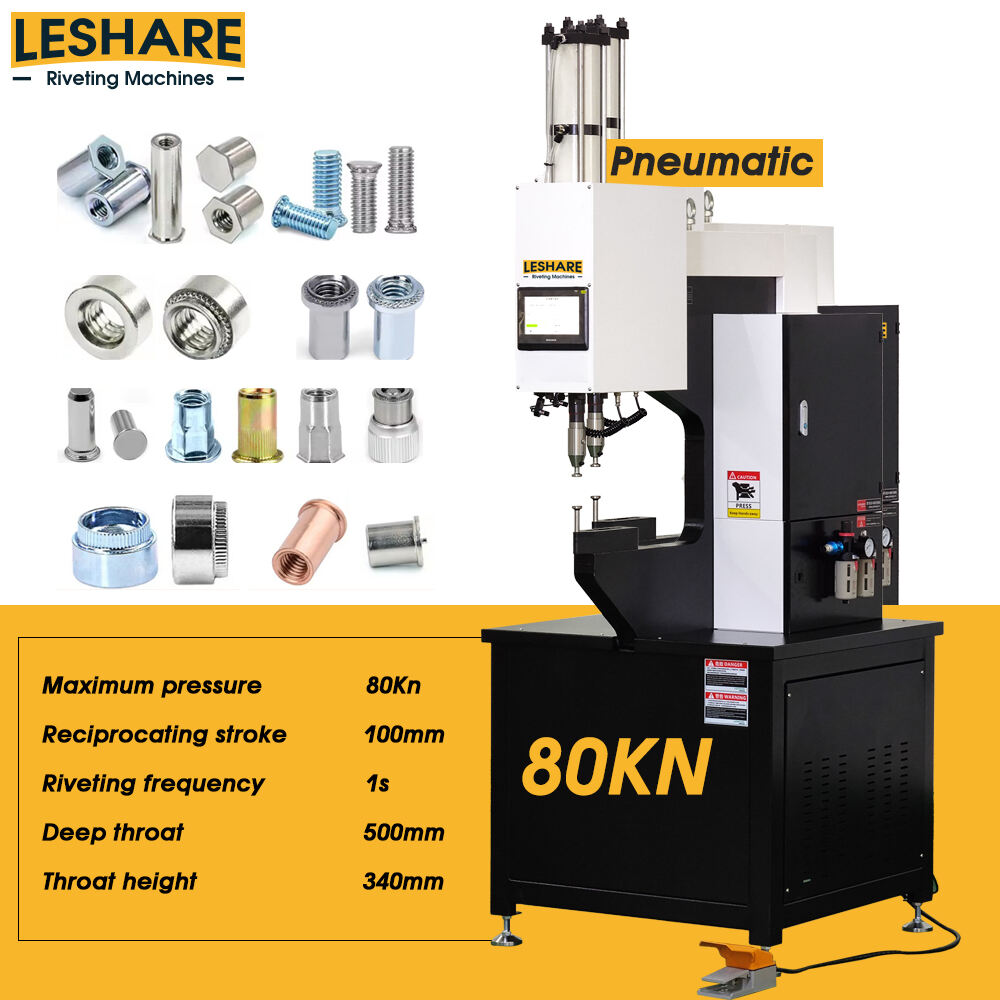
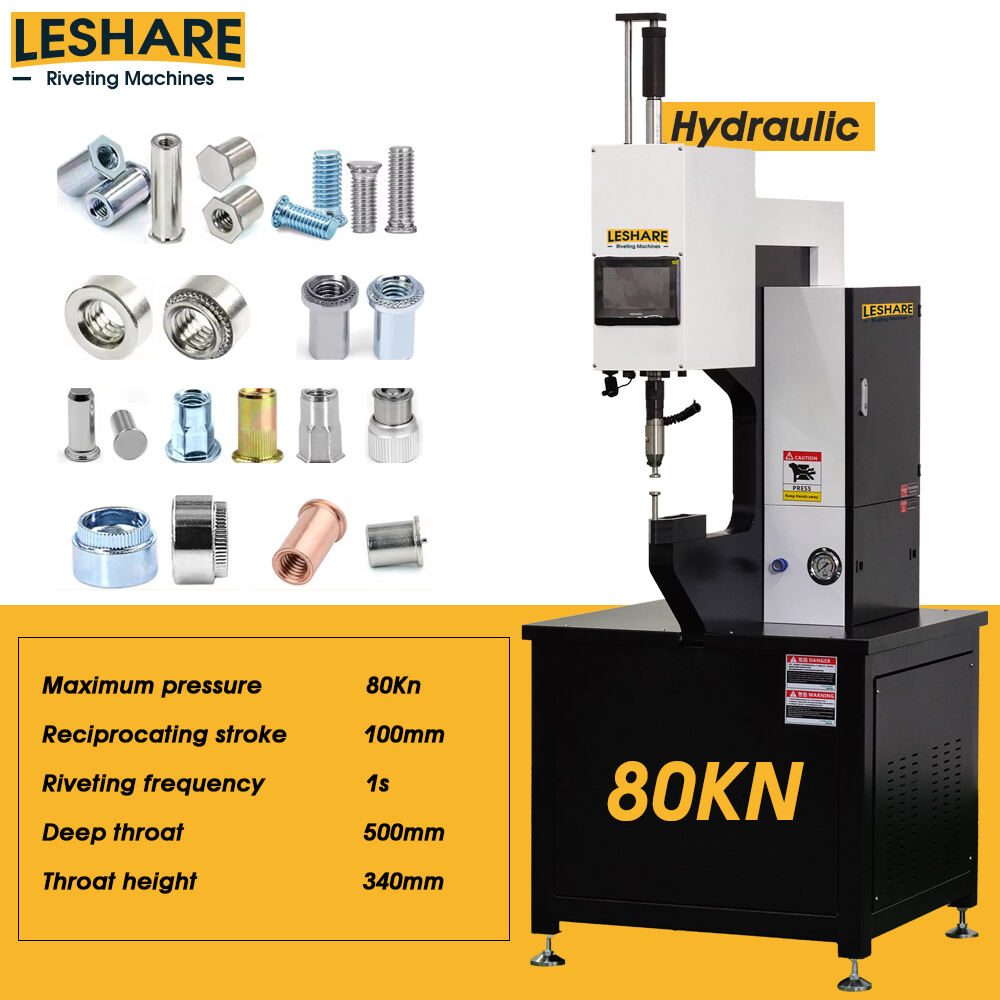
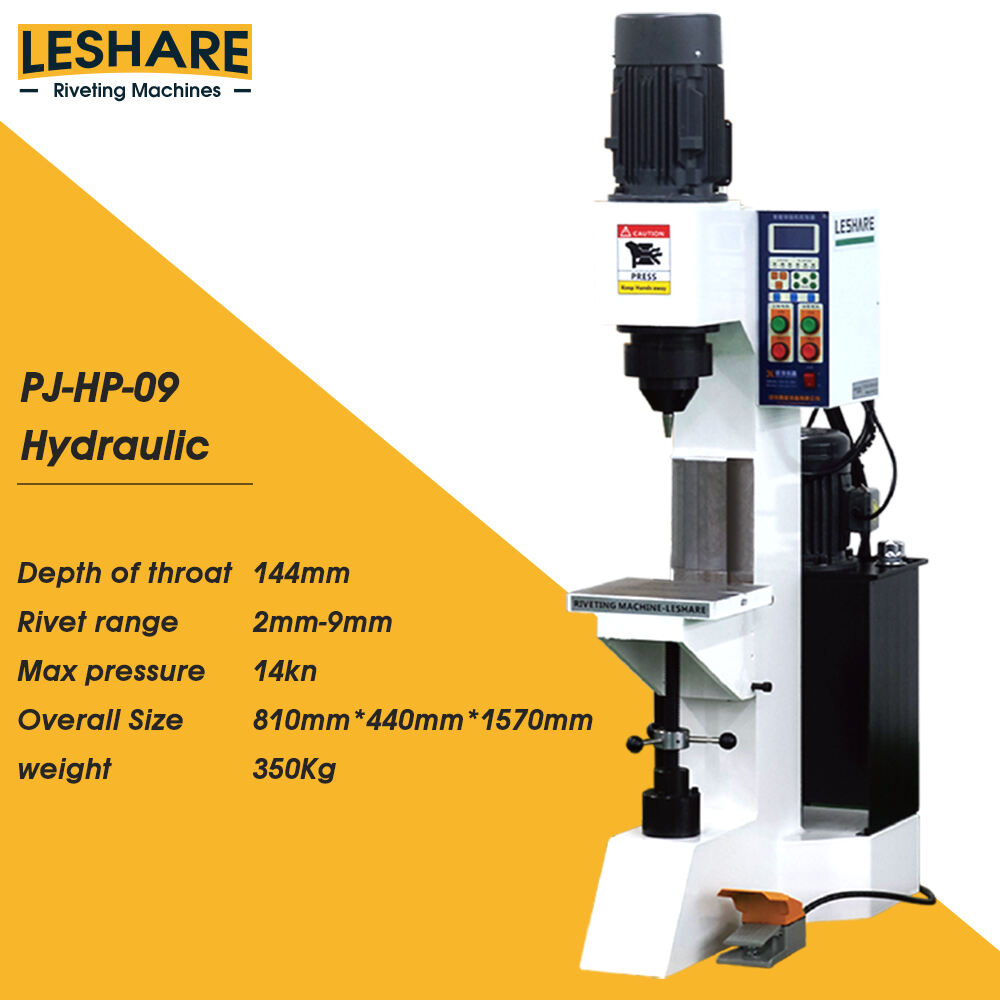
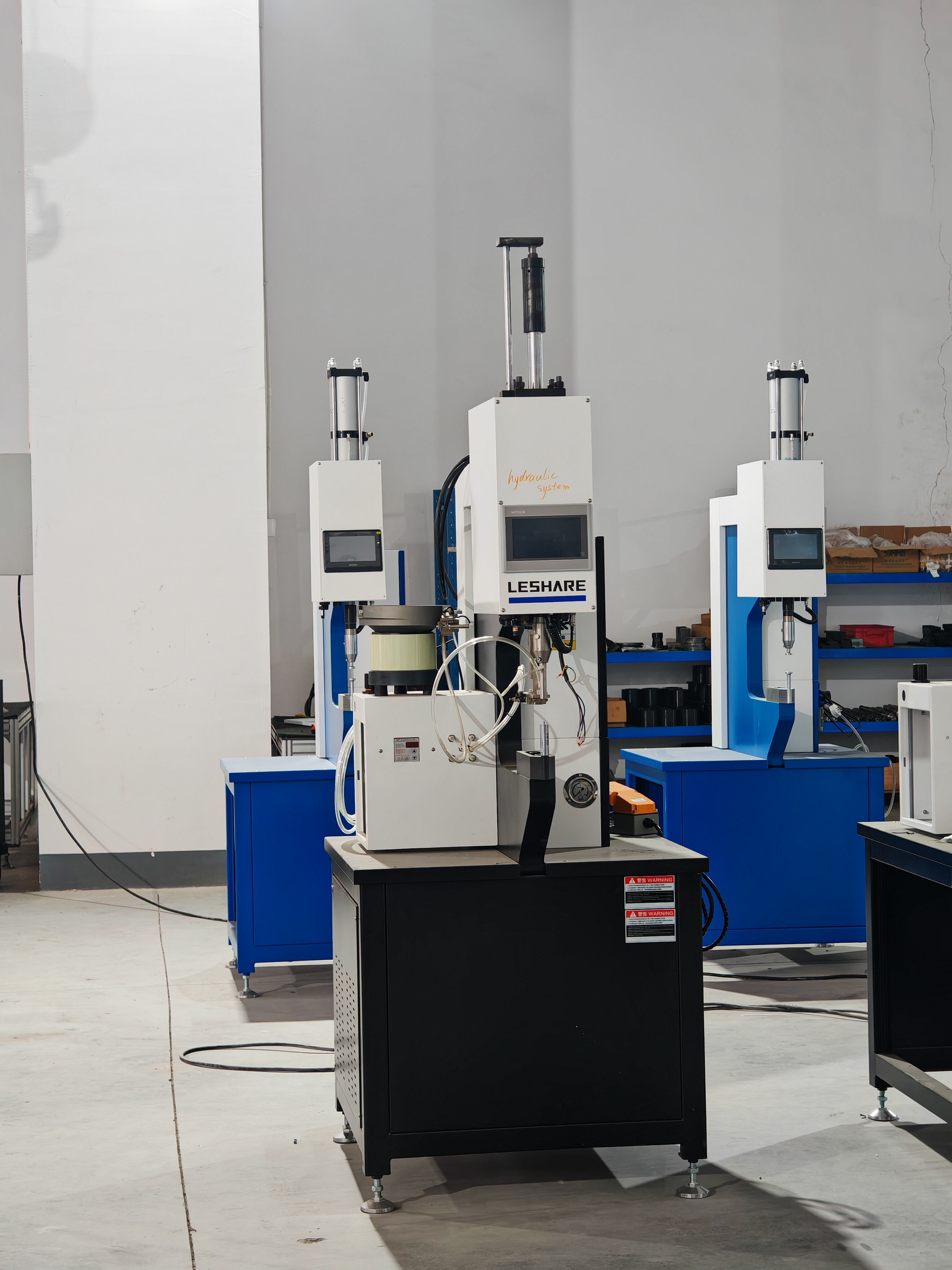
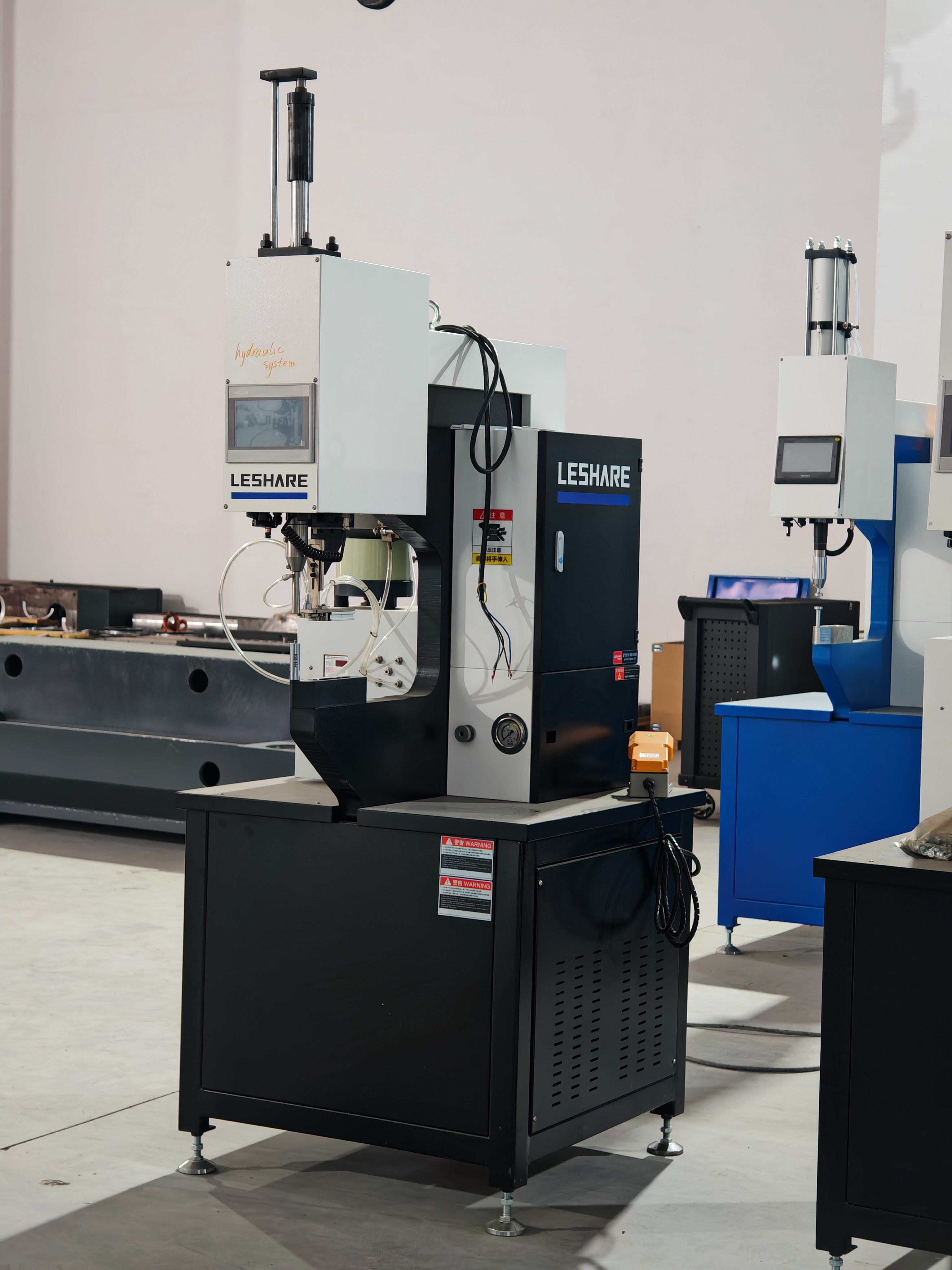
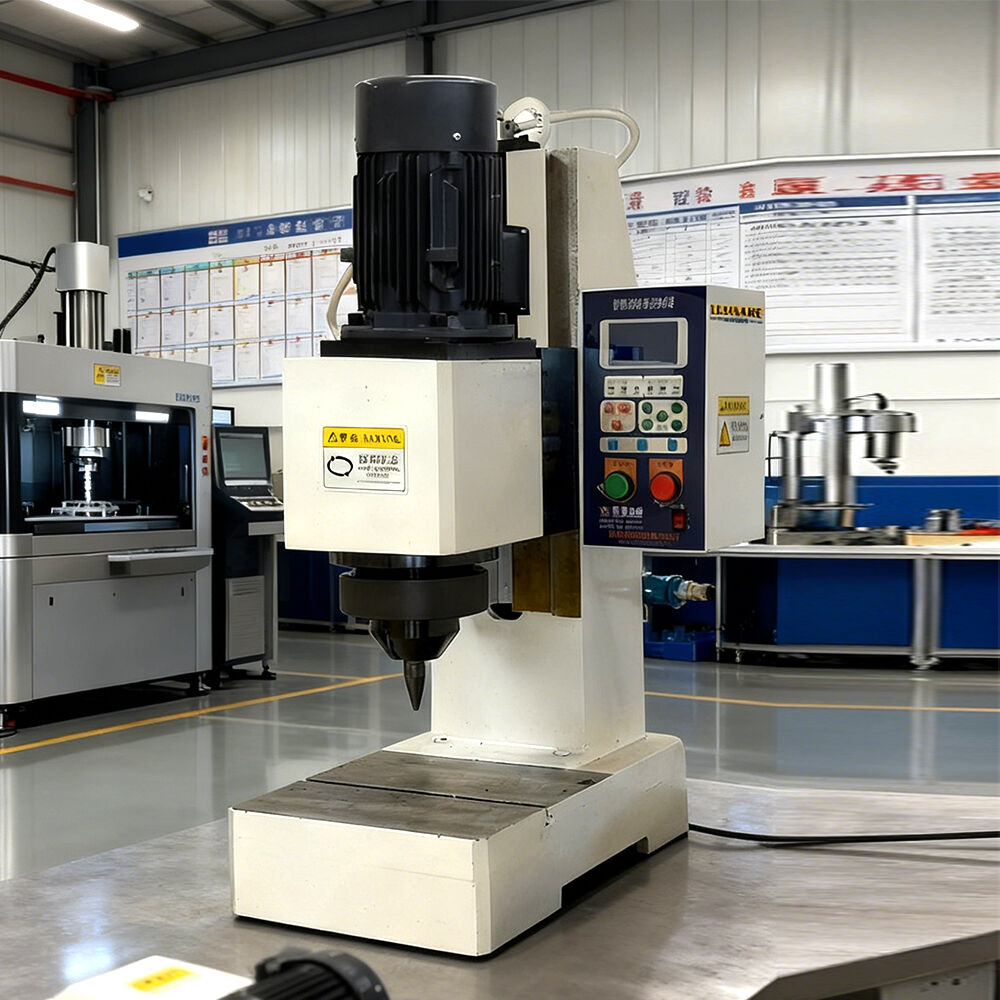
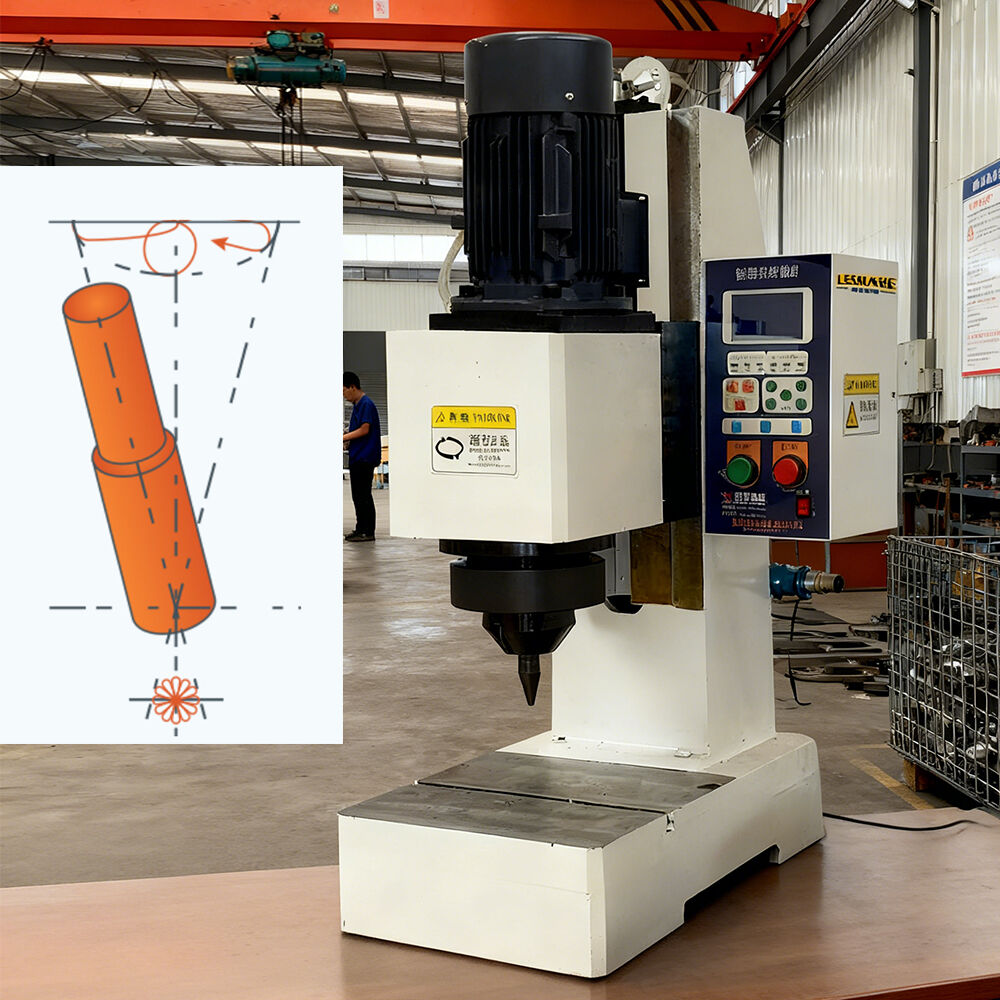
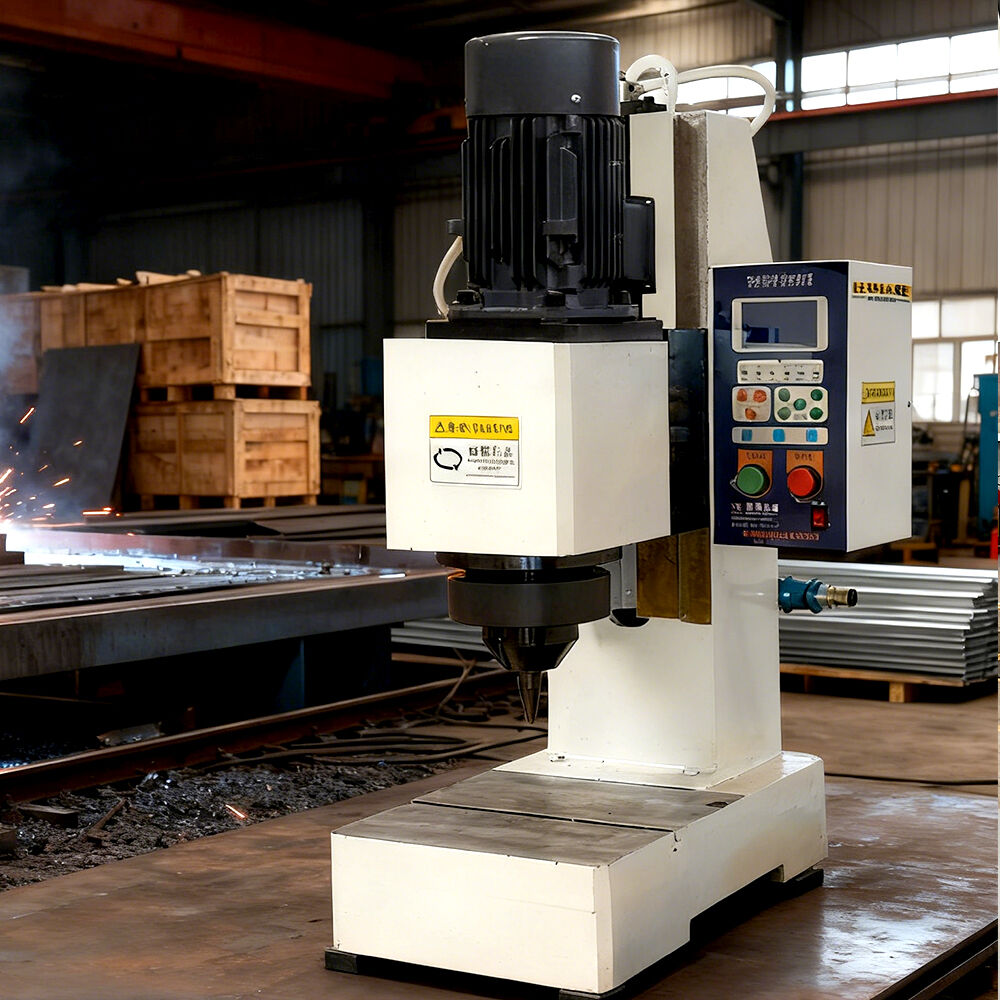
Radial riveting machine types represent a sophisticated category of industrial equipment designed to create permanent mechanical fastening through controlled deformation processes. These machines operate by applying radial forces to rivet heads, causing them to expand and form secure connections between multiple material layers. The fundamental principle involves rotating tooling that gradually shapes the rivet material while maintaining precise control over the deformation process. Various radial riveting machine types exist to accommodate different manufacturing requirements, including pneumatic, hydraulic, and servo-electric models. Each configuration offers distinct performance characteristics suited to specific applications and production environments. Pneumatic radial riveting machine types utilize compressed air to generate the necessary force for rivet formation, providing reliable operation with moderate force requirements. Hydraulic variants deliver substantially higher forces through pressurized fluid systems, making them ideal for heavy-duty applications involving thick materials or large-diameter rivets. Servo-electric radial riveting machine types incorporate advanced motor control technology to achieve exceptional precision and repeatability in force application and positioning. The technological features of these machines include programmable force profiles, real-time monitoring systems, and adaptive control algorithms that ensure consistent joint quality. Modern radial riveting machine types feature user-friendly interfaces with touchscreen controls, allowing operators to easily adjust parameters and monitor production metrics. Quality assurance capabilities include force measurement, displacement monitoring, and statistical process control functions that help maintain tight tolerances throughout production runs. These machines find extensive applications across automotive, aerospace, electronics, and appliance manufacturing industries where reliable mechanical connections are essential. The versatility of radial riveting machine types enables their use with various materials including aluminum, steel, brass, and composite materials, making them invaluable tools in diverse manufacturing operations.

New Products

Radial riveting machine types deliver exceptional productivity benefits that significantly enhance manufacturing operations across multiple industries. These machines create stronger joints compared to traditional fastening methods because the radial forming process work-hardens the rivet material while creating an interference fit that resists loosening under vibration and thermal cycling. The controlled deformation process ensures uniform material flow around the rivet circumference, eliminating weak points that could lead to premature failure. Unlike welding or adhesive bonding, radial riveting machine types require no consumable materials beyond the rivets themselves, reducing ongoing operational costs while maintaining consistent quality standards. The cold forming process preserves material properties without introducing heat-affected zones that could compromise structural integrity or surface finish. Production efficiency increases substantially because radial riveting machine types complete forming cycles in seconds rather than minutes, enabling higher throughput rates that meet demanding production schedules. Quality consistency improves dramatically through programmable parameters that eliminate human variability in force application and timing. These machines accommodate various rivet sizes and materials within their operational range, reducing the need for multiple specialized tools and simplifying production planning. Maintenance requirements remain minimal due to robust construction and fewer moving parts compared to alternative fastening systems. The non-destructive nature of radial riveting allows for easy inspection and quality verification without damaging completed assemblies. Energy consumption stays low because the efficient mechanical systems require less power than welding or heating processes. Setup time decreases significantly through quick-change tooling systems and preset parameters that reduce changeover intervals between different products. Worker safety improves because radial riveting machine types eliminate exposure to welding fumes, sparks, or hazardous chemicals associated with alternative joining methods. The precise force control prevents over-deformation that could damage sensitive components or substrates. Cost-effectiveness becomes apparent through reduced labor requirements, minimal consumables, and extended equipment life cycles that maximize return on investment for manufacturing operations.

Tips And Tricks

What Are the Core Advantages of Using a Pneumatic Orbital Riveter?

28

Aug

What Are the Core Advantages of Using a Pneumatic Orbital Riveter?

Understanding the Revolutionary Impact of Modern Riveting Technology The evolution of industrial fastening has reached new heights with the emergence of pneumatic orbital riveting systems. These sophisticated tools have transformed manufacturing proc...
View More
What Should You Check During Routine Maintenance of a Pneumatic Orbital Riveter?

06

Nov

What Should You Check During Routine Maintenance of a Pneumatic Orbital Riveter?

Essential Maintenance Guidelines for Industrial Riveting Equipment Maintaining a pneumatic orbital riveter is crucial for ensuring consistent performance and longevity in industrial applications. These sophisticated tools require regular attention to...
View More
How Do You Match Fastener Types to the Right Fastener Insertion Machine?

11

Dec

How Do You Match Fastener Types to the Right Fastener Insertion Machine?

Selecting the appropriate fastener insertion machine for your manufacturing operation requires careful consideration of multiple technical factors that directly impact production efficiency, quality, and cost-effectiveness. Modern industrial applicat...
View More
Why Are Electronics Plants Adopting Fastener Insertion Machines for Enclosures?

11

Dec

Why Are Electronics Plants Adopting Fastener Insertion Machines for Enclosures?

Improving the Structural Integrity of Electronic Enclosures In modern electronics plants, manufacturers continually pursue efficiency, precision, and long-term durability in every part of the assembly process. When it comes to electronic enclosures, ...
View More

Get a Free Quote

Our representative will contact you soon.
Email
Name
Company Name
Message
0/1000

radial riveting machine types

Precision Force Control Technology

Precision Force Control Technology

Advanced radial riveting machine types incorporate sophisticated force control systems that deliver unmatched precision in rivet formation processes. These systems utilize high-resolution sensors and real-time feedback mechanisms to monitor and adjust applied forces throughout each forming cycle, ensuring optimal results regardless of material variations or environmental conditions. The precision control technology enables manufacturers to achieve consistent joint quality while minimizing material waste and reducing the risk of component damage during assembly operations. Modern servo-electric radial riveting machine types feature closed-loop control systems that continuously compare actual force measurements against programmed target values, making instantaneous adjustments to maintain specified parameters. This level of control proves essential when working with sensitive components or varying material thicknesses that require different force profiles for optimal results. The technology accommodates complex forming sequences where force application must follow specific patterns to achieve desired joint characteristics without compromising surrounding materials. Programmable force profiles allow operators to customize the forming process for different applications, storing multiple parameter sets that can be recalled instantly when changing between product lines. The precision control systems also provide valuable process data for quality assurance and continuous improvement initiatives, recording force curves, displacement measurements, and cycle times for statistical analysis. This data enables manufacturers to identify trends, optimize parameters, and prevent quality issues before they impact production. The force control technology extends equipment life by preventing overloading and reducing wear on critical components through precise operation within design limits. Integration capabilities allow these systems to communicate with factory automation networks, enabling coordinated operation with other production equipment and real-time monitoring from centralized control systems. The precision offered by modern radial riveting machine types eliminates the guesswork traditionally associated with manual riveting operations, providing repeatable results that meet stringent quality requirements in aerospace, automotive, and medical device manufacturing applications where reliability and consistency are paramount.
Versatile Material Compatibility

Versatile Material Compatibility

Radial riveting machine types demonstrate remarkable versatility in handling diverse materials and joint configurations, making them indispensable tools for manufacturers working with complex assemblies. These machines successfully process materials ranging from soft aluminum alloys to high-strength steels, adapting their forming parameters to accommodate the unique characteristics of each material type. The versatility extends beyond basic material compatibility to include various rivet designs, substrate combinations, and joint geometries that would be challenging or impossible with alternative fastening methods. Modern radial riveting machine types feature adjustable tooling systems that accommodate different rivet head styles, shank diameters, and grip lengths without requiring extensive machine modifications or lengthy setup procedures. This adaptability proves especially valuable in mixed-production environments where multiple product lines utilize different fastening specifications within the same manufacturing facility. The machines handle multi-layer assemblies effectively, distributing forming forces evenly across all layers to create secure connections without damaging intermediate components or creating stress concentrations. Dissimilar material joining becomes feasible with radial riveting machine types because the cold forming process avoids the metallurgical issues associated with welding incompatible materials. The technology accommodates both solid and tubular rivets, expanding application possibilities to include hollow assemblies, electrical connections, and specialized fastening requirements. Surface finish preservation represents another significant advantage, as the controlled forming process maintains original surface textures and coatings without the heat damage or contamination risks associated with thermal joining processes. The versatility of radial riveting machine types enables manufacturers to consolidate multiple fastening operations using a single machine platform, reducing equipment investment and simplifying operator training requirements. Composite materials benefit from the low-stress forming process that avoids delamination or fiber damage while creating reliable mechanical connections. The machines adapt to various production volumes, from prototype development requiring frequent parameter changes to high-volume production demanding consistent, repeatable results. This flexibility supports lean manufacturing initiatives by enabling quick responses to customer requirements and design changes without major process modifications.
Enhanced Production Efficiency

Enhanced Production Efficiency

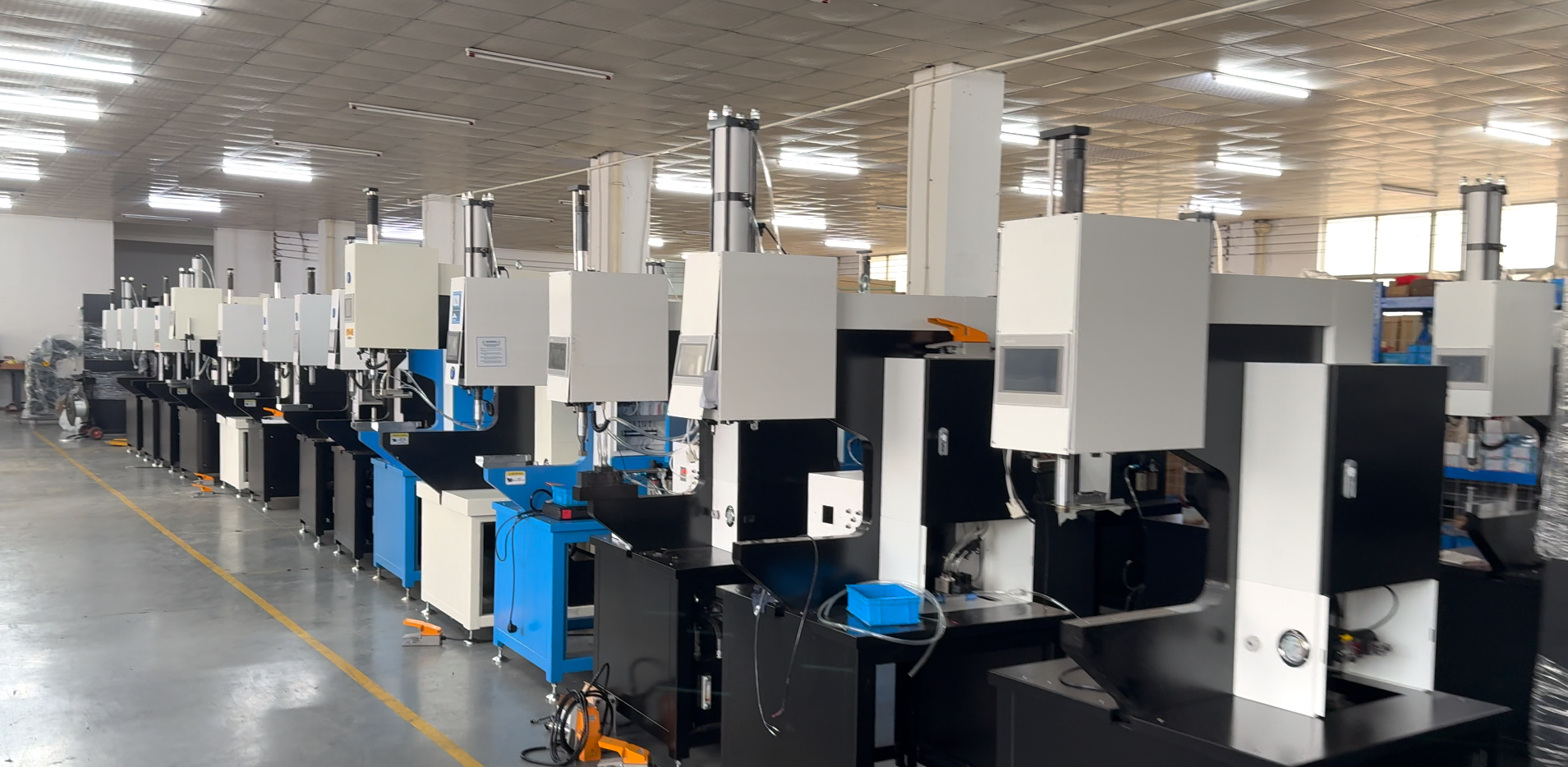
Radial riveting machine types revolutionize manufacturing efficiency through their rapid cycle times, consistent quality output, and minimal operator intervention requirements. These machines complete complex riveting operations in fractions of the time required by manual or semi-automatic alternatives, dramatically increasing production throughput while maintaining superior joint quality standards. The automated operation eliminates variability associated with manual techniques, ensuring every rivet receives identical treatment regardless of operator skill level or fatigue factors. Fast cycle times, typically measured in seconds rather than minutes, enable manufacturers to meet aggressive production schedules while maintaining cost-effective operations. The efficiency gains compound throughout production runs because radial riveting machine types require minimal setup adjustments once initial parameters are established, reducing downtime between batches and improving overall equipment effectiveness. Quality consistency eliminates the need for extensive inspection and rework activities that consume valuable production time and resources in traditional riveting operations. Automated feeding systems available on advanced radial riveting machine types further enhance efficiency by positioning rivets precisely without manual intervention, reducing cycle times and improving operator safety. The machines integrate seamlessly with assembly line operations, accepting parts from upstream processes and delivering completed assemblies to downstream operations without manual handling delays. Predictable operation enables accurate production planning and scheduling, as manufacturers can rely on consistent cycle times and minimal unplanned downtime for maintenance or adjustments. Energy efficiency contributes to overall operational efficiency by minimizing power consumption compared to alternative joining methods like welding or induction heating. The cold forming process eliminates warm-up periods and cooling delays, allowing immediate operation at full capacity whenever production demands require. Reduced tooling wear extends maintenance intervals and minimizes replacement costs, contributing to improved overall equipment effectiveness and lower total cost of ownership. Quick changeover capabilities support flexible manufacturing strategies, allowing rapid transitions between different products without lengthy setup procedures that interrupt production flow. The efficiency benefits of radial riveting machine types extend beyond direct manufacturing activities to include simplified quality control procedures, reduced material handling requirements, and lower skill requirements for operators, creating a comprehensive improvement in manufacturing operations that directly impacts competitiveness and profitability.

Get a Free Quote

Our representative will contact you soon.
Email
Name
Company Name
Message
0/1000