Non-Standard Riveting Machine: Custom Industrial Fastening Solutions for Specialized Manufacturing Applications

Get a Free Quote

Our representative will contact you soon.
Email
Name
Company Name
Message
0/1000

non-standard riveting machine

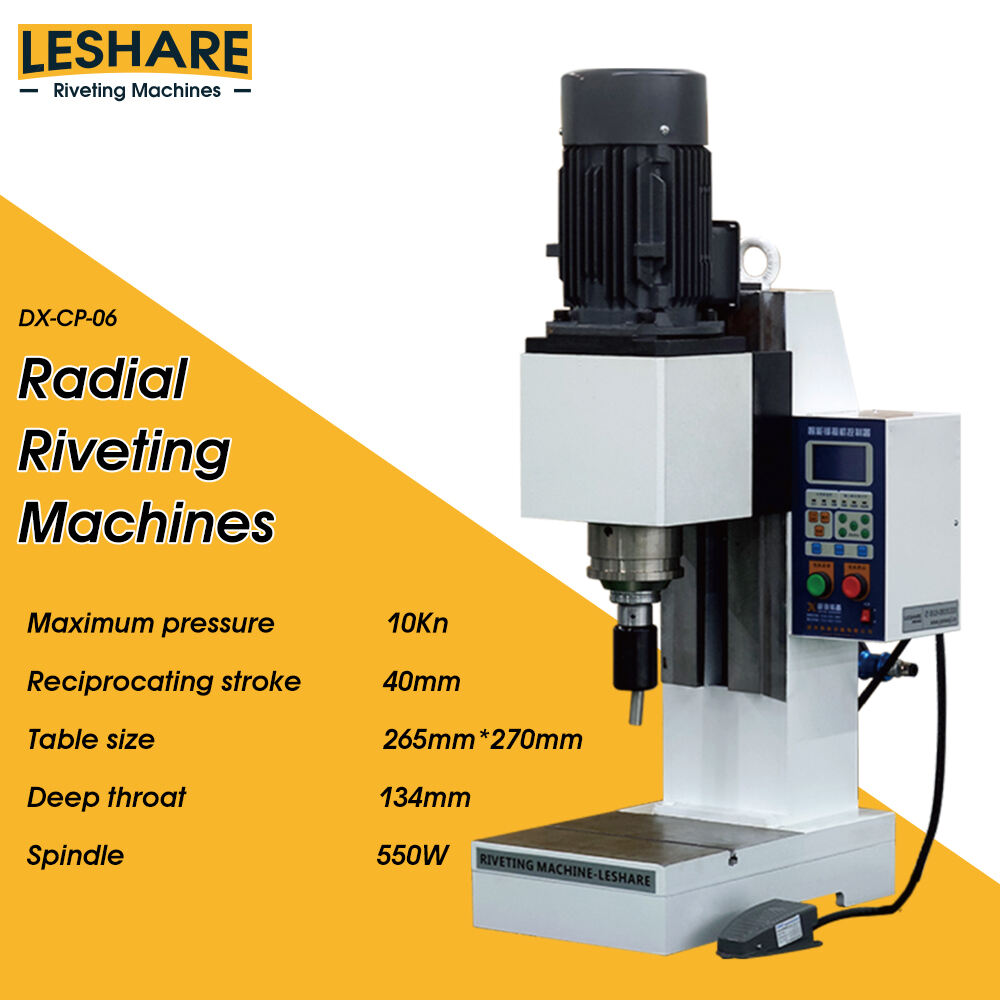
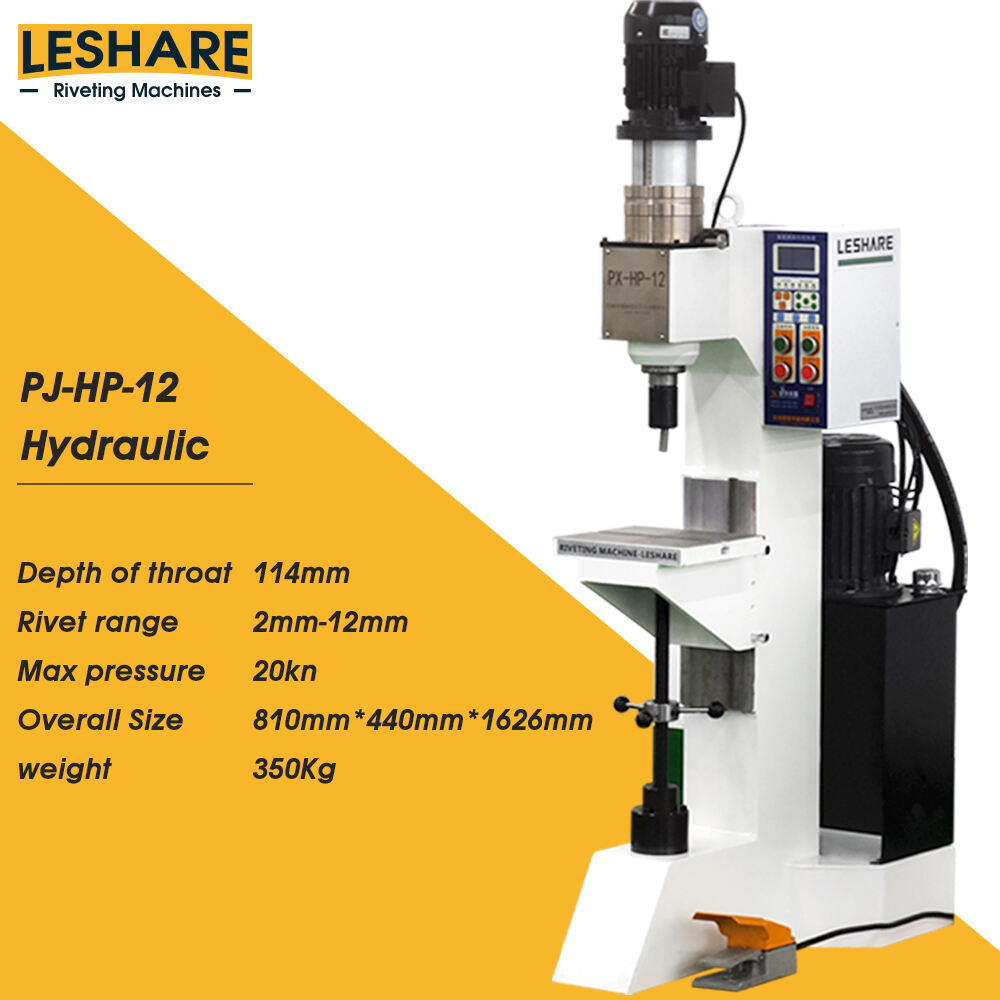
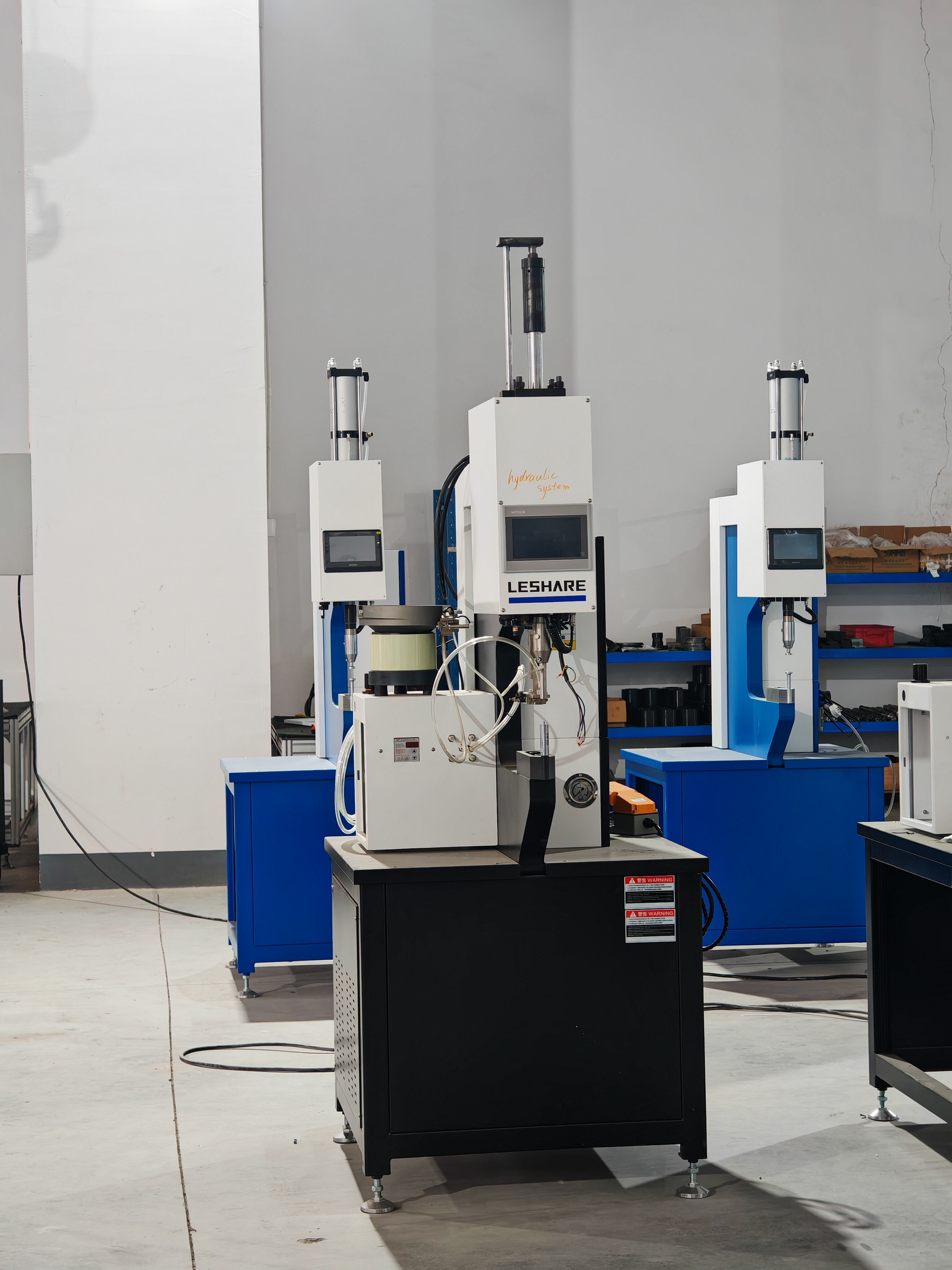
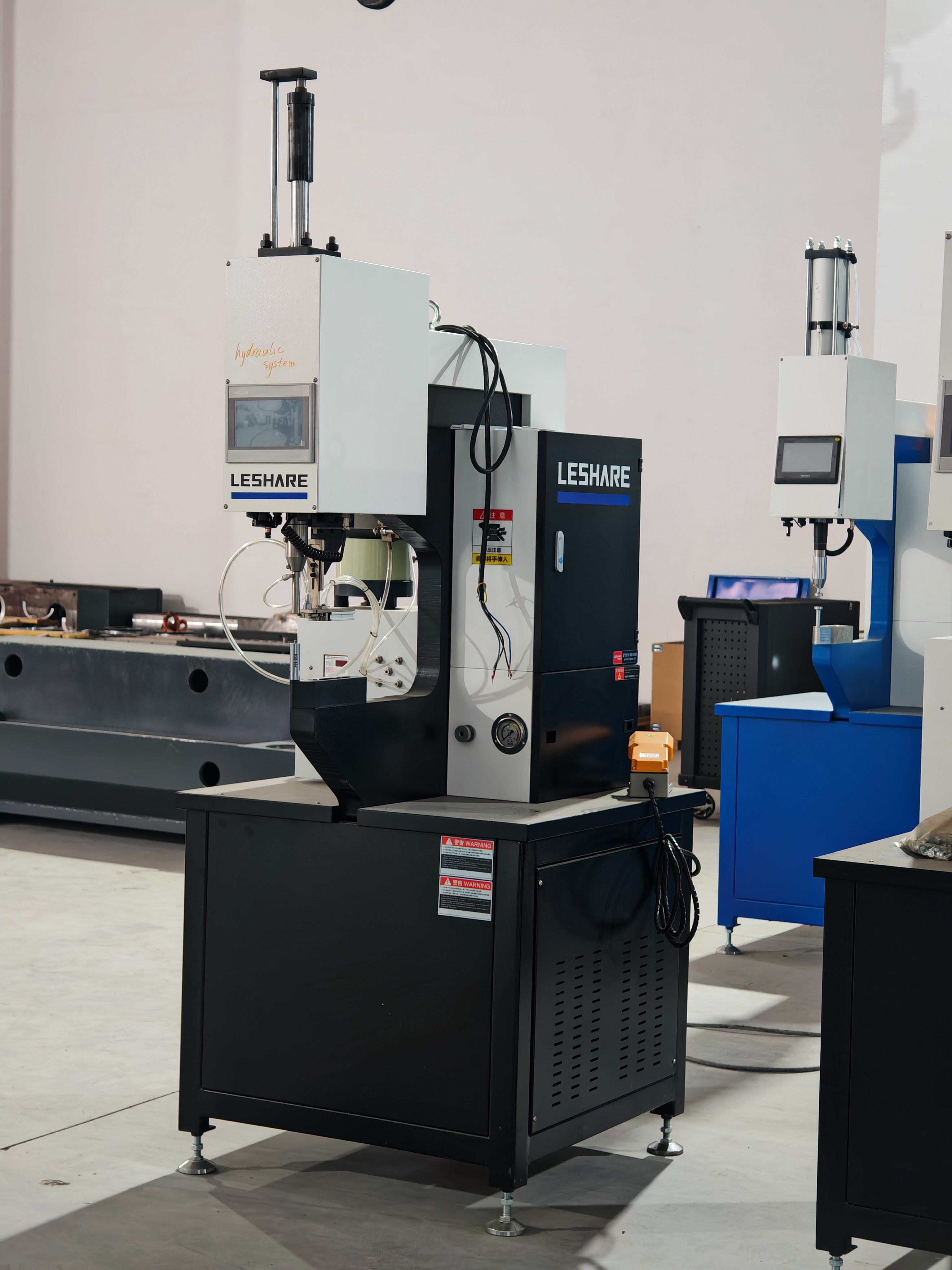
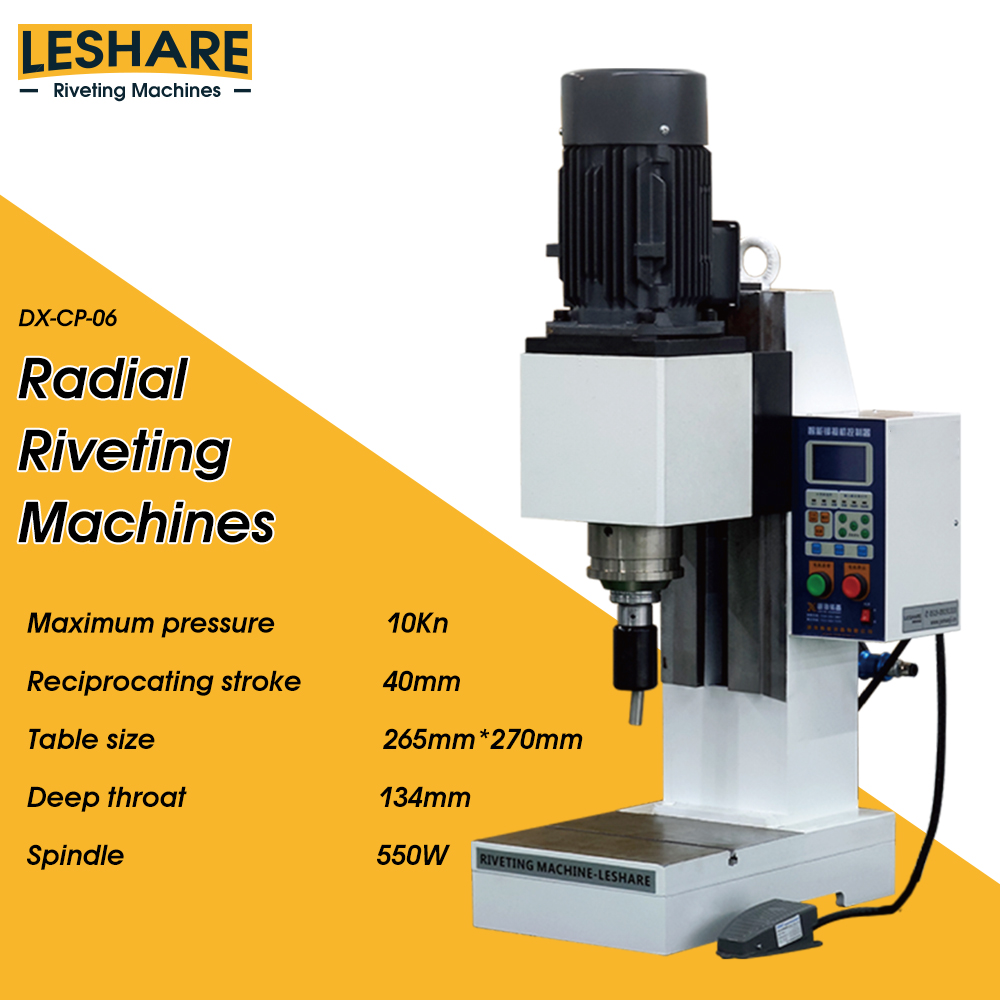
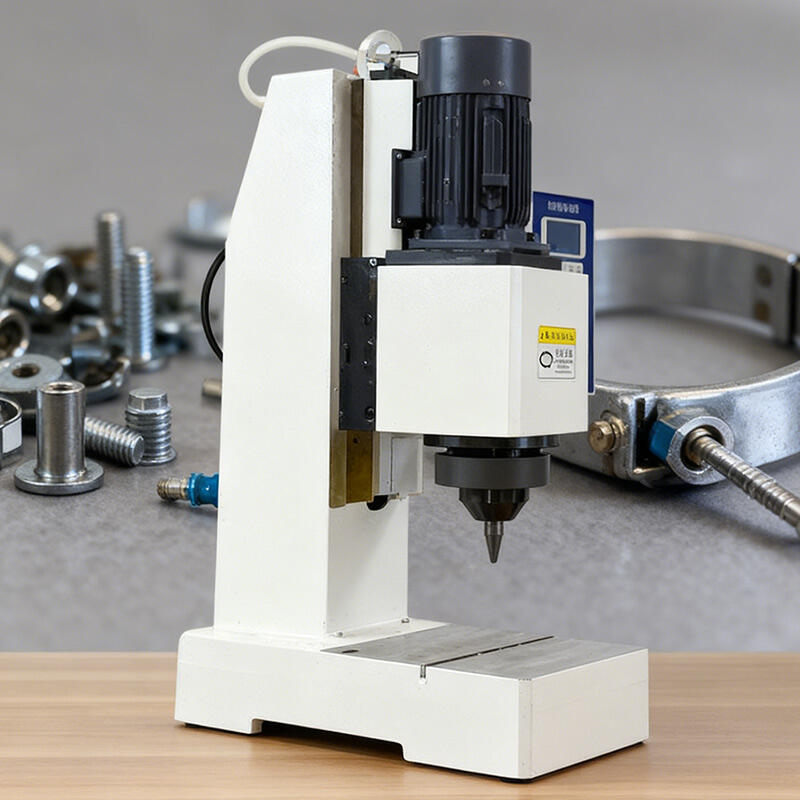
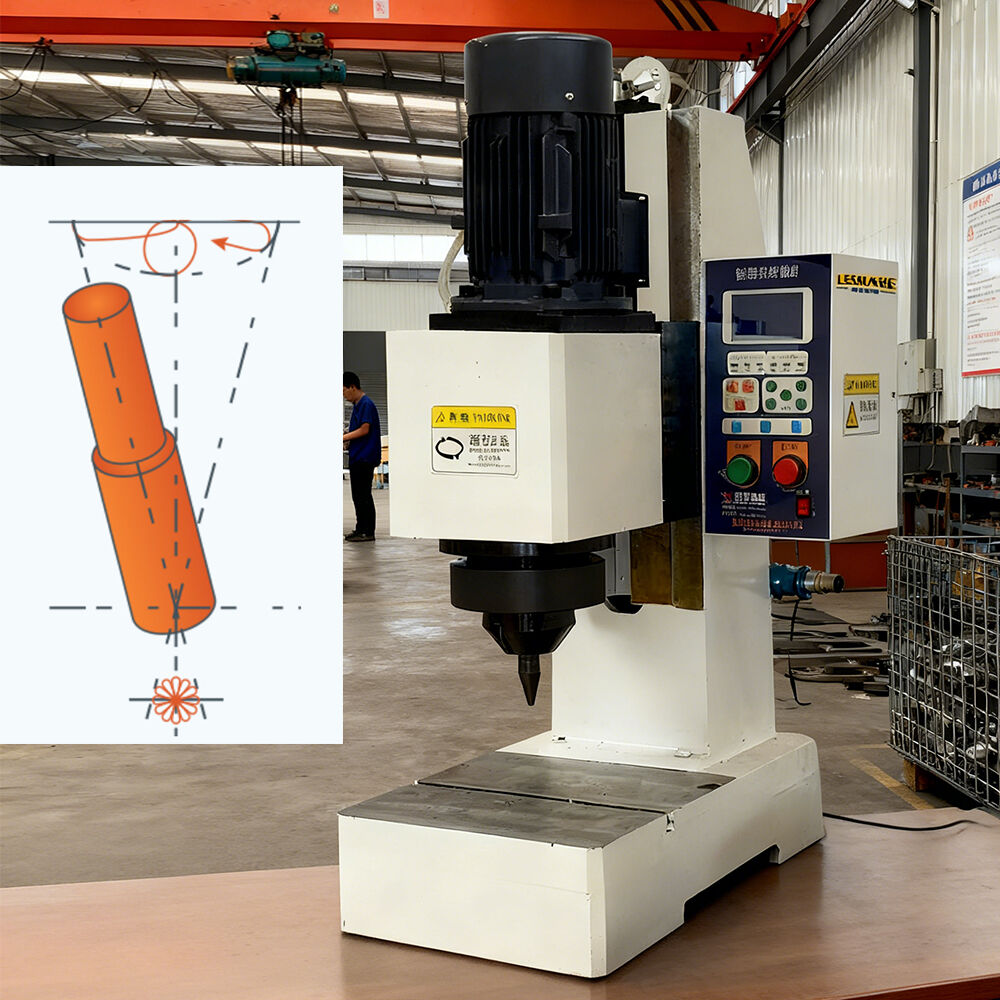
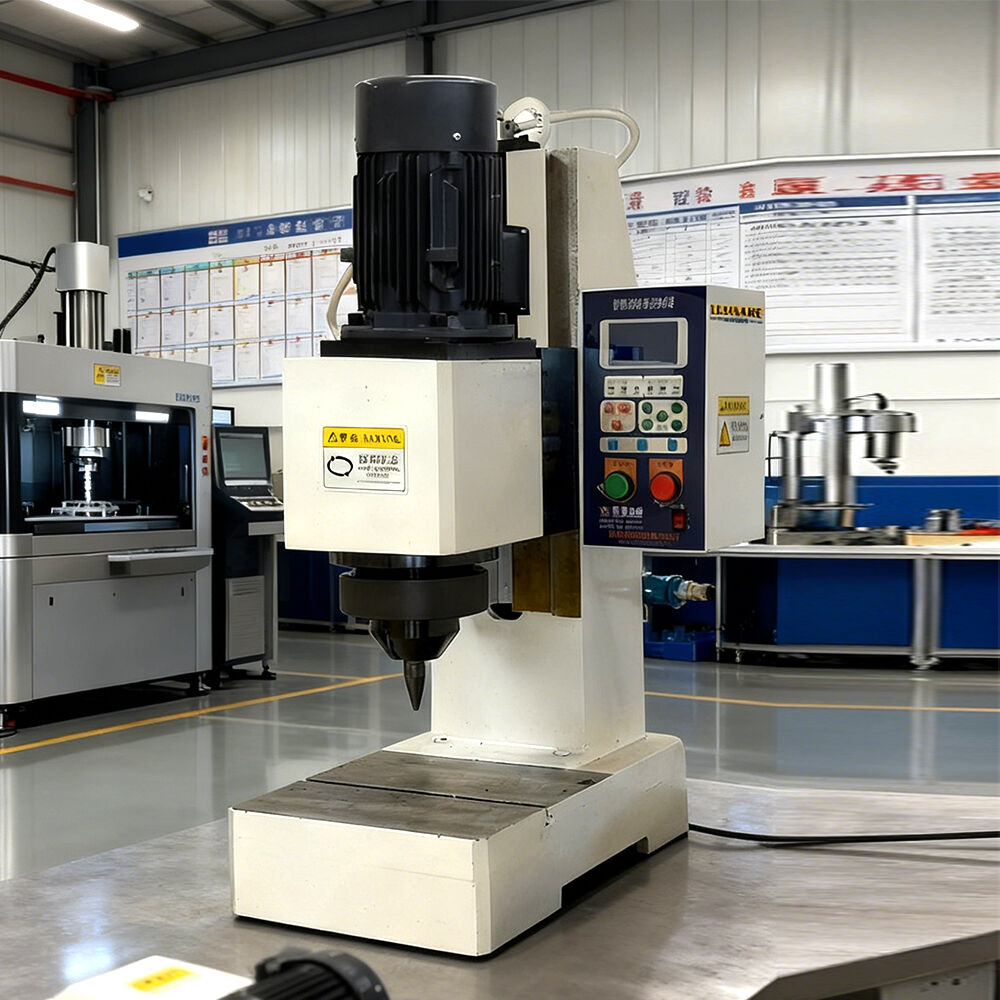
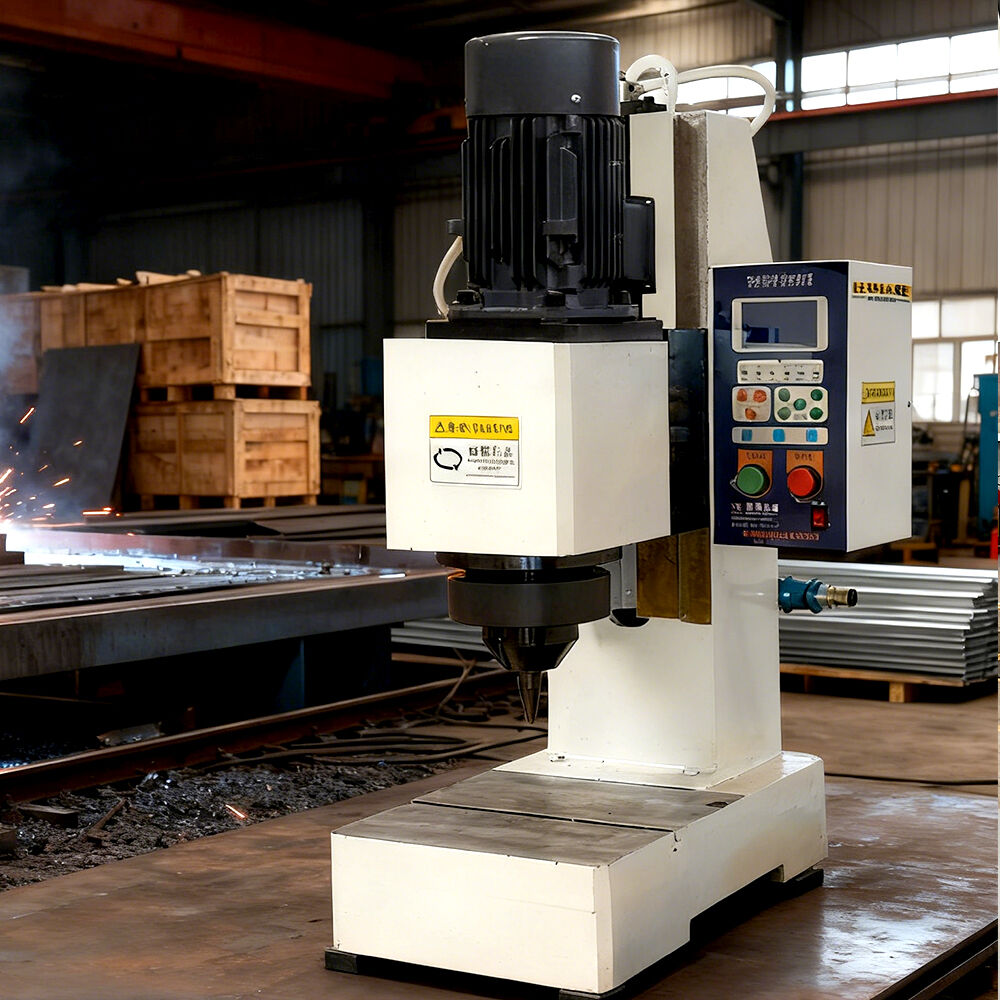
A non-standard riveting machine represents a specialized industrial fastening solution designed to meet unique manufacturing requirements that conventional riveting equipment cannot address. Unlike standard riveting machines that follow predetermined specifications and configurations, these customized systems are engineered to handle specific assembly challenges, unusual materials, or complex geometric constraints. The primary function of a non-standard riveting machine centers on creating permanent mechanical joints through the deformation of rivets in applications where traditional equipment proves inadequate. These machines excel in situations requiring precise force control, specialized tooling arrangements, or accommodation of irregular workpiece dimensions. The technological features of non-standard riveting machines encompass advanced servo-driven systems that provide exceptional accuracy in rivet placement and force application. Many units incorporate programmable logic controllers that allow operators to store multiple riveting parameters for different applications. The machines often feature adjustable stroke lengths, variable speed controls, and customizable feeding mechanisms to handle diverse rivet types and sizes. Additionally, these systems frequently include specialized clamping arrangements and custom-designed anvils to secure workpieces during the riveting process. Applications for non-standard riveting machines span numerous industries including aerospace, automotive, electronics, and heavy machinery manufacturing. In aerospace applications, these machines join lightweight composite materials with precision-engineered rivets while maintaining strict quality standards. Automotive manufacturers utilize them for assembling components with unique shapes or materials that require specialized handling. Electronics manufacturers employ non-standard riveting machines for creating reliable connections in circuit boards and electronic housings where standard equipment cannot access tight spaces or provide the required precision. The versatility of these machines makes them invaluable for prototype development and small-batch production runs where flexibility and adaptability are essential for maintaining production efficiency and quality standards.

New Product Recommendations

Non-standard riveting machines offer significant practical benefits that directly impact manufacturing efficiency and product quality. The primary advantage lies in their ability to solve complex assembly challenges that would otherwise require multiple machines or manual processes. Companies save substantial time and labor costs by consolidating multiple operations into a single automated process. This consolidation eliminates the need for operators to move workpieces between different stations, reducing handling time and minimizing the risk of damage or misalignment. The precision control systems in these machines ensure consistent rivet placement and force application, resulting in stronger joints and reduced scrap rates. Manufacturers report quality improvements of up to 30 percent when switching from manual riveting to automated non-standard systems. The machines provide repeatable results that eliminate human error factors such as inconsistent force application or improper rivet alignment. This consistency proves especially valuable in applications requiring strict quality standards or regulatory compliance. Flexibility represents another major advantage, as these machines can quickly adapt to different product configurations without extensive retooling. Operators can store multiple program settings and switch between them in minutes rather than hours required for traditional equipment changeovers. This capability allows manufacturers to handle smaller batch sizes economically while maintaining high productivity levels. The customizable nature of non-standard riveting machines means they can work with unusual materials or component shapes that standard equipment cannot accommodate. This versatility opens new market opportunities for manufacturers and enables them to take on projects that competitors might decline. Energy efficiency improvements over manual processes typically range from 15 to 25 percent, as the machines optimize power consumption based on actual riveting requirements rather than running continuously. The reduced physical demands on operators improve workplace safety and reduce injury-related costs. Additionally, the machines often include safety features such as light curtains and emergency stops that further protect workers. Long-term maintenance costs remain lower than expected due to the robust construction and quality components used in these custom systems, providing excellent return on investment for businesses.

Latest News

How Does a Fastener Insertion Machine Improve Productivity in Metal Fabrication?

11

Dec

How Does a Fastener Insertion Machine Improve Productivity in Metal Fabrication?

In today's competitive metal fabrication industry, manufacturers are constantly seeking innovative solutions to enhance production efficiency while maintaining quality standards. A fastener insertion machine represents a revolutionary advancement tha...
View More
Why Are Electronics Plants Adopting Fastener Insertion Machines for Enclosures?

29

Dec

Why Are Electronics Plants Adopting Fastener Insertion Machines for Enclosures?

Improving the Structural Integrity of Electronic Enclosures In modern electronics plants, manufacturers continually pursue efficiency, precision, and long-term durability in every part of the assembly process. When it comes to electronic enclosures, ...
View More
How to select a nonrotating shaft radial riveter for precision components?

28

Jan

How to select a nonrotating shaft radial riveter for precision components?

Precision manufacturing demands exceptional reliability and accuracy in every assembly process. When working with delicate electronic components, aerospace assemblies, or medical devices, selecting the right nonrotating shaft radial riveter becomes c...
View More
How to implement lowspeed radial riveting in automated production lines?

26

Feb

How to implement lowspeed radial riveting in automated production lines?

Manufacturing excellence in modern production environments demands precision joining techniques that deliver consistent results while maintaining operational efficiency. Lowspeed radial riveting has emerged as a cornerstone technology for automated a...
View More

Get a Free Quote

Our representative will contact you soon.
Email
Name
Company Name
Message
0/1000

non-standard riveting machine

Advanced Customization Capabilities for Unique Applications

Advanced Customization Capabilities for Unique Applications

The most distinctive feature of non-standard riveting machines lies in their exceptional customization capabilities that address specific manufacturing challenges conventional equipment cannot solve. These machines are engineered from the ground up to meet precise customer requirements, incorporating specialized components and configurations that align perfectly with unique production needs. The customization process begins with detailed analysis of the application requirements, including workpiece geometry, material properties, production volume, and quality specifications. Engineers design custom tooling arrangements that can handle irregular shapes, access confined spaces, or work with materials that require special handling techniques. The machines can accommodate rivets ranging from micro-sized components measuring less than one millimeter to heavy-duty fasteners exceeding 25 millimeters in diameter. This versatility extends to rivet materials, with systems capable of handling aluminum, steel, stainless steel, copper, and specialized alloys used in aerospace and medical applications. Custom feeding systems ensure reliable rivet delivery regardless of size, shape, or material properties. Some machines incorporate vision systems that verify proper rivet placement before activation, preventing costly errors and ensuring consistent quality. The control systems can be programmed with multiple parameter sets, allowing operators to switch between different products or configurations with minimal downtime. Advanced sensor technology monitors force application in real-time, automatically adjusting parameters to maintain optimal joint quality across varying material thicknesses or hardness levels. Custom clamping mechanisms secure workpieces of unusual shapes or sizes, ensuring proper alignment throughout the riveting process. The machines can be configured for horizontal, vertical, or angular operation depending on assembly requirements. Integration capabilities allow seamless connection with existing production lines, conveyor systems, or robotic handling equipment. Quality monitoring systems provide detailed data logging and statistical analysis to support continuous improvement initiatives and regulatory compliance requirements. The customization extends to safety features, with specialized guarding and emergency stop systems designed around the specific machine configuration and operating environment.

Superior Precision and Quality Control Systems

Superior Precision and Quality Control Systems

Non-standard riveting machines incorporate advanced precision control systems that deliver exceptional accuracy and consistency in every riveting operation. These sophisticated systems utilize servo-driven actuators that provide precise force control with resolution typically measured in tenths of pounds, ensuring optimal rivet deformation without damaging surrounding materials. The machines employ closed-loop feedback systems that continuously monitor and adjust riveting parameters throughout each cycle, compensating for variations in material properties or component tolerances. High-resolution encoders track ram position with accuracy measured in thousandths of an inch, enabling precise control of rivet upset and ensuring consistent joint formation. The control systems integrate multiple sensors that monitor critical parameters including force application, displacement, timing, and temperature where relevant. This comprehensive monitoring capability allows the machines to detect and correct deviations before they result in defective joints. Advanced data acquisition systems record every riveting cycle, creating detailed quality records that support traceability requirements and statistical process control initiatives. The machines can be programmed with multiple quality zones, applying different force profiles or monitoring different parameters based on rivet location or application requirements. Automatic reject systems identify and remove defective assemblies before they proceed to subsequent operations, maintaining consistent quality output. Vision systems integrated into many non-standard riveting machines verify proper rivet placement, orientation, and final appearance, adding an additional layer of quality assurance. The precision capabilities extend to cycle timing, with systems capable of maintaining consistent operation speeds regardless of varying load conditions or material properties. Temperature compensation algorithms adjust riveting parameters based on ambient conditions or material temperature, ensuring consistent results across different operating environments. Real-time process monitoring displays provide operators with immediate feedback on machine performance and quality metrics. Statistical analysis tools help identify trends and optimize riveting parameters for improved quality and efficiency. The precision control systems also enable the machines to handle delicate components that might be damaged by conventional riveting methods, opening applications in electronics and precision manufacturing where traditional approaches prove unsuitable.
Enhanced Production Efficiency and Cost Reduction Benefits

Enhanced Production Efficiency and Cost Reduction Benefits

Non-standard riveting machines deliver substantial improvements in production efficiency and cost reduction through optimized automation and intelligent process control. These machines typically increase production rates by 200 to 400 percent compared to manual riveting methods while simultaneously reducing labor requirements and associated costs. The automated operation eliminates the variability and fatigue factors that affect manual workers, maintaining consistent production speeds throughout entire shifts. Rapid cycle times, often measured in seconds rather than minutes, enable manufacturers to meet demanding production schedules while maintaining high quality standards. The machines incorporate sophisticated material handling systems that automatically position workpieces, feed rivets, and remove completed assemblies, minimizing operator intervention and reducing handling time. Quick changeover capabilities allow production of different products or configurations with minimal downtime, typically requiring less than 15 minutes compared to hours needed for conventional equipment setup. This flexibility enables efficient small-batch production and reduces inventory carrying costs by allowing just-in-time manufacturing approaches. Energy efficiency improvements result from optimized power consumption patterns that apply energy only when needed for actual riveting operations, rather than continuous operation required by some conventional systems. Reduced scrap rates, typically 50 to 75 percent lower than manual processes, directly impact material costs and improve overall profitability. The machines eliminate common sources of defects such as misaligned rivets, insufficient or excessive force application, and inconsistent rivet placement that frequently occur in manual operations. Predictive maintenance capabilities monitor machine condition and performance, scheduling maintenance activities during planned downtime rather than responding to unexpected failures. This proactive approach minimizes unplanned downtime and extends equipment life. Integration with manufacturing execution systems provides real-time production data that supports efficient scheduling and resource allocation decisions. Reduced physical demands on operators improve workplace safety and reduce injury-related costs and insurance premiums. The machines also eliminate the need for multiple quality inspection steps by incorporating real-time monitoring that ensures consistent quality output. Return on investment typically occurs within 12 to 18 months for most applications, with continued cost savings throughout the machine life cycle providing substantial long-term value to manufacturing operations.

Get a Free Quote

Our representative will contact you soon.
Email
Name
Company Name
Message
0/1000