Tox Joining Technology: Advanced Mechanical Fastening Solutions for Modern Manufacturing

Get a Free Quote

Our representative will contact you soon.
Email
Name
Company Name
Message
0/1000

tox joining

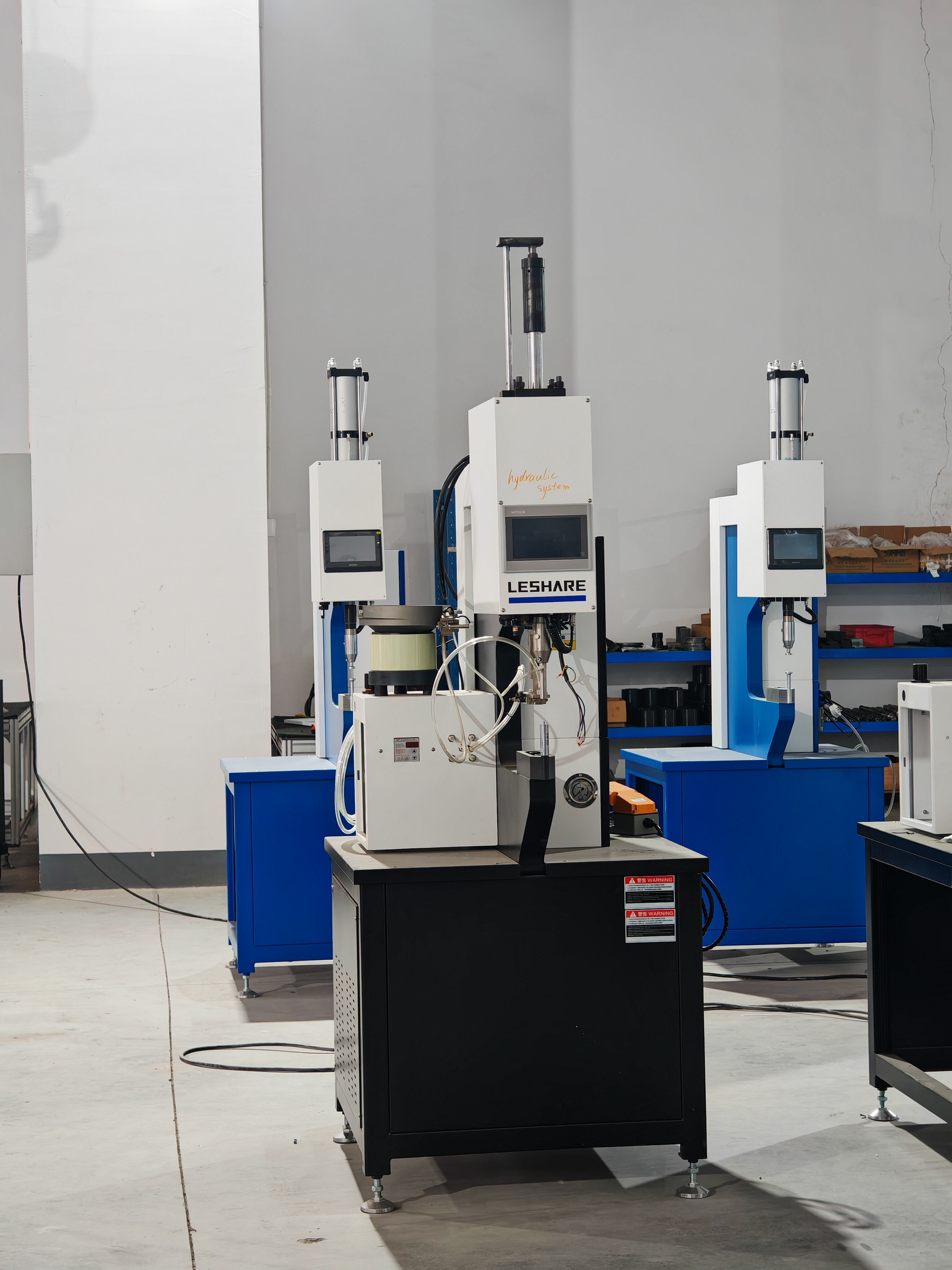
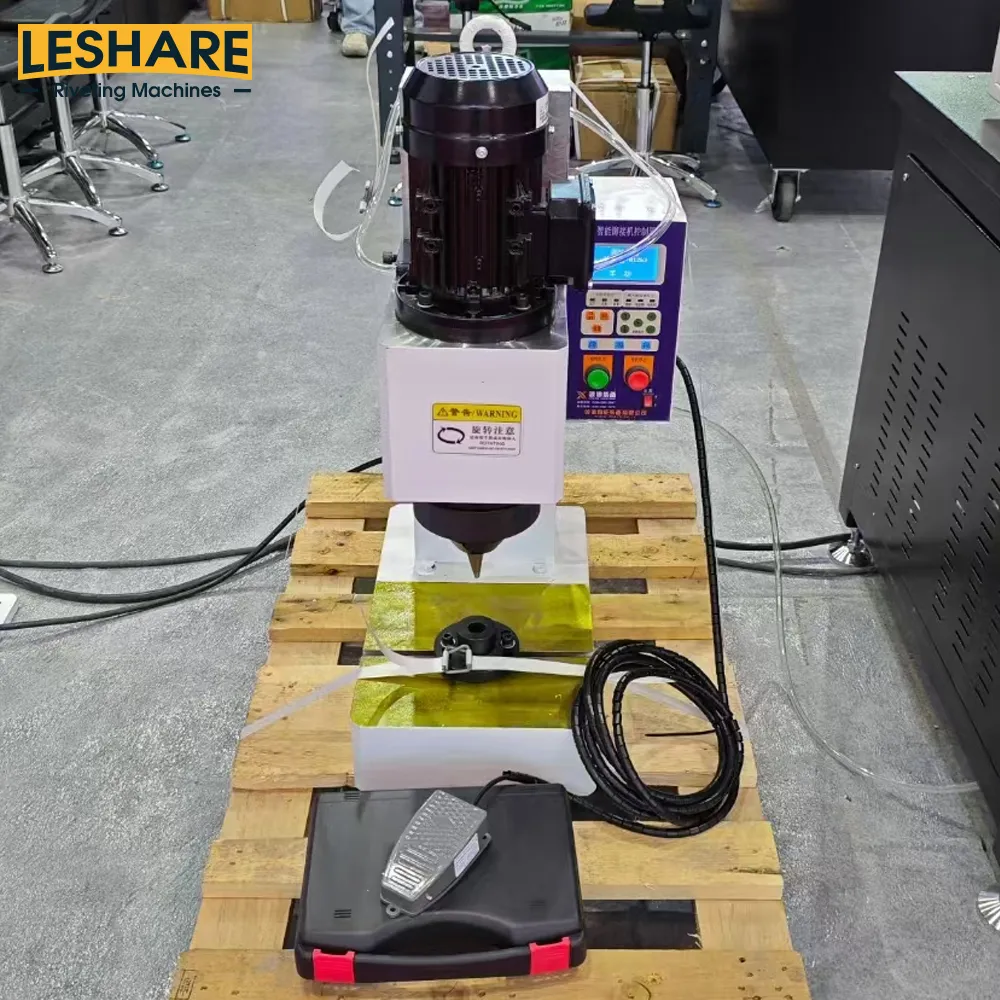
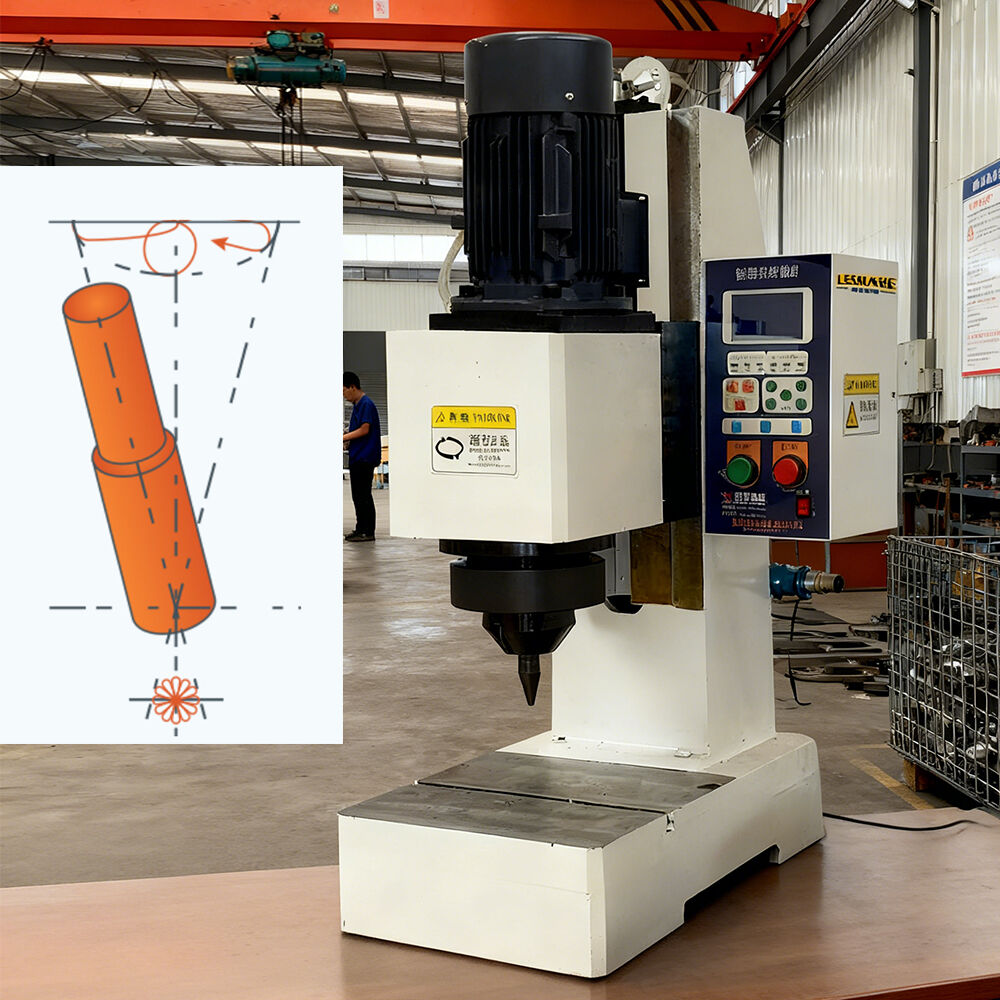
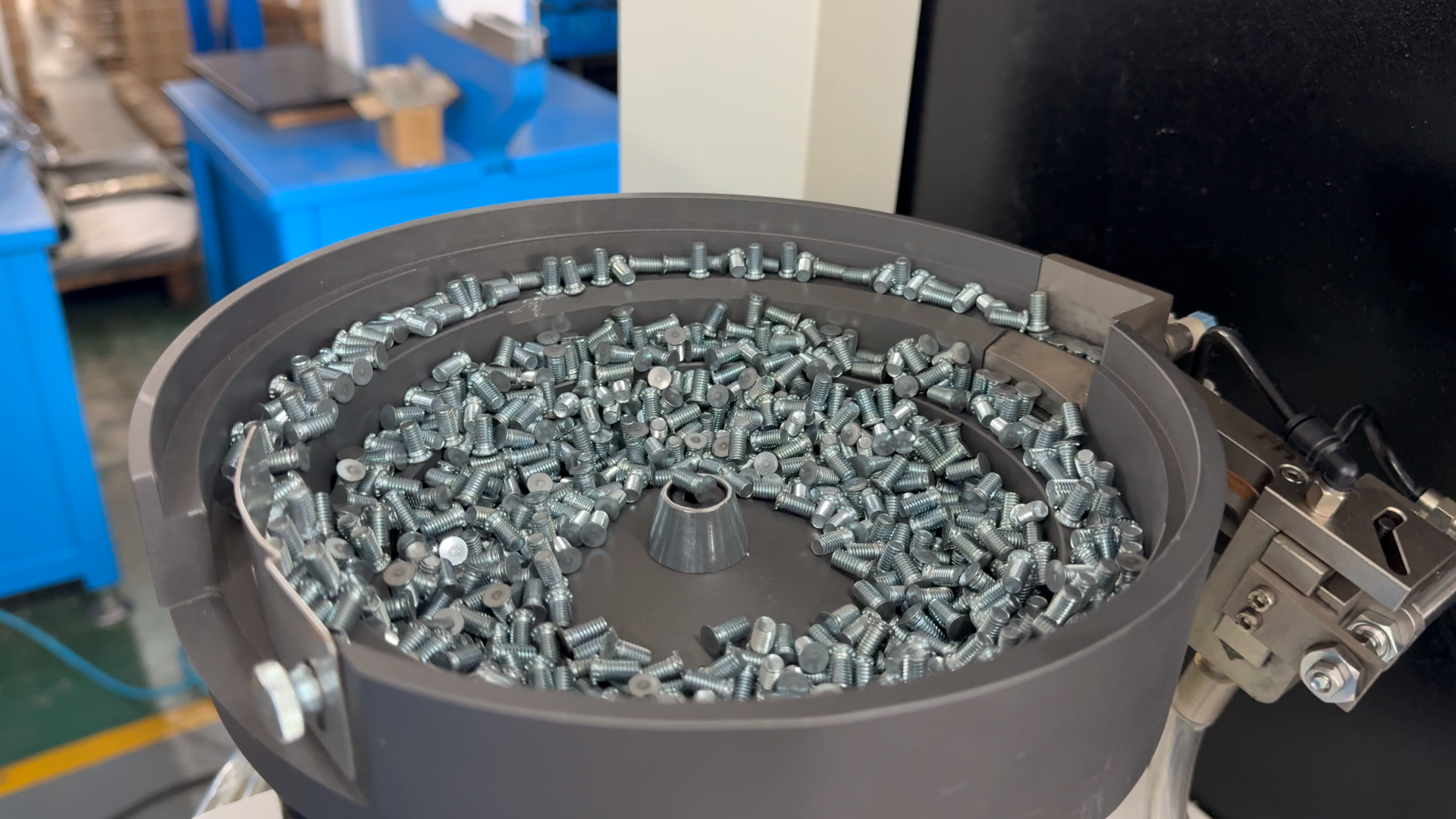
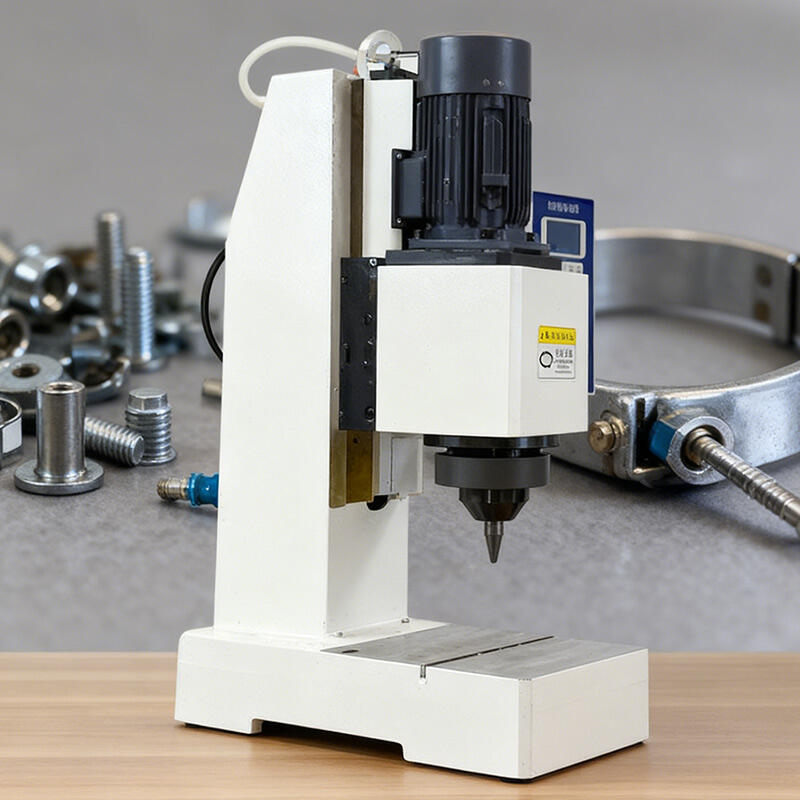
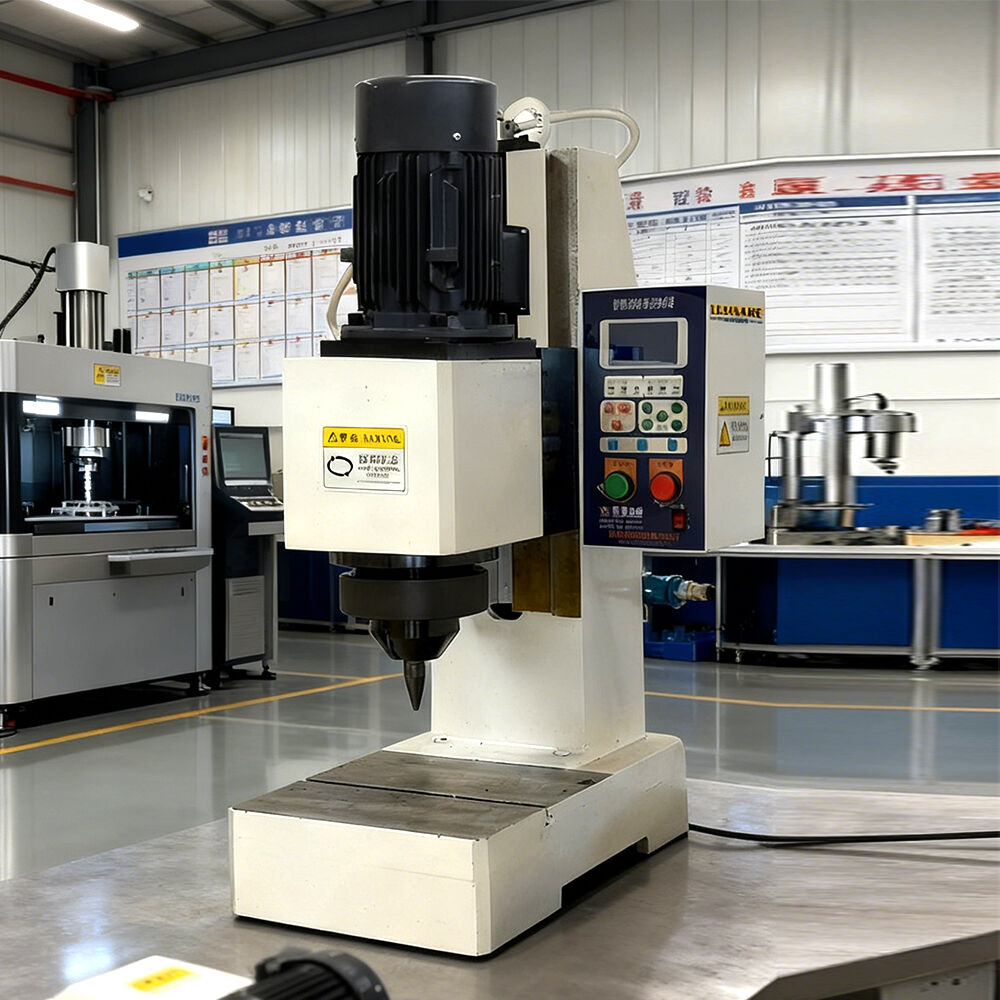
Tox joining represents a revolutionary mechanical fastening technology that transforms how manufacturers connect sheet metal components without traditional welding, riveting, or adhesive bonding methods. This innovative process creates permanent connections through controlled deformation, where specialized tooling forms interlocking joints directly within the material structure. The tox joining system operates by using precisely engineered punches and dies that create mechanical interlock points, establishing robust connections that maintain structural integrity under various loading conditions. The technology excels in applications requiring dissimilar material combinations, where traditional welding proves challenging or impossible. Manufacturing facilities across automotive, aerospace, appliance, and electronics industries have embraced tox joining for its versatility and reliability. The process accommodates materials ranging from aluminum and steel to advanced composites and coated substrates. Unlike conventional joining methods, tox joining requires no consumables such as fasteners, welding wire, or adhesives, significantly reducing operational costs and material inventory requirements. The technology operates through computer-controlled systems that ensure consistent joint quality and repeatable results across production runs. Quality control becomes simplified as visual inspection readily identifies proper joint formation, eliminating complex testing procedures required for other joining methods. Environmental benefits emerge through reduced energy consumption compared to welding processes and elimination of chemical adhesives that may pose disposal challenges. The tox joining process generates minimal heat, preserving material properties and avoiding thermal distortion common in fusion welding. This characteristic proves particularly valuable when working with heat-sensitive materials or precision components requiring dimensional stability. Production flexibility increases as the same equipment handles various joint configurations and material combinations through simple tooling changes. The technology supports both manual operations for prototyping and fully automated systems for high-volume manufacturing, making it scalable across different production environments and business requirements.

New Products

Manufacturers choosing tox joining gain immediate cost savings through elimination of consumable materials and reduced energy requirements compared to traditional joining methods. The process delivers consistent, reliable connections without requiring skilled welding operators, reducing labor costs and training requirements while maintaining high-quality results. Production efficiency increases dramatically as tox joining operates faster than conventional methods, with cycle times typically measured in seconds rather than minutes. This speed advantage translates directly into higher throughput and improved manufacturing capacity without additional equipment investment. Quality improvements become evident through reduced rework rates and fewer defective assemblies, as the mechanical nature of tox joining creates visible, easily inspected joints that either form correctly or fail obviously during the process. Safety enhancements emerge through elimination of welding fumes, sparks, and high temperatures, creating healthier working environments and reducing safety equipment requirements. The technology accommodates mixed materials seamlessly, opening design possibilities previously limited by welding compatibility constraints between different alloys or substrate types. Maintenance requirements decrease significantly compared to welding equipment, with tox joining systems requiring minimal upkeep beyond basic tooling inspection and replacement. Environmental compliance becomes simpler as the process generates no hazardous waste streams or emissions, supporting sustainability initiatives and regulatory compliance efforts. Flexibility in joint design allows engineers to optimize connections for specific loading requirements, creating stronger assemblies through strategic placement of multiple tox joints. The cold-forming nature of tox joining preserves material properties and protective coatings, eliminating post-process treatments required after welding operations. Production scheduling becomes more predictable as tox joining eliminates variables associated with welding, such as operator skill variations and environmental conditions affecting weld quality. Investment returns accelerate through reduced tooling costs and faster setup times compared to specialized welding fixtures, enabling rapid product changes and shorter development cycles. The technology scales effectively from prototype to production volumes, supporting business growth without requiring complete process changes or significant additional capital investment in different joining technologies.

Tips And Tricks

How Does a Fastener Insertion Machine Improve Productivity in Metal Fabrication?

11

Dec

How Does a Fastener Insertion Machine Improve Productivity in Metal Fabrication?

In today's competitive metal fabrication industry, manufacturers are constantly seeking innovative solutions to enhance production efficiency while maintaining quality standards. A fastener insertion machine represents a revolutionary advancement tha...
View More
How do radial riveting machines integrate with modern production systems?

26

Feb

How do radial riveting machines integrate with modern production systems?

Modern manufacturing environments demand precision, efficiency, and seamless integration across all production processes. Radial riveting machines have emerged as essential equipment for achieving reliable fastening solutions in industries ranging fr...
View More
How Does an Orbital Riveting Machine Improve Assembly Efficiency?

26

Feb

How Does an Orbital Riveting Machine Improve Assembly Efficiency?

Manufacturing industries constantly seek innovative solutions to enhance assembly efficiency while maintaining superior product quality. An orbital riveting machine represents a breakthrough technology that revolutionizes traditional fastening method...
View More
How to Choose the Right Automatic Riveting Machine for Your Line?

18

Mar

How to Choose the Right Automatic Riveting Machine for Your Line?

Manufacturing efficiency depends heavily on selecting the right equipment for your production line. An automatic riveting machine represents a critical investment that can significantly impact your operational productivity, product quality, and overa...
View More

Get a Free Quote

Our representative will contact you soon.
Email
Name
Company Name
Message
0/1000

tox joining

Superior Material Compatibility and Joint Integrity

Superior Material Compatibility and Joint Integrity

The exceptional material compatibility of tox joining sets it apart from conventional joining technologies, enabling manufacturers to create reliable connections between dissimilar materials that would otherwise prove challenging or impossible to bond effectively. This advanced joining method successfully connects aluminum to steel, copper to stainless steel, and various coated materials without compromising the integrity of protective surface treatments or substrate properties. The mechanical interlocking mechanism creates joints that maintain their strength characteristics across temperature extremes and environmental exposures, making tox joining ideal for applications in automotive bodies, aerospace structures, and industrial equipment exposed to harsh operating conditions. The process preserves the corrosion resistance properties of coated materials, eliminating the galvanic corrosion concerns often associated with dissimilar metal welding applications. Joint integrity remains consistent regardless of material thickness variations, accommodating sheet metal components ranging from thin gauge materials to heavier structural elements within the same assembly. The cold-forming nature of tox joining prevents the metallurgical changes that occur during fusion welding, maintaining original material strength properties and avoiding heat-affected zones that can create weak points in critical assemblies. Quality control becomes straightforward as properly formed tox joints exhibit distinctive visual characteristics that trained operators can quickly identify, reducing inspection time and eliminating the need for destructive testing procedures common with other joining methods. The mechanical interlock design distributes loads across the entire joint interface rather than concentrating stress at specific points, resulting in superior fatigue resistance compared to spot welds or riveted connections. This load distribution characteristic proves particularly valuable in dynamic applications where repeated loading cycles would otherwise cause premature failure in conventional joints. The technology adapts to various joint geometries, including lap joints, corner joints, and complex three-dimensional configurations, providing design flexibility that enhances product functionality while maintaining structural performance requirements across diverse manufacturing applications.
Cost-Effective Production with Minimal Operating Expenses

Cost-Effective Production with Minimal Operating Expenses

Tox joining delivers remarkable cost advantages through elimination of consumable materials and significantly reduced operating expenses compared to traditional joining methods, making it an attractive solution for manufacturers seeking to improve profitability while maintaining product quality. The technology requires no welding electrodes, filler materials, shielding gases, or adhesives, eliminating recurring material costs that can represent substantial portions of manufacturing budgets in high-volume production environments. Energy consumption drops considerably as tox joining operates without the high electrical demands of welding equipment or extended curing times required for adhesive bonding processes, resulting in lower utility costs and reduced environmental impact. Labor efficiency increases through simplified operator training requirements, as the mechanical nature of tox joining eliminates the need for certified welders and reduces the skill level required for consistent, high-quality joint formation. Production throughput improves dramatically with cycle times typically measured in seconds, allowing manufacturers to process more components per shift without additional equipment investment or facility expansion. Maintenance costs decrease substantially as tox joining systems require minimal upkeep beyond periodic tooling inspection and replacement, contrasting favorably with welding equipment that demands regular calibration, consumable replacement, and complex maintenance procedures. Quality-related costs diminish through reduced rework rates and fewer defective assemblies, as the visible nature of properly formed tox joints enables immediate identification of acceptable connections during production. Setup times decrease significantly compared to welding operations, enabling faster product changeovers and improved manufacturing flexibility to respond to customer demands and market changes. The technology eliminates post-process operations such as grinding, cleaning, or surface treatment commonly required after welding, reducing handling time and associated labor costs. Investment recovery accelerates through lower initial equipment costs compared to sophisticated welding systems and reduced facility requirements, as tox joining operates without special ventilation or safety systems needed for welding operations, making it accessible to manufacturers with limited capital budgets or facility constraints.

Enhanced Manufacturing Flexibility and Process Control

Enhanced Manufacturing Flexibility and Process Control

The remarkable manufacturing flexibility inherent in tox joining technology empowers producers to adapt quickly to changing product requirements and market demands while maintaining precise control over joint quality and production parameters. This advanced joining method accommodates rapid tooling changes that enable processing of different material combinations and joint configurations within minutes rather than hours, supporting lean manufacturing principles and just-in-time production strategies. The computer-controlled nature of modern tox joining systems provides precise monitoring and adjustment of forming forces, ensuring consistent joint quality across entire production runs while automatically compensating for minor material property variations. Process parameters can be stored and recalled for different product specifications, eliminating setup errors and reducing the time required to transition between manufacturing jobs. The technology scales seamlessly from prototype quantities to high-volume production without requiring different equipment or processes, enabling manufacturers to validate designs and refine processes using the same systems that will produce final products. Quality documentation becomes automatic through integrated monitoring systems that record force curves and displacement measurements for every joint, providing traceability and quality assurance data required for automotive, aerospace, and medical device applications. Production flexibility extends to joint placement, as tox joining systems can create connections in locations inaccessible to welding equipment or where space constraints prevent traditional fastening methods. The cold-forming process enables joining of heat-sensitive materials and components containing electronic elements that would be damaged by welding temperatures, expanding design possibilities for modern products integrating multiple technologies. Operator safety improves through elimination of welding hazards such as arc flash, toxic fumes, and fire risks, creating more comfortable working environments and reducing insurance costs associated with high-risk manufacturing processes. The predictable nature of tox joining enables accurate production planning and scheduling, as the process eliminates variables such as weather conditions affecting welding quality or operator skill variations that can impact throughput and reject rates in conventional joining operations.

Get a Free Quote

Our representative will contact you soon.
Email
Name
Company Name
Message
0/1000